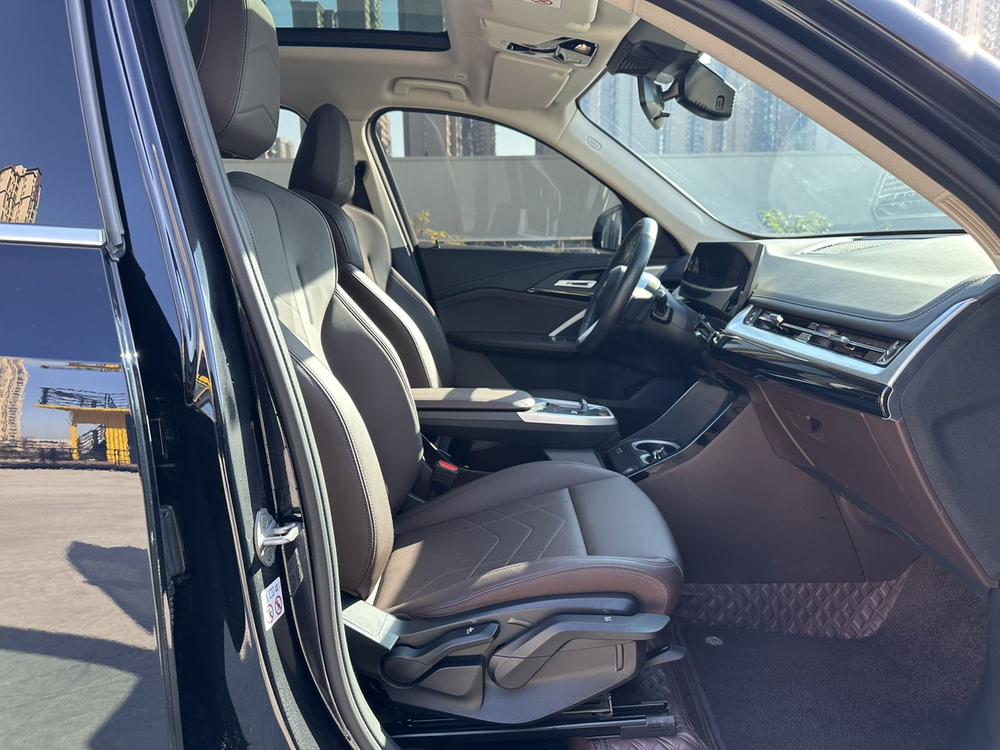
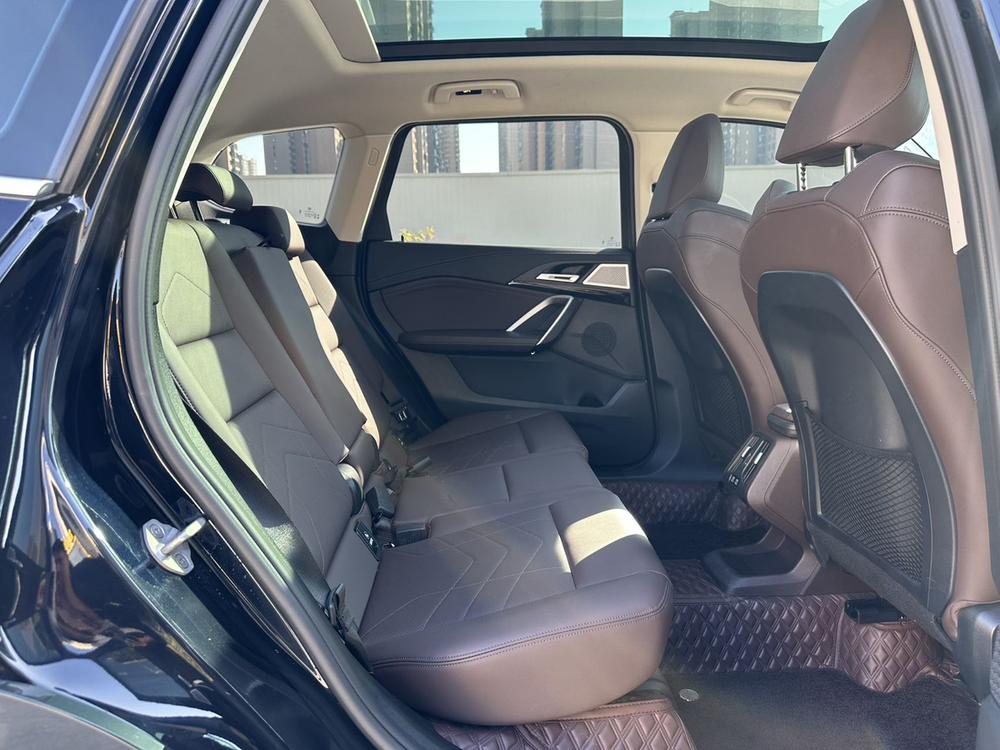
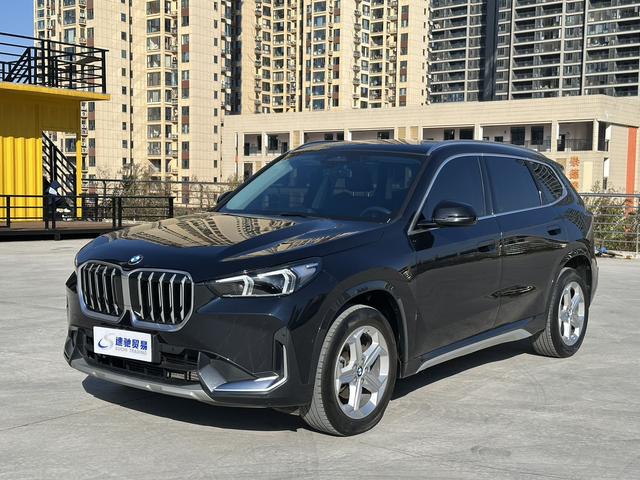



48H

Basic Information

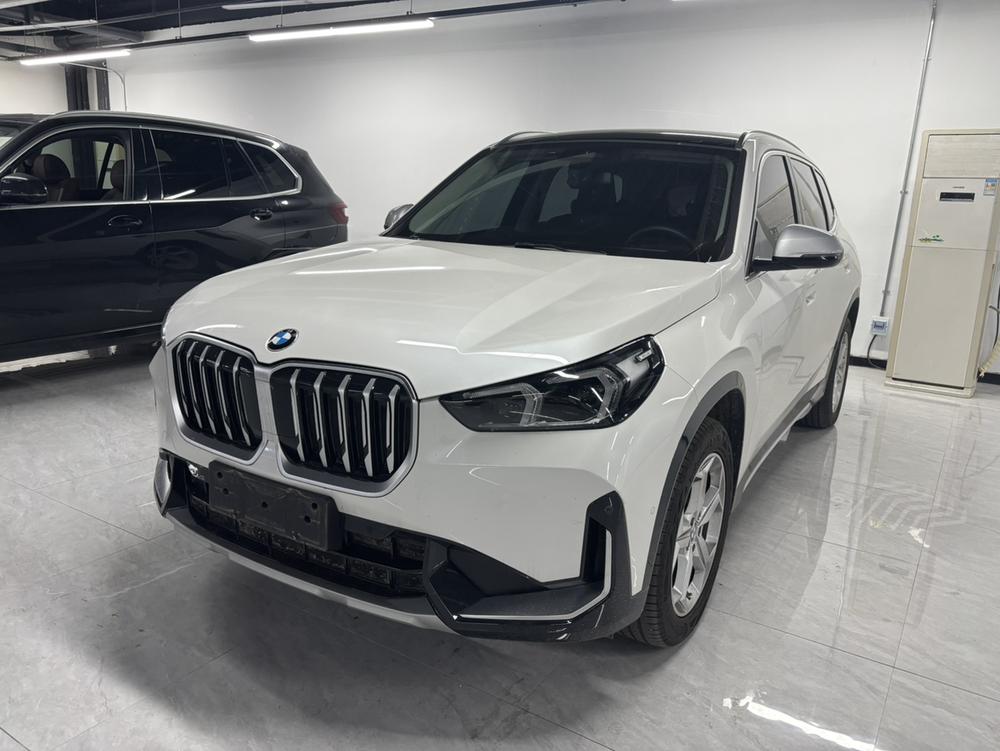
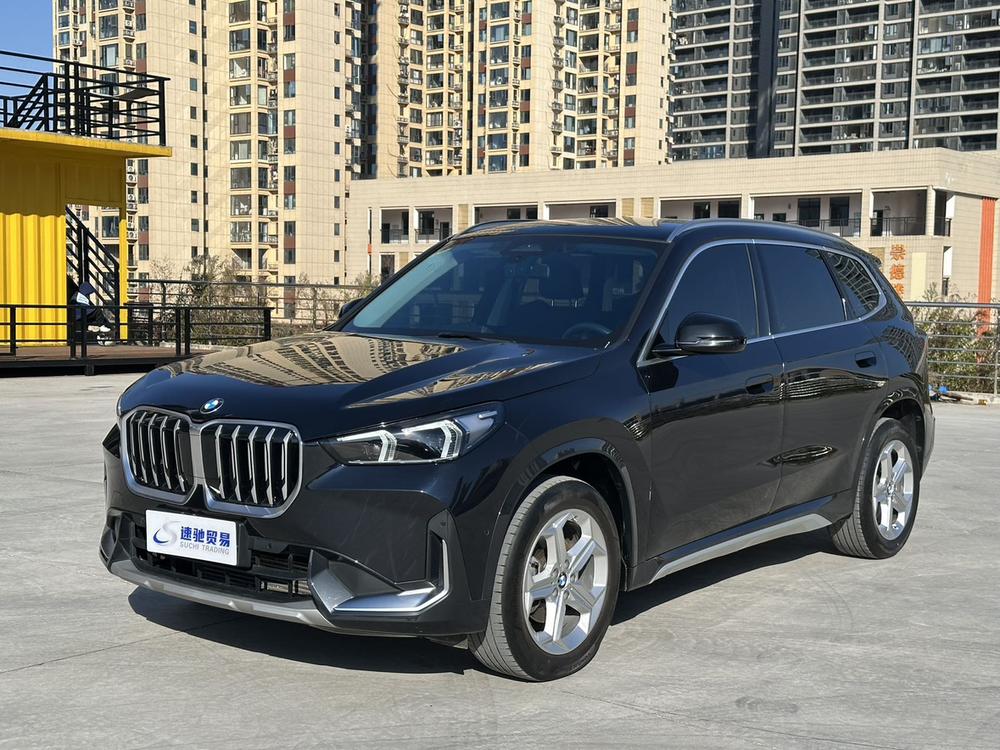
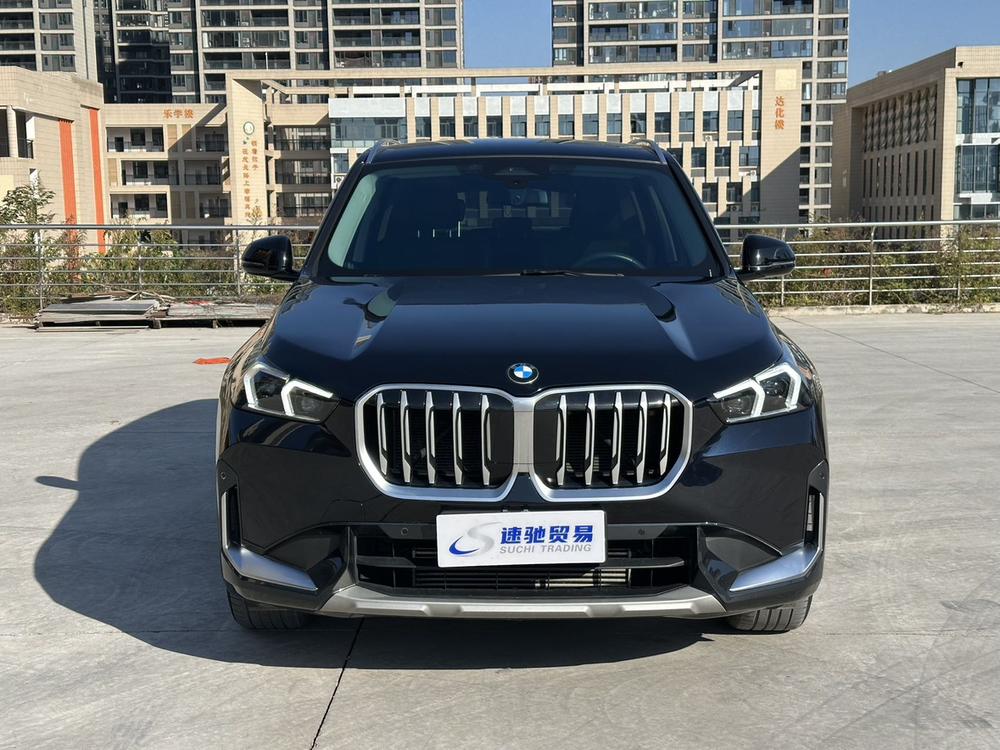
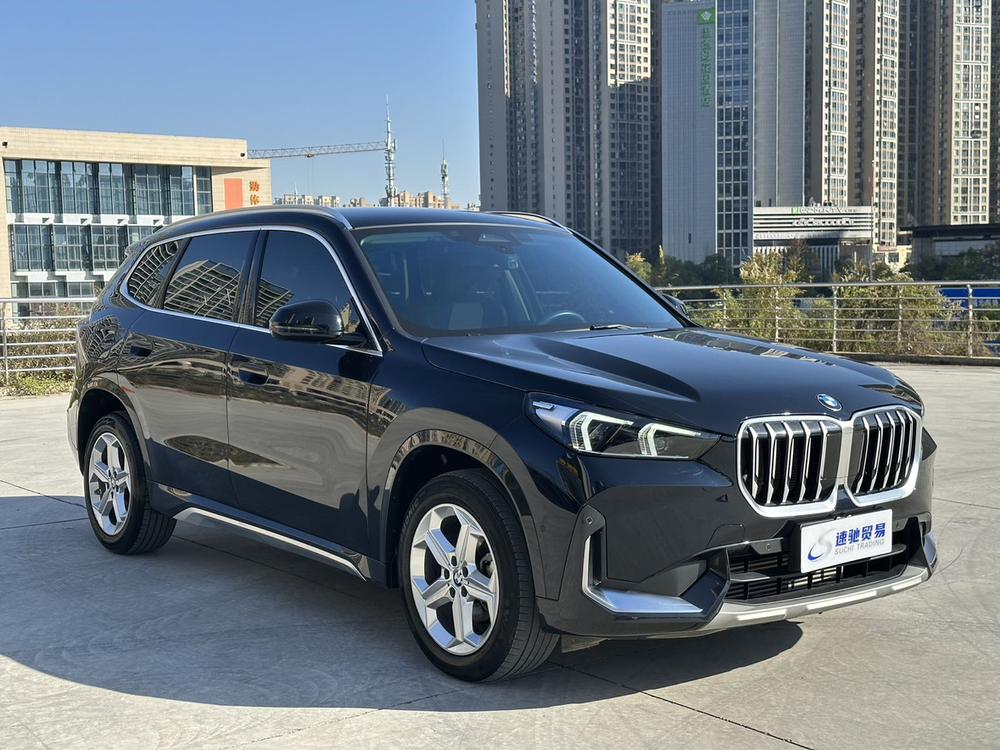
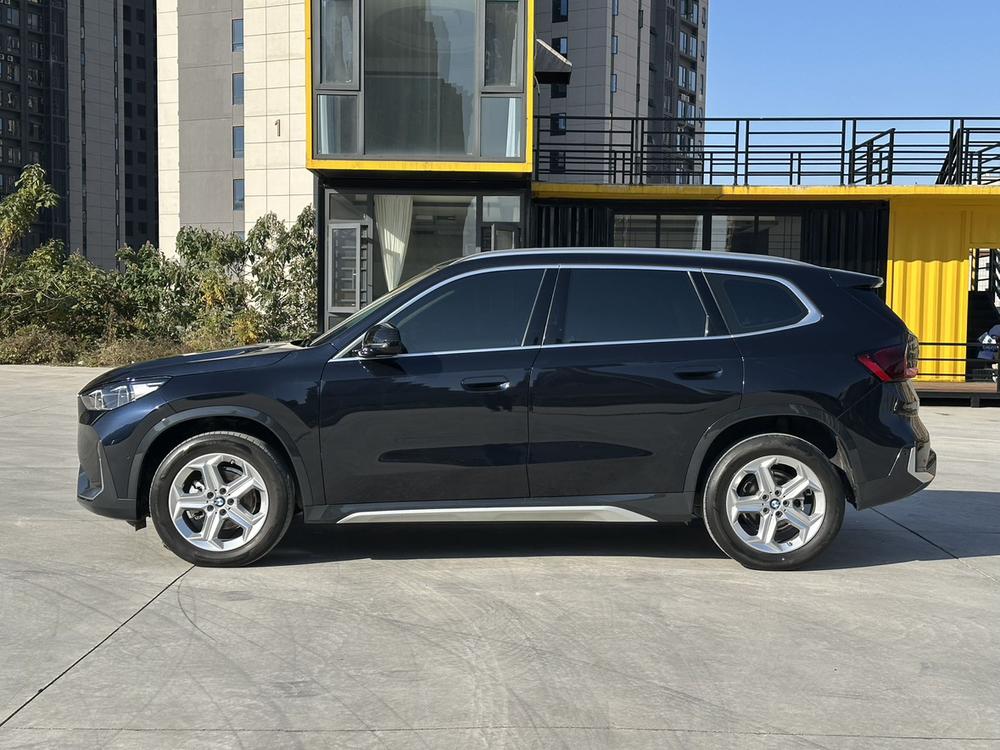
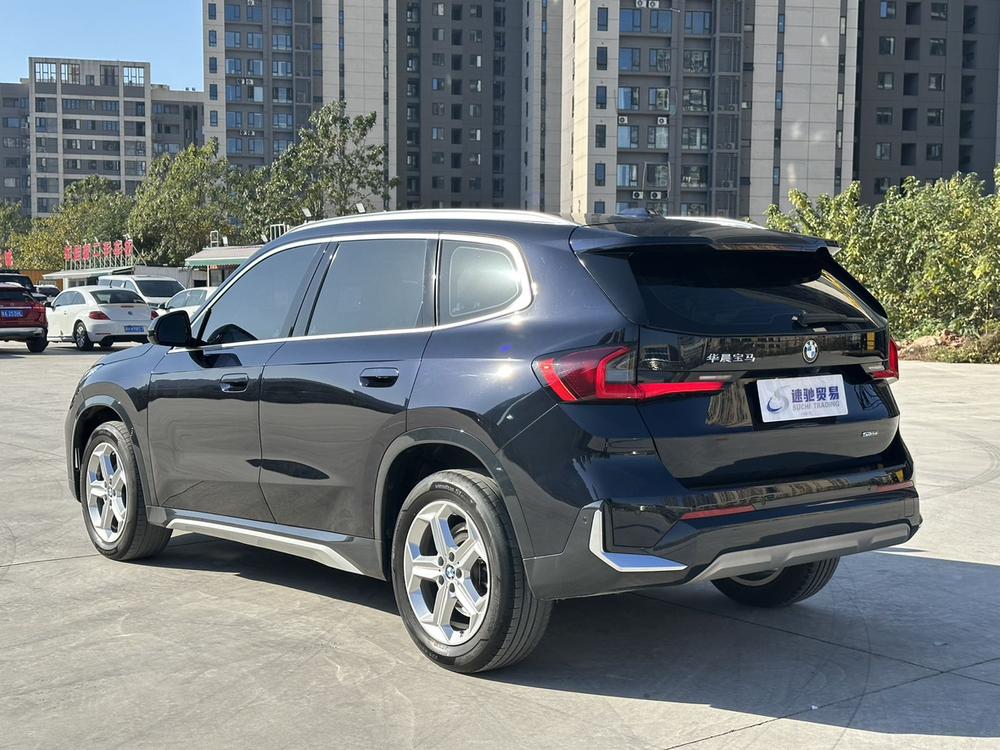
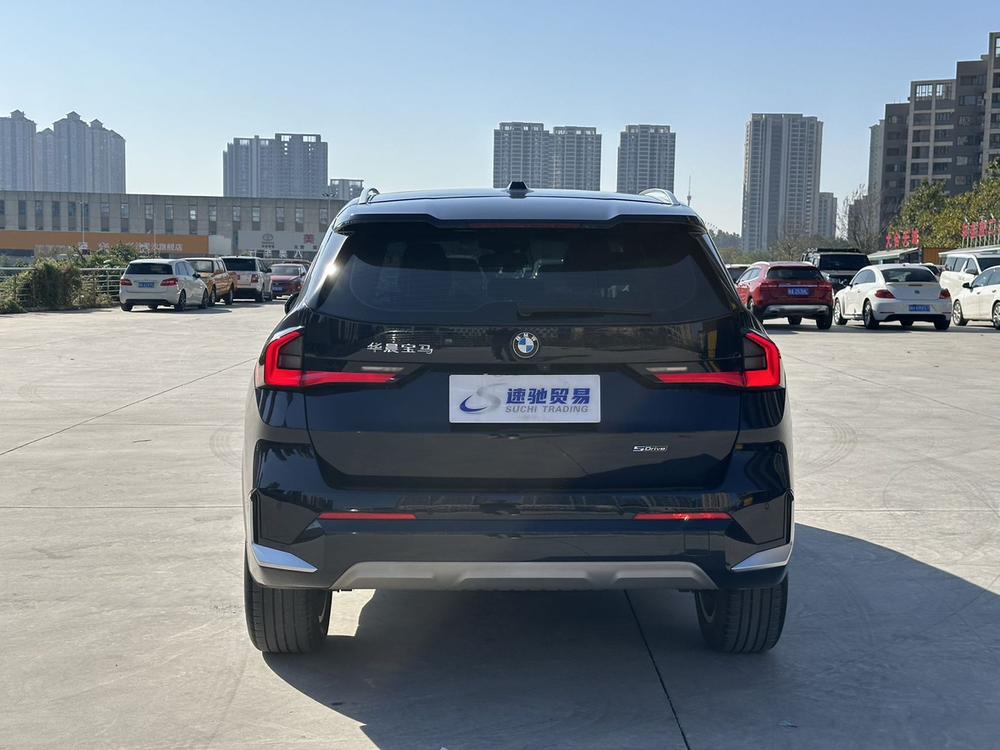
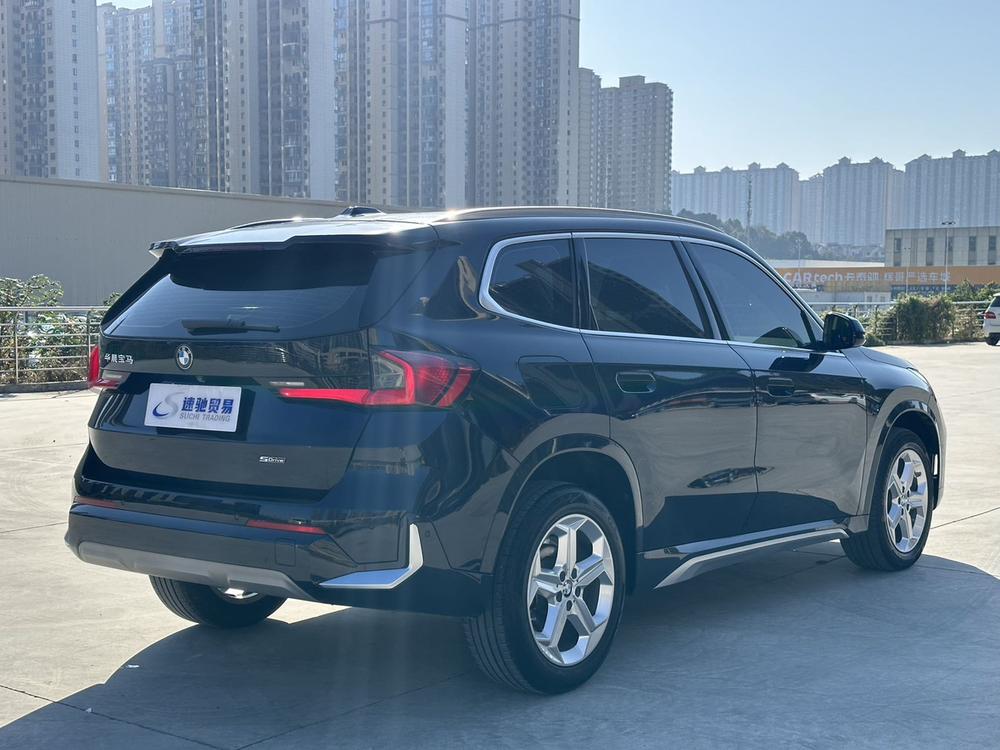
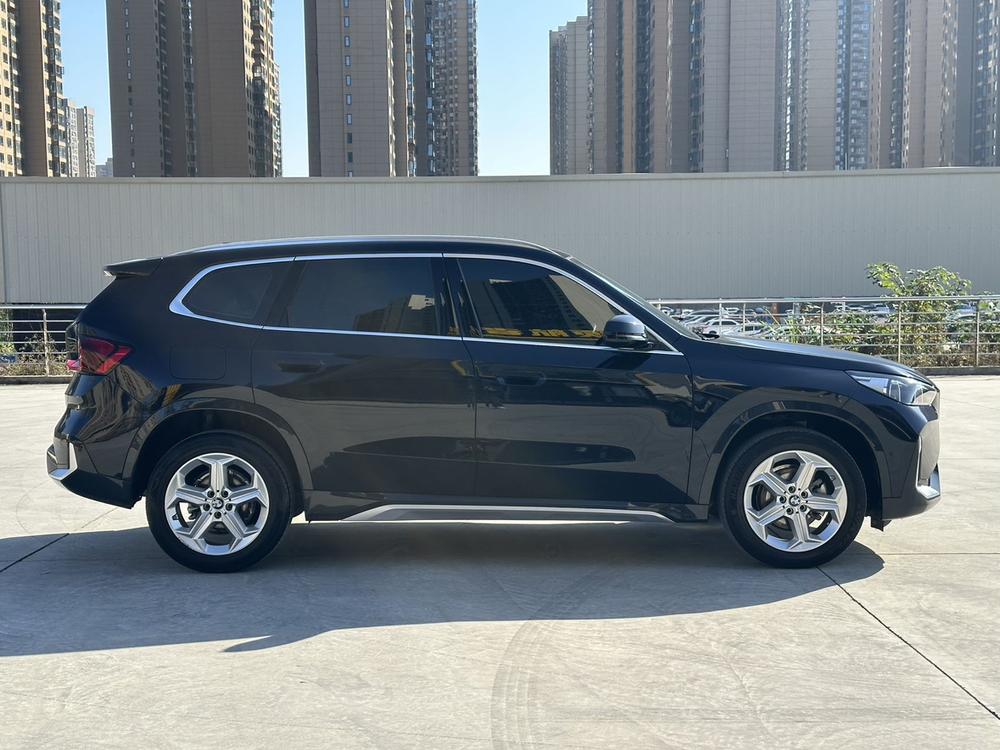
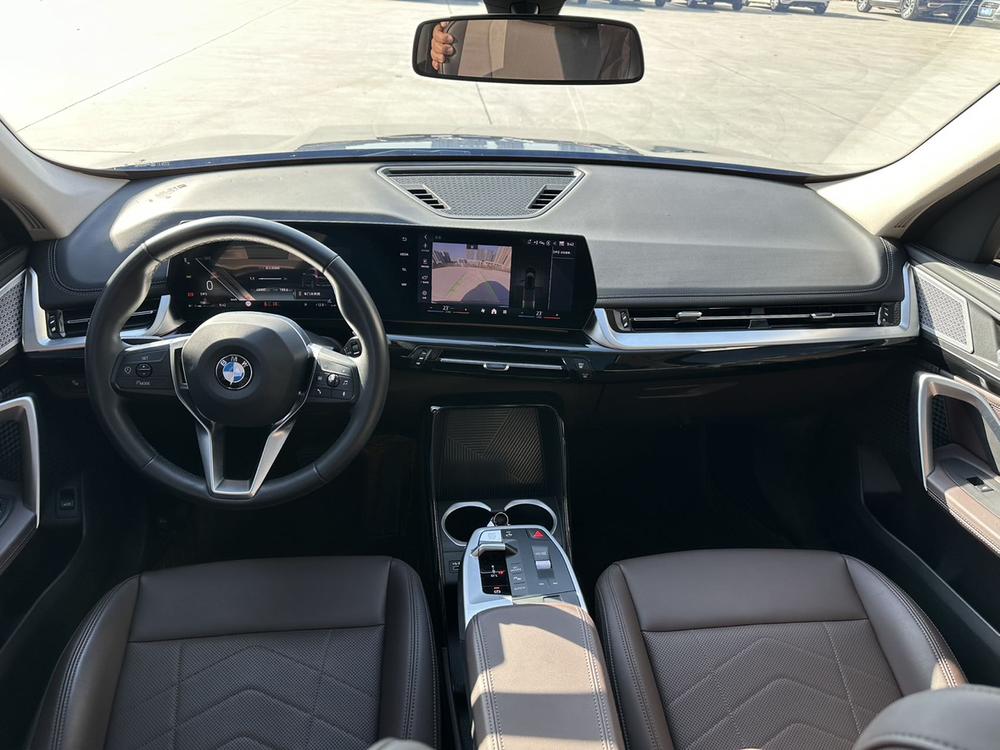
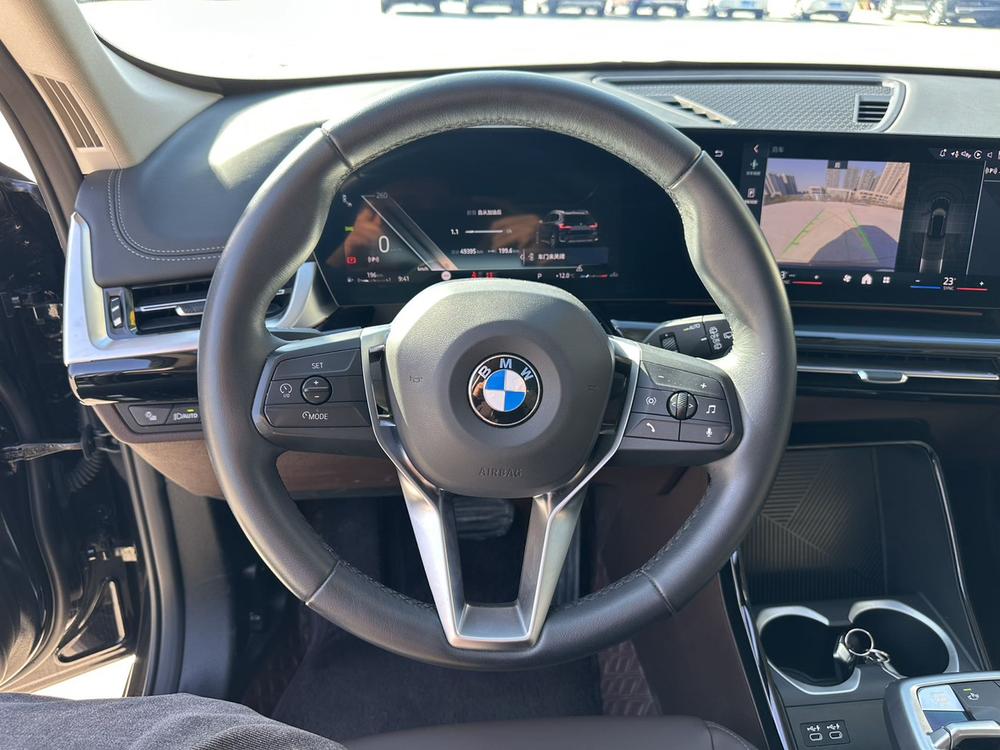
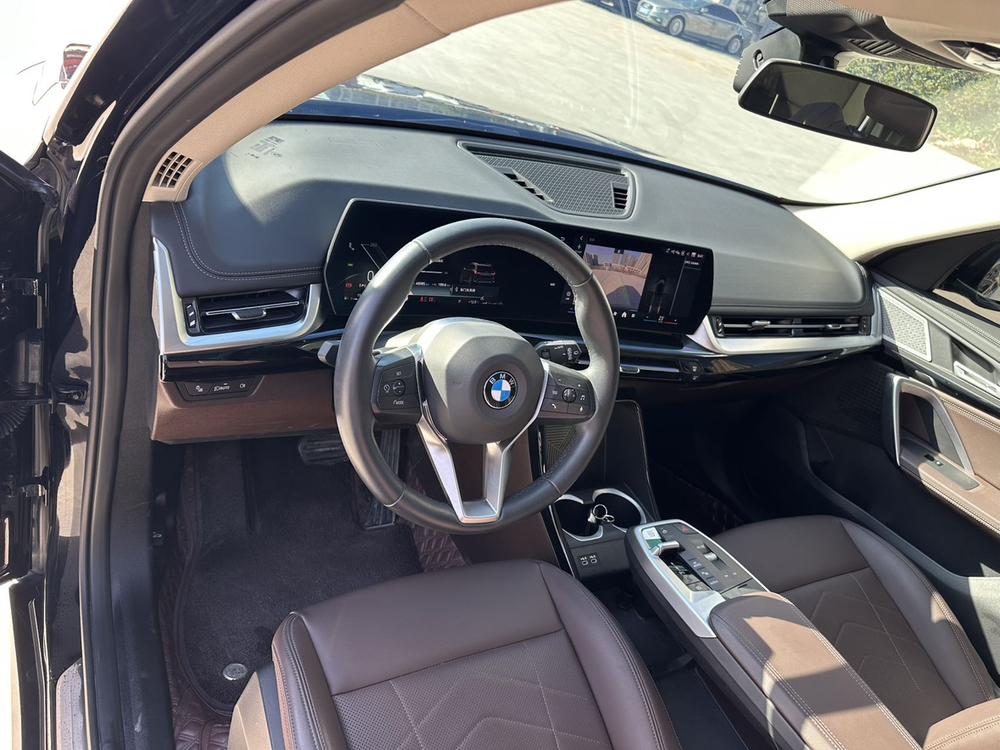
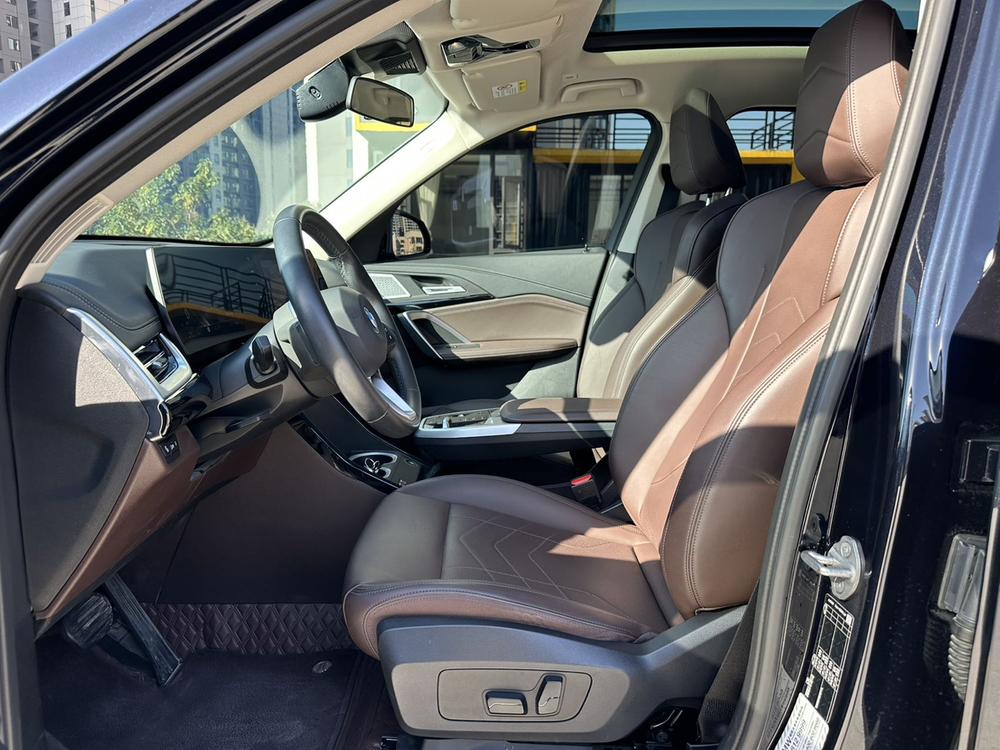
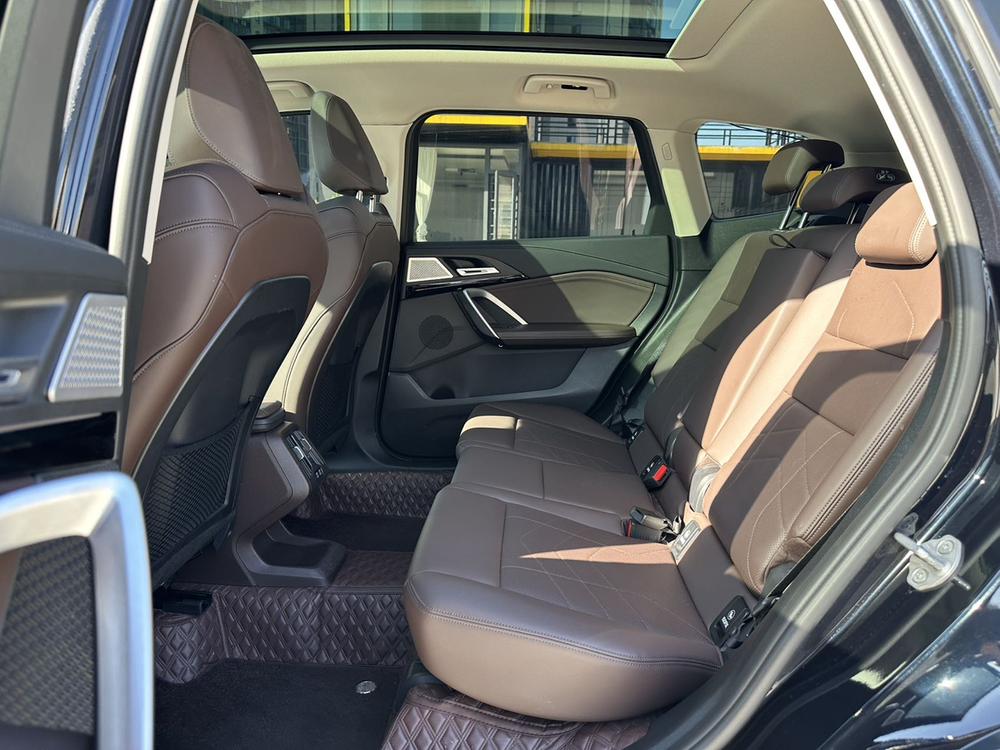
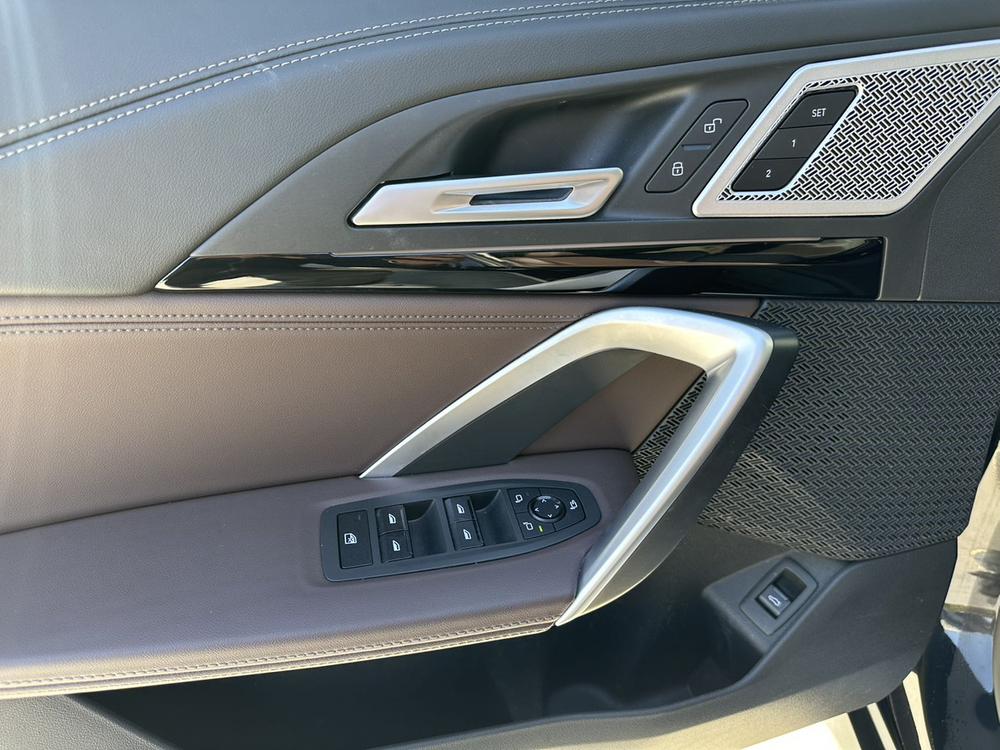
BrandBMW
SeriesX1
Year2023
First Registration2023/09
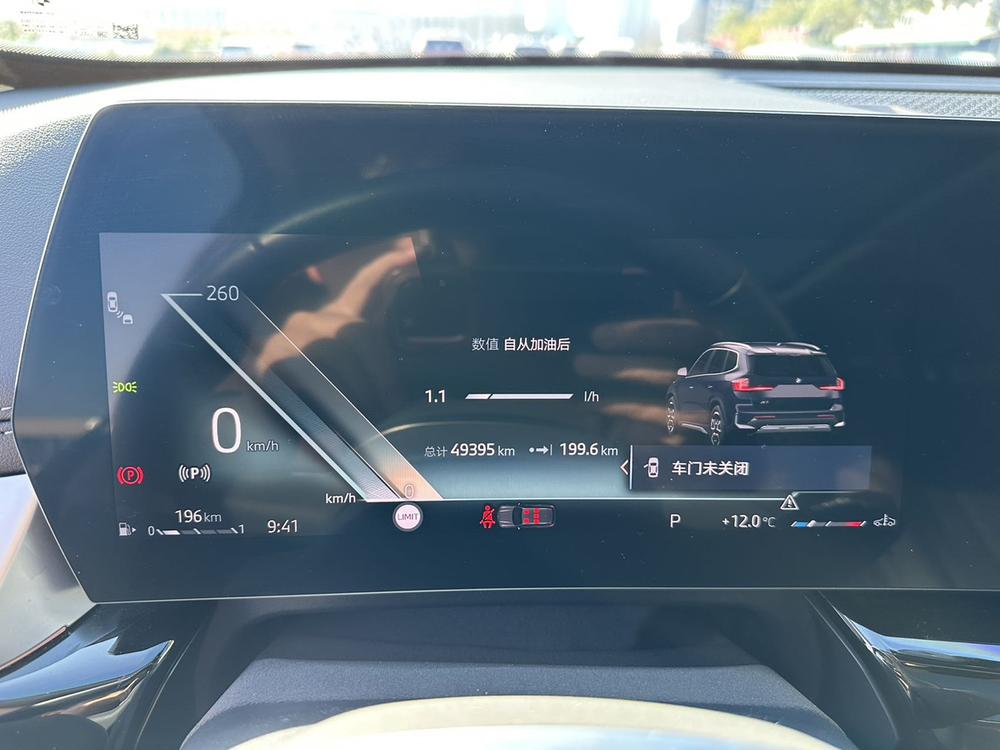
Mileage49,000km
Transfer Count0times
FuelGasoline
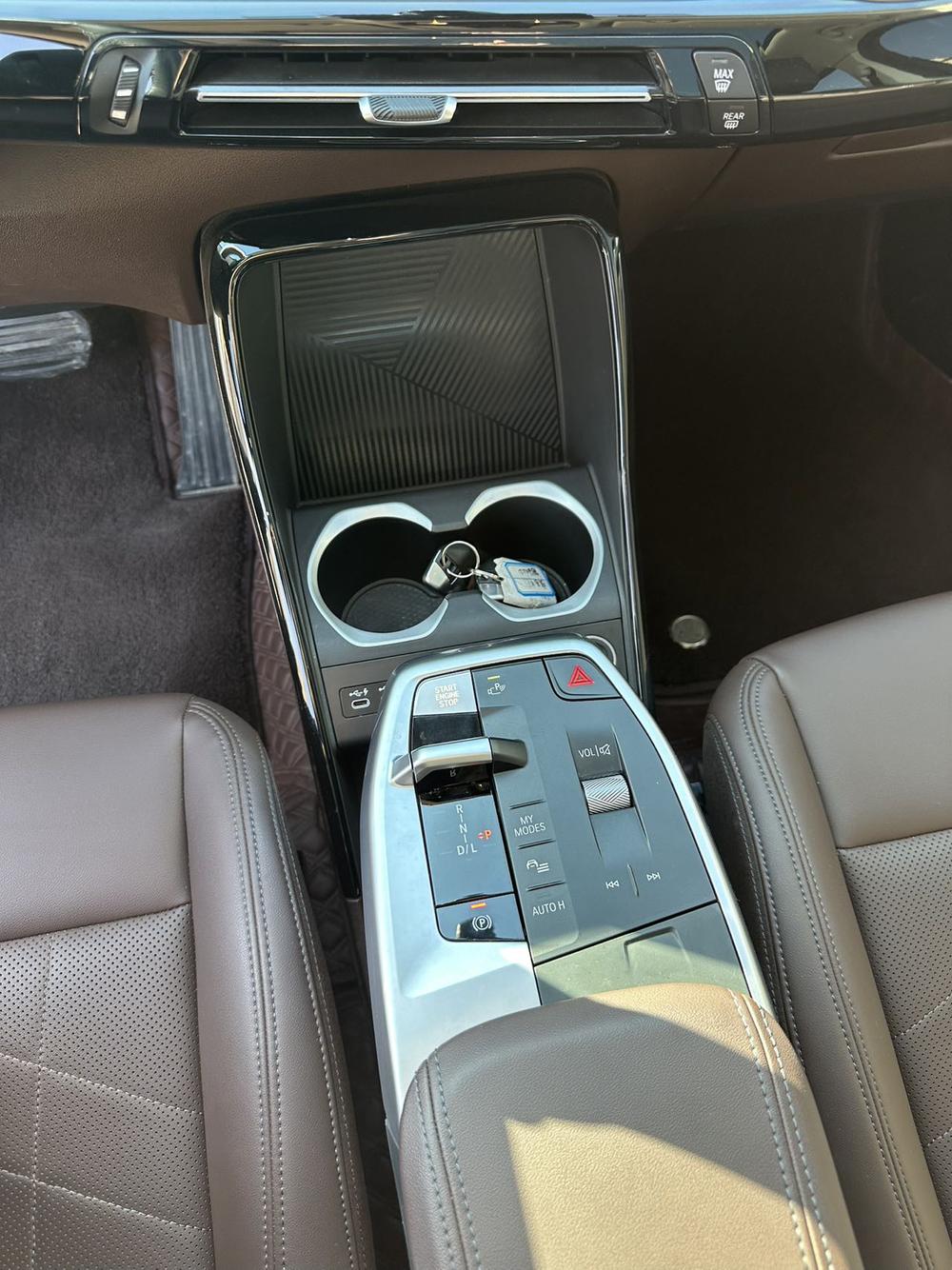
TransmissionDCT
Engine1.5T 156 L3
Color
Seats-

Condition Description

官方质检 · 60天全车质保· 7天无理由有偿退车

Configuration Highlights

✓上牌时间: 2023-09
✓表显里程: 4.9万公里
✓车源地: 长沙
✓排放标准: 国六
✓百公里加速: 9.2s
✓发动机: 1.5T
✓轴距: 2802mm
✓变速箱: 自动
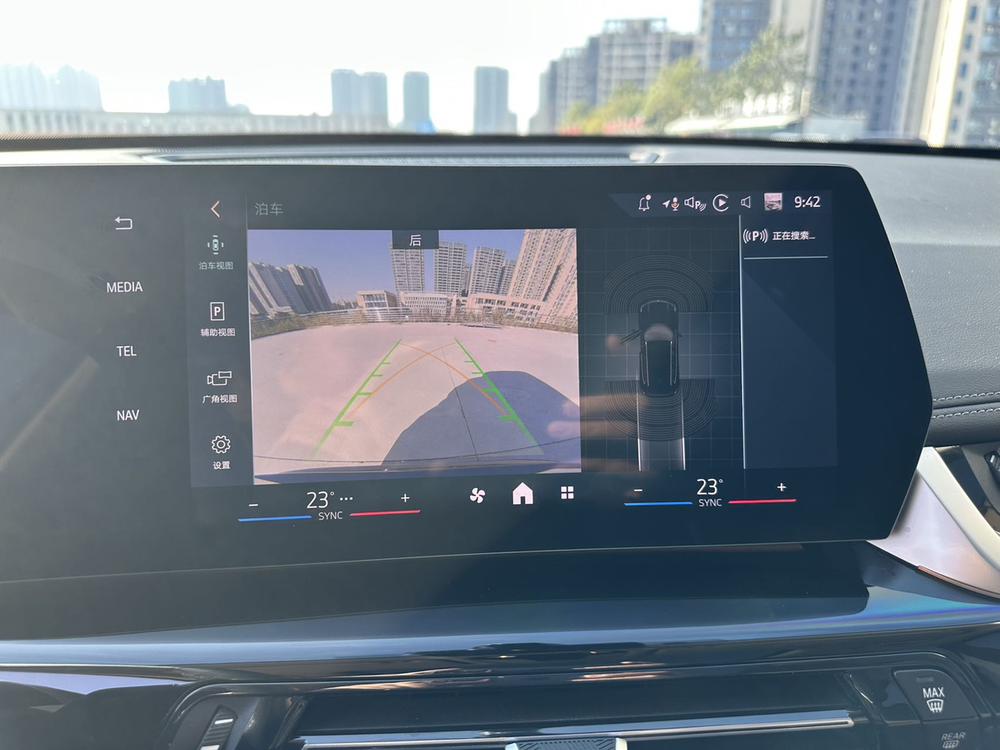
✓功能配置: 20项
✓安全配置: 9项
✓动力类型: 前驱
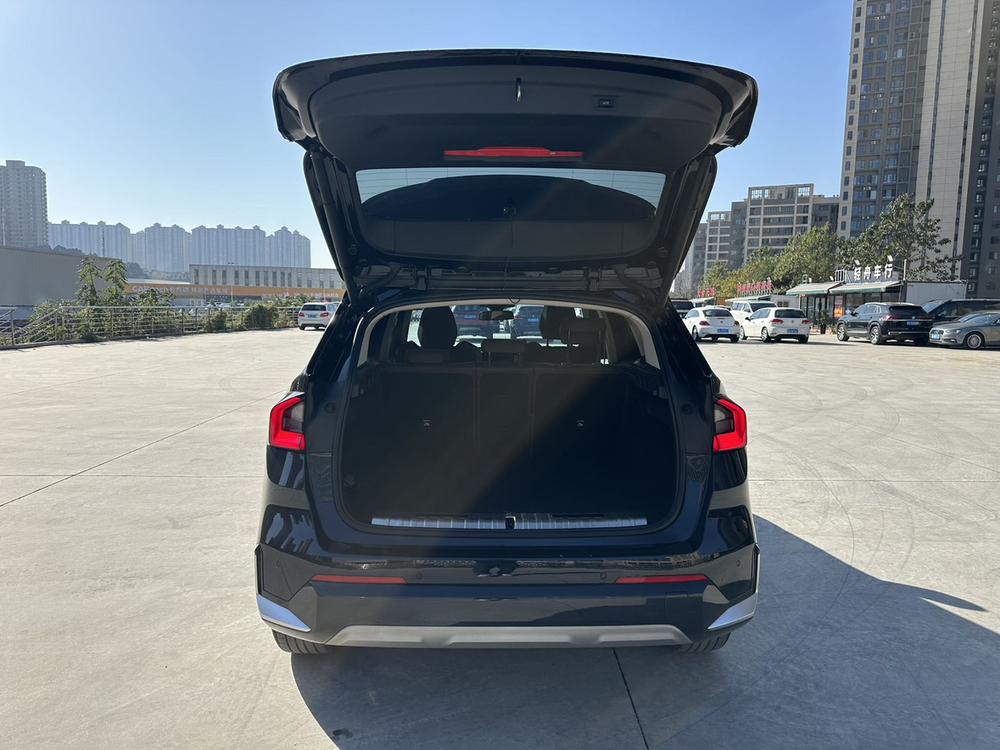
✓空间舒适性: 好

Q&A

More

In countries with right-hand drive regulations, even if I bribe local customs to force a left-hand drive car through clearance, will I face irreversible obstacles when insuring and inspecting it later?

Absolutely. Even if you clear customs through gray channels, local commercial insurance companies will refuse to cover third-party liability insurance due to the vehicle not complying with national traffic laws; additionally, the vehicle will definitely fail the annual safety inspection at the local DMV.


How can I verify the mileage and accident history of a used car from China?

Start with the paperwork: the vehicle registration certificate lists every ownership transfer, and the service book plus dealer maintenance records help confirm mileage. For digital verification, ask the seller for a live video walkaround plus a diagnostic scan report showing the ECU-recorded mileage, which is hard to manipulate. For EVs, request a battery state-of-health (SOH) report — it reveals real usage patterns far better than the odometer. Finally, a pre-shipment inspection by a third party should include structural checks (pillars, chassis rails) to rule out accident repairs. Build "no major accident, no flood or fire damage" into your purchase contract with a refund clause if the inspection contradicts it.

What is a Certificate of Origin and why do I need one when importing a car from China?

A Certificate of Origin (C/O) is an official document stating where the vehicle was manufactured. Customs authorities use it to decide which tariff rates and trade agreements apply to your import. Why it matters: many countries offer preferential tariffs for certain origins. With a valid C/O, such as the ASEAN-China Form E or a GSP Form A, you may pay reduced or zero duty. Without it, you typically pay the standard, higher rate. The certificate must match the vehicle exactly: VIN, make, model and invoice details. It is usually issued by the China Council for the Promotion of International Trade (CCPIT) or customs authorities. Practical tips: request the C/O before shipment, because adding it later is slow; check that your country's customs accepts the specific C/O format; and confirm with your broker whether your vehicle category qualifies for preferential rates. This single document can save you thousands in duty.