
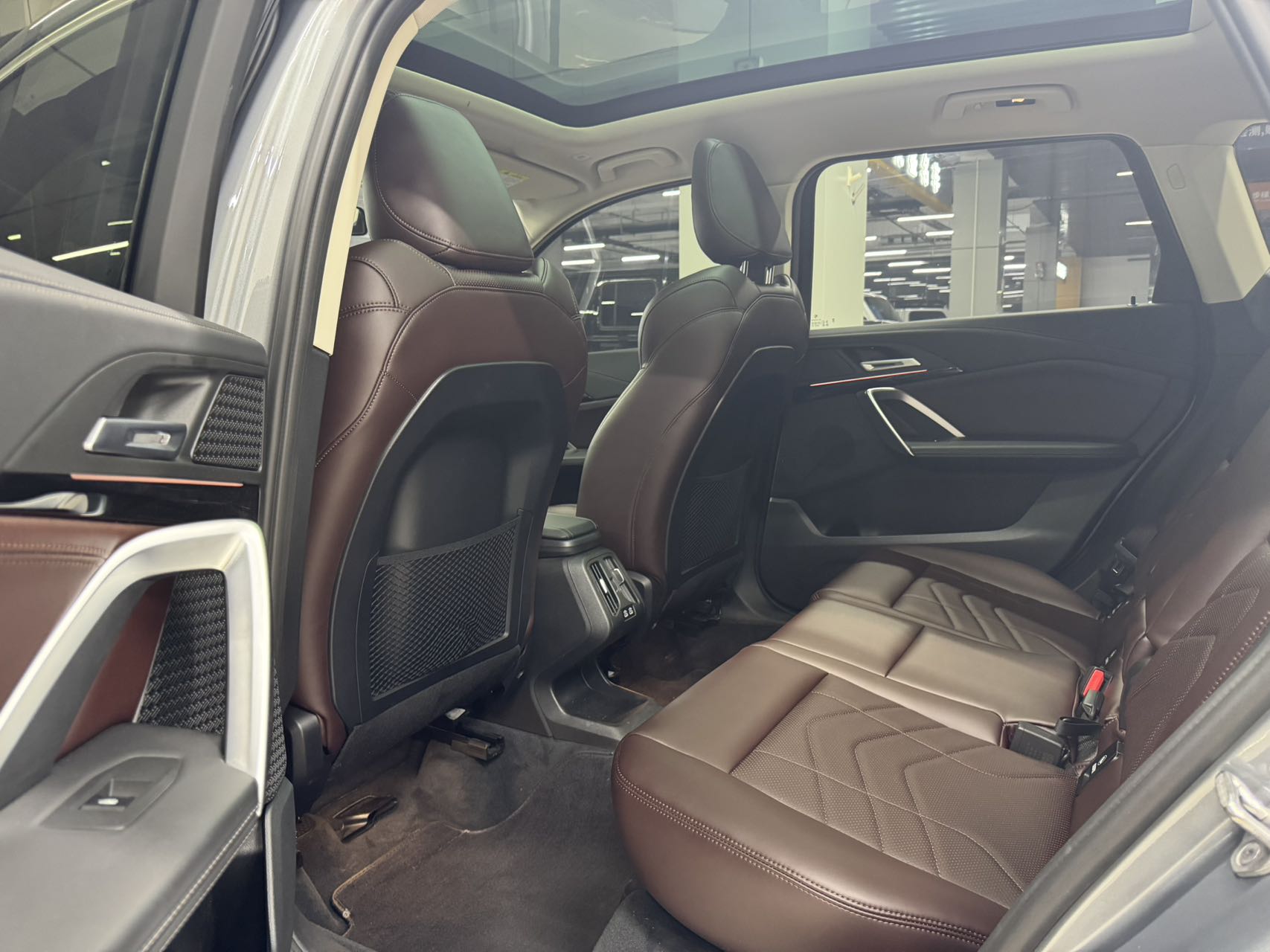
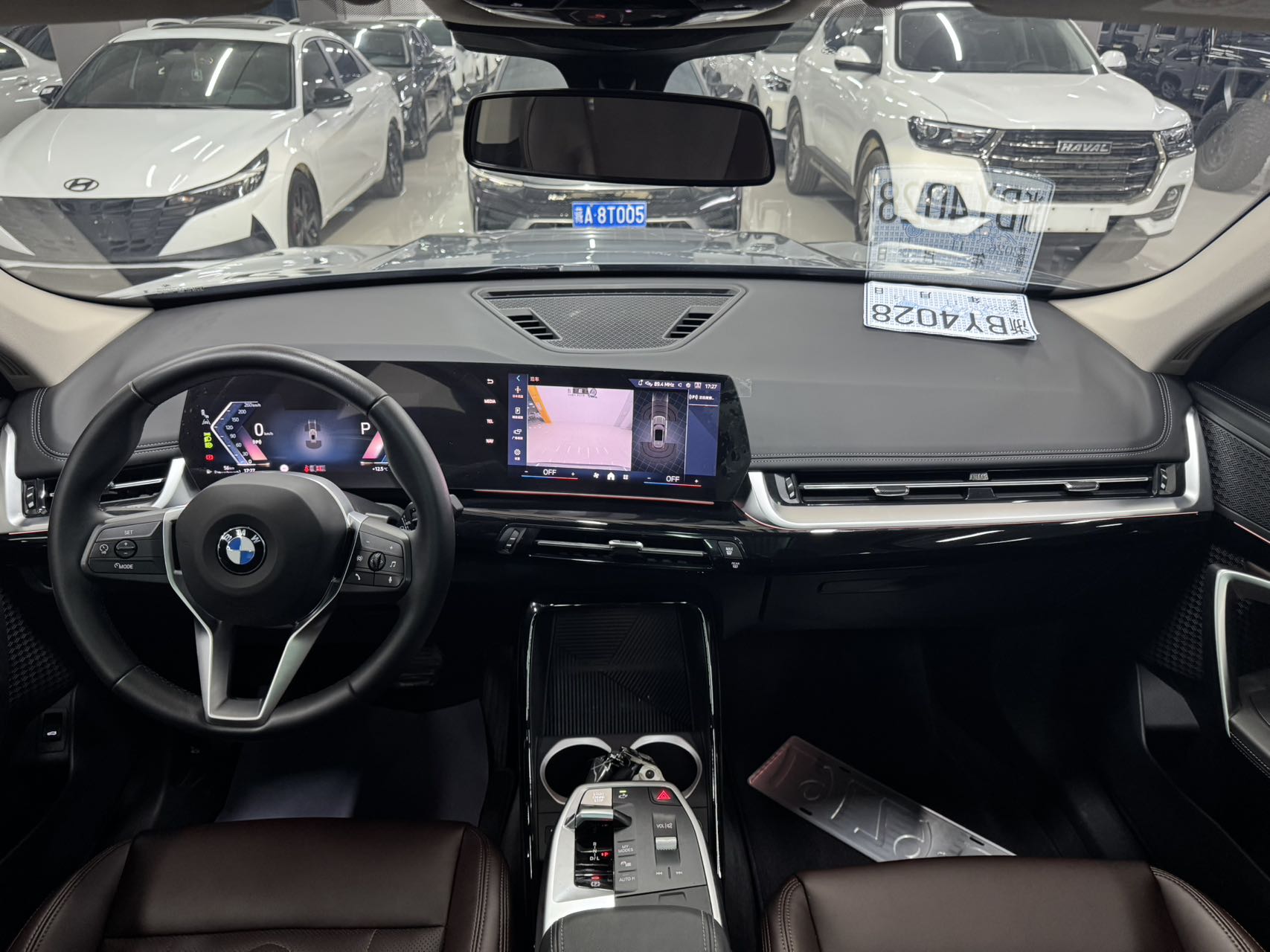
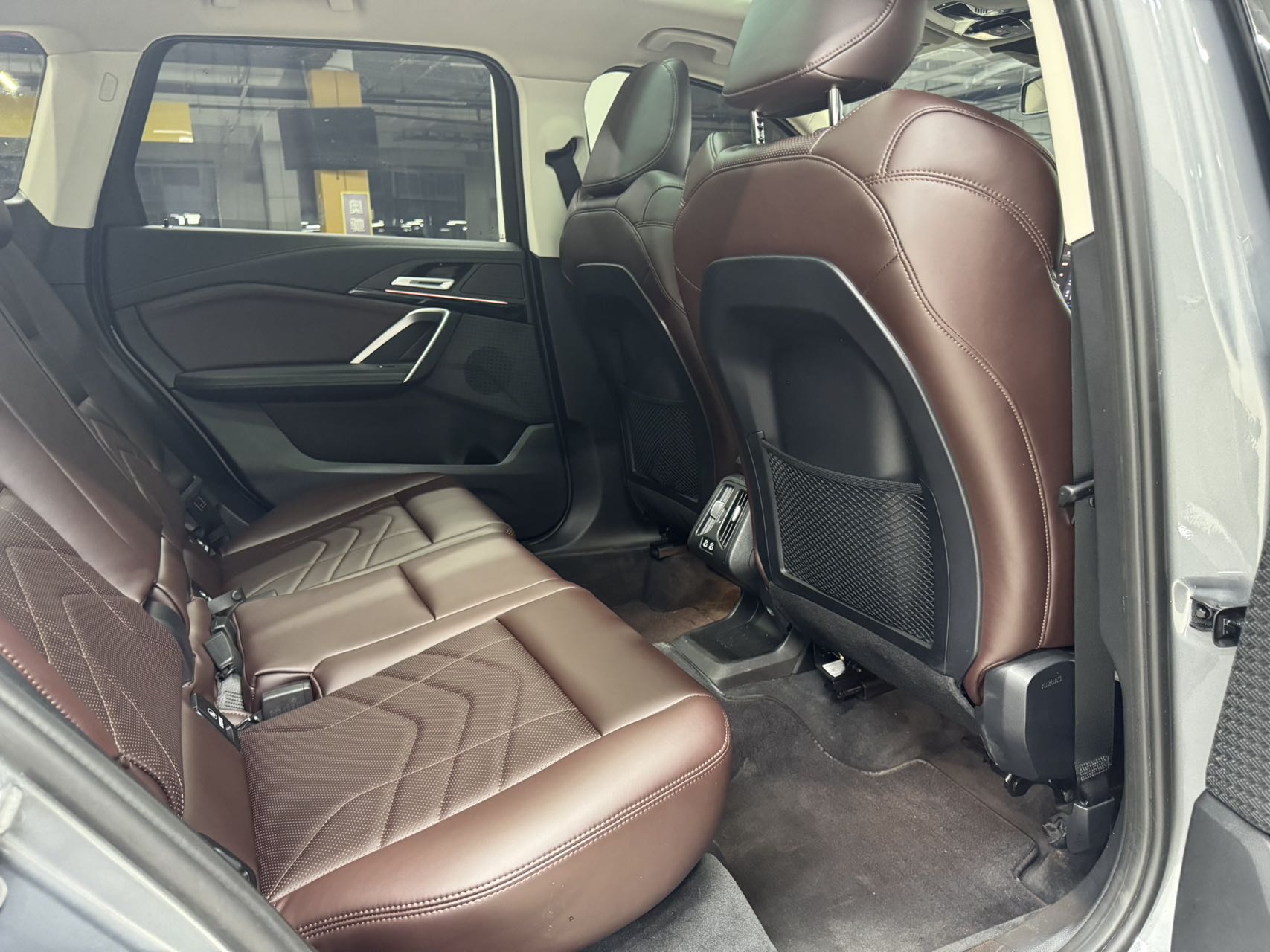
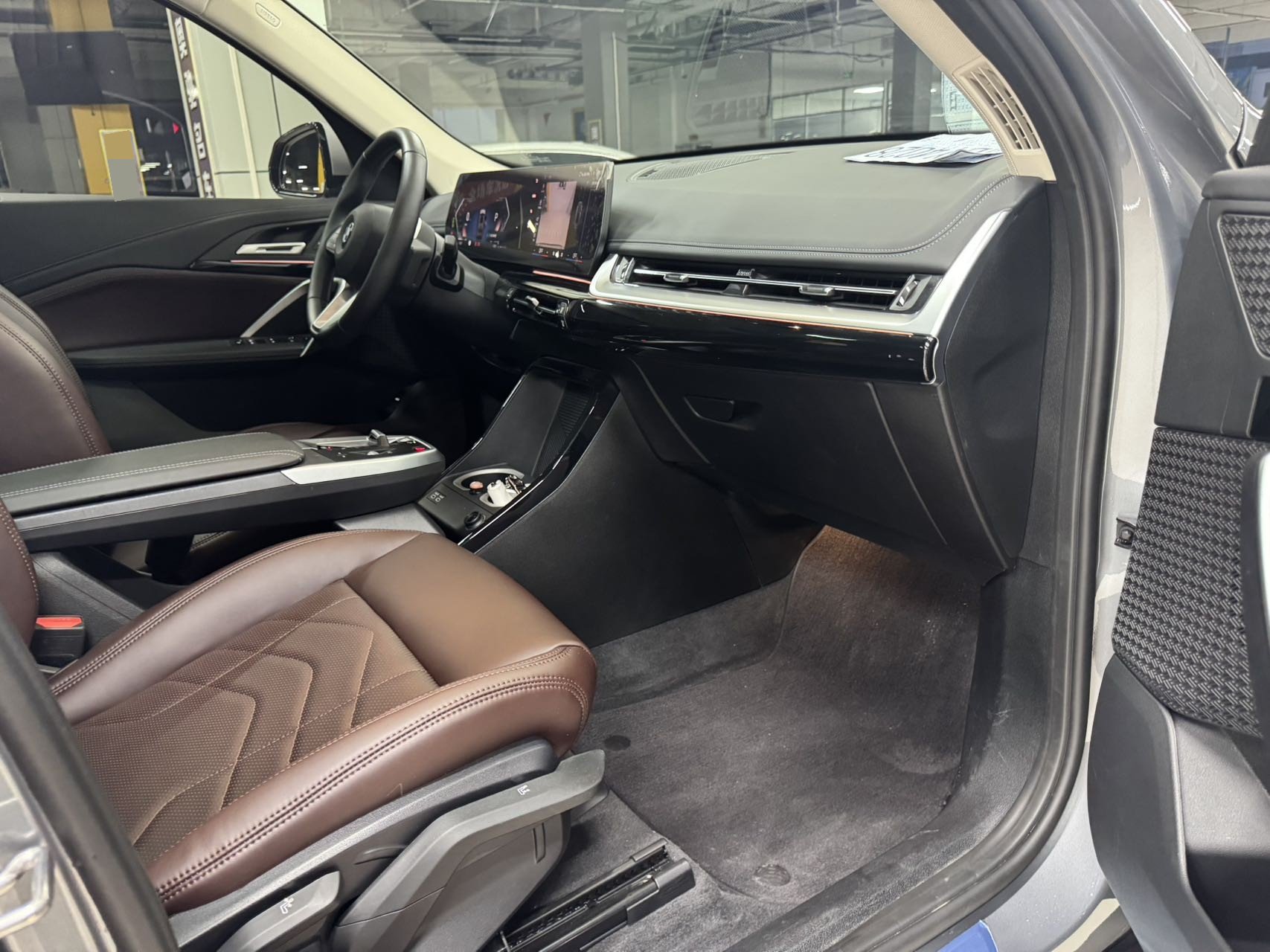



48H

Basic Information

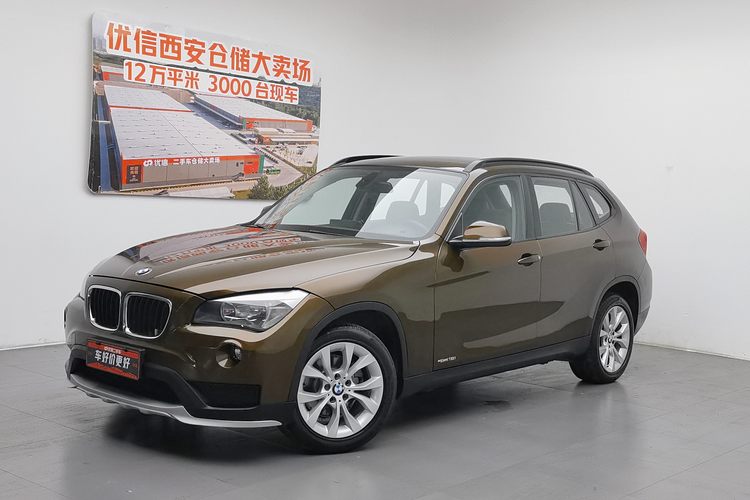
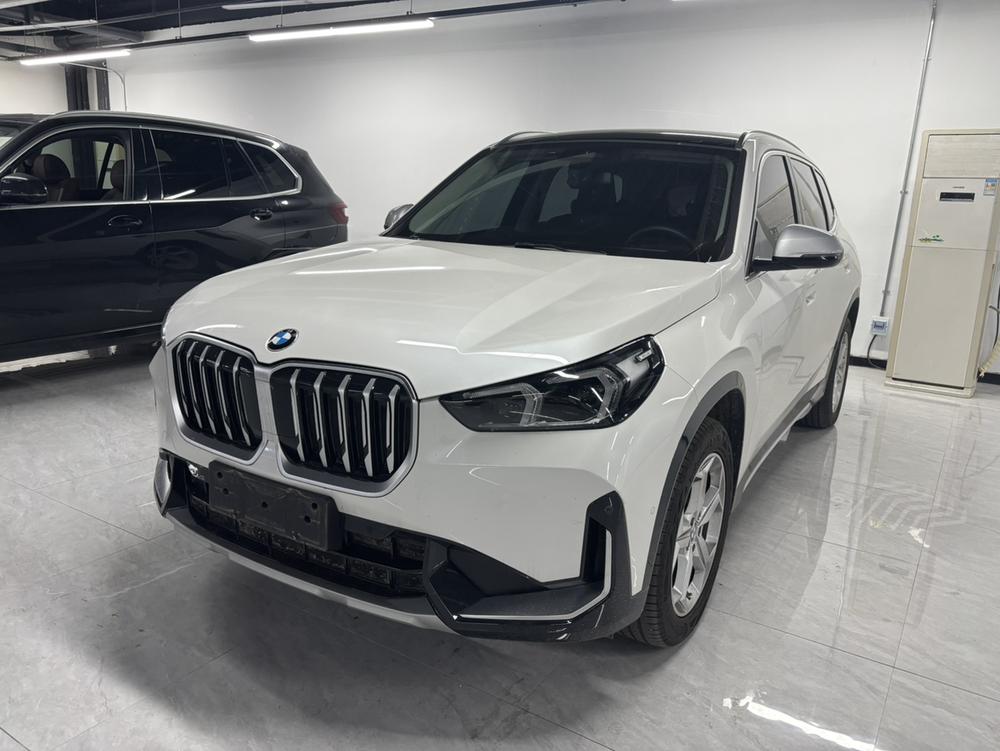
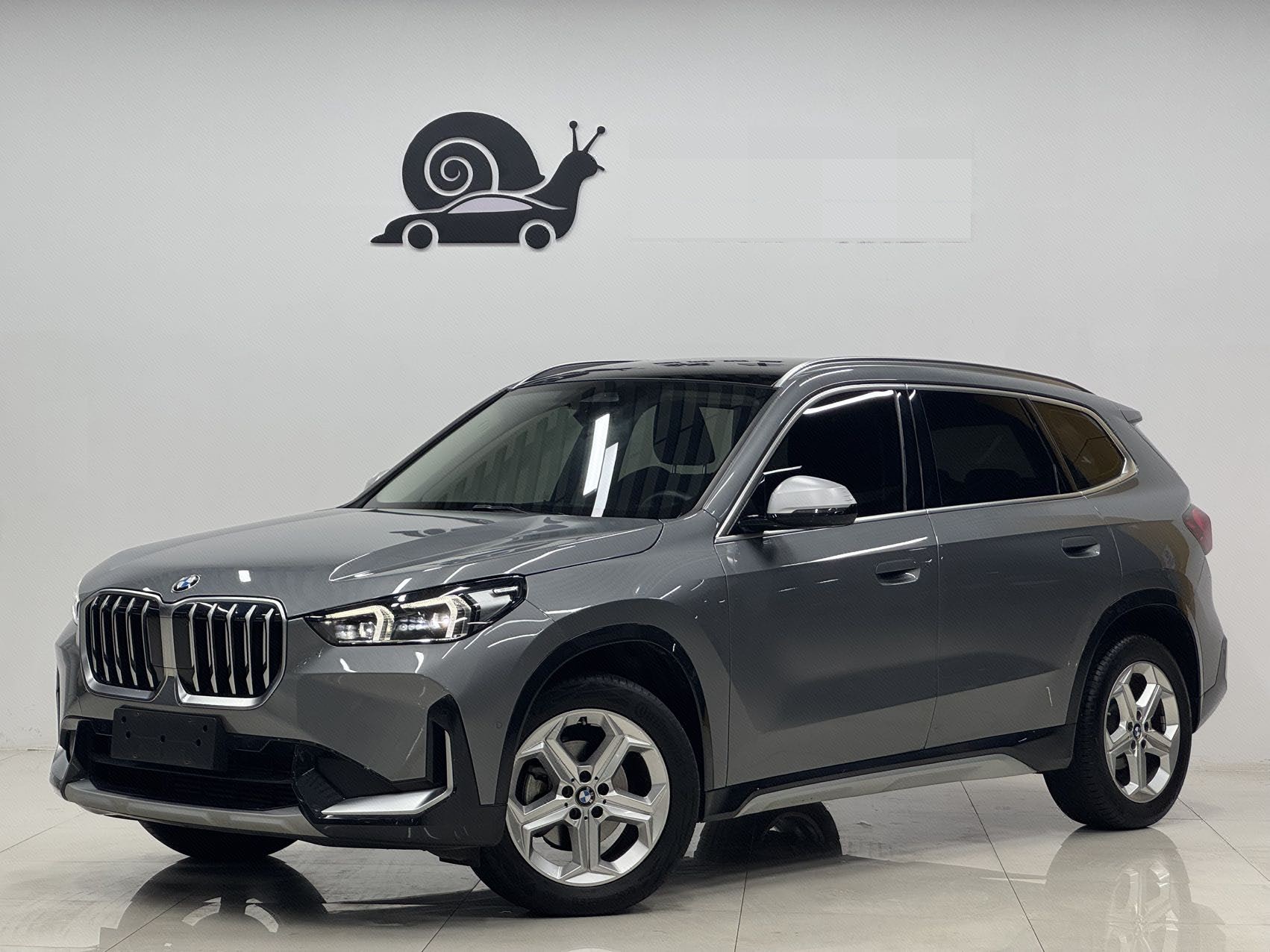
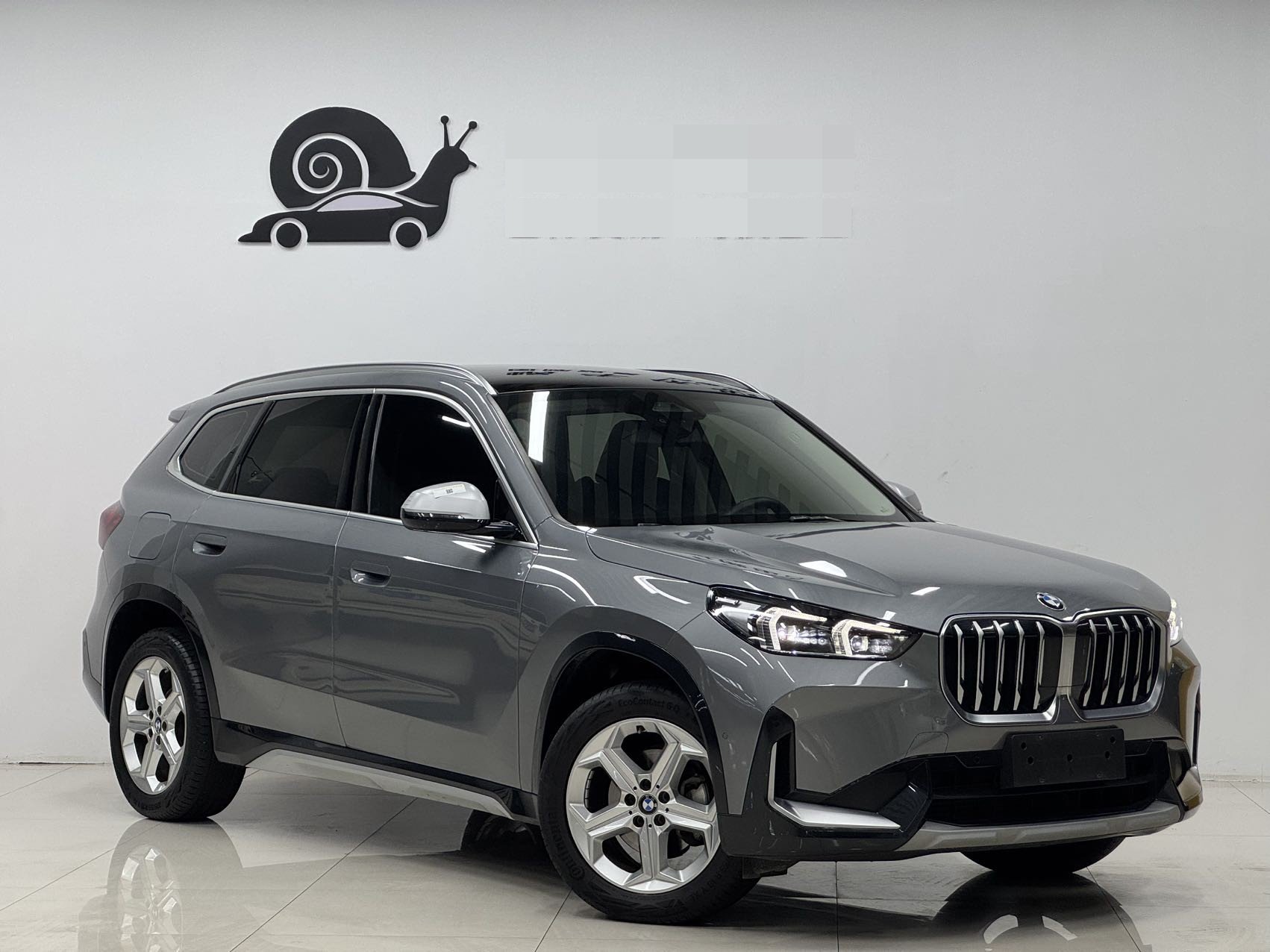
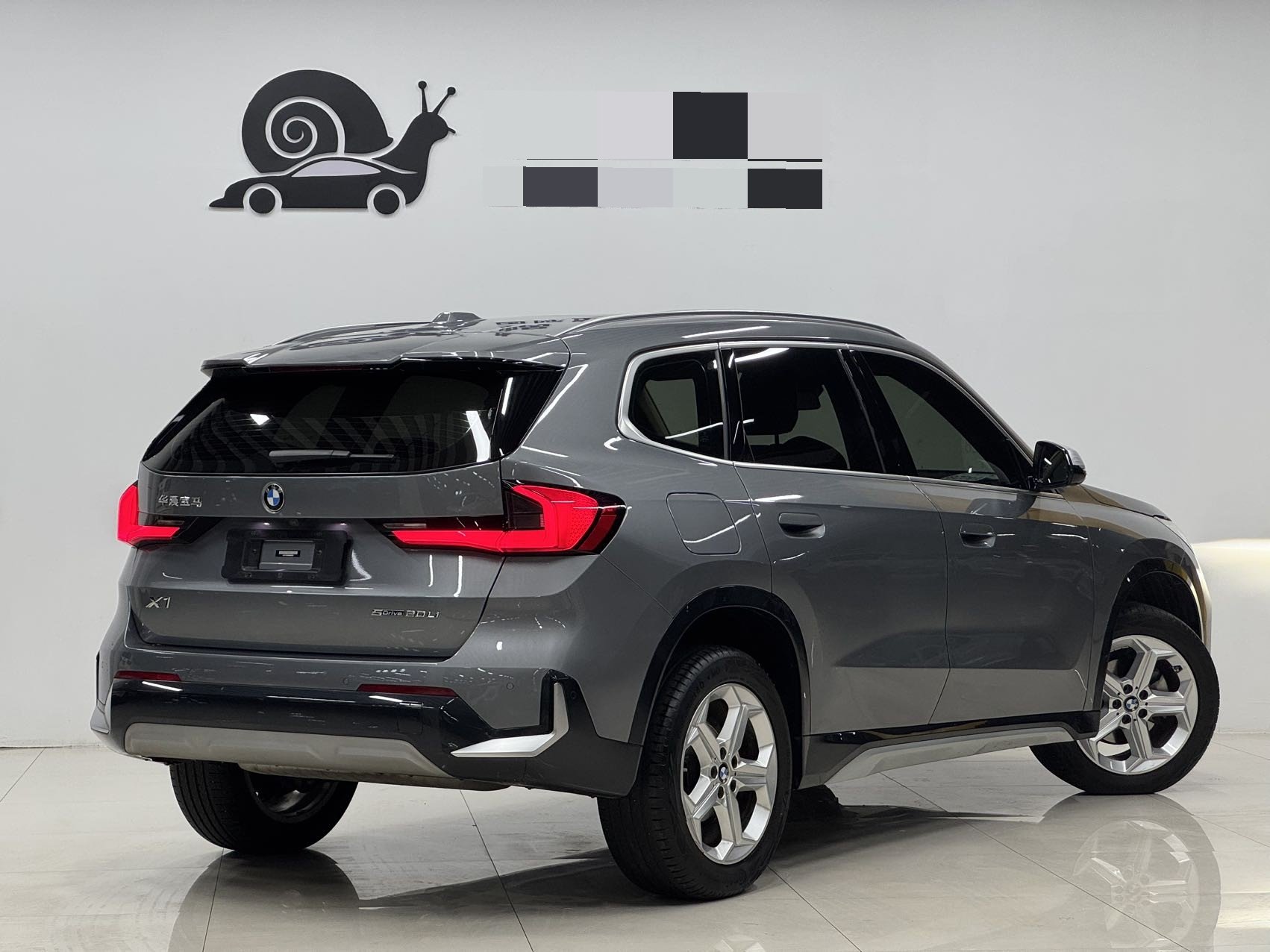
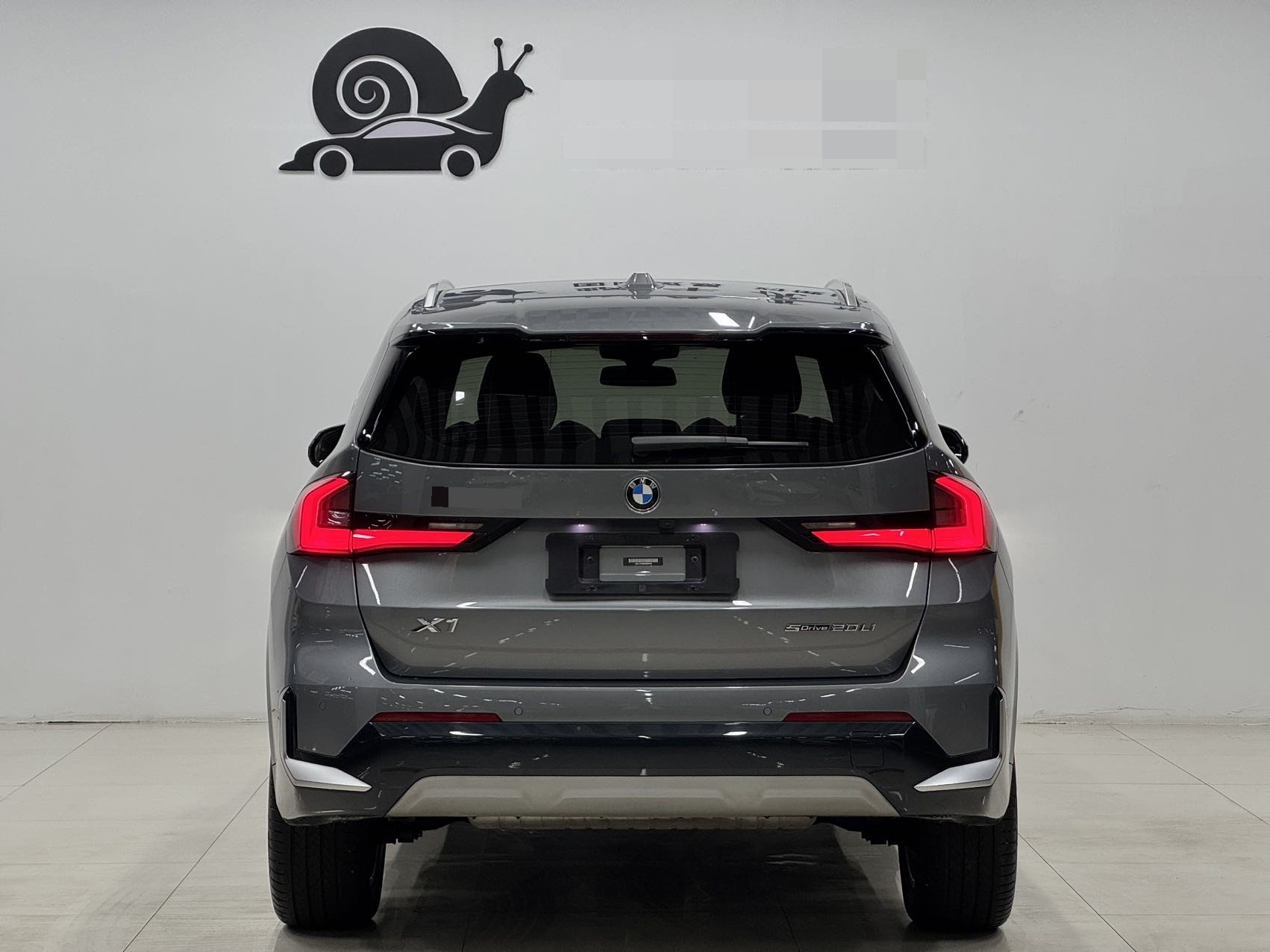
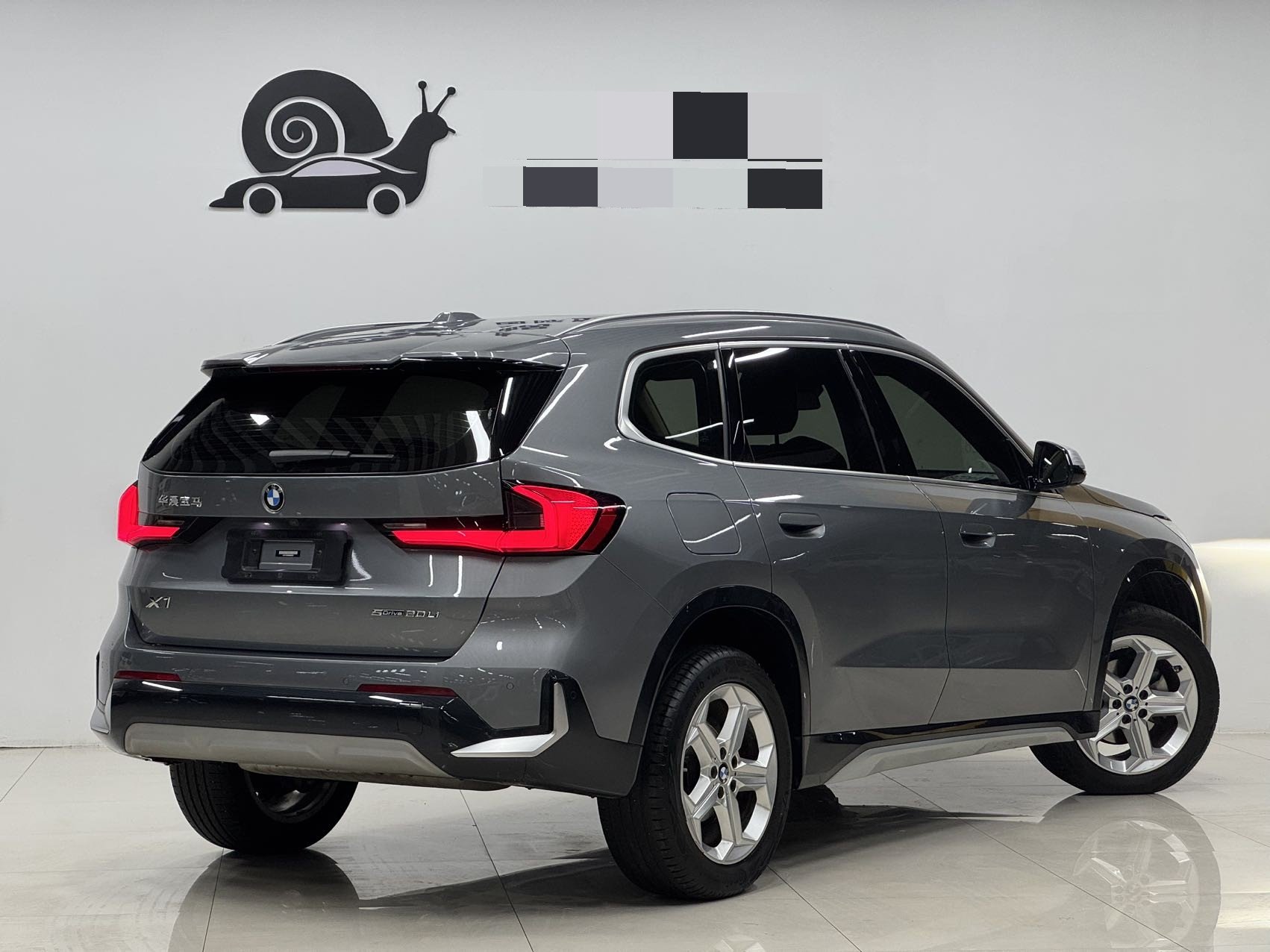
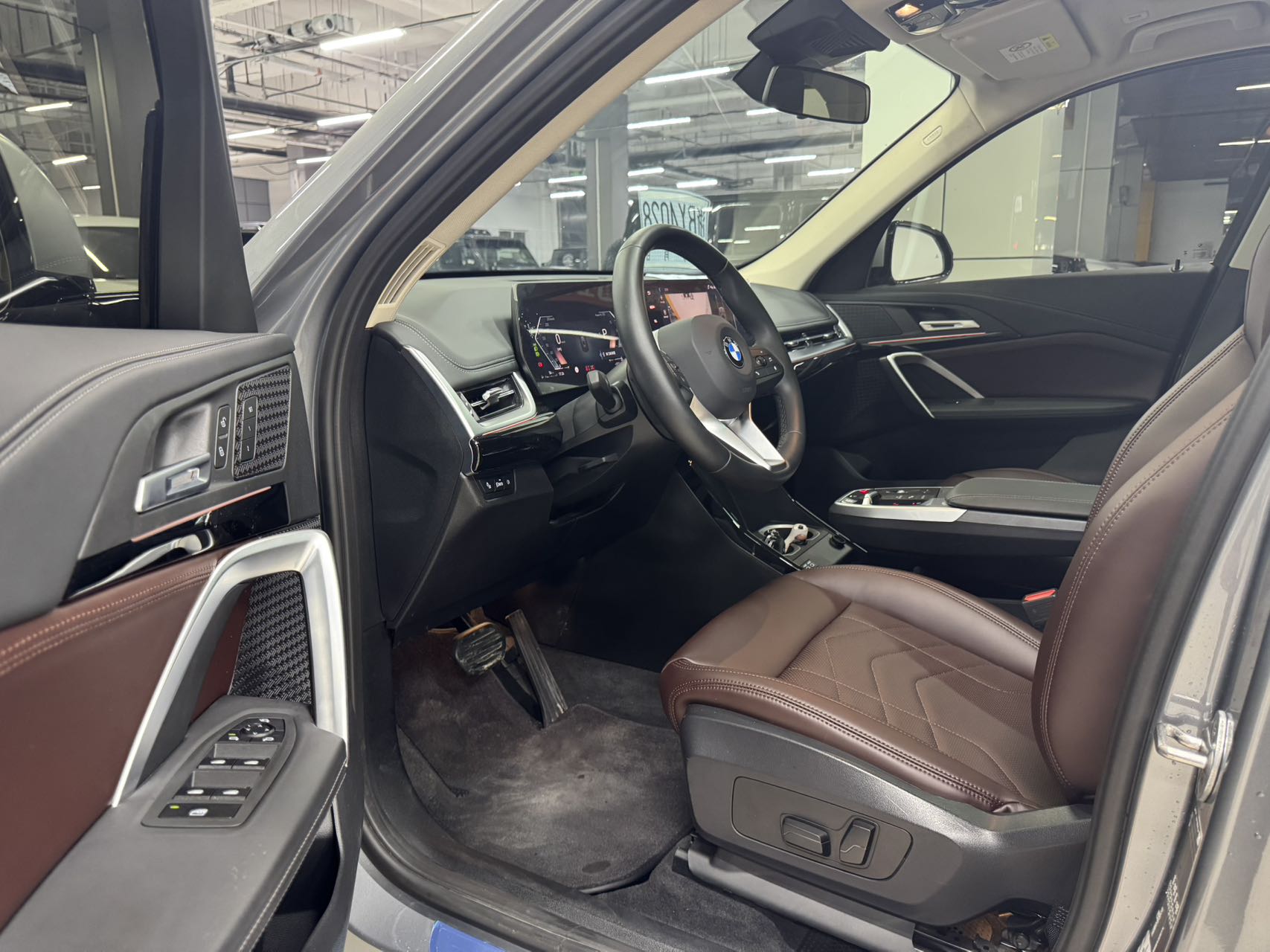
BrandBMW
SeriesX1
Year2023
First Registration2023/08
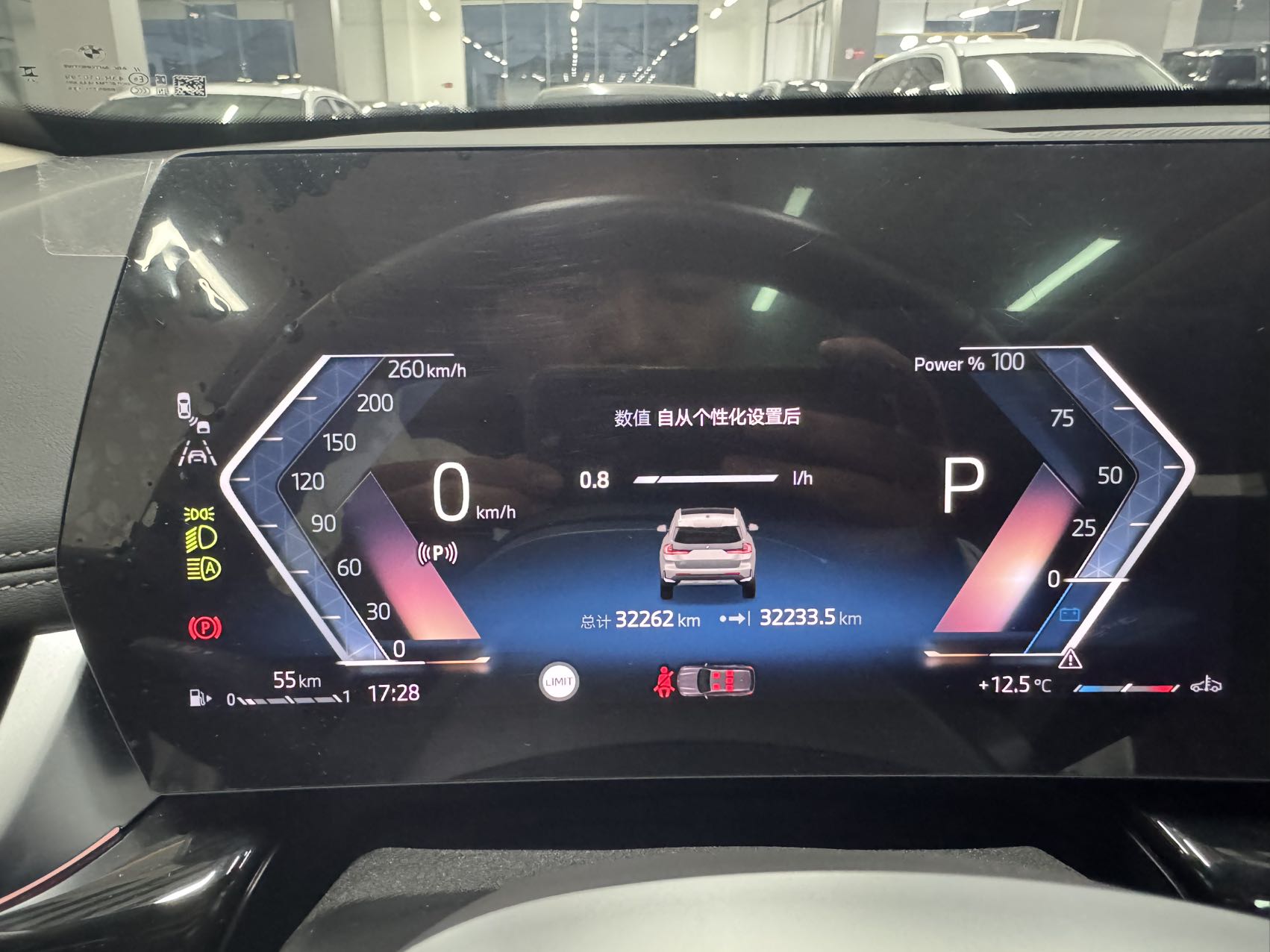
Mileage32,000km
Transfer Count0times
FuelGasoline
TransmissionDCT
Engine1.5T 156 L3
ColorGrey
Seats-

Condition Description

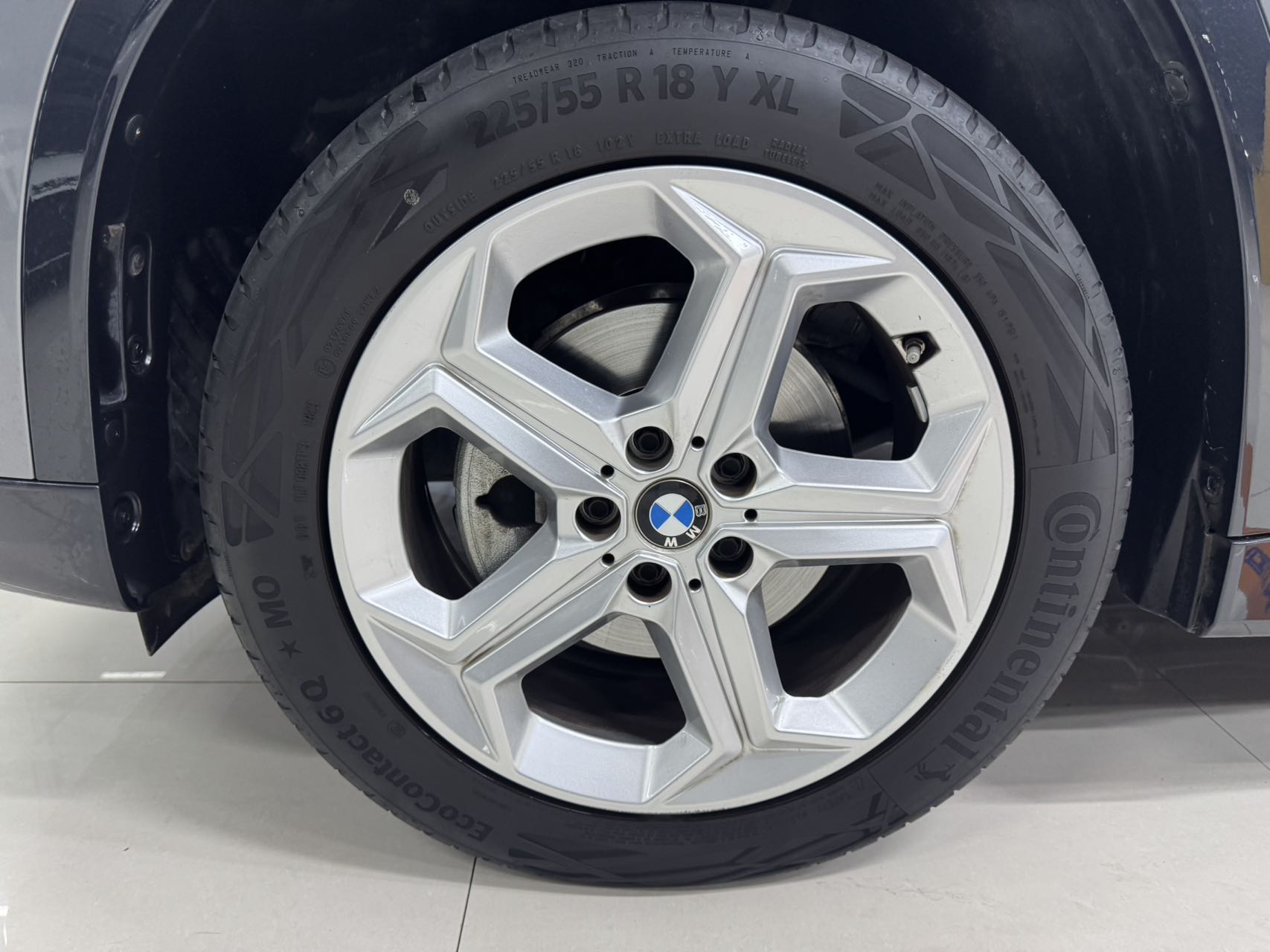
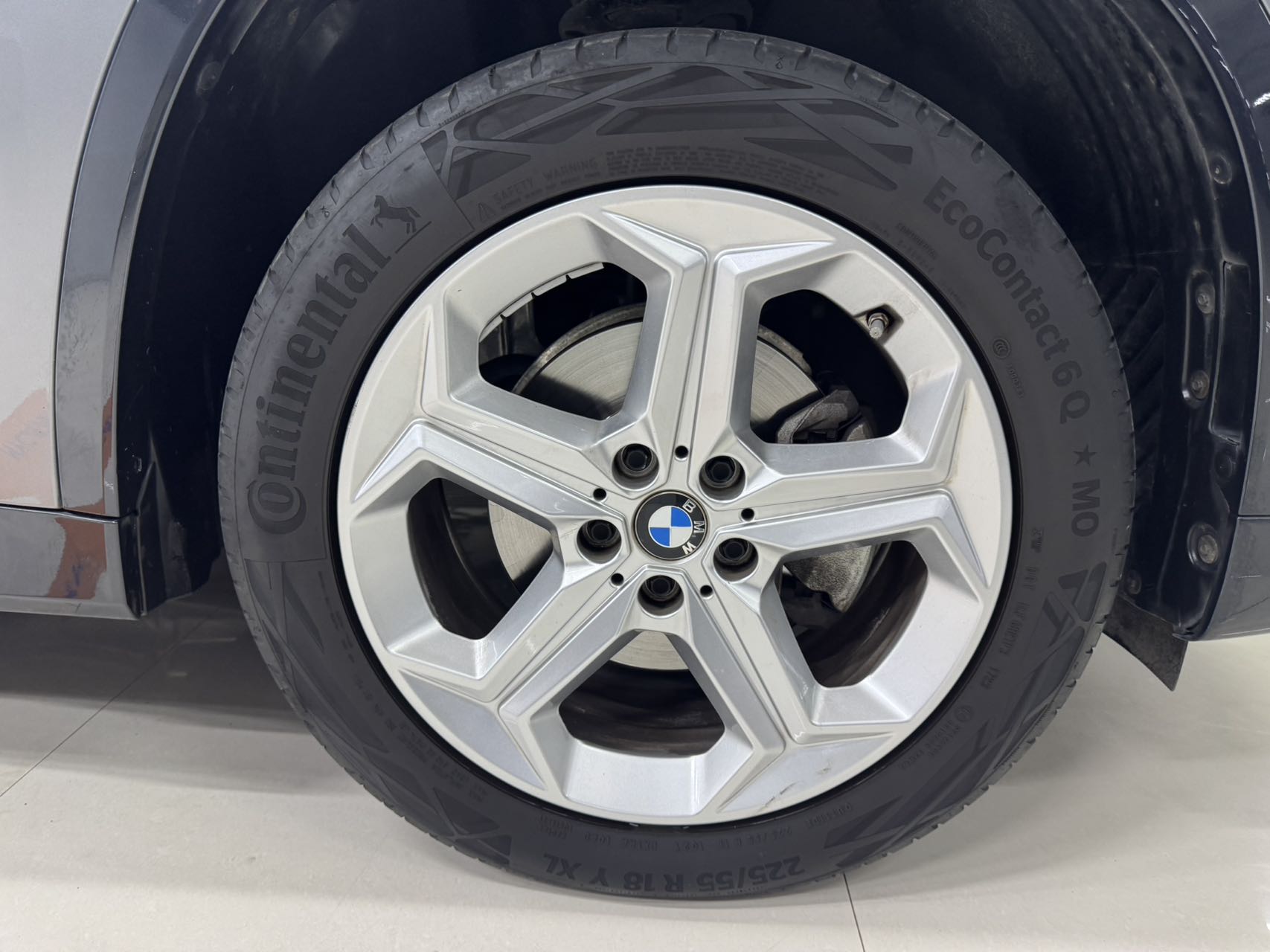
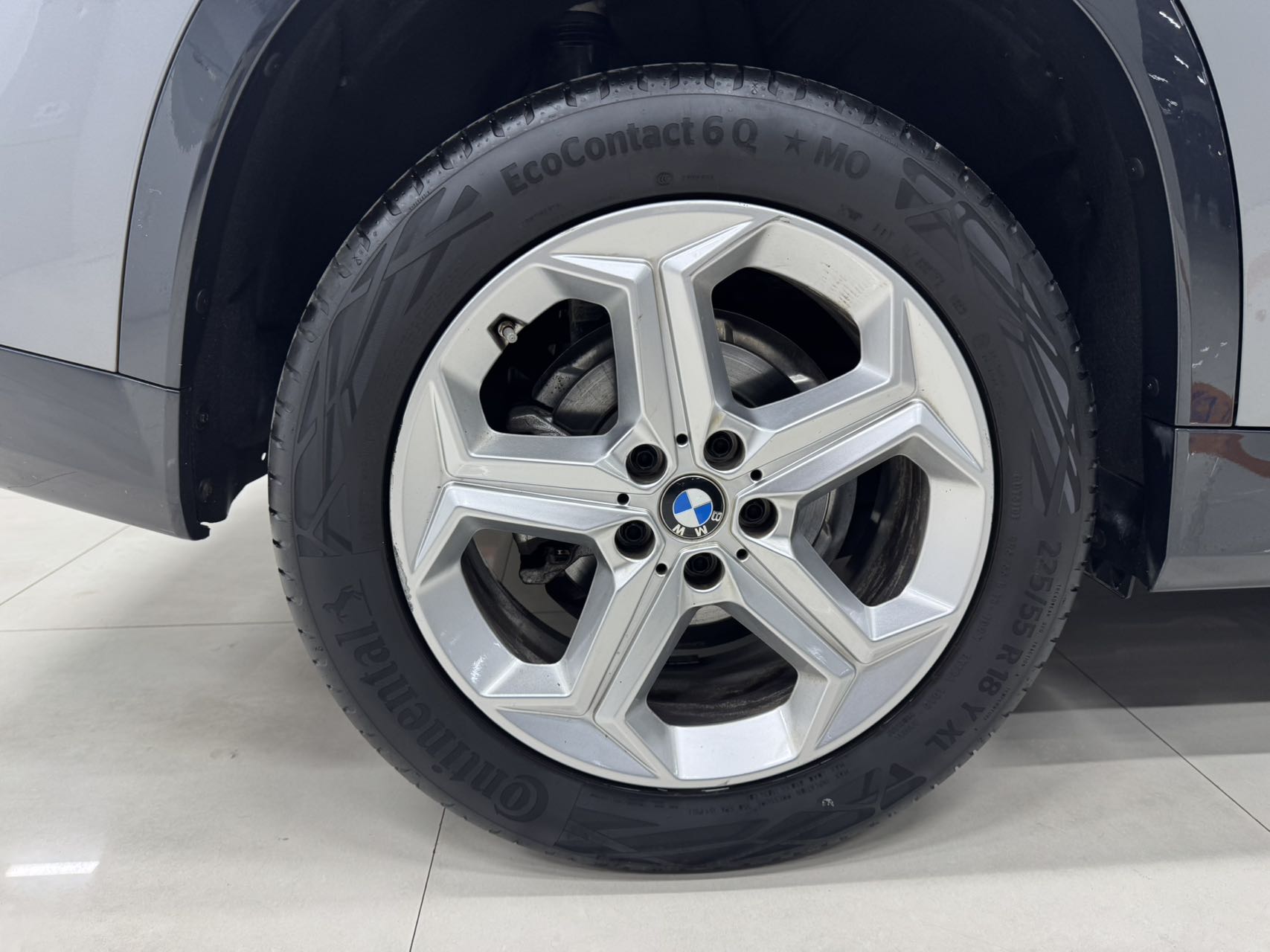
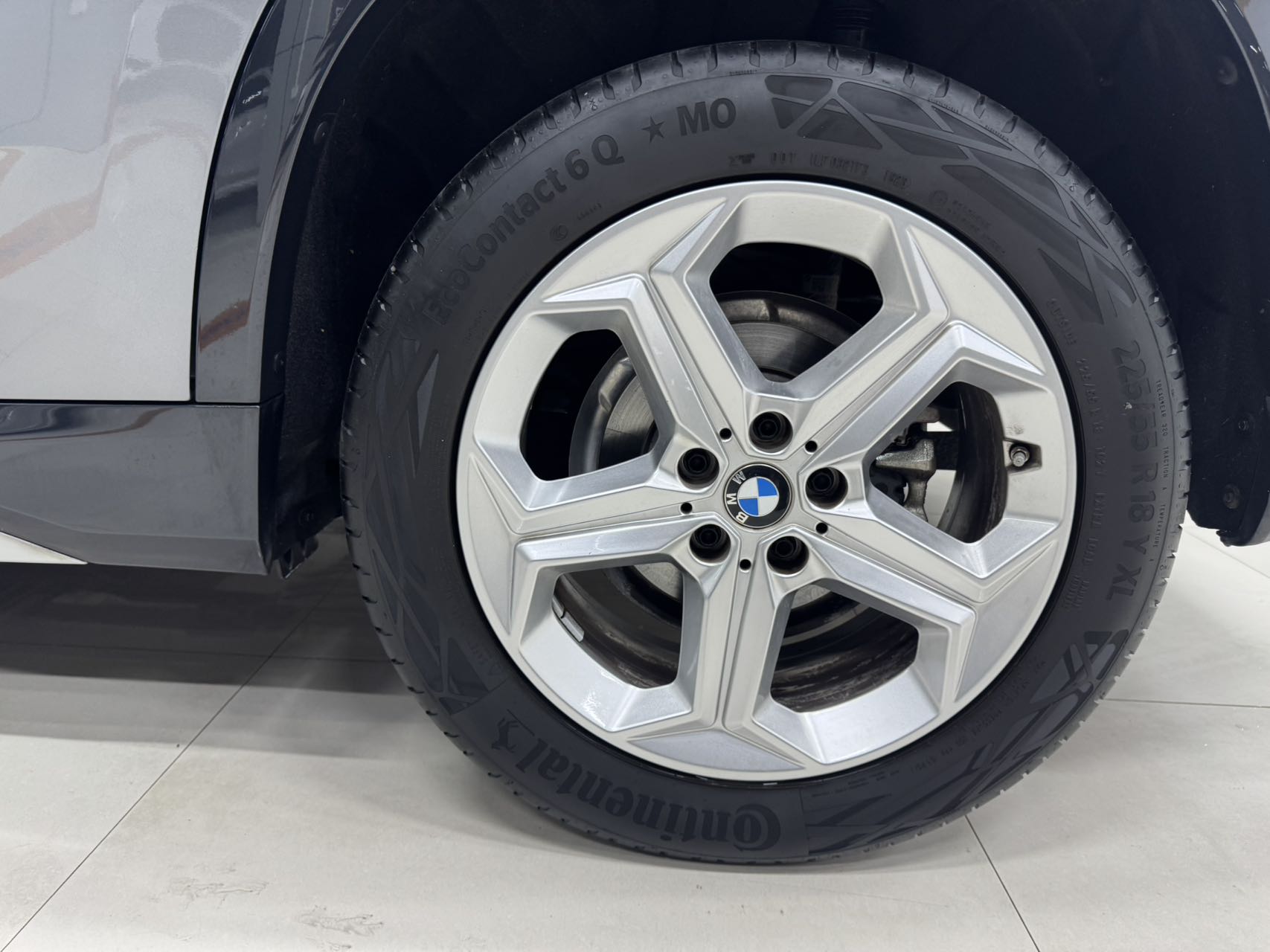
Odometer: 32000 km. Condition: original paint, no accidents or repaint.

Document Information

Inspection Expiry Date-
Warranty Expiry Date-
Insurance Expiry Date2027/07

Q&A

More

Which documents prove a used car exported from China is legal to import, and how do I verify them?

Key documents to request and verify: 1. Export declaration (报关单): proves the car legally left China. Check the VIN, model and exporter name match the car. 2. Commercial invoice: must match your payment amount; customs uses it to assess duties. 3. Bill of lading: confirm the consignee is you or your agent, and the VIN/container number is correct. 4. Certificate of origin: needed for tariff preferences in some markets. 5. Condition/inspection report: ideally from an independent third party, with photos and dates. Verification tips: cross-check the VIN on every document — any mismatch causes customs holds. Ask your destination customs broker to review scanned copies before the car ships, and release the final payment only after documents pass that review. A legitimate exporter will provide all of these without hesitation.


Before shipping, have all traffic violation records for the vehicle in China been cleared?

100% guaranteed. This is the legal prerequisite for the export of used cars allowed by Chinese customs and the Ministry of Commerce. Any vehicle with unresolved traffic violations (fines/demerits) cannot complete the deregistration process at the traffic management bureau, and therefore cannot obtain a legal export license.

How do I insure an imported Chinese car in my country, and will insurers accept a Chinese VIN?

Insurance is often overlooked until the car is already at the port, so start early. First, ask your local insurers before shipping whether they cover Chinese brands. Most will, but some require a vehicle inspection or photos first, and a few decline brands with no local parts network. Second, prepare the documents they will ask for: bill of lading, commercial invoice, export certificate, and a copy of the Chinese registration. Insurers use these to verify the VIN and set the value. Note that some insurers value an imported used car below its purchase price because resale data is limited — agree on the insured value in writing to avoid disputes after a claim. Third, consider arranging marine insurance separately for the shipping leg; your home policy normally only starts once the car is registered. Practical tip: a broker who has insured imported cars before will save you days of back-and-forth. Ask the exporter for the exact VIN and spec sheet early so the insurer can prepare the file before arrival.