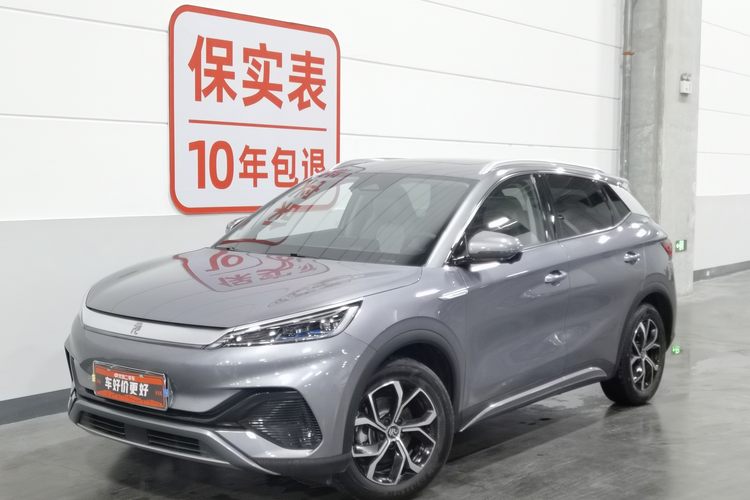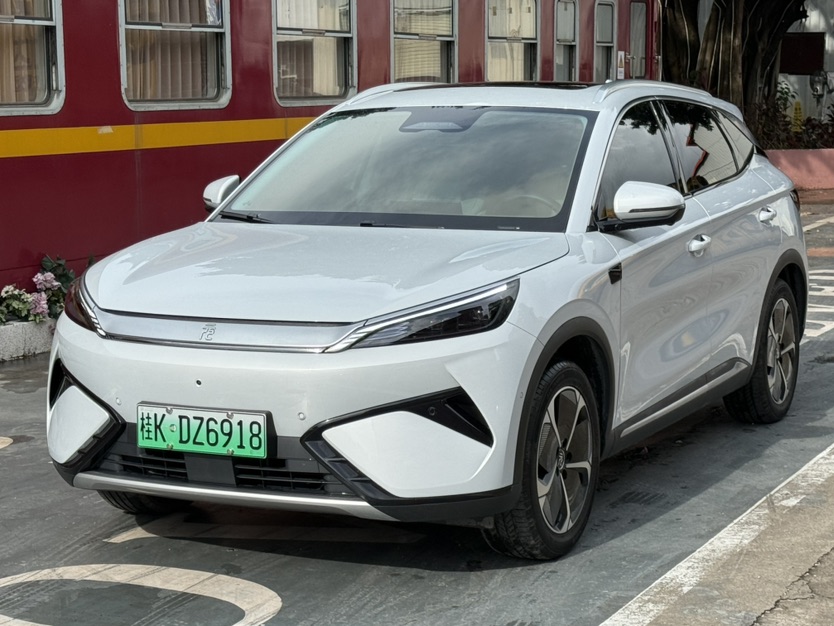
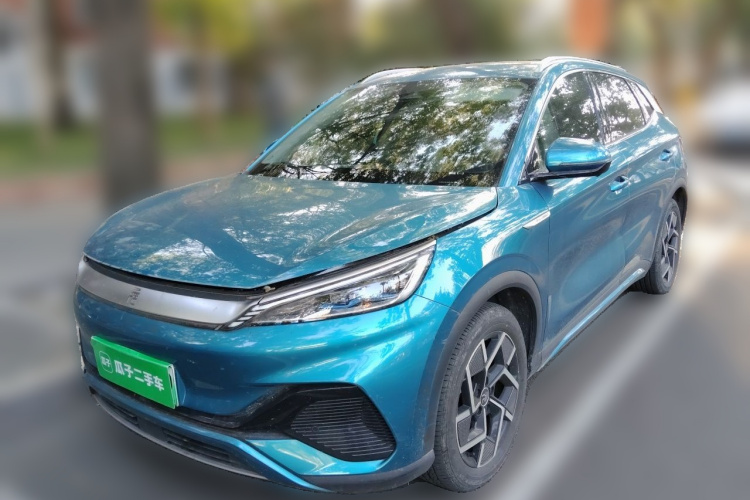




48H

Basic Information

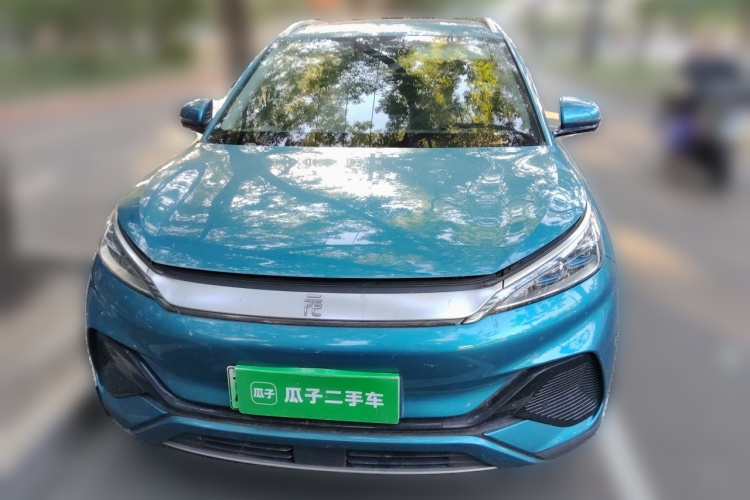
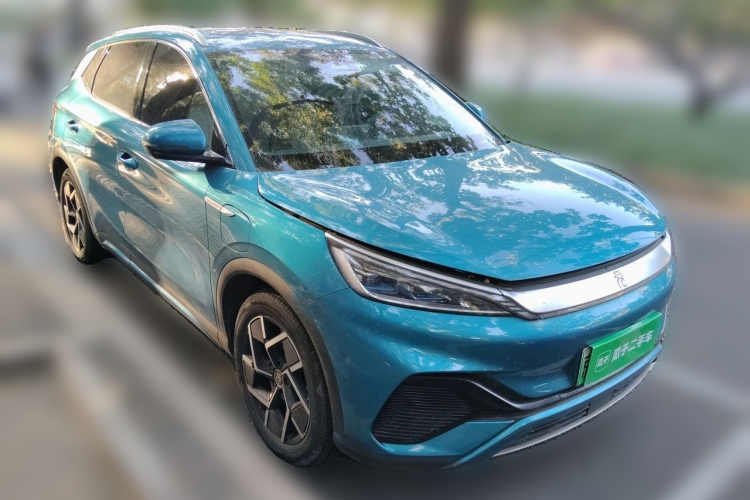
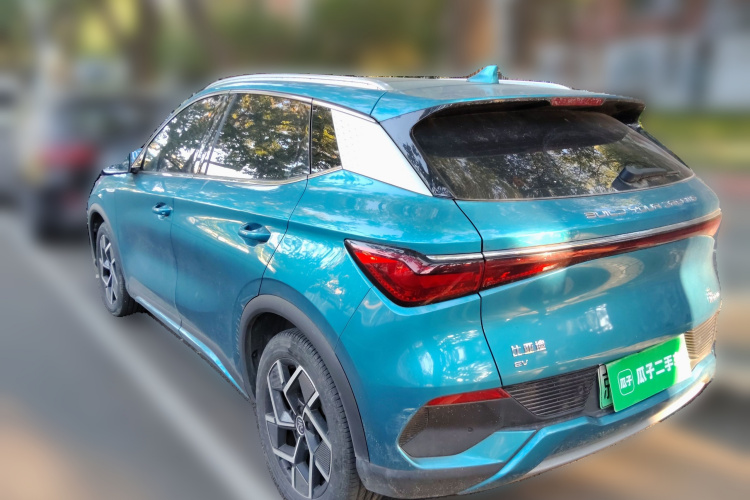
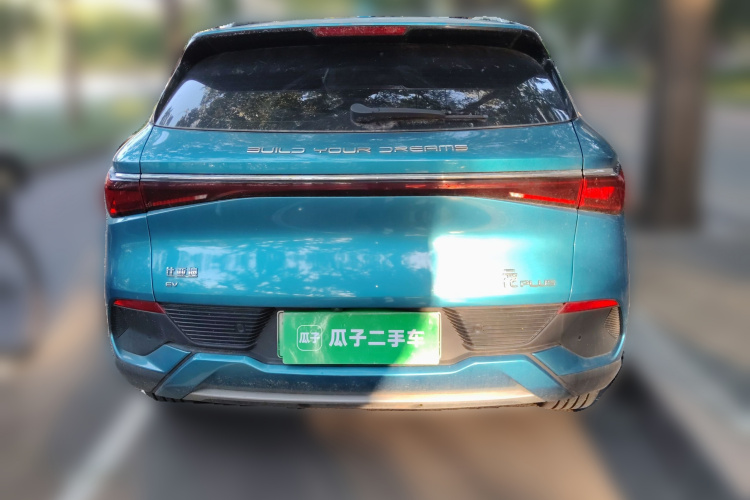
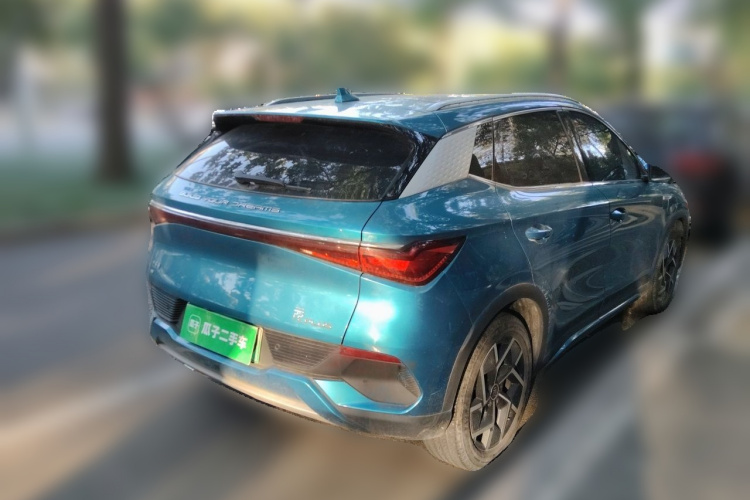
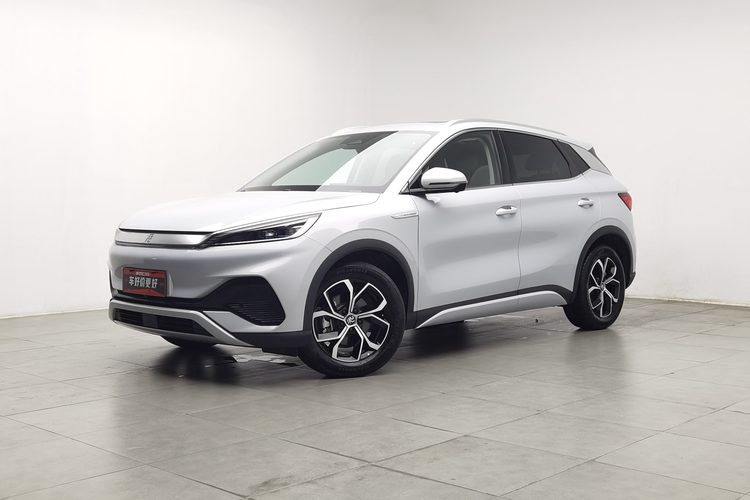
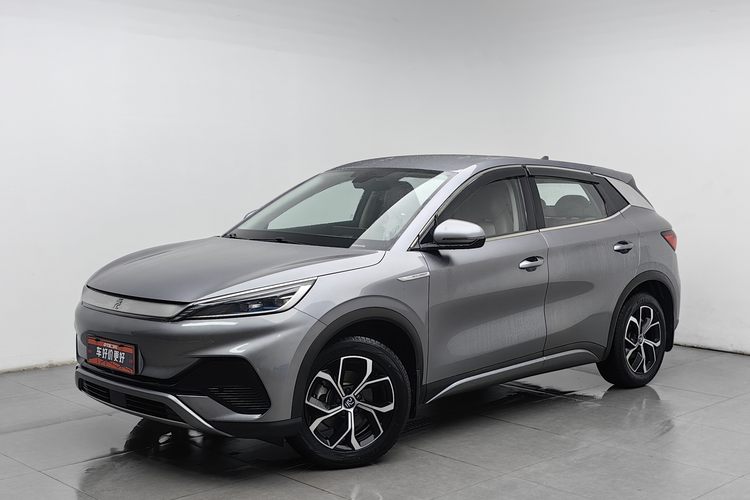
BrandBYD
SeriesYuan Plus
Year2022
First Registration2022/05
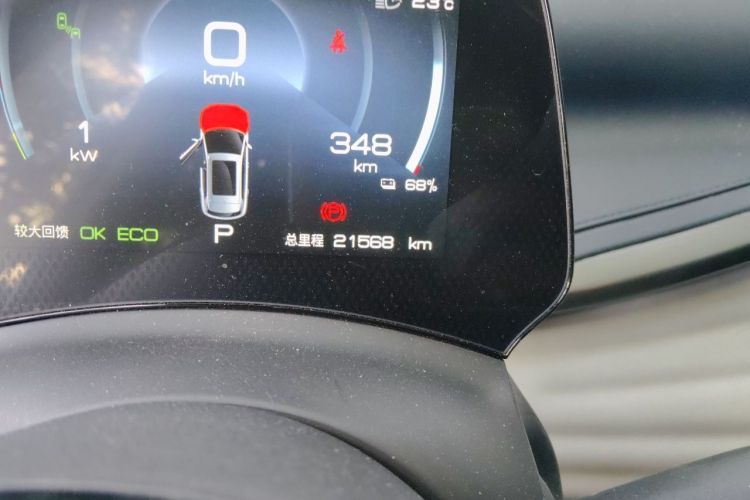
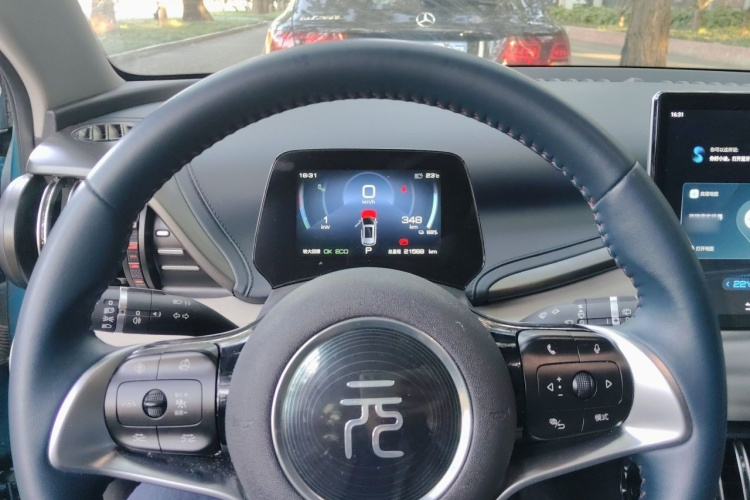
Mileage21,500km
Transfer Count1times
FuelOther
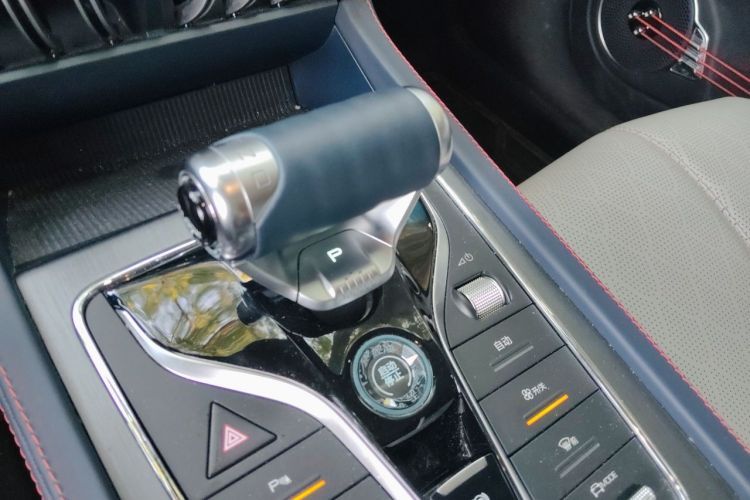
TransmissionOther
Engine-
Color
Seats-

Condition Description

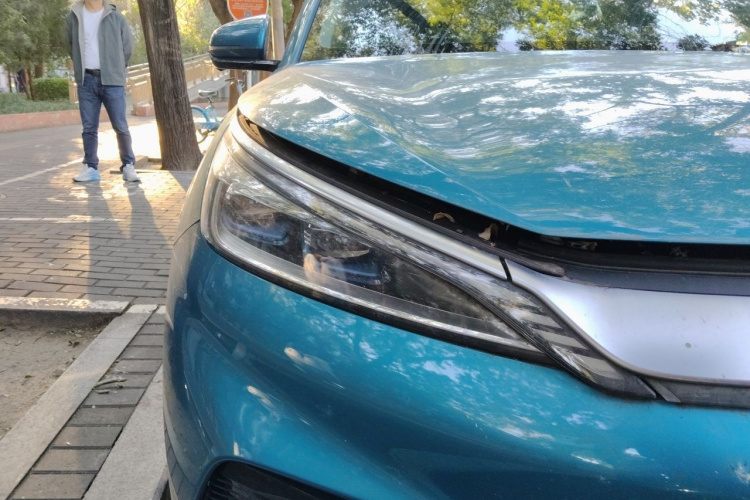
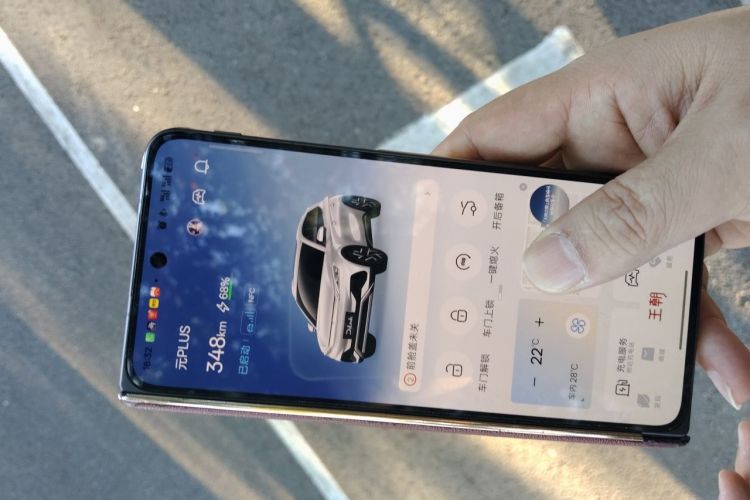
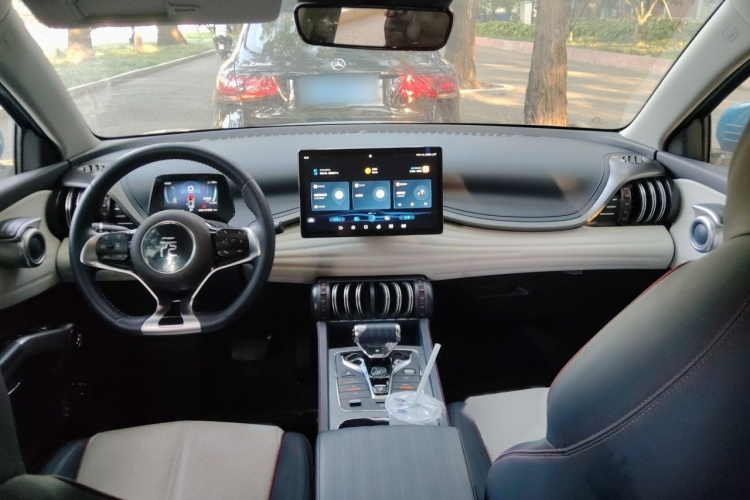
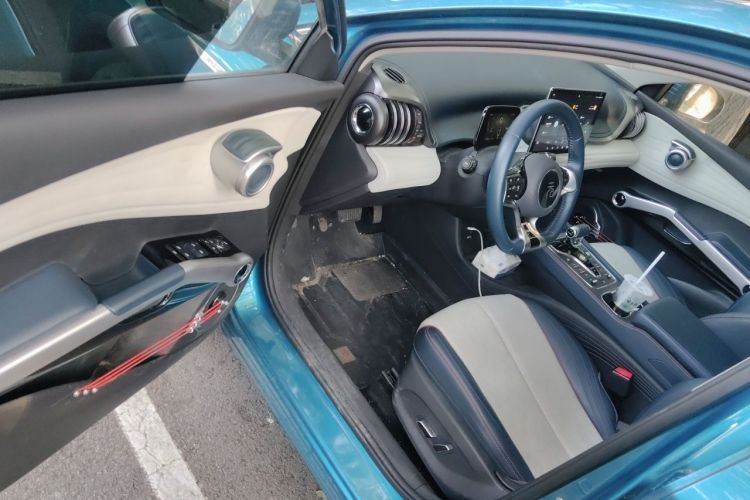
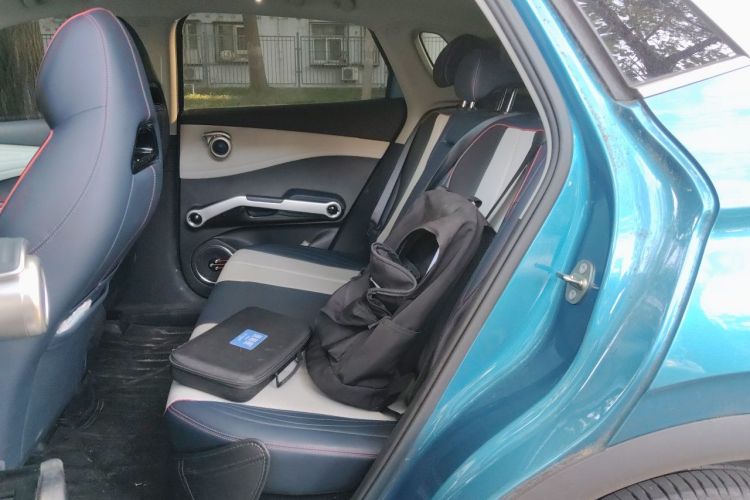
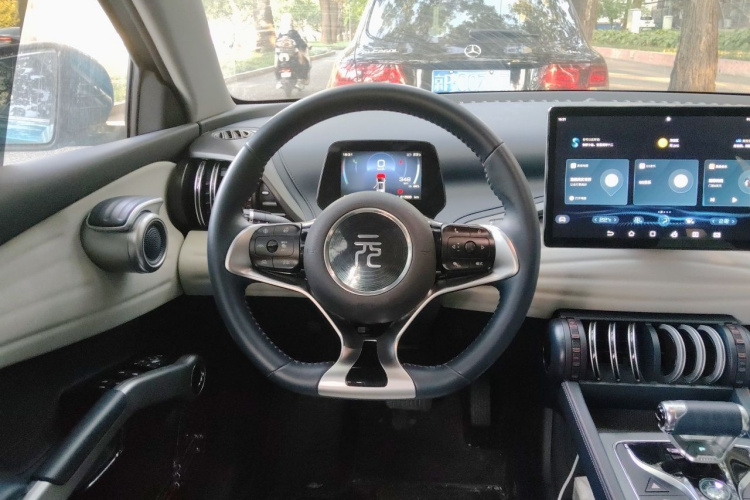
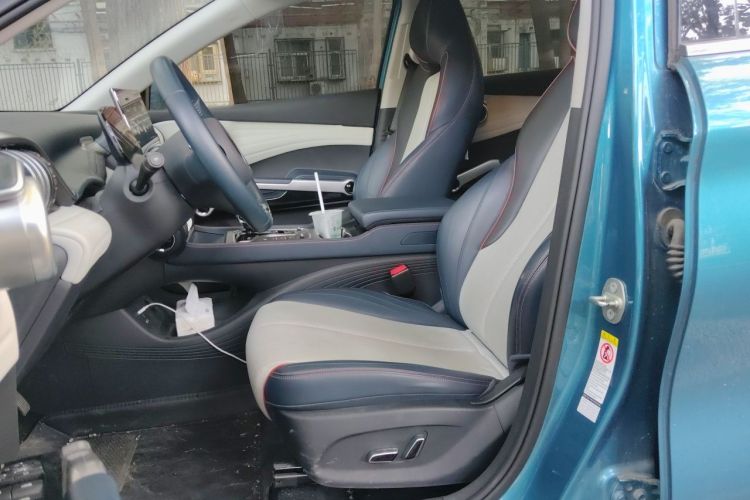
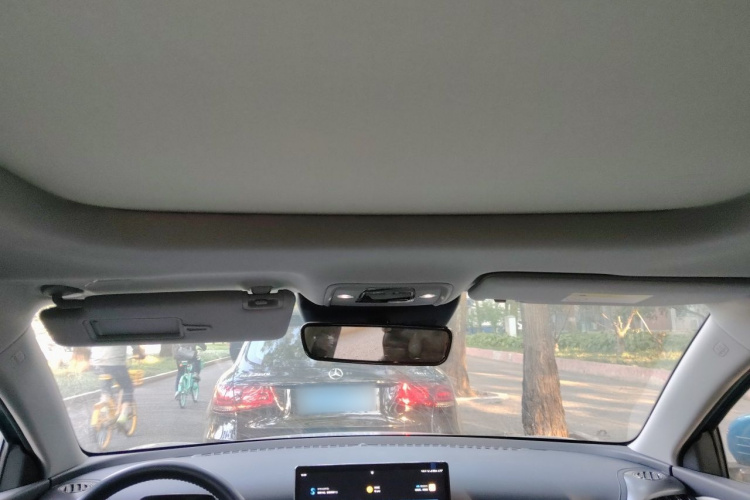
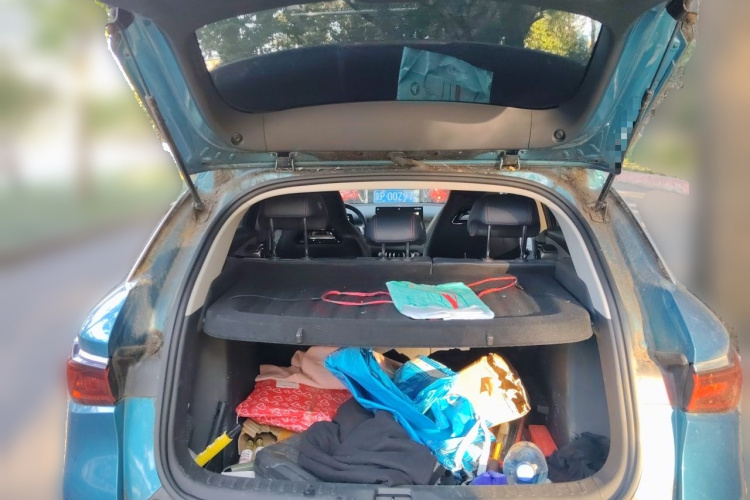
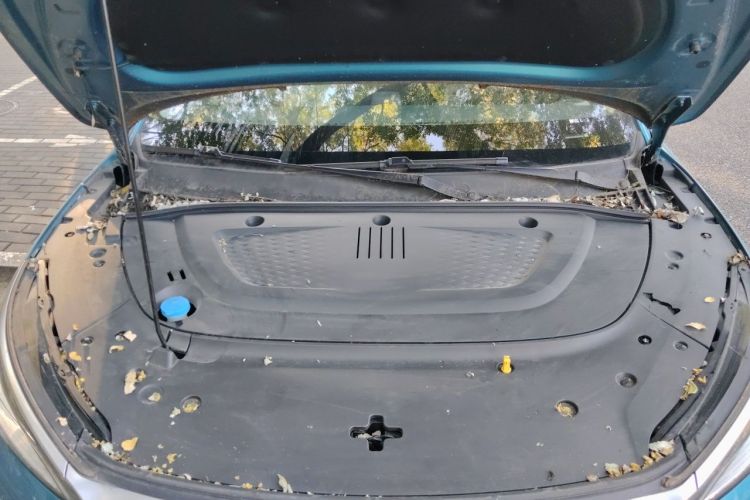
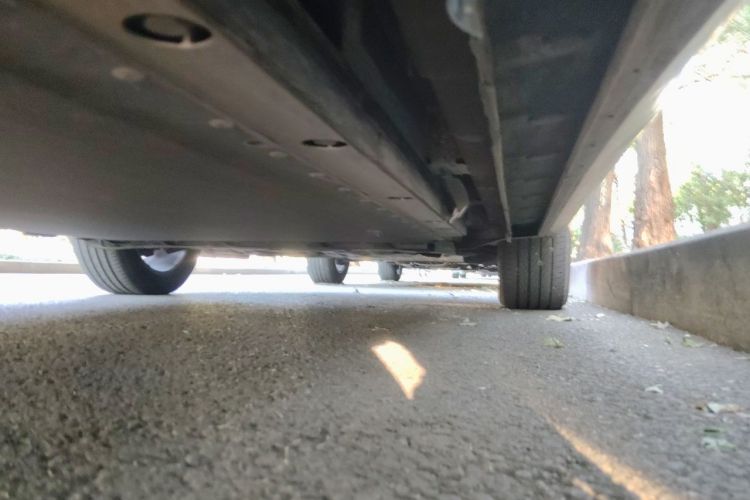
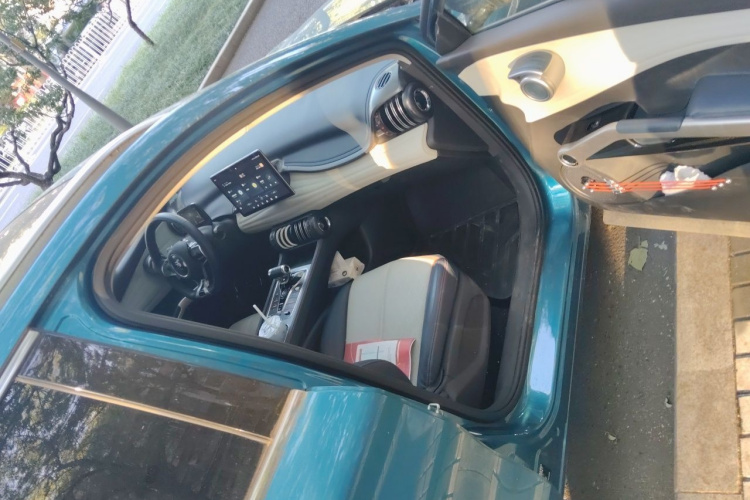
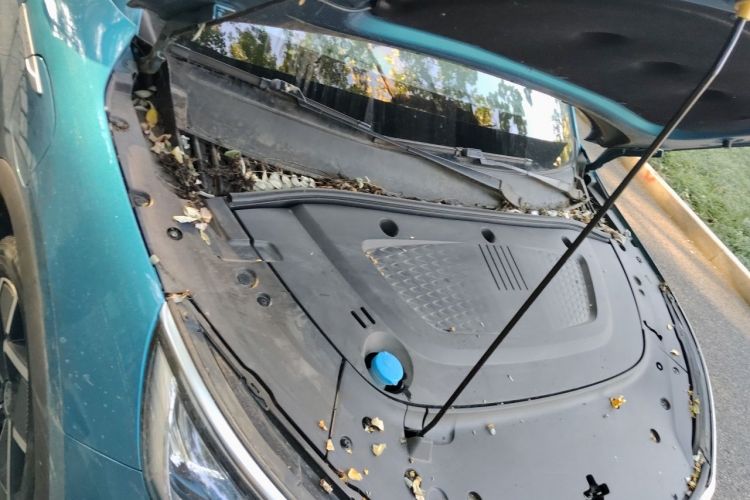
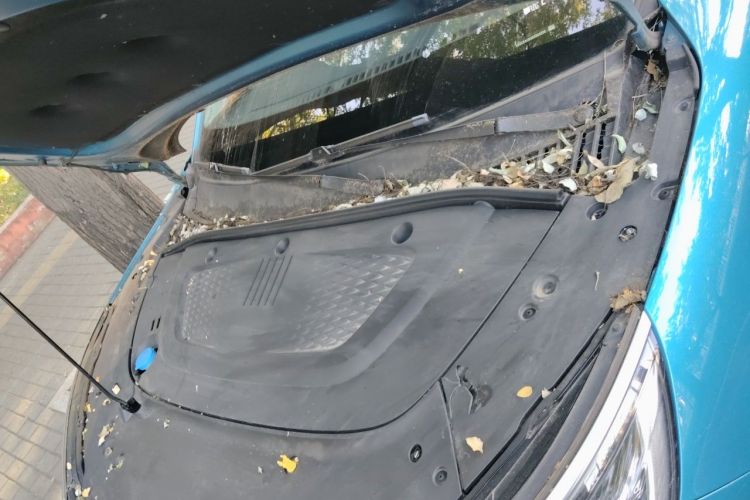
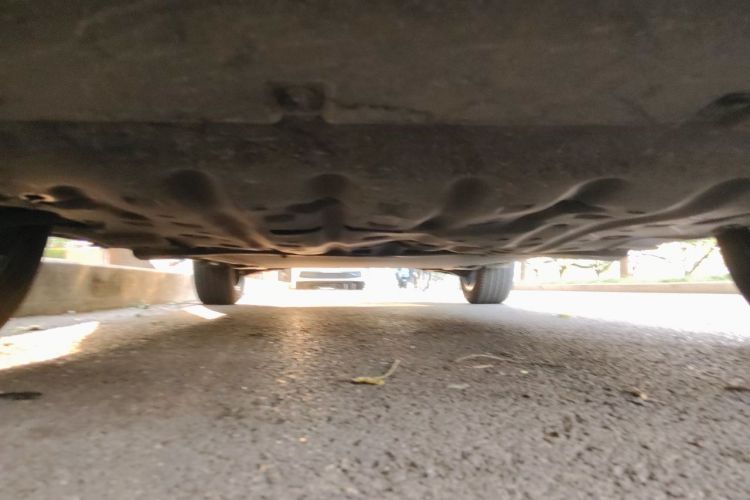
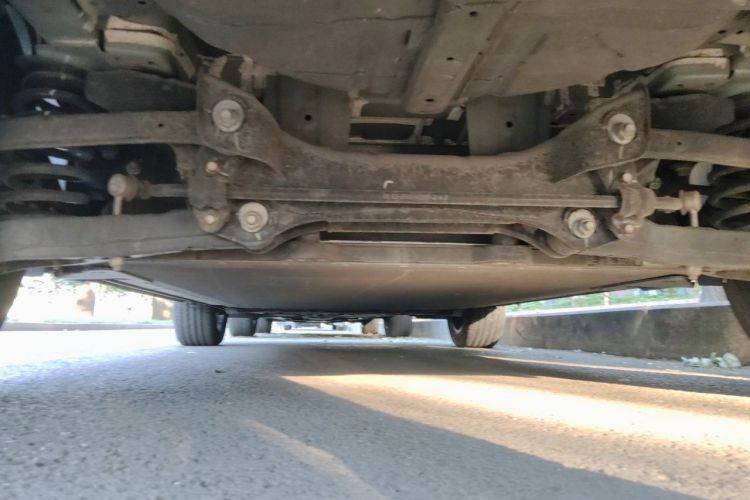
Battery health 90% | 2 insurance claims | 1 ownership transfer

Q&A

More

Can the used cars you export meet the SASO certification or GSO standards required by the Middle Eastern market?

It must be stated objectively: used cars in China are produced according to national standards (GB) and have not been originally certified by Saudi SASO or GSO of Gulf countries. Buyers must find a local agent with customs clearance capabilities to complete the clearance through exemption documents or compliant modifications after arrival (such as wrapping or adding specific alarms).
Do you test the freezing point and purity of various fluids like antifreeze, engine oil, and brake fluid before export?

We conduct basic visual inspections and freezing point tests. If the antifreeze's freezing point is insufficient or the engine oil is severely degraded, we will document it. However, considering the shipping duration, we strongly recommend a comprehensive "Full Fluid Service" upon arrival.

Beyond the car price, what costs should I budget when importing a used car from China?

A realistic budget has several layers beyond the vehicle price. First, inland logistics in China: moving the car to the export port typically costs $300-$800. Second, export handling: inspection, customs declaration and paperwork usually add $500-$1,000. Third, ocean freight. A 20ft container to most destinations runs $1,200-$3,000 depending on route; RoRo shipping can be cheaper for driveable cars. Add marine insurance, usually 0.3%-0.5% of the car value. Fourth, destination charges: port handling, customs duties, VAT/GST and local registration fees. These vary widely; some countries charge duties of 20%-80% of the vehicle value plus an excise based on engine capacity. Finally, any compliance work: inspection certificates, modifications to meet local standards, or homologation. Ask your exporter for a full CIF quote and have a local customs broker confirm destination taxes before you commit.