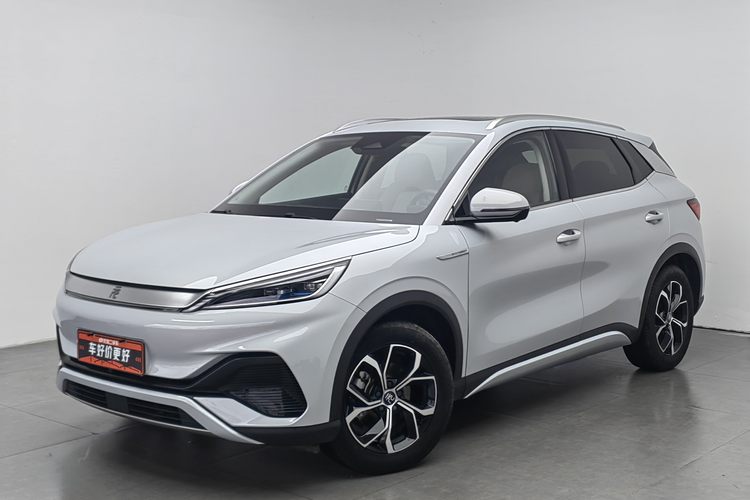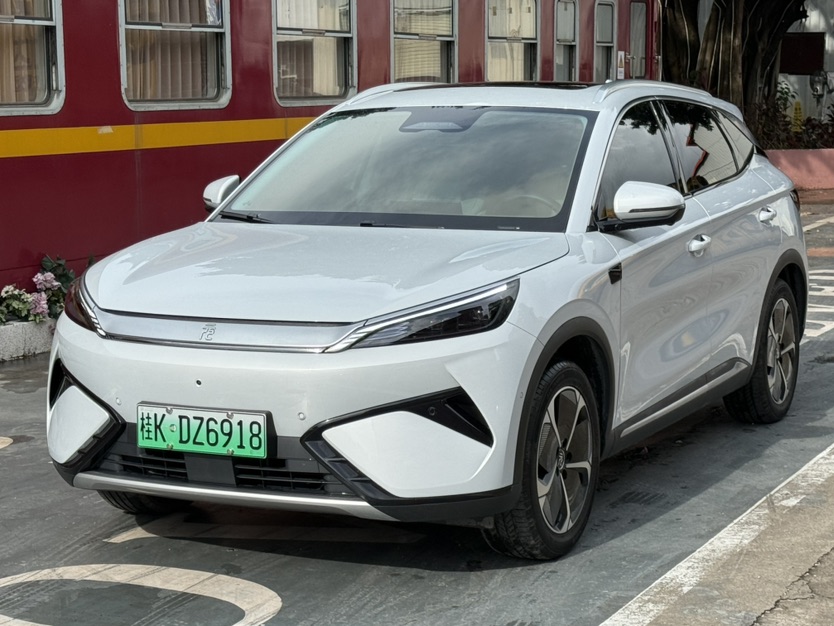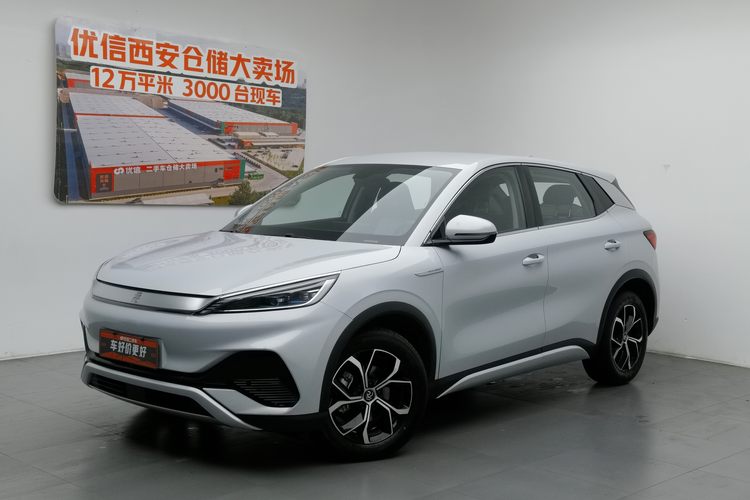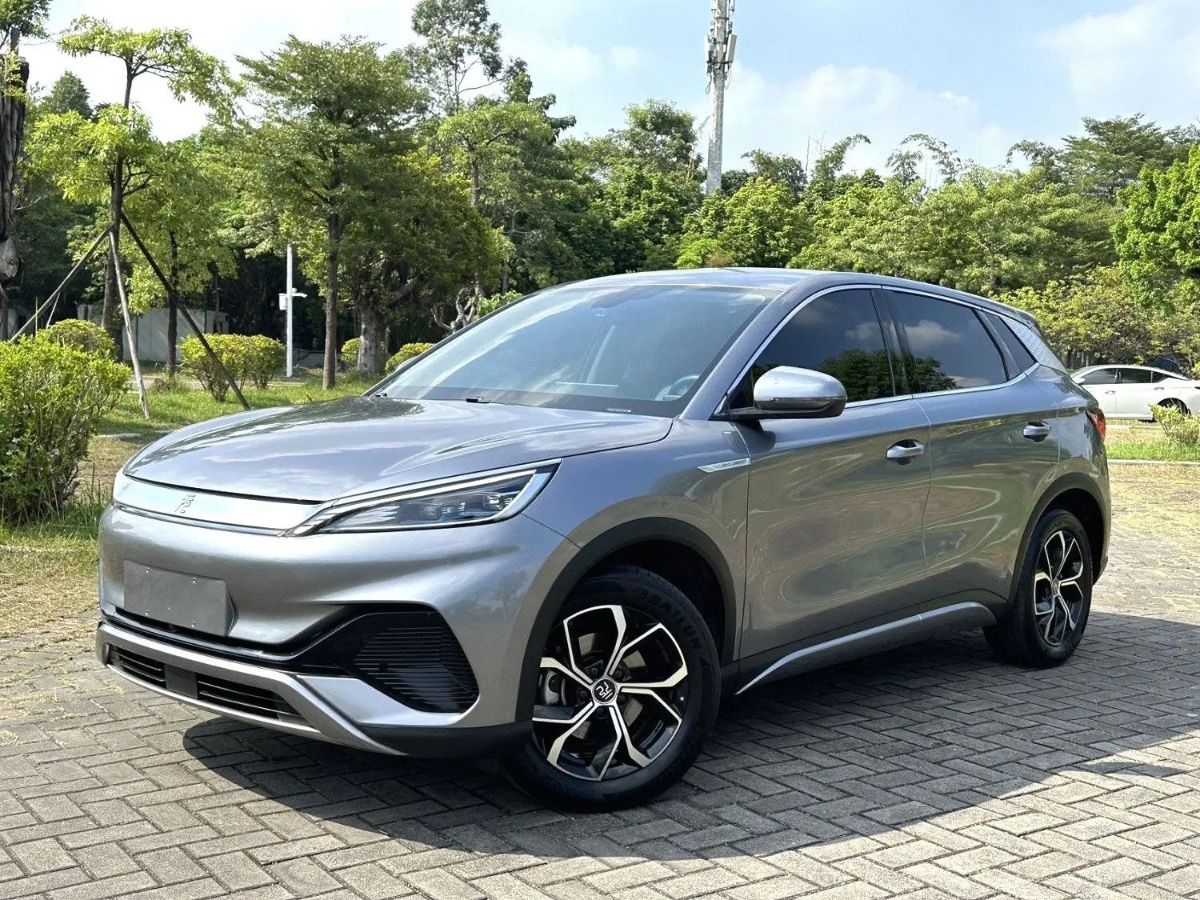



24H

Basic Information

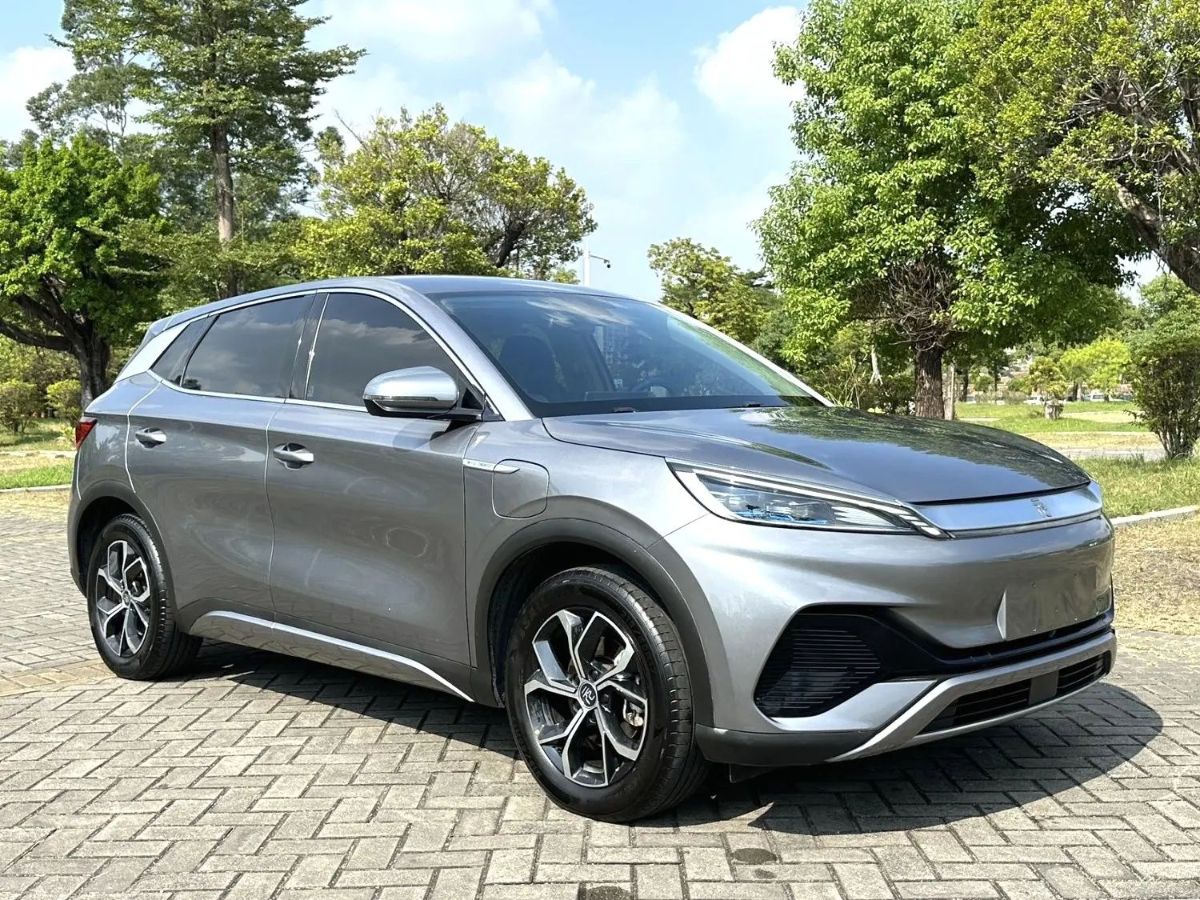
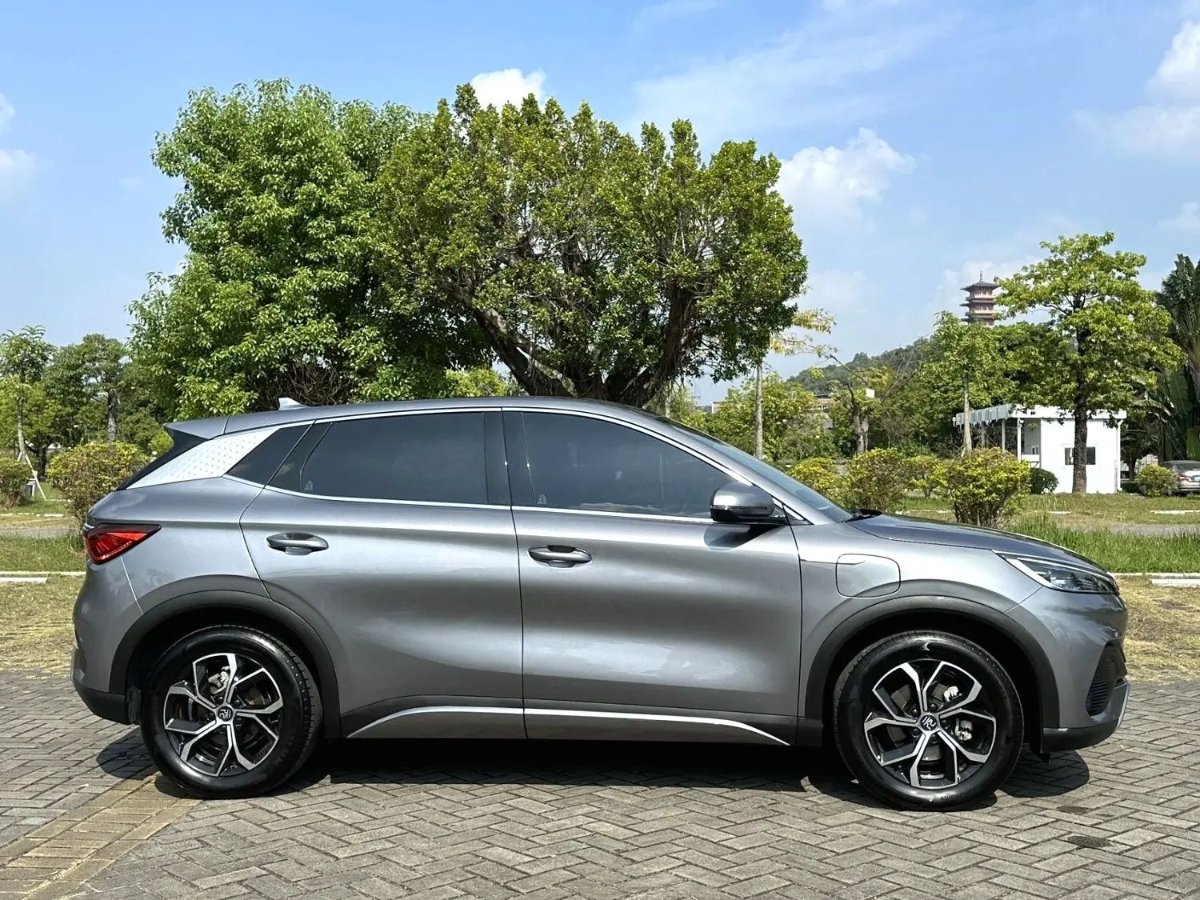
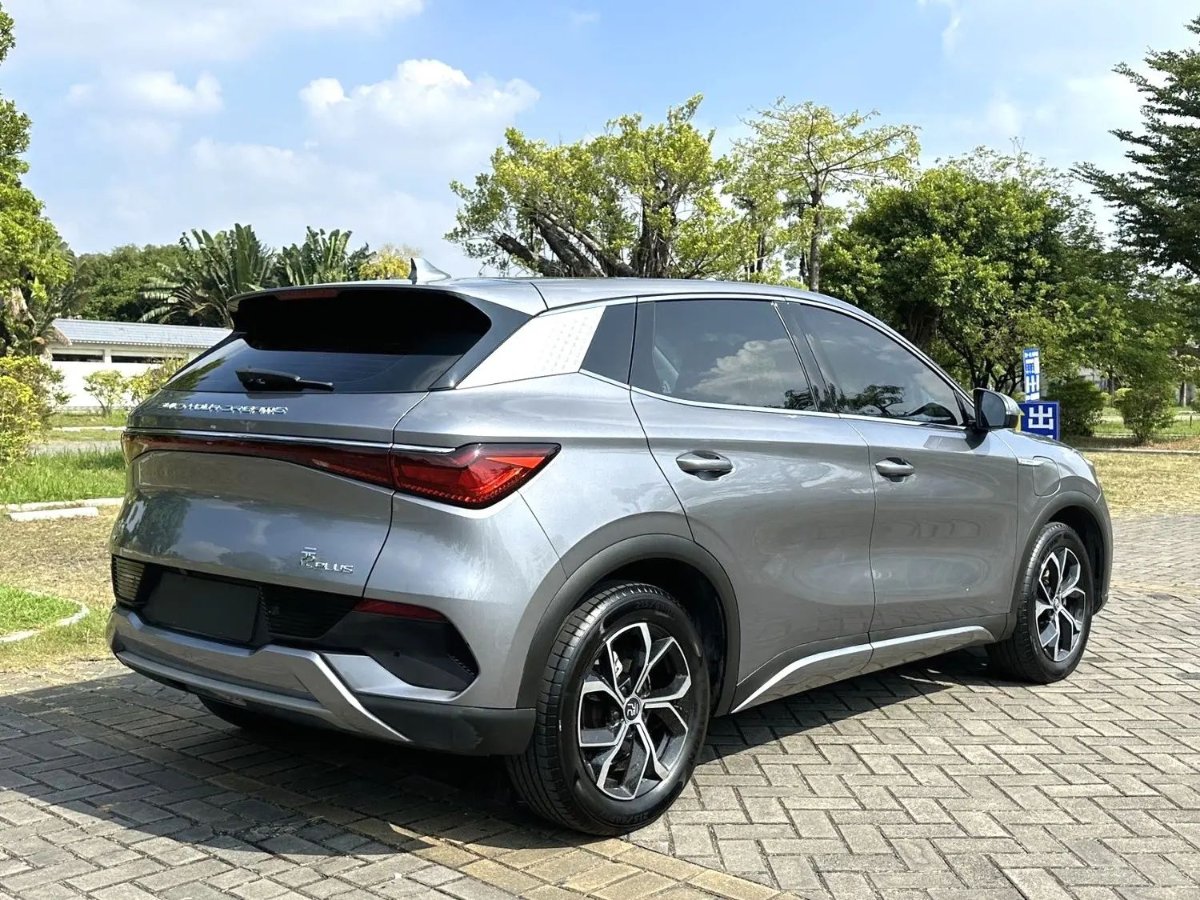
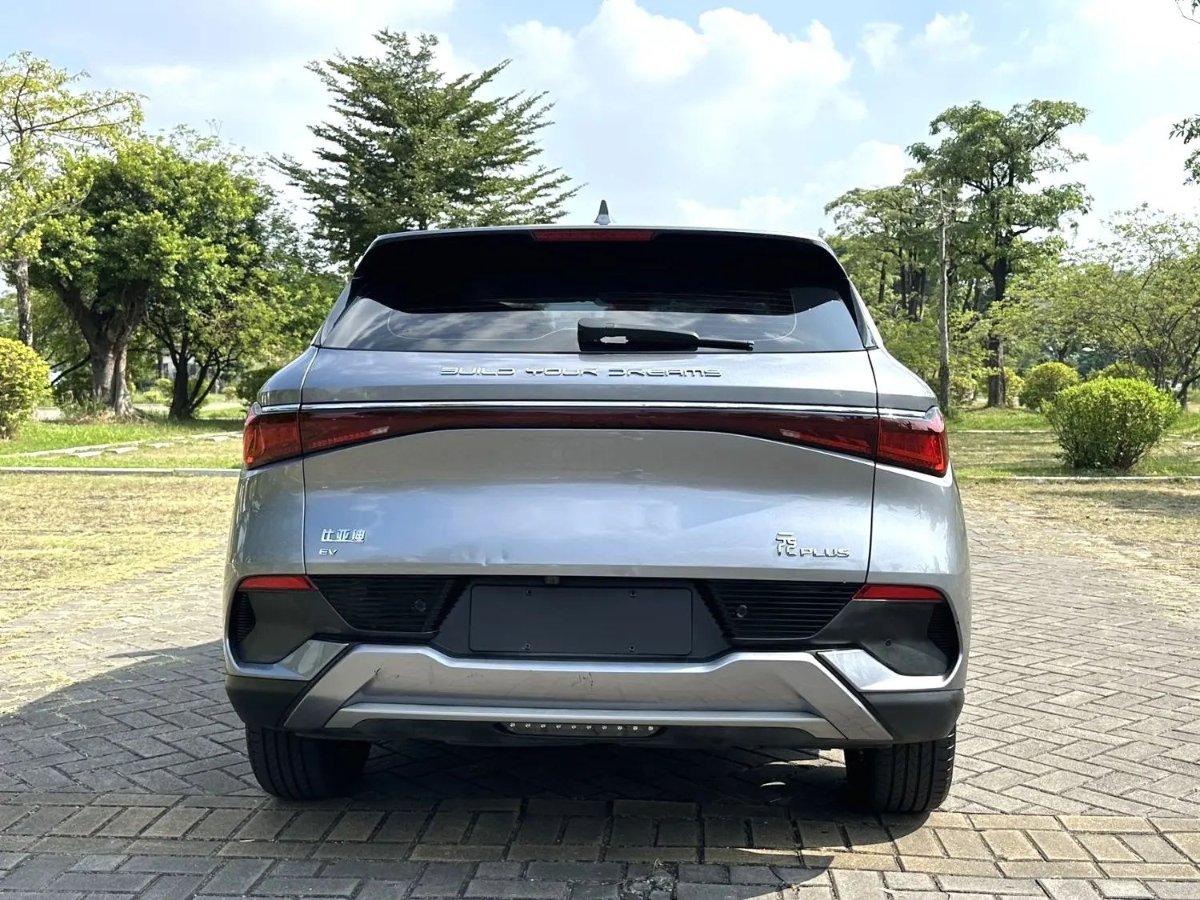
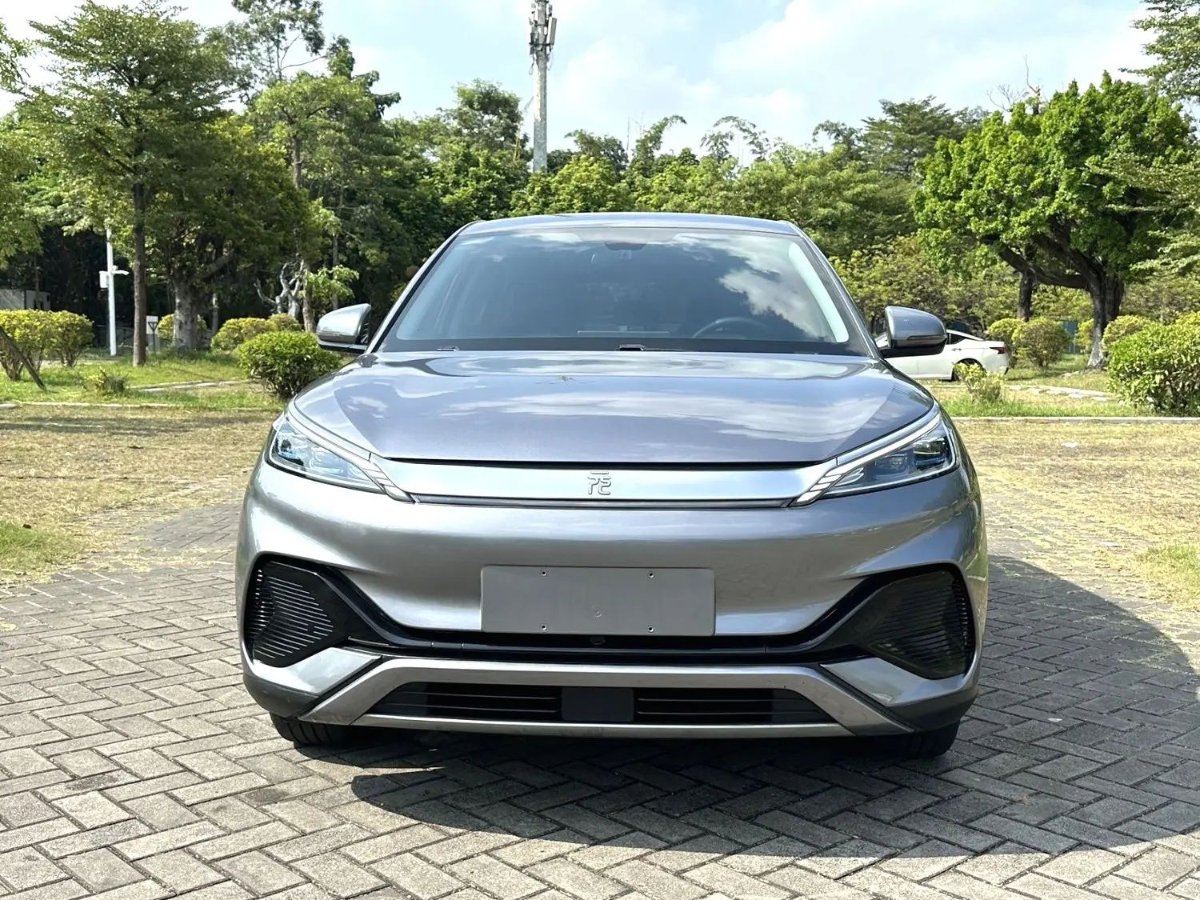
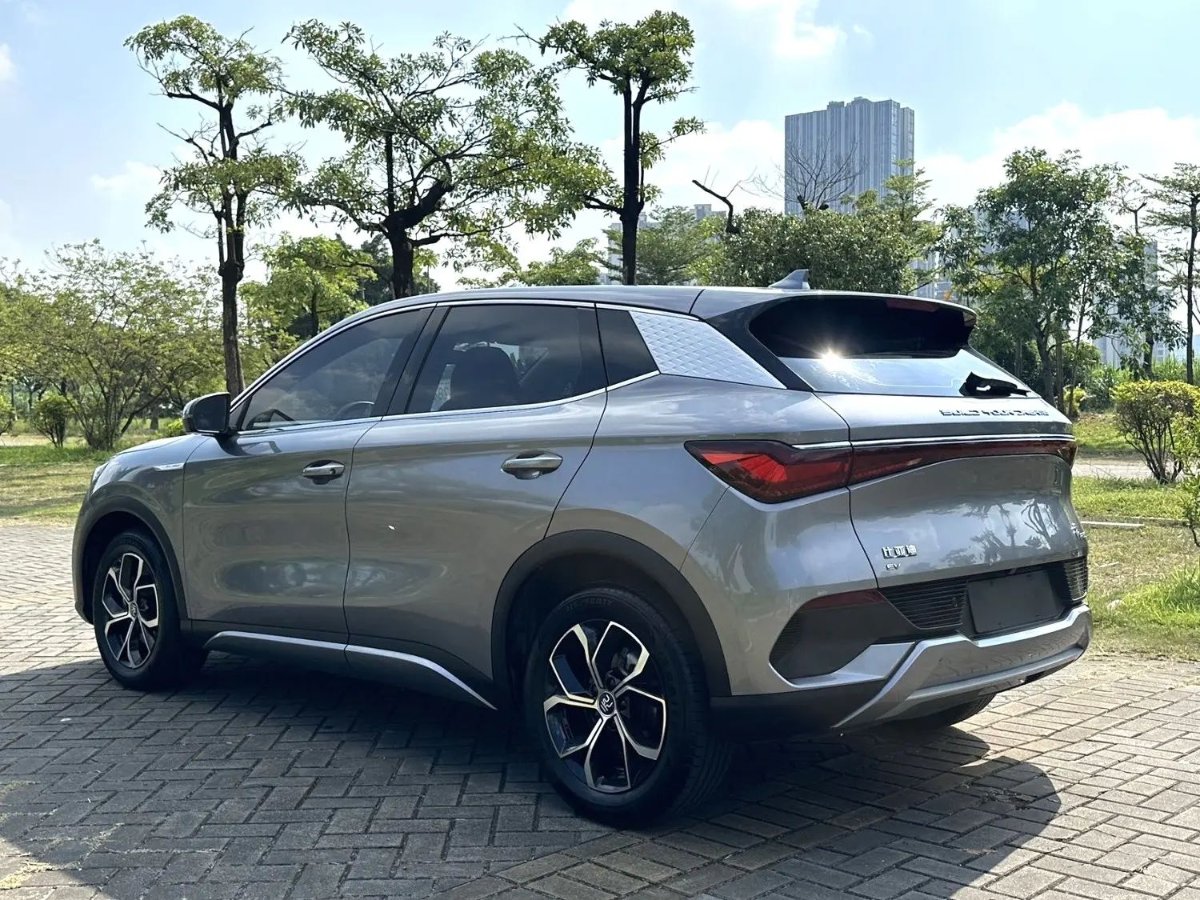
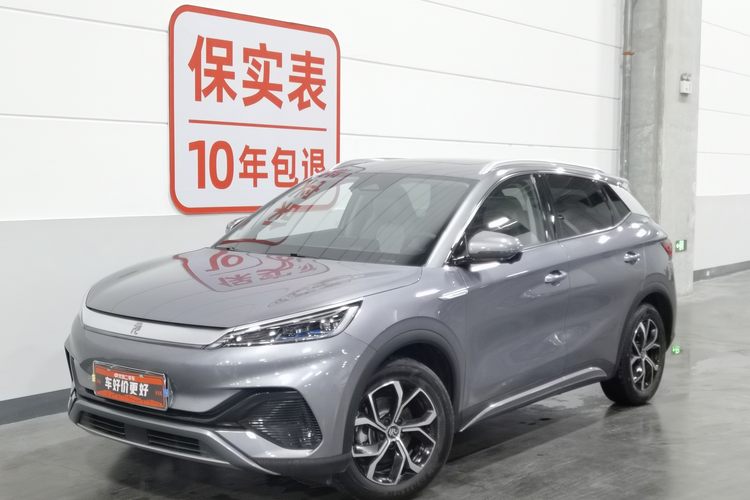
BrandBYD
SeriesYuan Plus
Year2022
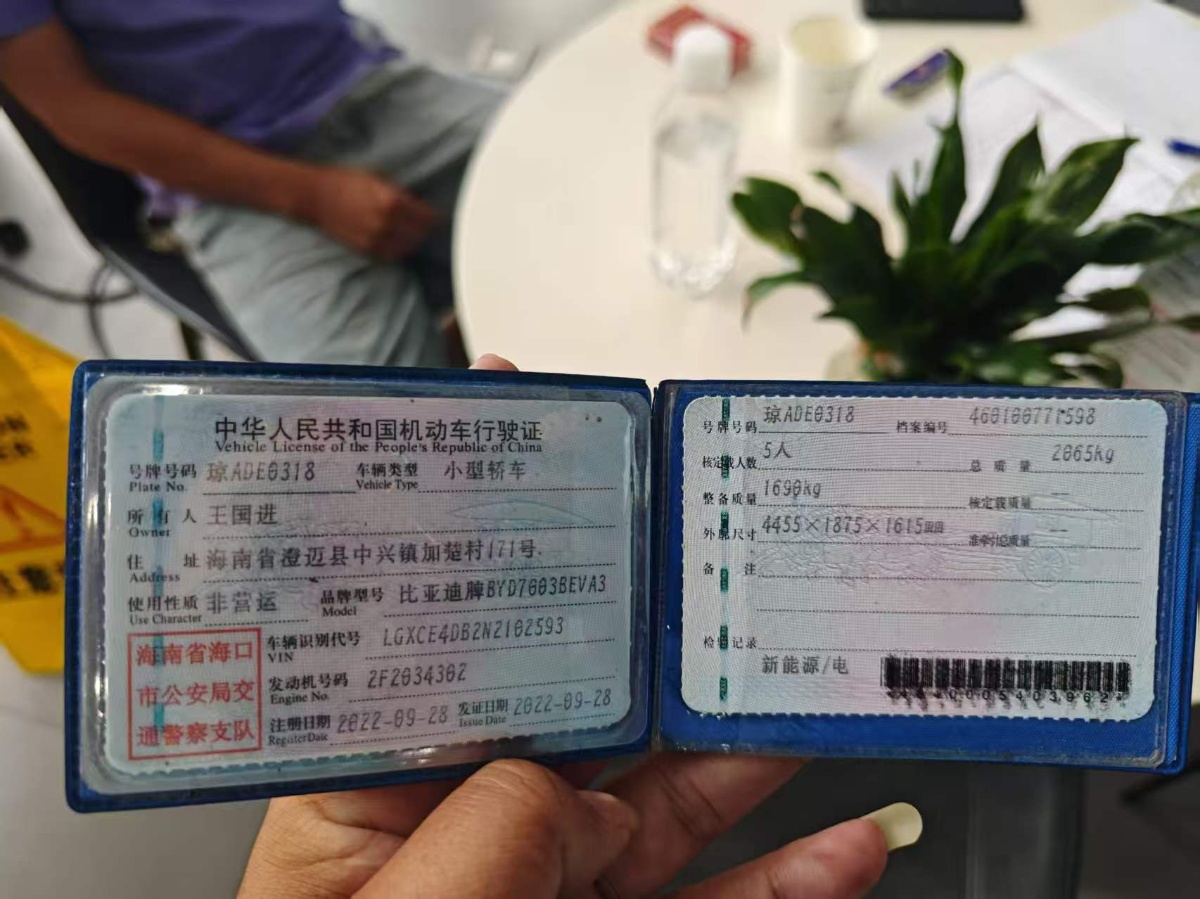
First Registration2022/09
Mileage80,000km
Transfer Count1times
FuelOther
TransmissionOther
Engine-
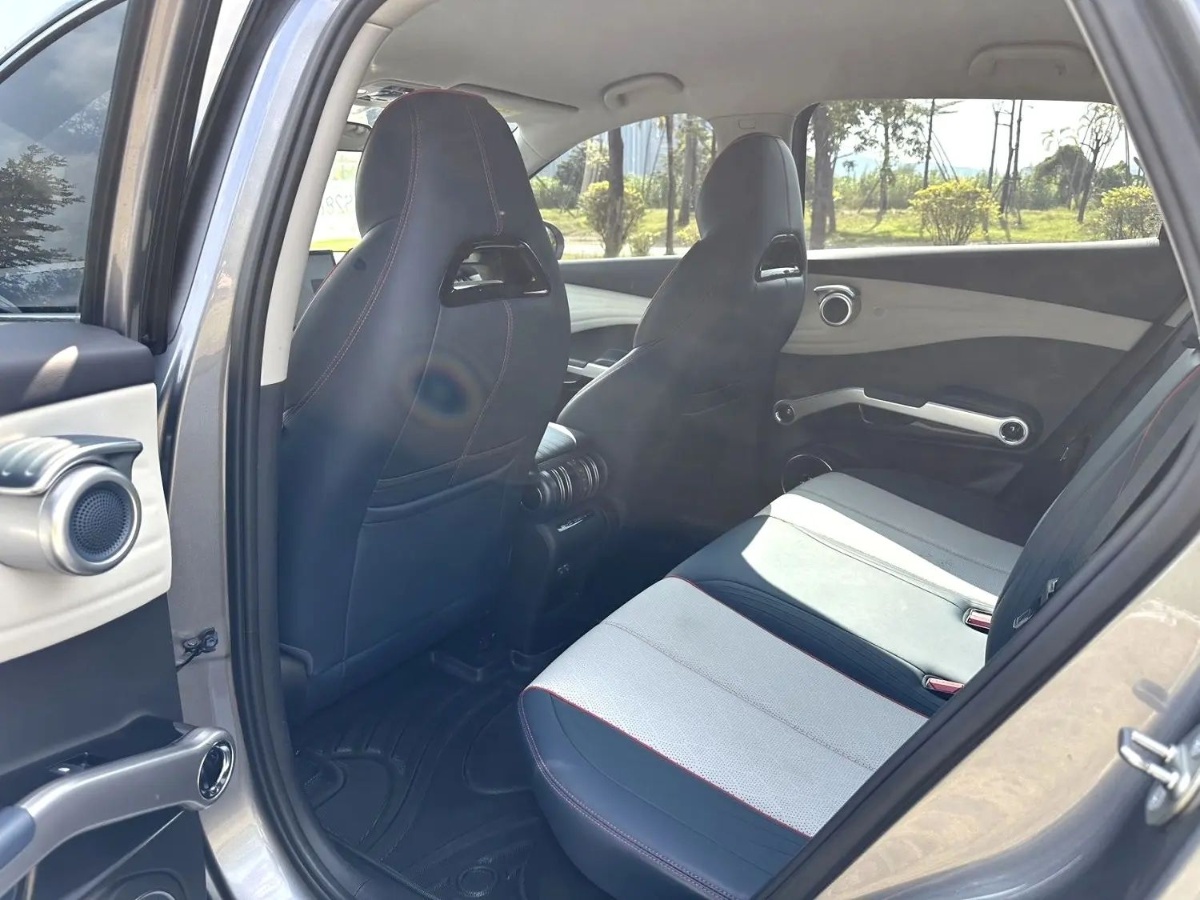
ColorGrey
Seats-

Condition Description

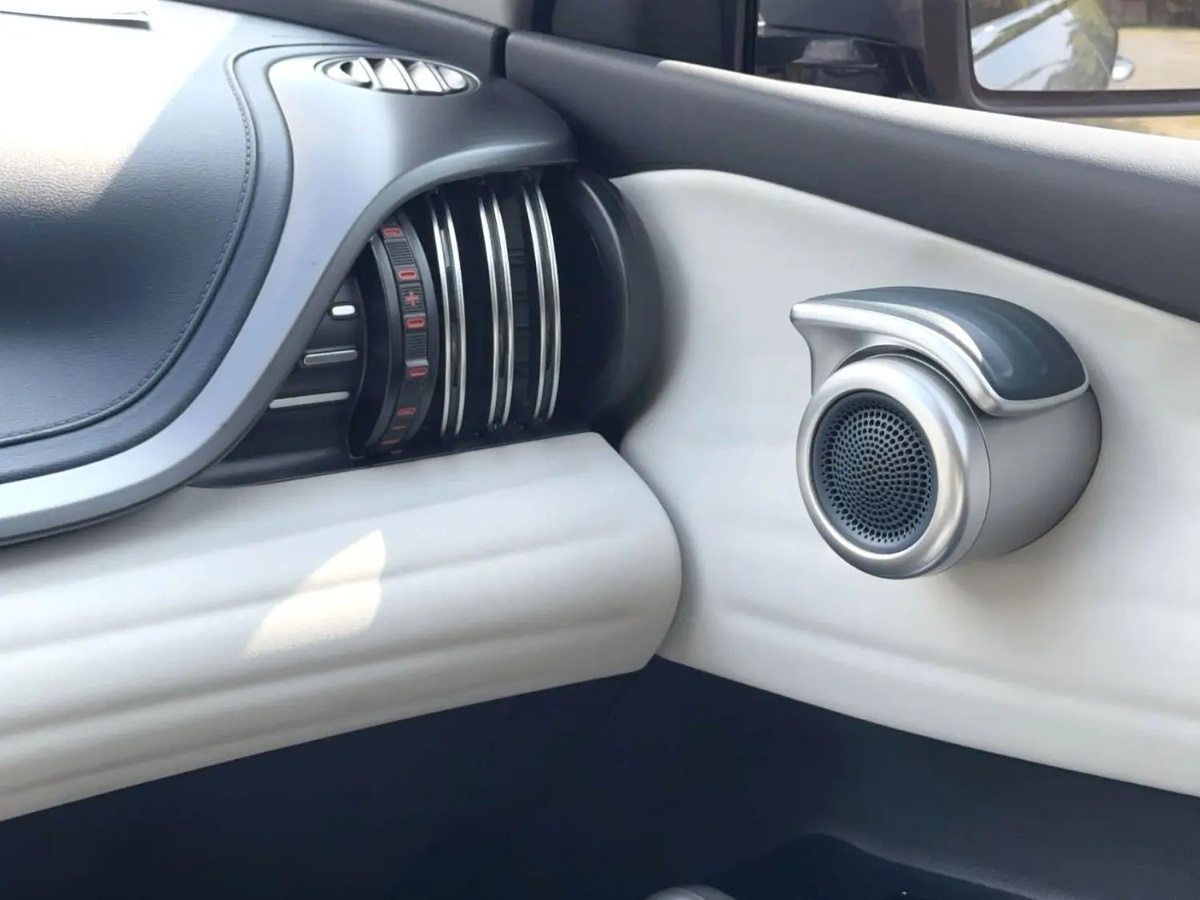
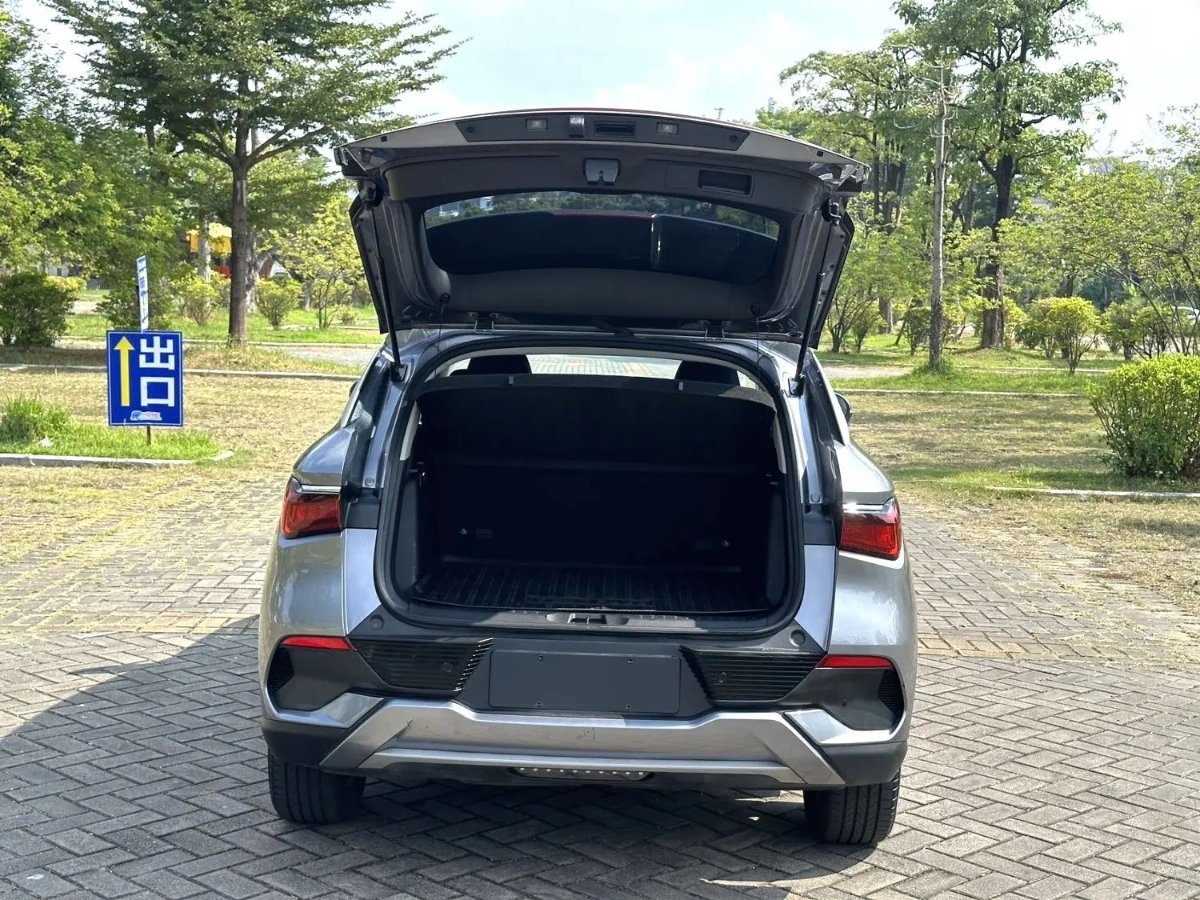
Front-end assembly replaced as a set. Non-commercial vehicle. Odometer reading is not accurate.

新能源
SUV
自动
维保开放
事故开放
查验开放

Configuration Highlights

✓品牌: 比亚迪
✓车系: 元PLUS
✓车型: 2022款 510KM 尊荣型
✓车身类型: SUV
✓座位数: 5
✓排量: 0.0L
✓变速箱: 自动
✓能源类型: 新能源
✓VIN: LGXCE4DB2N2102593
✓搜索关键词: 比亚迪元PLUS 2022款元PLUS510KM尊荣型

Document Information

Inspection Expiry Date2028/09
Warranty Expiry Date-
Insurance Expiry Date2027/09

Q&A

More

How to ensure there are no stubborn odors in the car (like smoke, pet smells, or mold)?

Odors are difficult to convey through images, so our quality inspectors conduct subjective smell assessments and record them. For vehicles with severe smoke or mold odors, if deep ozone sterilization is ineffective, we will downgrade the vehicle and mark the report with a red "Odor Warning" at the top.
How can I make sure a used car from China has a clean title and no outstanding loan or lien?

Start by asking the seller for a photo of the full vehicle registration certificate. Check that the registered owner matches the seller's company name. Any change of ownership should appear with a transfer stamp and date. Second, request a lien check. In China, vehicle mortgages are registered with the vehicle management office. A clean certificate shows no mortgage registration; if one exists, the car cannot be legally exported until the loan is settled and the lien released. Third, verify there are no unpaid traffic fines and no gaps in compulsory insurance, since these can block export clearance. Ask the platform to include a title verification step in the transaction flow, and only pay the balance after the title transfer to the export company is confirmed.

When B2B buyers make bulk purchases, can they request to combine the accessory costs and vehicle price on the same commercial invoice to reduce overall tariffs?

No, this is a serious customs violation. Complete vehicles (HS Code 8703) and auto parts (HS Code 8708, etc.) are subject to completely different import tax rates. Combining them on one invoice could lead to the invoice being returned by customs and may expose you to tax fraud accusations at the destination port.