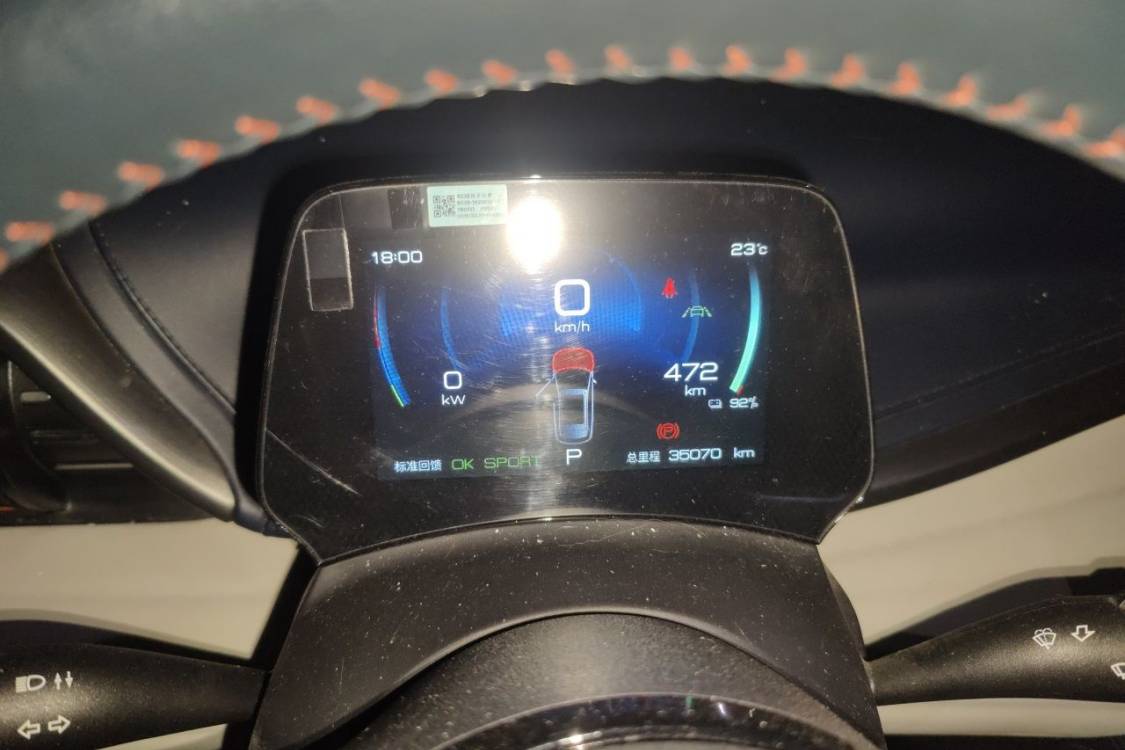
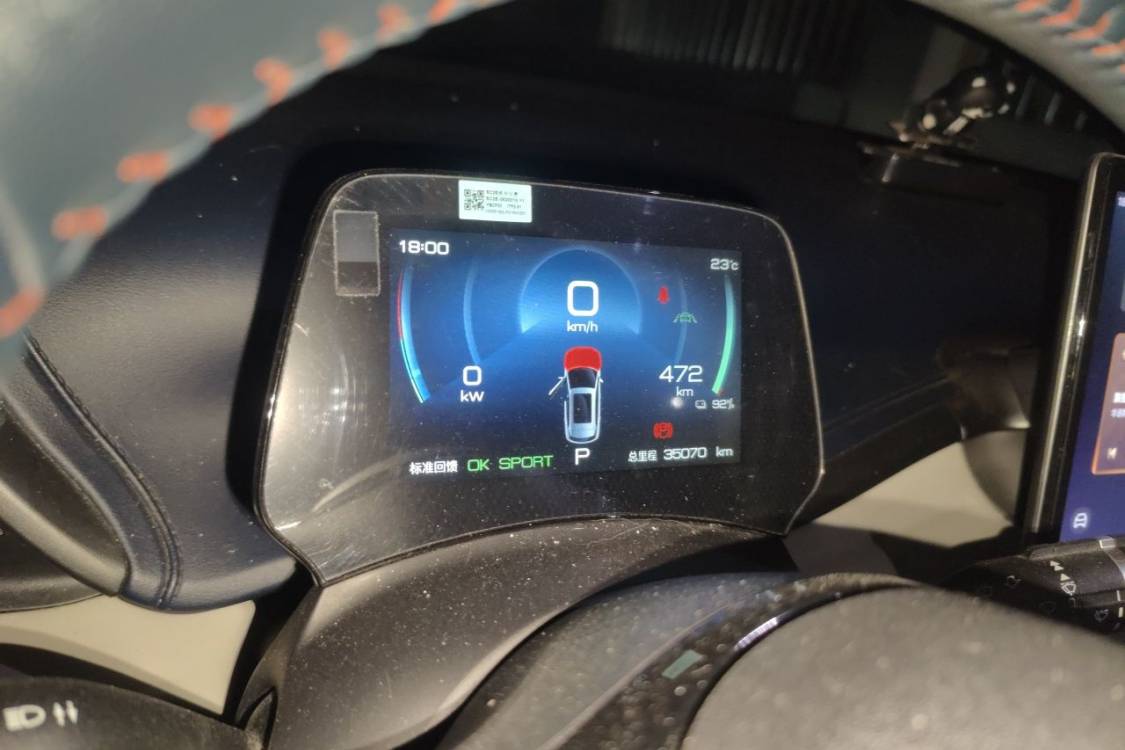
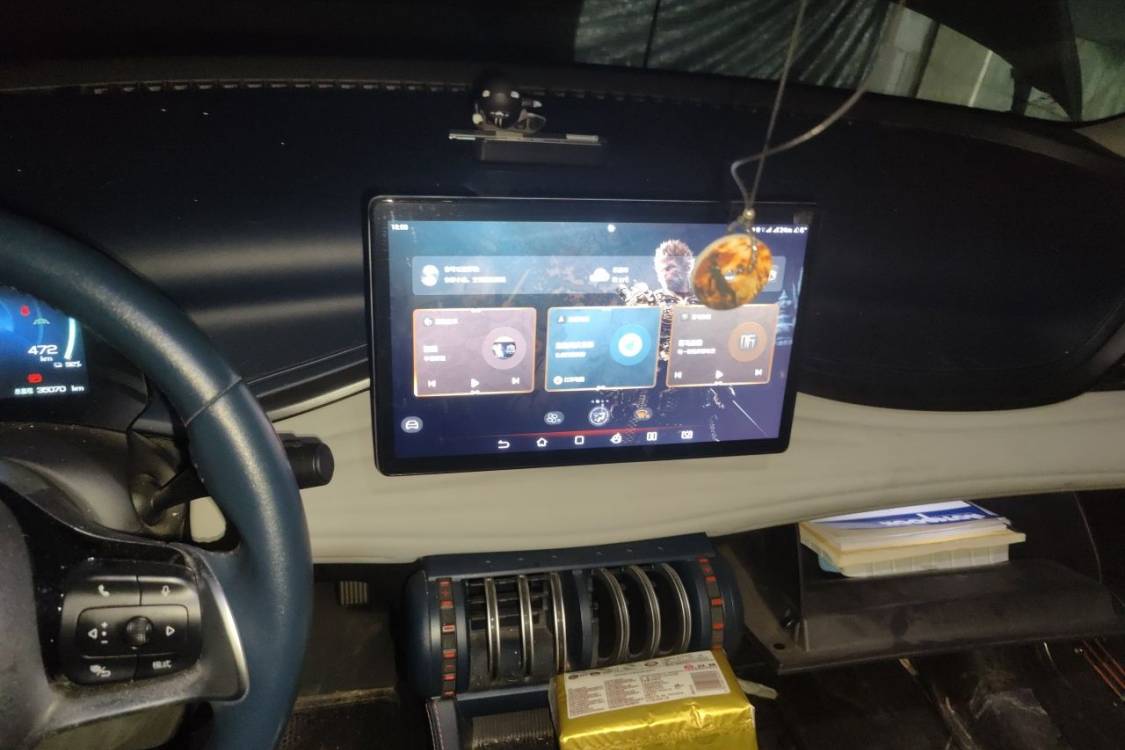
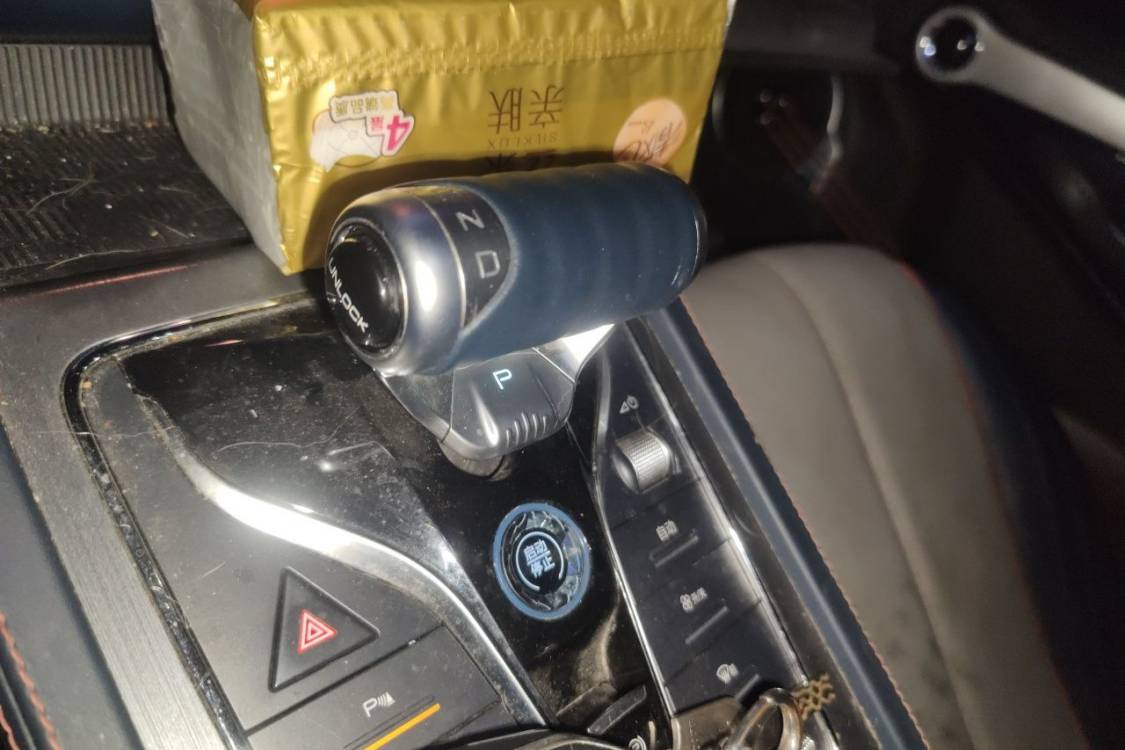



Basic Information

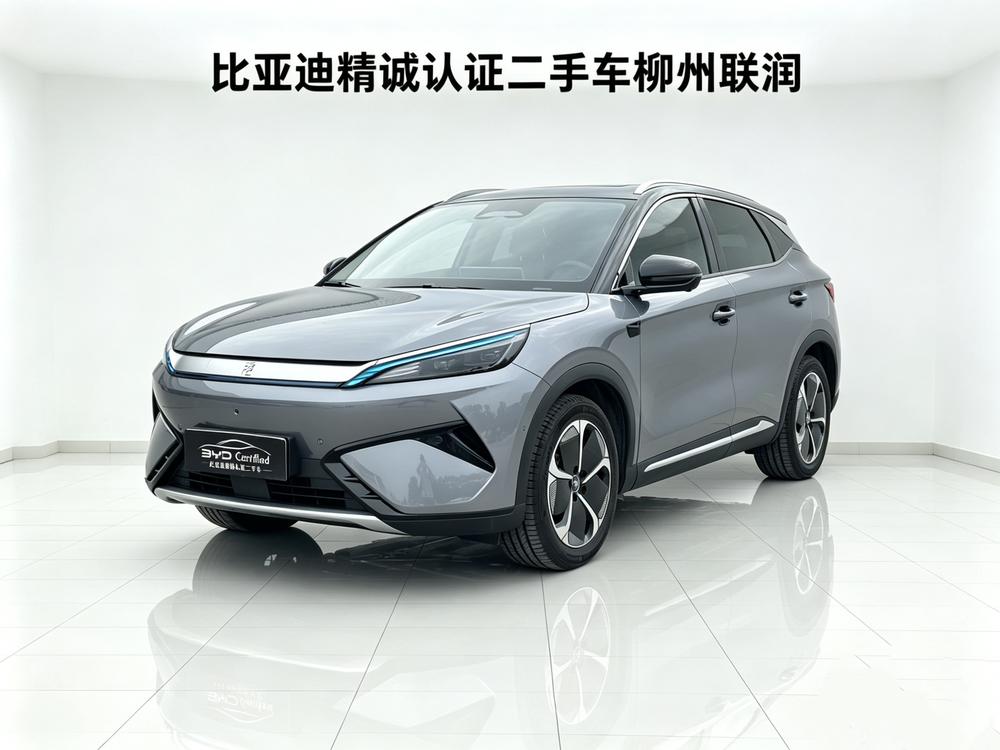
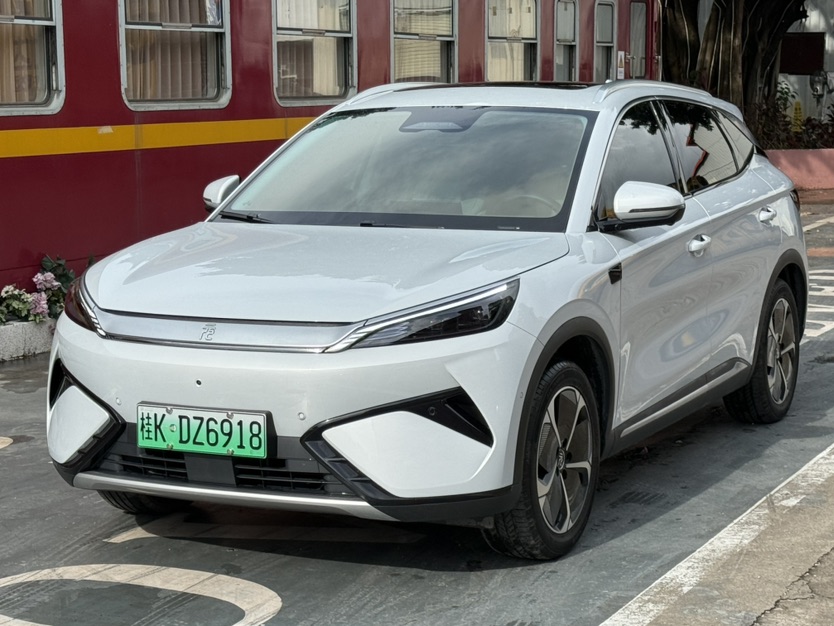
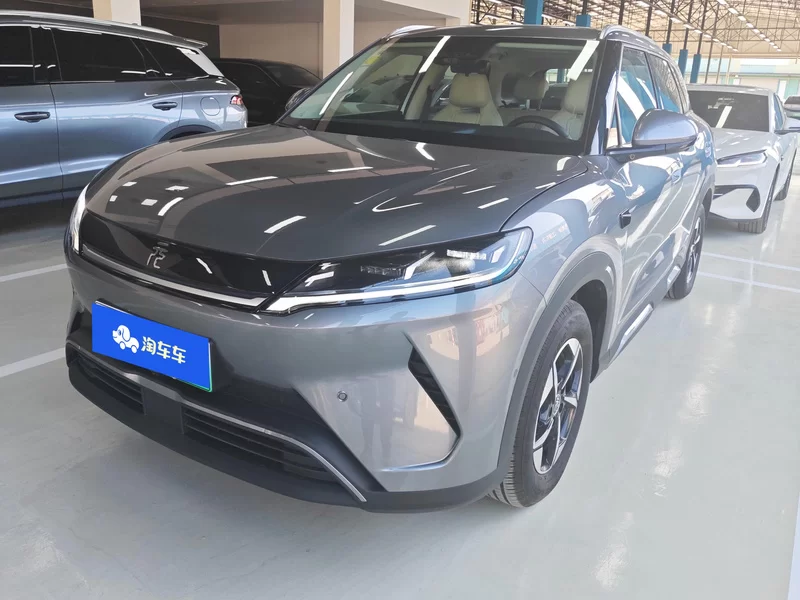
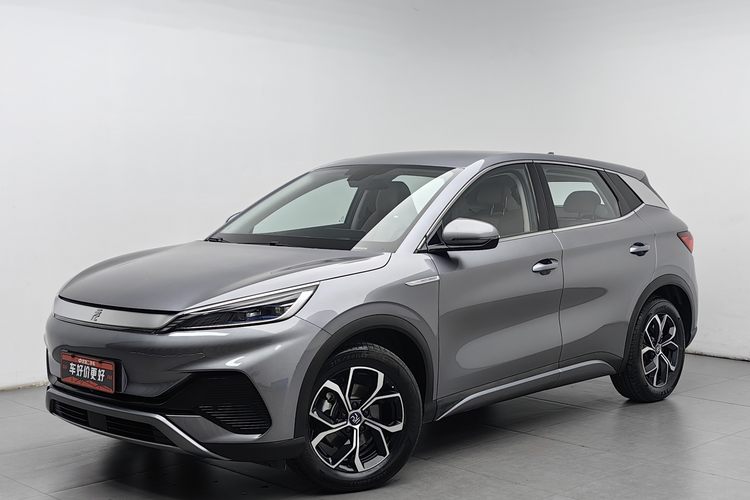
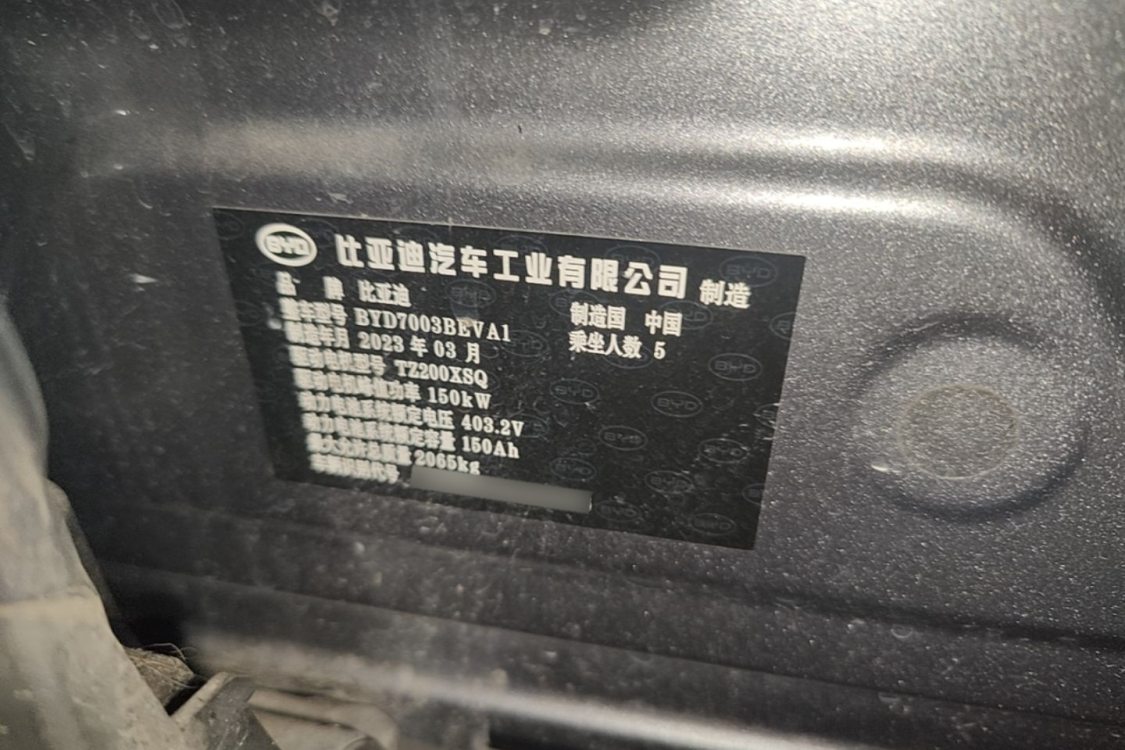
BrandBYD
SeriesYuan Plus
Year2023
First Registration2023/03
Mileage35,100km
Transfer Count-
FuelOther
TransmissionOther
Engine-
ColorGrey
Seats-

Condition Description

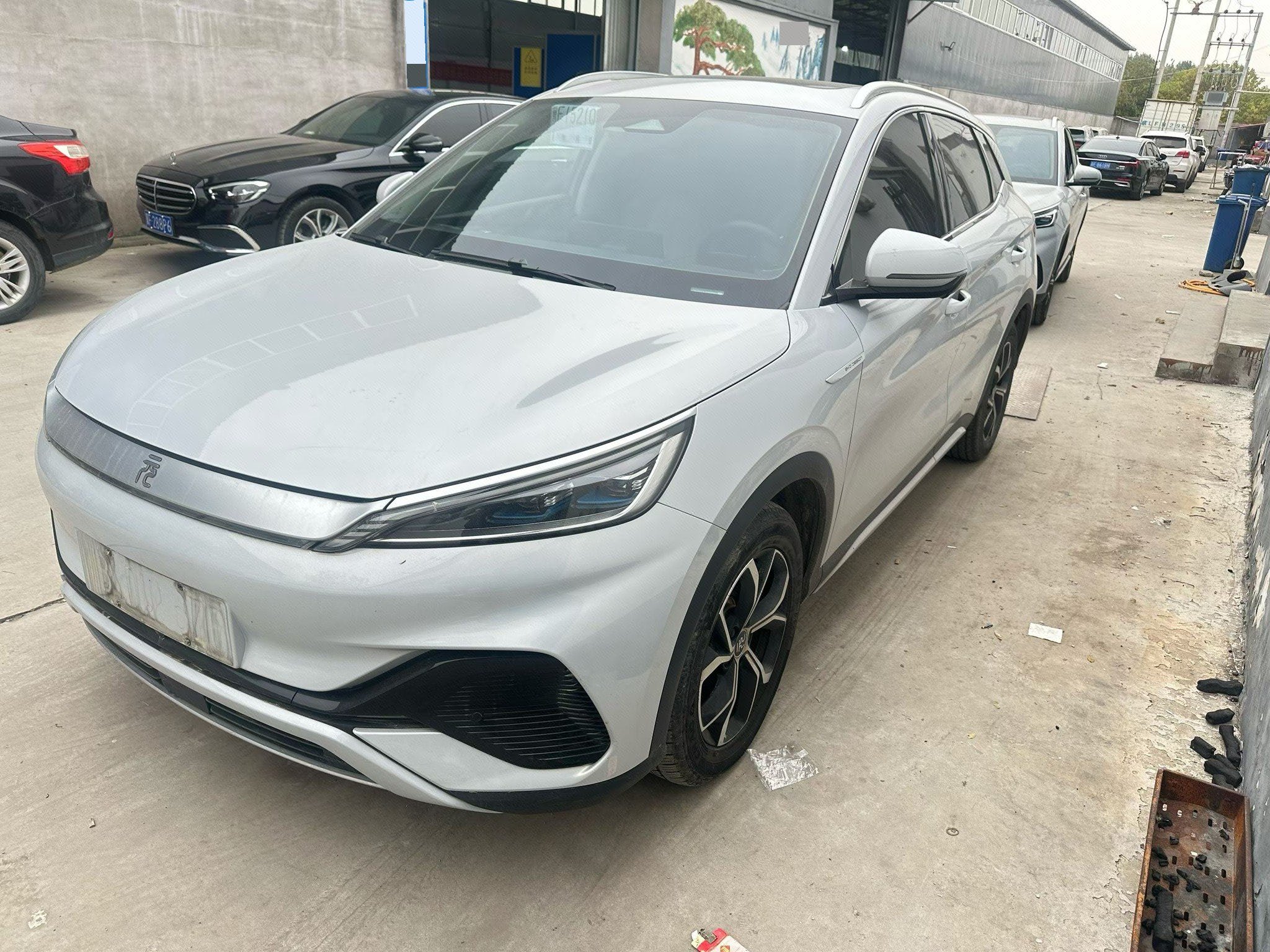
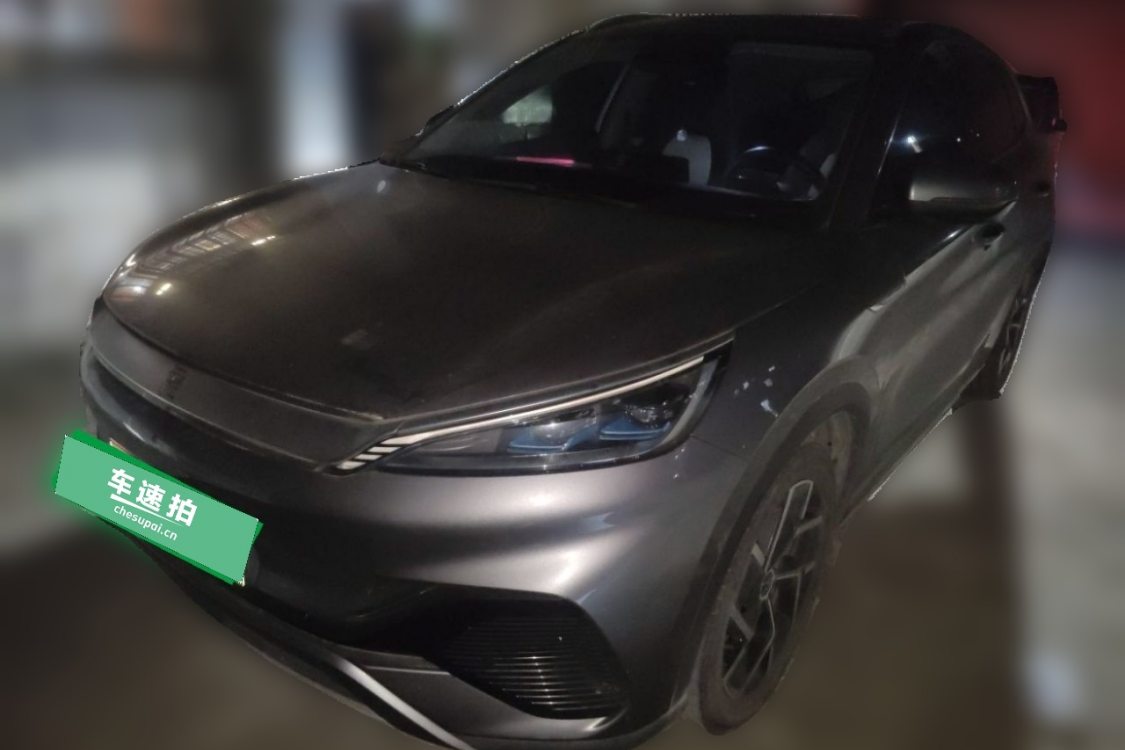
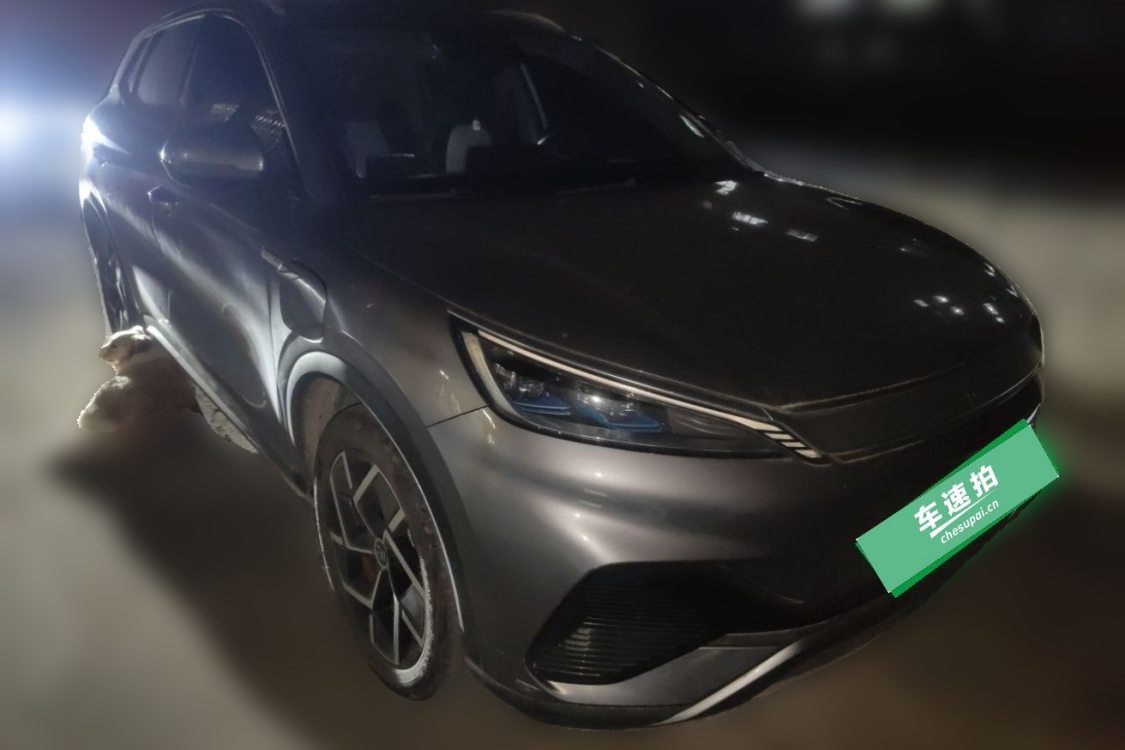
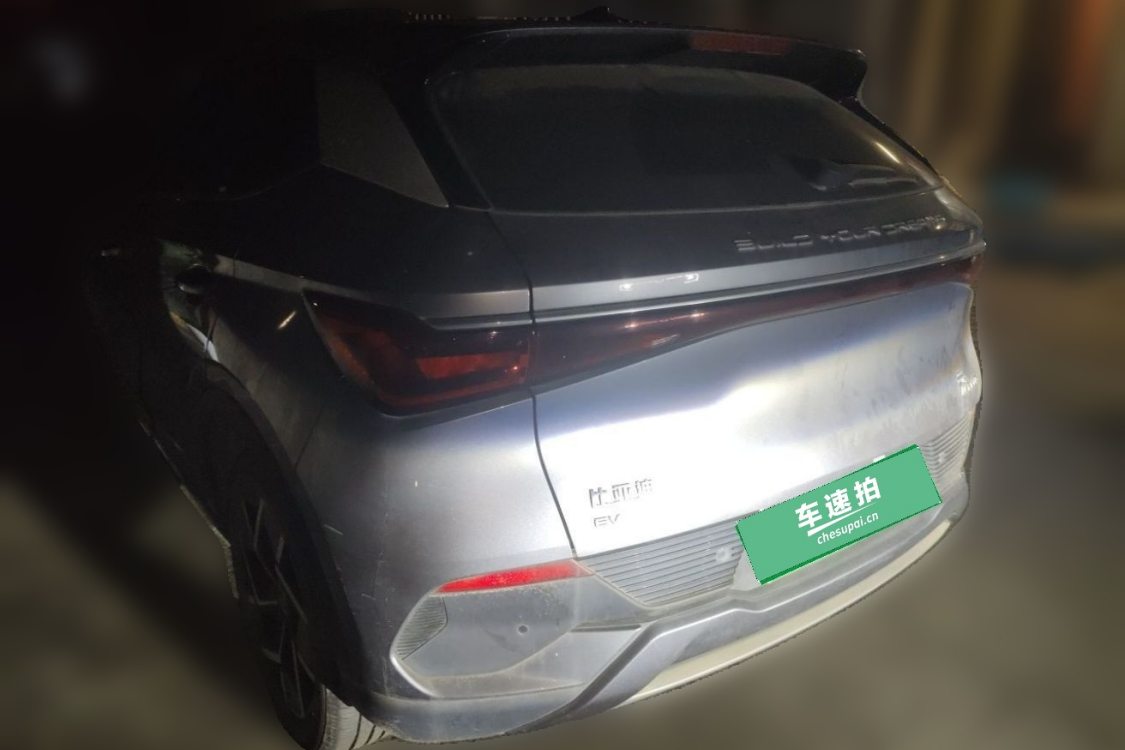
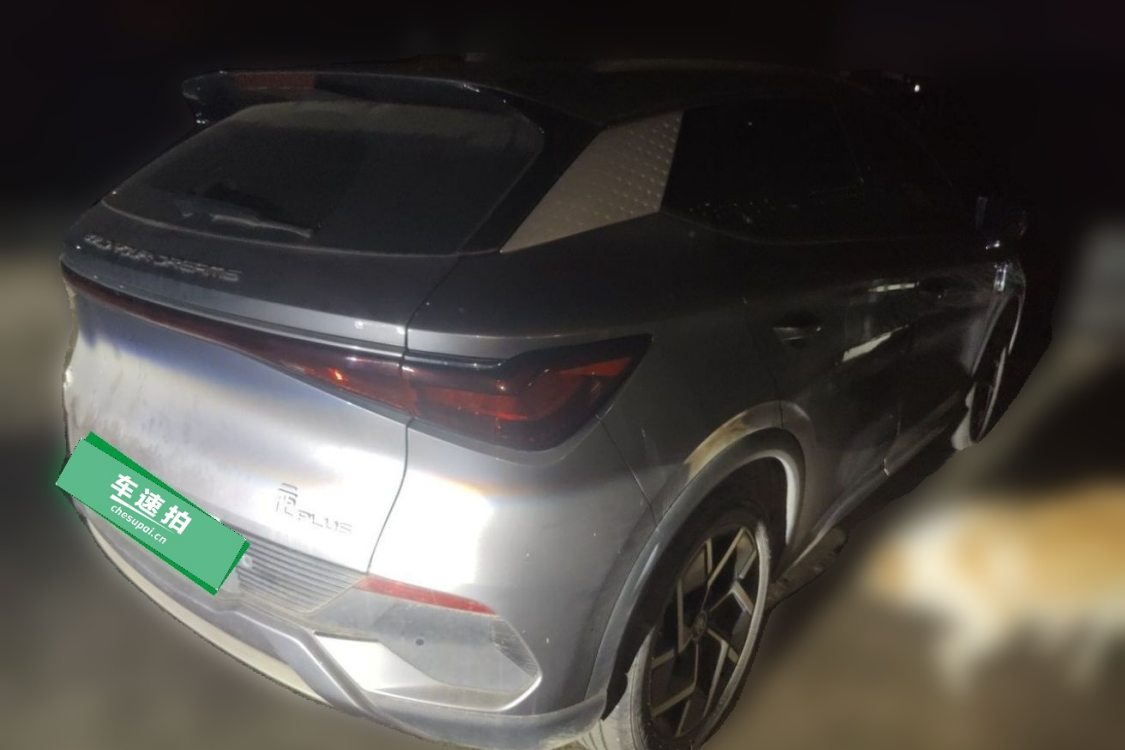
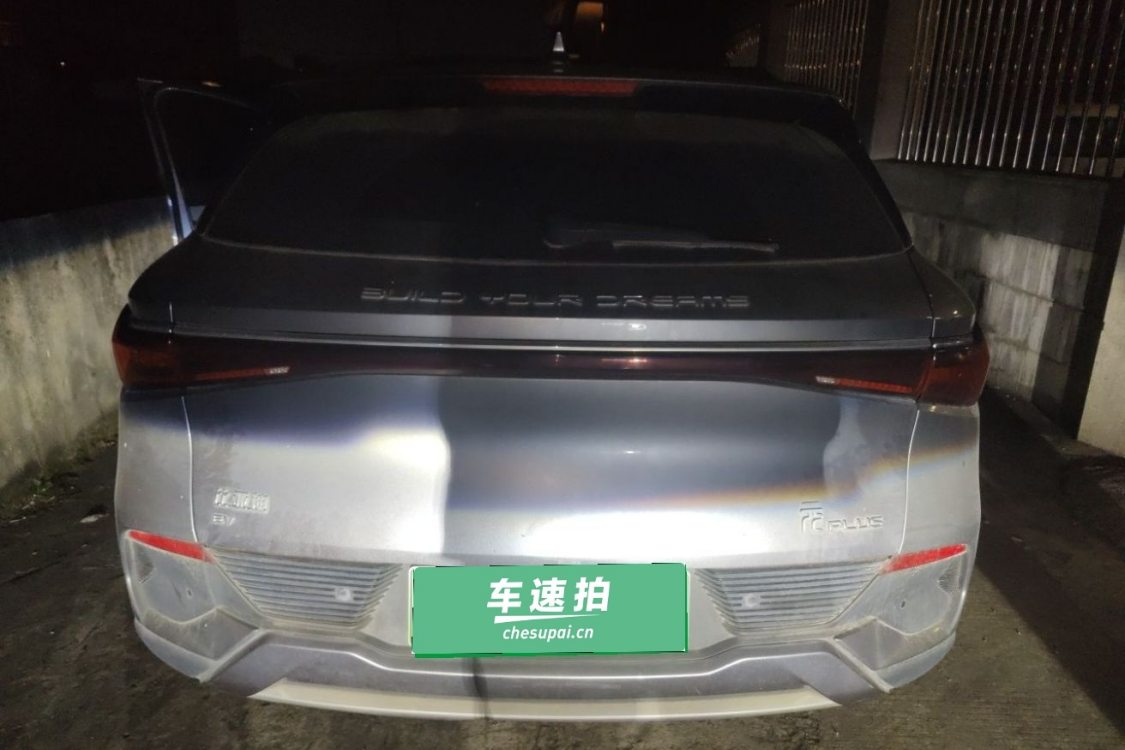
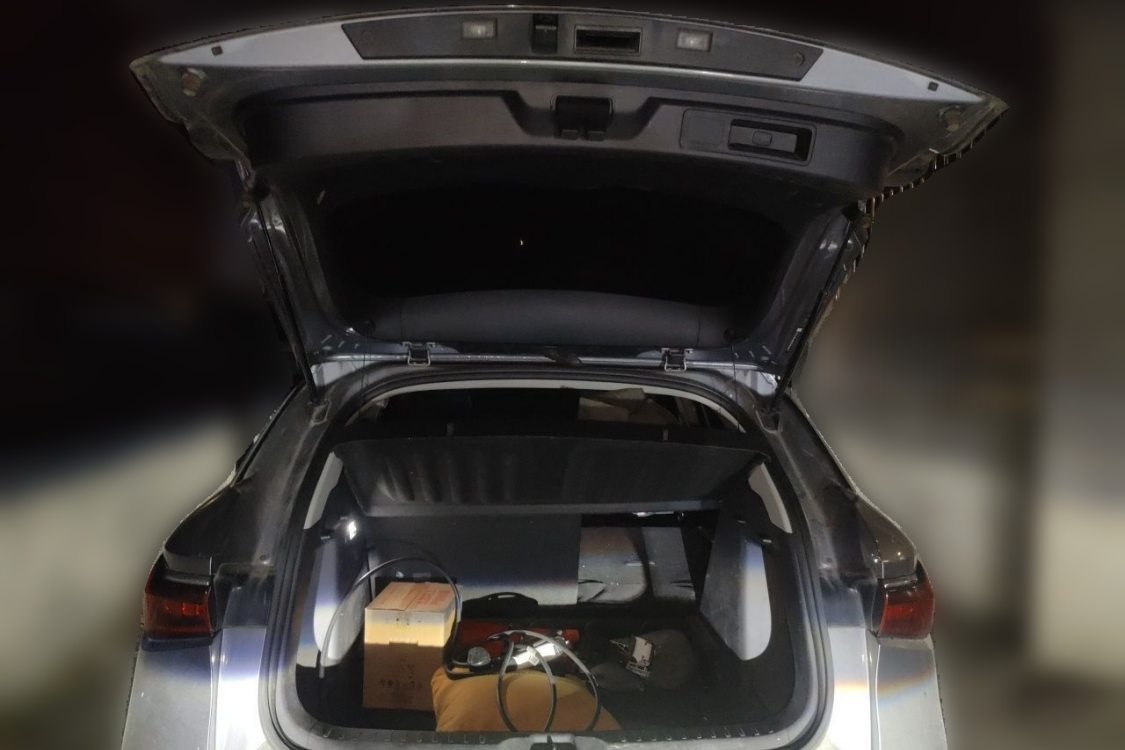
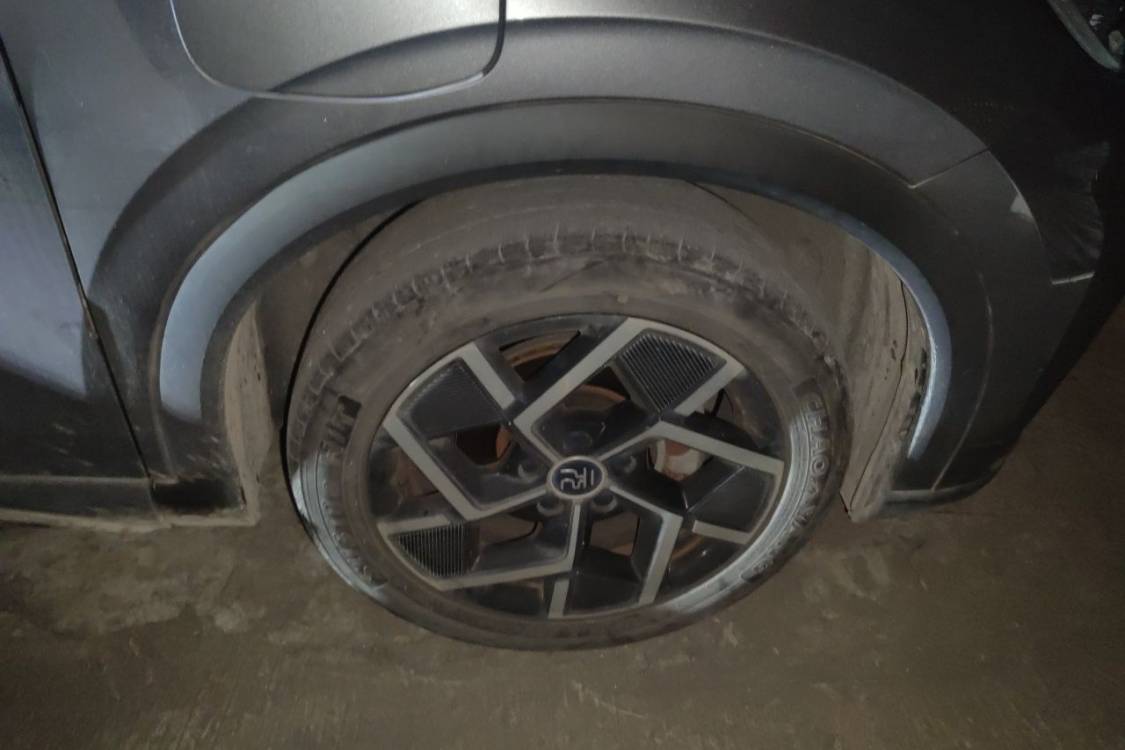
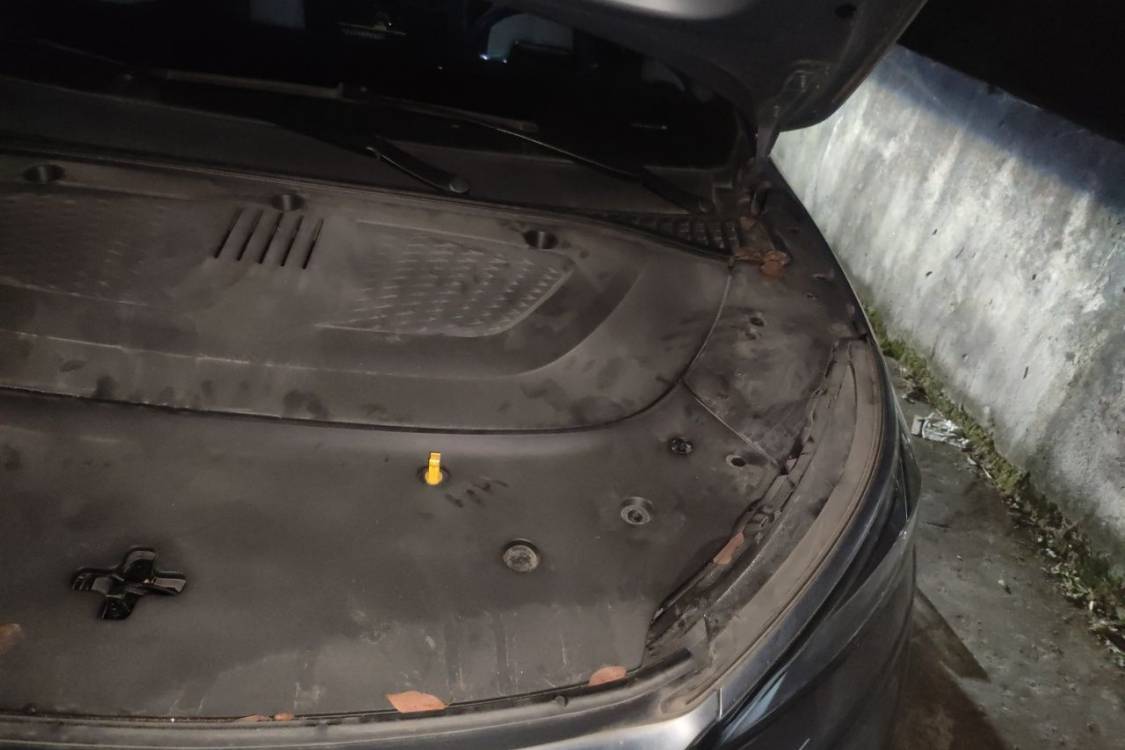
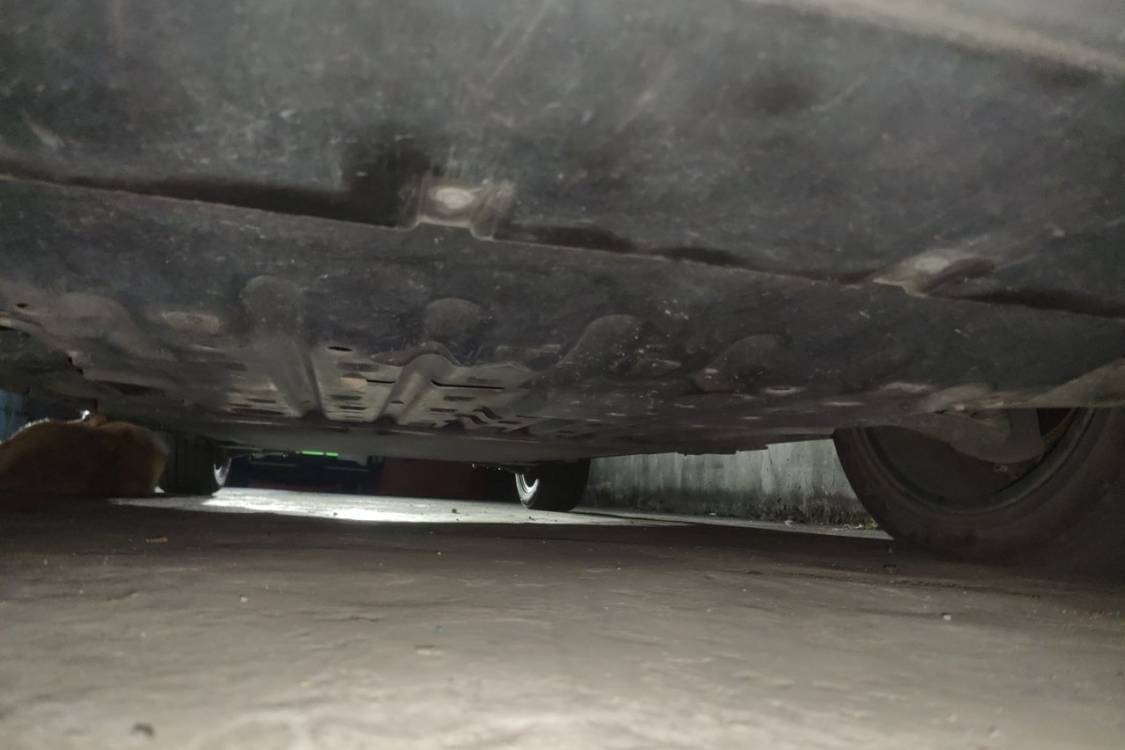
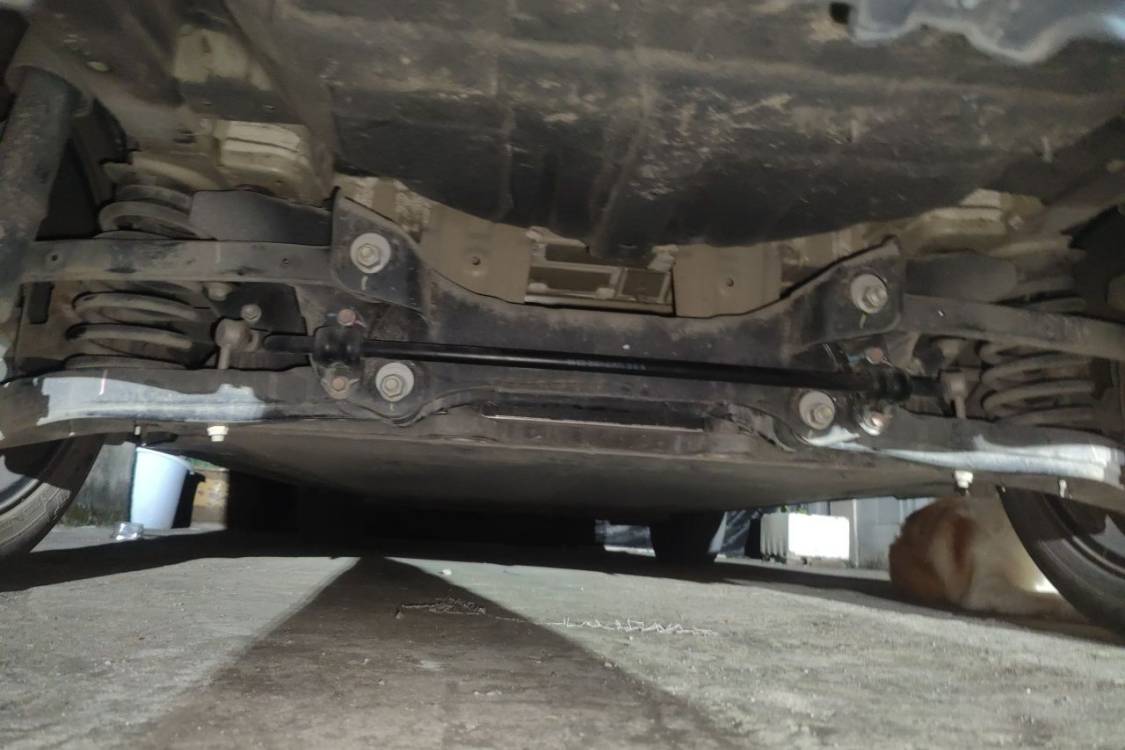
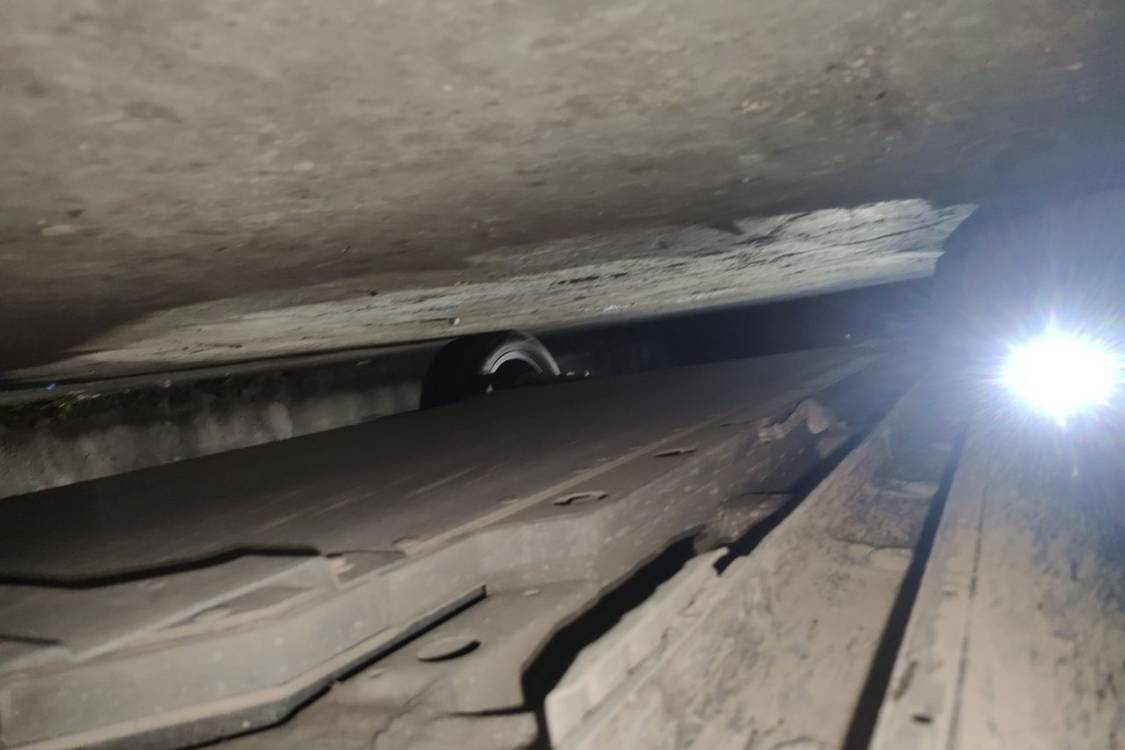
Body components (structural/reinforcing/panels) have accident-related damage, passive safety devices are defective, vehicle performance (including battery/motor/electronic control) is degraded or remains limited after repairs.

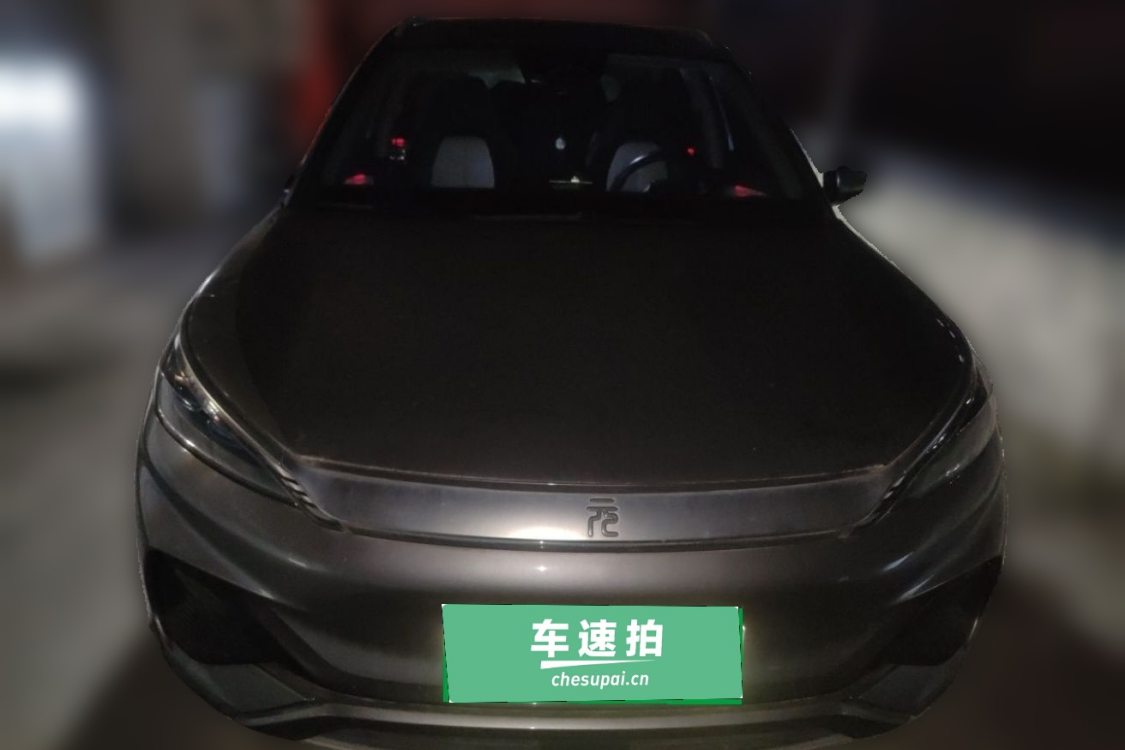
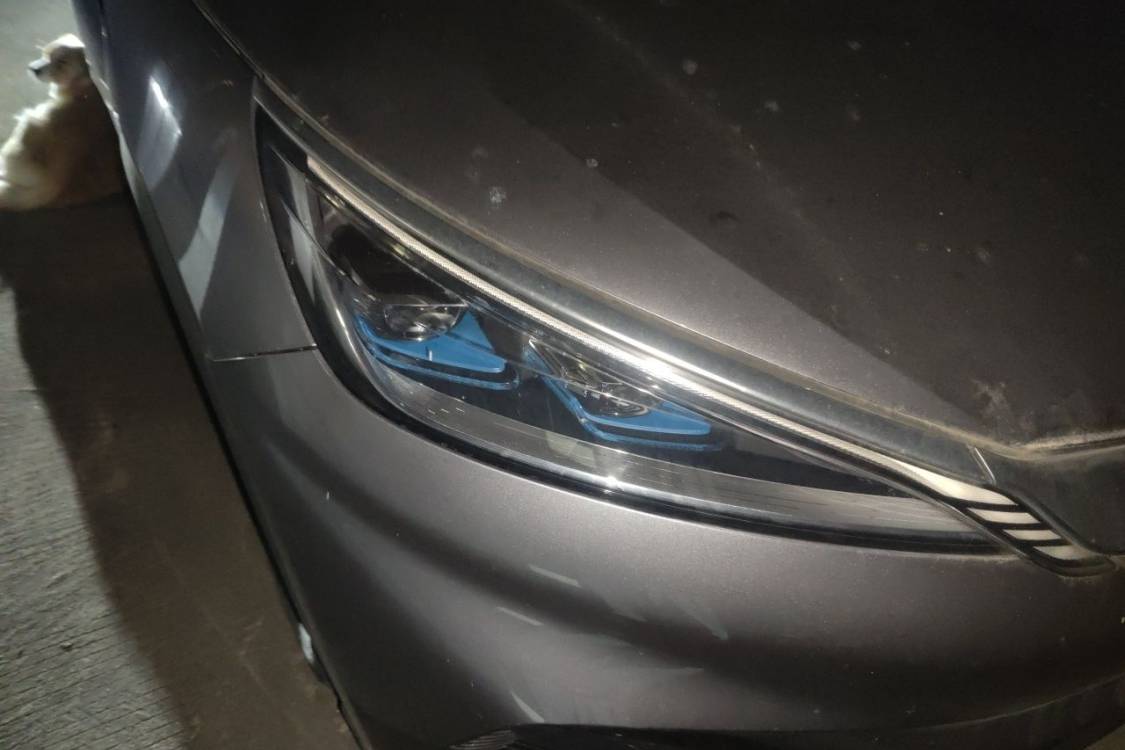
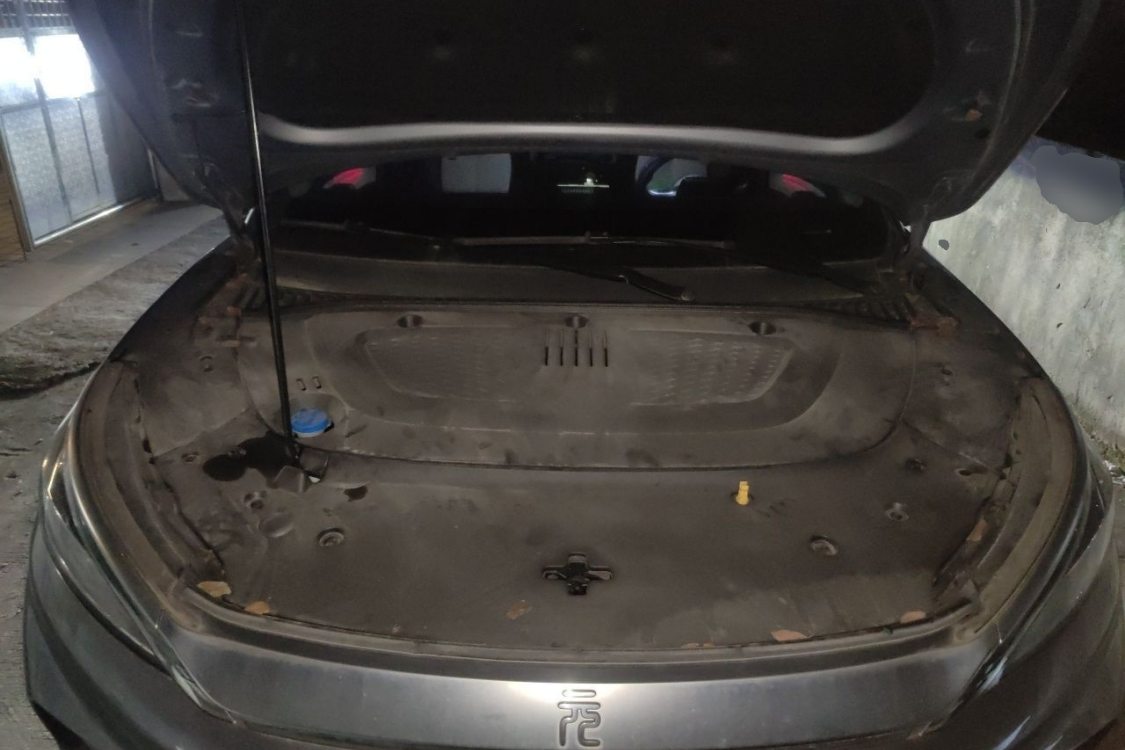
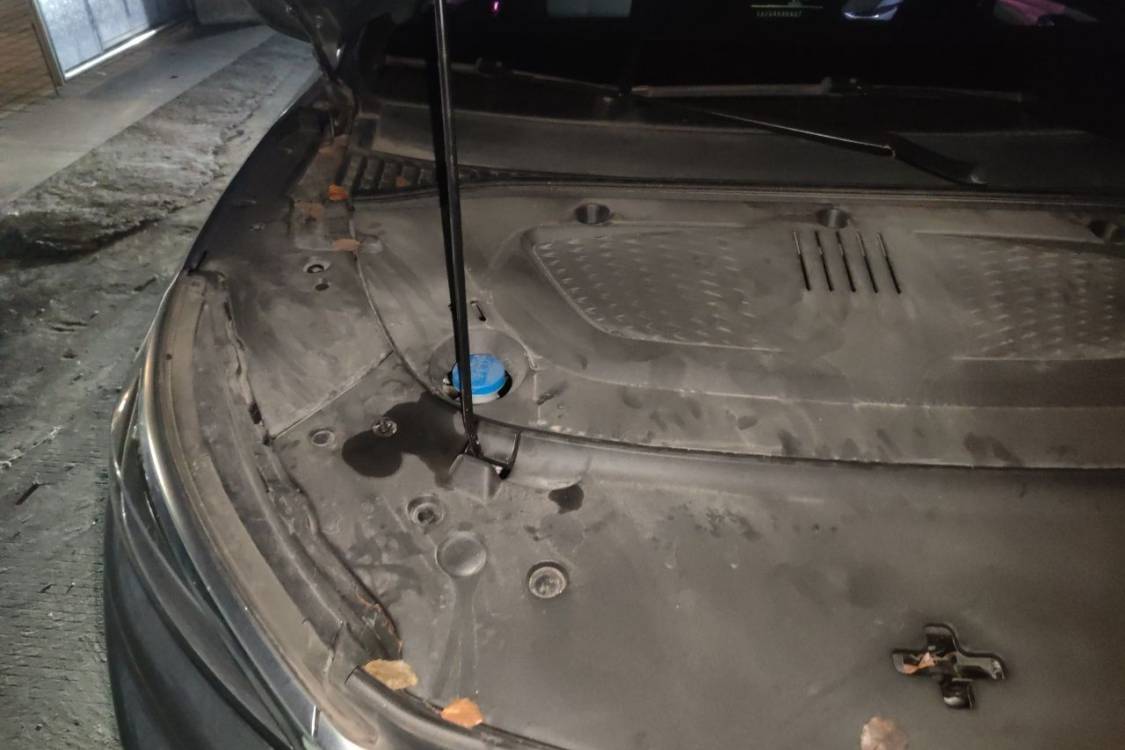
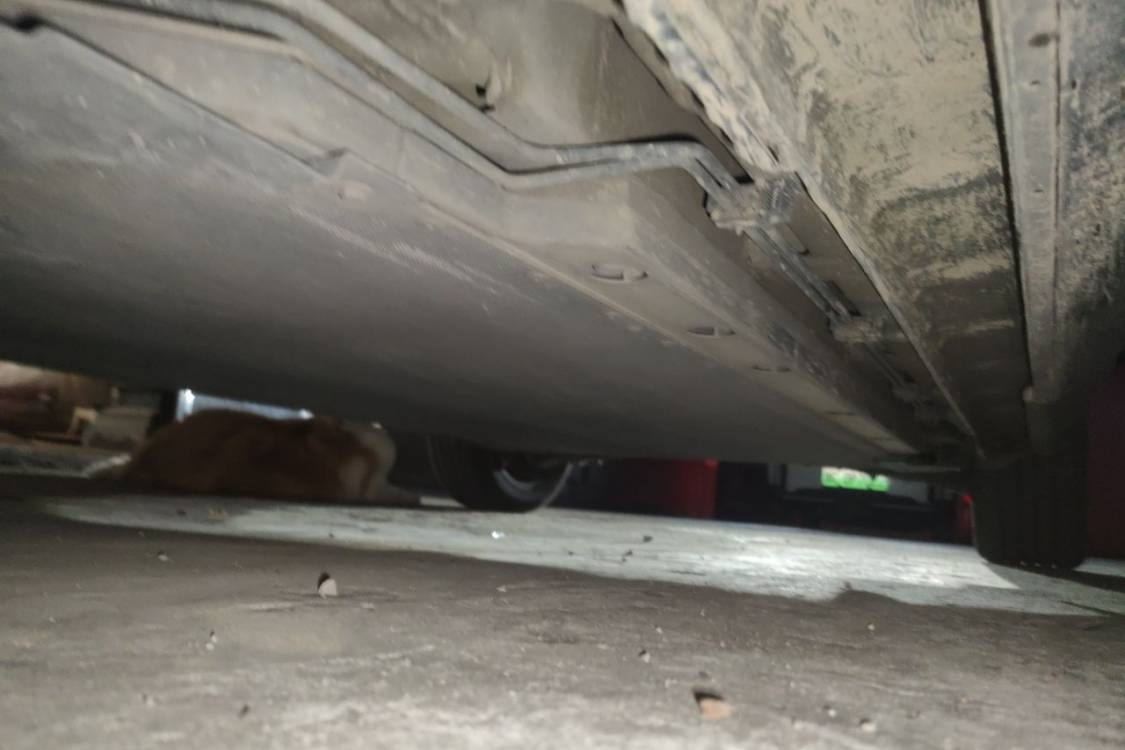
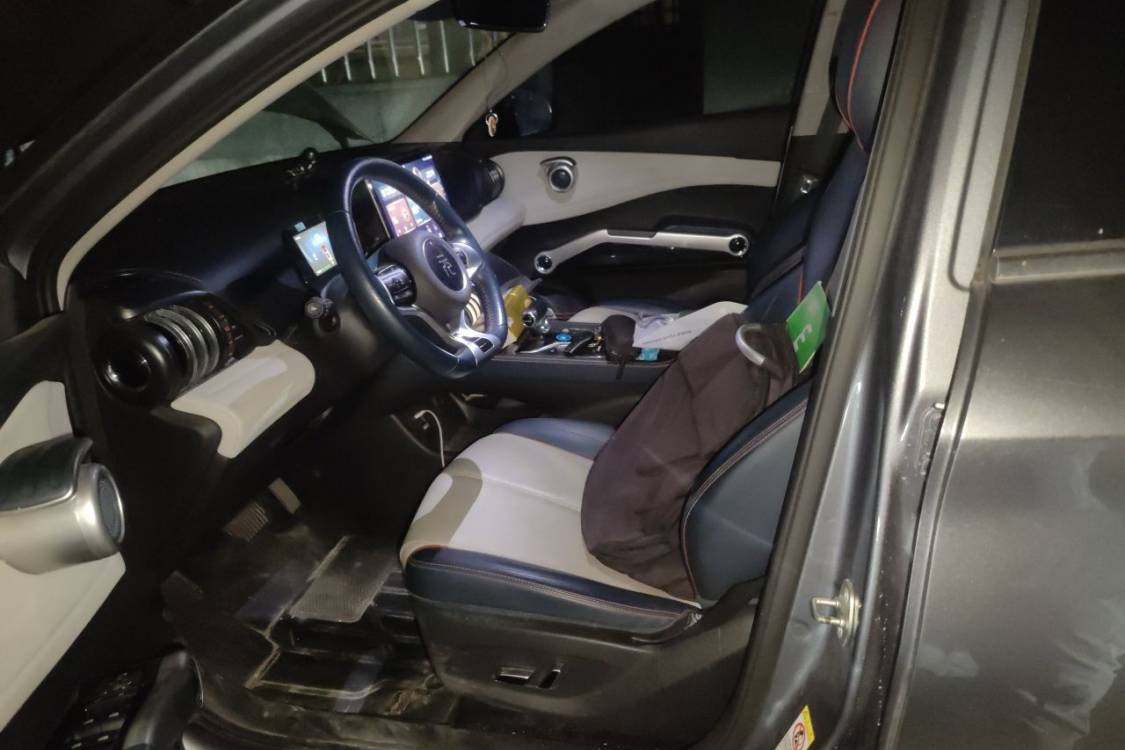
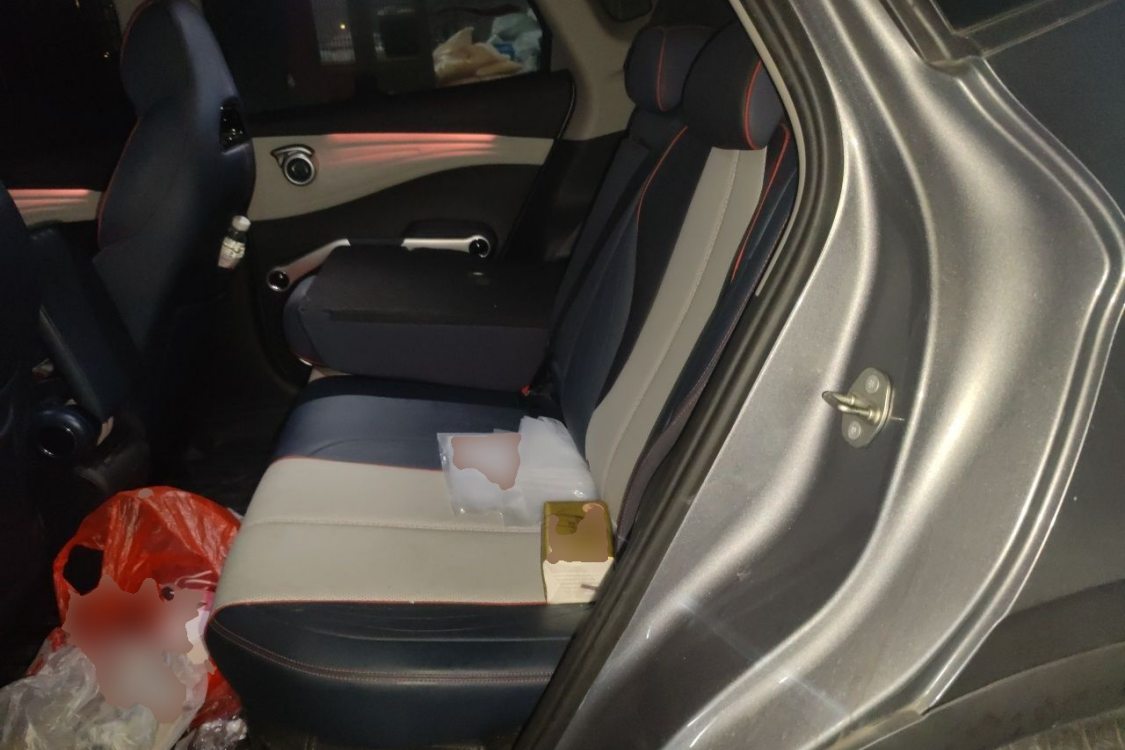
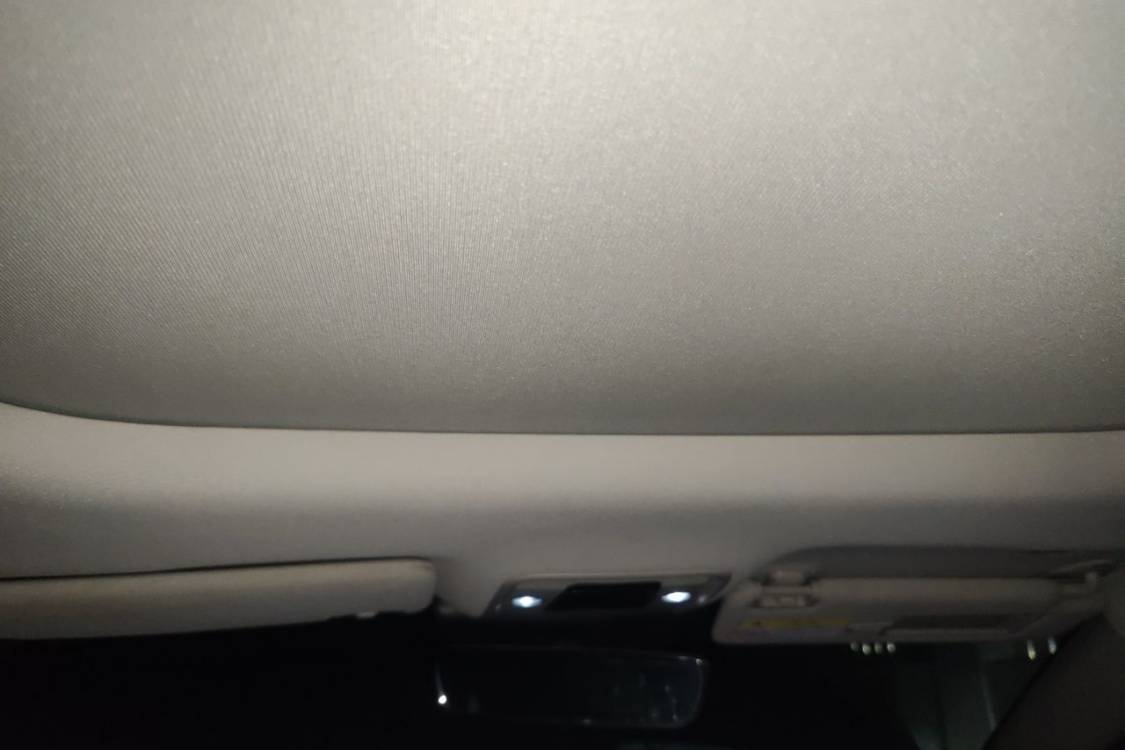
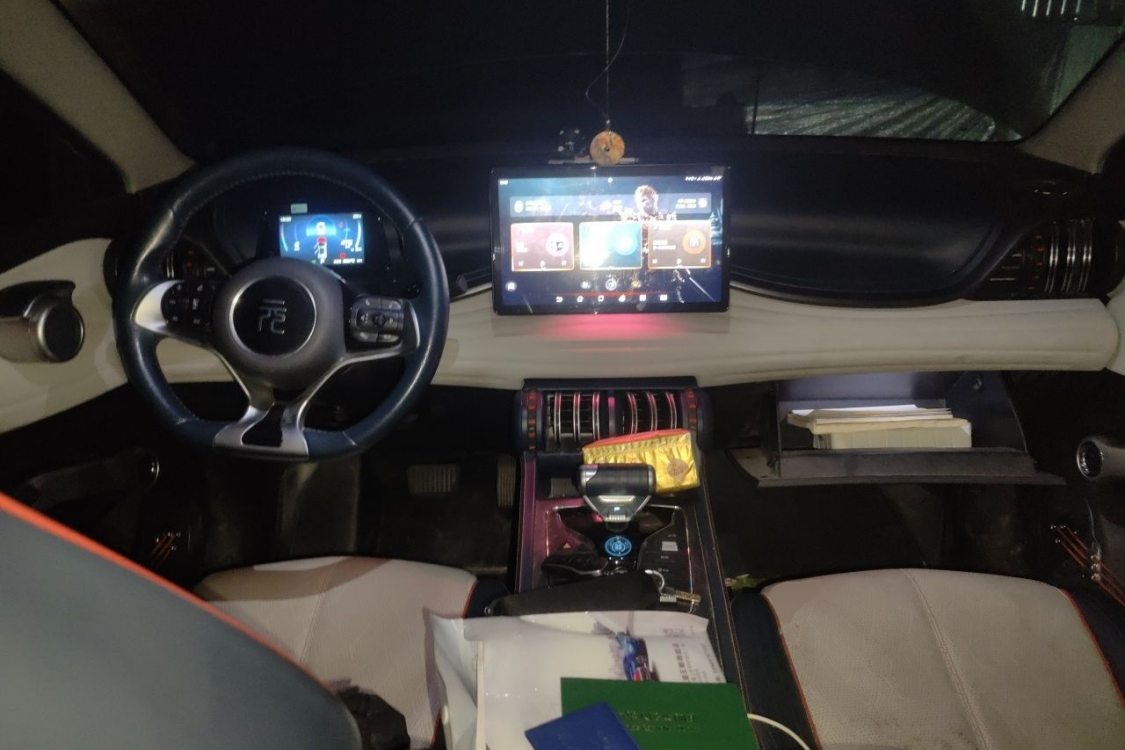
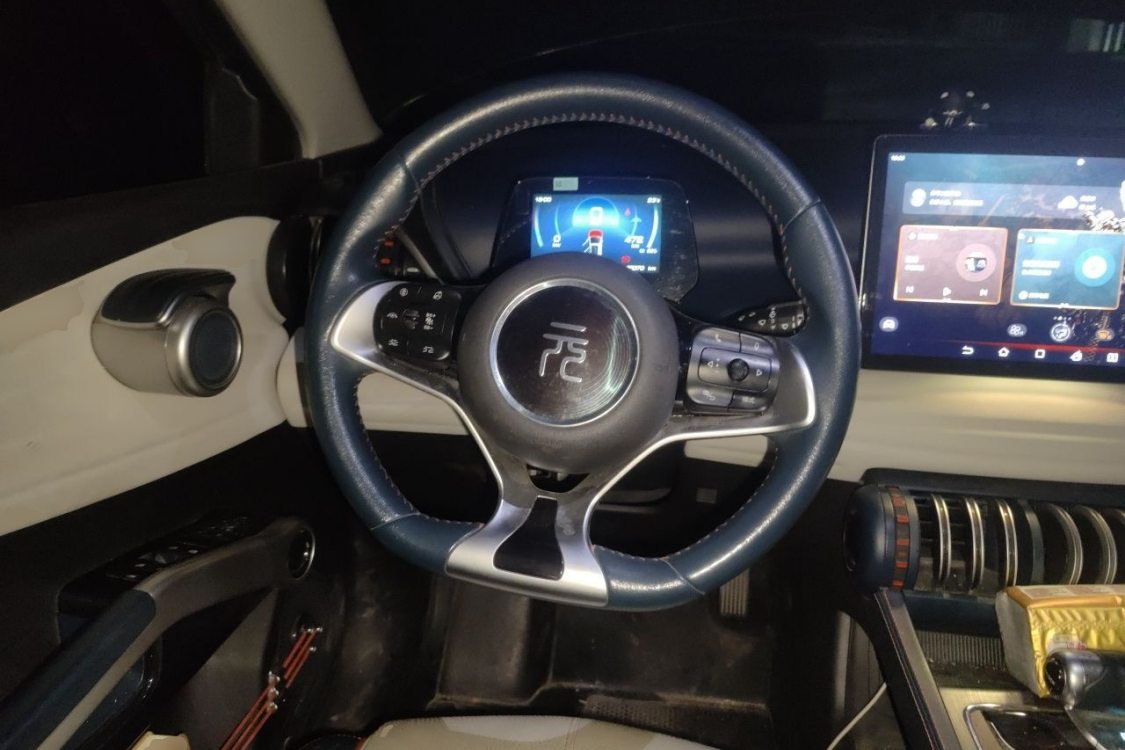
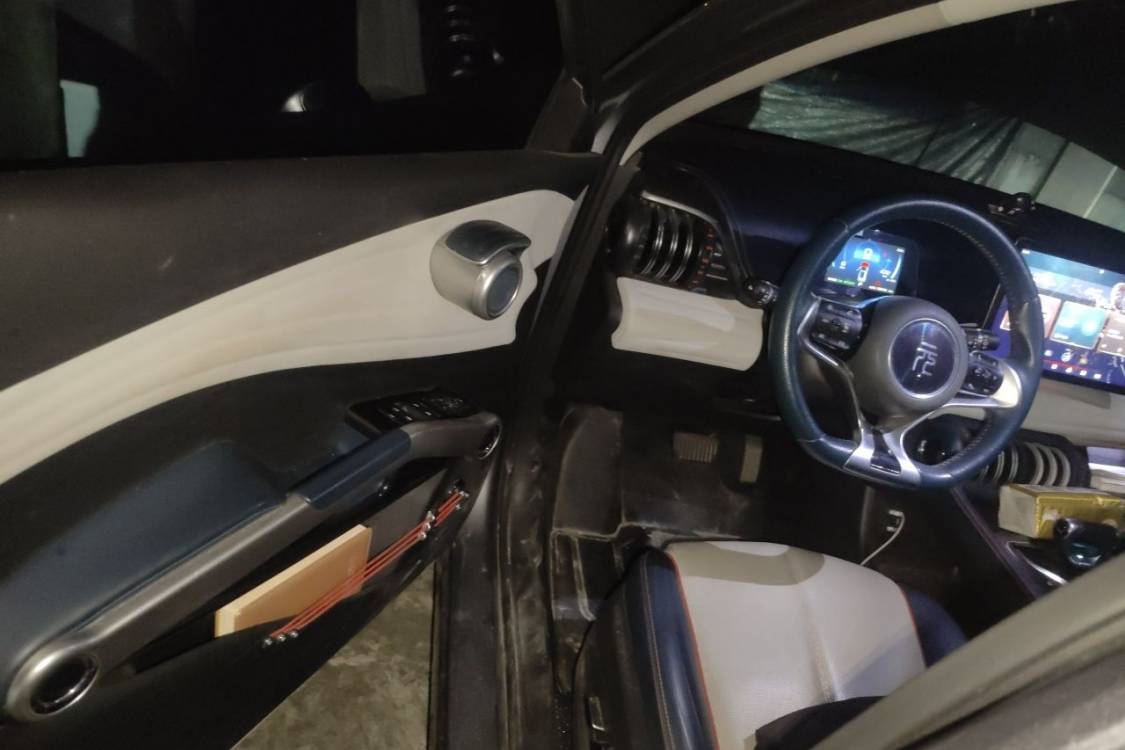
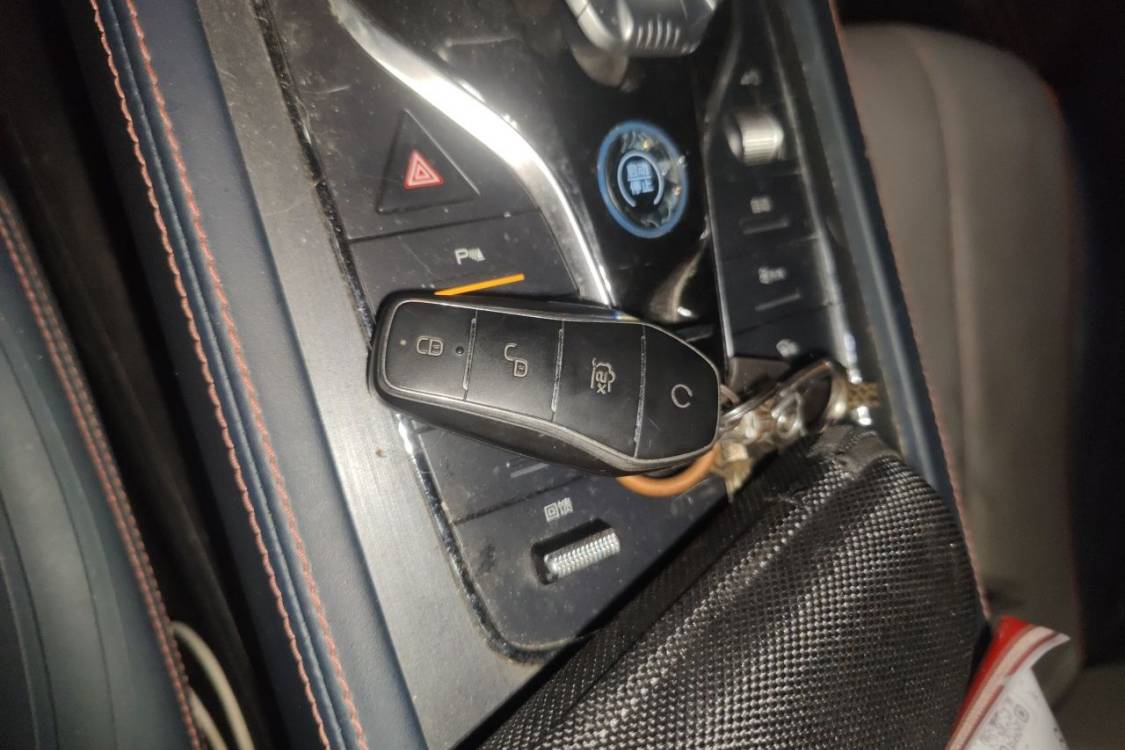
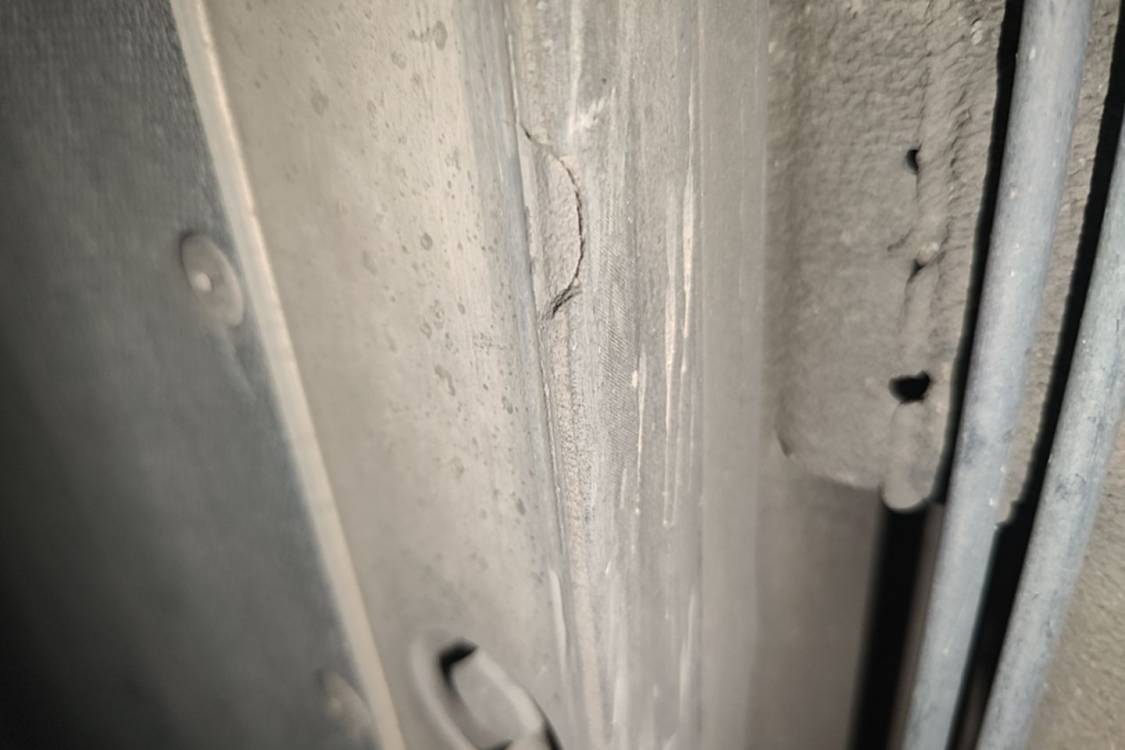
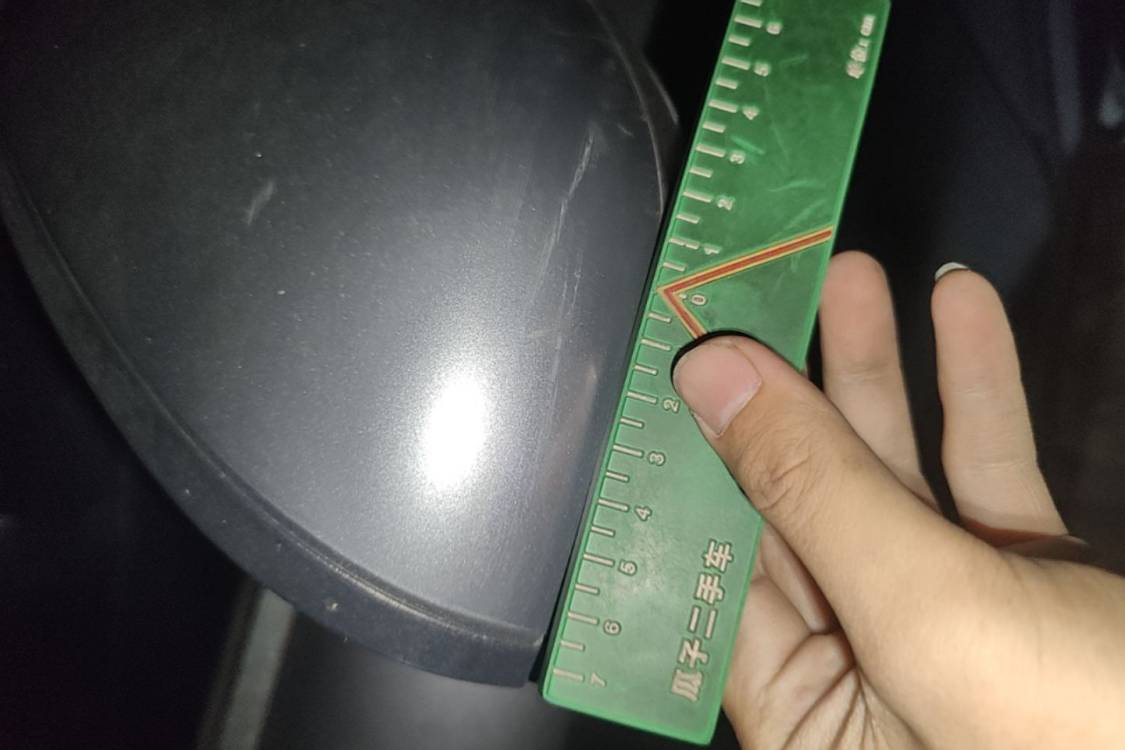
Accident inspection: main structure undamaged, reinforcing parts undamaged, panels undamaged, hinges normal. Battery/motor/electronic control inspection: power battery pack side has dent depth. Engine bay inspection: key mechanical components normal. Exterior: none. Interior: right front seat dirty, most features normal, airbag inspection normal, lighting system normal. Start-up inspection: main components normal. Onboard tools: none.

独家上新
电话直连
可讲价

Document Information

Inspection Expiry Date2027/03
Warranty Expiry Date-
Insurance Expiry Date2027/03

Q&A

More

If there are no specialized Chinese brand diagnostic computers overseas, how can we clear the maintenance reminder light during regular maintenance?

Most basic maintenance reminder lights (like for changing the air conditioning filter) can be manually cleared using a combination of steering wheel buttons or through the engineering mode on the central control screen. We will provide internal guidance manuals for these hidden operations to our B2B clients.


Why are some vehicle license plate details obscured or removed in the displayed images?

The original Chinese license plates are obscured to protect the previous owner's personal privacy, and also because the plates have been forcibly reclaimed by Chinese traffic management after the vehicle completed the "transfer pending export" registration. This serves as physical proof that the vehicle has legally and compliantly completed the upgrade.

Why are the shipping costs for used electric vehicles (EVs) usually higher than for internal combustion engine vehicles (ICEs)?

Pure electric vehicles are classified as Class 9 Dangerous Goods due to their large lithium batteries, leading to strict shipping regulations. Shipping companies have high requirements for the loading position and fire isolation measures for dangerous goods, and some roll-on/roll-off ships refuse to accept used EVs. As a result, EVs often require more expensive special container shipping and incur additional handling fees for hazardous materials.