24H

Basic Information

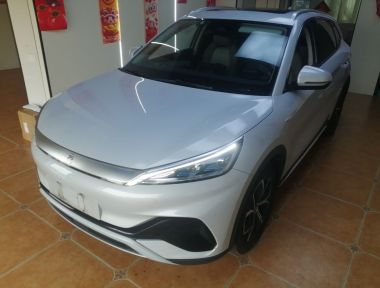
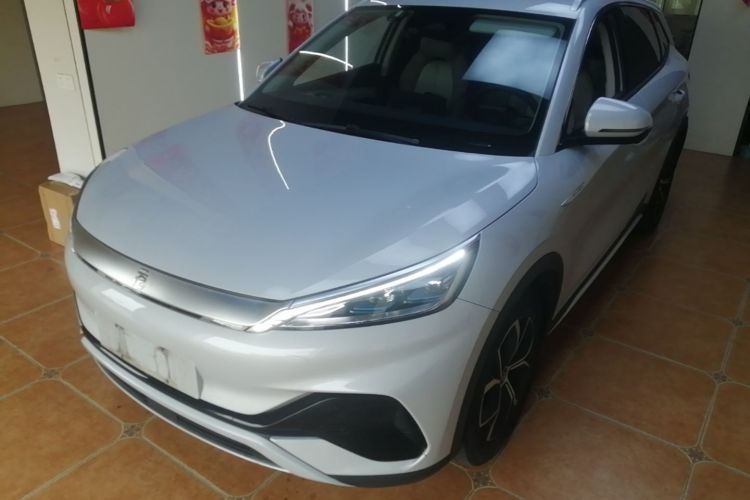
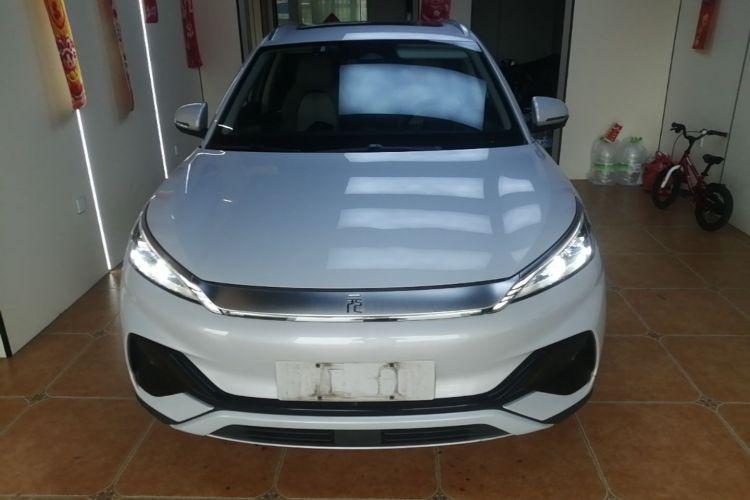
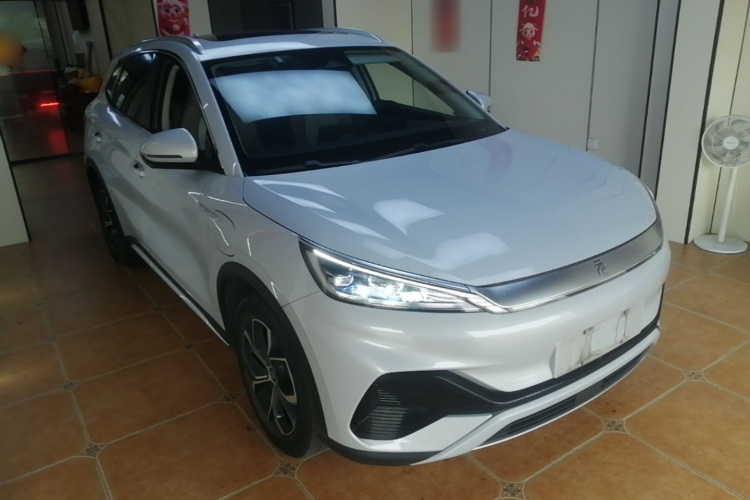
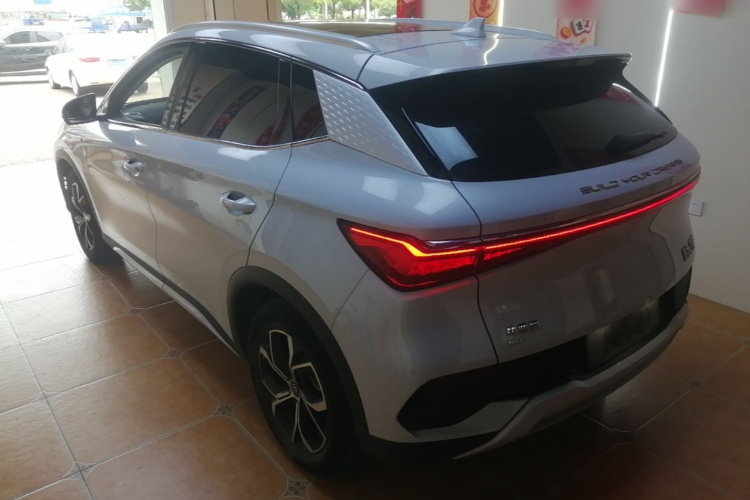
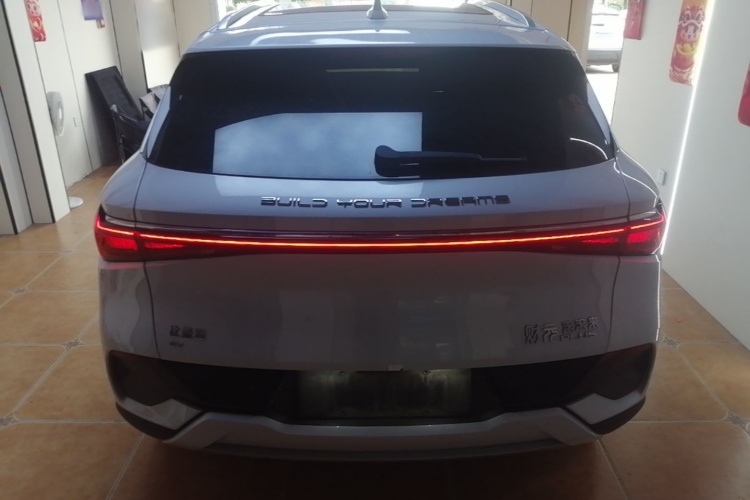
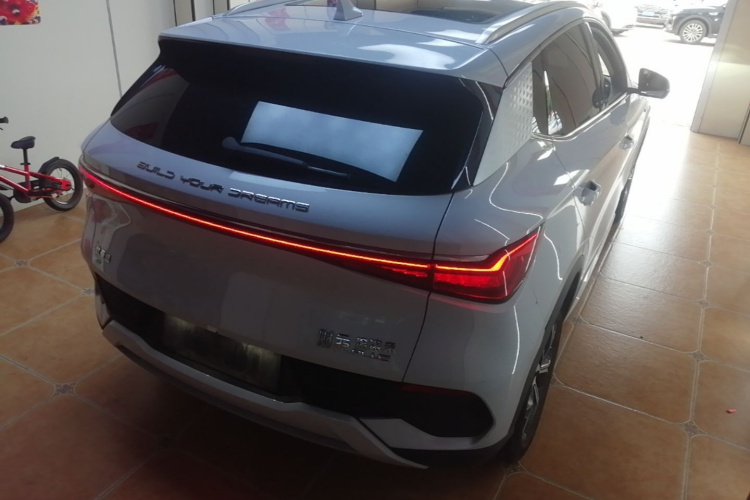
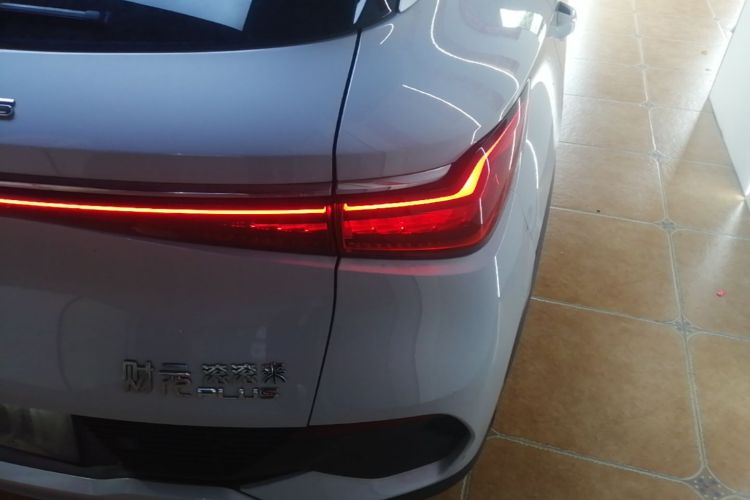
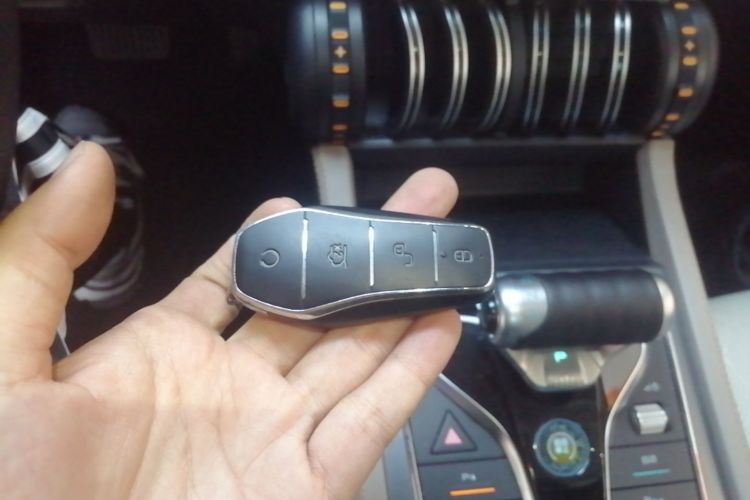
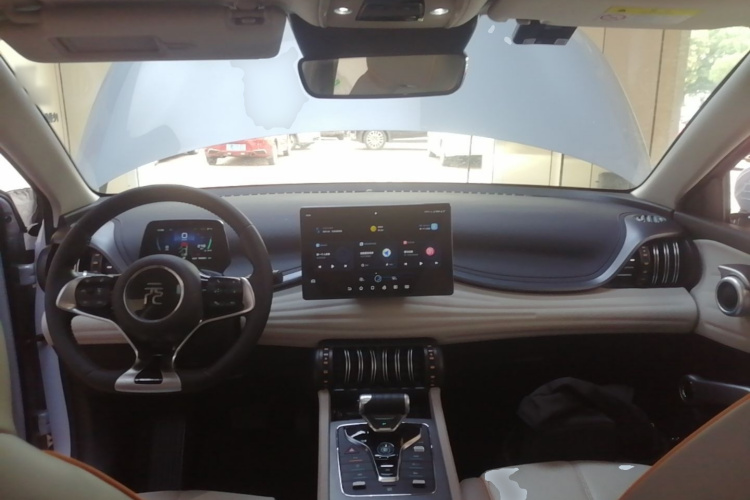
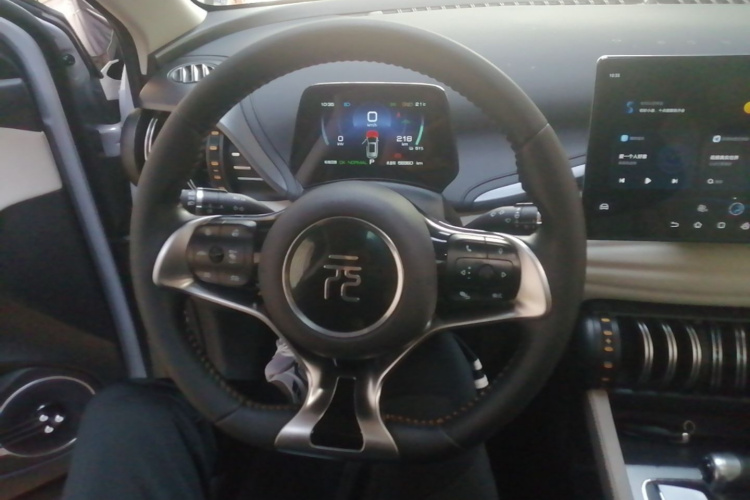
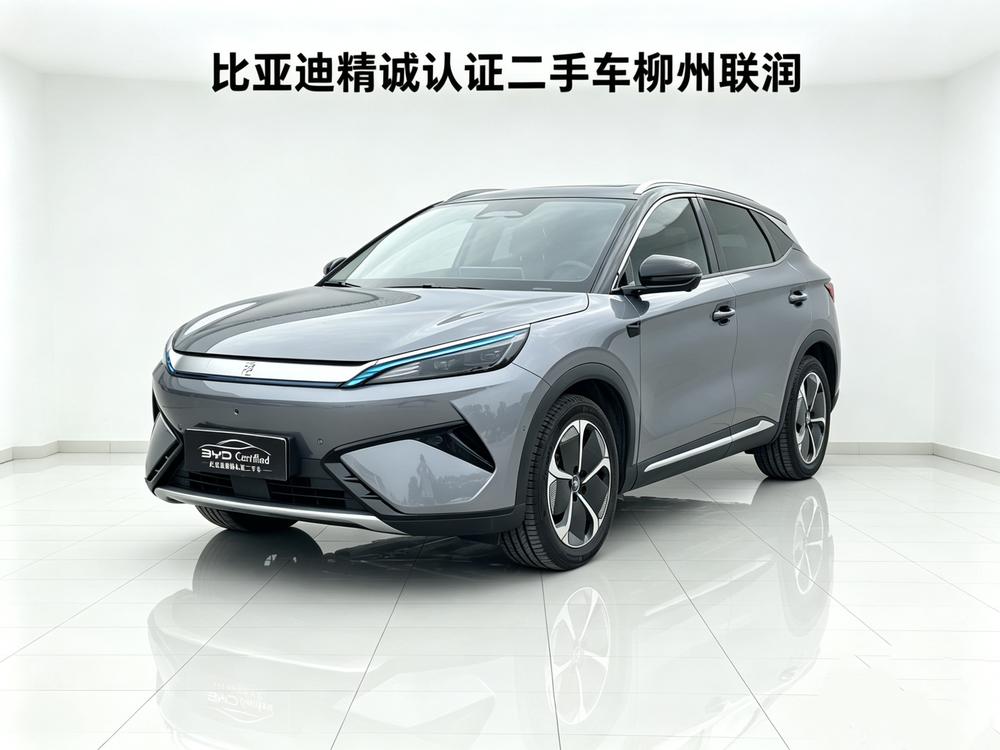
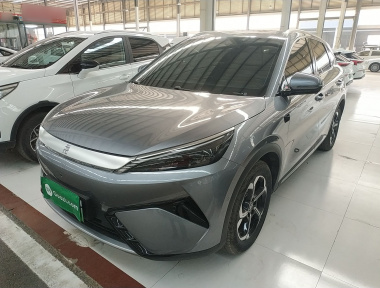
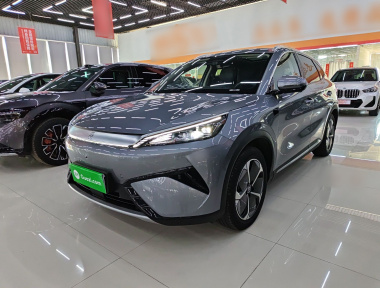
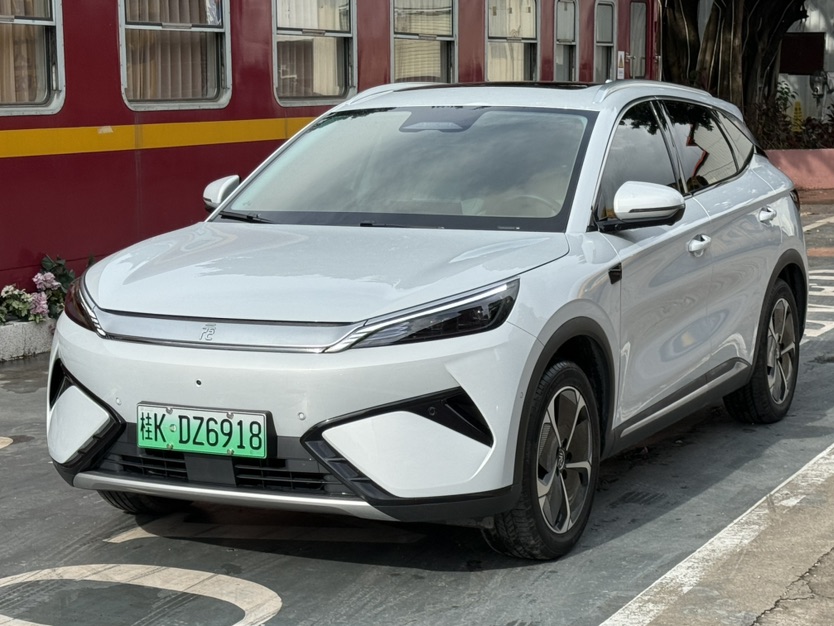
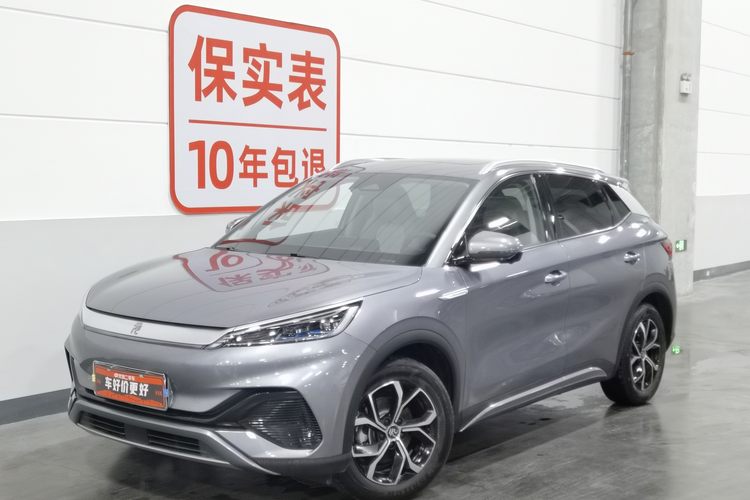
BrandBYD
SeriesYuan Plus
Year2024
First Registration2024/06
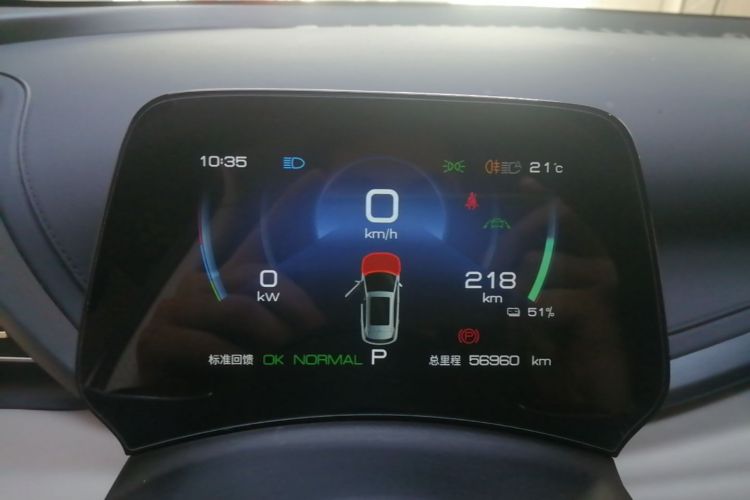
Mileage57,000km
Transfer Count1times
FuelElectric
TransmissionOther
Engine-
Color
Seats5seats

Condition Description

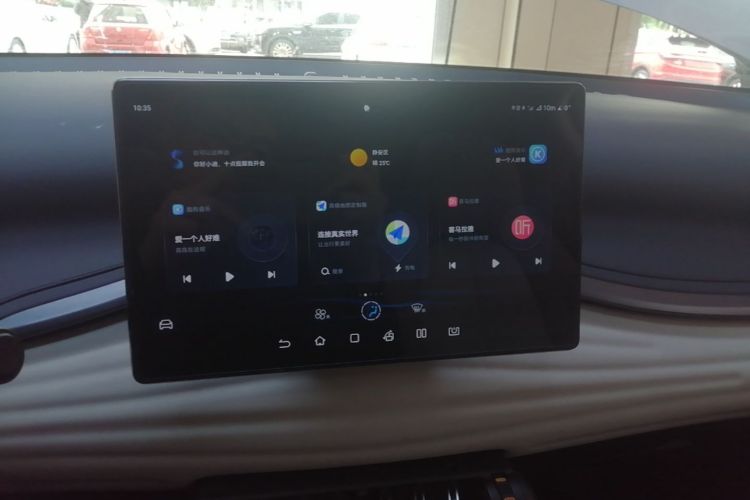
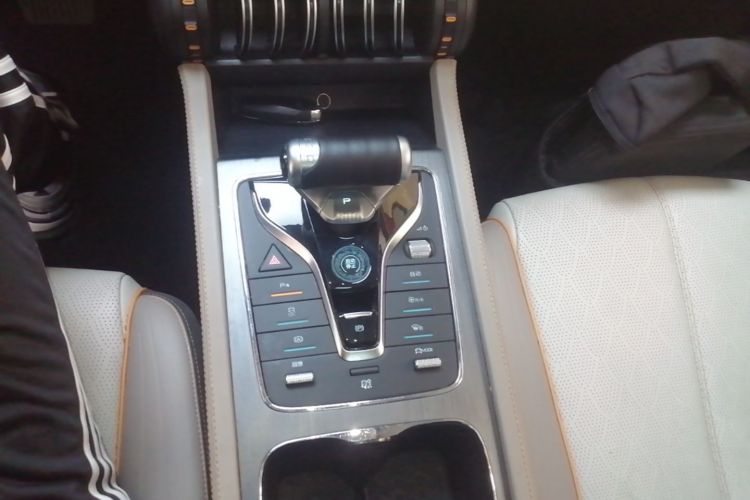
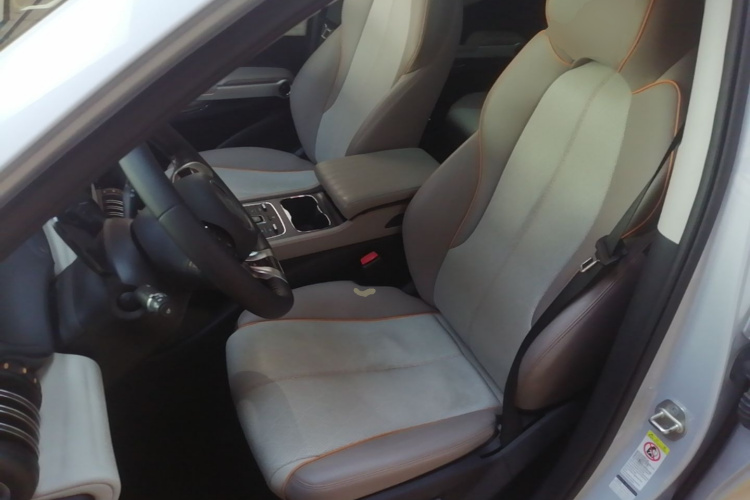
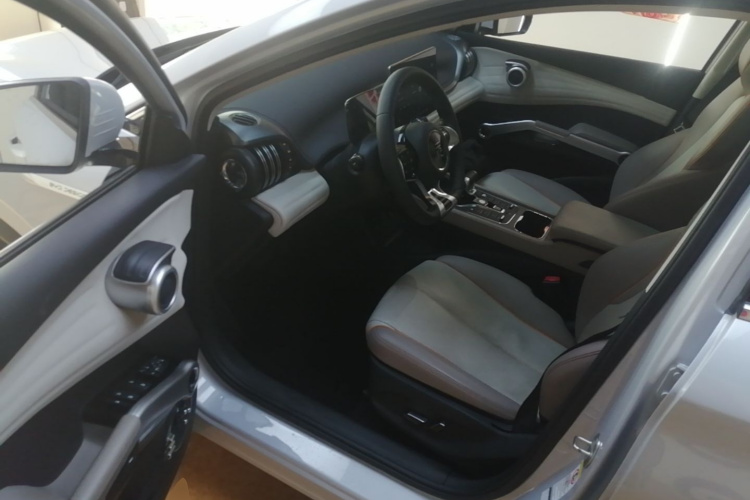
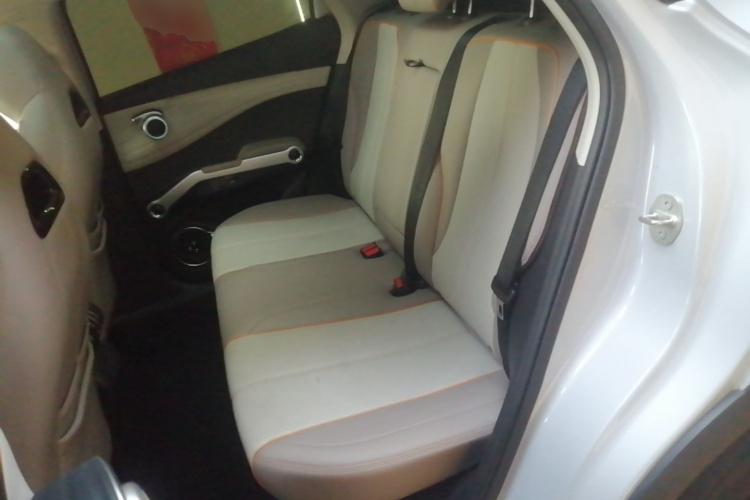
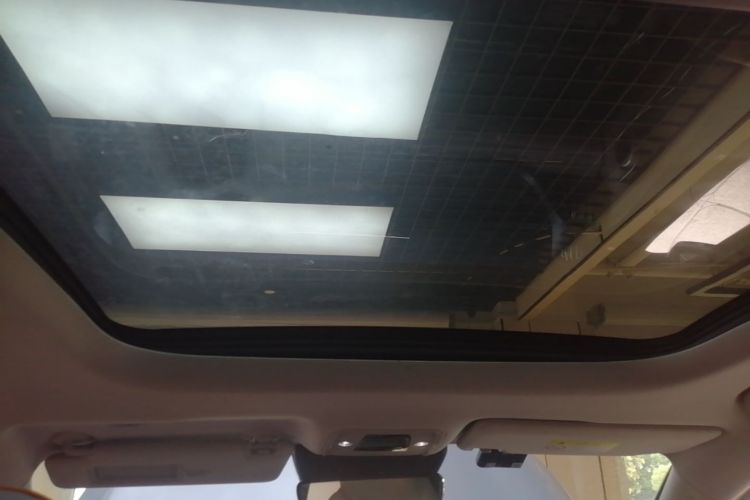
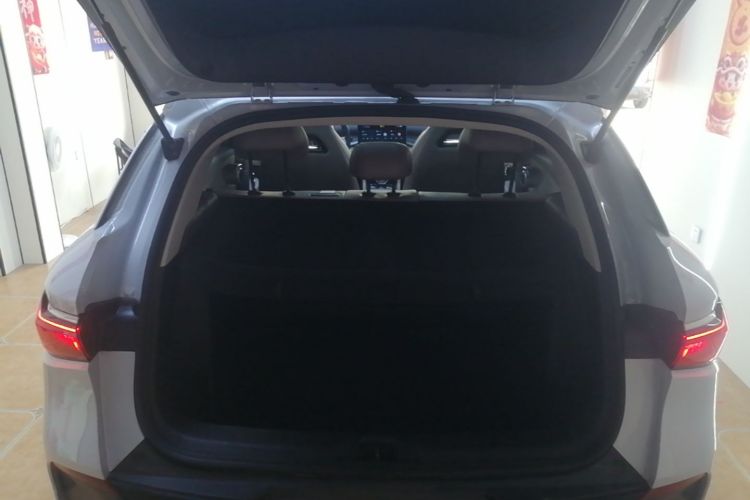
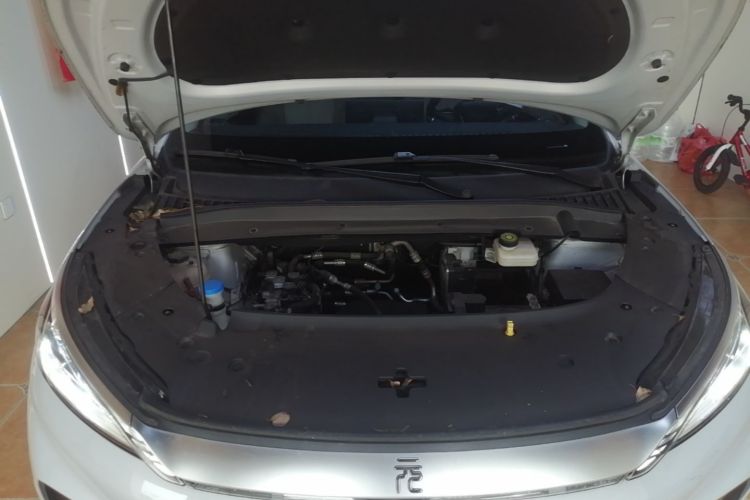
Battery health 93% | Transferred once

Q&A

More

Do the exported new energy vehicle battery packs have the required UN38.3 test report and MSDS certificate for maritime transport?

Our documentation department has the latest versions of UN38.3 (United Nations Transport of Dangerous Goods Test and Standards) and MSDS reports authorized or filed by major Chinese new energy brands (such as BYD, Geely, GAC), which are essential customs documents for declaring dangerous goods to the maritime authority.

I want to see the actual car, but I can't come to China. What should I do?

You can watch the car through live streaming or VR, or entrust a local third-party agency to inspect the car for you. Transparency about the car's condition is the foundation of trust.

Beyond the car price, what costs should I budget when importing a used car from China?

A realistic budget has several layers beyond the vehicle price. First, inland logistics in China: moving the car to the export port typically costs $300-$800. Second, export handling: inspection, customs declaration and paperwork usually add $500-$1,000. Third, ocean freight. A 20ft container to most destinations runs $1,200-$3,000 depending on route; RoRo shipping can be cheaper for driveable cars. Add marine insurance, usually 0.3%-0.5% of the car value. Fourth, destination charges: port handling, customs duties, VAT/GST and local registration fees. These vary widely; some countries charge duties of 20%-80% of the vehicle value plus an excise based on engine capacity. Finally, any compliance work: inspection certificates, modifications to meet local standards, or homologation. Ask your exporter for a full CIF quote and have a local customs broker confirm destination taxes before you commit.