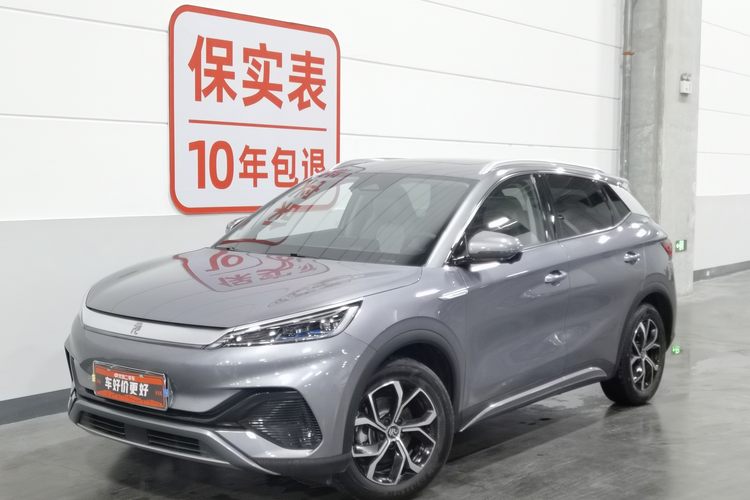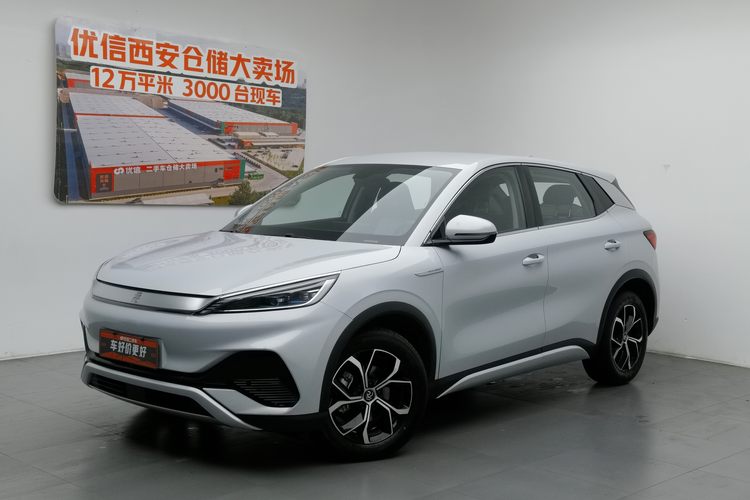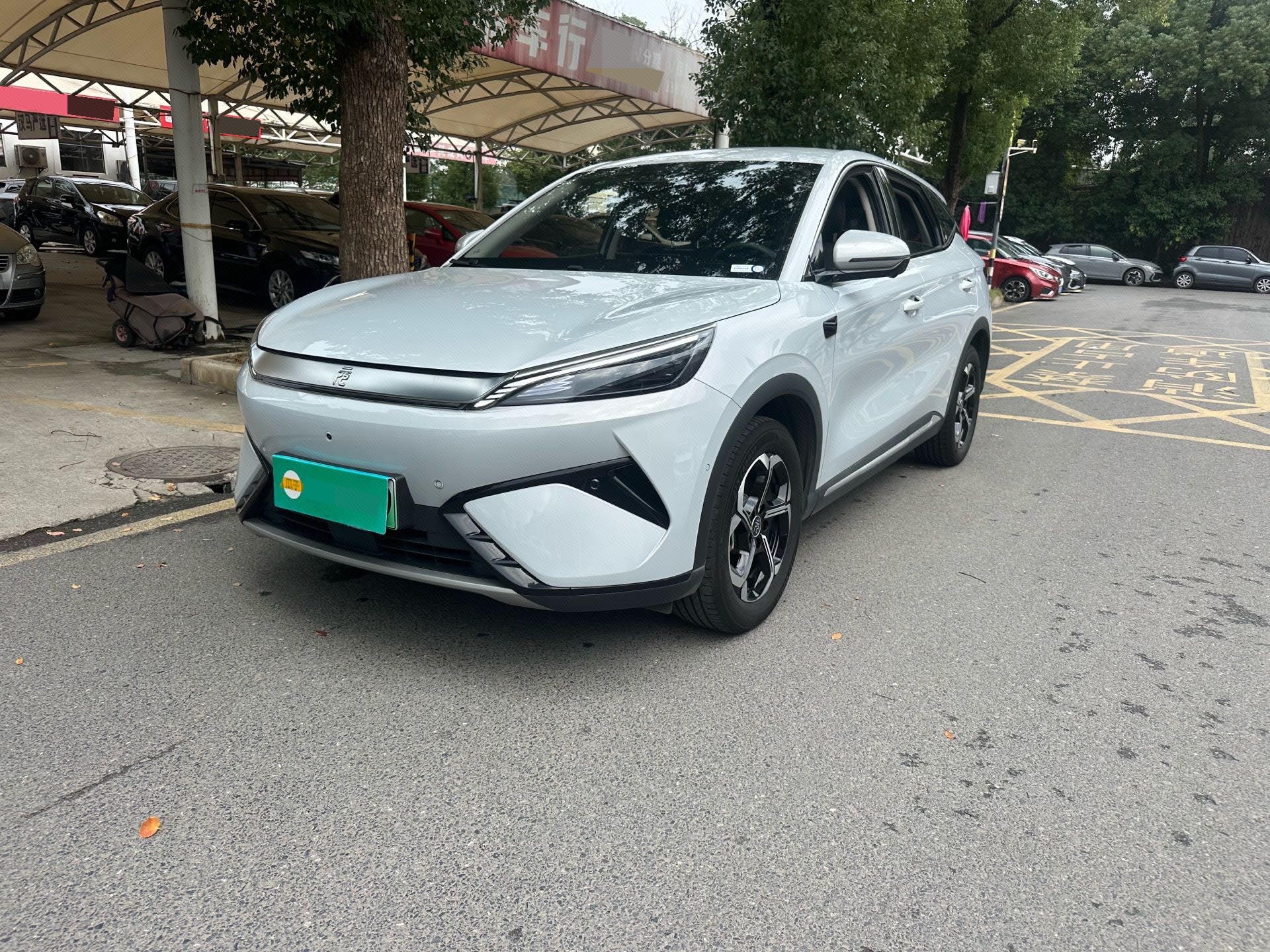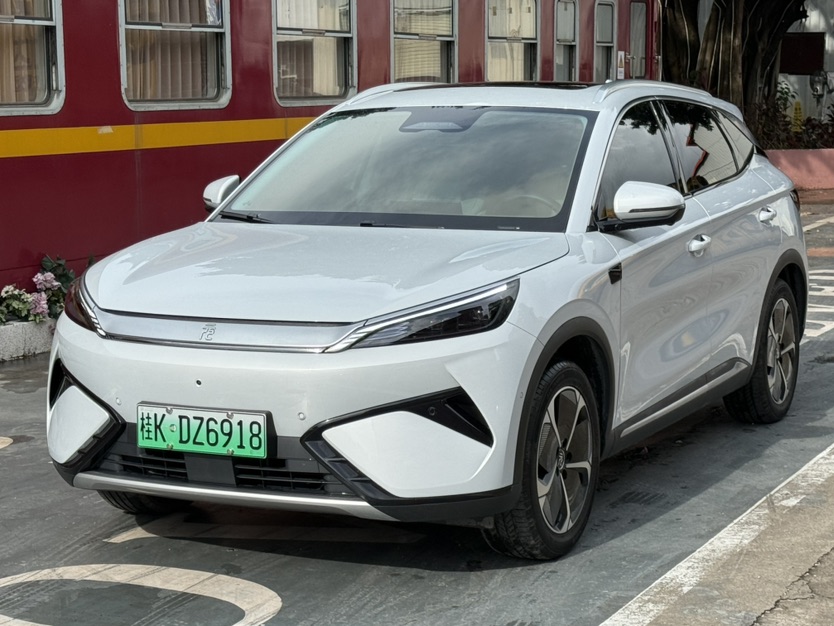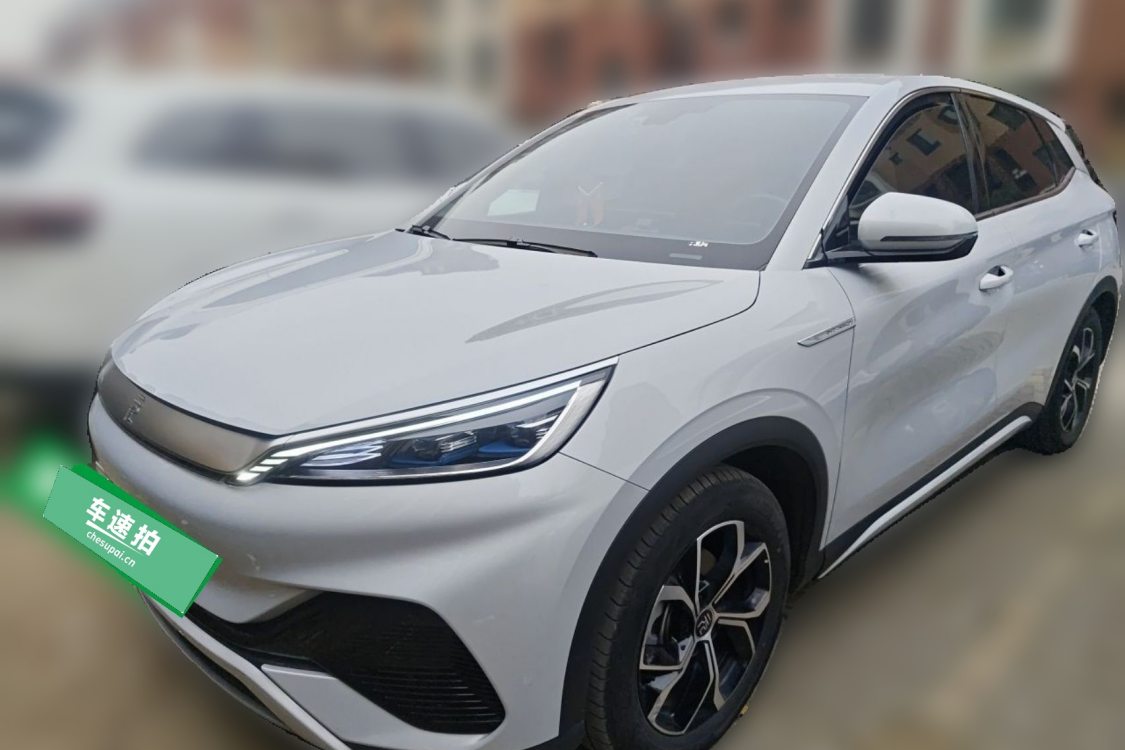
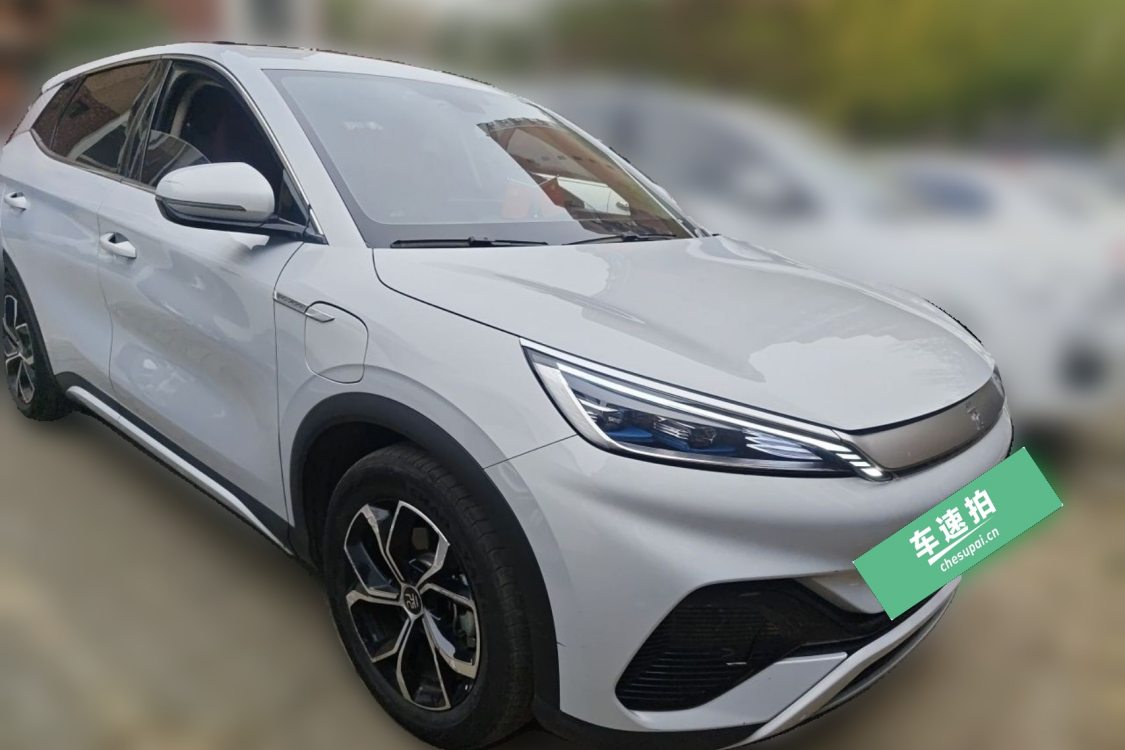
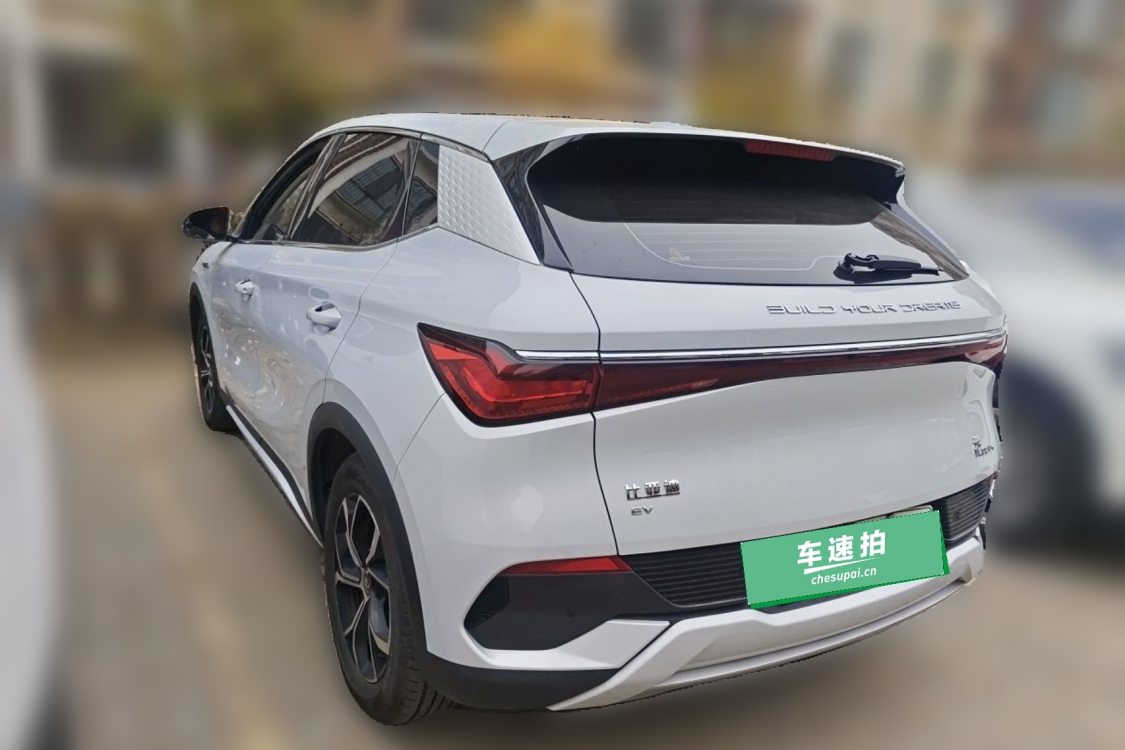
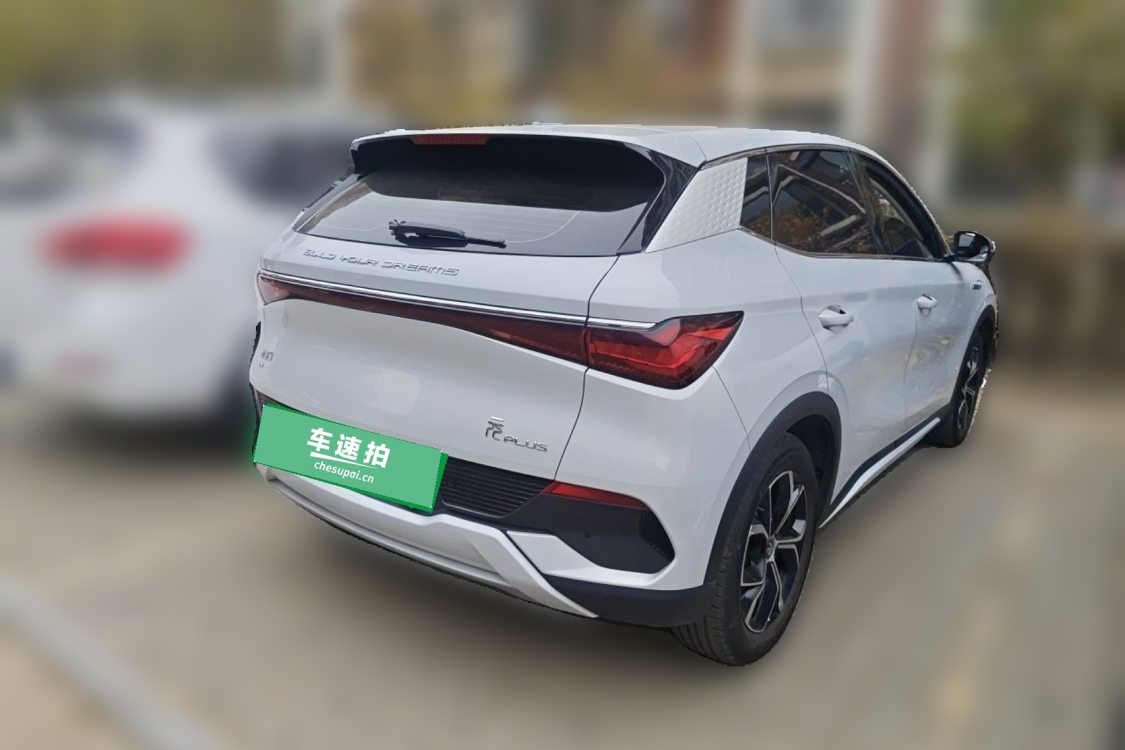
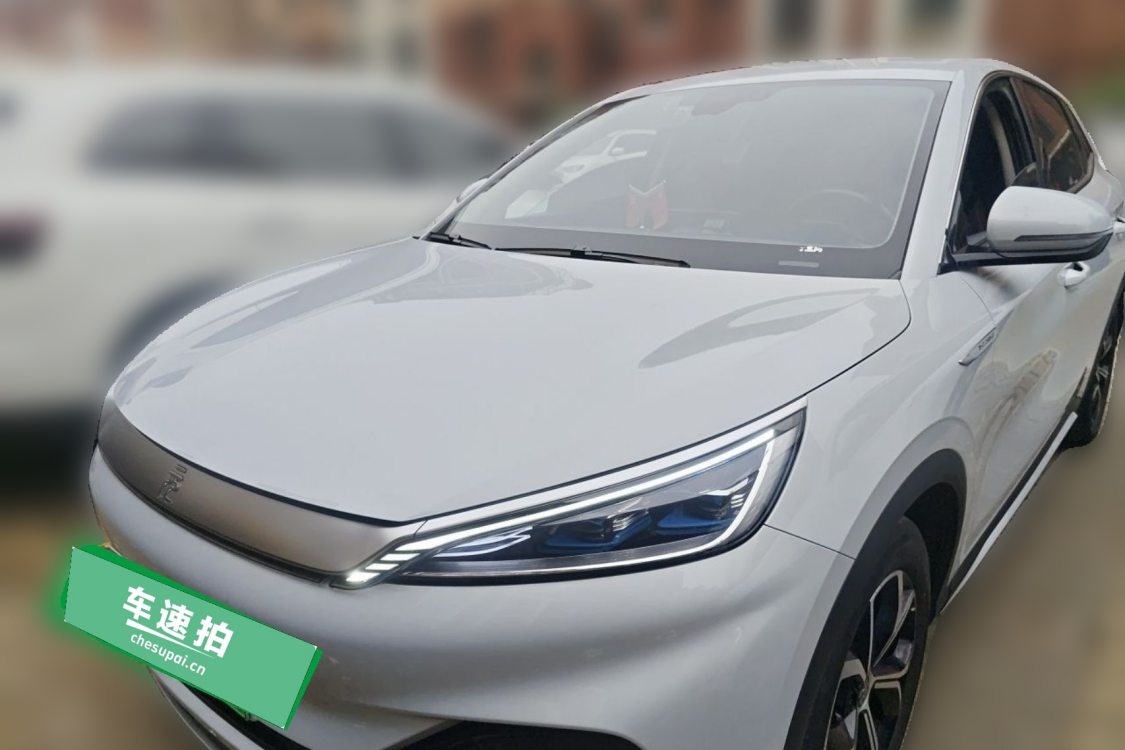
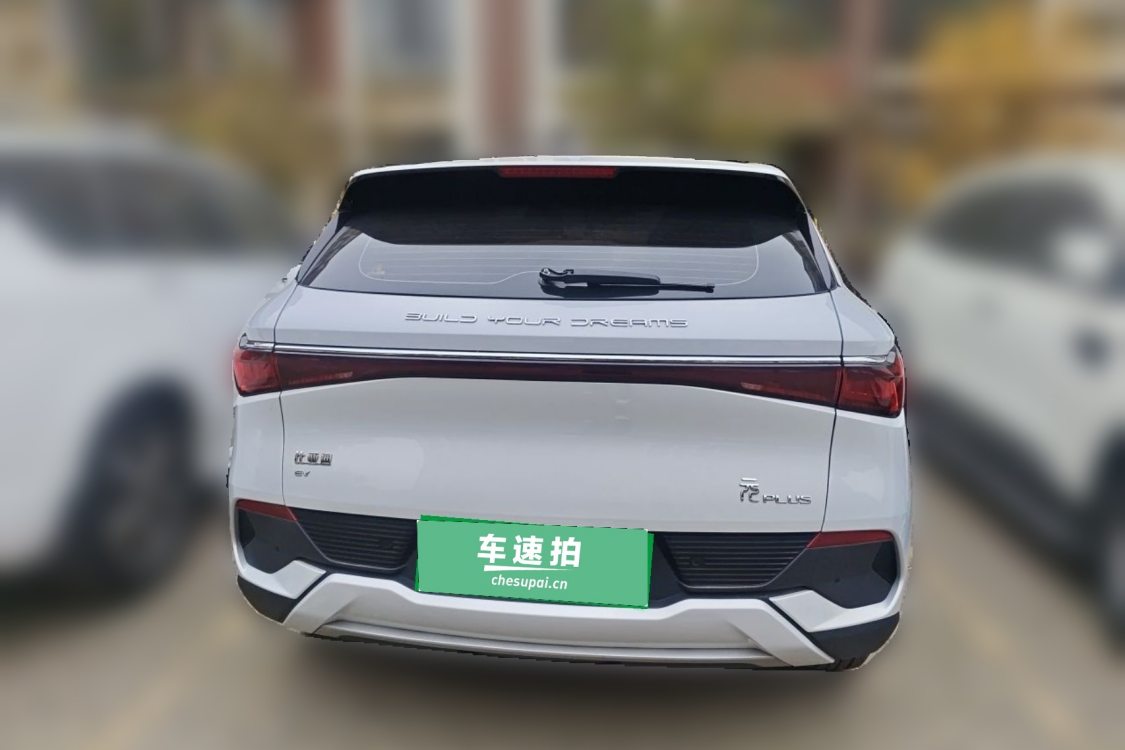
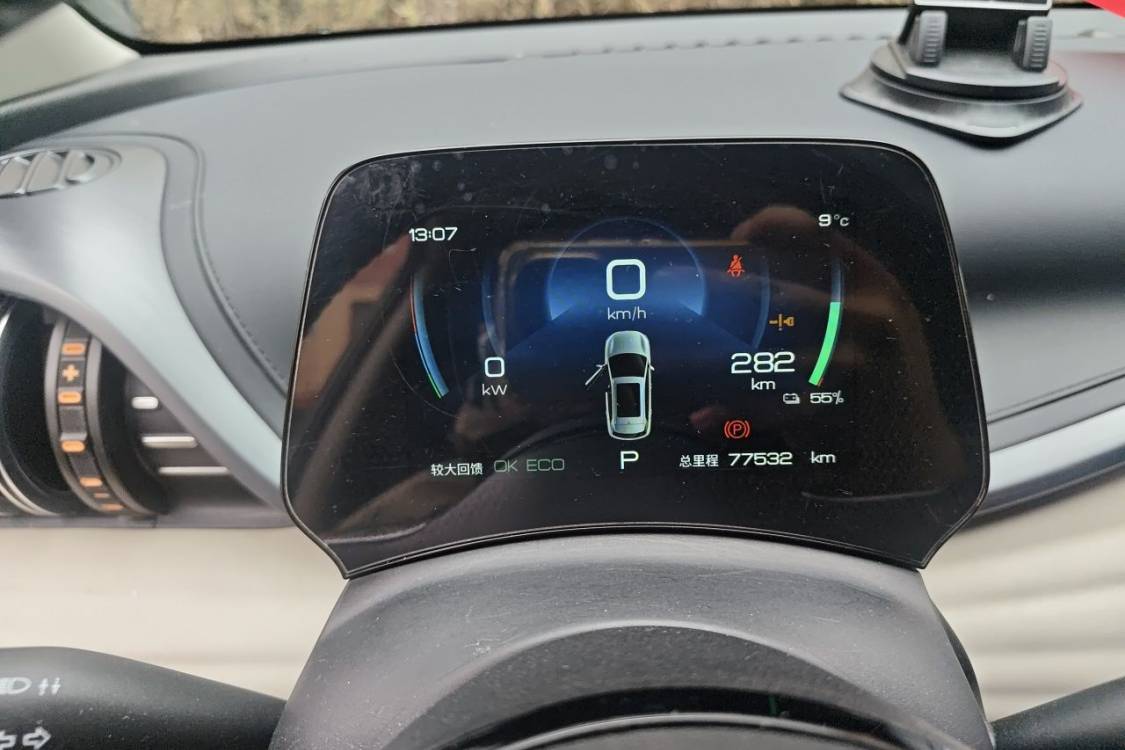
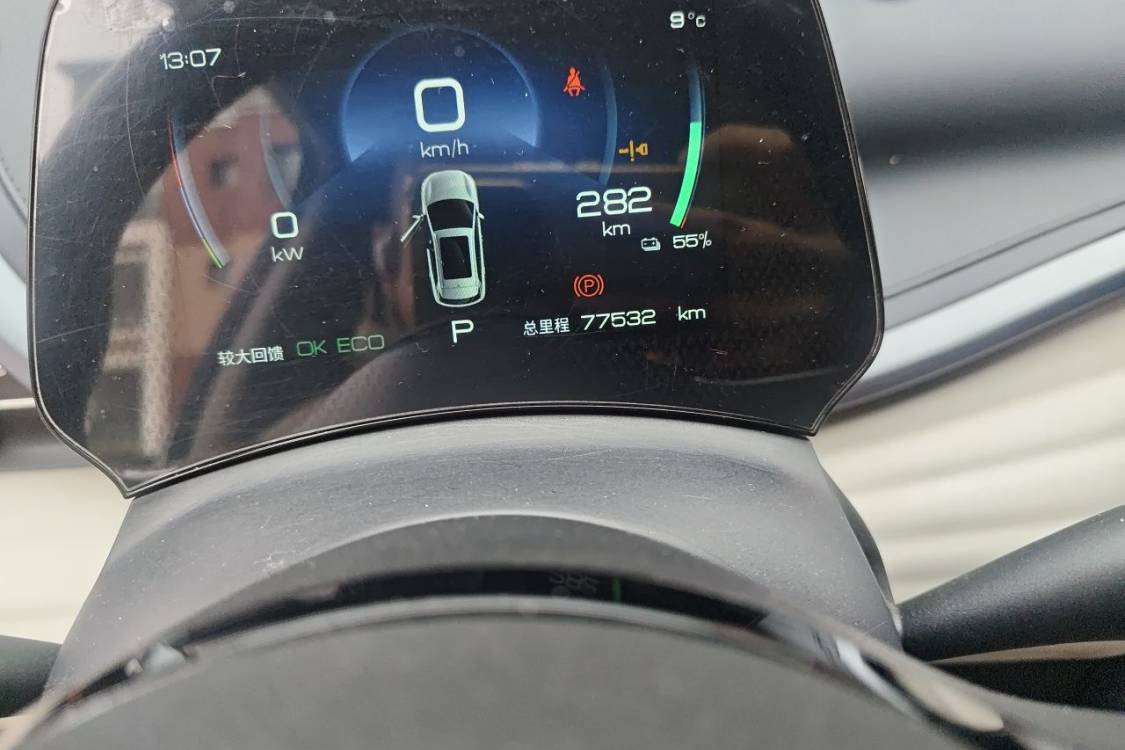
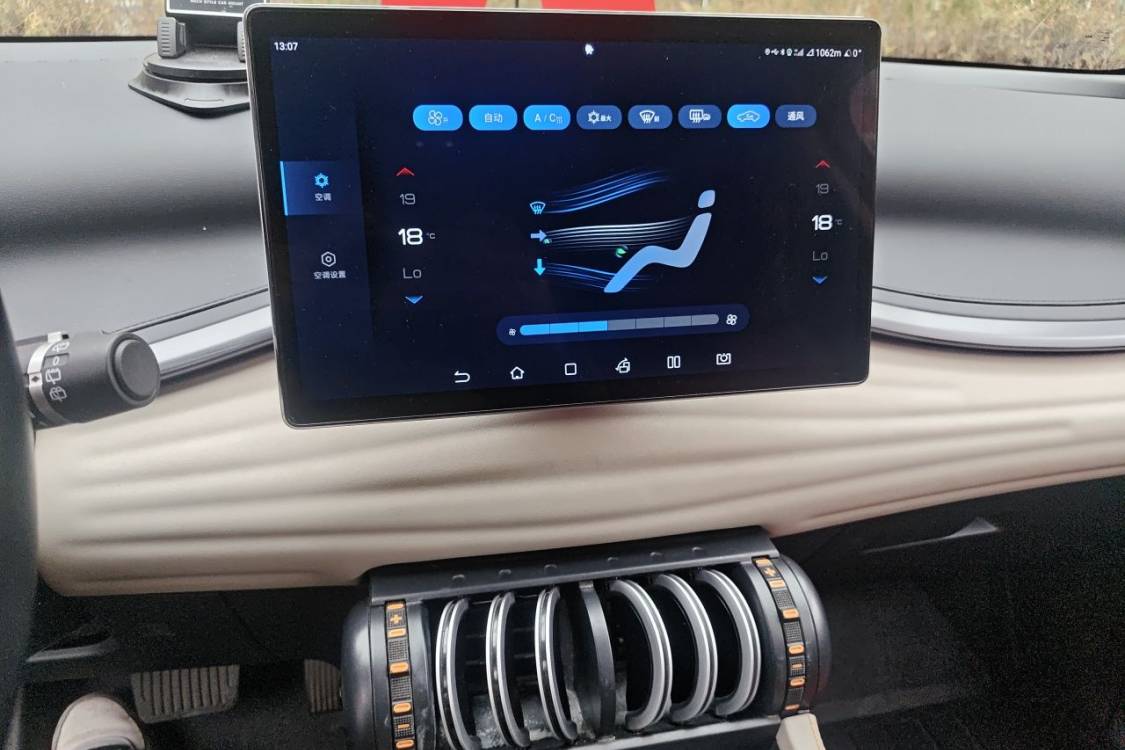
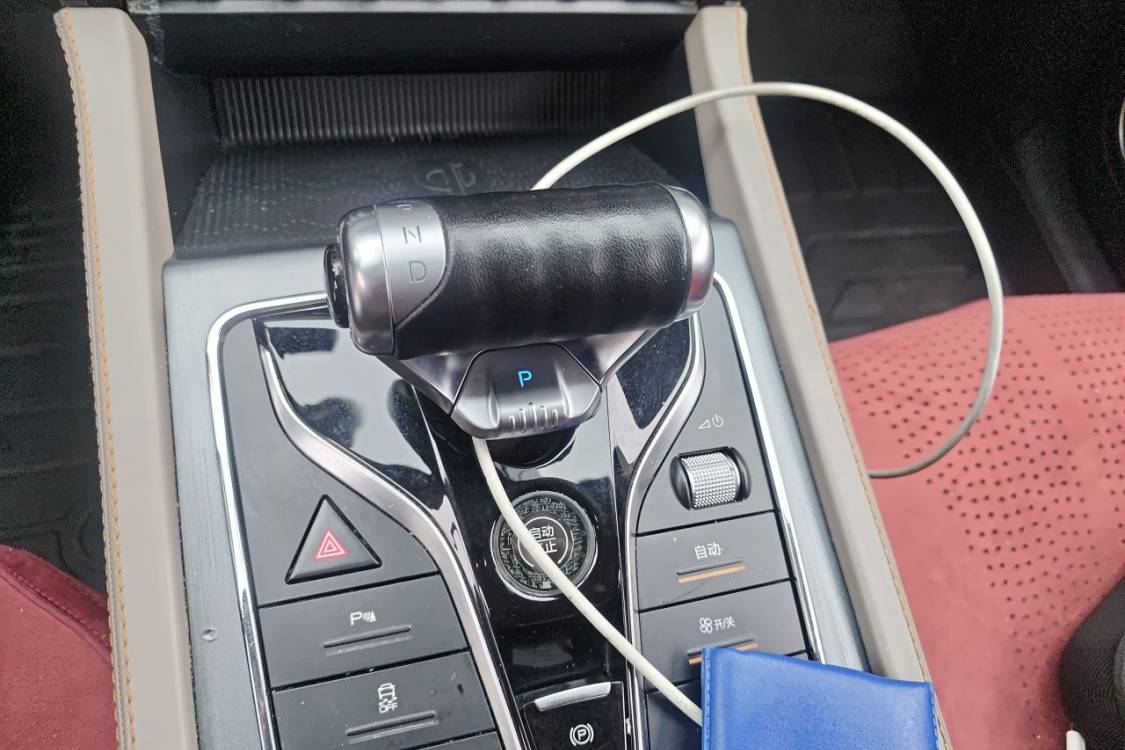
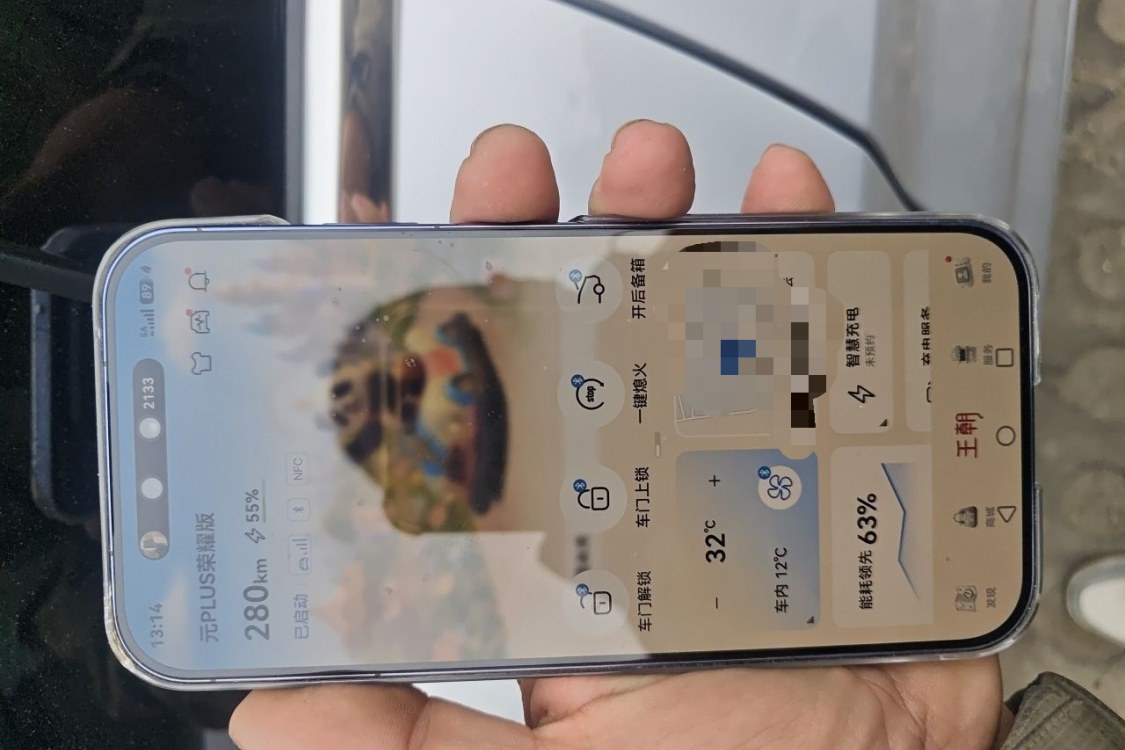
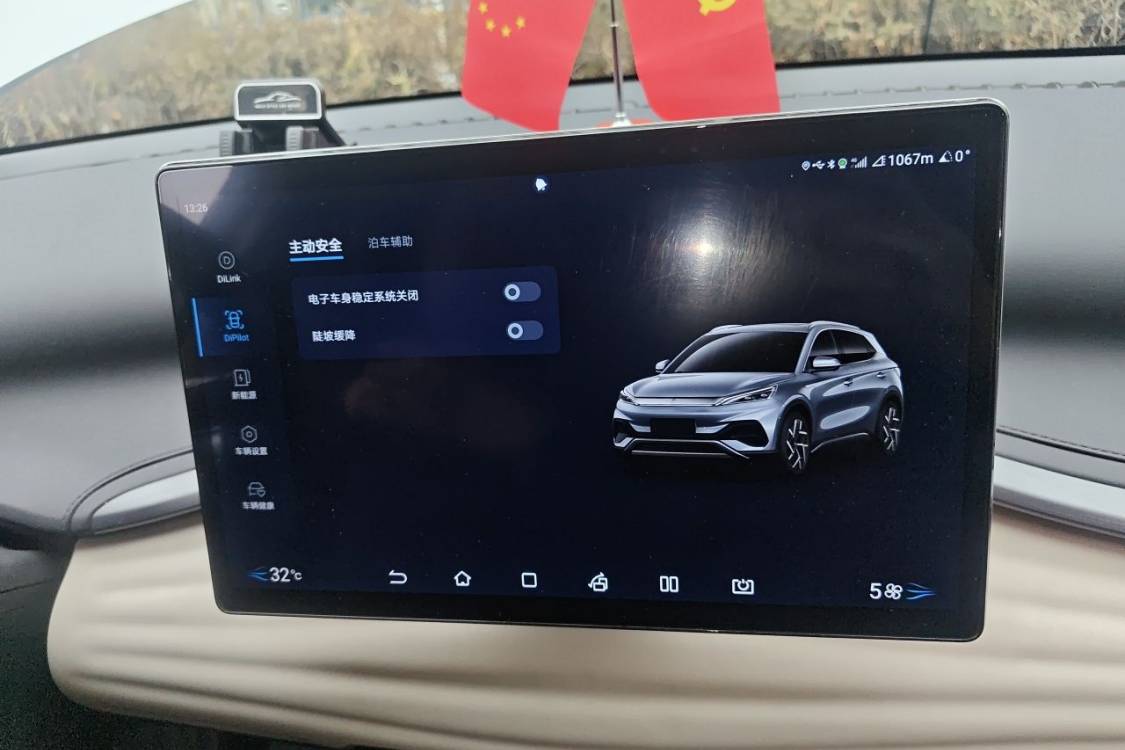



Basic Information

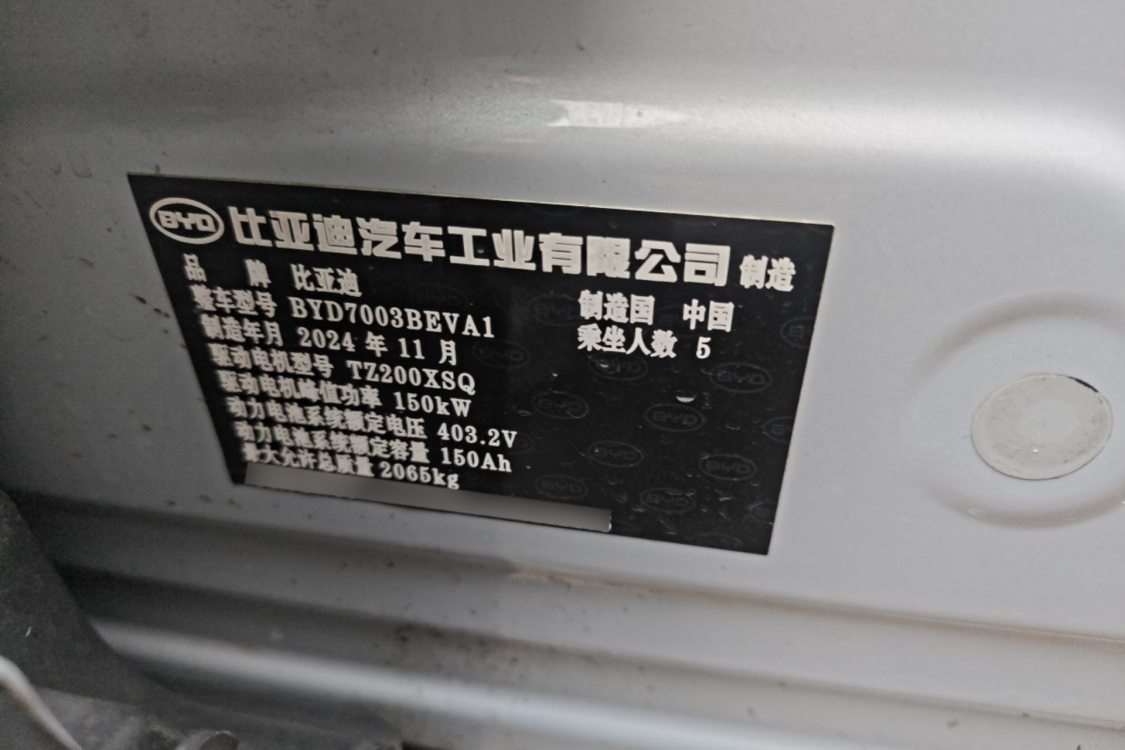
BrandBYD
SeriesYuan Plus
Year2024
First Registration2024/11
Mileage77,500km
Transfer Count-
FuelElectric
TransmissionOther
Engine-
ColorWhite
Seats5seats

Condition Description

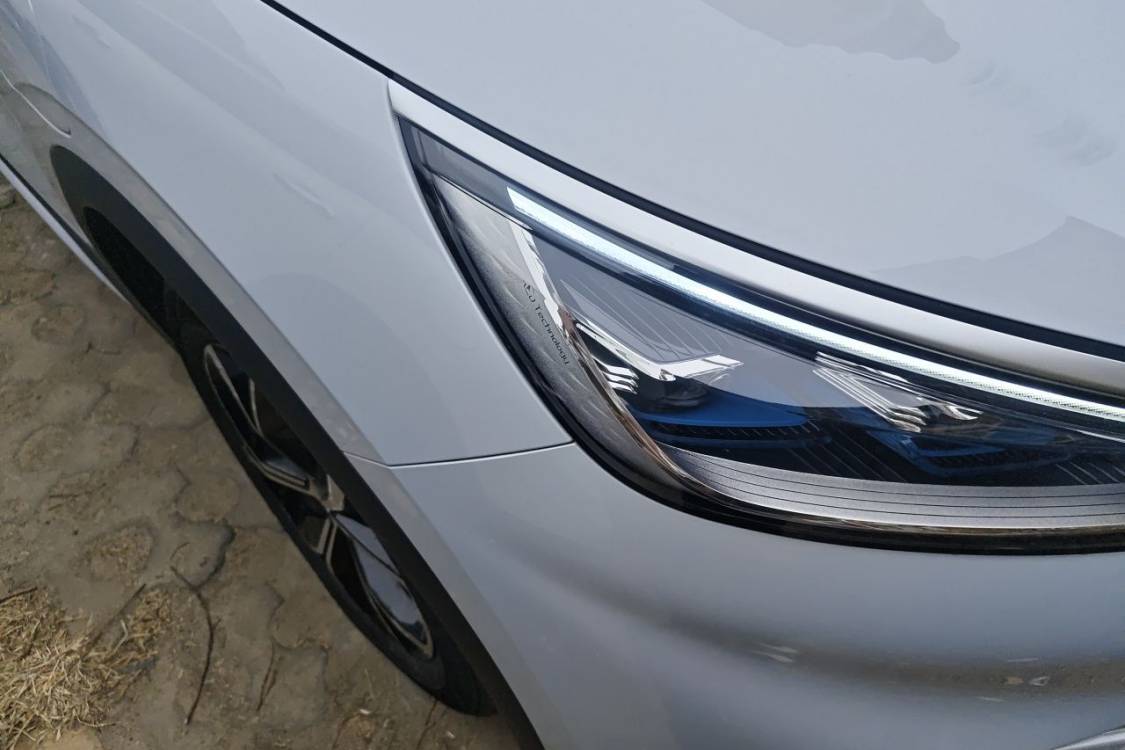
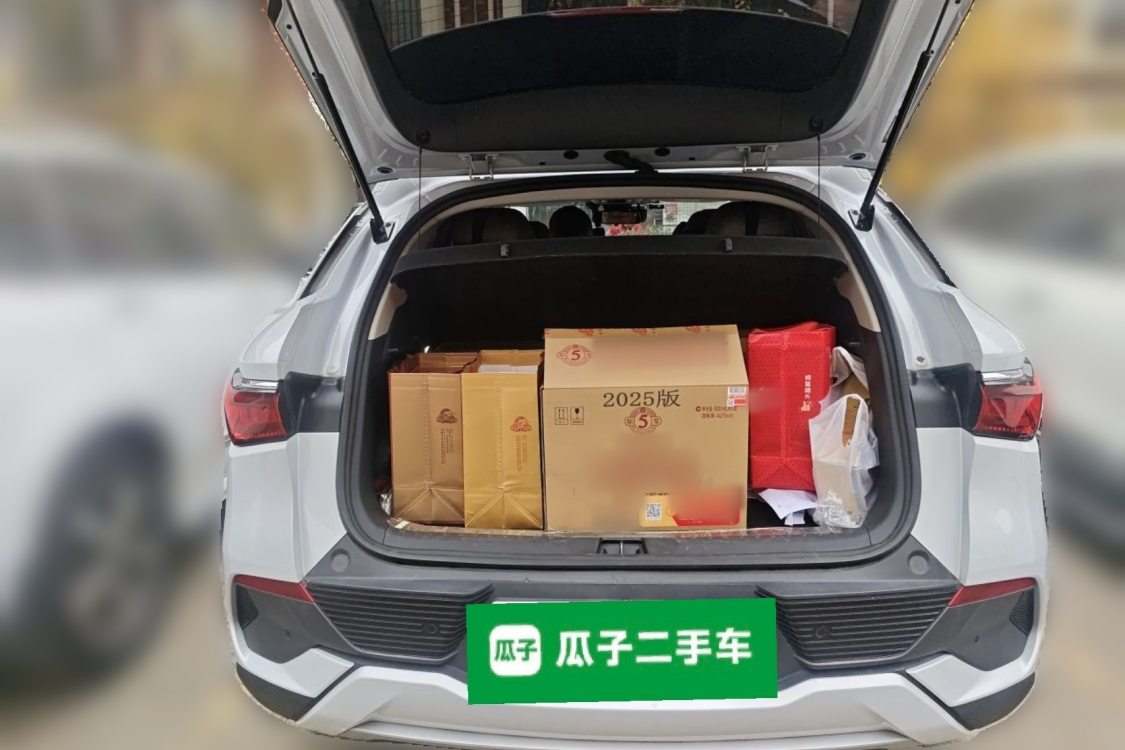
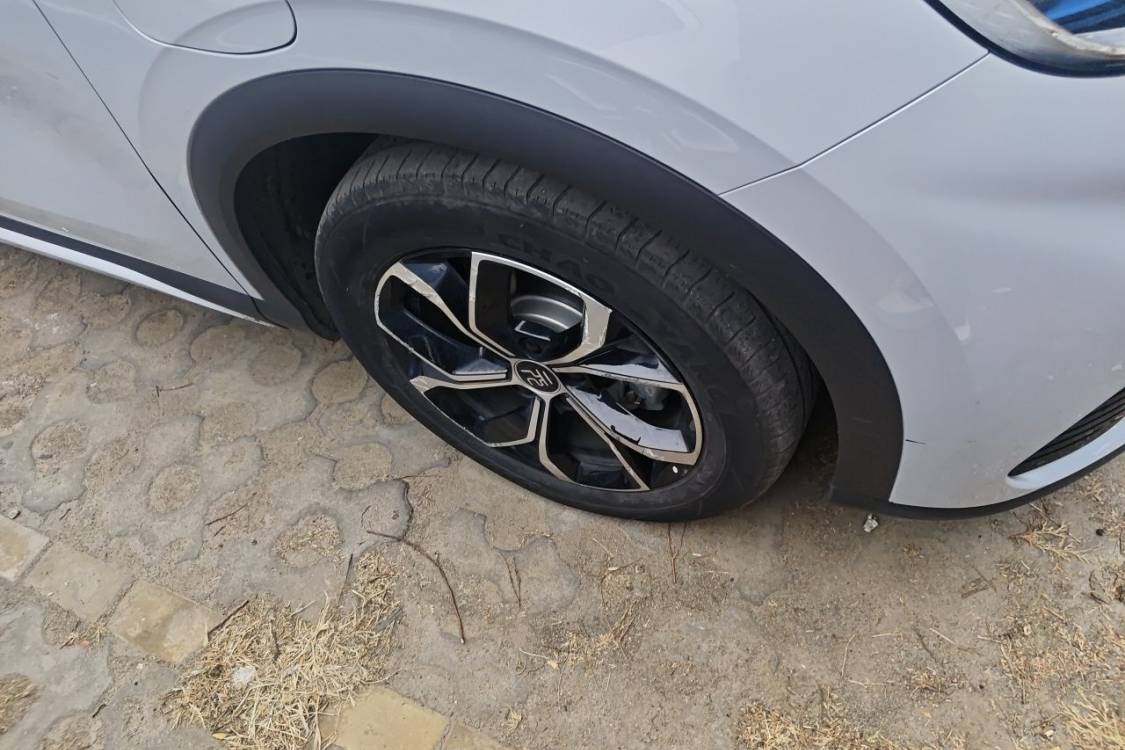
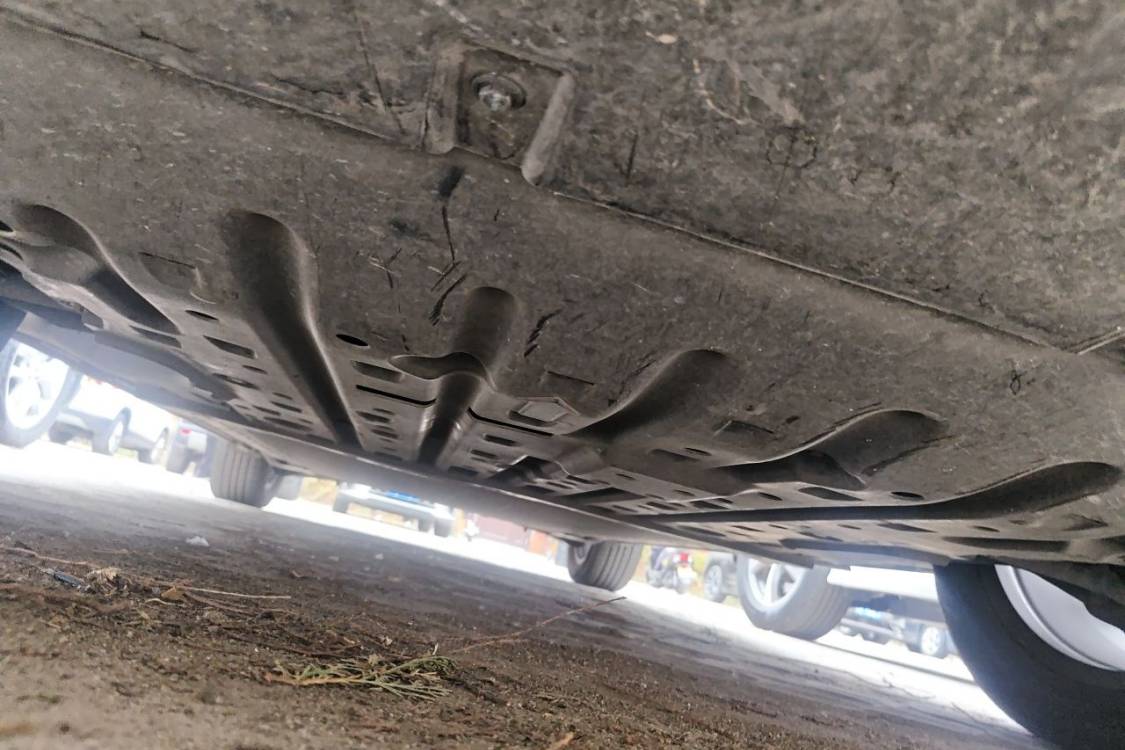
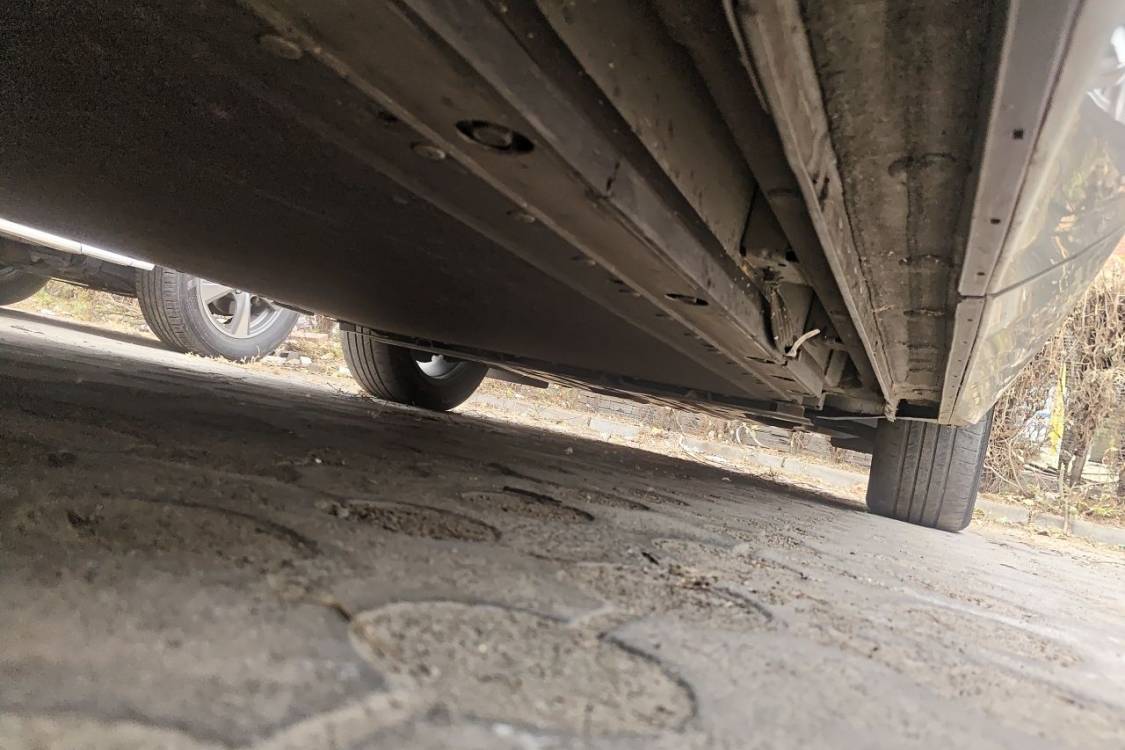
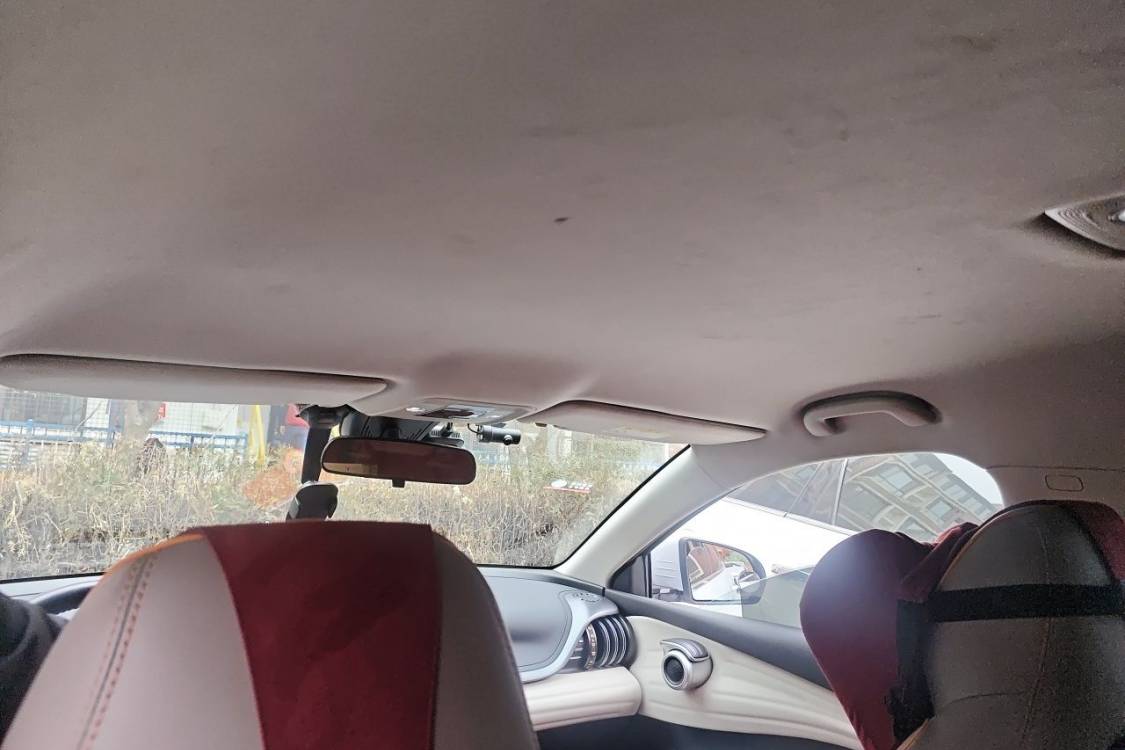
Localized body damage or repair marks present; no accident-related damage or repairs to structural or reinforcing components. Vehicle performance (including three-electric system) has degraded or is limited.

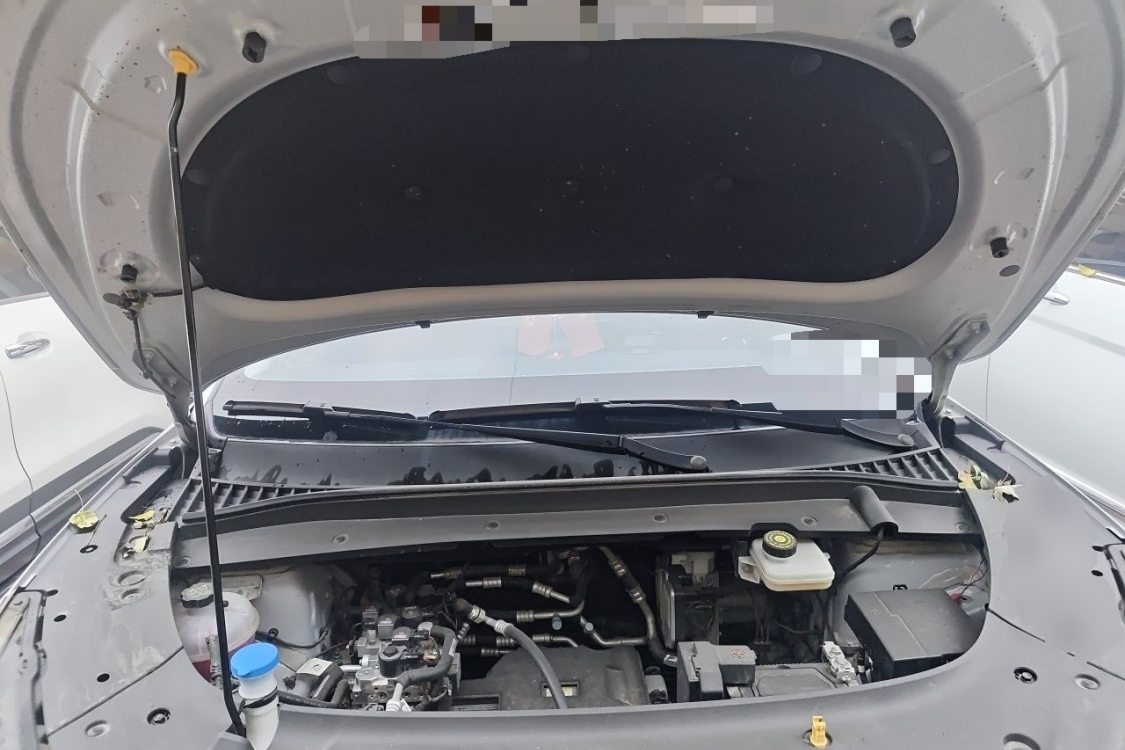
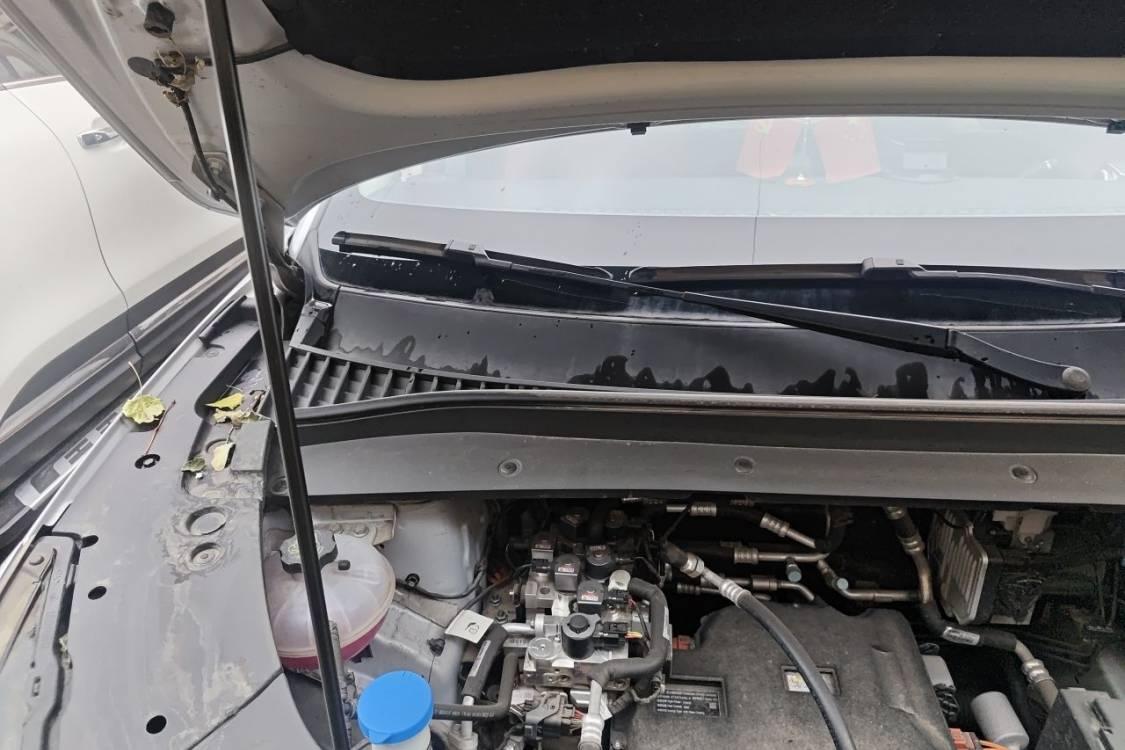
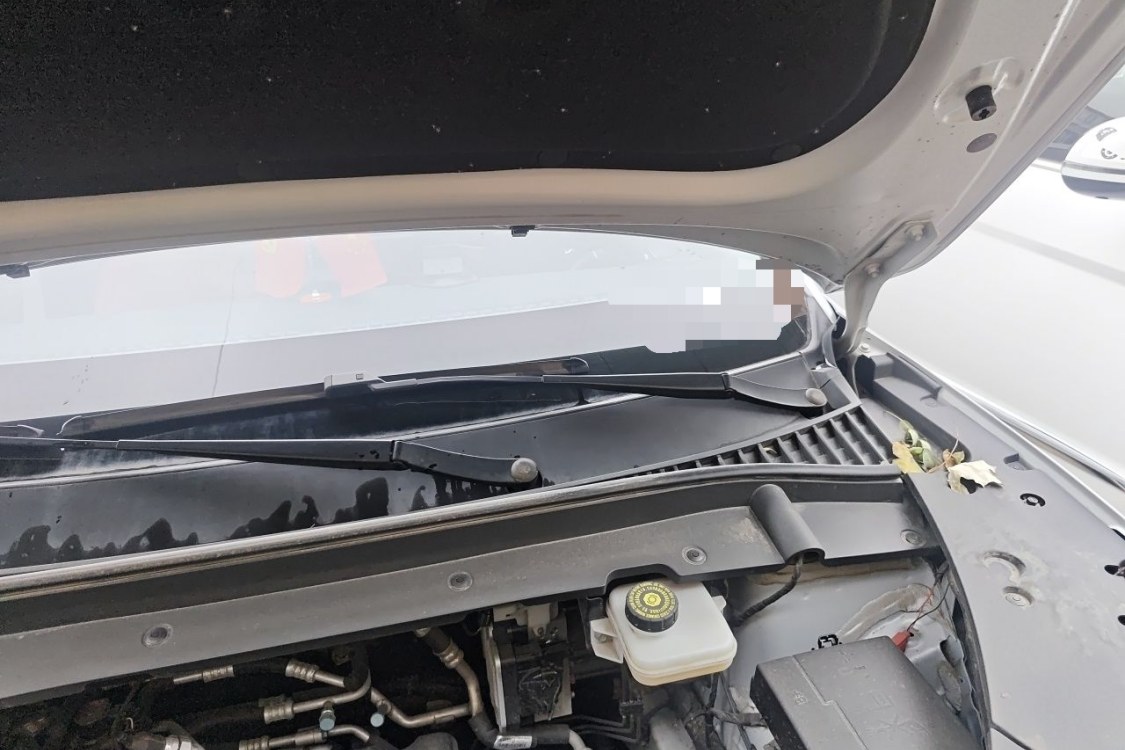
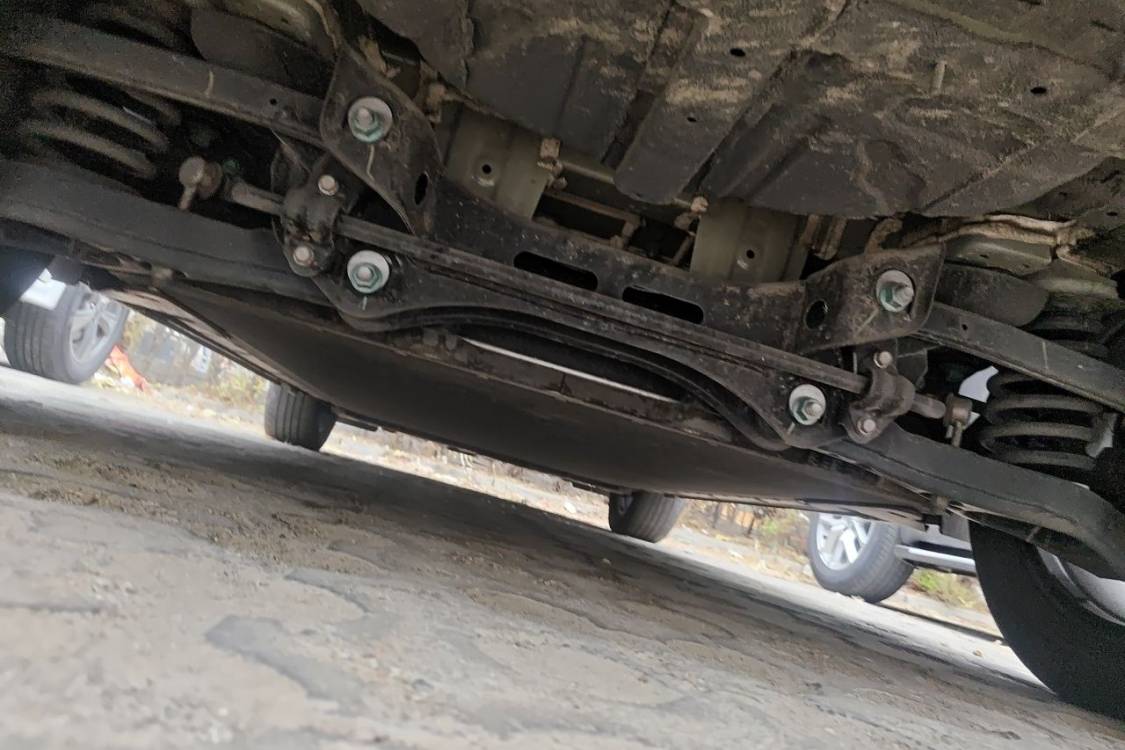
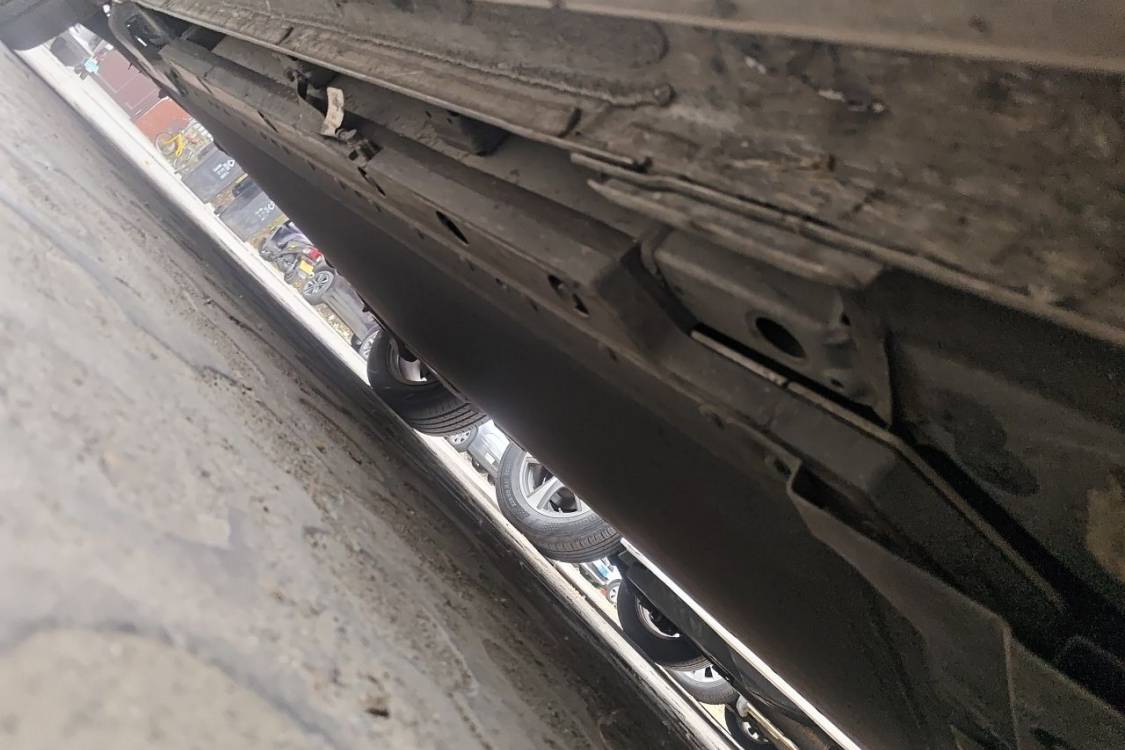
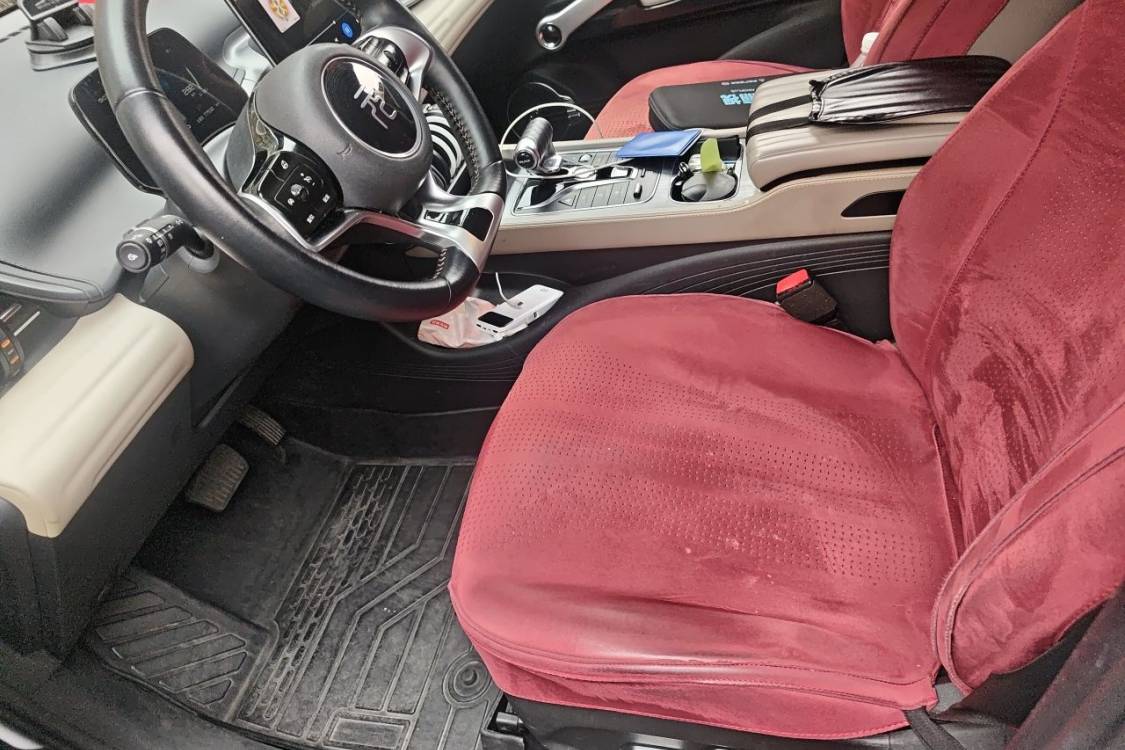
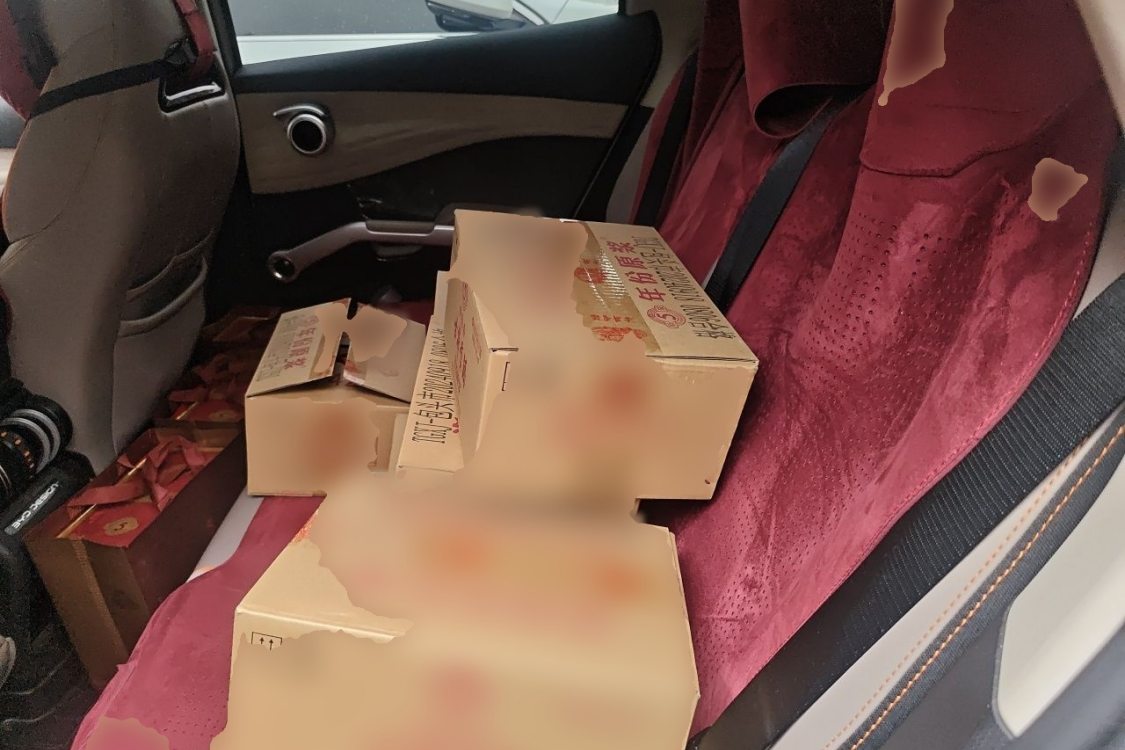
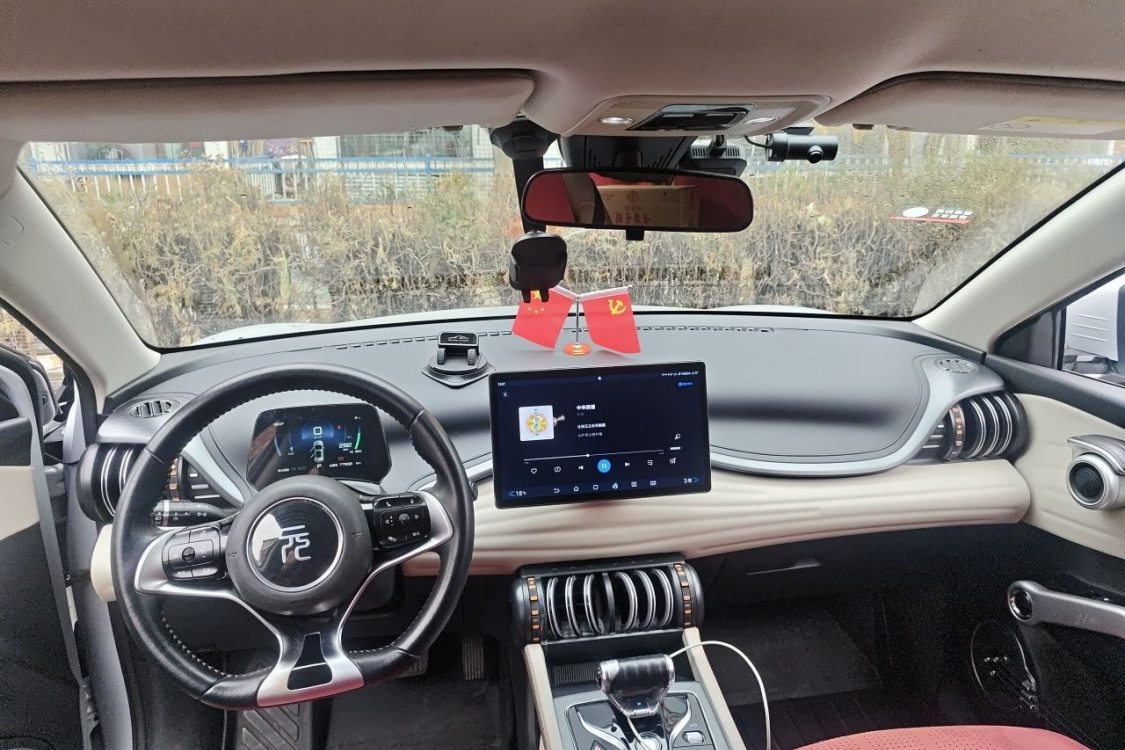
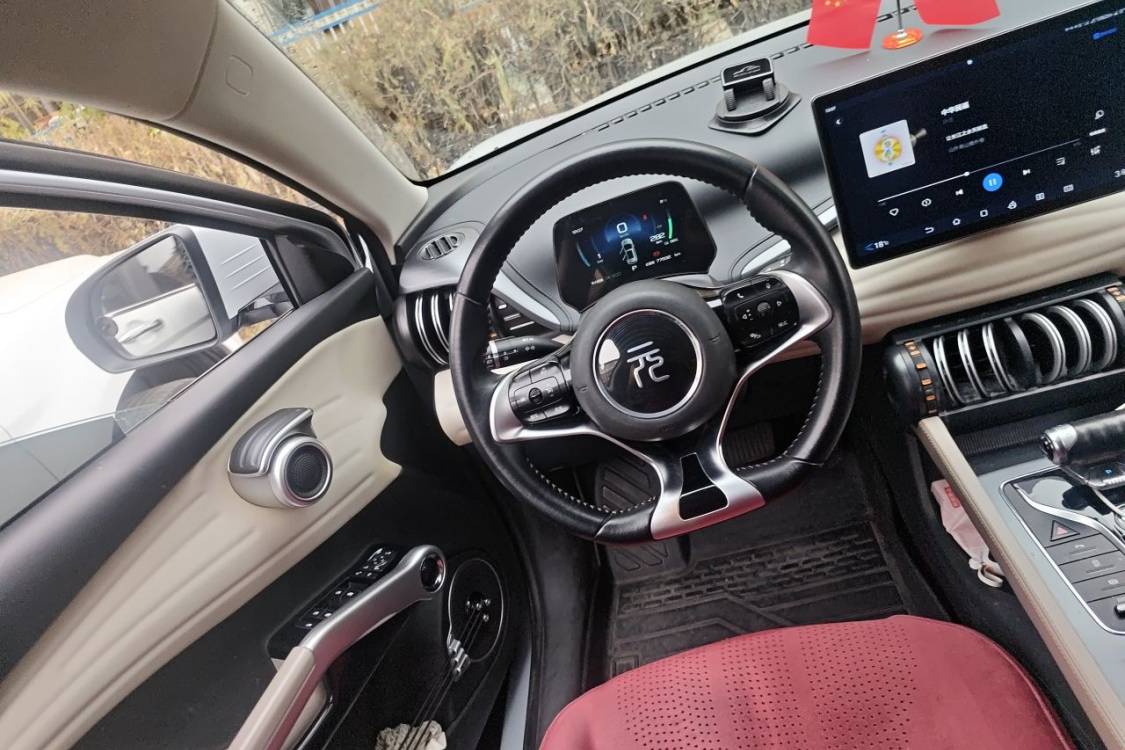
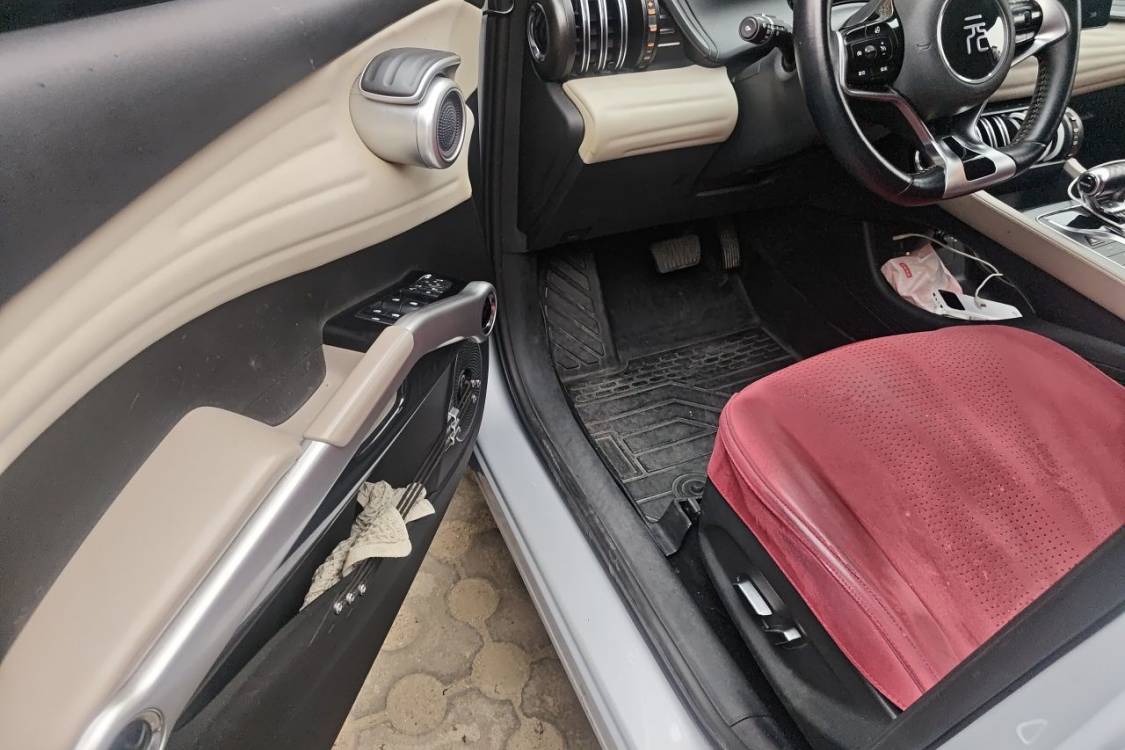
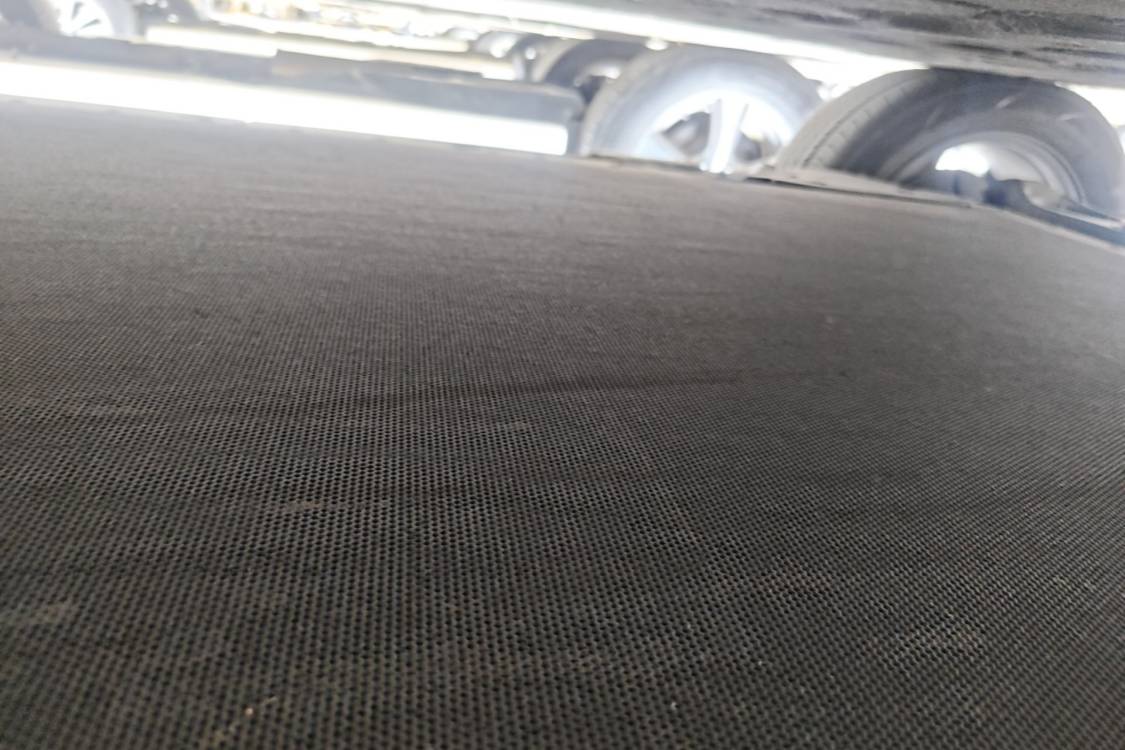
Accident inspection: main structure, reinforcing components, and panels undamaged; hinges normal. Three-electric inspection: power battery box bottom plate scratched. Engine bay inspection: key mechanical components normal. Exterior: 2 areas of sheet metal repair. Interior: most features normal; airbags, seatbelts, instrument cluster, and lighting systems normal. Startup inspection: main components normal. Tool kit: absent.

独家上新
电话直连
可讲价
平台物流
车主降价
14个工作日内过户
新能源
营运车
零过户
新检测标准升级>
非泡水

Document Information

Inspection Expiry Date2026/11
Warranty Expiry Date-
Insurance Expiry Date2026/11

Q&A

More

If my local repair shop damages the vehicle due to lack of special tools, does that fall under your extended warranty?

Absolutely not. Any secondary damage caused by overseas non-professional repairs, violent disassembly, or the use of inferior replacement fluids will immediately void any form of "extended parts compensation" we provide.


When shipping by RoRo vessel, is the "Terminal Handling Charge (THC)" at the destination port prepaid by your freight forwarder or paid by the buyer upon arrival?

Under international practices and our standard CIF/FOB terms, the THC at the port of origin (China) is borne by the seller; all THC and port miscellaneous charges incurred at the destination port during unloading are to be paid by the buyer (consignee) upon local customs clearance and pickup.

How are import duties on used cars from China calculated, and which HS code applies?

Used cars are classified under HS heading 8703 (motor vehicles for transport of persons), with the last four digits determined by engine type and size. Gasoline cars usually fall in 8703.21–8703.80 depending on displacement; pure EVs fall under 8703.80; hybrids have their own subheadings. The duty amount depends on your country's tariff schedule: 1. Most countries charge duty on the CIF value (car price + freight + insurance), not the FOB price. 2. Many developing markets levy higher duties on used vehicles than new ones, and some add a surcharge based on age — older cars can cost significantly more to clear. 3. After duty, you typically pay VAT/GST on the CIF + duty total, plus port and customs fees. Practical tips: ask your exporter to state the exact HS code on the commercial invoice and confirm it with a local customs broker before shipping. A wrong code can trigger reclassification, penalties, or delays. Also budget for any excise tax tied to engine capacity — in several markets a 2.5L car clears far cheaper than a 3.5L one.