



48H

Basic Information

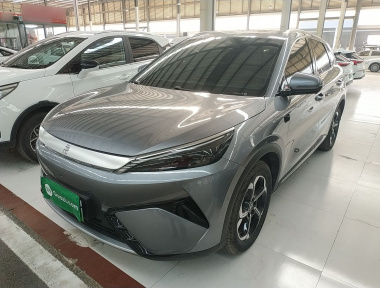
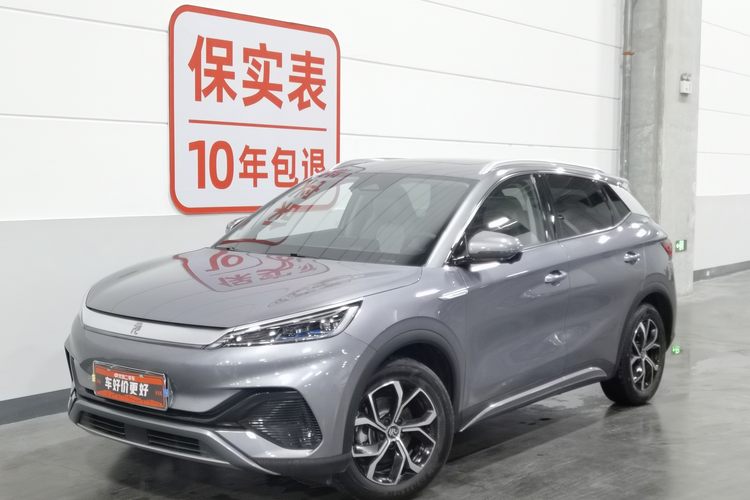
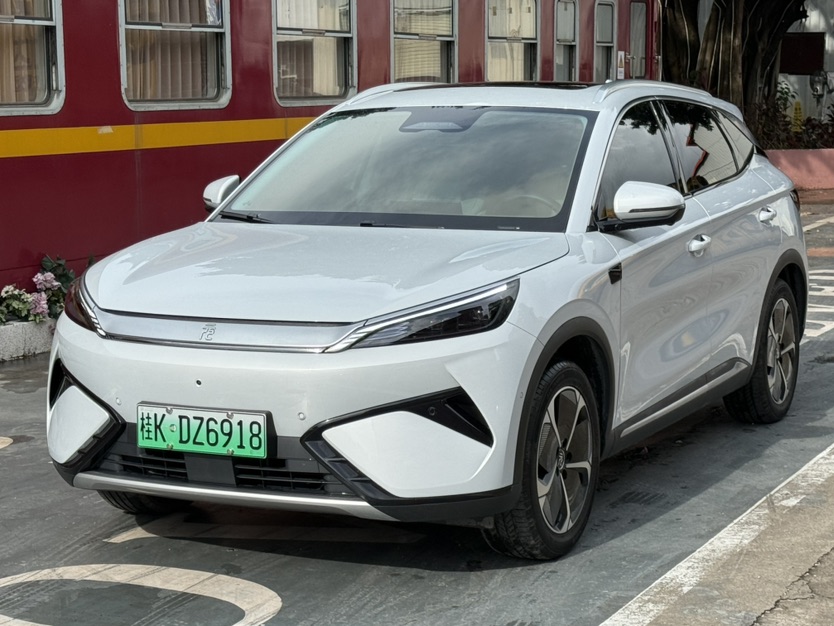
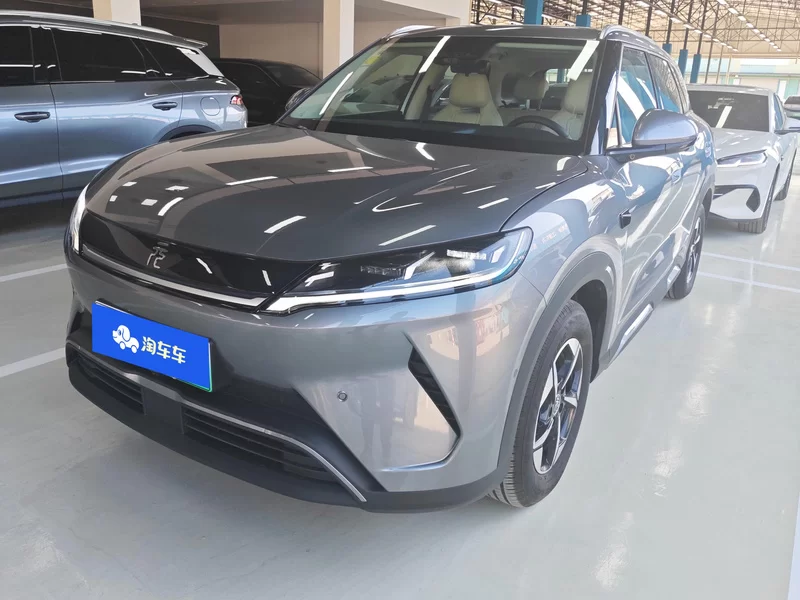
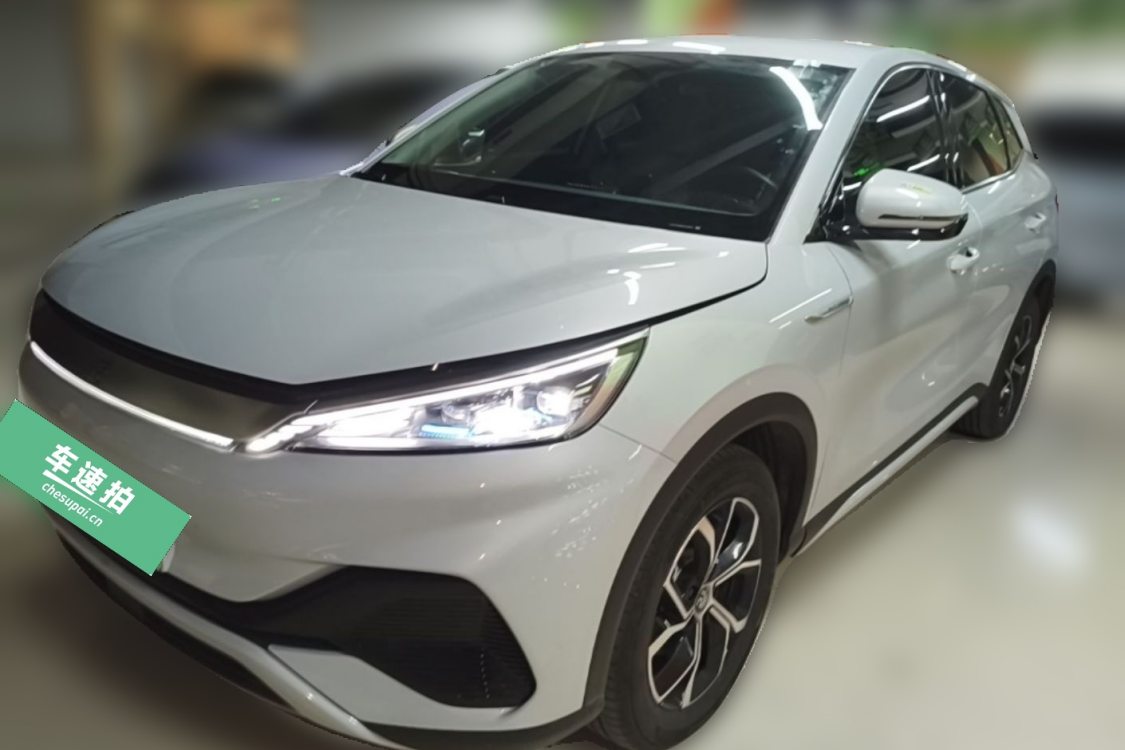
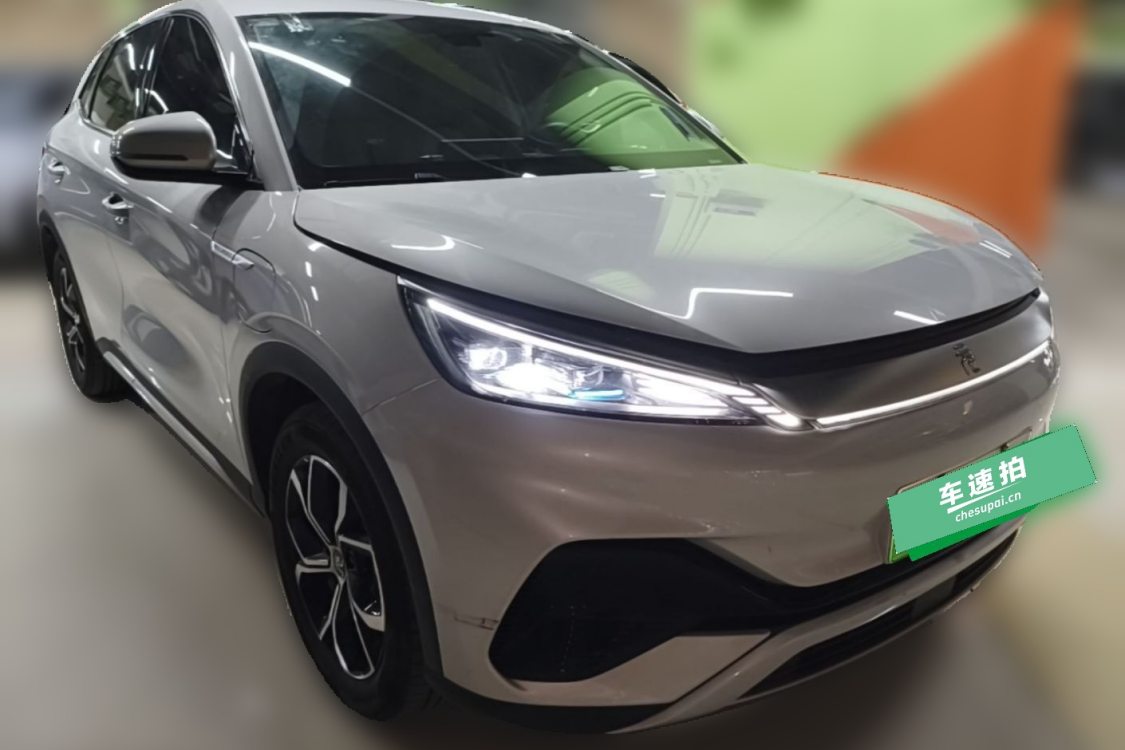
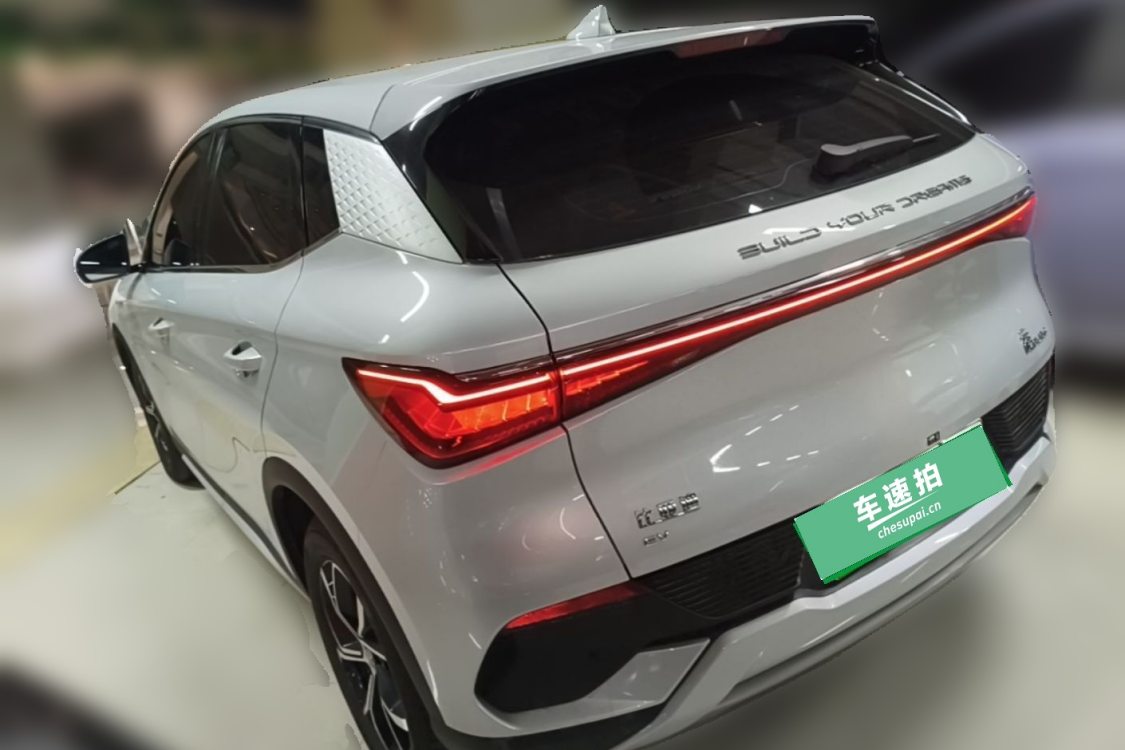
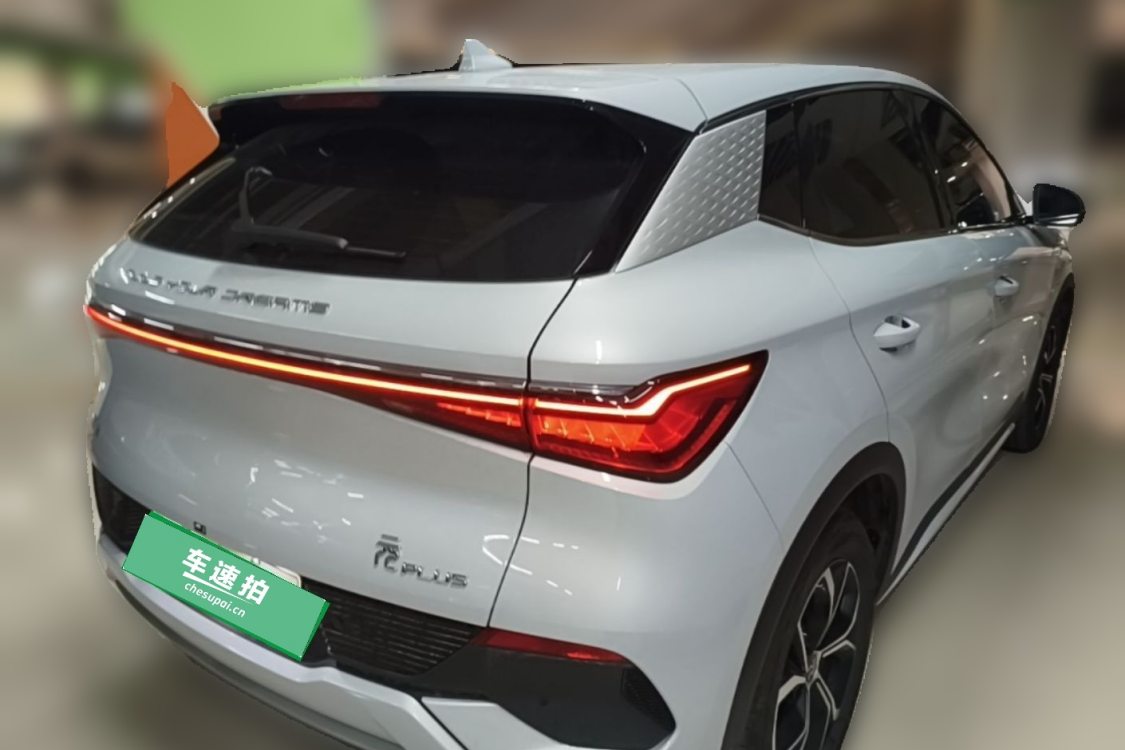
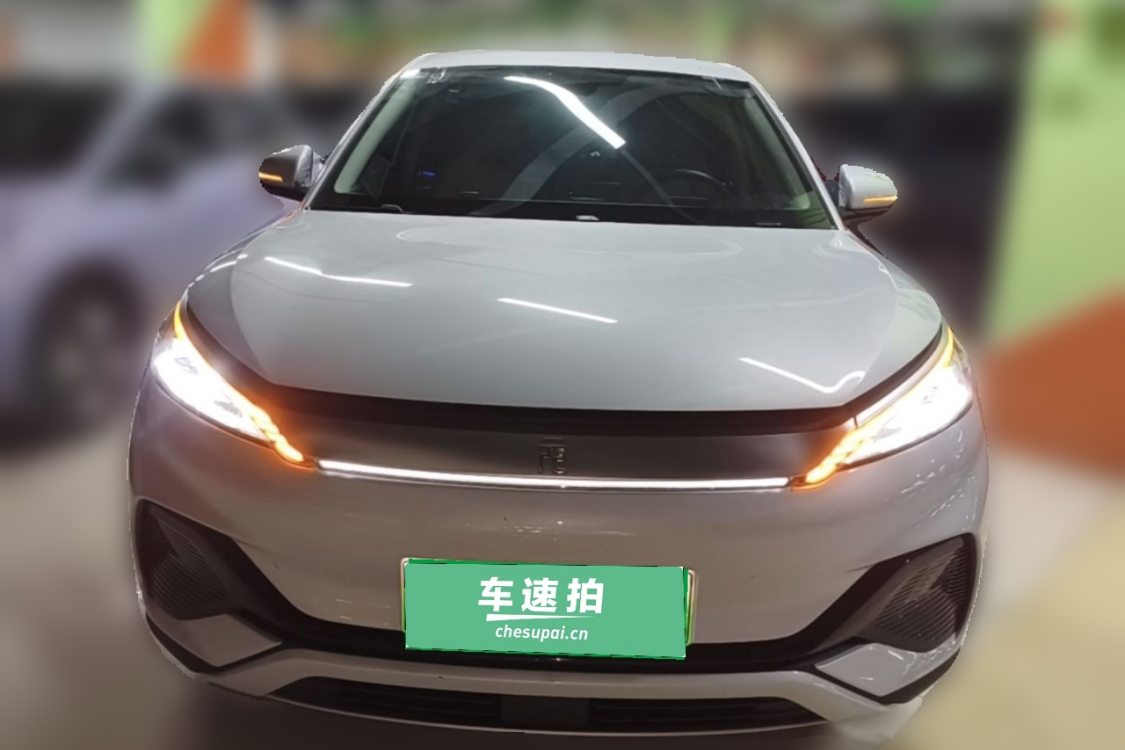
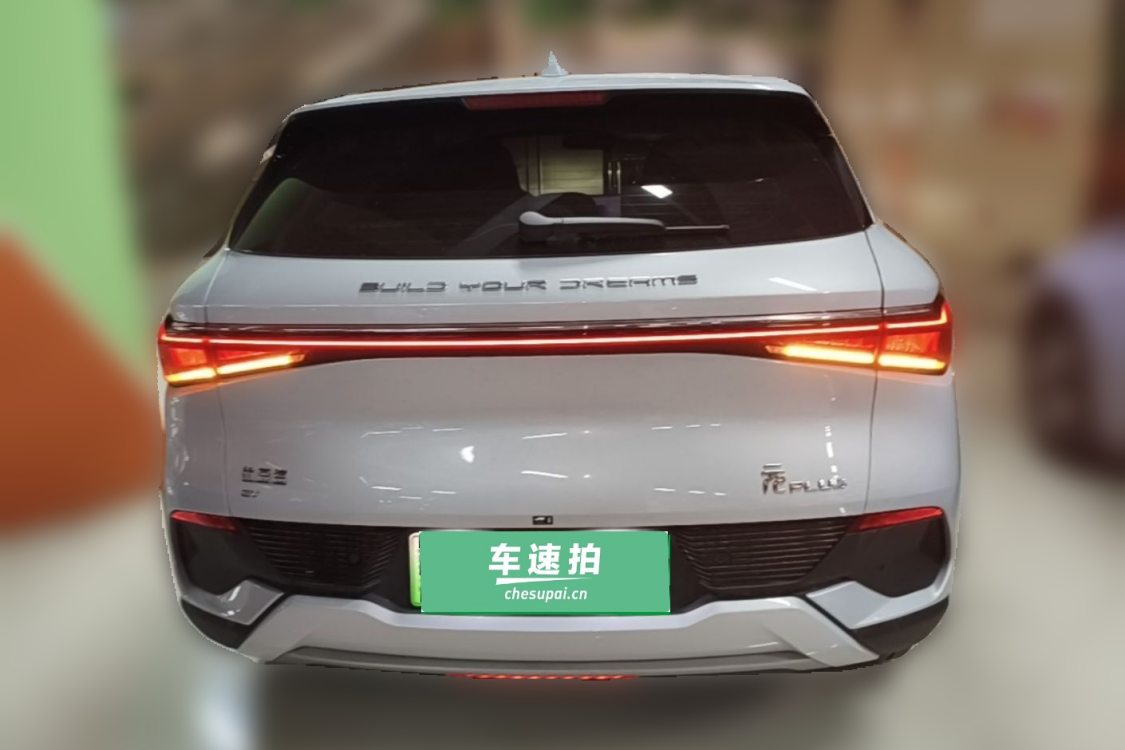
BrandBYD
SeriesYuan Plus
Year2024
First Registration2024/11
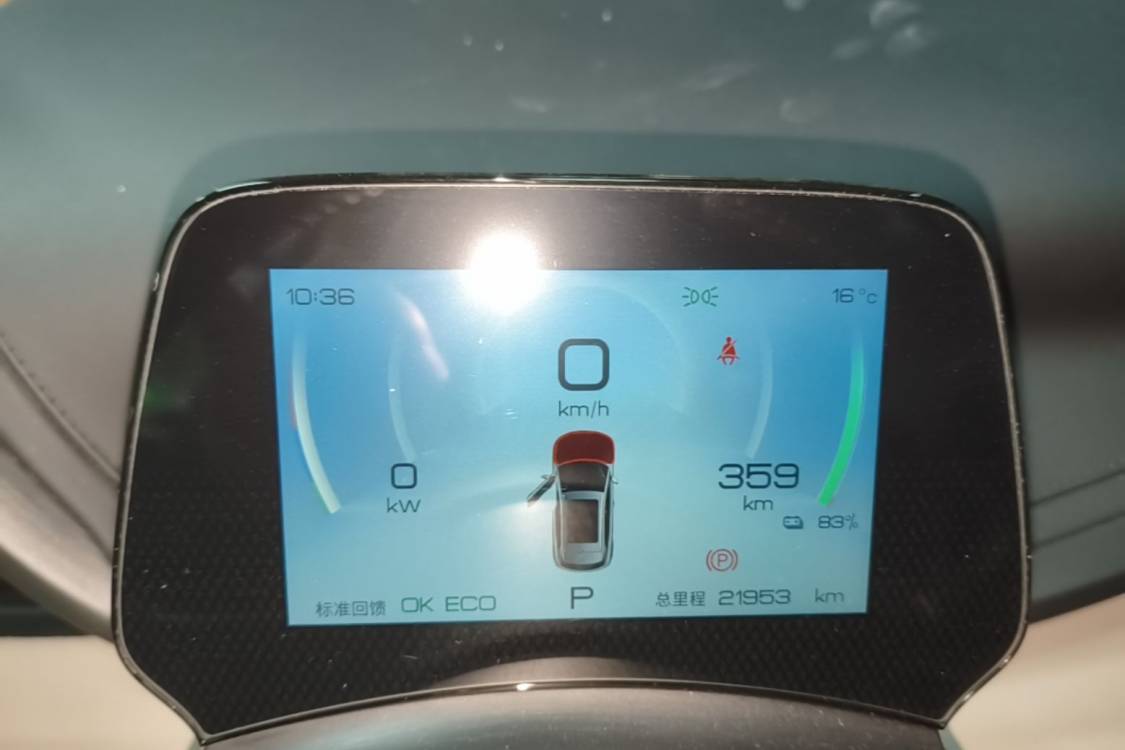
Mileage22,000km
Transfer Count-
FuelElectric
TransmissionOther
Engine-
ColorWhite
Seats5seats

Condition Description

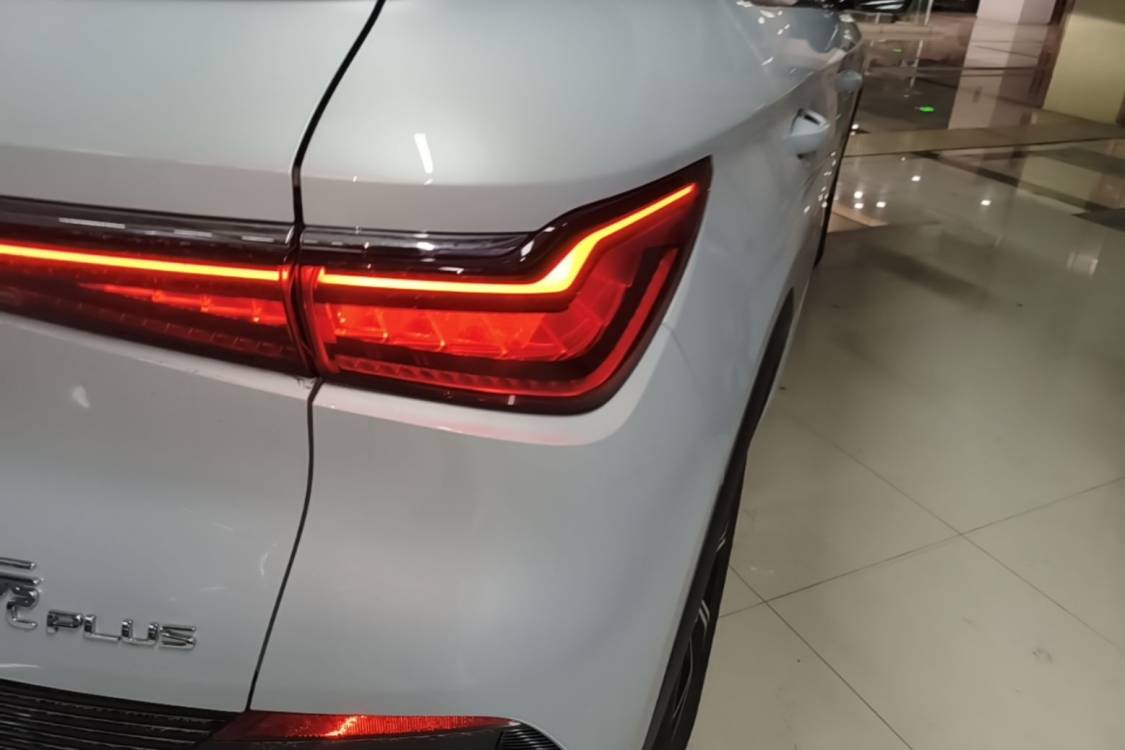
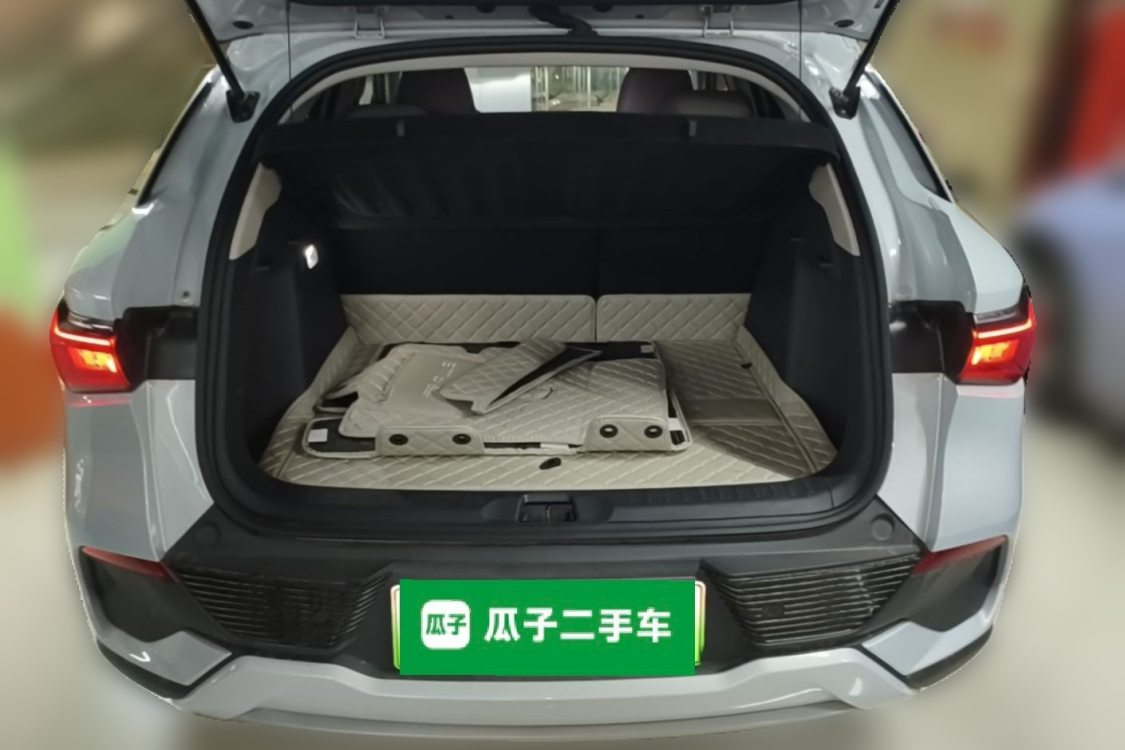
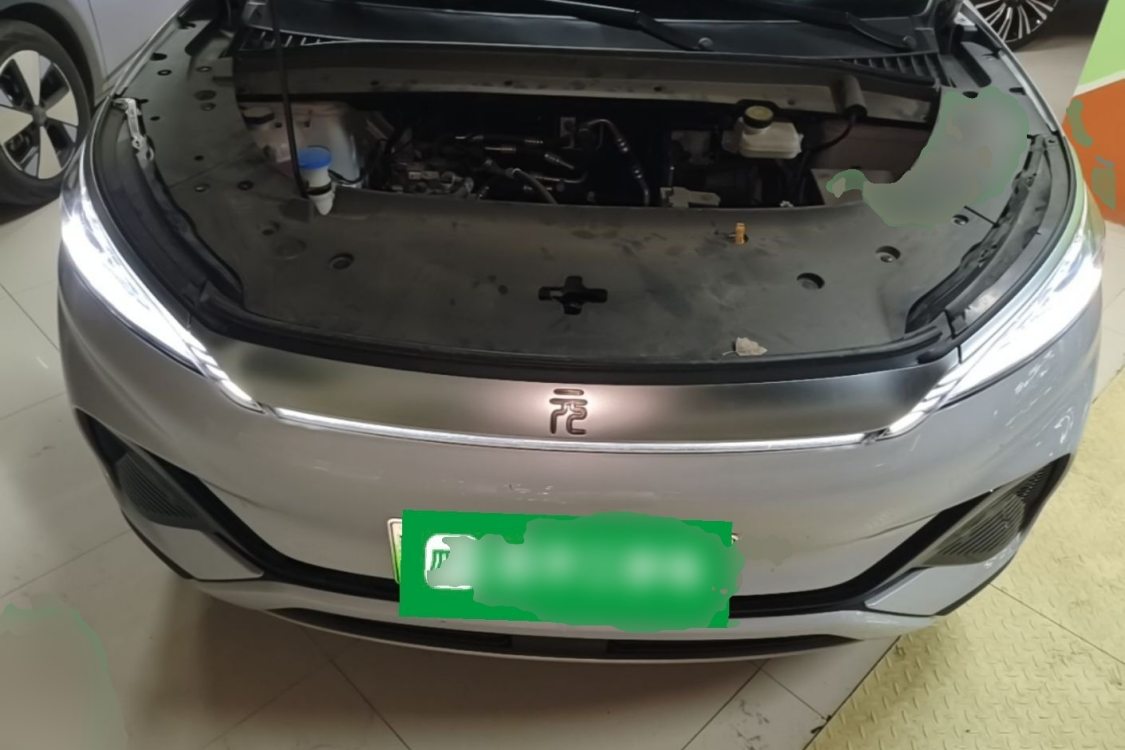
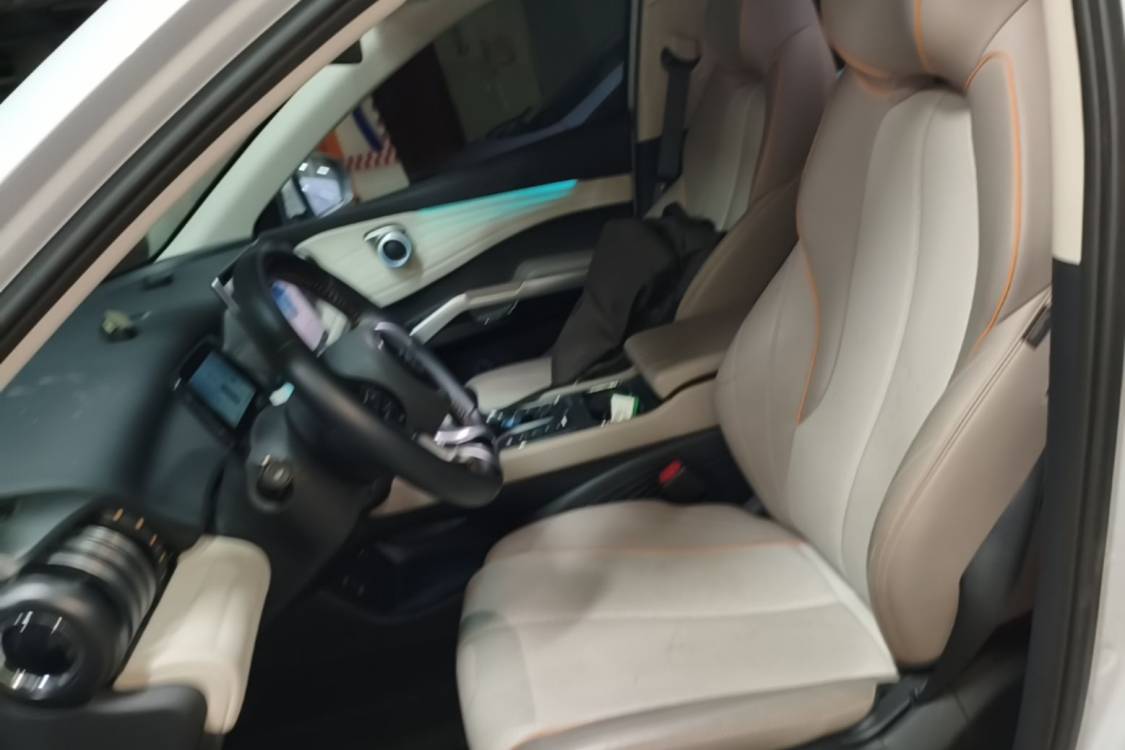
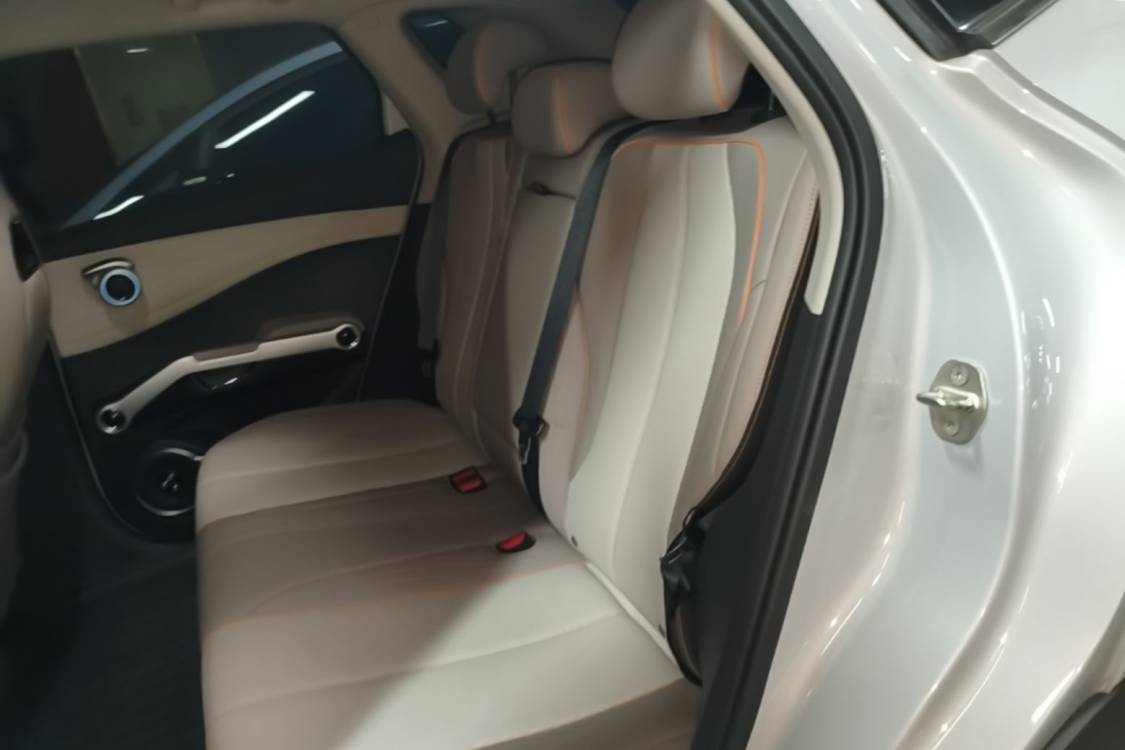
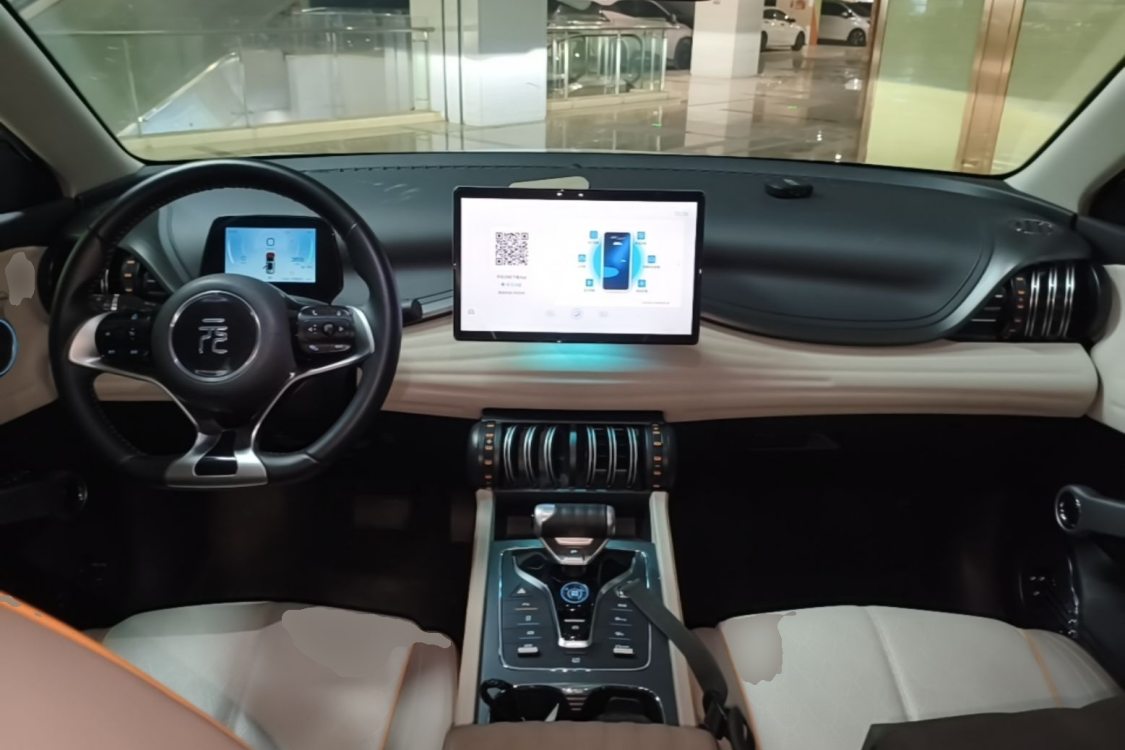
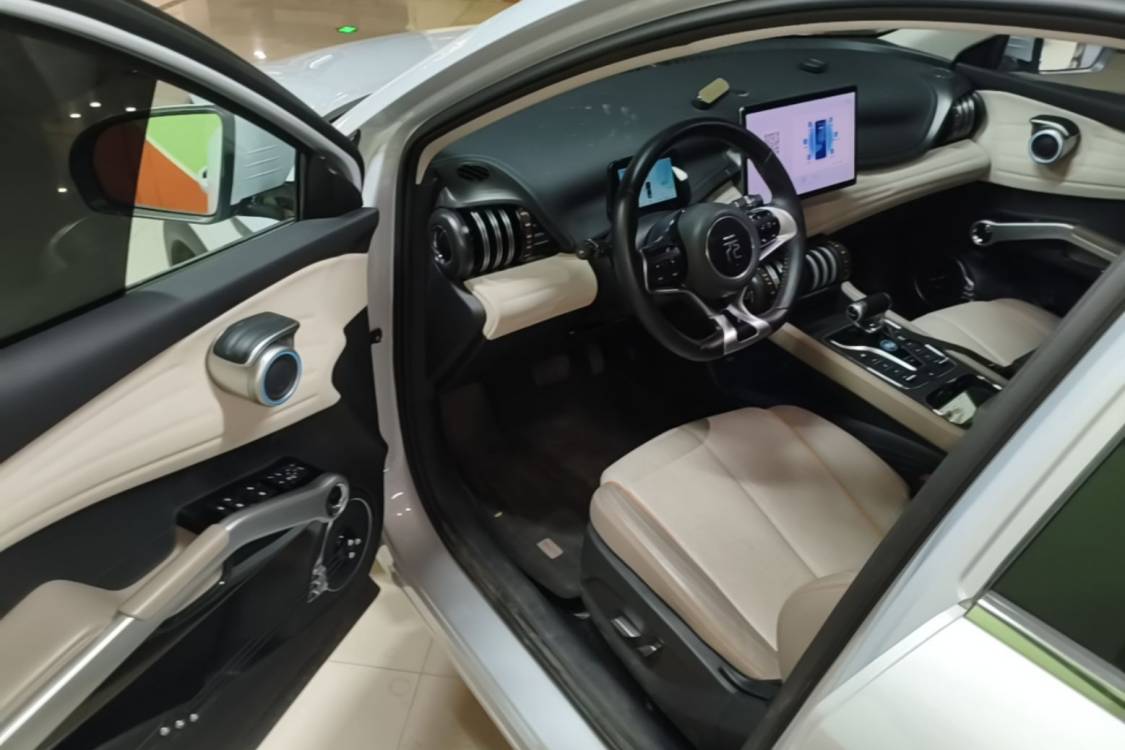
Vehicle performance is good. Structural, reinforced, and cover panels have no accident-related damage or repairs. Battery, motor, and electronic control systems have no damage.

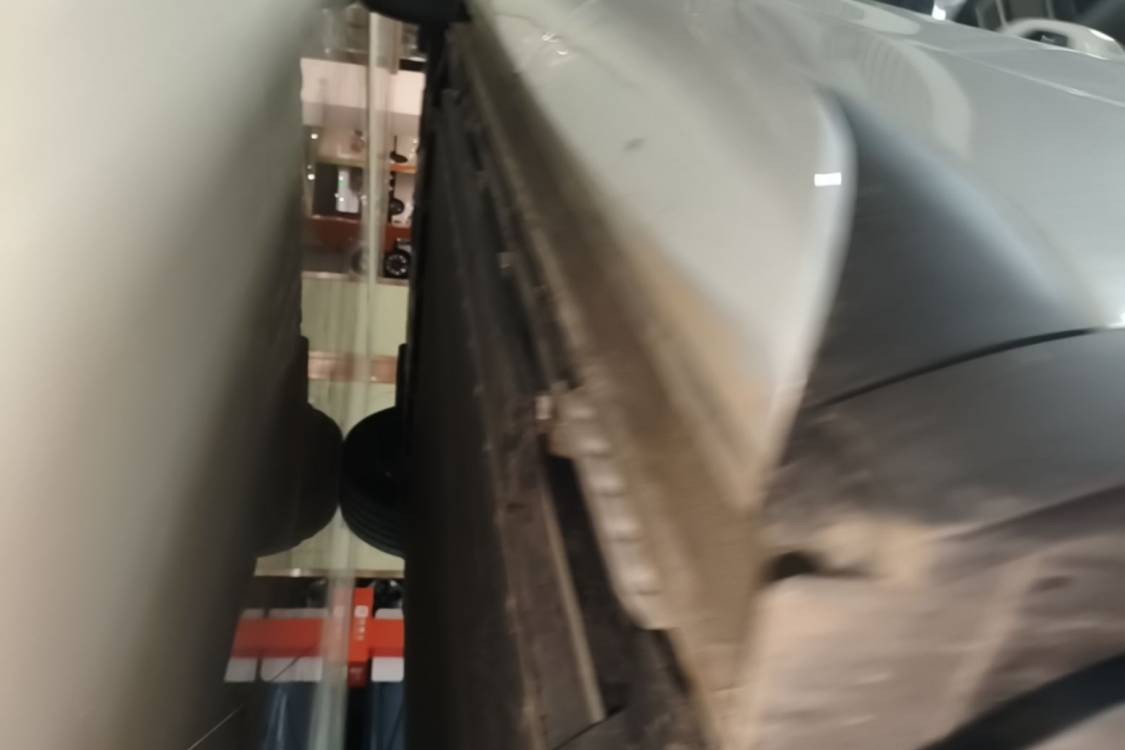
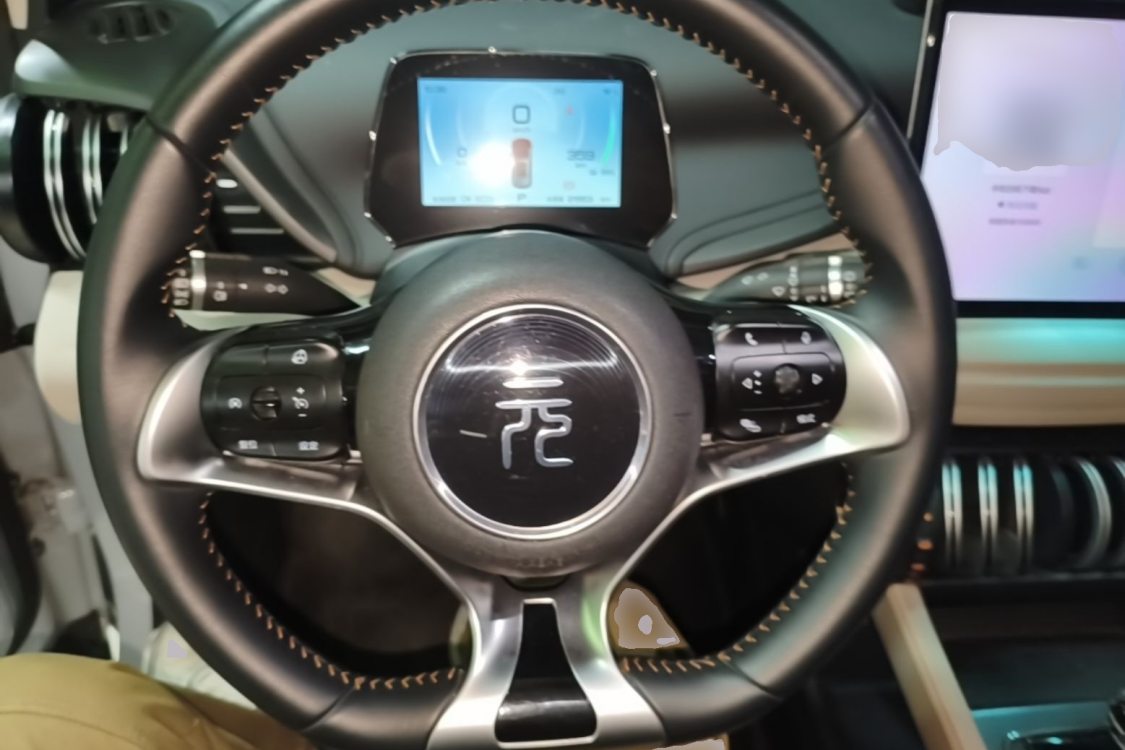
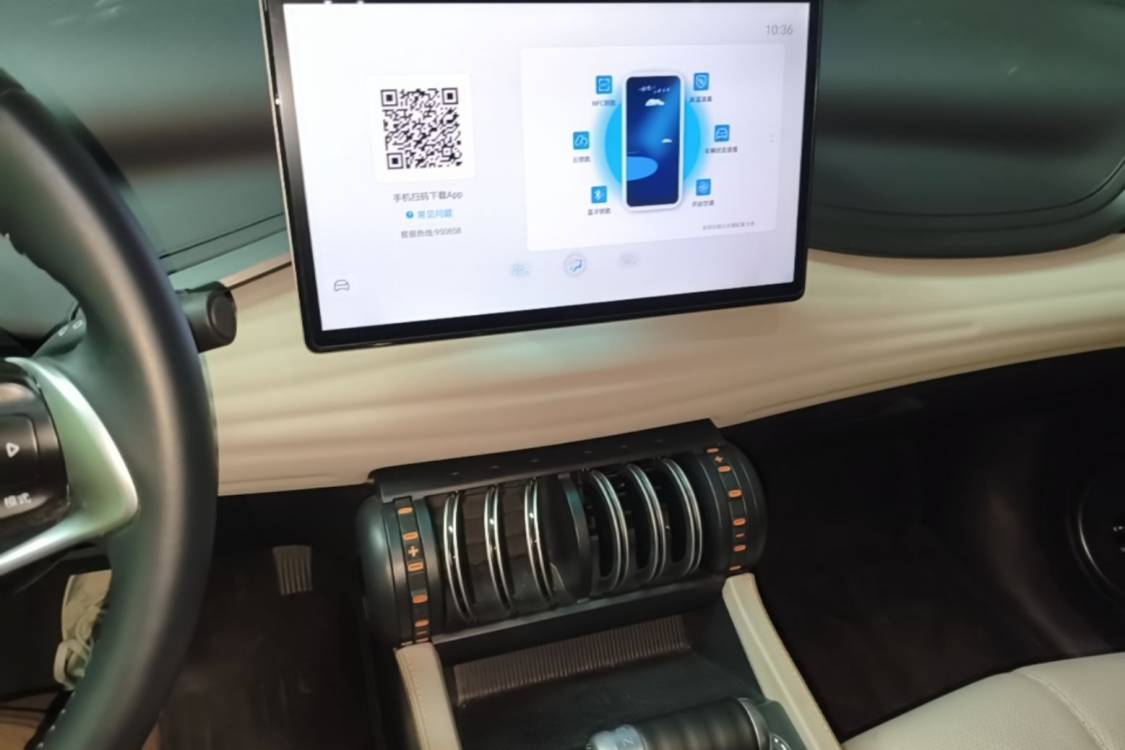
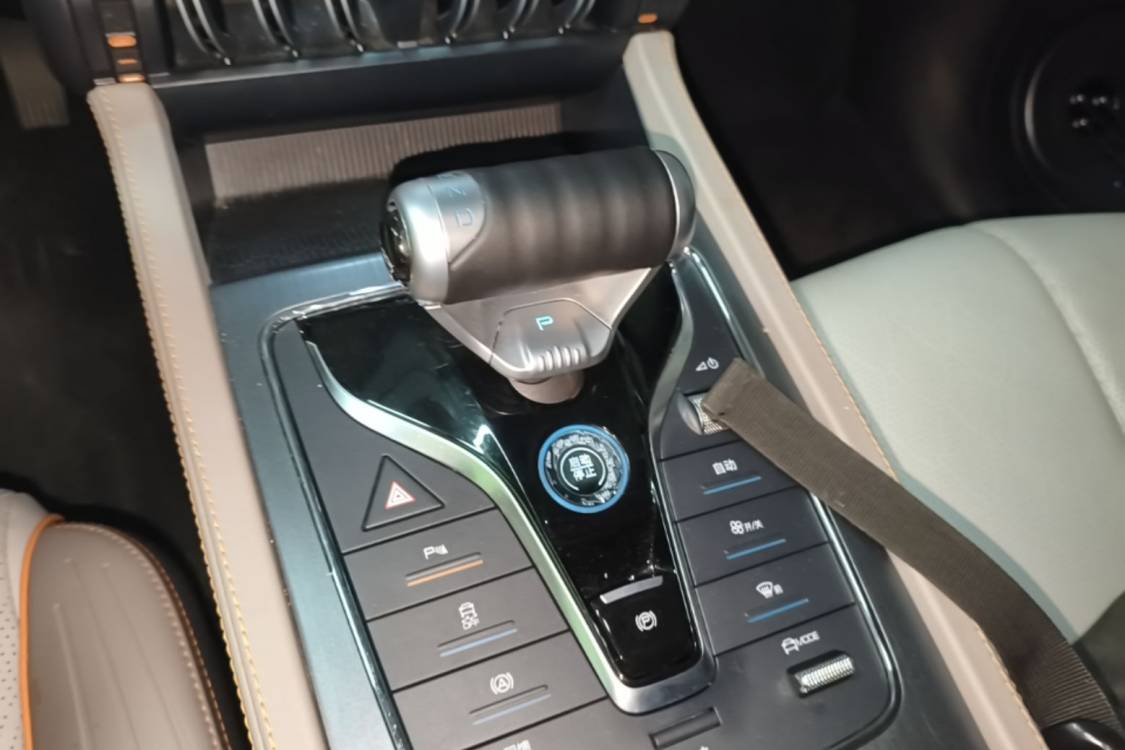
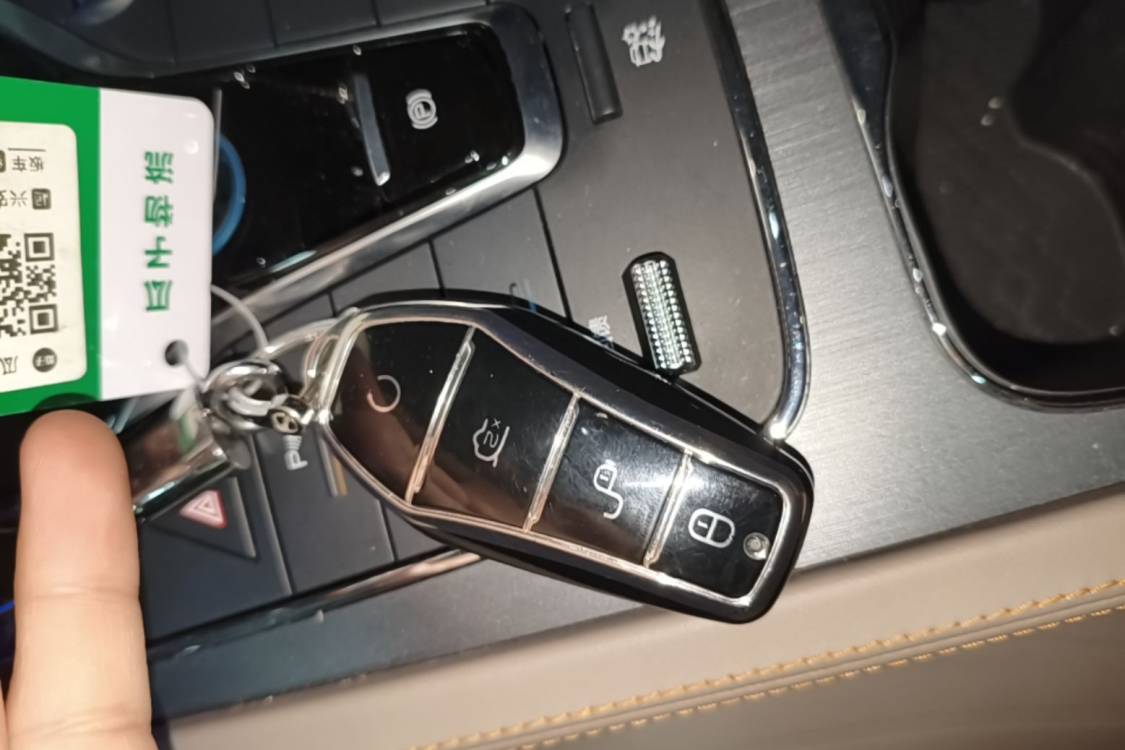
Accident inspection: no damage to main structure, reinforced parts, or cover panels; hinges normal. Electric system inspection: portable charger missing. Engine bay inspection: key mechanical components normal. Exterior: none. Interior: most features normal; airbags, seatbelts, dashboard, and instrument cluster normal; lighting system normal. Startup inspection: major components normal. Onboard tools: missing.

Fixed price
平台物流
新能源
零过户
过户要求>
新检测标准升级>
非泡水

Document Information

Inspection Expiry Date2026/11
Warranty Expiry Date-
Insurance Expiry Date2026/11

Q&A

More

If I cancel my order, how long should a refund of my deposit take, and what if the exporter keeps delaying?

A reasonable refund timeline is 5-15 business days after written cancellation, provided the car hasn't shipped or incurred costs. Legitimate deductions may apply: inspection fees, storage, or transport already spent on your order. To protect yourself, put refund terms in the contract before paying: state the refund amount, the deadline, and the payment method (same account you paid from). If delays occur, escalate in writing—email plus your messaging channel—and set a firm deadline referencing the contract clause. If the exporter keeps stalling beyond 30 days, your leverage is small from abroad, which is why the contract matters most. For large amounts, consider whether your bank can initiate a recall of the wire, or use escrow for future transactions so funds are only released against delivery milestones.


Is there a best time of year to buy a used car from China, and how do seasonal factors affect pricing?

Yes, timing can move prices by 5-15 percent. Key seasonal factors: Chinese New Year (late January-February): dealers and export yards wind down 2-3 weeks early, so supply tightens and prices firm up. Avoid ordering in this window. March-May: supply rebounds and competition among exporters is highest—often the best prices of the year. New model launches: when a new generation appears (usually April and September auto show season), outgoing versions drop noticeably in the used market—good for buyers who don't need the latest model. Freight seasonality matters too: rates spike before Golden Week (October) and before Christmas as container capacity tightens. A cheap car booked into an expensive shipping window can cost more overall. Strategy: target March-May for purchase, book shipping in off-peak months, and lock quotes in writing for 15-30 days so freight surges don't erode your deal.

Local mechanics in my country are not familiar with Chinese cars. How do I get technical support, wiring diagrams, or repair guidance after importing?

This is a common issue, and there are several practical ways to get your Chinese car serviced locally. 1. Ask the exporter before buying: many professional exporters can provide workshop manuals, wiring diagrams, or diagnostic software for the models they sell. Put this in writing in your purchase agreement. 2. Use online communities: Chinese brands like BYD, Chery, Geely, and Haval have active owner forums and Facebook/Telegram groups in Russia, Central Asia, the Middle East, and Latin America where wiring diagrams and repair procedures are shared. 3. OBD diagnostic tools: most Chinese cars from 2016 onward support standard OBD-II protocols. A tool that reads manufacturer-specific codes (not just generic ones) helps any mechanic identify faults. Ask the exporter which protocol your model uses. 4. Video call assistance: some exporters offer paid remote support where their technician guides your local mechanic via video call — agree on rates and availability in advance. 5. Parts cross-referencing: many Chinese cars share platforms and components; experienced mechanics can match brake pads, filters, and sensors to cross-compatible parts available locally. Key point: choose a brand with existing presence in your region — the larger the local fleet, the easier support becomes.