


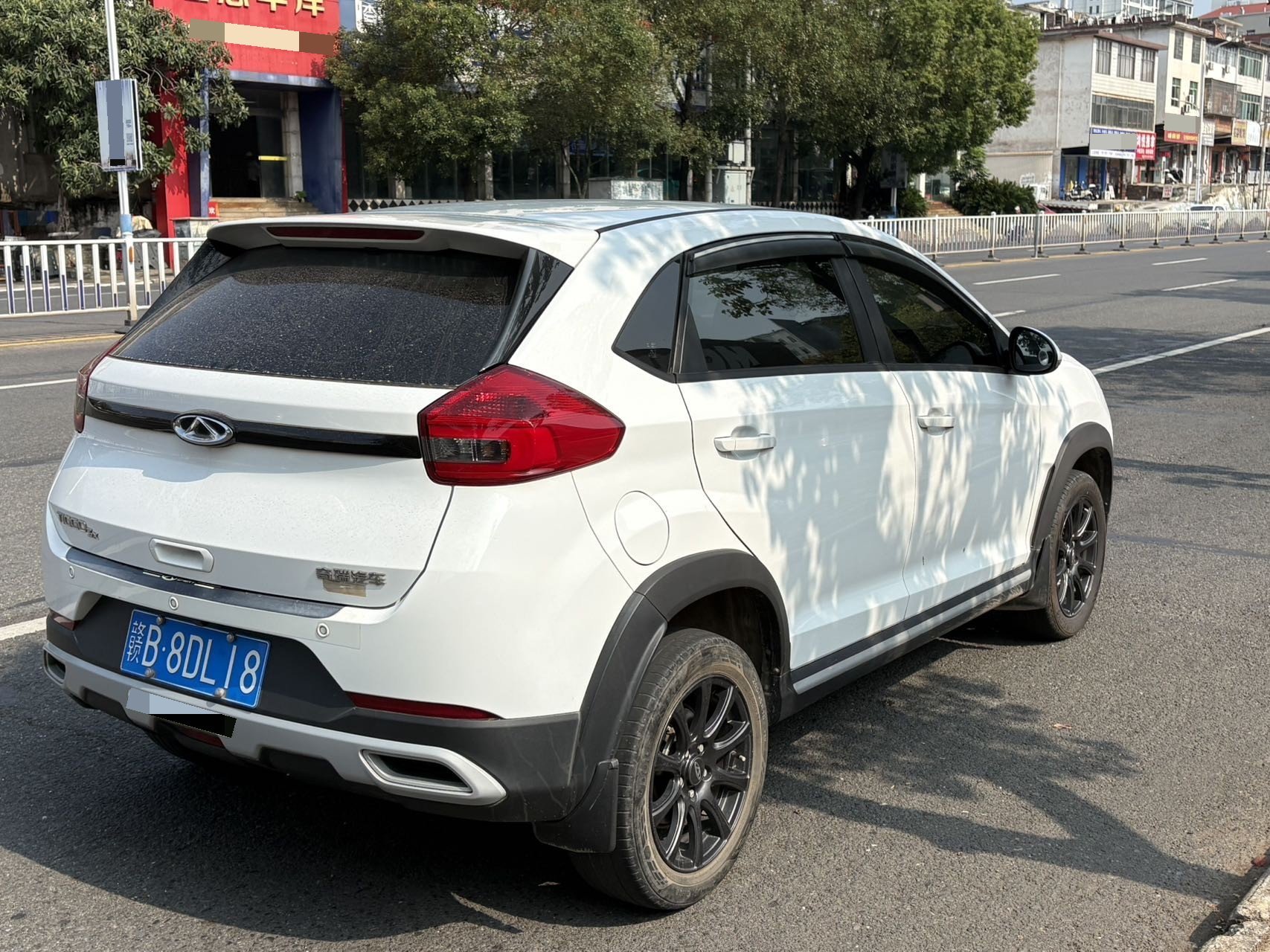
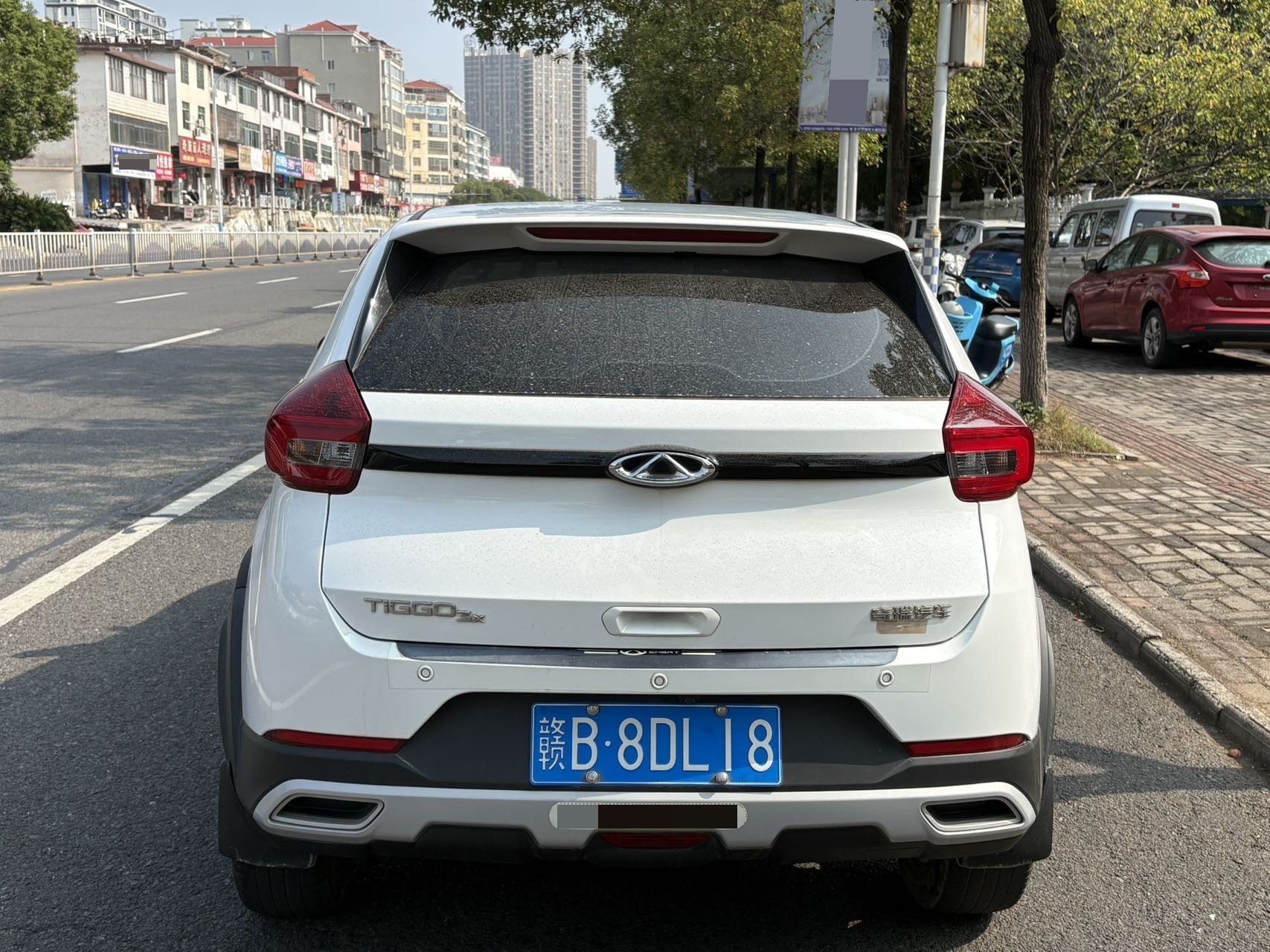
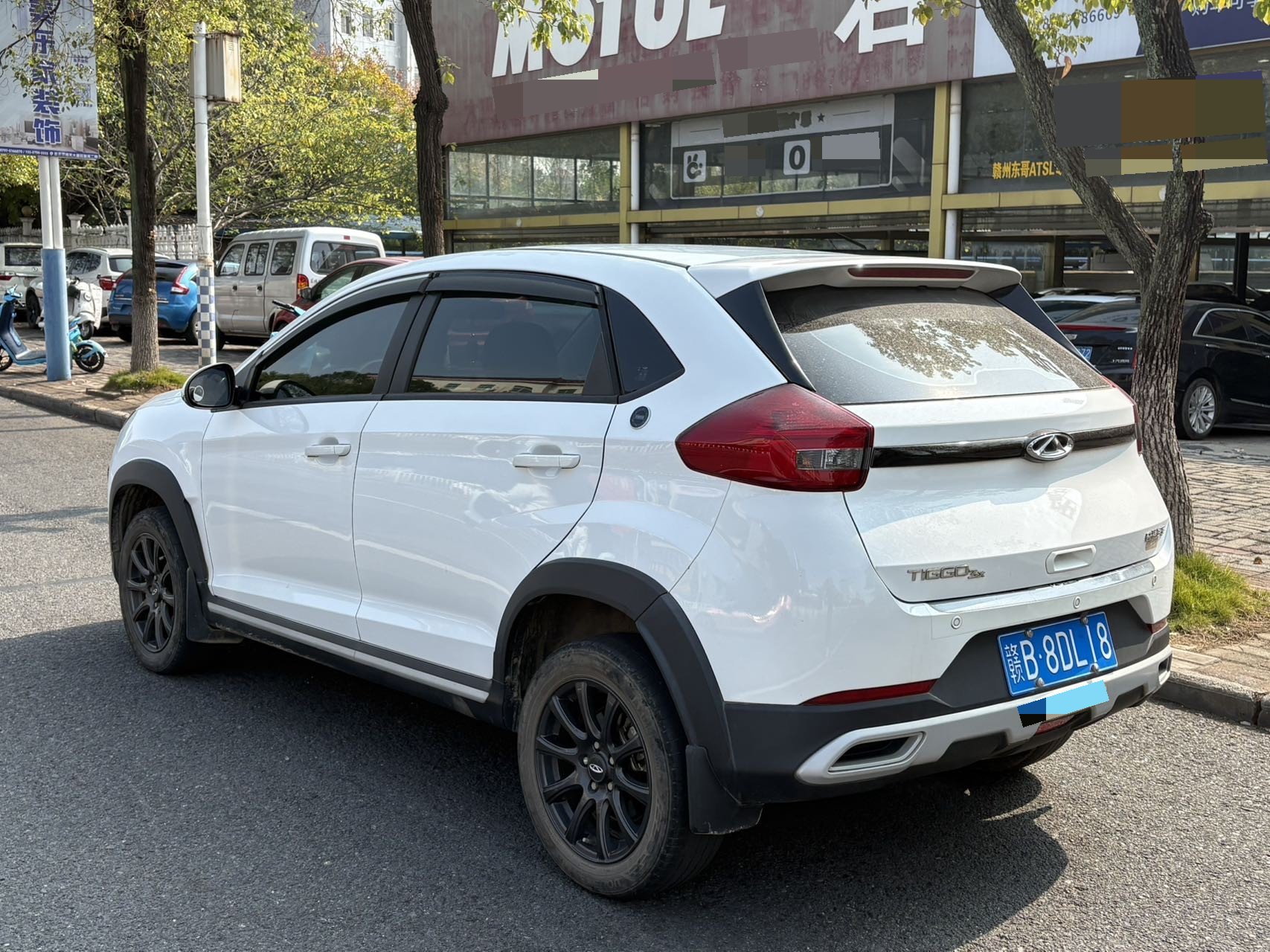
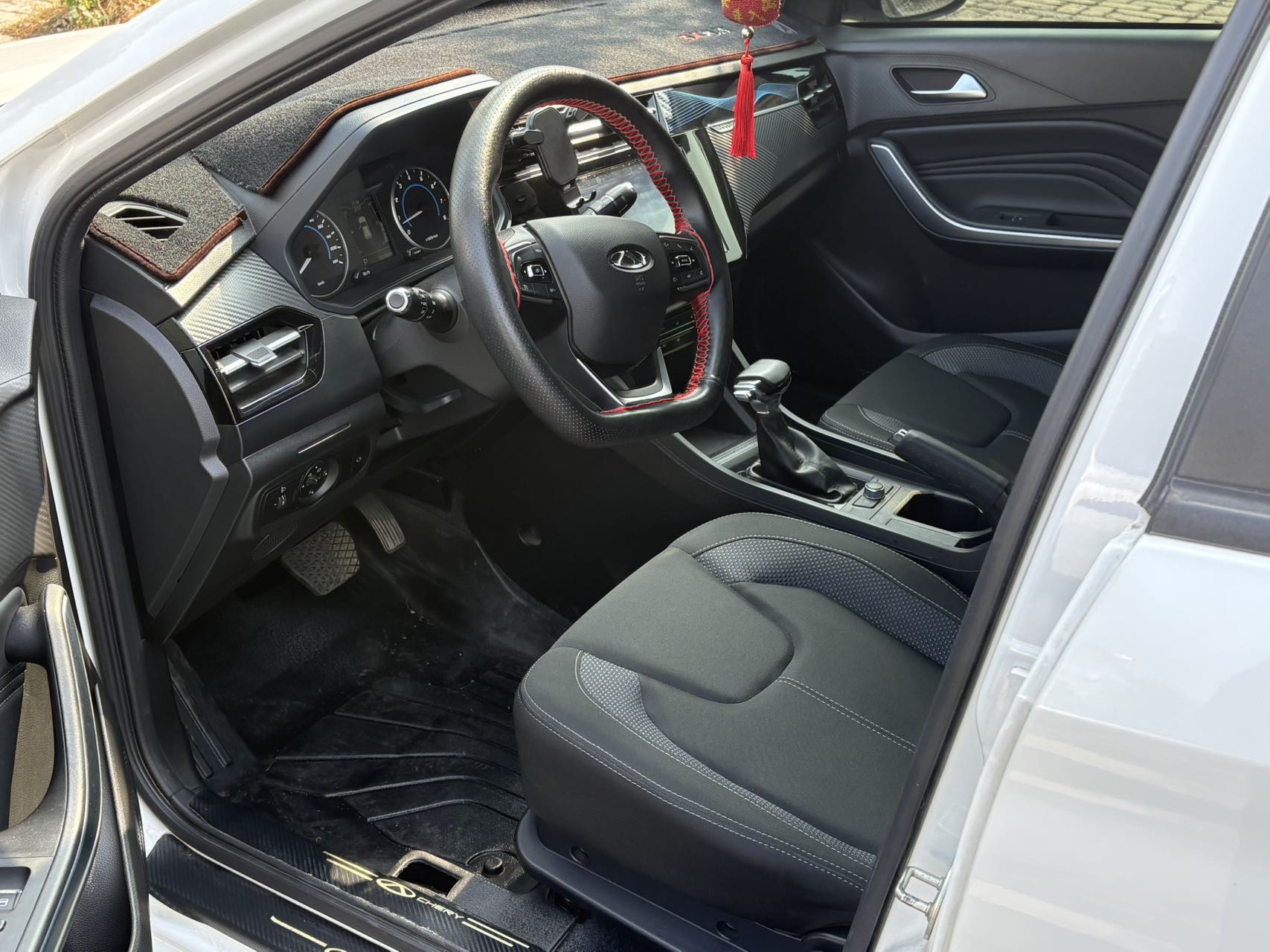
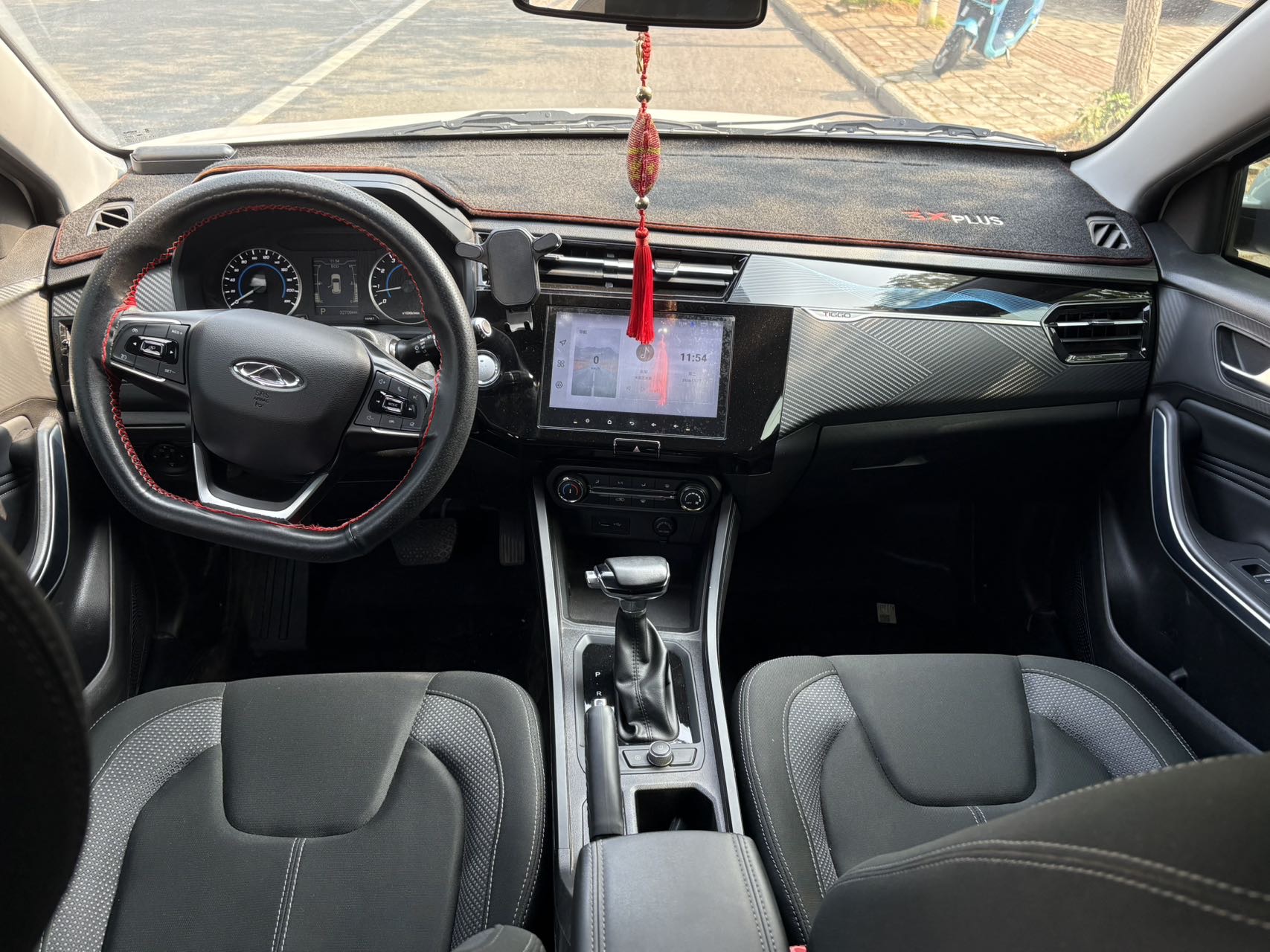
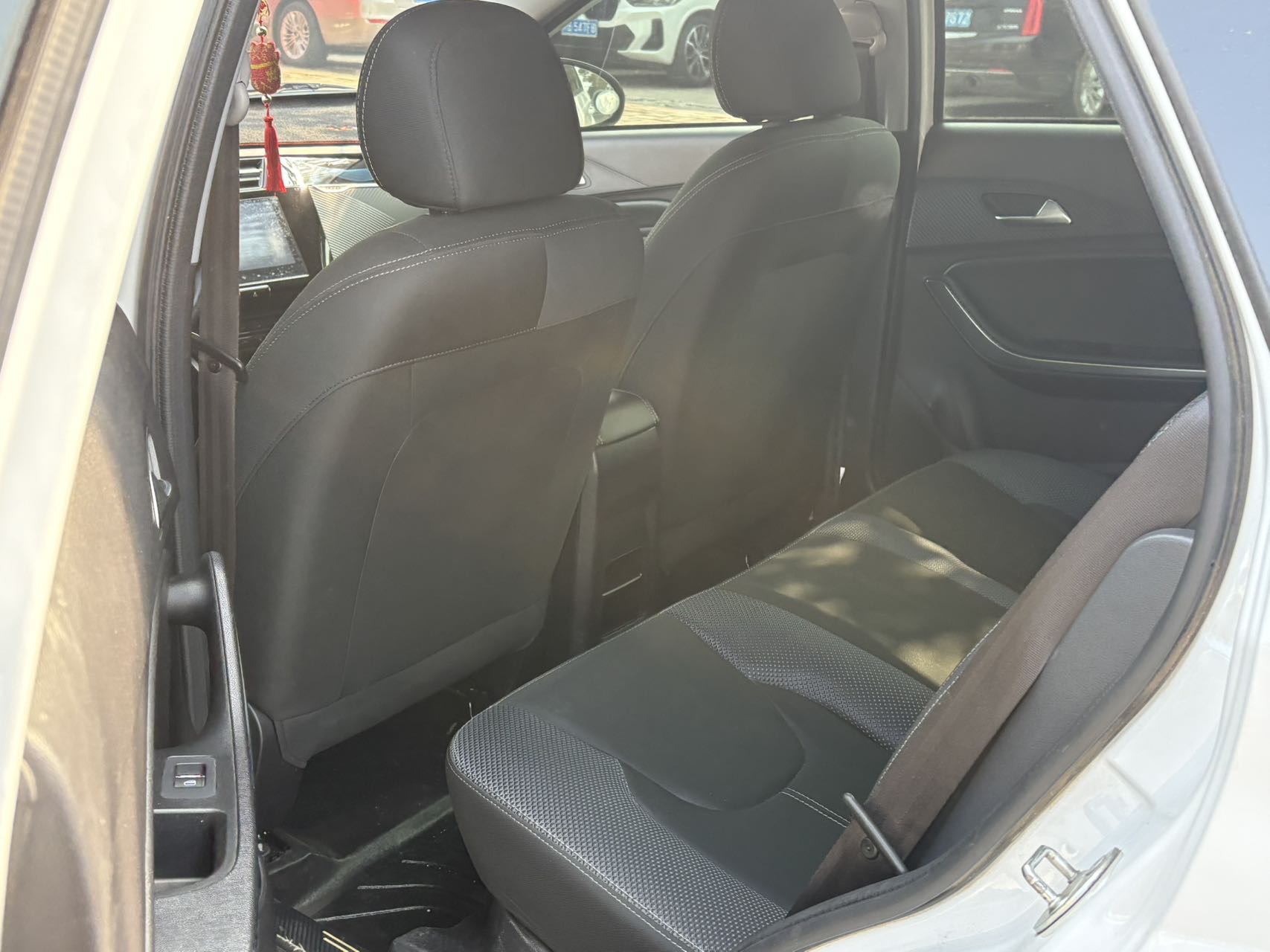
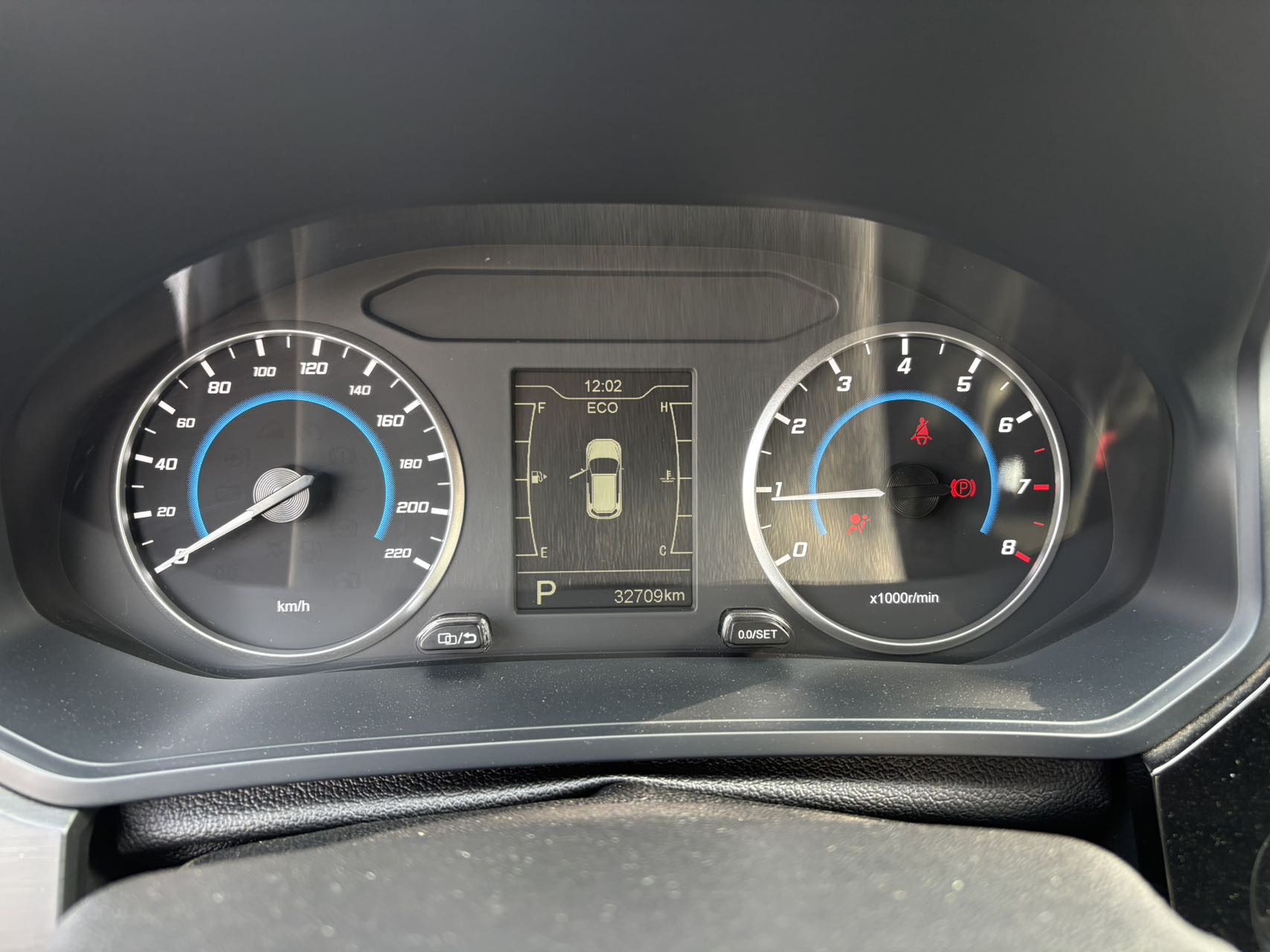
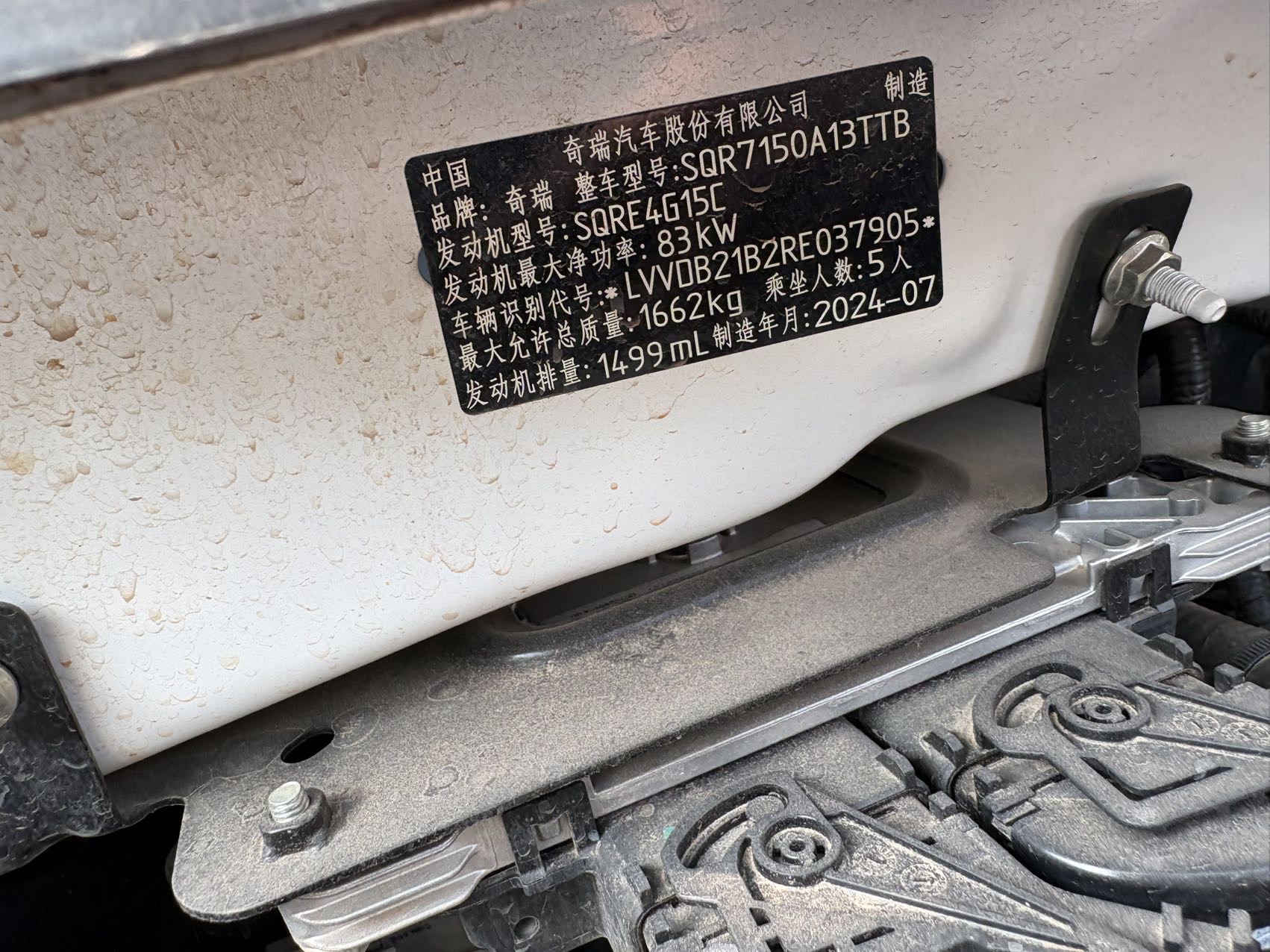



Basic Information

BrandChery
SeriesTiggo 3x
Year2024
First Registration2024/09
Mileage32,000km
Transfer Count0times
FuelGasoline
TransmissionCVT
Engine1.5L 116 L4
ColorWhite
Seats5seats

Condition Description

Original paint, excellent condition, one owner, no scratches, no repairs needed, no insurance claims.

Document Information

Inspection Expiry Date-
Warranty Expiry Date-
Insurance Expiry Date2027/09

Q&A

More

What tools and equipment does a professional pre-shipment inspection of a used car use?

A proper inspection relies on equipment, not just eyes. The inspector should use a paint thickness gauge to measure 50-60 points across body panels; original paint is typically 80-150 microns. An OBD diagnostic scanner reads stored and pending fault codes across all control units, and for EVs it also reads battery state of health and charge cycle counts. The car must go on a lift for the underbody check: frame rails, suspension components, oil leaks and accident repair marks are only visible from below. A battery tester checks starting voltage and charging system health, and a tread depth gauge documents tire condition. Ask for the report to include raw readings and dated photos rather than a simple pass/fail summary - that is what makes it verifiable.


What battery diagnostics should be included in the inspection of a used Chinese EV before it ships?

The battery pack is 30–50% of an EV's value, so its inspection should be the most detailed part of the pre-shipment check. Require these items: 1. BMS data readout: state of health (SOH), full-charge voltage, cell voltage deviation, cycle count, and fast-charging percentage. SOH above 90% is good; below 80% means a costly pack replacement is approaching. 2. Physical inspection: check the underbody for pack dents, coolant leaks from the battery cooling circuit, and corrosion on high-voltage connectors. 3. Range test: a real drive of at least 30–50 km, comparing energy consumption against the rated figure. A pack with poor cells overheats and depletes fast. 4. Charging test: verify both AC and DC charging work, and record charging speed and any error messages. Get the raw diagnostic data, not just a summary. If the inspector won't share the BMS report, assume the battery is the reason why.

How do you detect carbon buildup and wear inside the engine using technology without deep disassembly?

We use two steps: 1. Insert a medical-grade endoscope through the spark plug hole to visually inspect cylinder wall scratches and carbon buildup on the piston top; 2. Extract an engine oil sample to check for large metal debris or emulsification (caused by coolant leakage).