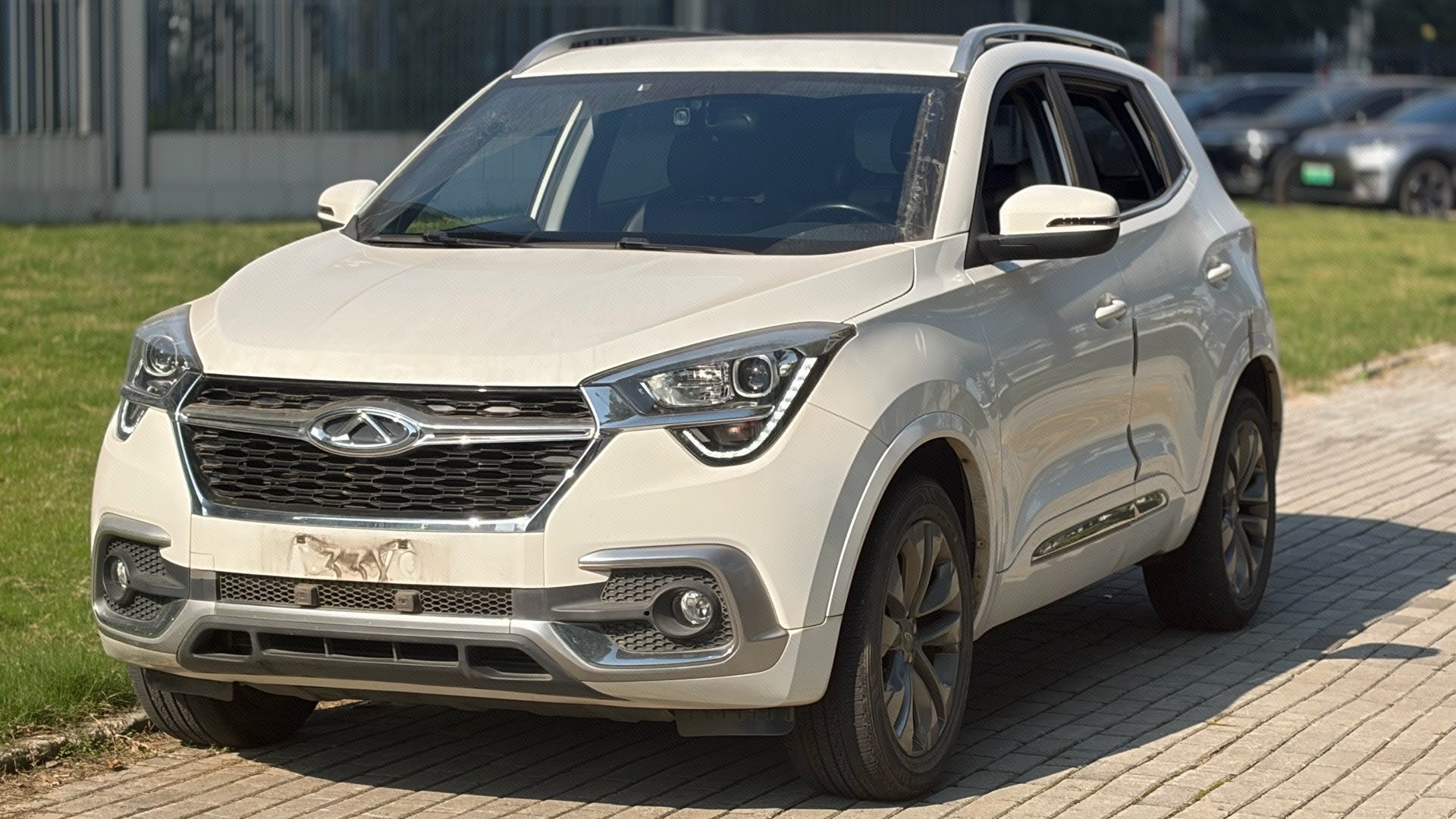
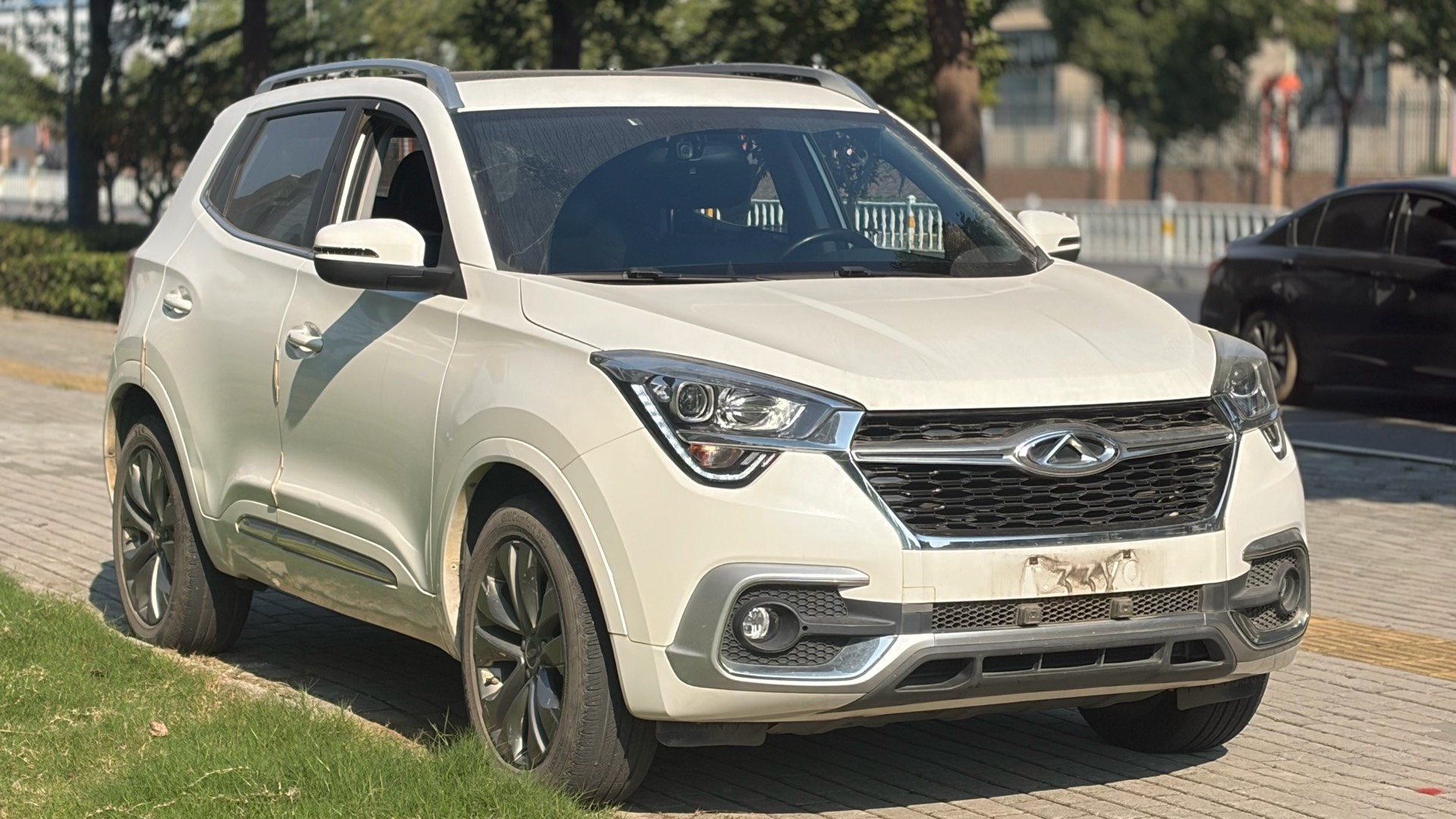

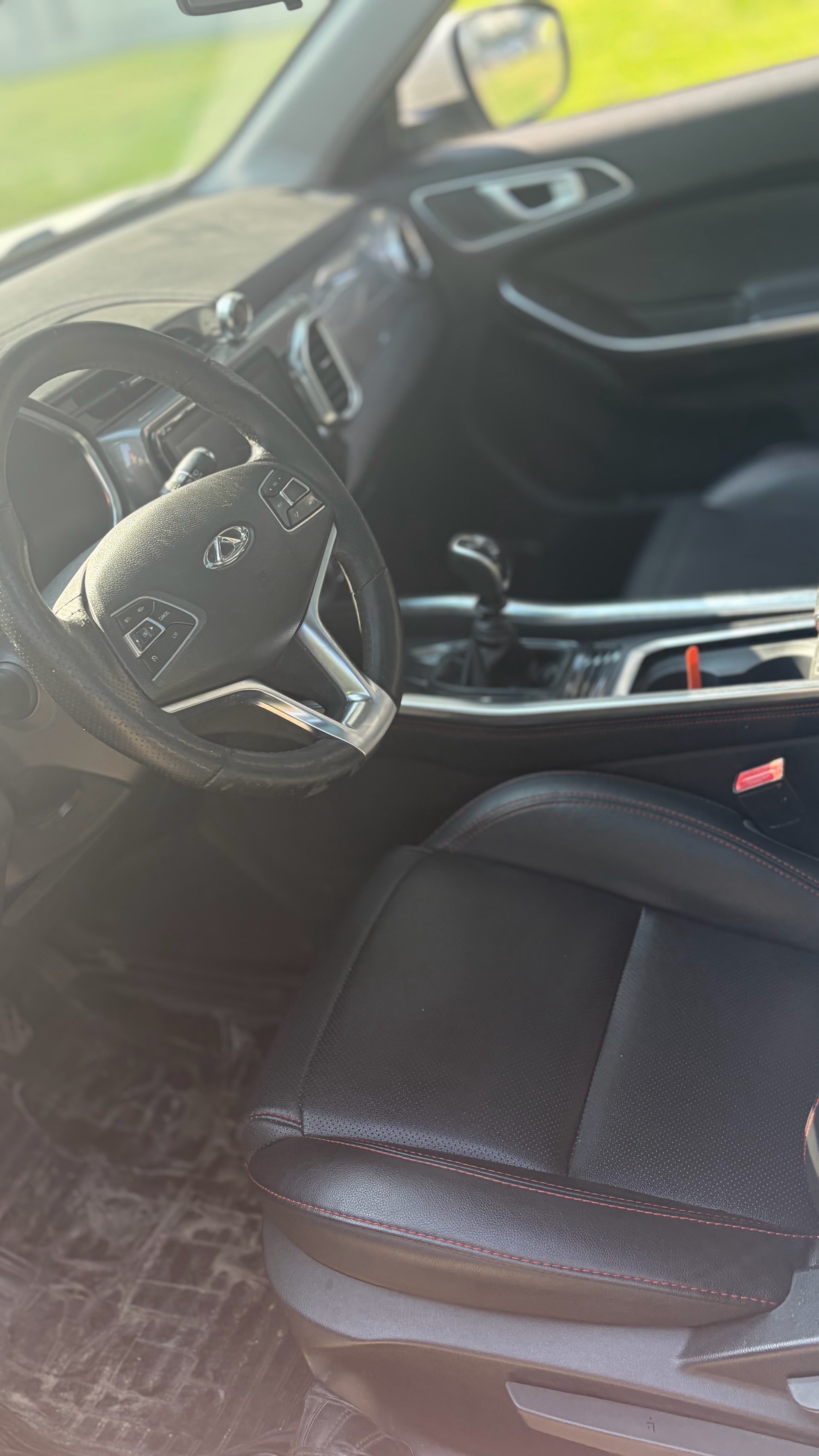
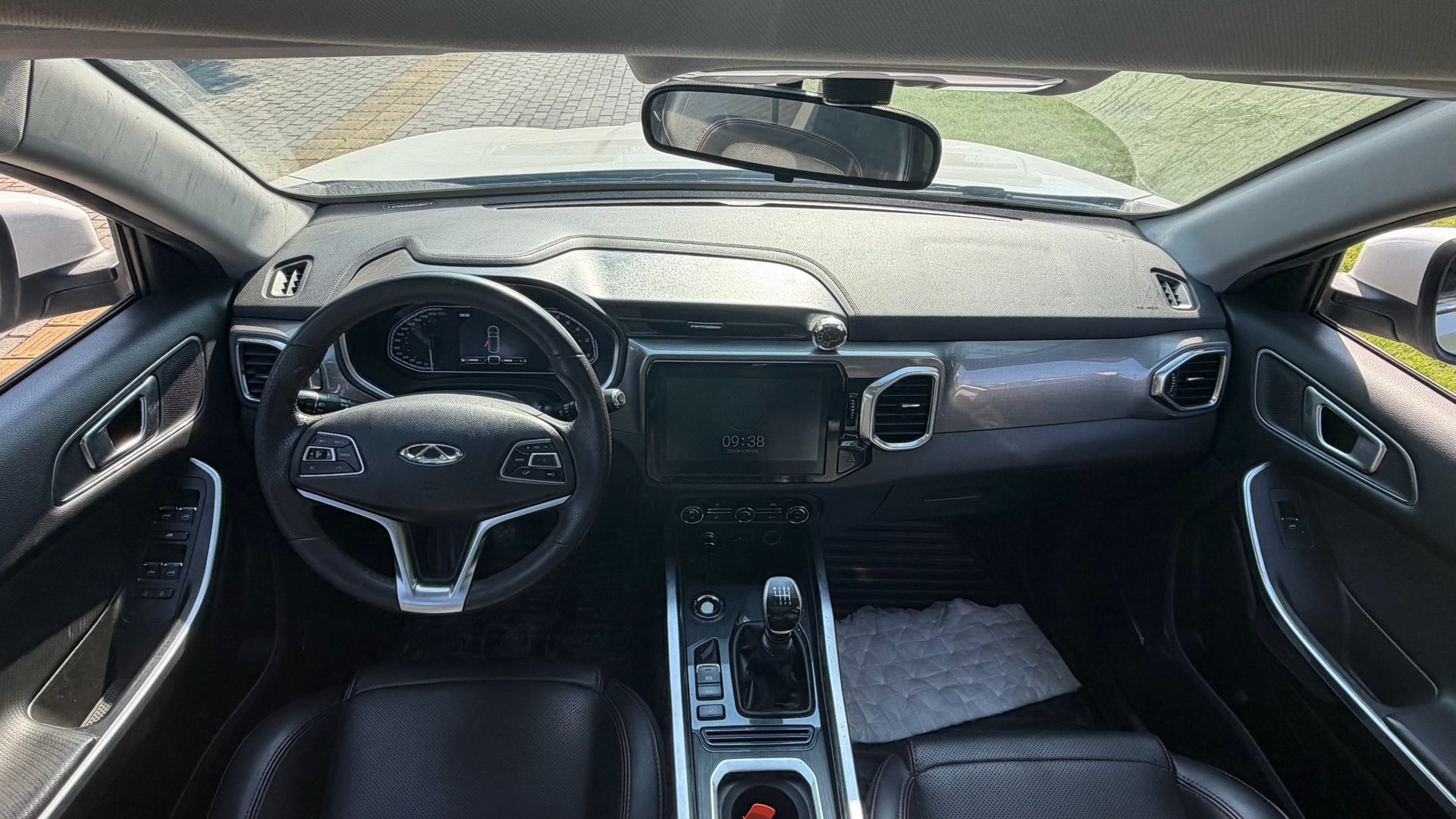
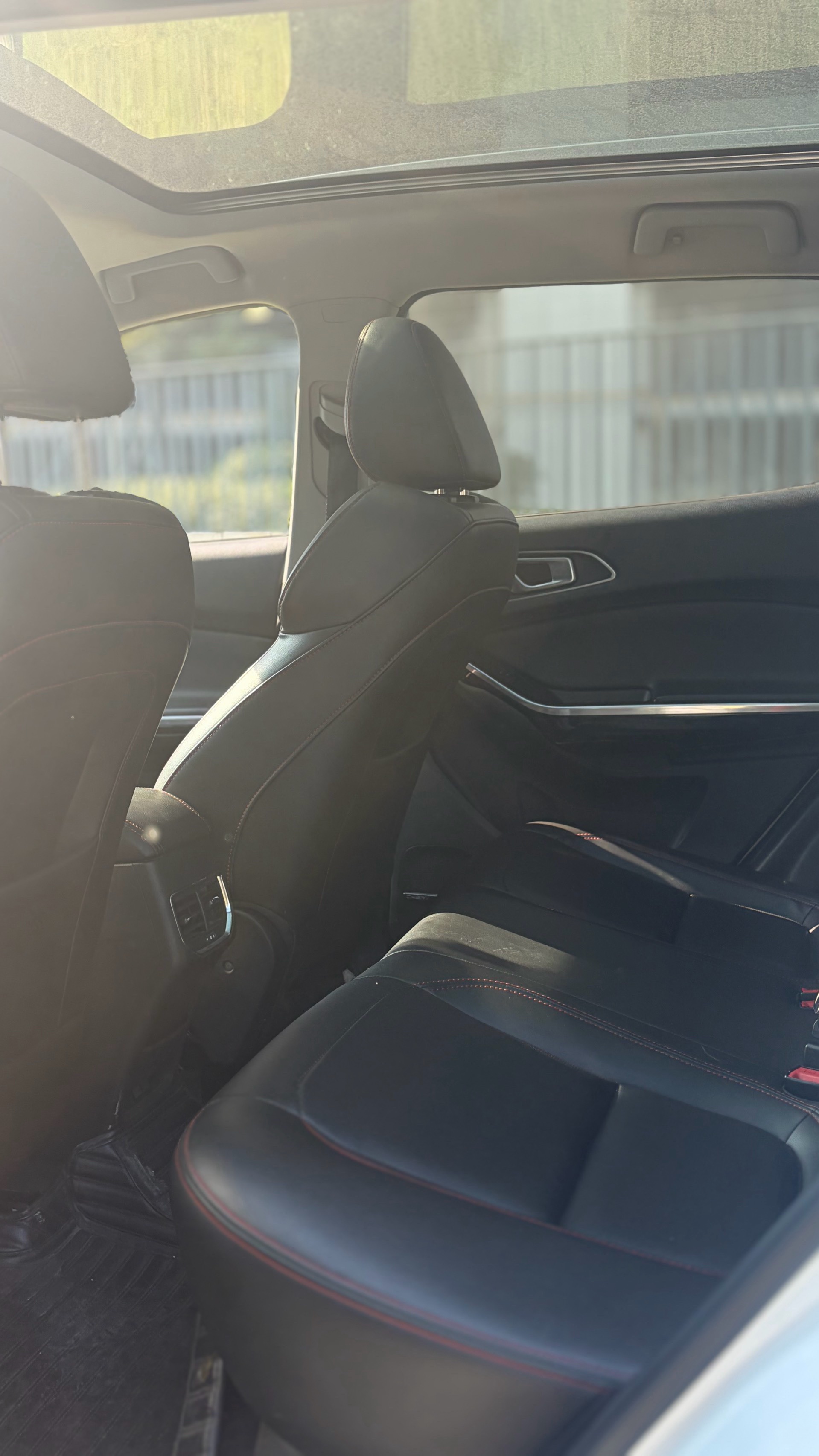
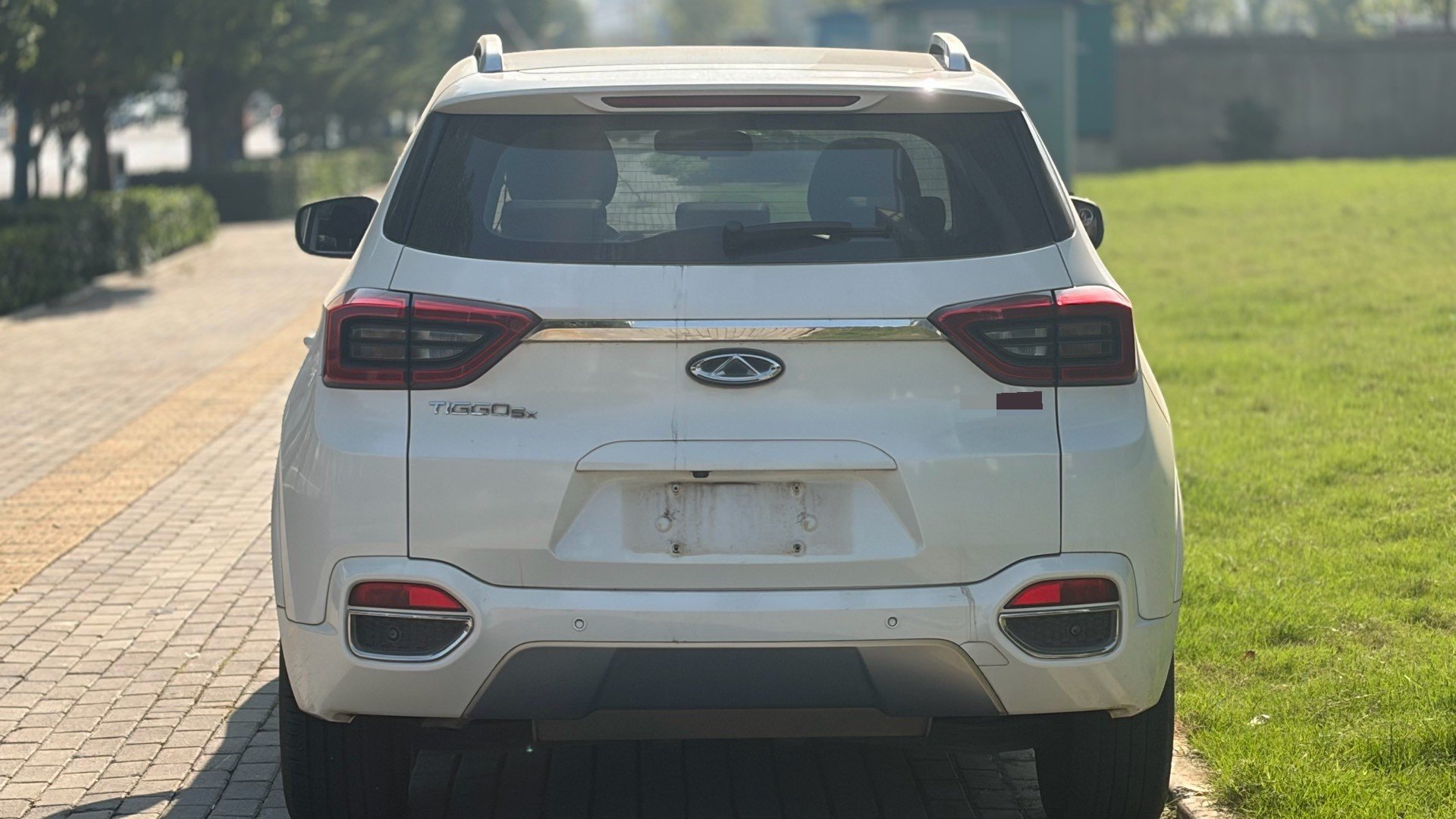
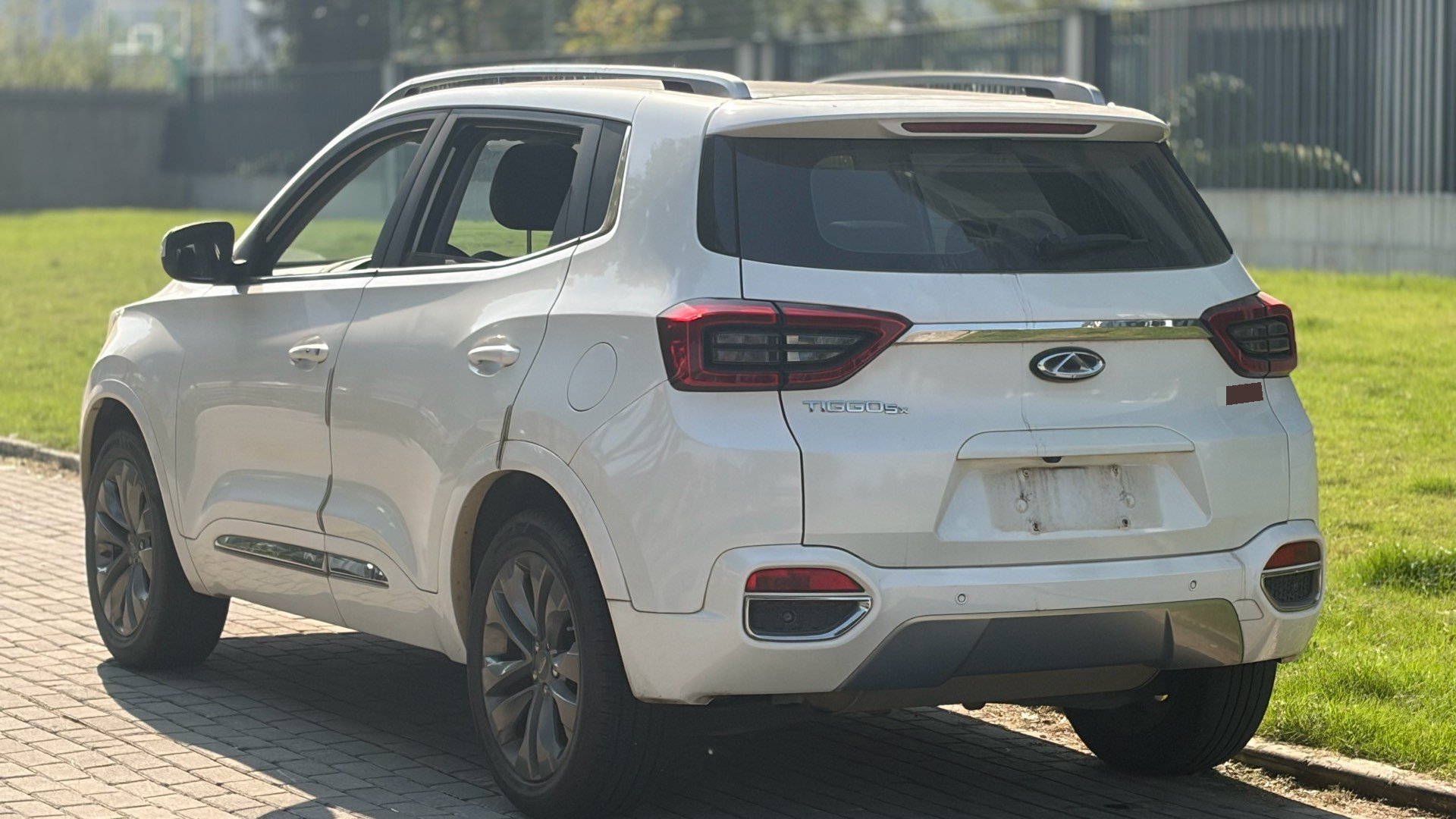
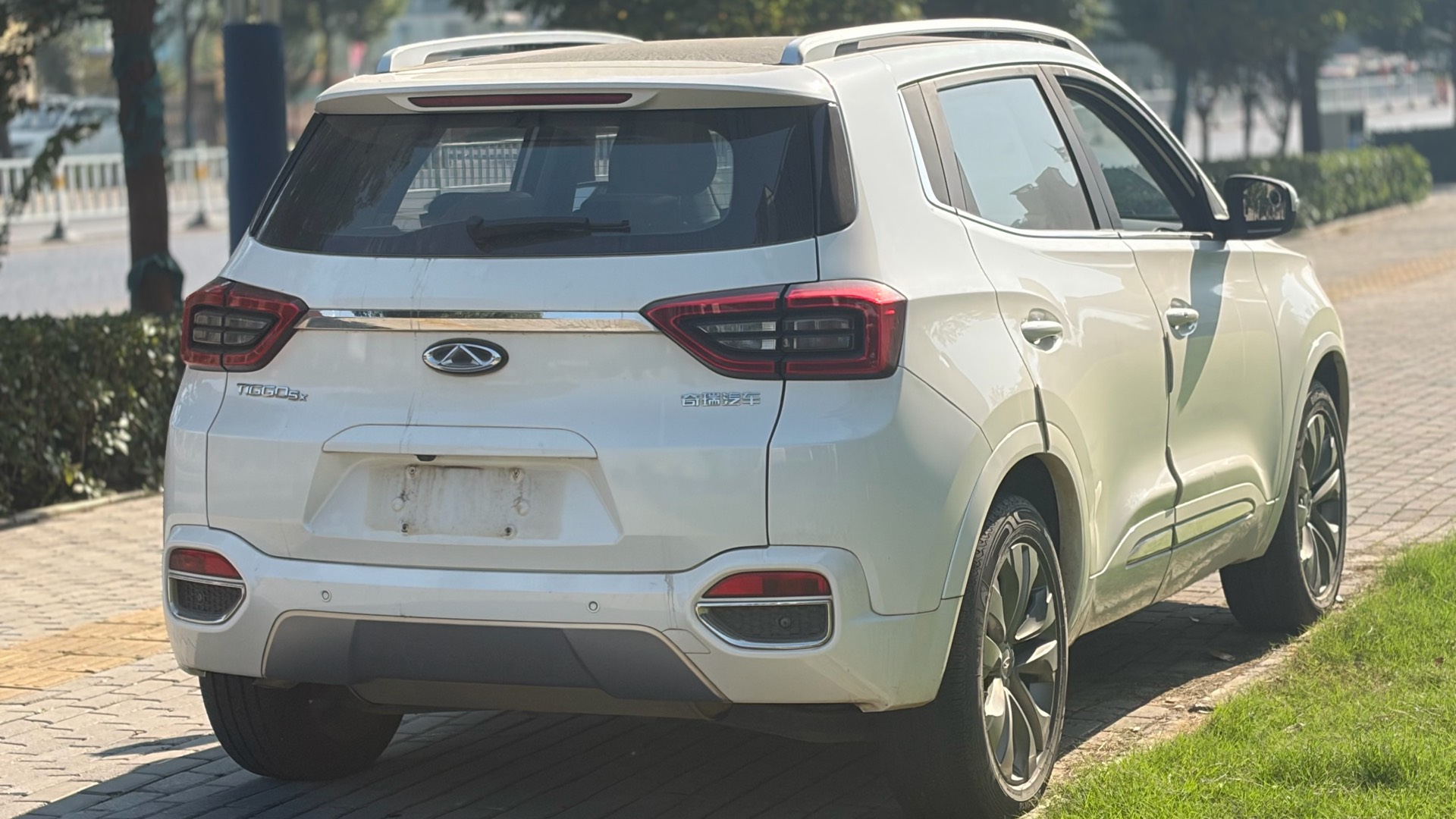



Basic Information

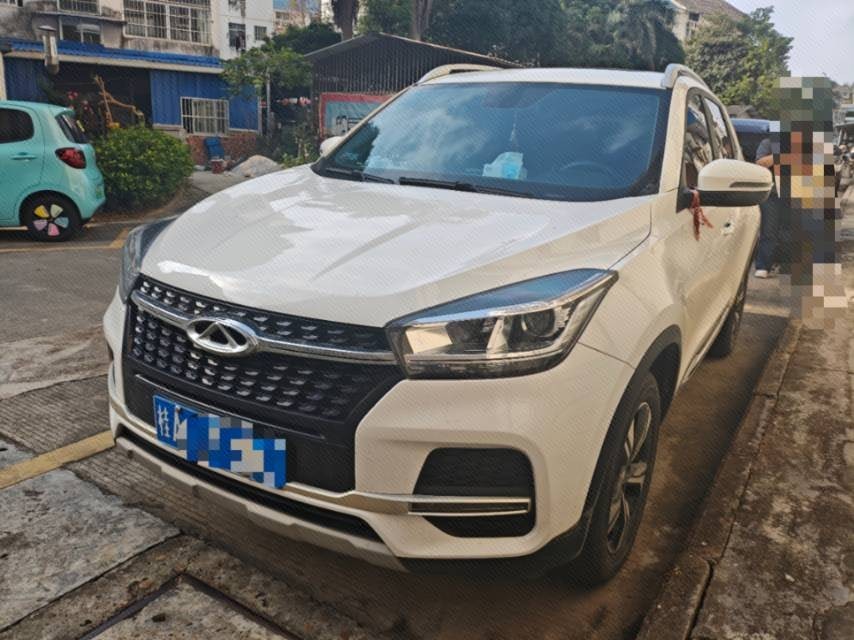
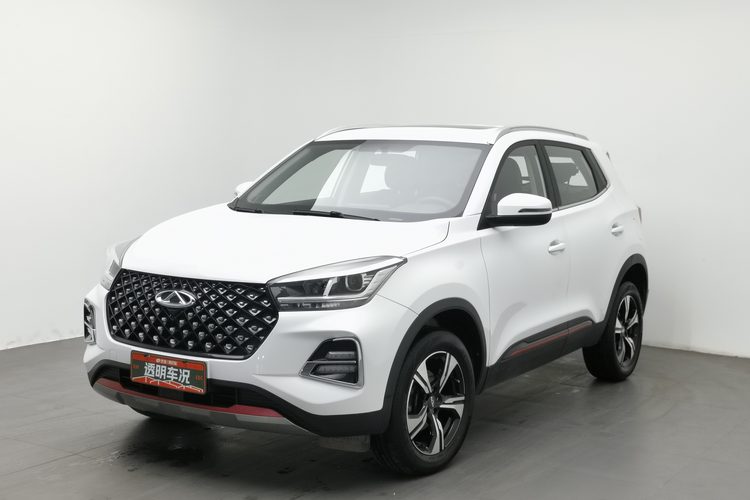
BrandChery
SeriesTiggo 5x
Year2017
First Registration2017/10
Mileage110,000km
Transfer Count0times
FuelGasoline
TransmissionManual
Engine1.5T 147 L4
ColorWhite
Seats-

Condition Description

First-hand ownership, actual odometer reading, one repainted panel.

Document Information

Inspection Expiry Date-
Warranty Expiry Date-
Insurance Expiry Date2026/10

Q&A

More

If I am not satisfied with the exclusive video inspection, can the deposit be fully refunded?

It depends on the situation. If the video inspection reveals significant mechanical faults or structural damage not disclosed in the inspection report, the deposit will be refunded 100% unconditionally; however, if the buyer defaults for subjective reasons (such as suddenly not liking the color or financial issues), the deposit will be retained as compensation for taking the vehicle off the market.


After the vehicle arrived at the port, it was found that the rubber parts of the chassis (such as dust covers and engine mounts) had extensive cracking. Does this fall under the compensation for "certain repair parts compensation"?

Absolutely not. The aging and cracking of rubber parts are inevitable over time and are a normal manifestation of vehicle depreciation. Our compensation only covers sudden and catastrophic mechanical failures, such as engine cylinder scoring or transmission gear breakage.

What charging adapters or equipment will I need to charge a used Chinese EV in my country?

Chinese EVs ship with GB/T charging ports, which are not used in Europe (Type 2/CCS2), North America (J1772/CCS1/NACS), or most of Latin America. Plan for these extras: 1. GB/T to local standard adapter or converter box: this lets you charge at public stations. A simple passive adapter works for AC charging; DC fast charging needs an active converter, which is expensive — many owners skip it and rely on AC. 2. Portable charger swap: the included travel charger has a GB/T plug. Buy a local wallbox or a portable EVSE with your country's plug instead. 3. Home electrical check: confirm your home circuit can handle 7–11 kW, and have an electrician install a dedicated line if needed. Ask the exporter for the car's charging port photos and on-board charger capacity before buying. Budget roughly a few hundred dollars for adapters and a wallbox. Without planning, you may end up with a car that can only trickle-charge from a wall socket.