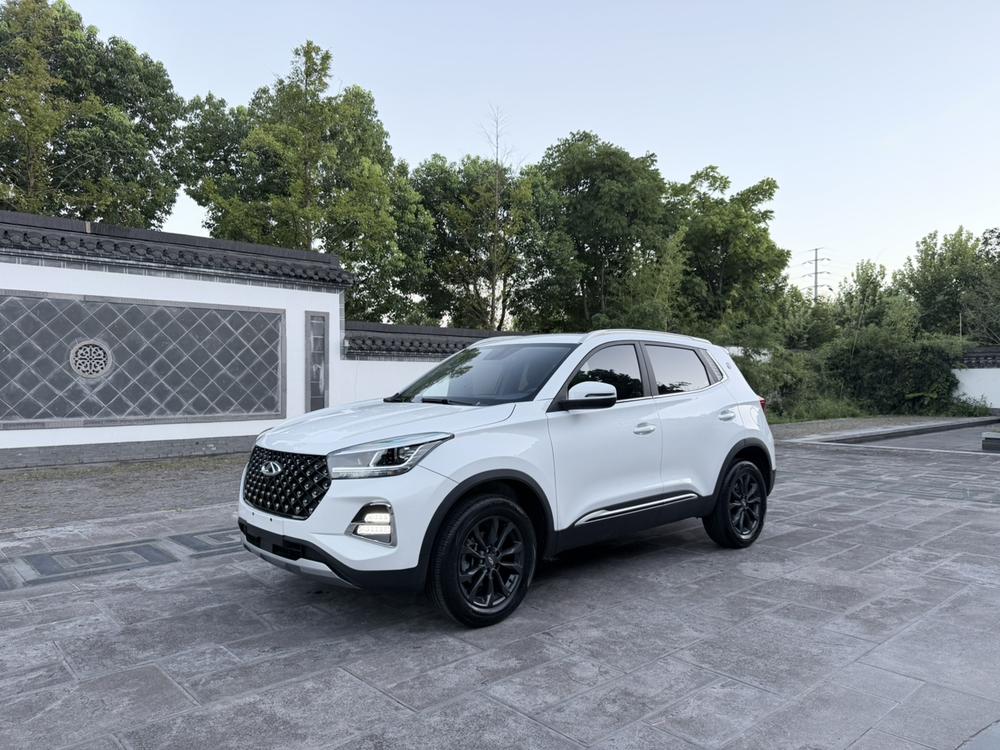
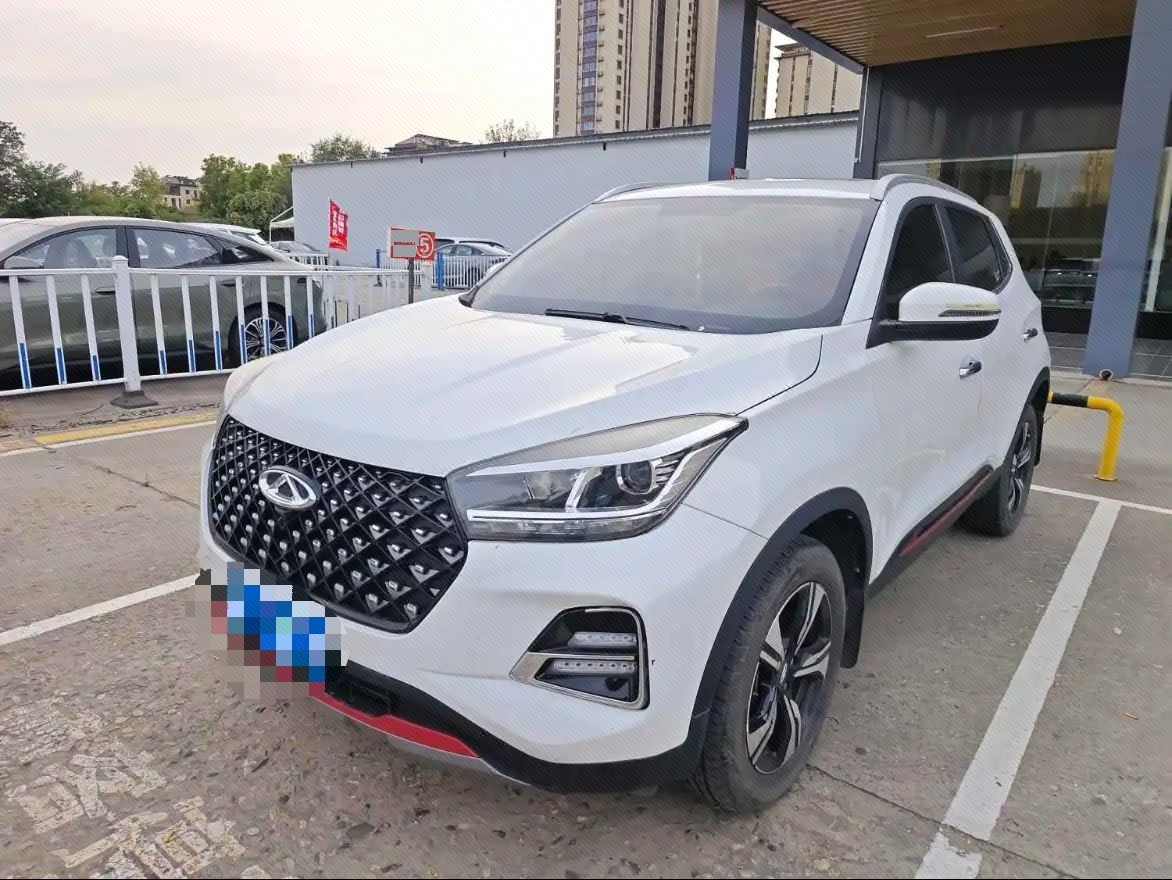
48H

Basic Information

BrandChery
SeriesTiggo 5x
Year2026
First Registration2026/01
Mileage1,500km
Transfer Count0times
FuelGasoline
TransmissionCVT
Engine1.5T 156 L4
Color
Seats5seats

Condition Description

Excellent basic condition | 0 insurance claims | 0 transfers

Q&A

More

Can the used cars you export meet the SASO certification or GSO standards required by the Middle Eastern market?

It must be stated objectively: used cars in China are produced according to national standards (GB) and have not been originally certified by Saudi SASO or GSO of Gulf countries. Buyers must find a local agent with customs clearance capabilities to complete the clearance through exemption documents or compliant modifications after arrival (such as wrapping or adding specific alarms).
Will you investigate if the previous owner had any records of illegal street racing or dangerous driving during their ownership?

This involves personal privacy, and we have no right or ability to retrieve personal driving violation records from the traffic police system. We can only infer if there was aggressive driving by checking if the engine has been reprogrammed with a higher-level ECU (stage 1/2) or if the transmission has a history of severe overheating.

How are import duties on used cars from China calculated, and which HS code applies?

Used cars are classified under HS heading 8703 (motor vehicles for transport of persons), with the last four digits determined by engine type and size. Gasoline cars usually fall in 8703.21–8703.80 depending on displacement; pure EVs fall under 8703.80; hybrids have their own subheadings. The duty amount depends on your country's tariff schedule: 1. Most countries charge duty on the CIF value (car price + freight + insurance), not the FOB price. 2. Many developing markets levy higher duties on used vehicles than new ones, and some add a surcharge based on age — older cars can cost significantly more to clear. 3. After duty, you typically pay VAT/GST on the CIF + duty total, plus port and customs fees. Practical tips: ask your exporter to state the exact HS code on the commercial invoice and confirm it with a local customs broker before shipping. A wrong code can trigger reclassification, penalties, or delays. Also budget for any excise tax tied to engine capacity — in several markets a 2.5L car clears far cheaper than a 3.5L one.