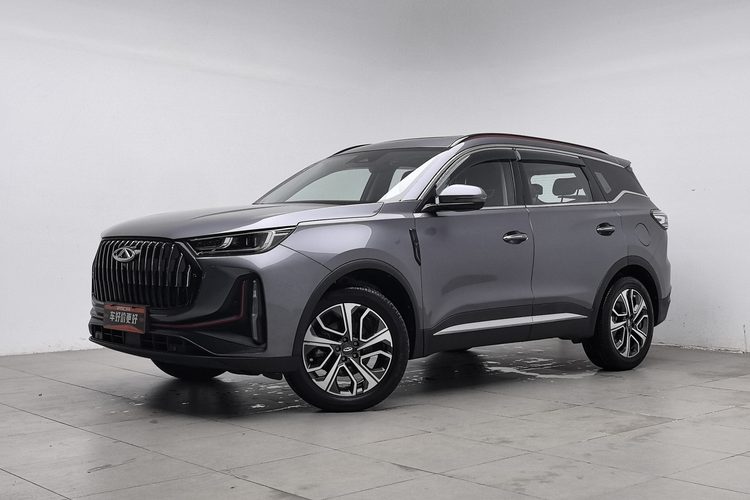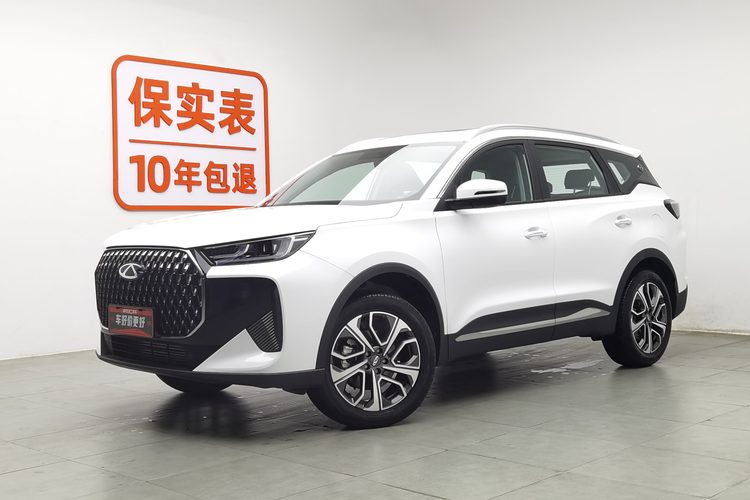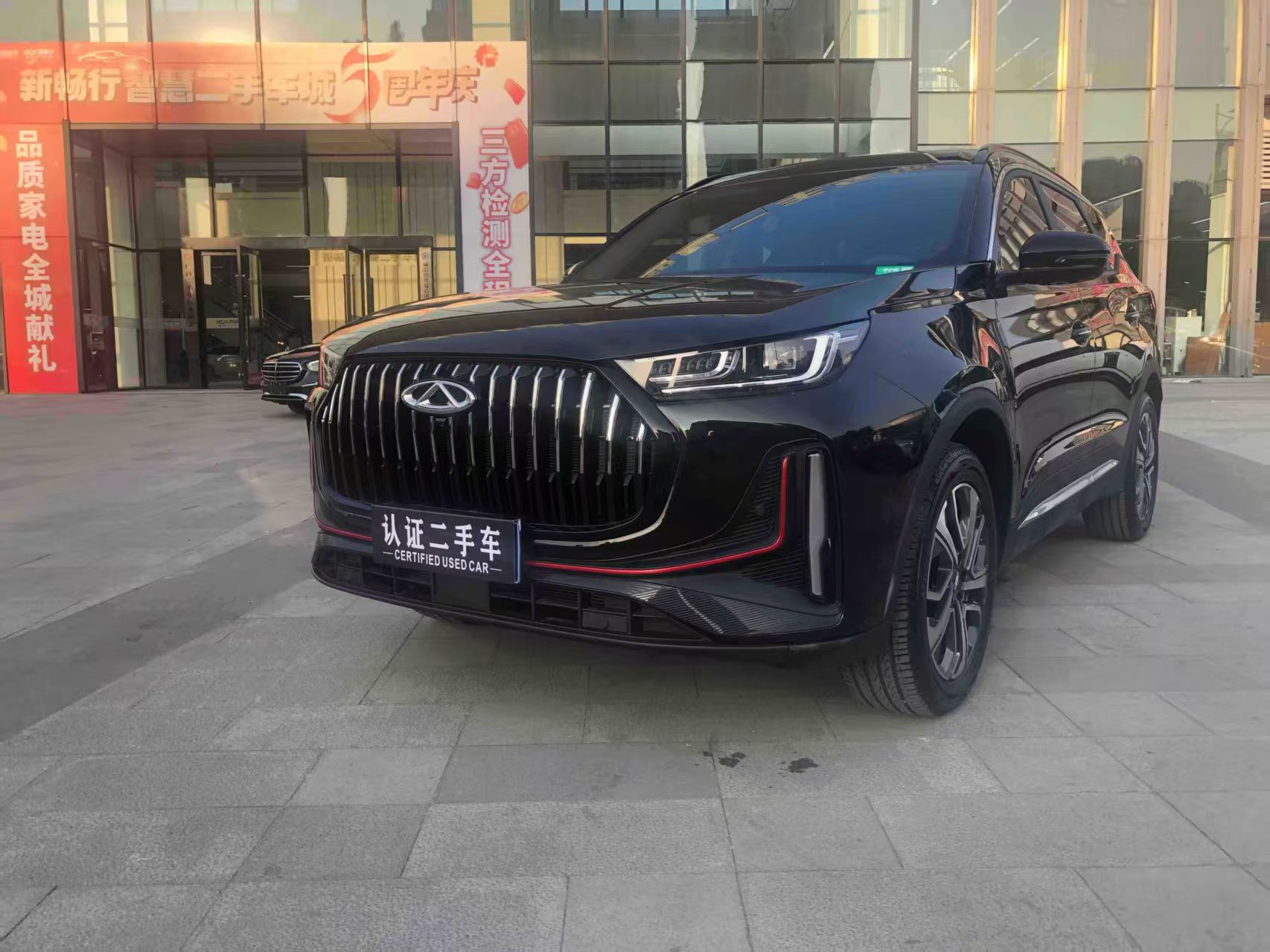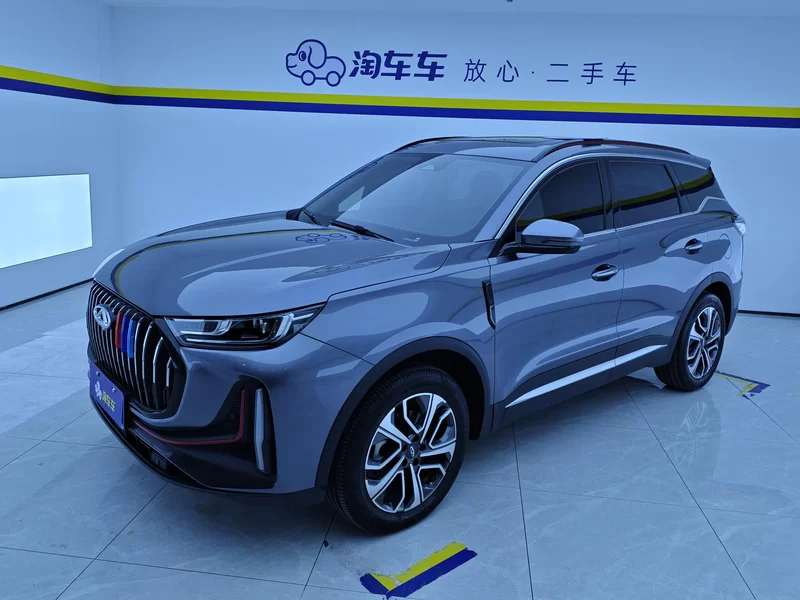
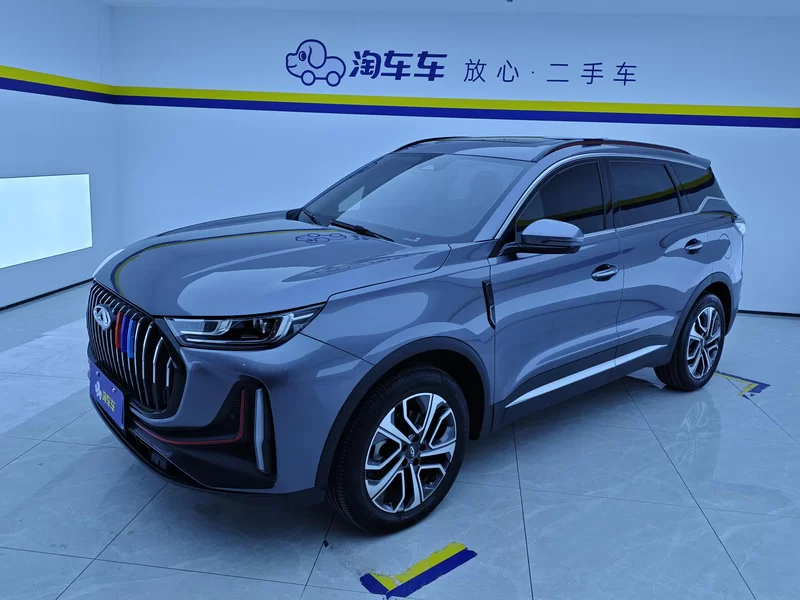
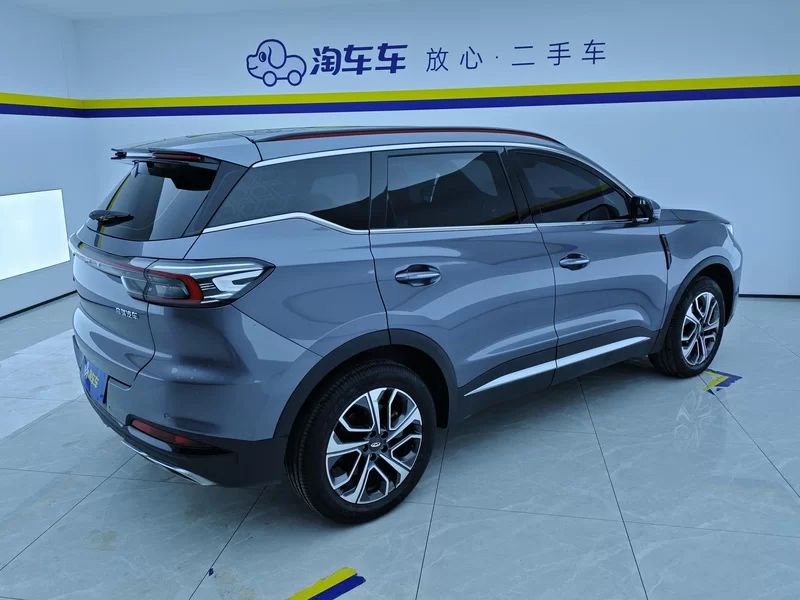
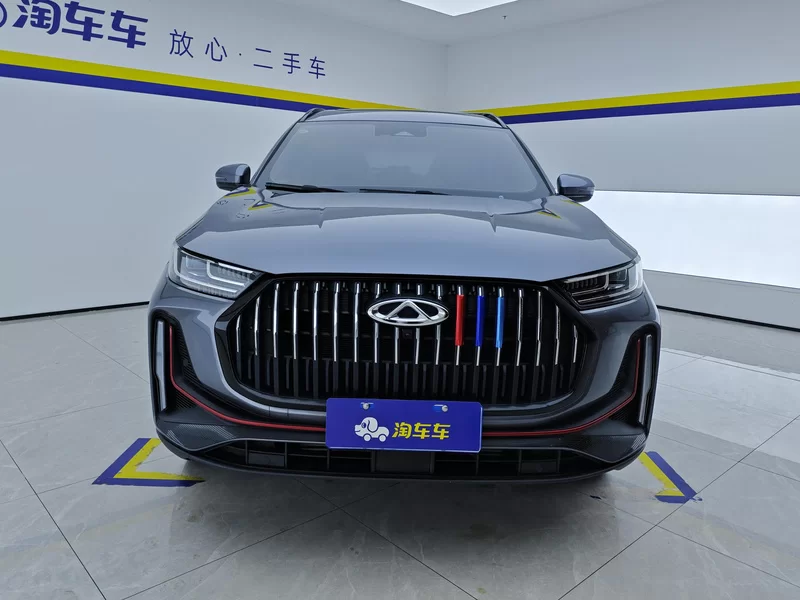
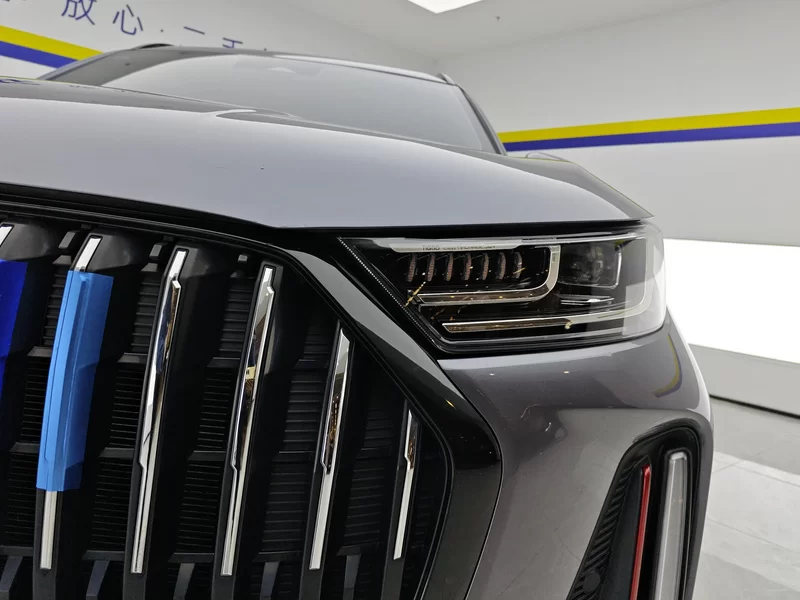
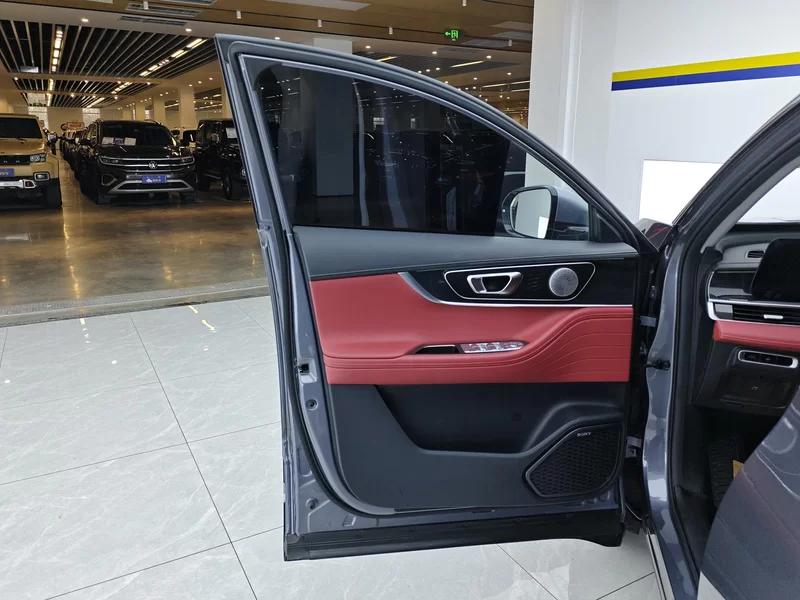
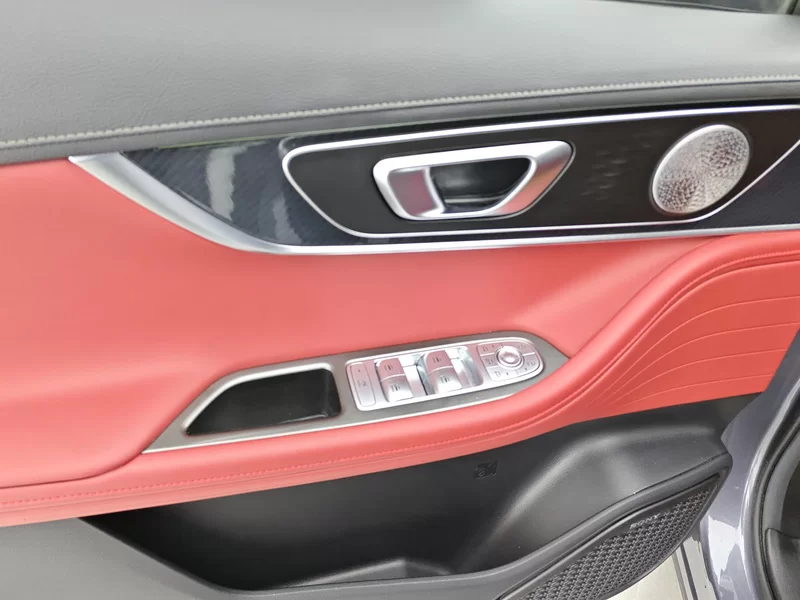
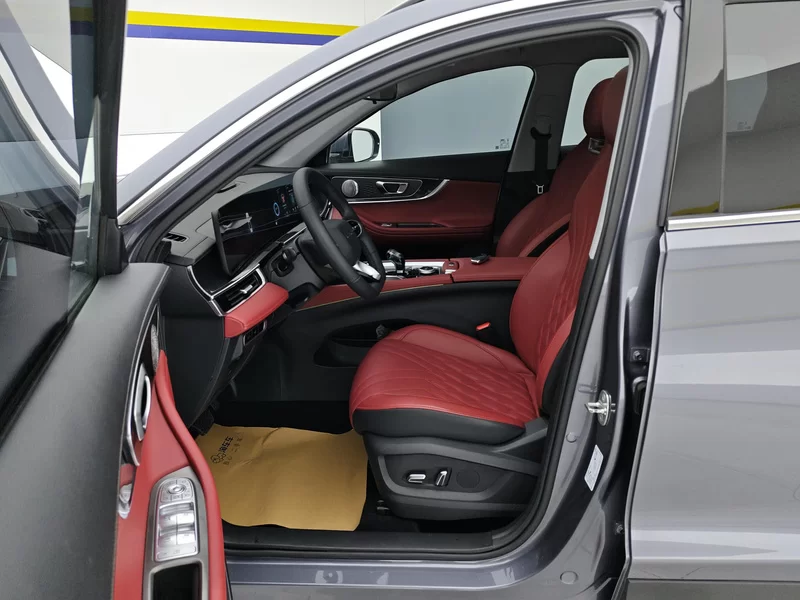
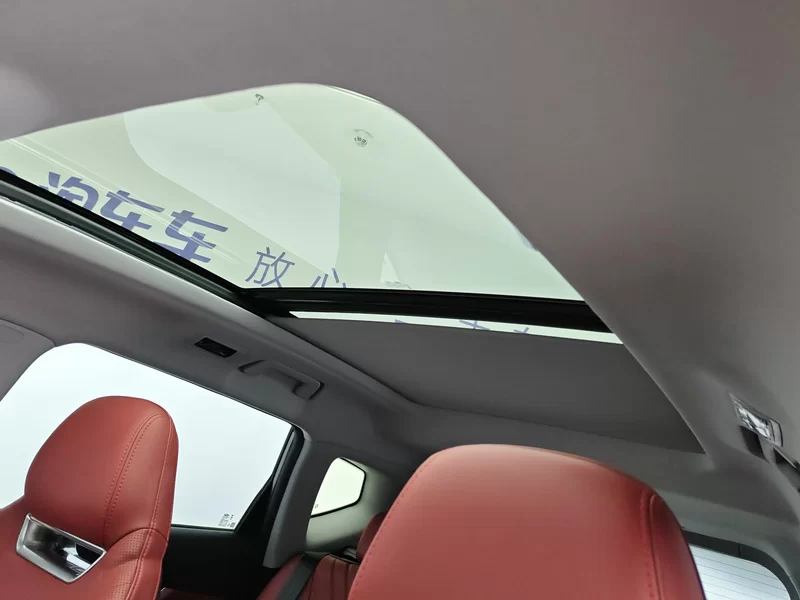
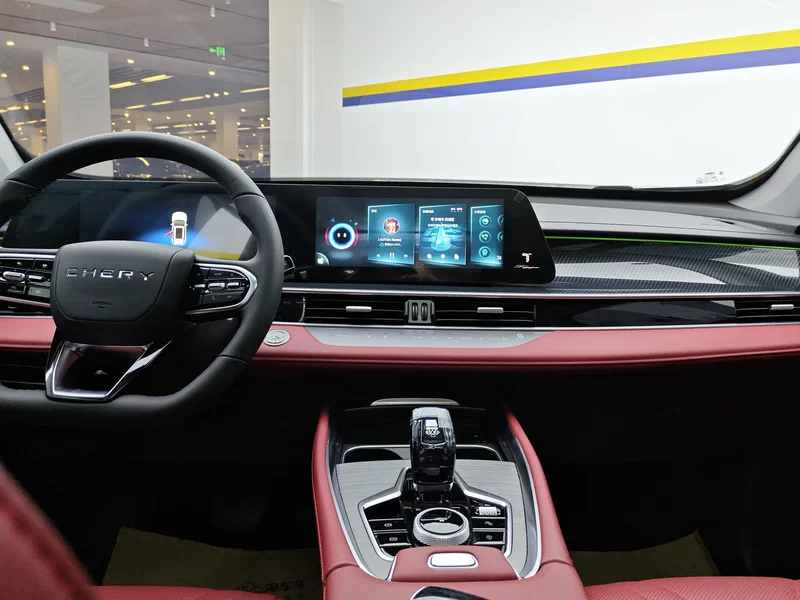
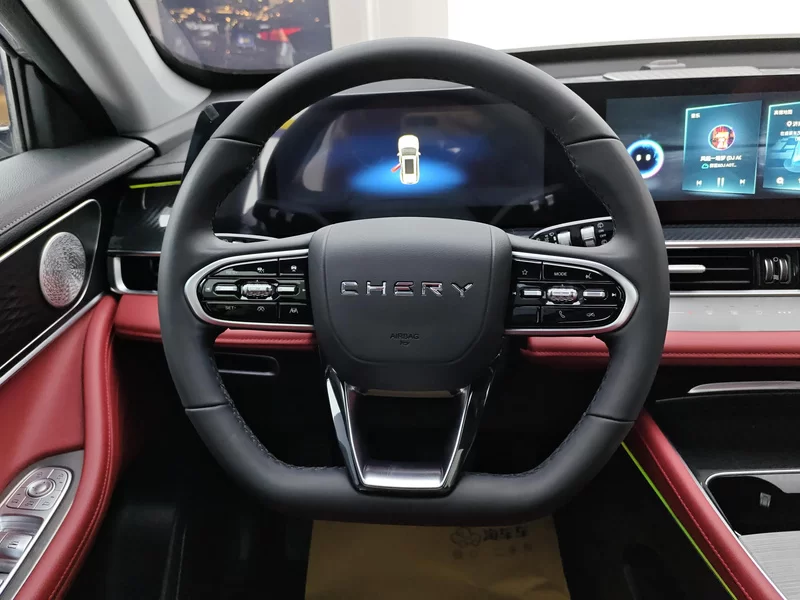
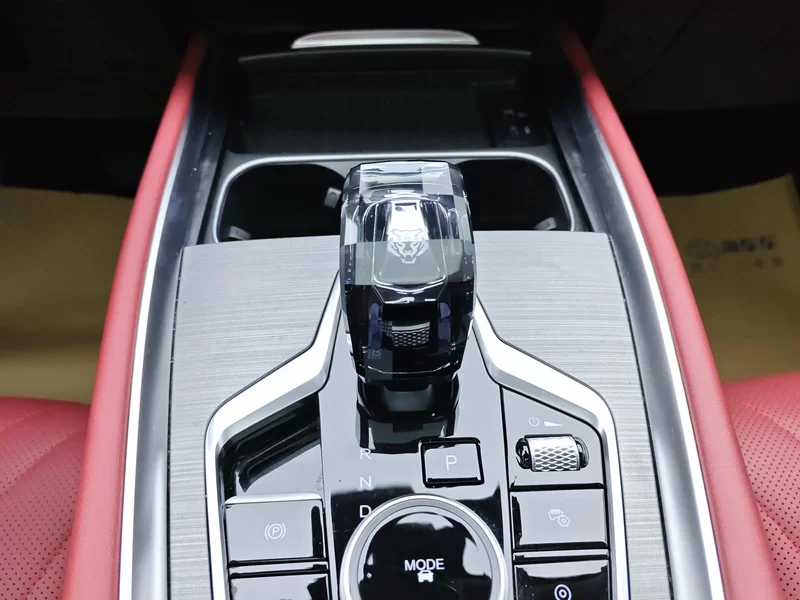
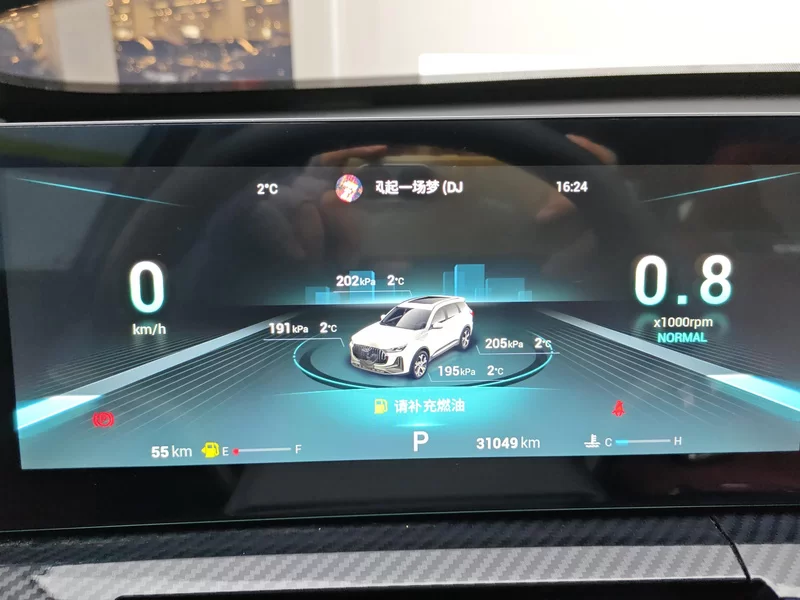
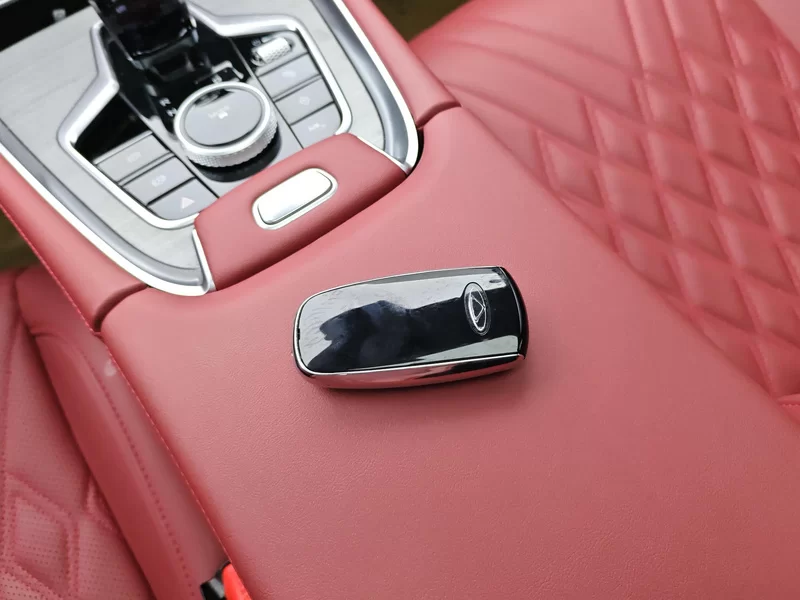



Basic Information

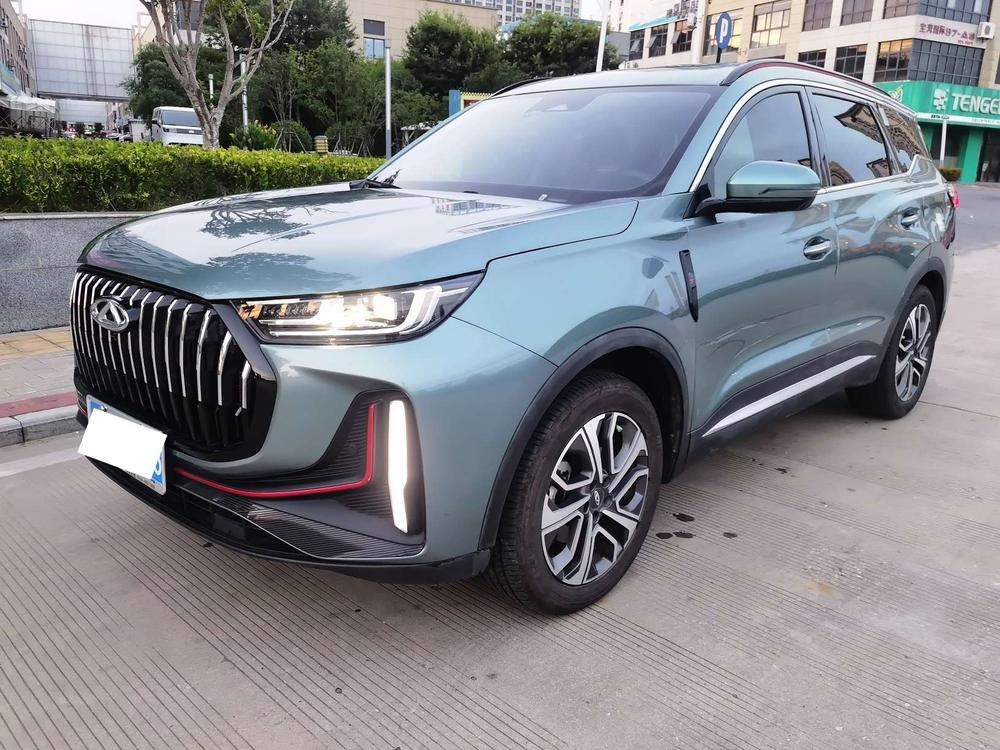
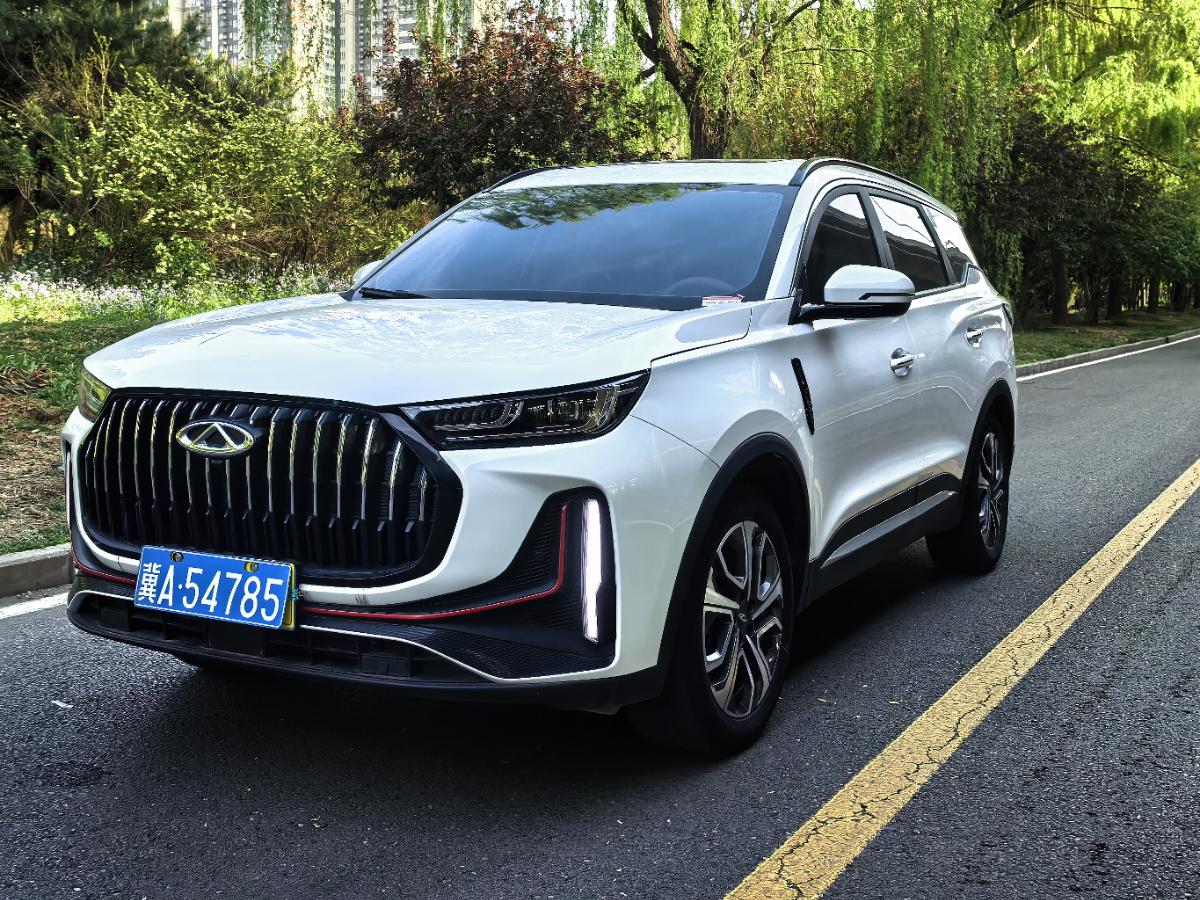
BrandChery
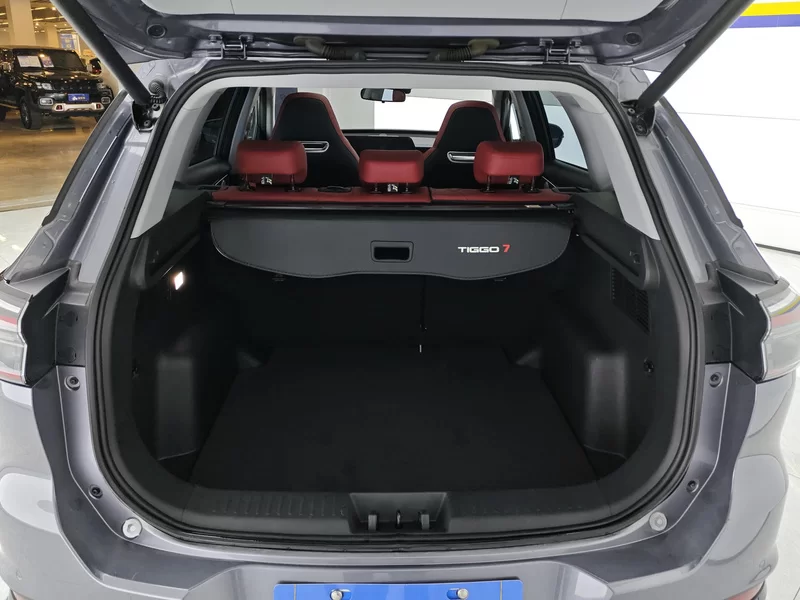
SeriesTiggo 7 Plus
Year2023
First Registration2023/07
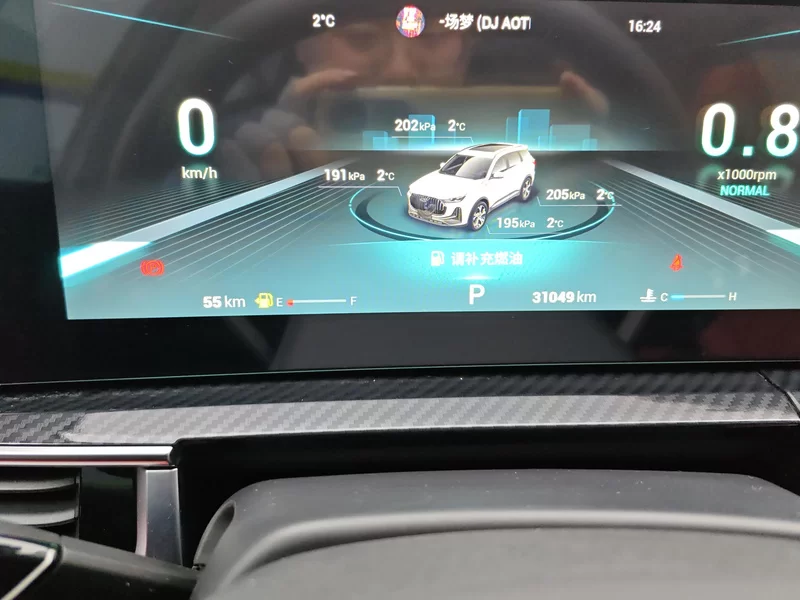
Mileage31,000km
Transfer Count-
FuelGasoline
TransmissionDCT
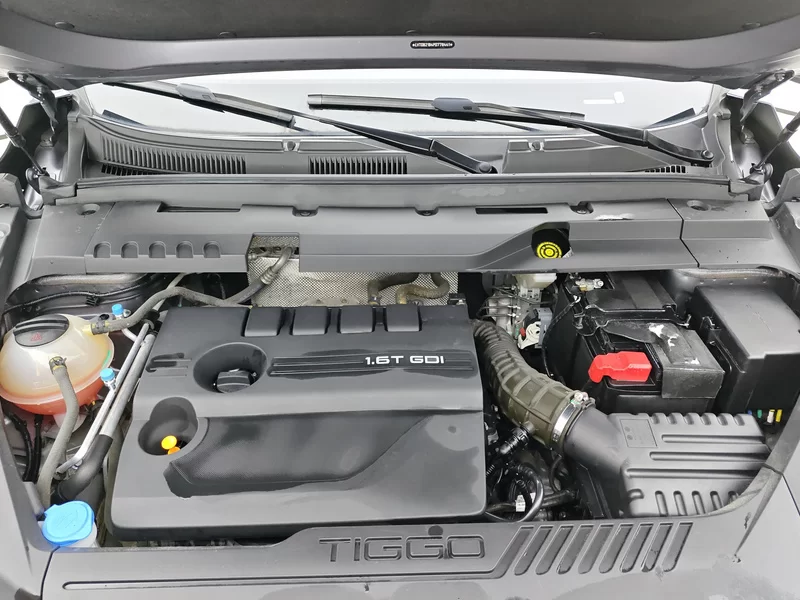
Engine1.6T 197 L4
Color
Seats-

Condition Description

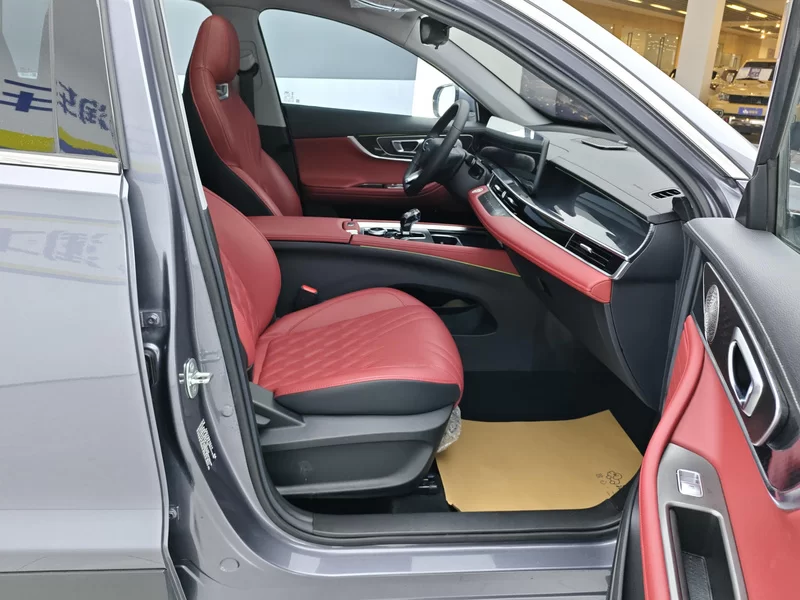
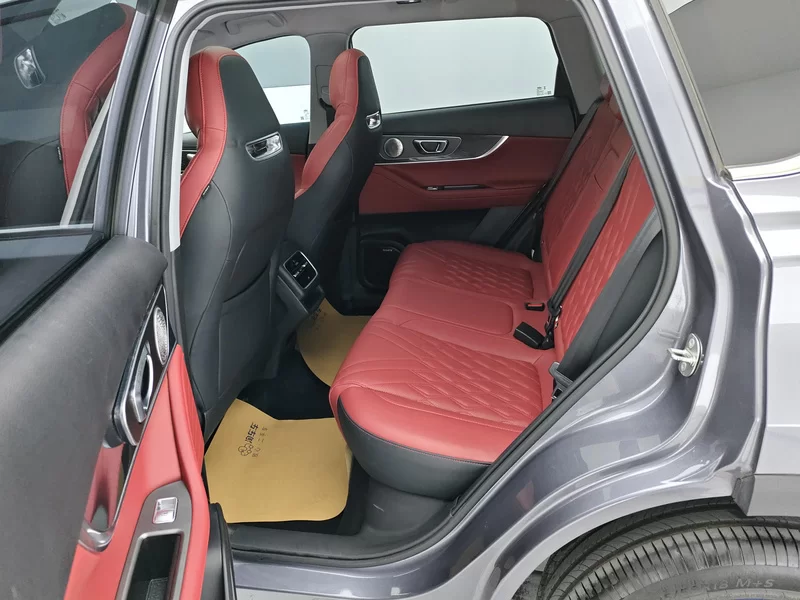
85 new

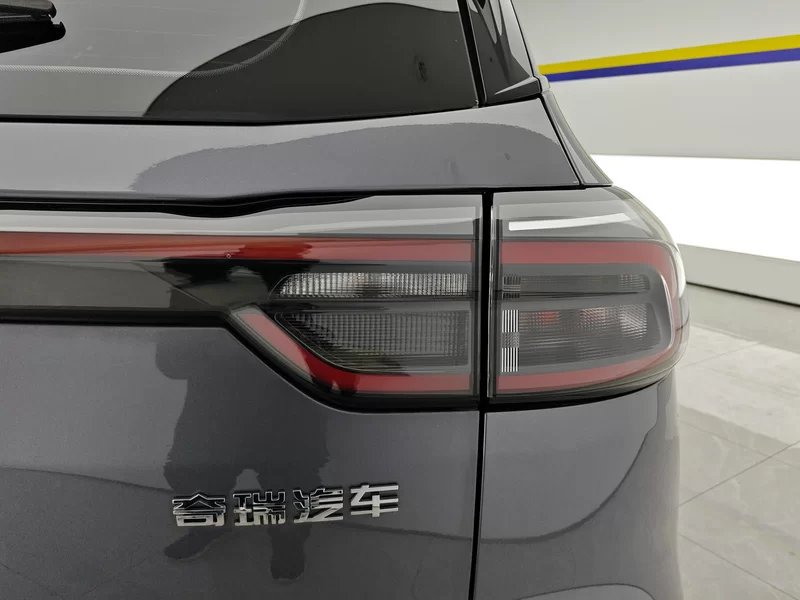
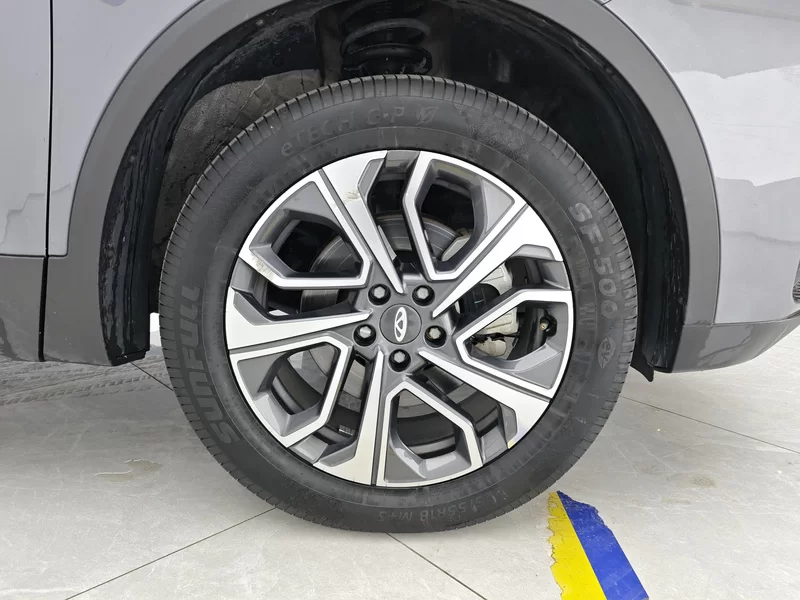
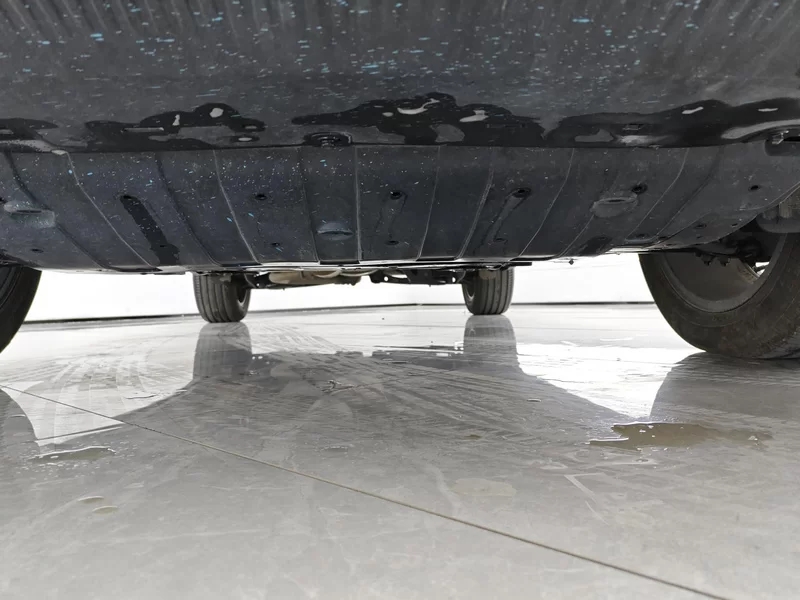
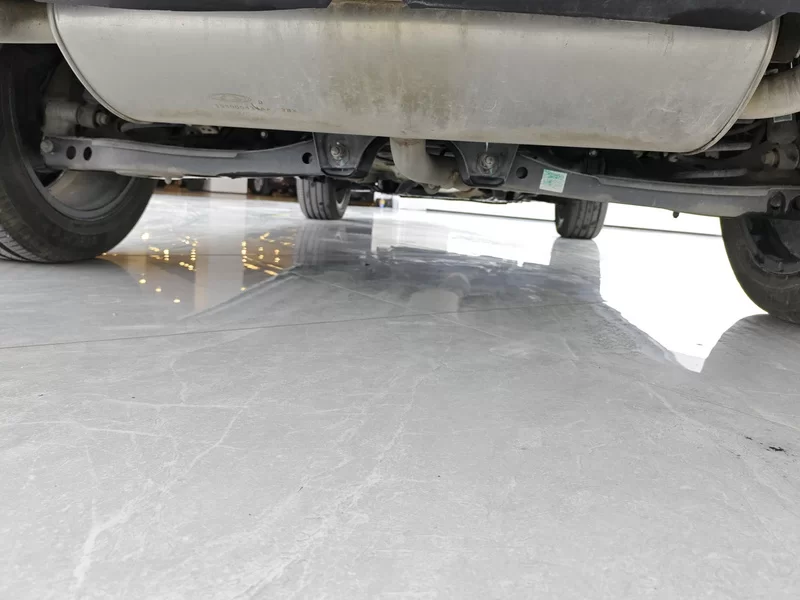
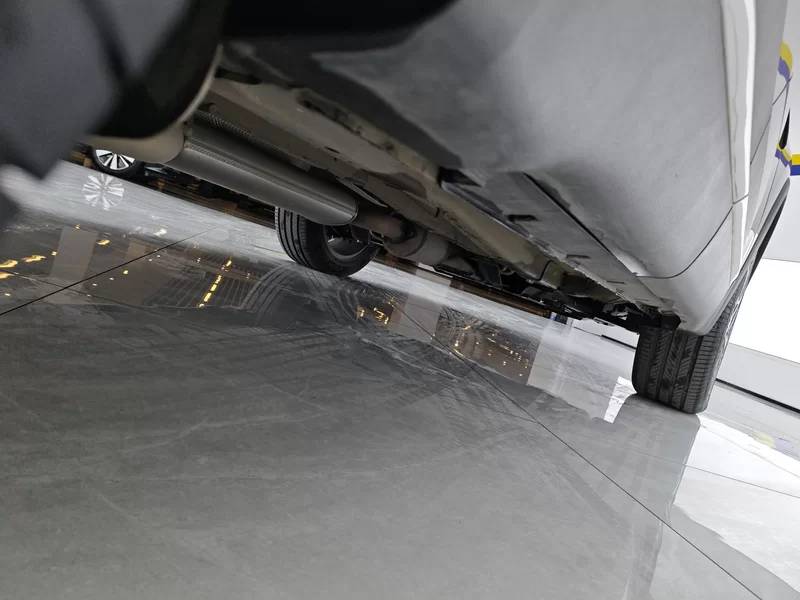
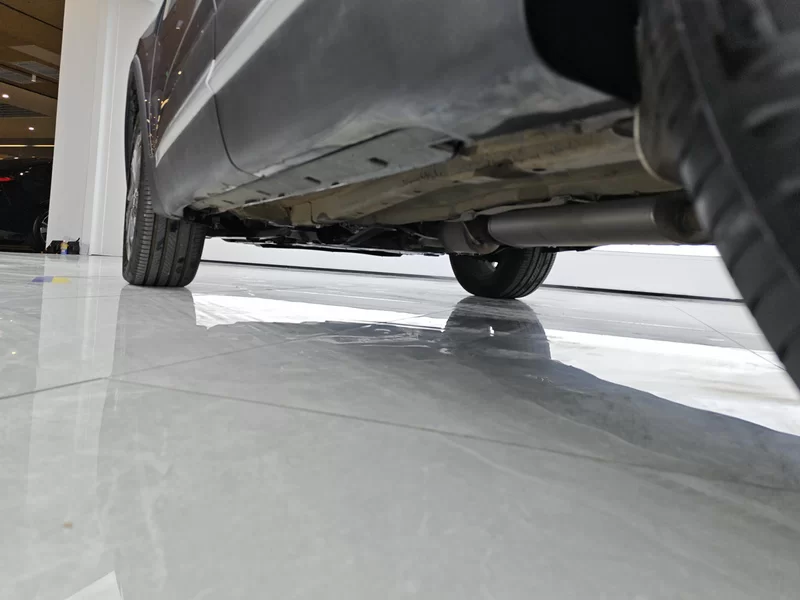
Inspection revealed that the vehicle has been ruled out as a major accident vehicle, a flood-damaged vehicle, or a fire-damaged vehicle. The exterior has minor scratches and damage, the interior is clean with normal wear, the frame is undamaged, the engine shows normal wear, the transmission shifts smoothly, and all electrical fluid levels are normal.

Taoche Direct Sales

Configuration Highlights

✓Panoramic Sunroof
✓Power Seats
✓Keyless Start
✓Engine Start-Stop
✓Auto Hold
✓Backup Camera
✓Rear Parking Sensors
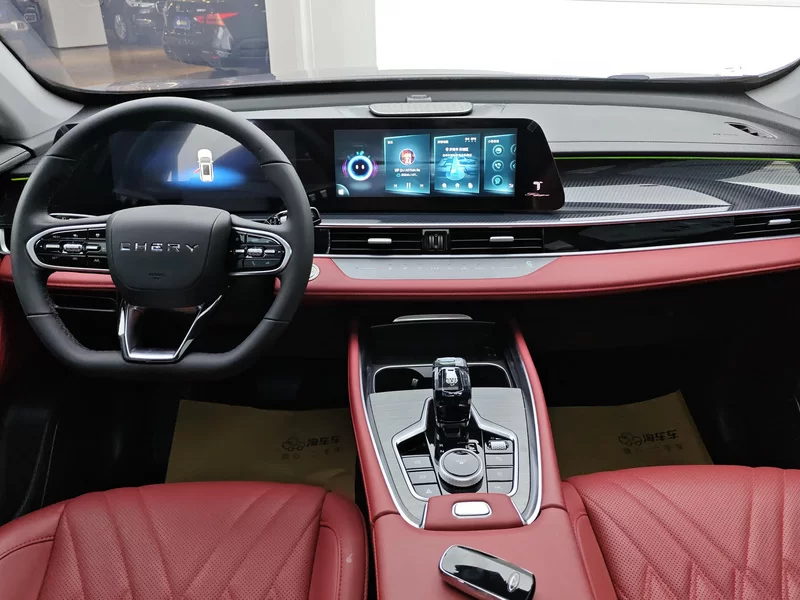
✓Digital Instrument Cluster
✓Power Mirrors
✓Heated Mirrors

Q&A

More

Will protective measures against rain or sun be taken for vehicles parked outdoors while waiting to be loaded at the port?

The storage area at the roll-on/roll-off terminal is entirely outdoors, which is standard practice at ports worldwide. During the few days vehicles wait to be loaded, they will inevitably be exposed to sun and rain and accumulate dust. We will not provide custom car covers as this would significantly hinder the efficiency of dock workers moving vehicles.
How to assess wind noise and aging of sealing strips for coupe models with frameless doors at high speeds?

The lifespan of rubber sealing strips for frameless doors is usually only 4-5 years. We carefully press the sealing strip at the edge of the roof to check for loss of elasticity and use a high-pressure water gun to wash the seams of the windows to check for direct water leakage due to aging.

Why are the shipping costs for used electric vehicles (EVs) usually higher than for internal combustion engine vehicles (ICEs)?

Pure electric vehicles are classified as Class 9 Dangerous Goods due to their large lithium batteries, leading to strict shipping regulations. Shipping companies have high requirements for the loading position and fire isolation measures for dangerous goods, and some roll-on/roll-off ships refuse to accept used EVs. As a result, EVs often require more expensive special container shipping and incur additional handling fees for hazardous materials.