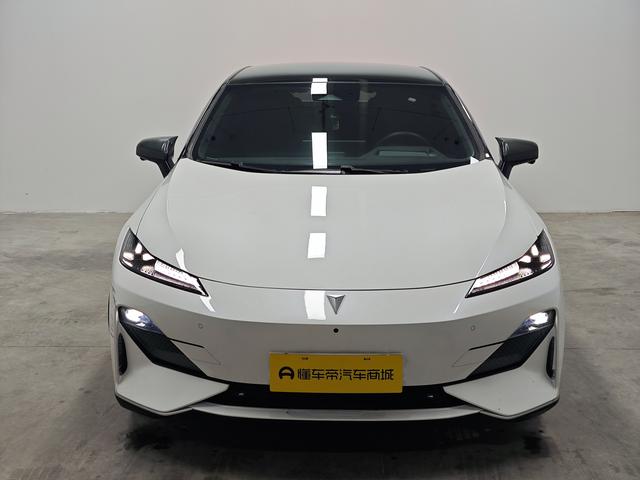
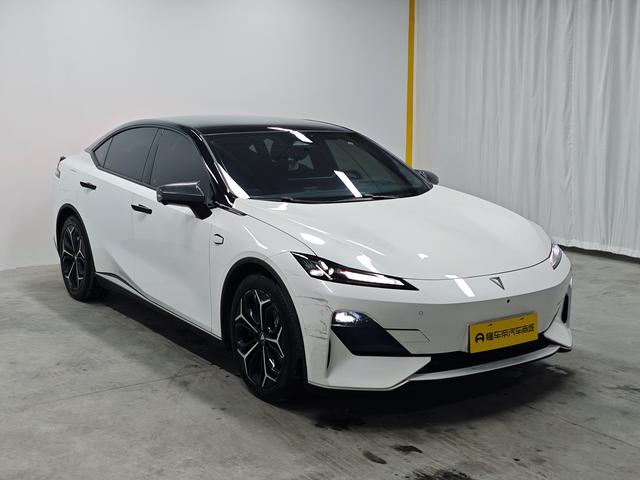
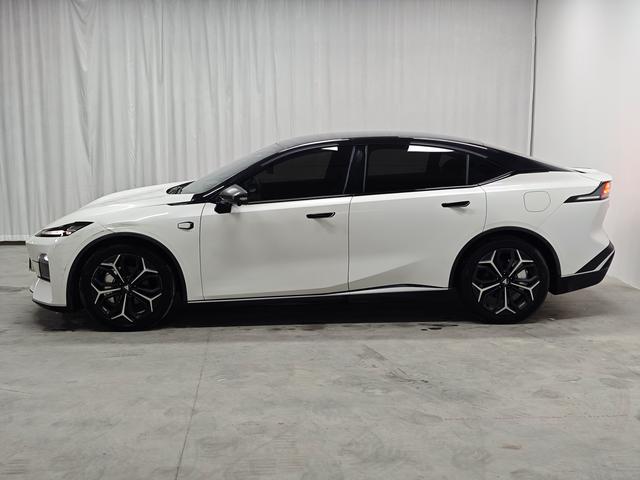
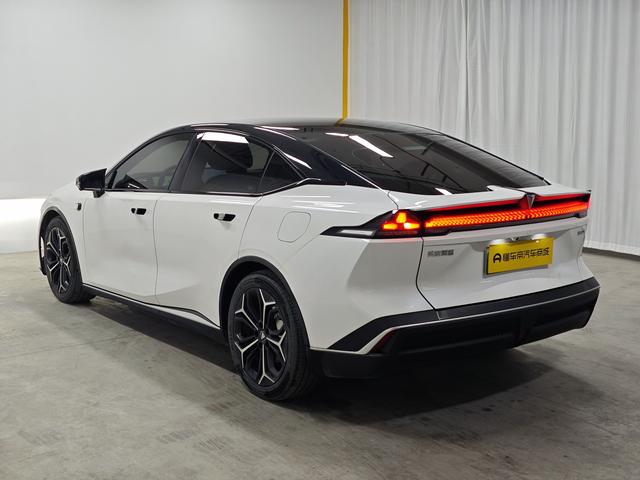
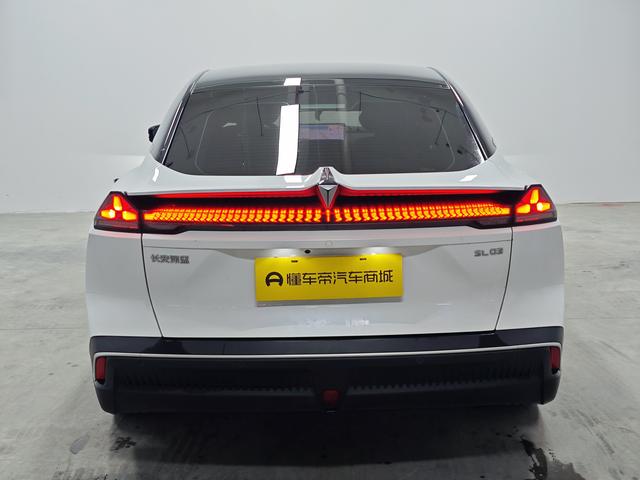
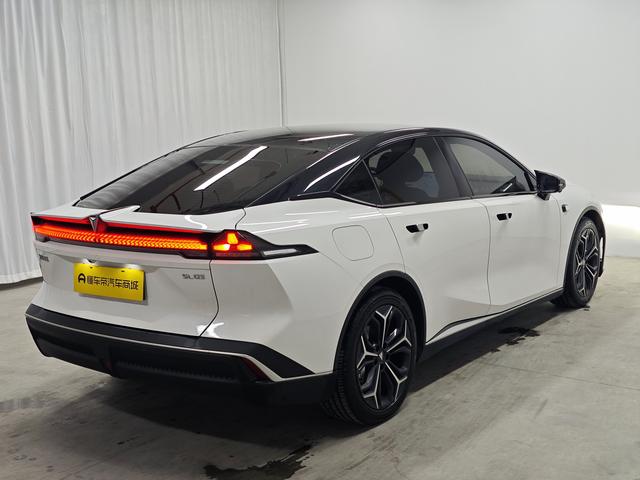
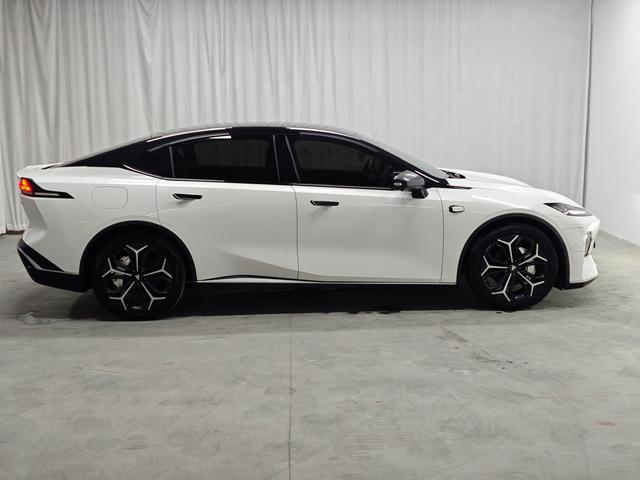
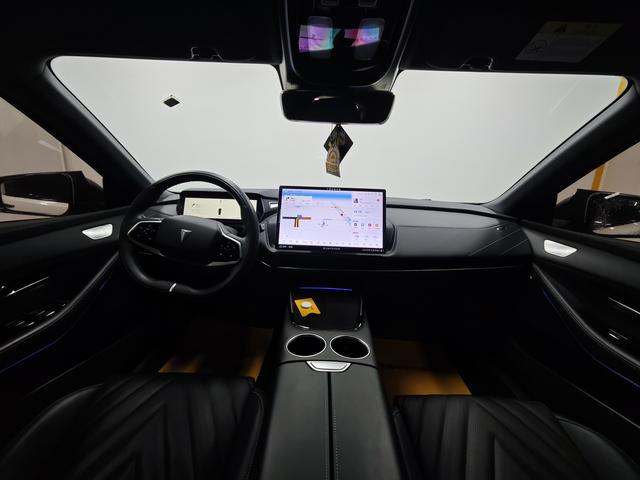
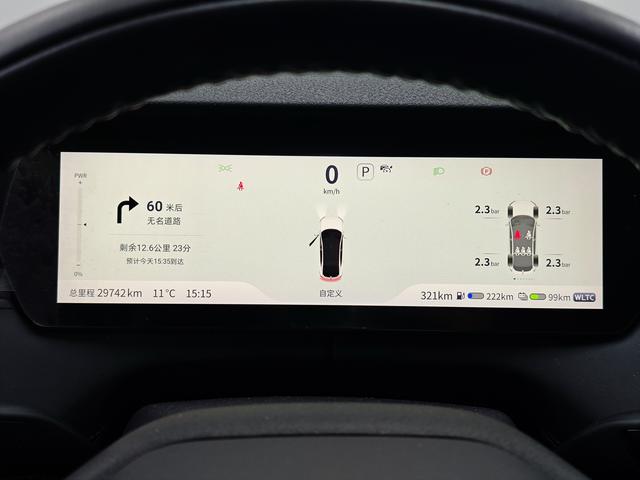
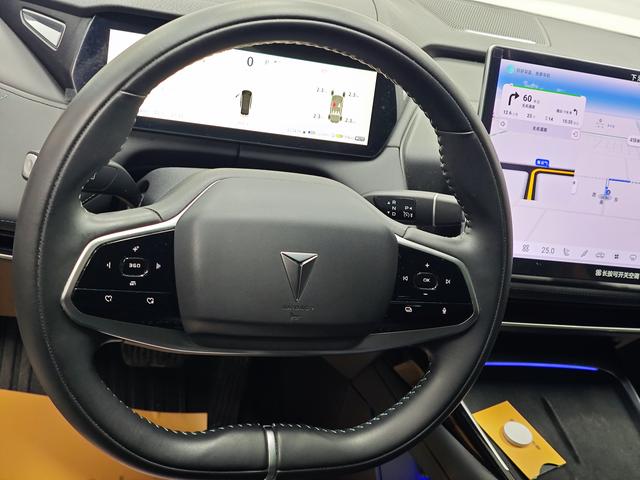
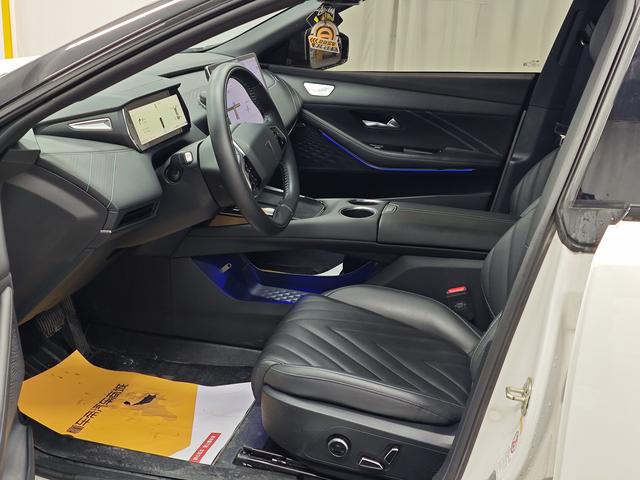
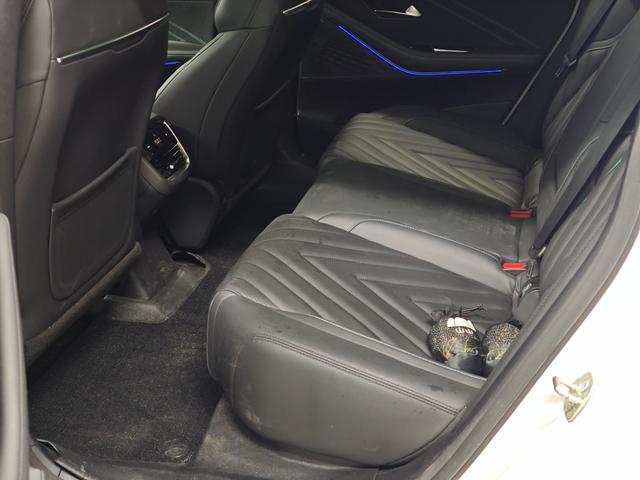
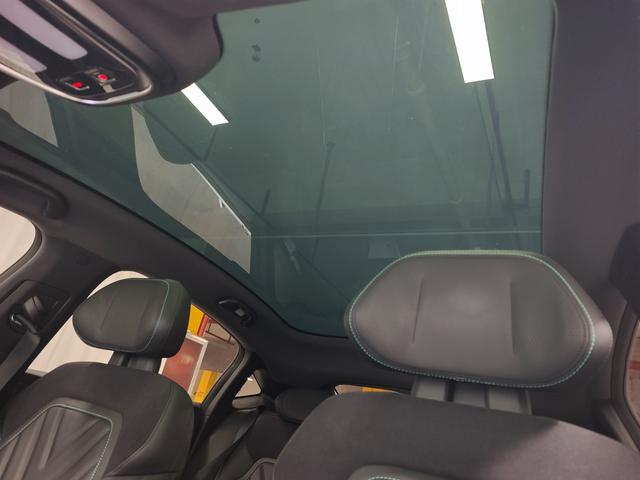
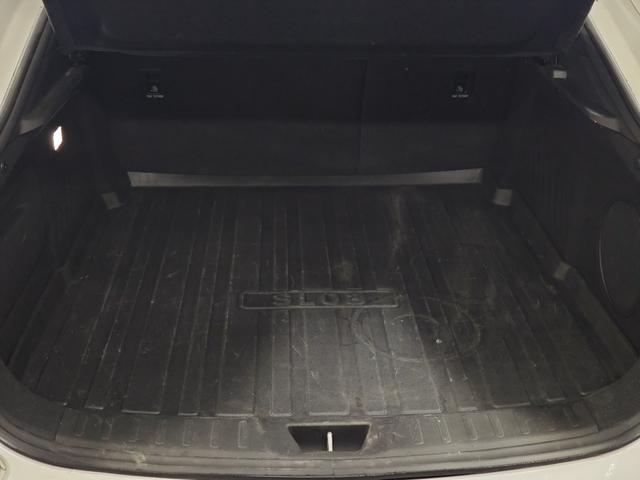
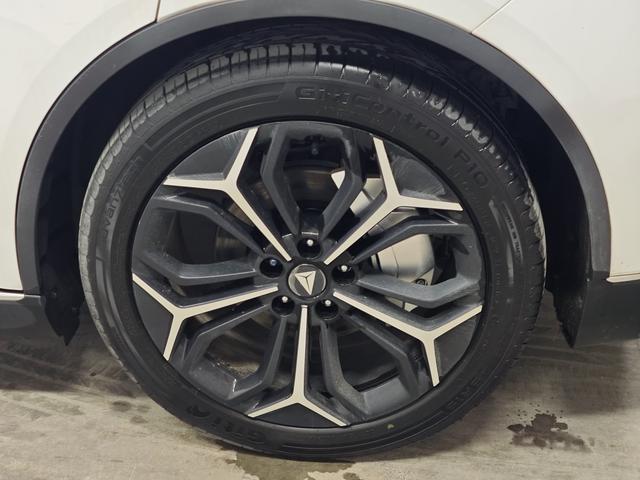
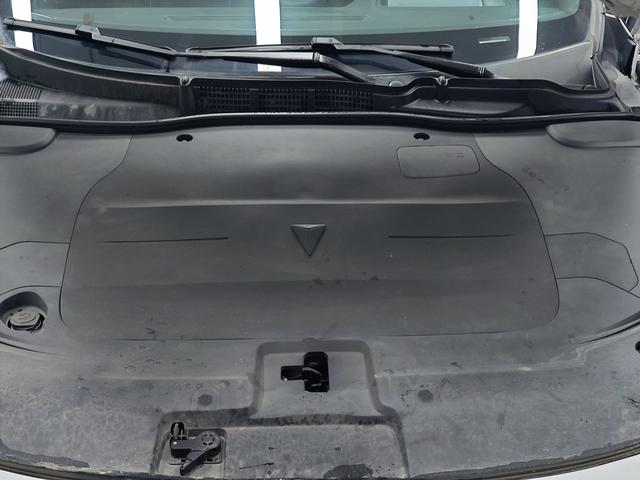
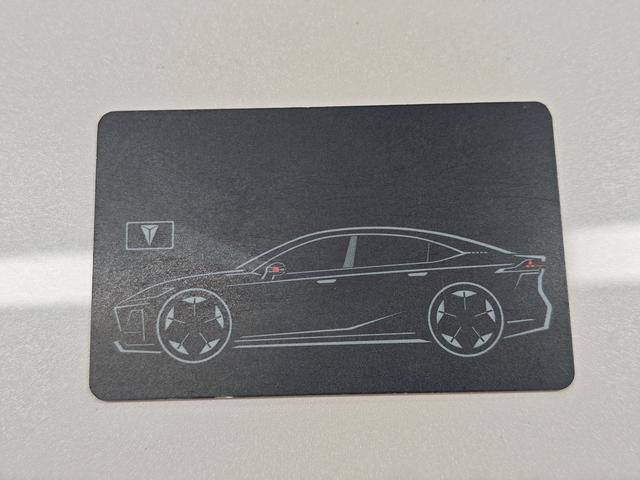
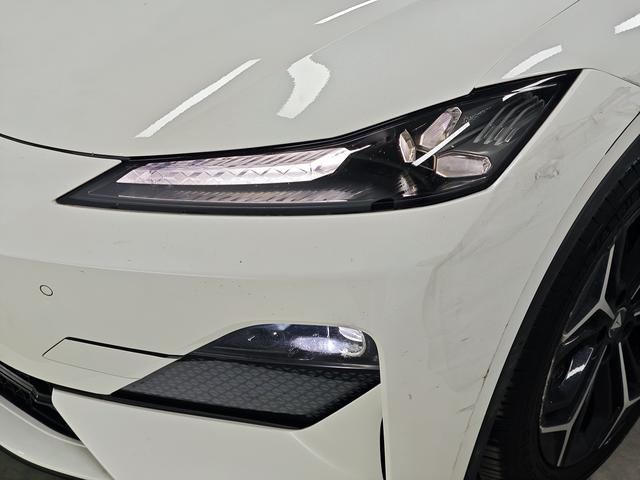
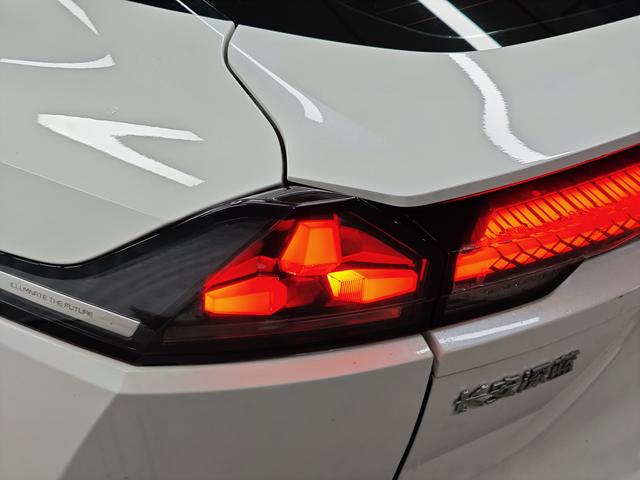



Basic Information

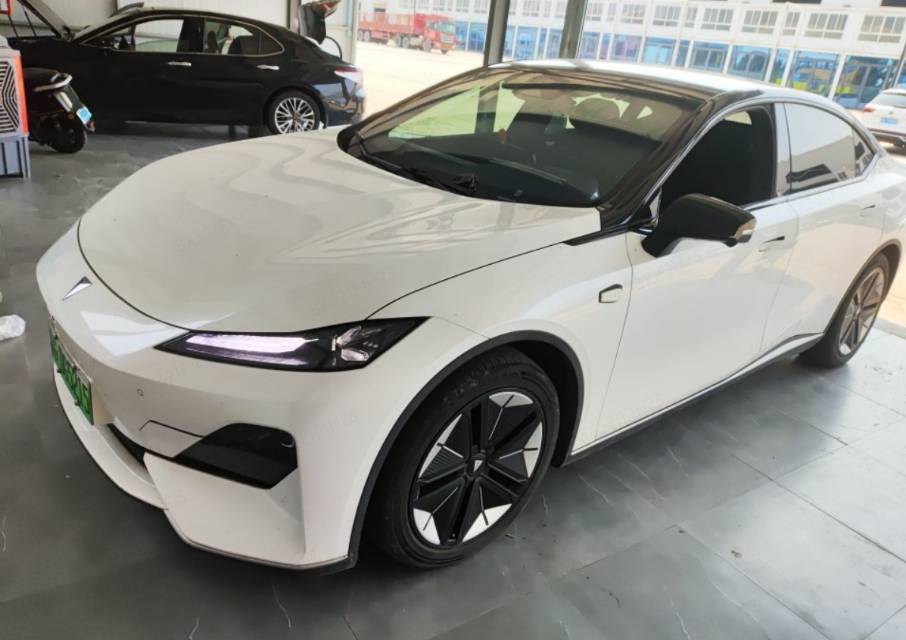
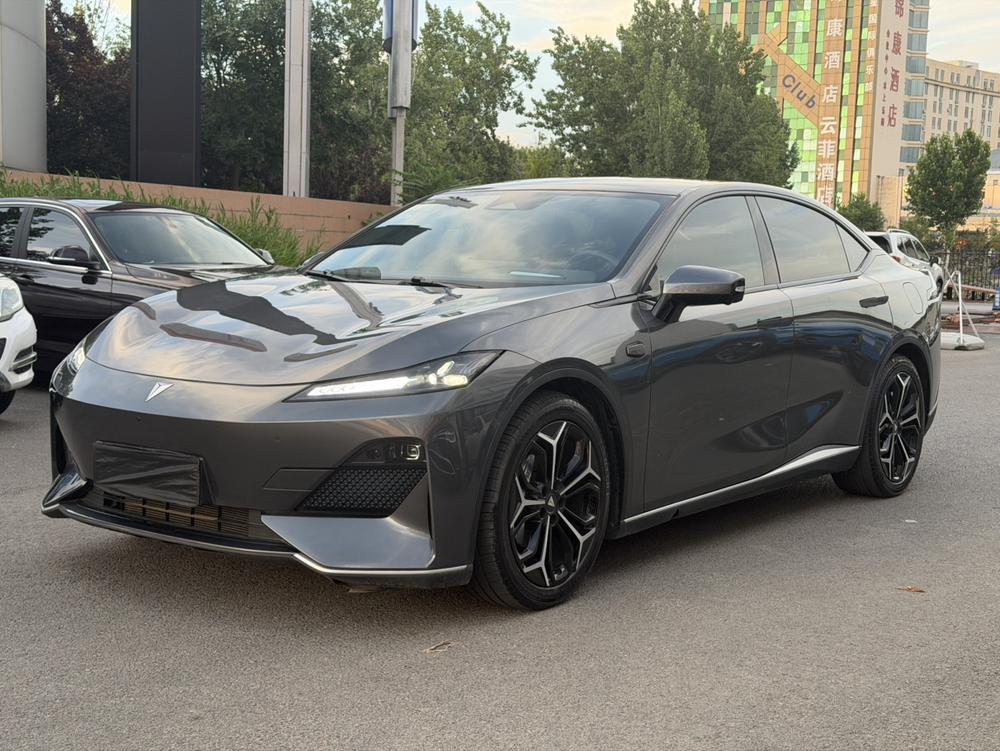
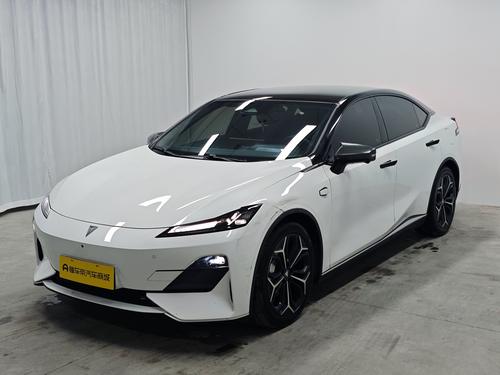
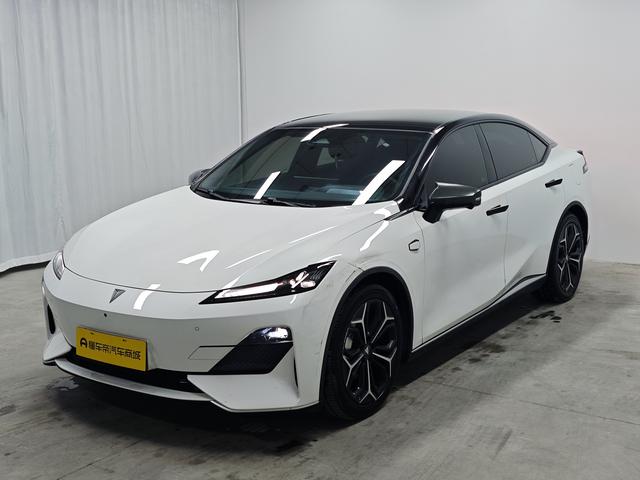
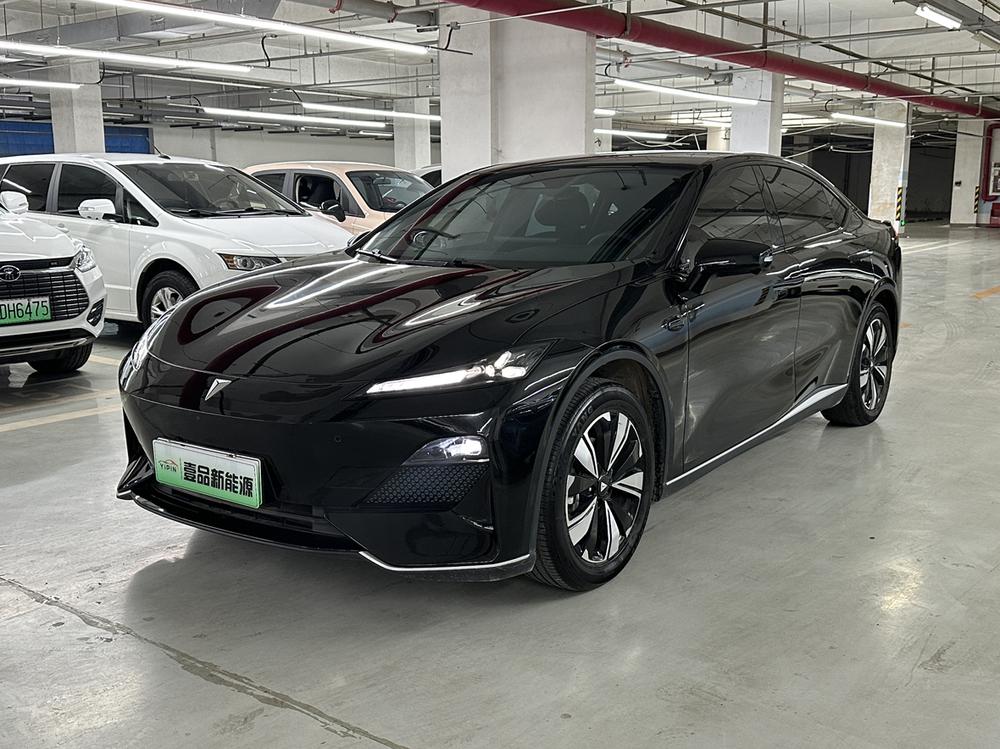
BrandDeepal
SeriesSL03
Year2023
First Registration2023/10
Mileage29,800km
Transfer Count-
FuelEREV
TransmissionOther
Engine1.5L 95 L4
ColorWhite
Seats-

Condition Description

Direct sales
Complimentary preparation and maintenance
In-depth quality inspection
Original factory warranty
Newly launched

Configuration Highlights

✓360-Degree Camera System
✓Adaptive Cruise Control
✓Auto Hold
✓Hill Start Assist
✓Parking Sensors
✓Gesture Control
✓Voice Recognition
✓Connected Car

Q&A

More

How many previous owners has this car had? Does a high number of transfers indicate poor condition?

We will provide the transfer record from the vehicle registration certificate. A high number of transfers does not necessarily indicate poor condition (for example, internal transfers within a family for quota purposes), but we will consider it a risk factor and conduct a more thorough physical inspection to verify its actual condition.
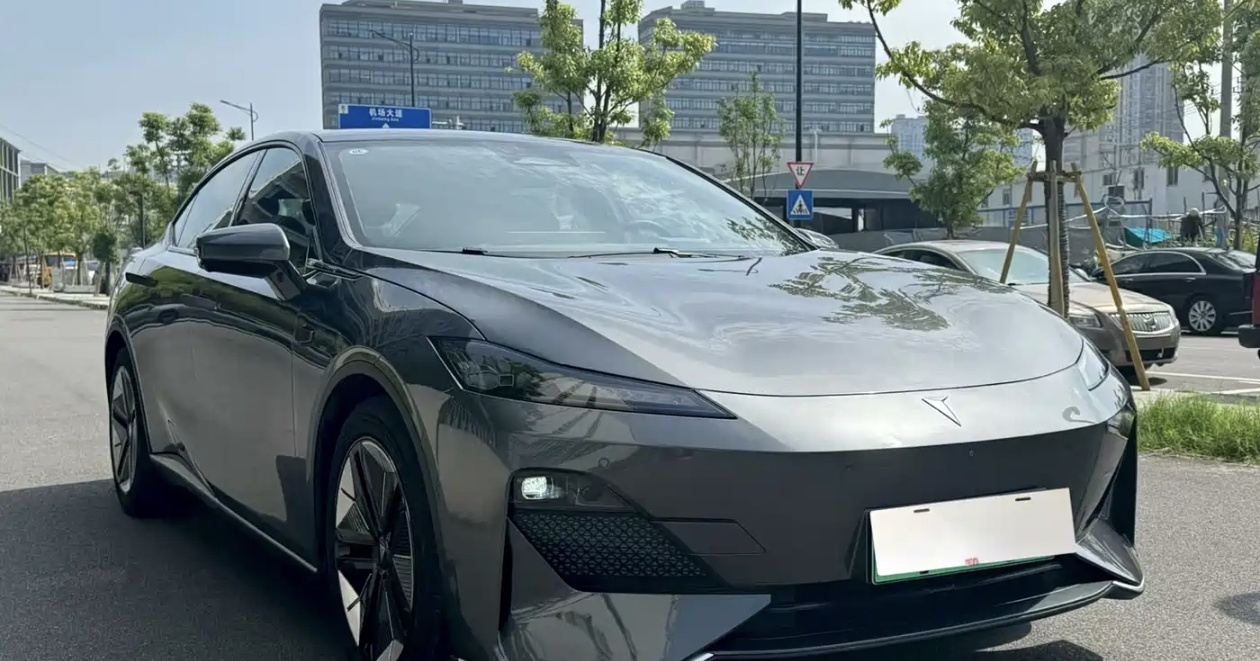
How is payment typically structured when buying a used car from a Chinese exporter, and how do I stay safe?

A typical payment structure looks like this: 1. Deposit: 10-30% after you confirm the car and price, often to reserve the vehicle and start the inspection. 2. Balance: paid after you approve the inspection report, but before or at shipment. A common safeguard is paying against a copy of the bill of lading, with telex release of the original B/L after funds arrive. 3. Never send 100% upfront to a new supplier. Use traceable methods (T/T bank transfer to a corporate account matching the company name, or escrow for first orders) and keep every agreement in writing. 4. Timeline: quote within days, inspection 3-7 days, booking and loading 1-2 weeks, ocean transit 3-6 weeks, customs clearance 3-10 days. Red flags: personal bank accounts, pressure to skip inspection, prices far below market.

Why are the shipping costs for used electric vehicles (EVs) usually higher than for internal combustion engine vehicles (ICEs)?

Pure electric vehicles are classified as Class 9 Dangerous Goods due to their large lithium batteries, leading to strict shipping regulations. Shipping companies have high requirements for the loading position and fire isolation measures for dangerous goods, and some roll-on/roll-off ships refuse to accept used EVs. As a result, EVs often require more expensive special container shipping and incur additional handling fees for hazardous materials.