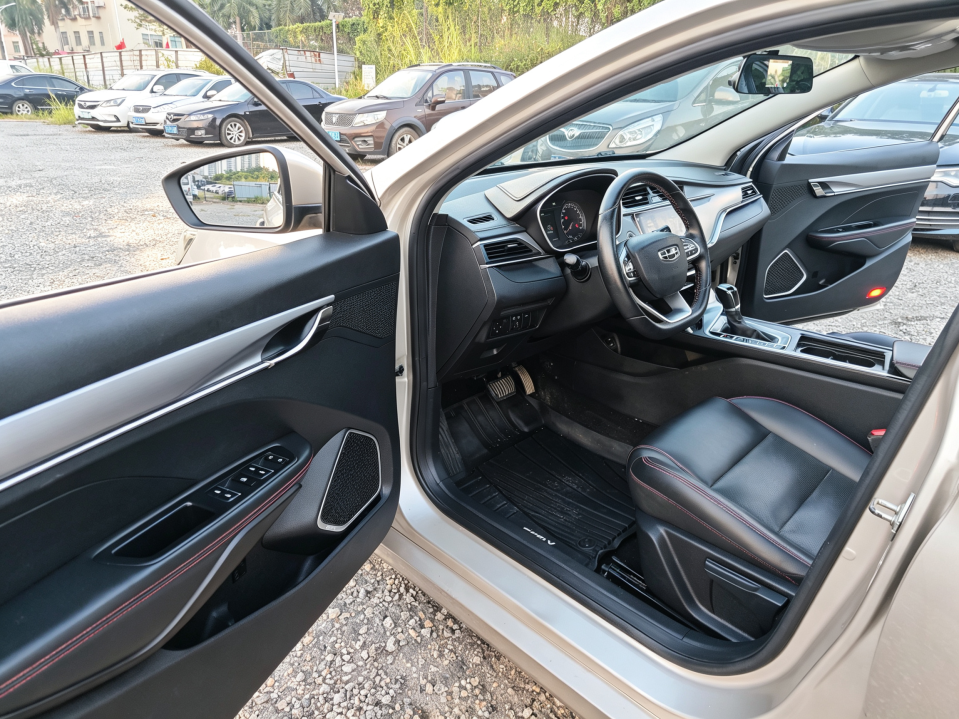
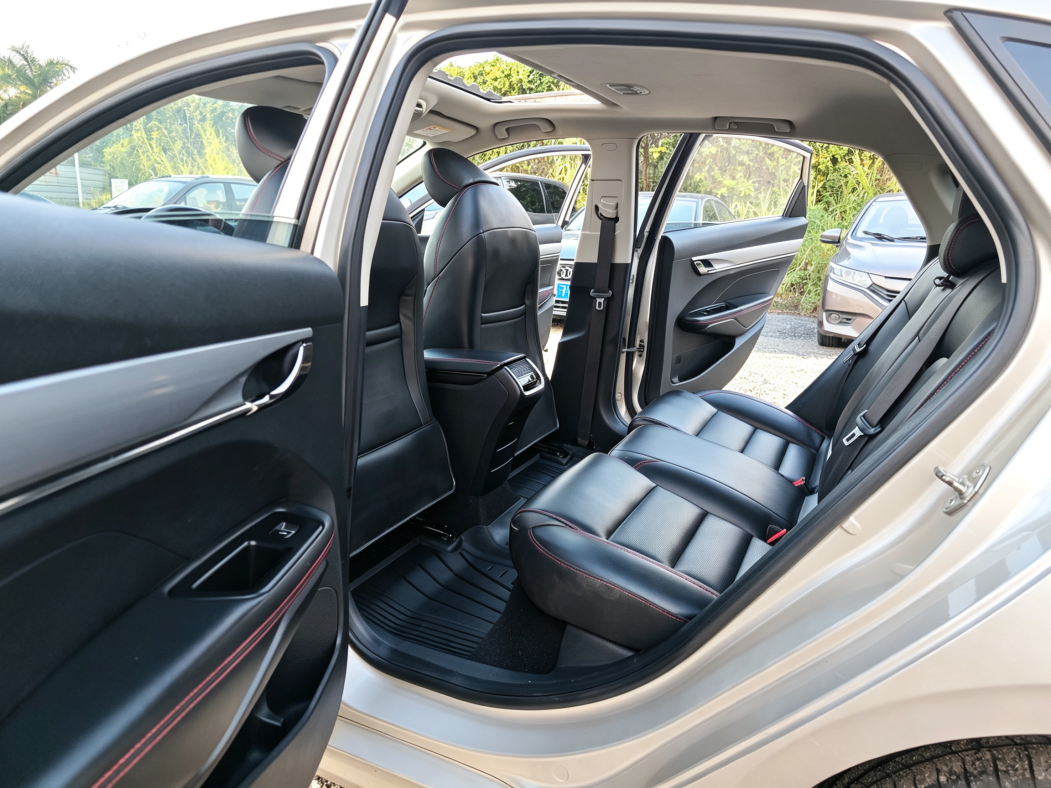
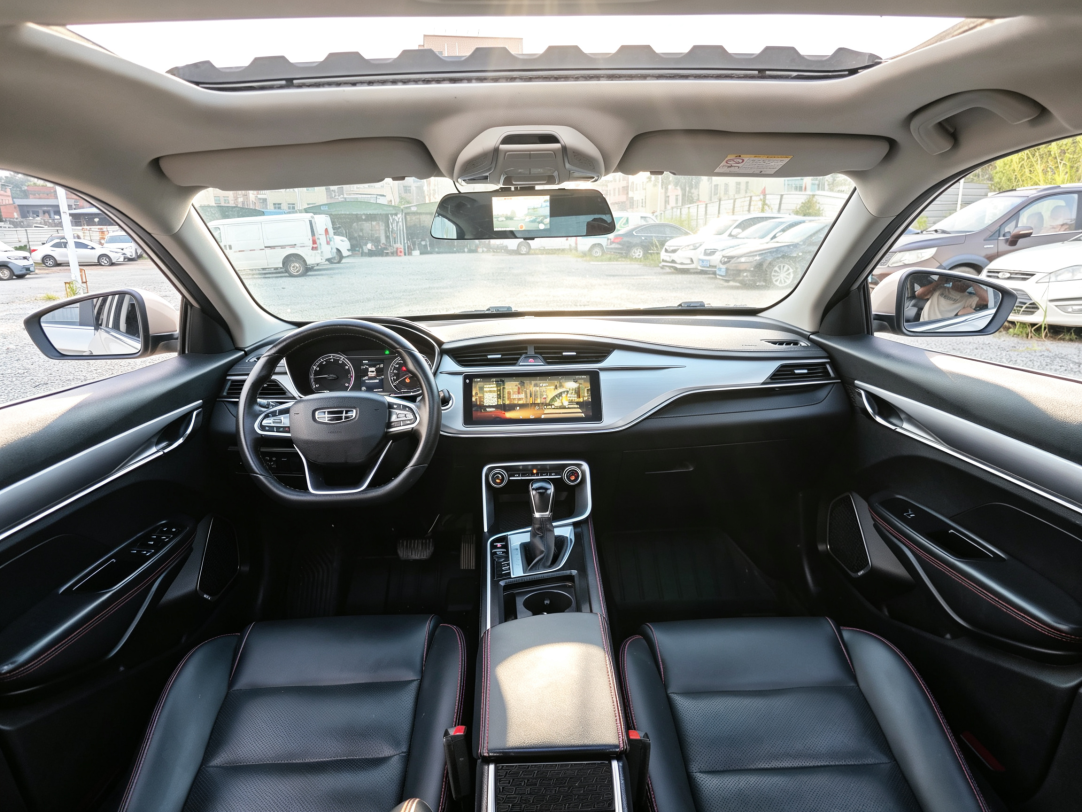
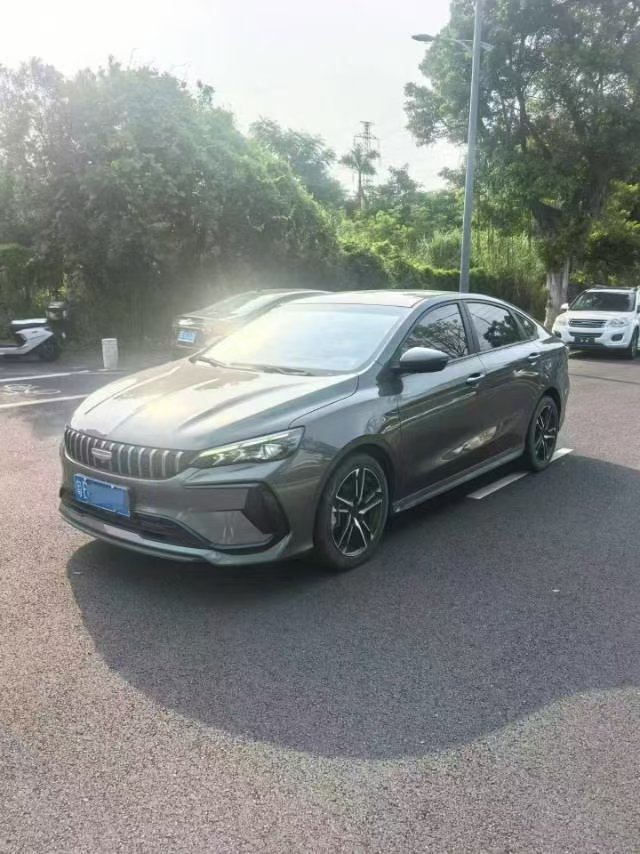
Basic Information

BrandGEELY
SeriesBinray
Year2019
First Registration2019/12
Mileage90,000km
Transfer Count0times
FuelGasoline
TransmissionDCT
Engine1.0T 136 L3
ColorYellow
Seats-

Condition Description

Excellent condition, see records.

Document Information

Inspection Expiry Date-
Warranty Expiry Date-
Insurance Expiry Date2026/12

Q&A

More

Will you conduct a thorough inspection of the engine and transmission of the used car?

We will never perform blind deep disassembly unless there are clear severe fault codes or extreme noises. The sealing of the engine and transmission is crucial, and compromising the factory seals to investigate non-existent issues is unprofessional. We rely on data flow and external acoustic and fluid analysis to make judgments.

How do I transfer the connected-car account and smartphone app of a used Chinese EV to my name after import?

Connected services are tied to the first owner's account, so transferring them is a real step you must plan for. Before purchase: ask the seller whether the car's telematics account can be unbound and re-registered. Most Chinese brands (BYD, NIO, XPeng, etc.) allow a dealership or the owner's app to do a ownership transfer — but some export cars were registered to the export company, which complicates things. Check region lock: many connected features depend on backend servers in China. After export, remote AC, app locking, and OTA updates may stop working if the car has a Chinese-spec head unit and SIM. Some brands offer international app versions; others require a hardware change. Practical fallback: even without the app, core functions work from the car itself. For remote charging and climate, third-party tools exist but use them carefully. Ask your seller to confirm in writing: (1) account unbinding before shipment, (2) which connected features will keep working in your country, and (3) whether the head unit can be switched to your language and region.

What can a pre-purchase OBD diagnostic scan actually reveal about a used Chinese car?

An OBD scan is one of the most cost-effective tools in a remote pre-purchase inspection, but you need to know what it can and cannot tell you. What it reveals well: current and stored fault codes across the engine, transmission, ABS, airbag, and body modules. A car with dozens of cleared codes in multiple modules may have electrical problems or a history of tampering. It also shows readiness monitors — if all monitors show 「not ready」 on a car that claims to be freshly serviced, the codes were probably cleared recently to hide something. What it reveals with the right software: live data. You can watch engine idle stability, coolant temperature under load, transmission shift behavior, and battery cell voltages on EVs. Abnormal fuel trims or misfire counters can flag worn injectors or coils before any warning light appears. What it cannot do: prove real mileage (odometers can be corrected digitally), detect physical accident repairs, or judge paint and rust. Practical advice: ask your inspector for a full-system scan report with screenshots, not just a 「no codes」 verbal summary. For Chinese brands, make sure the tool supports their protocols — mainstream scanners cover BYD, Geely, and Chery well, but some small brands need brand-specific software.