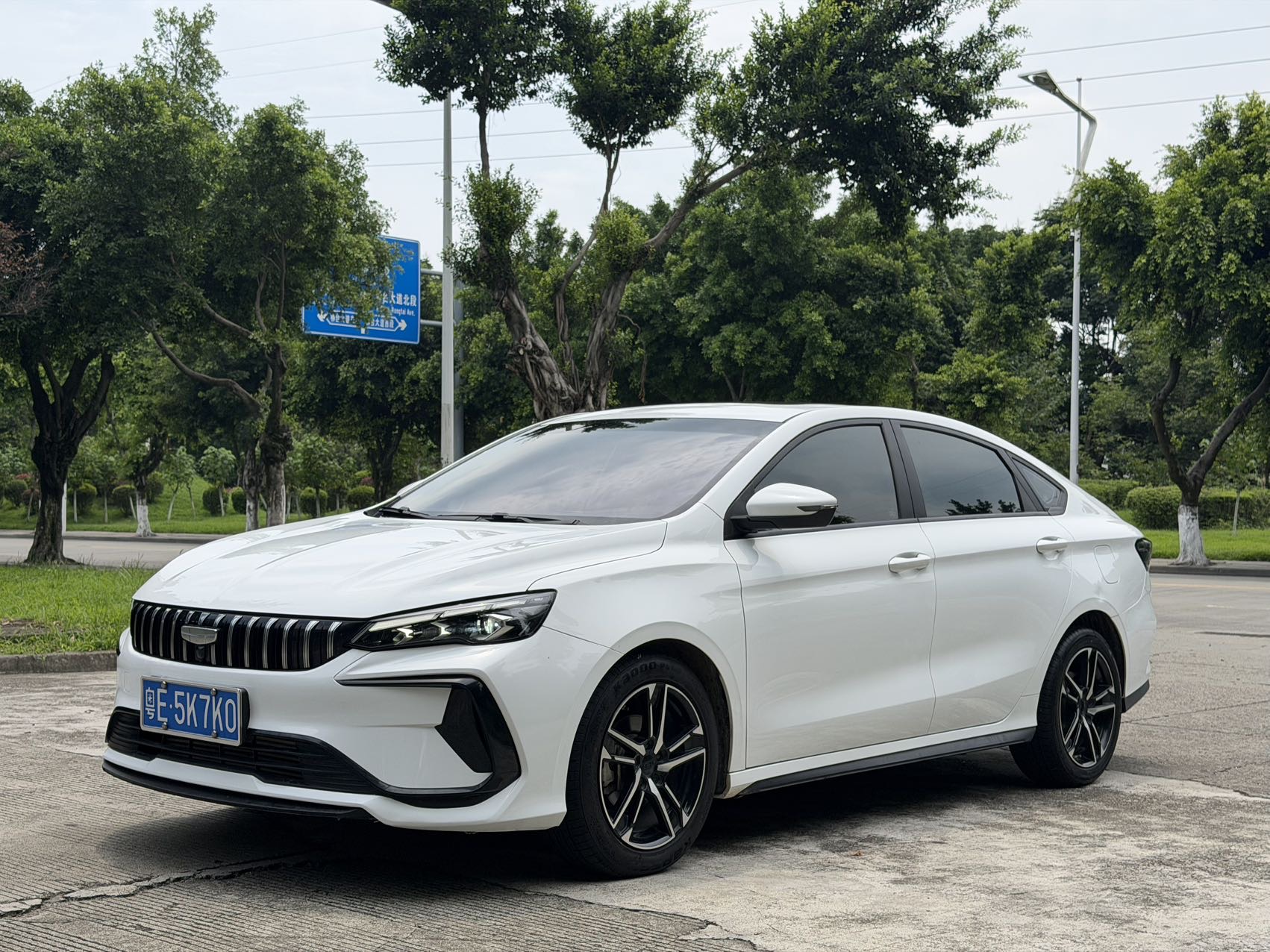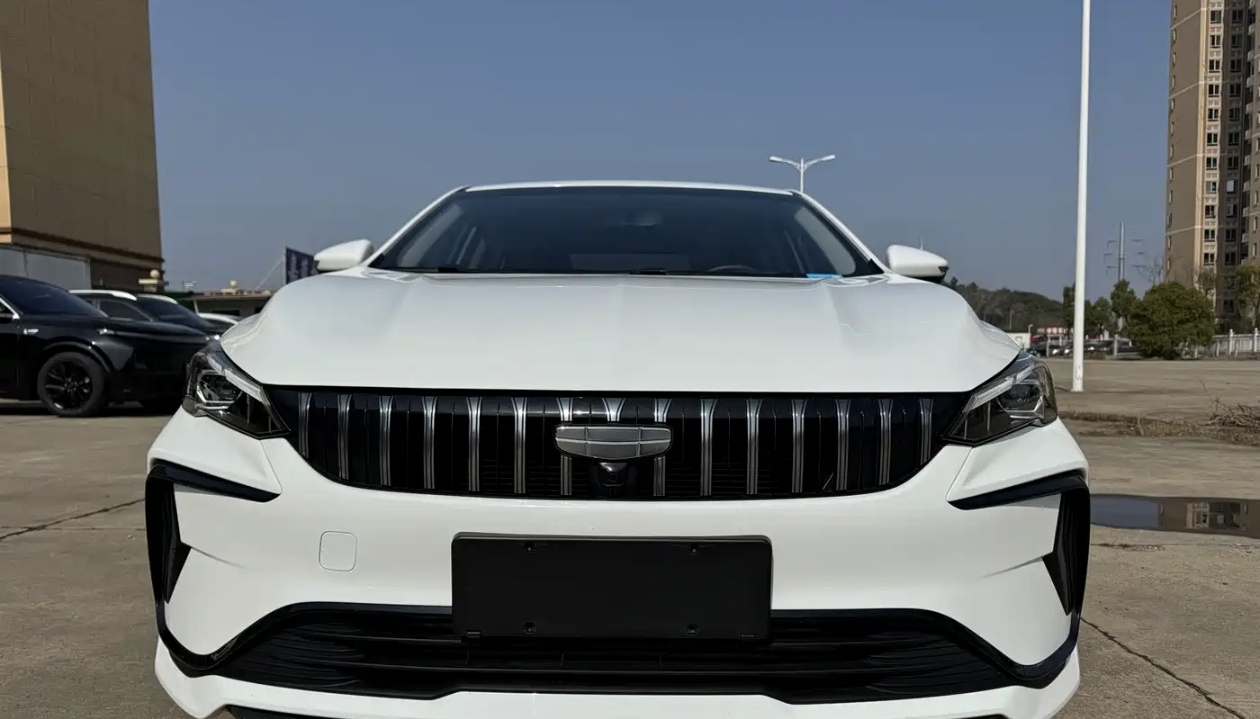



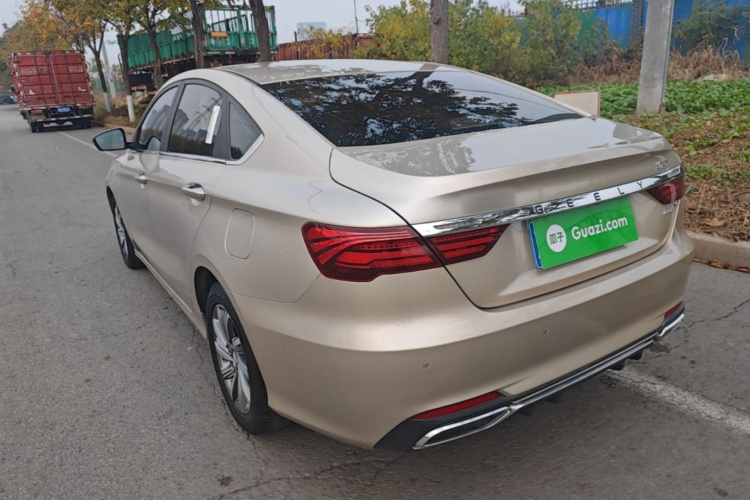

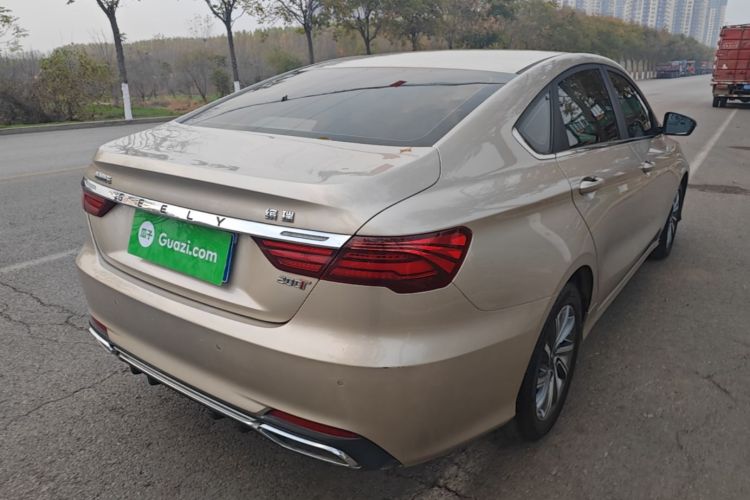
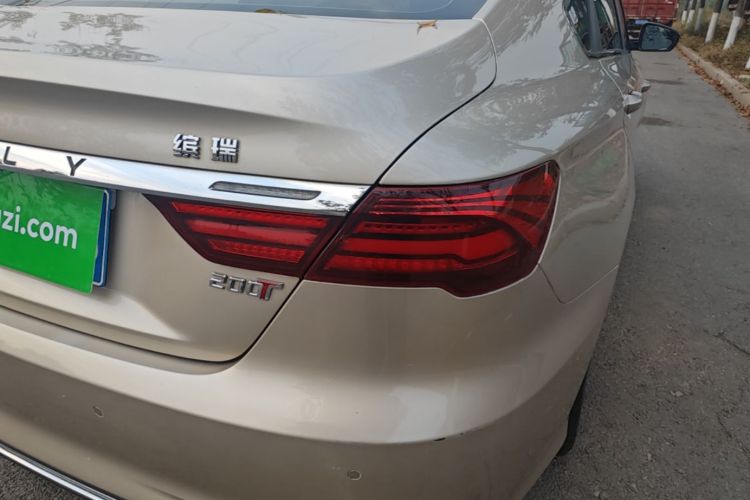
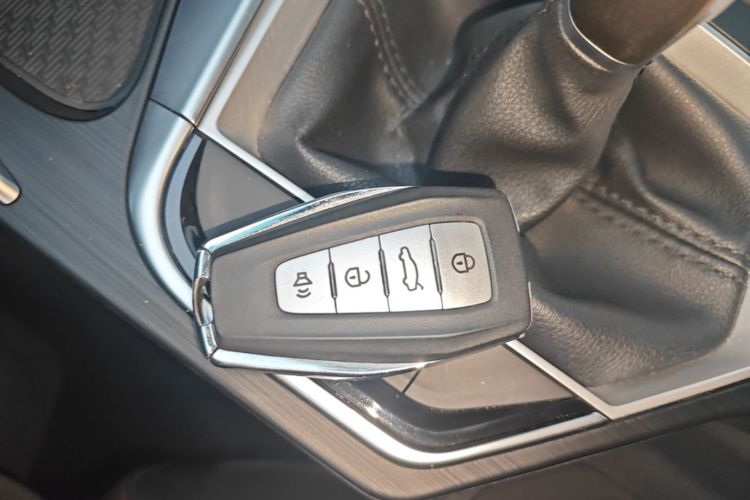
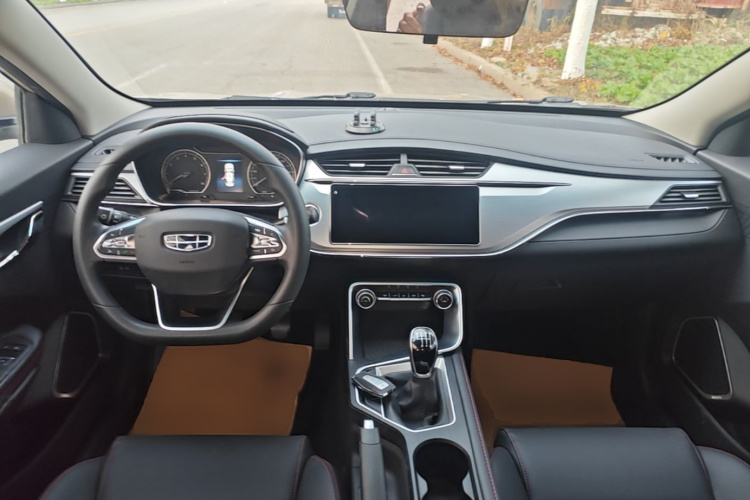
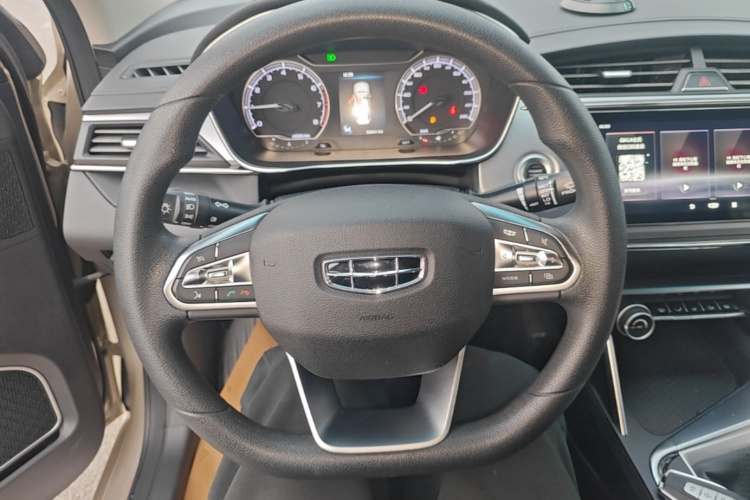
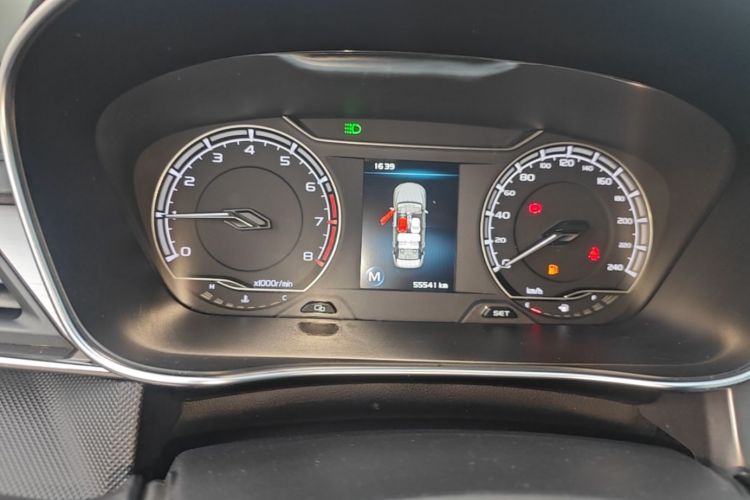
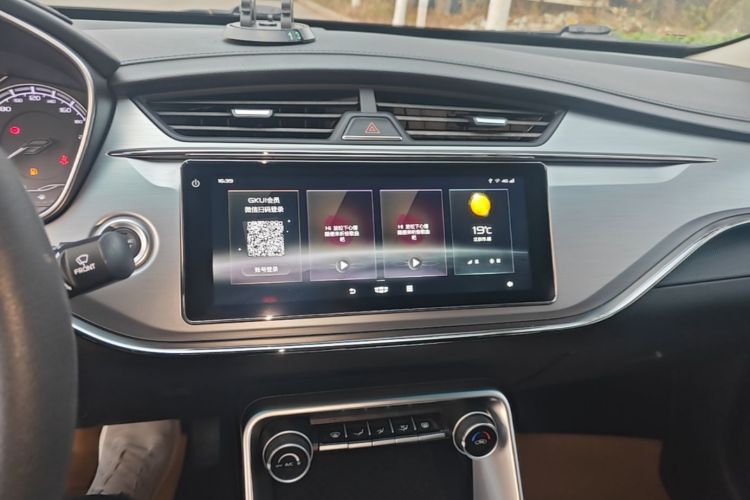
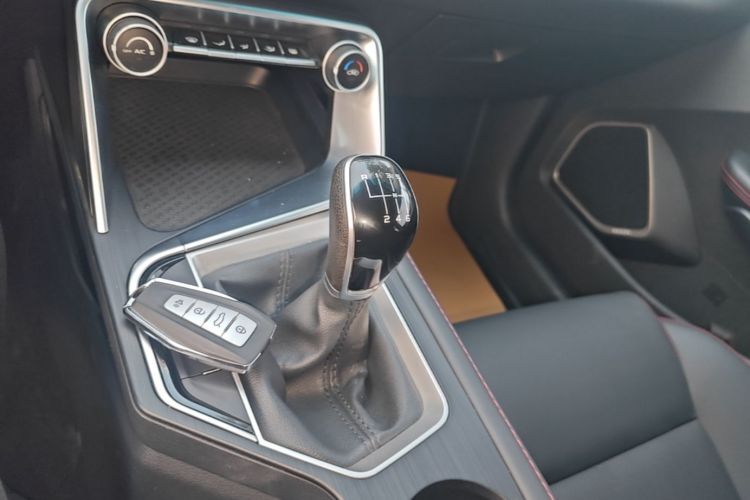
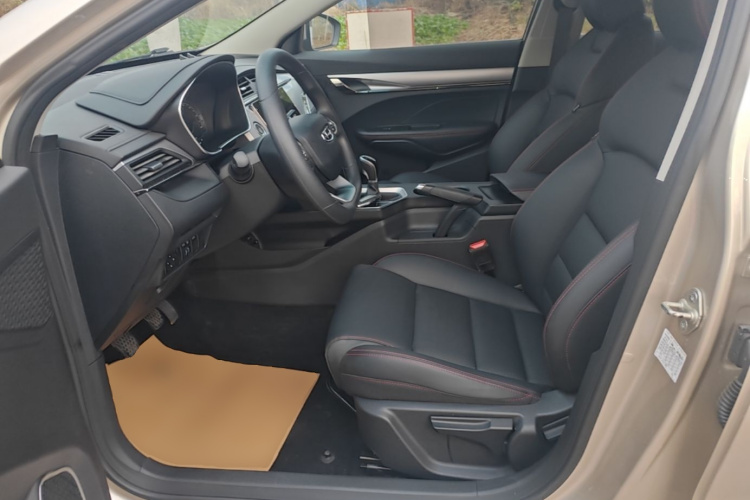
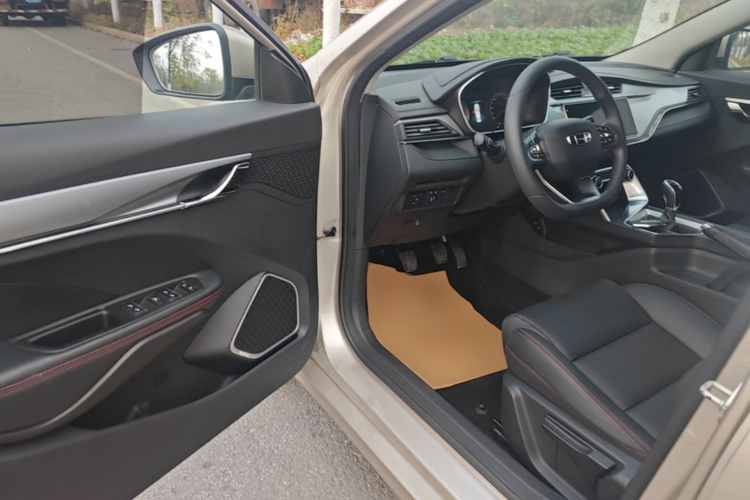
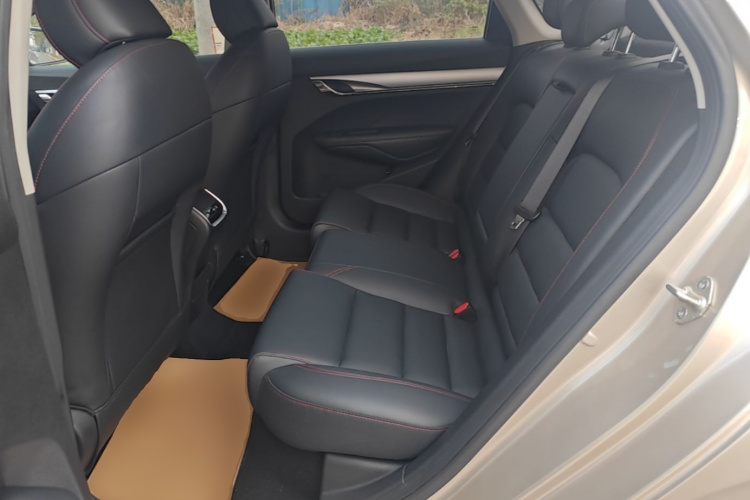

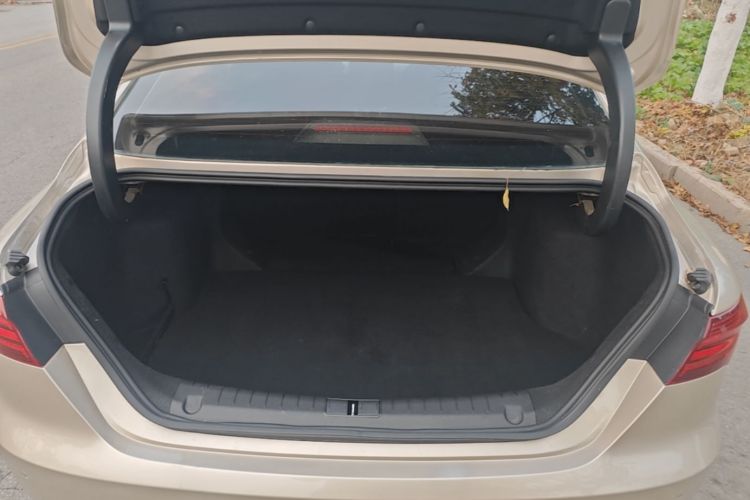
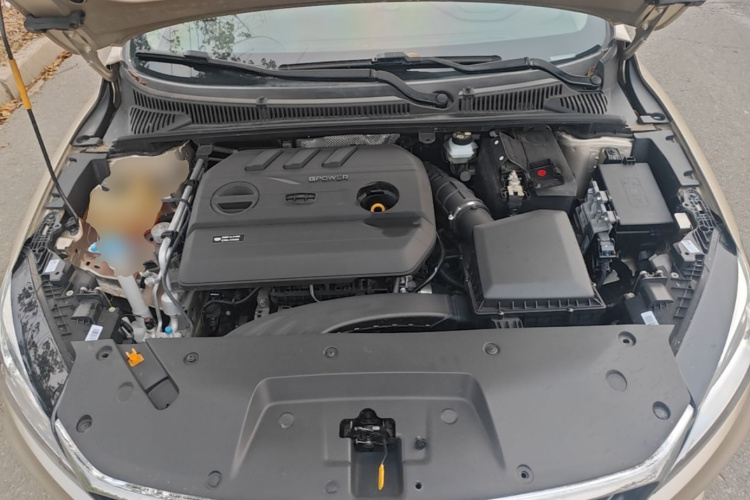



Basic Information

BrandGEELY
SeriesBinray
Year2020
First Registration2020/06
Mileage55,500km
Transfer Count0times
FuelGasoline
TransmissionManual
Engine1.0T 136 L3
Color
Seats-

Condition Description

Basic condition: excellent | 0 insurance claims | 0 transfers

Q&A

More

How can I verify a used car's accident and repair history in China from overseas?

China has centralized vehicle records you can check remotely before paying anything. Ask the exporter for the 17-digit VIN, then request two reports. First, the maintenance history: third-party platforms pull 4S dealership records showing service dates, mileage and repair items. A mileage line that goes down over time is a red flag for odometer tampering. Second, the insurance claim history: it lists accident dates, claim amounts and repaired parts. Heavy claims involving frame rails or airbags should end the deal. Practical tips: run the reports yourself instead of accepting screenshots from the seller, make sure the report date is close to the delivery date, and cross-check with physical wear such as the steering wheel, pedals and seat bolsters, which cannot lie about high mileage. Keep in mind that small private repairs never enter these databases, so combine history checks with a physical inspection before shipping.


Why do used cars of the same brand, year, and configuration with complete 4S dealership records cost several hundred dollars more than those without records?

Complete records represent underlying trust and zero odometer adjustment risk. In the used car market, solid data history itself carries a high premium. The extra few hundred dollars buys you an impeccable endorsement when selling overseas.

What does the real landed cost of importing a used car from China look like, and which line items do buyers most often underestimate?

A realistic landed cost has five layers: the car price, export-side fees (deregistration, export license, inland trucking to the port), international freight and insurance, destination duties and taxes, and local charges (port handling, inspection, registration). Buyers most often underestimate three items. First, destination duties are calculated on the customs value, which may include freight, so a cheap car can still attract significant tax. Second, port and terminal charges at both ends add up; demurrage fees apply quickly if documents are late. Third, compliance costs such as homologation, emissions testing, or translation of documents can run into hundreds of dollars depending on the country. Ask every exporter for a written, itemized quote to your port, not just an FOB price, and keep a 5% contingency. Quotes that look unusually cheap usually hide costs in the freight or handling lines.