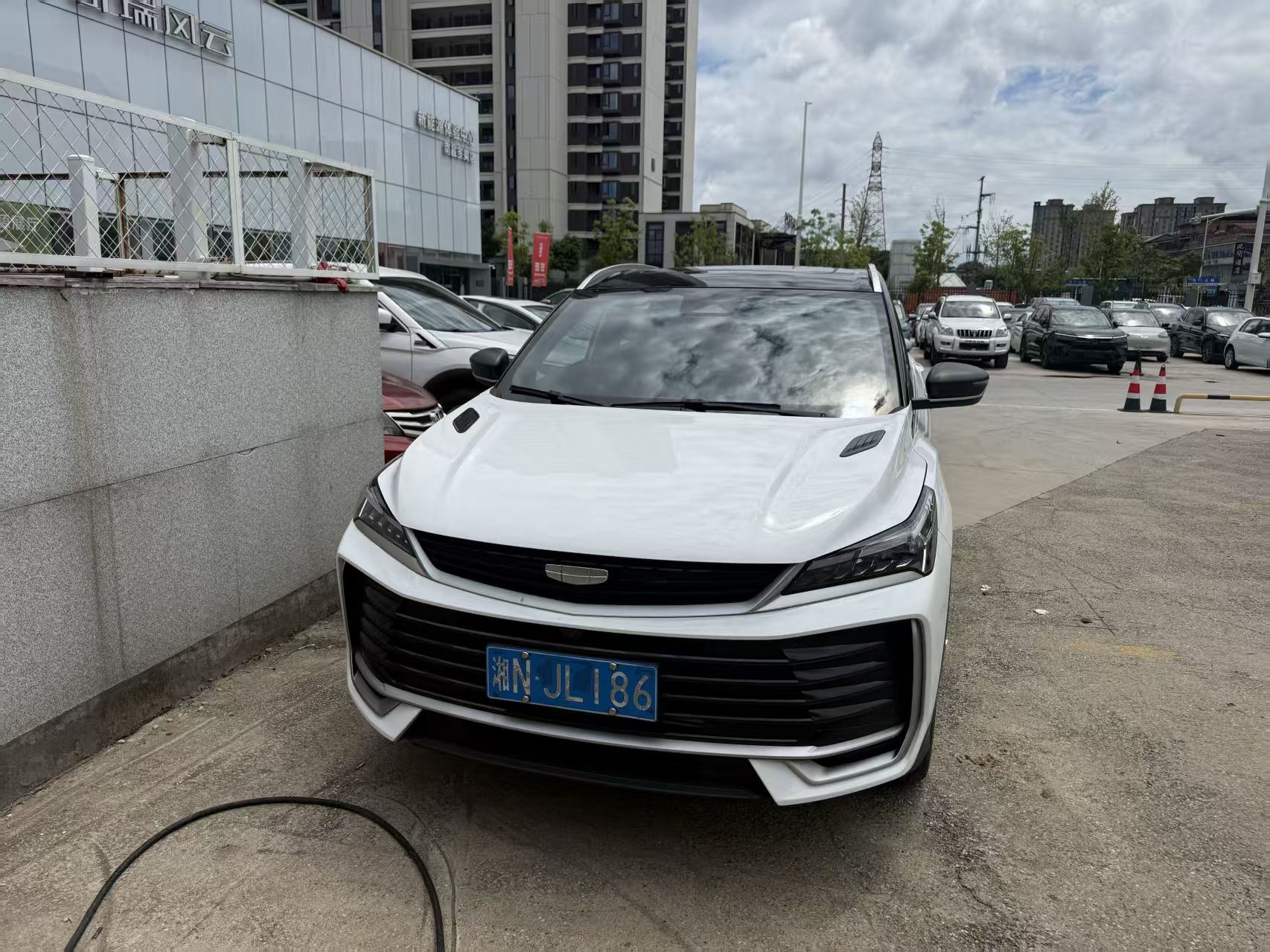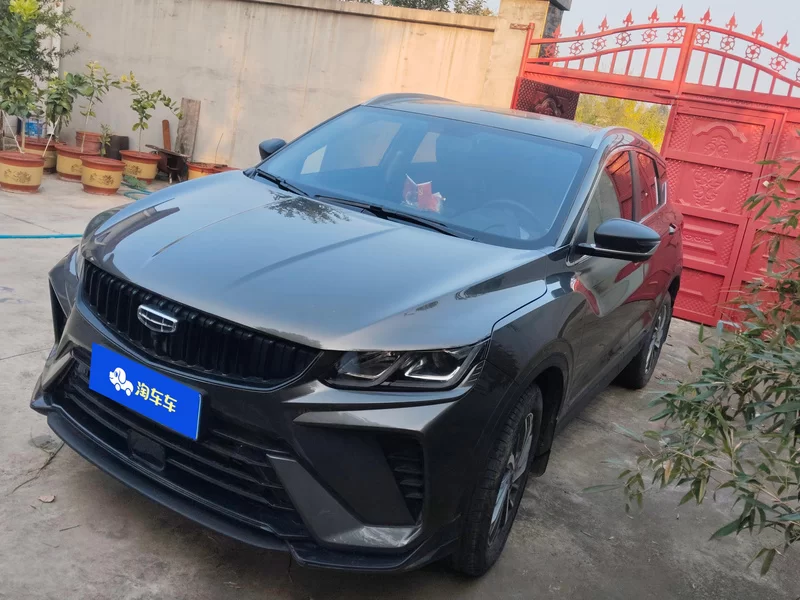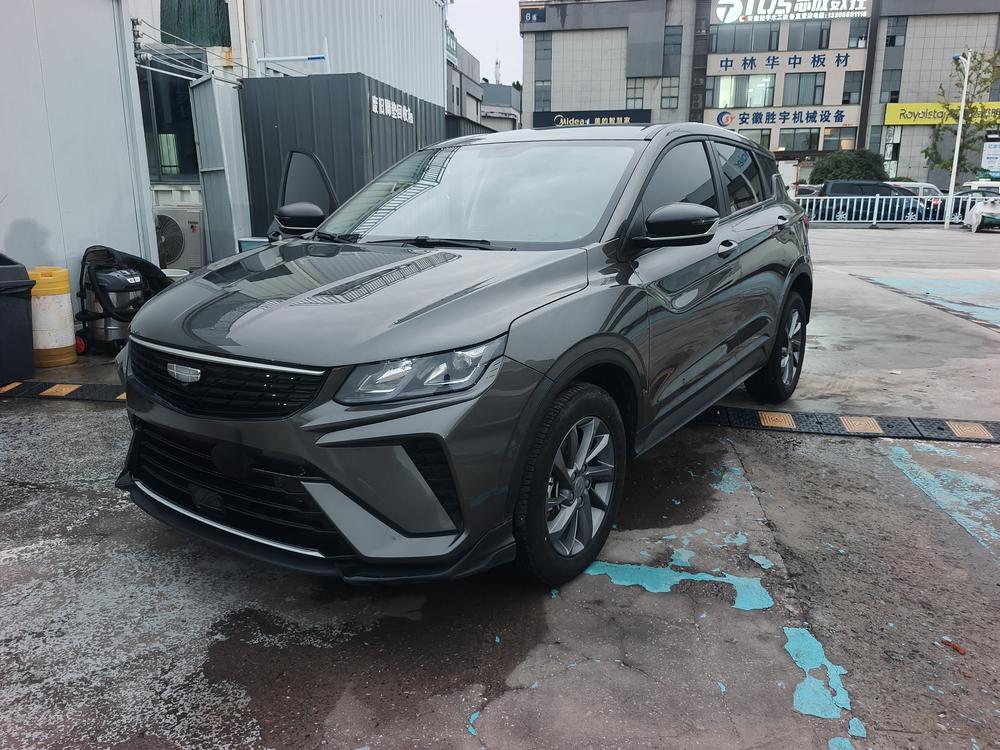
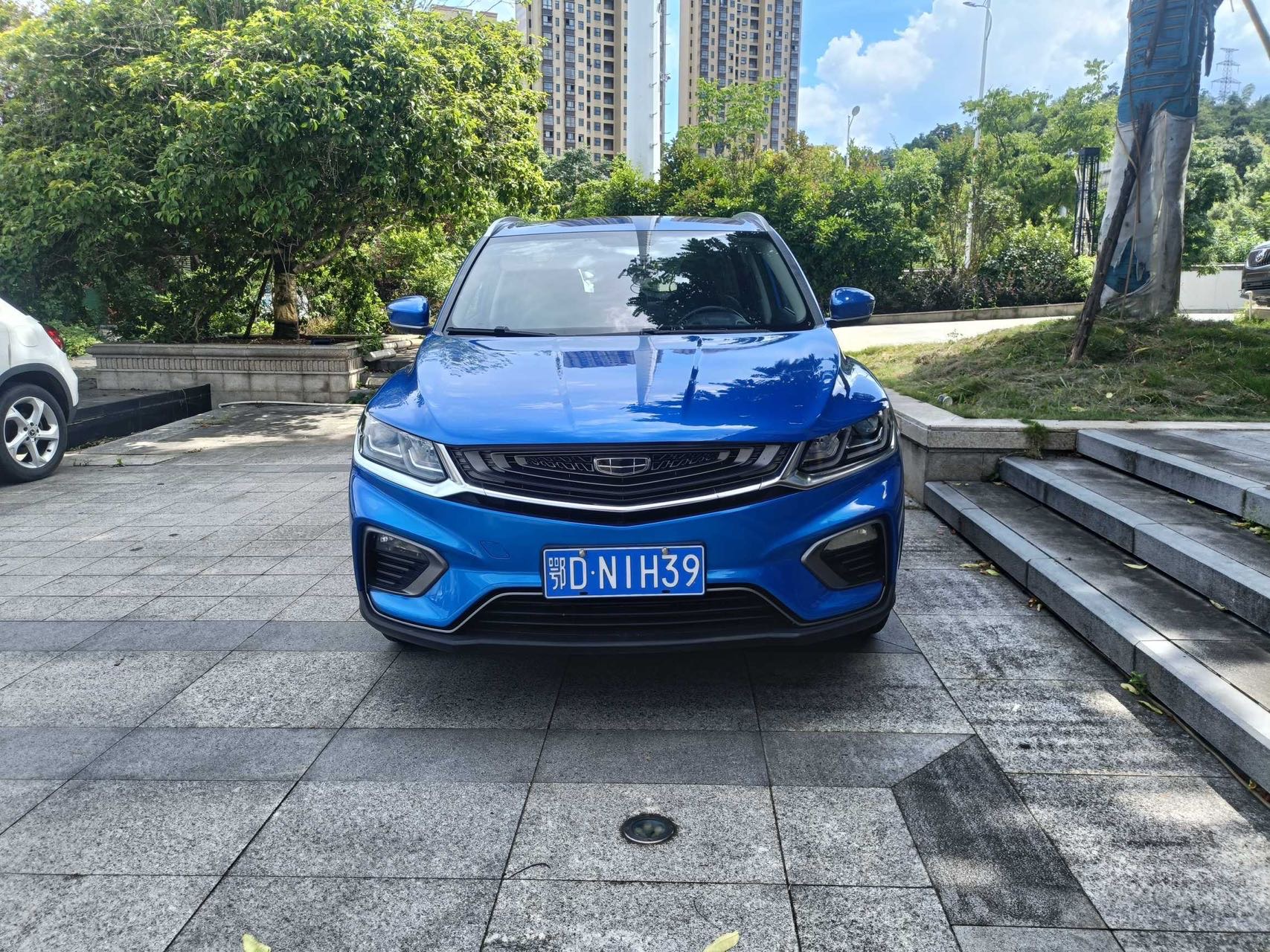
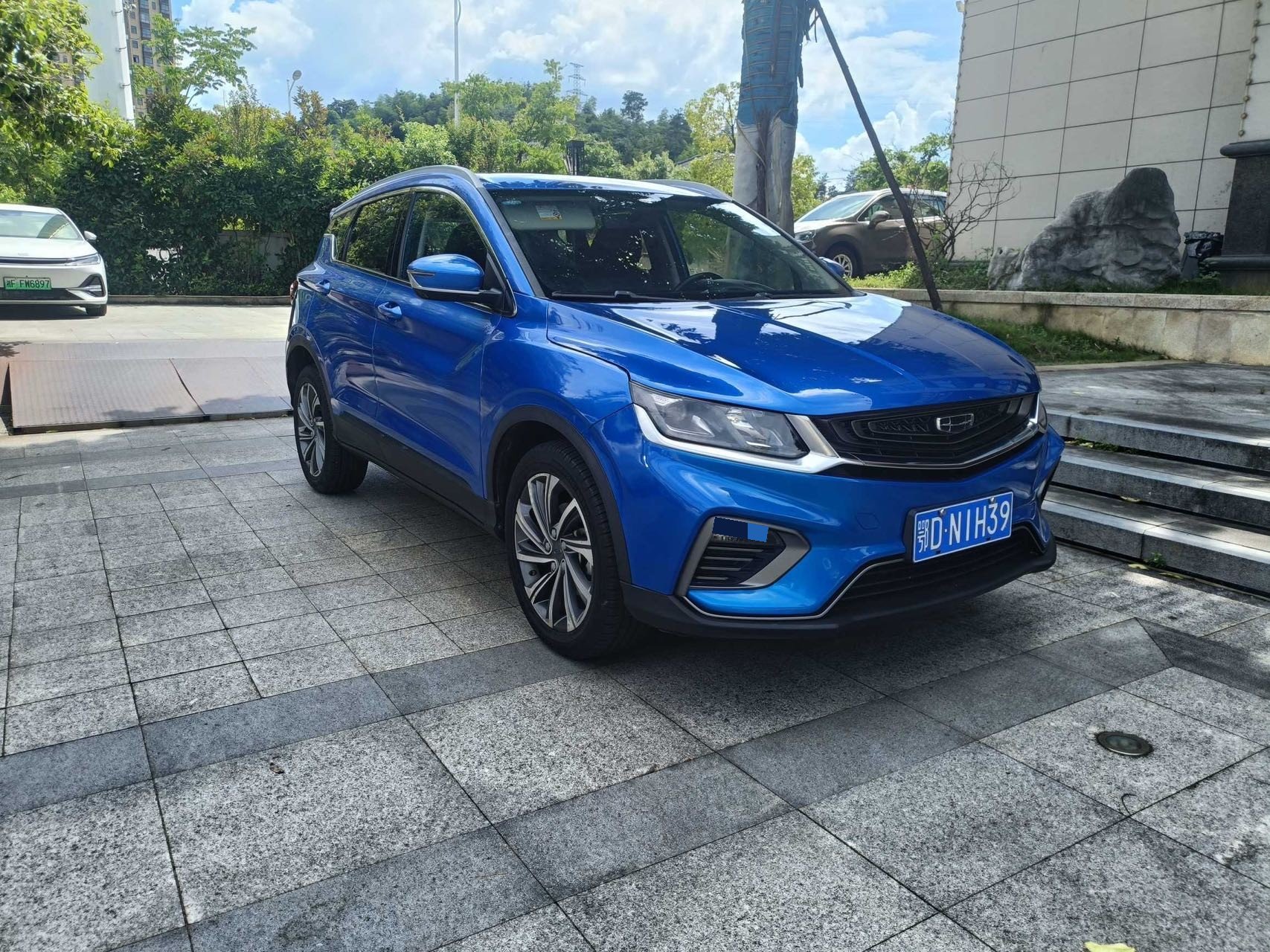
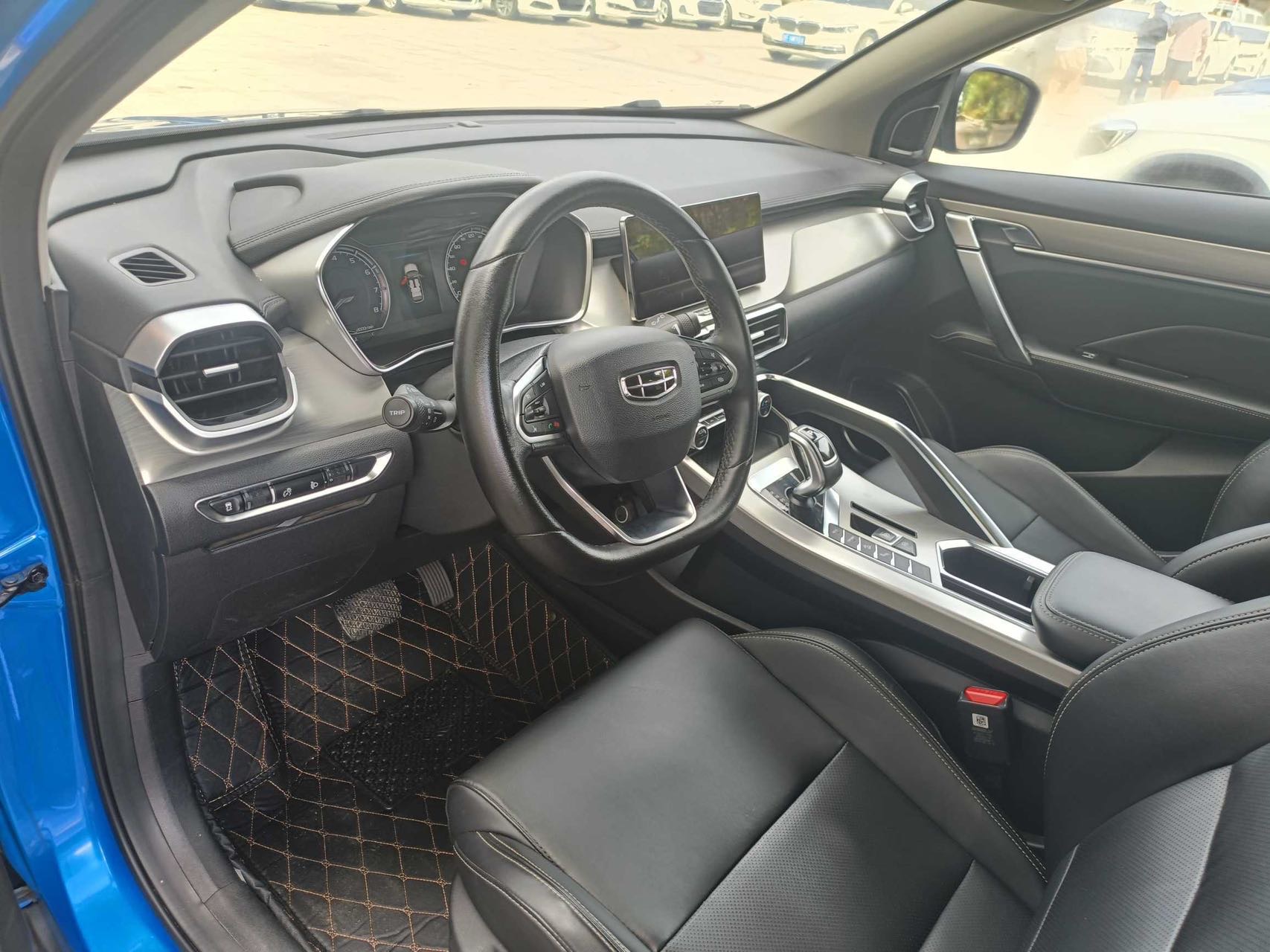
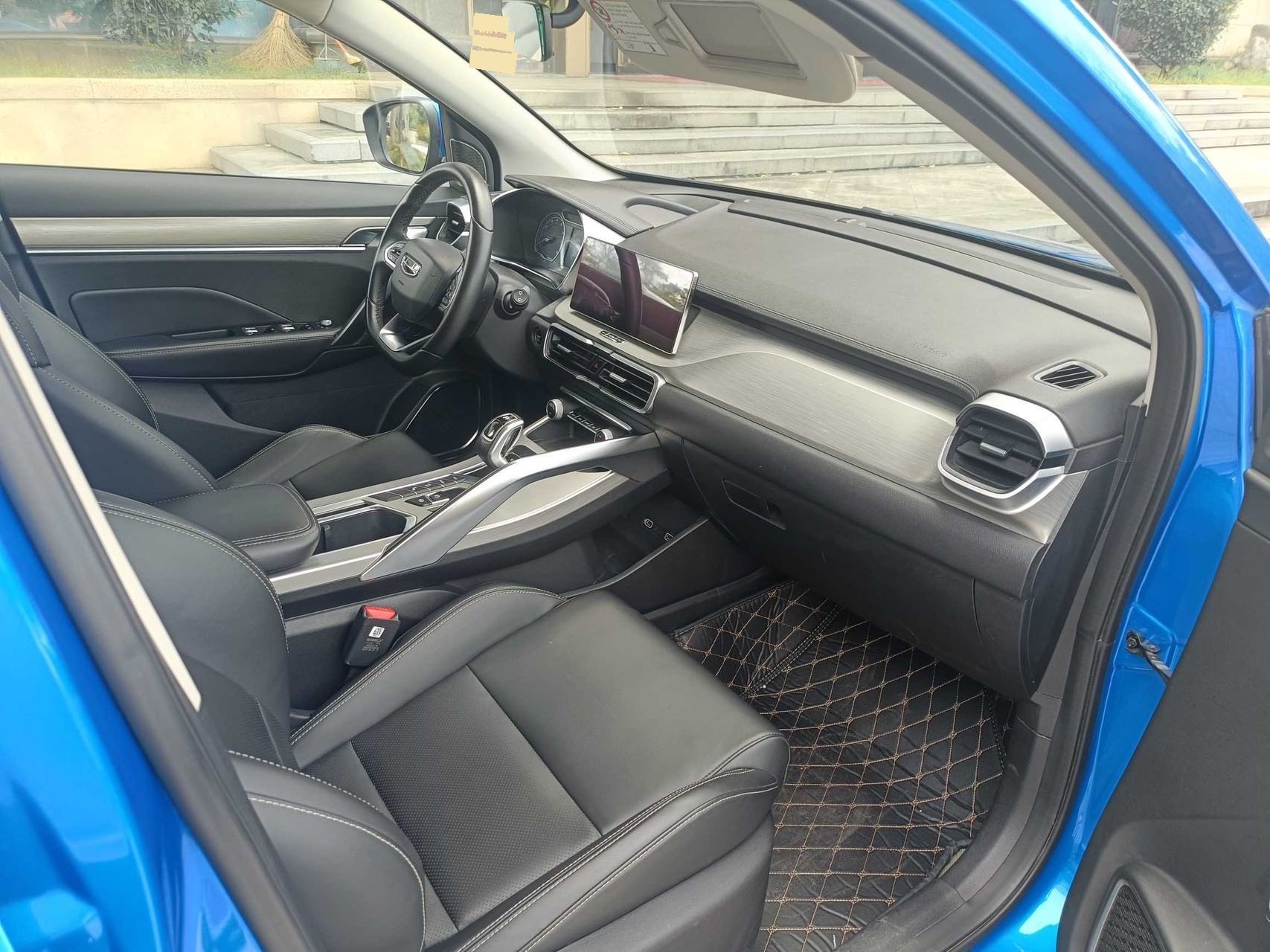
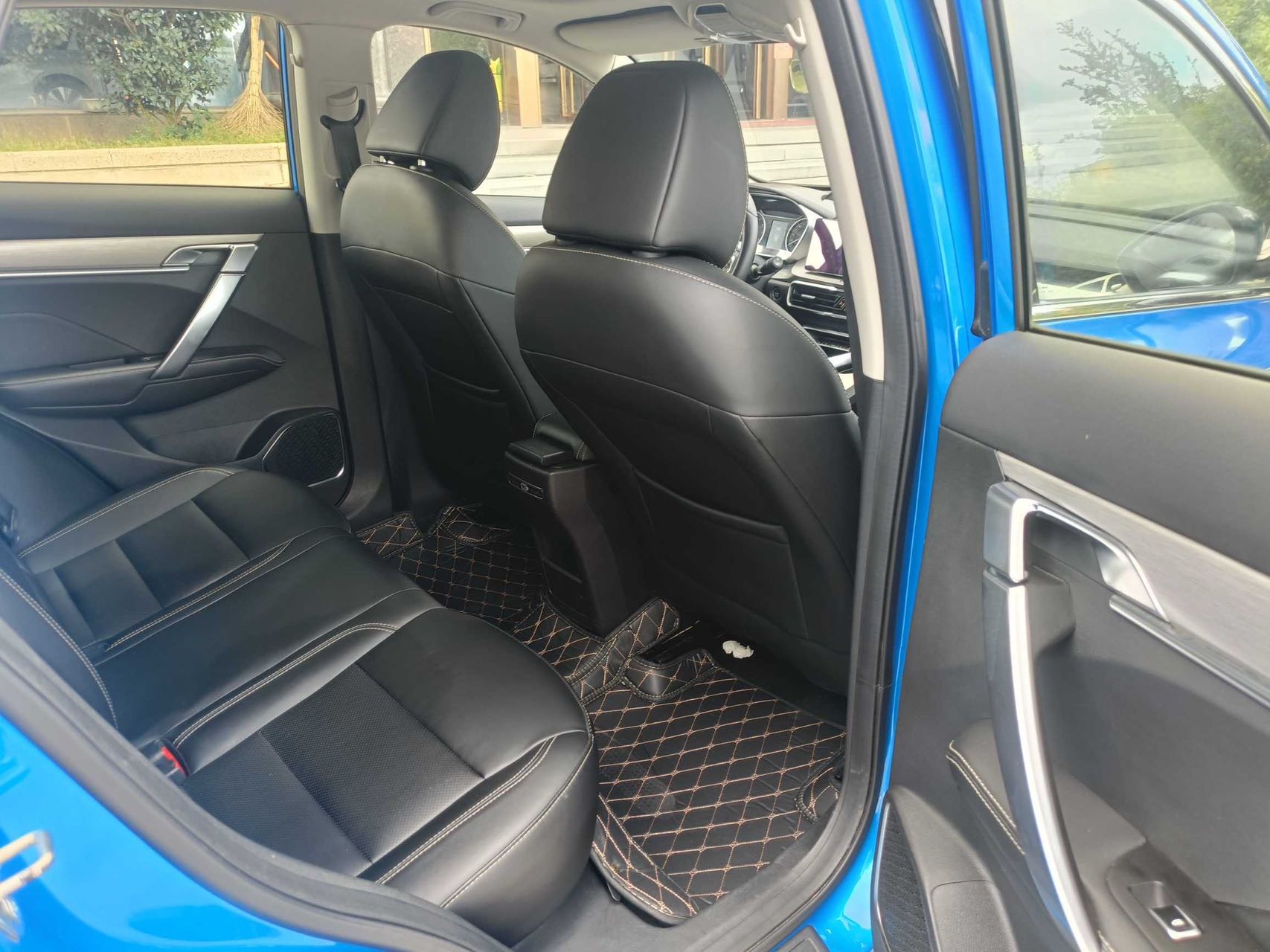
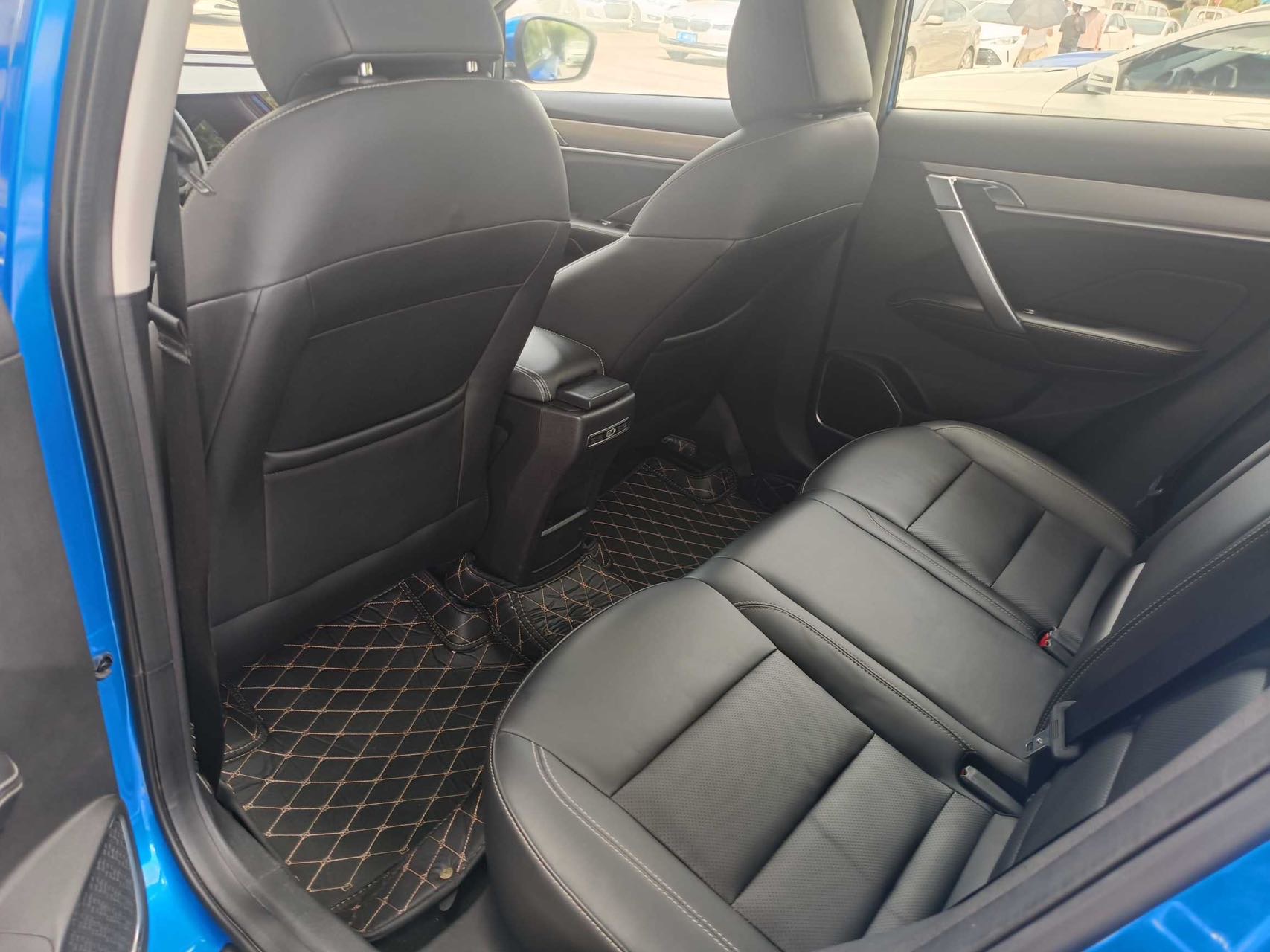
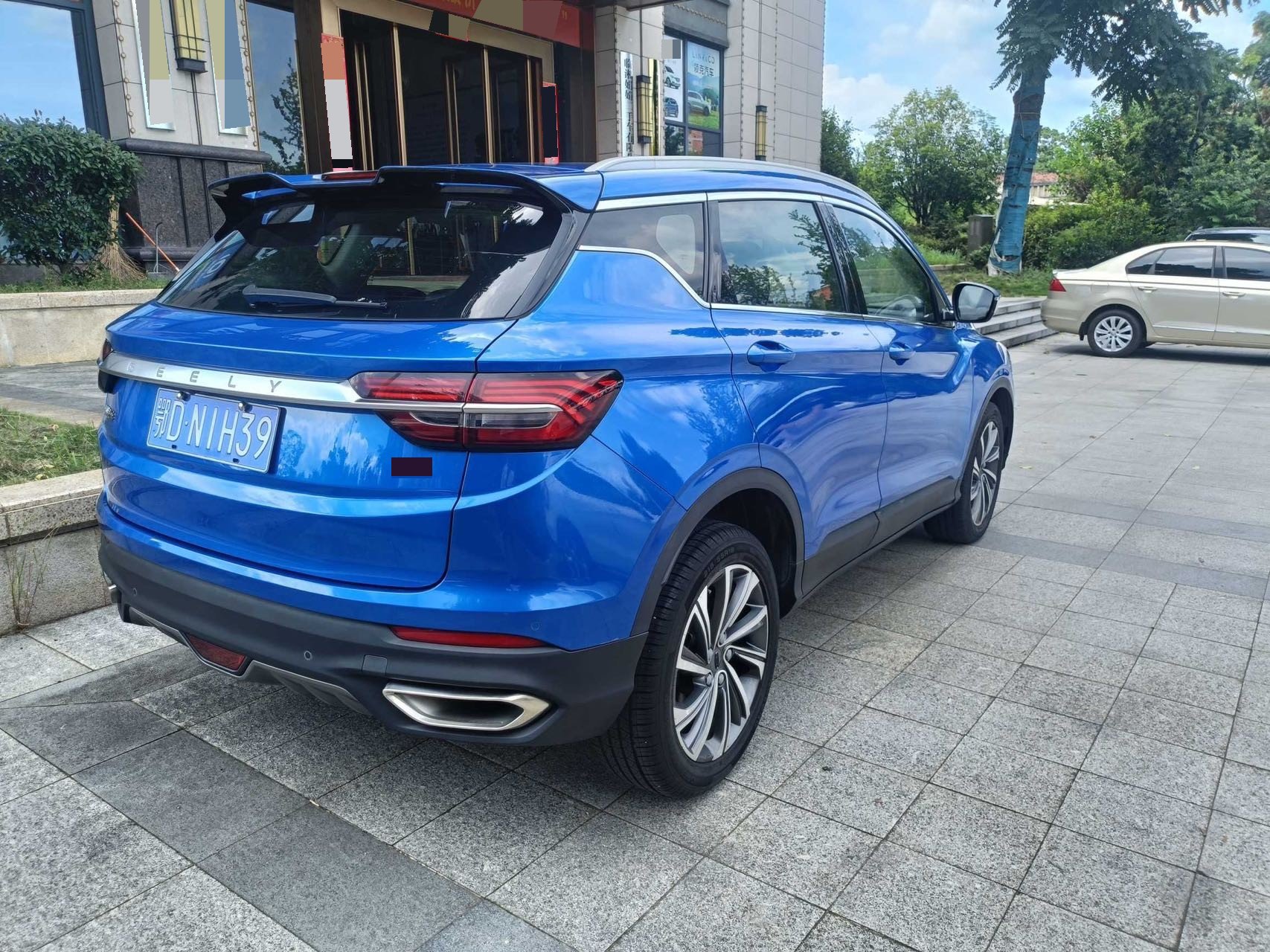
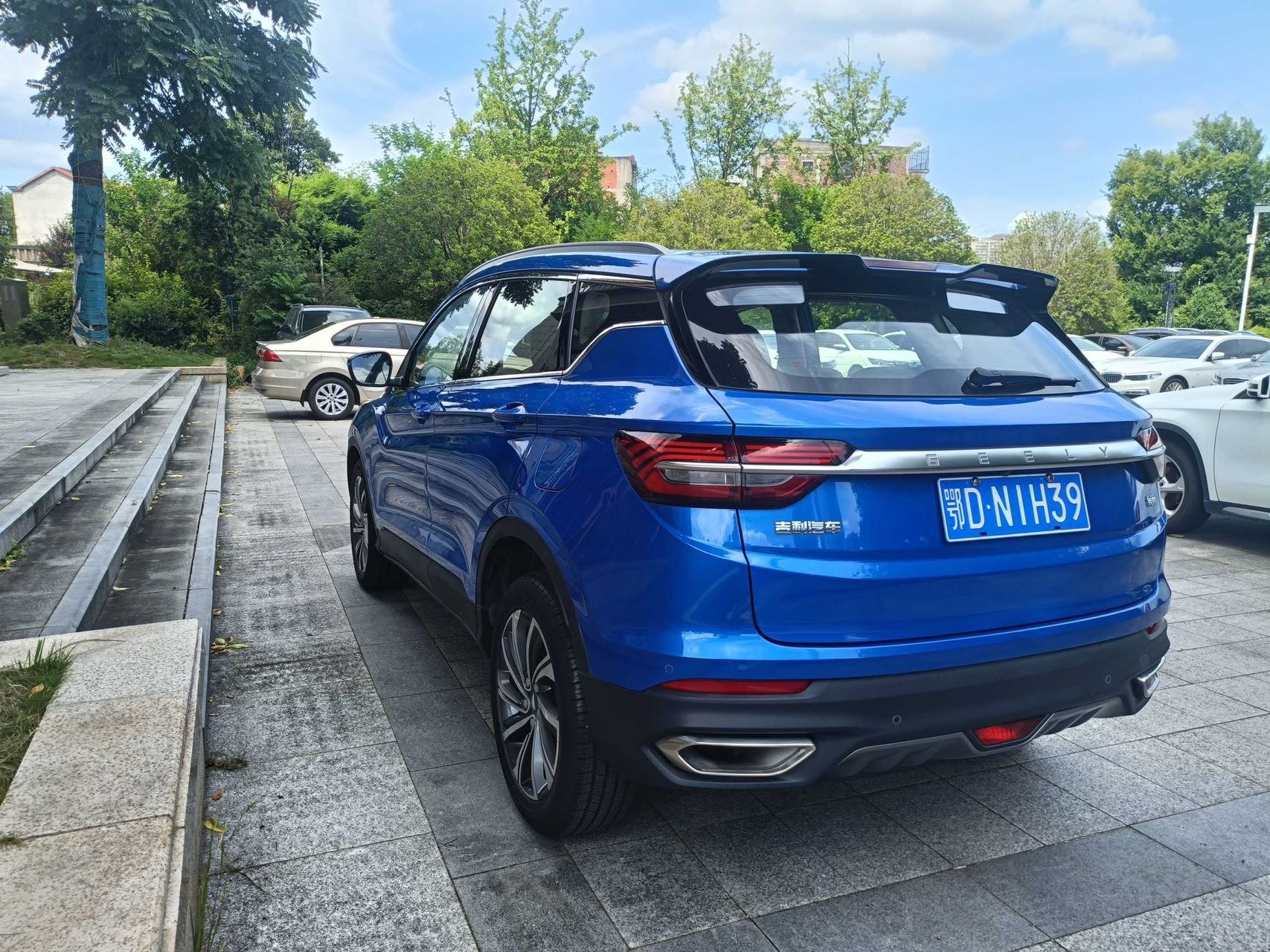



Basic Information

BrandGEELY
SeriesCoolray
Year2019
First Registration2019/12
Mileage39,000km
Transfer Count0times
FuelGasoline
TransmissionDCT
Engine1.5T 177 L3
ColorBlue
Seats-

Condition Description

Front collision accident; left front headlight replaced; hood and fender have body repair (metalwork); left front frame rail end deformed.

Document Information

Inspection Expiry Date-
Warranty Expiry Date-
Insurance Expiry Date2026/12

Q&A

More

When shipping by RoRo vessel, is the "Terminal Handling Charge (THC)" at the destination port prepaid by your freight forwarder or paid by the buyer upon arrival?

Under international practices and our standard CIF/FOB terms, the THC at the port of origin (China) is borne by the seller; all THC and port miscellaneous charges incurred at the destination port during unloading are to be paid by the buyer (consignee) upon local customs clearance and pickup.


How can I detect signs that a used Chinese car was used for heavy towing, ride-hailing, or overloaded work when buying remotely?

Heavy-use vehicles often look clean in photos but show specific wear patterns. Here's what to check: 1. Rear sag and suspension: ask for a side-profile photo of the car on level ground. If the rear sits noticeably lower than the front, the rear springs or shocks may be worn from constant heavy loads. Compare with factory ride height specs. 2. Pedal and seat wear: accelerator and brake pedals with polished metal patches, and a driver's seat bolster that is flattened or cracked, indicate high mileage or intensive commercial use — even if the odometer says otherwise. 3. Hitch and tow bar marks: check the rear bumper area in close-up photos for scratches, bolt holes, or a removed tow bar mount. Ask the seller directly whether the car ever towed. 4. Underbody and frame: request underbody photos. Look for bent or scraped crossmembers, fresh undercoating hiding damage, or uneven tire wear across the rear axle. 5. Data check: many ride-hailing cars in China have records in maintenance databases — a professional inspection agency can flag cars with commercial fleet history. If the seller refuses underbody or close-up photos, treat it as a warning sign and consider another vehicle.

Which export documents should the Chinese seller provide, and how do I verify they are authentic?

The standard set: commercial invoice, packing list, bill of lading, export customs declaration, certificate of origin, and a copy of the vehicle title/registration. How to verify: the bill of lading number should be trackable on the shipping line's website; the certificate of origin is verifiable through CCPIT's online system; and the VIN must match across all documents, the inspection report, and the car itself. Ask for scans of everything before paying the balance, and have a freight forwarder review the set. Mismatched VINs, missing title copies, or vague promises that "documents will follow" are red flags worth pausing the deal over.