Stock

Basic Information

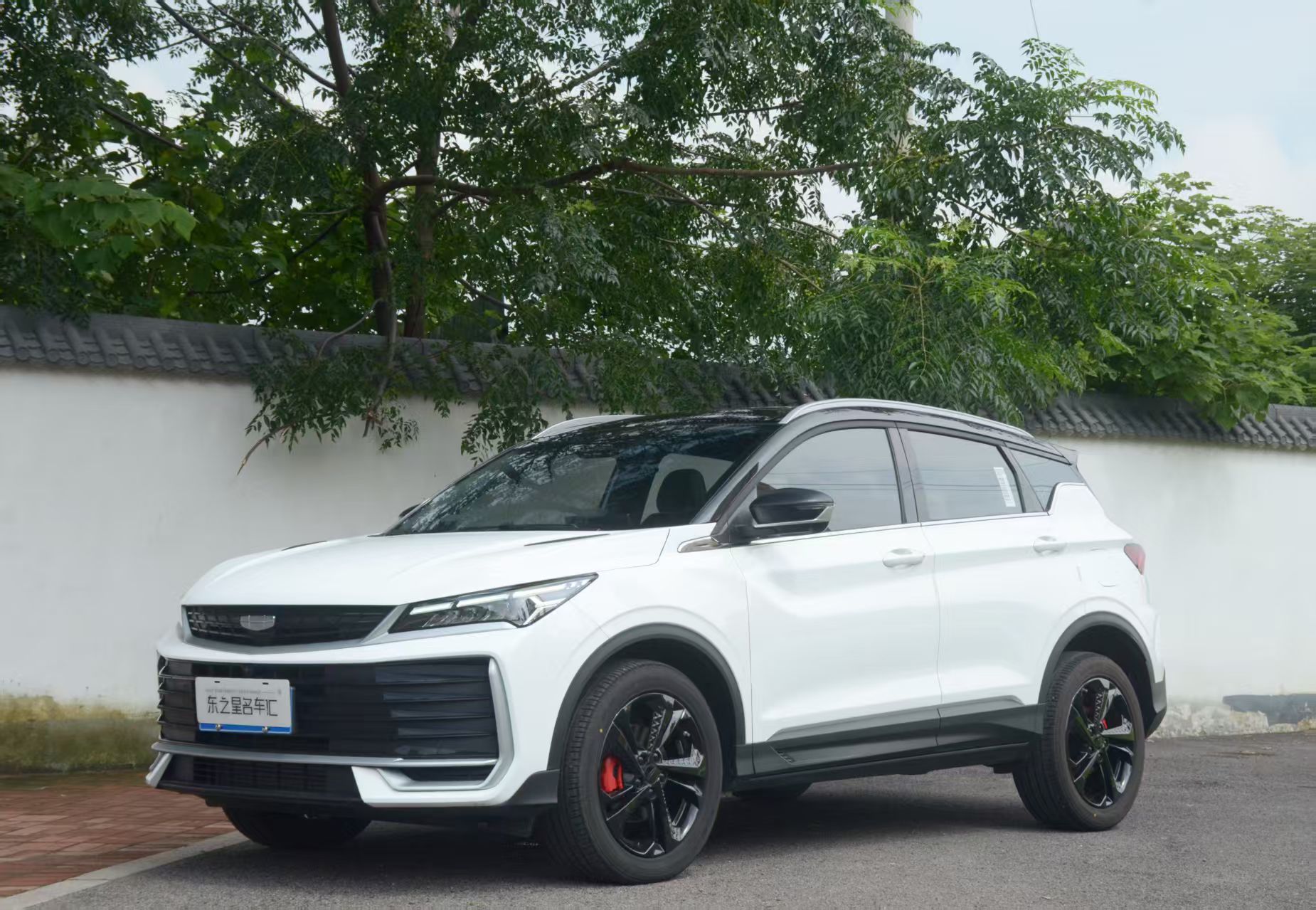
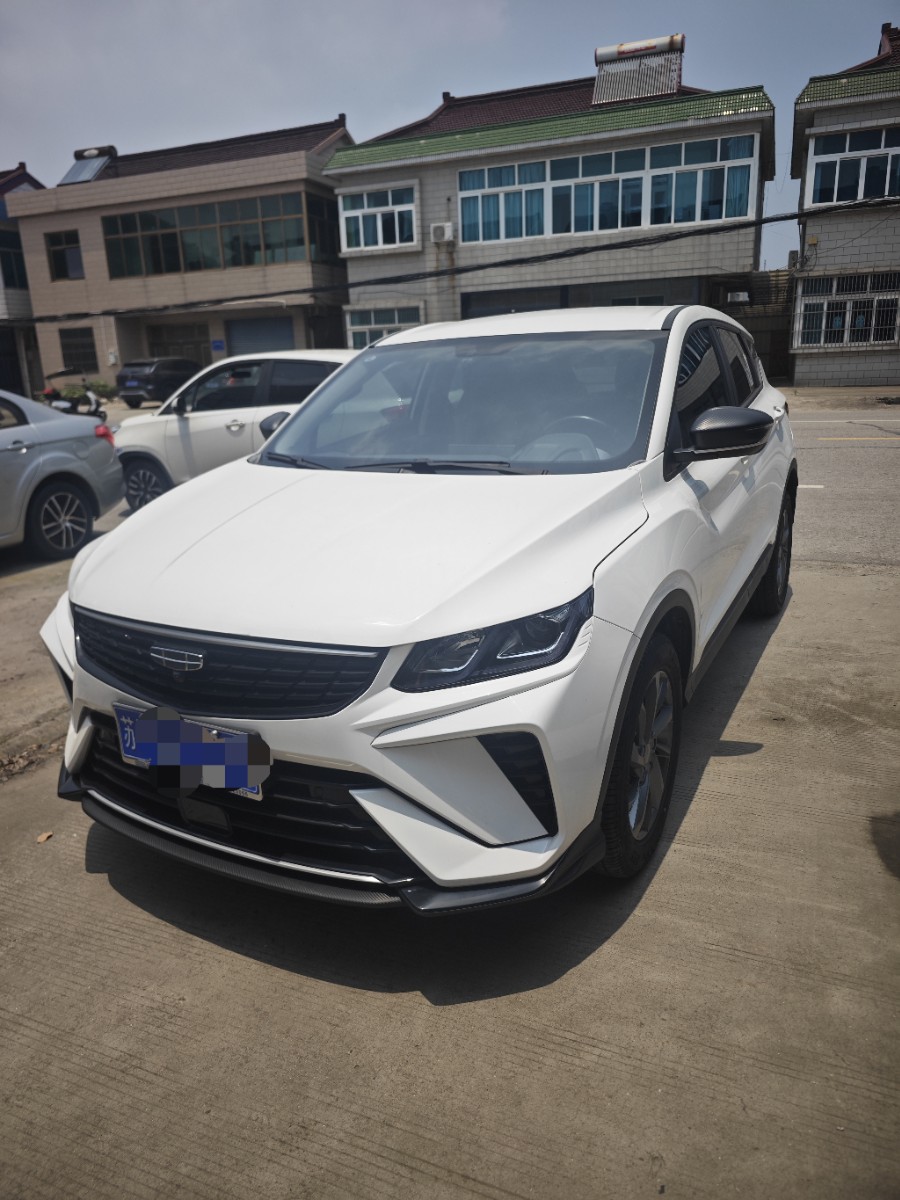
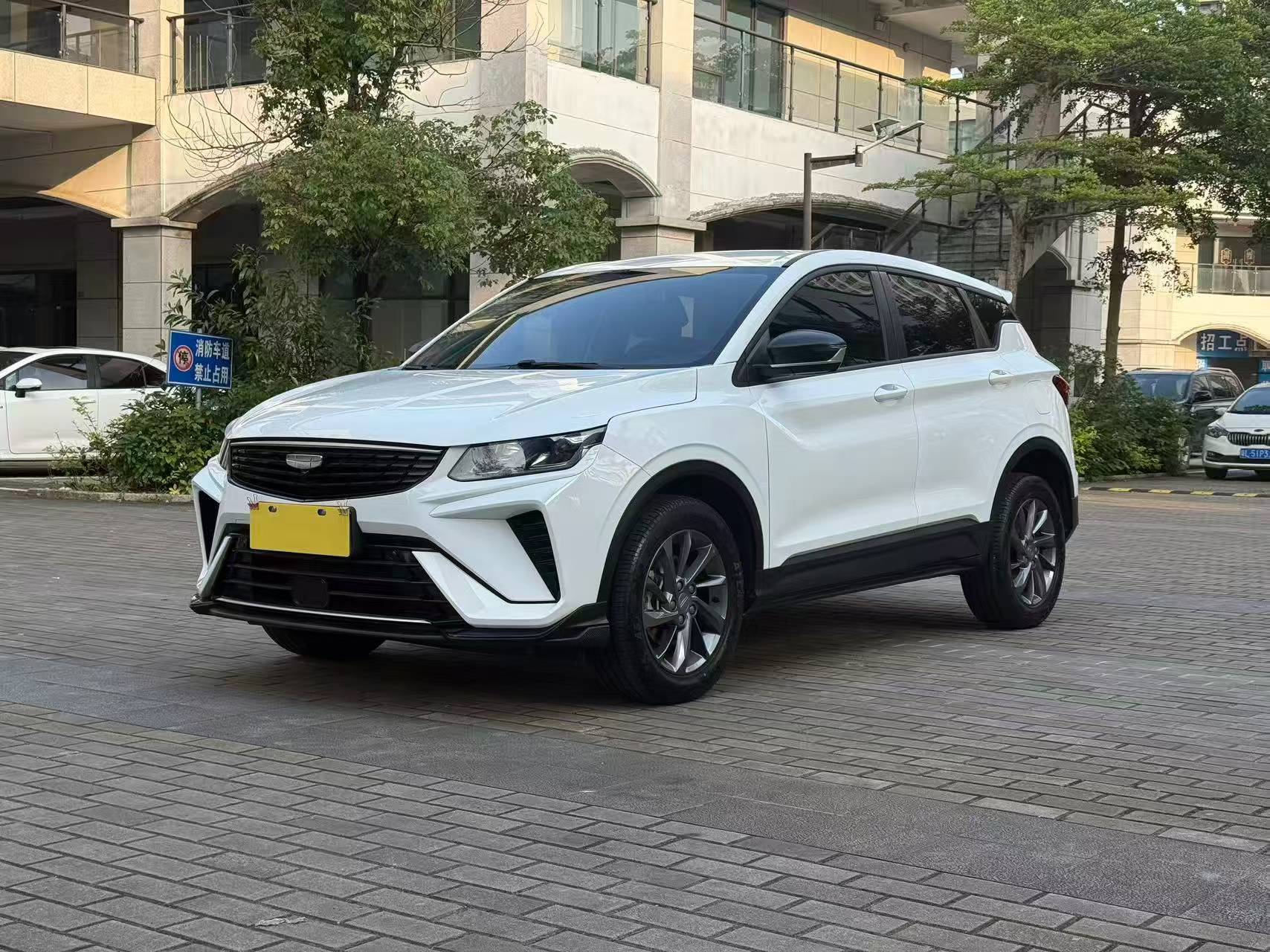
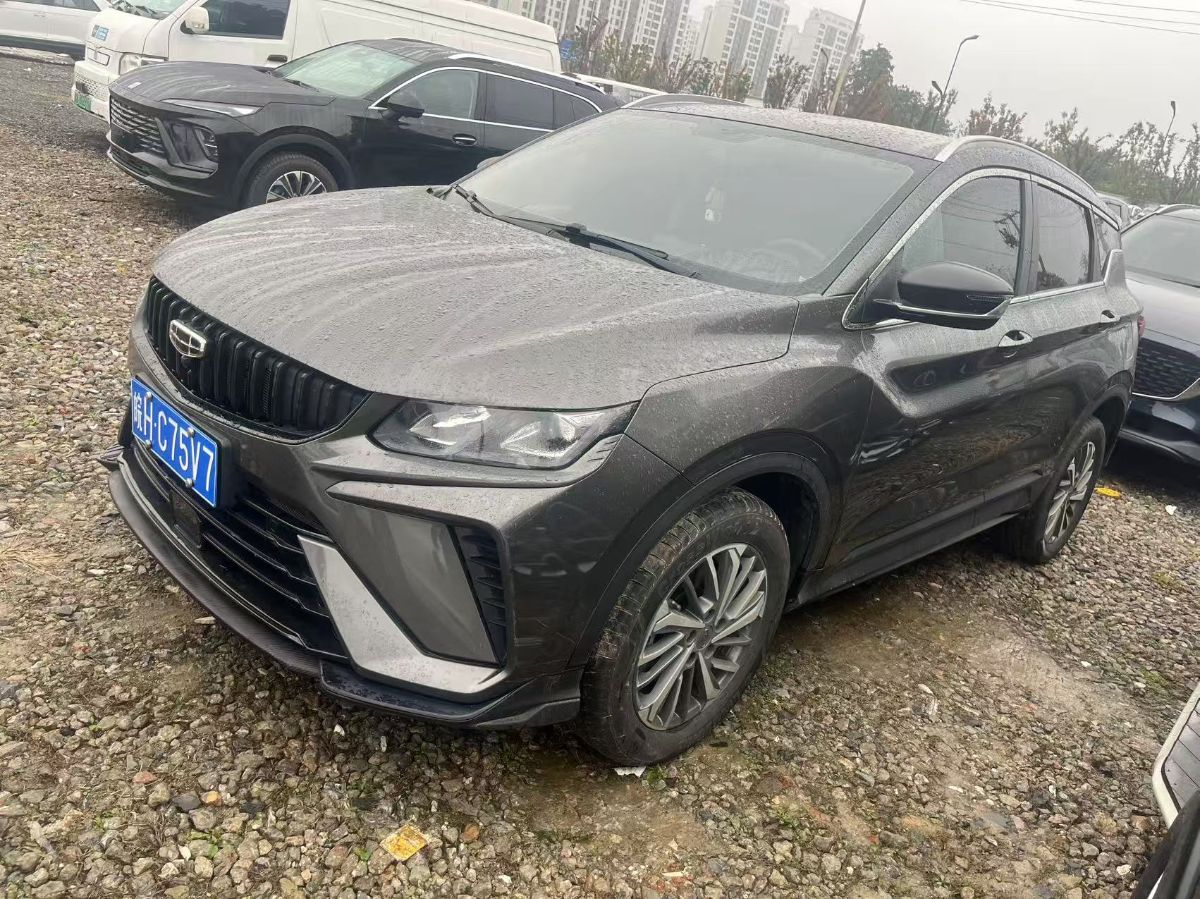
BrandGEELY
SeriesCoolray
Year2023
First Registration2023/09
Mileage28,400km
Transfer Count0times
FuelGasoline
TransmissionDCT
Engine1.5T 181 L4
ColorRed
Seats-

Condition Description

Front bumper replaced. Steel body panels original paint. Manufacture date May 2023.

官方质检 · 60天全车质保· 7天无理由有偿退车

Configuration Highlights

✓上牌时间: 2023-09
✓表显里程: 2.8万公里
✓排放标准: 国六b
✓车源地: 合肥
✓百公里加速: 7.6s
✓发动机: 1.5T
✓轴距: 2600mm
✓变速箱: 自动
✓功能配置: 20项
✓安全配置: 2项
✓动力类型: 前驱
✓空间舒适性: 一般

Q&A

More

Are all external lighting systems of the vehicle (headlights, taillights, turn signals) confirmed to be functioning properly before leaving the factory?

Yes, all external lighting sources, including low beams, high beams, fog lights, daytime running lights, reverse lights, and brake lights, are included in the mandatory power-on testing.

Which documents prove a used car exported from China is legal to import, and how do I verify them?

Key documents to request and verify: 1. Export declaration (报关单): proves the car legally left China. Check the VIN, model and exporter name match the car. 2. Commercial invoice: must match your payment amount; customs uses it to assess duties. 3. Bill of lading: confirm the consignee is you or your agent, and the VIN/container number is correct. 4. Certificate of origin: needed for tariff preferences in some markets. 5. Condition/inspection report: ideally from an independent third party, with photos and dates. Verification tips: cross-check the VIN on every document — any mismatch causes customs holds. Ask your destination customs broker to review scanned copies before the car ships, and release the final payment only after documents pass that review. A legitimate exporter will provide all of these without hesitation.

When buying remotely, how do I assess the engine, transmission, brakes, and tires of a used car from China over a live video call?

A structured live video inspection can catch most mechanical problems. Ask the seller to do the following in order: Cold start: film the engine bay before starting — check for leaks, cracked hoses, and corrosion. Then start from cold and listen for rattling or knocking during the first minute; abnormal noises on cold start often mean worn internals. Fluids: pull the oil dipstick — milky or foamy oil suggests head gasket issues. Check coolant color and level. Transmission: with the car warmed up, film each gear shift, forward and reverse. Hesitation, harsh jerks, or slipping RPM are red flags. Brakes: test at low speed in a safe area — the pedal should feel firm, not spongy, and the car must not pull to one side. Tires: walk around and film each tire's sidewall and tread. Uneven wear suggests alignment or suspension problems. Combine this with an independent pre-shipment inspection for a professional report — the video call is your first filter, not the final verdict.