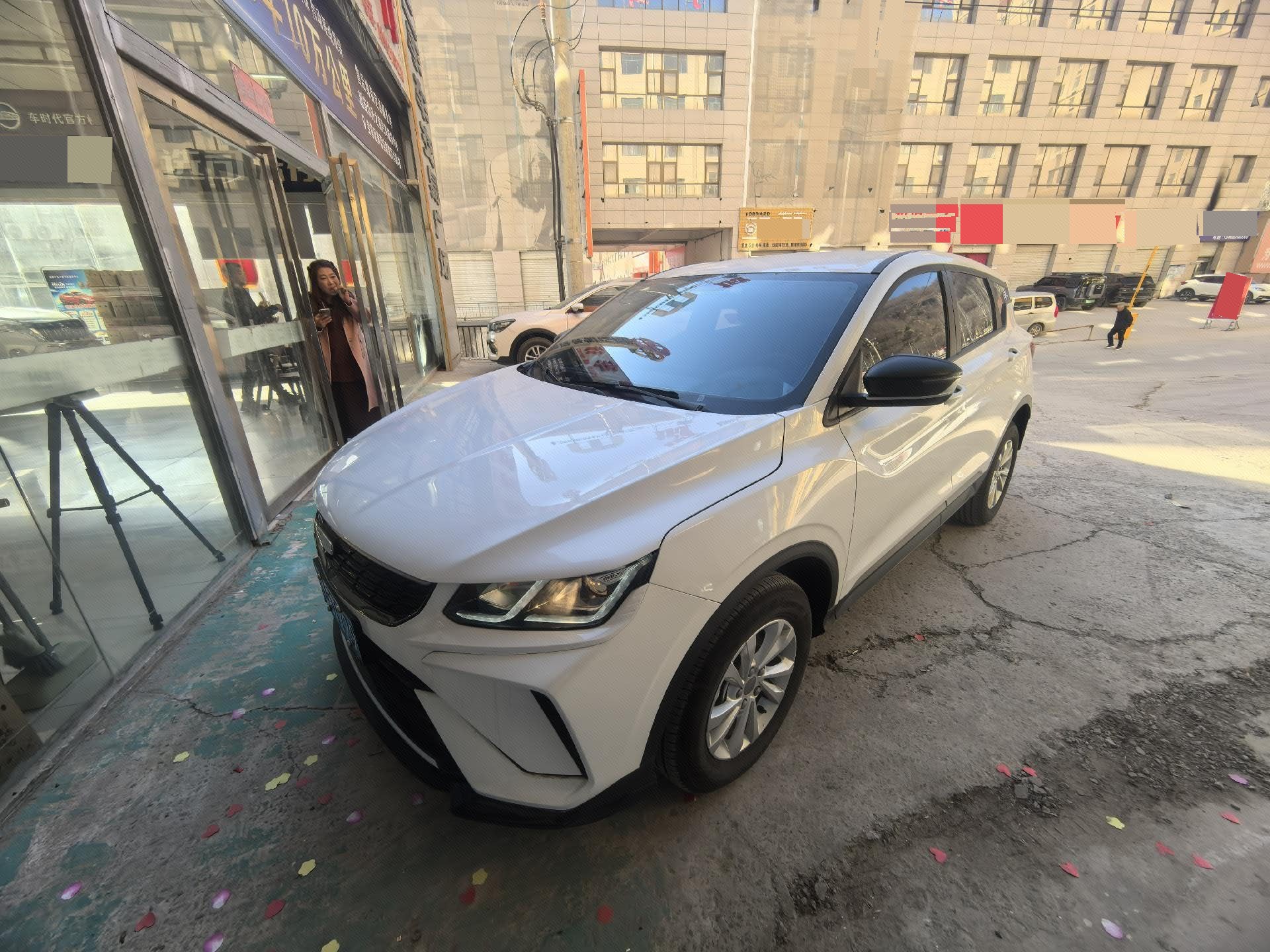
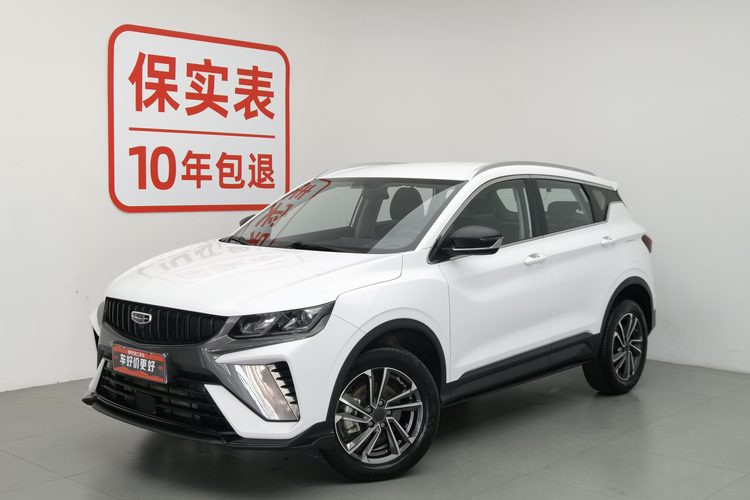
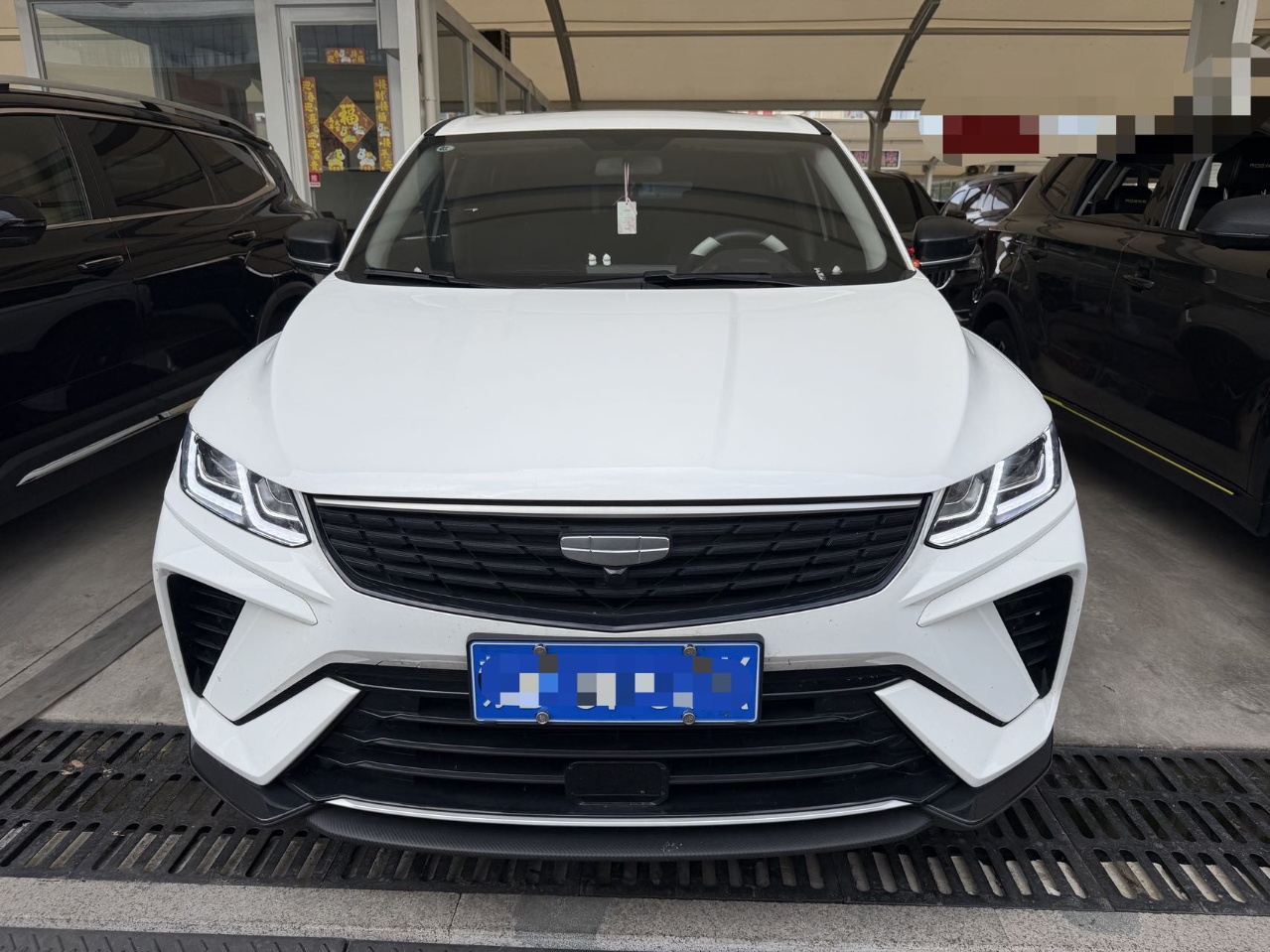
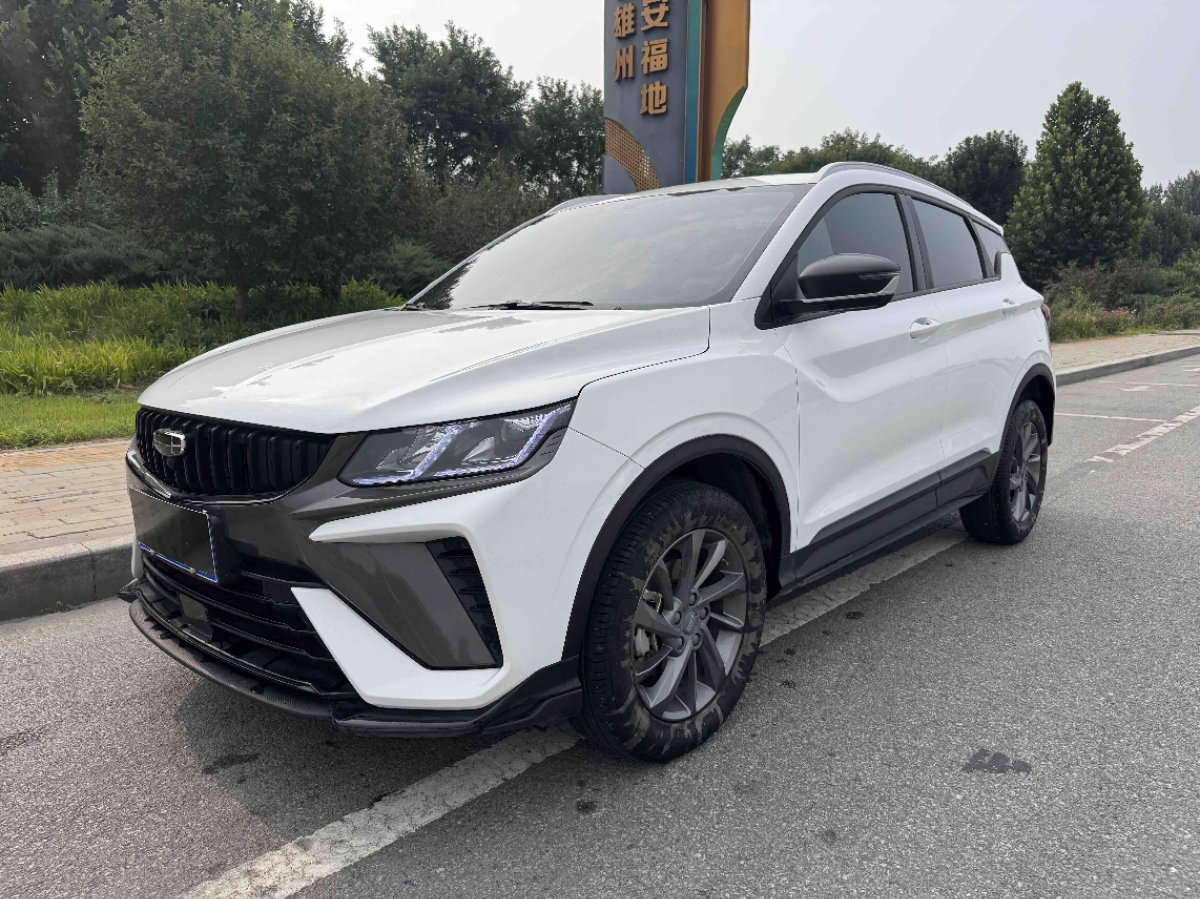
Basic Information

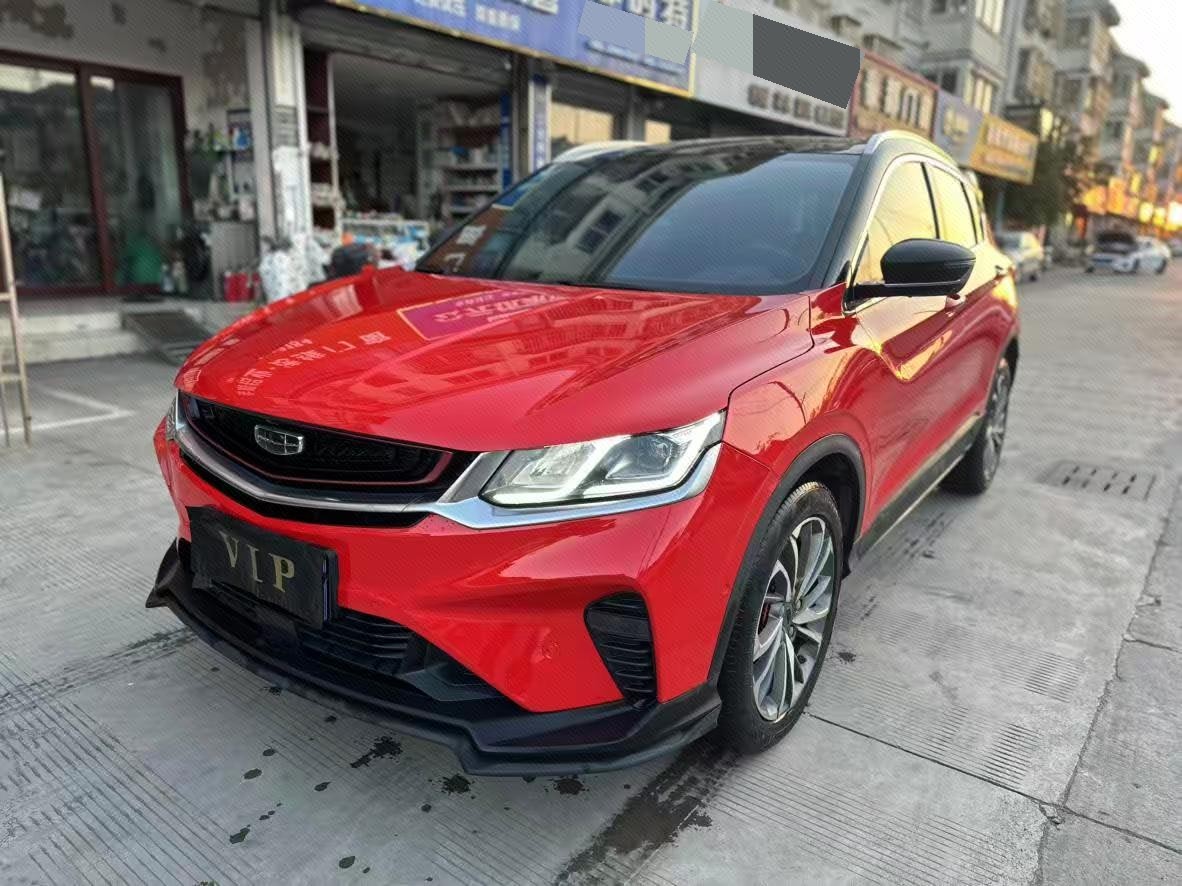
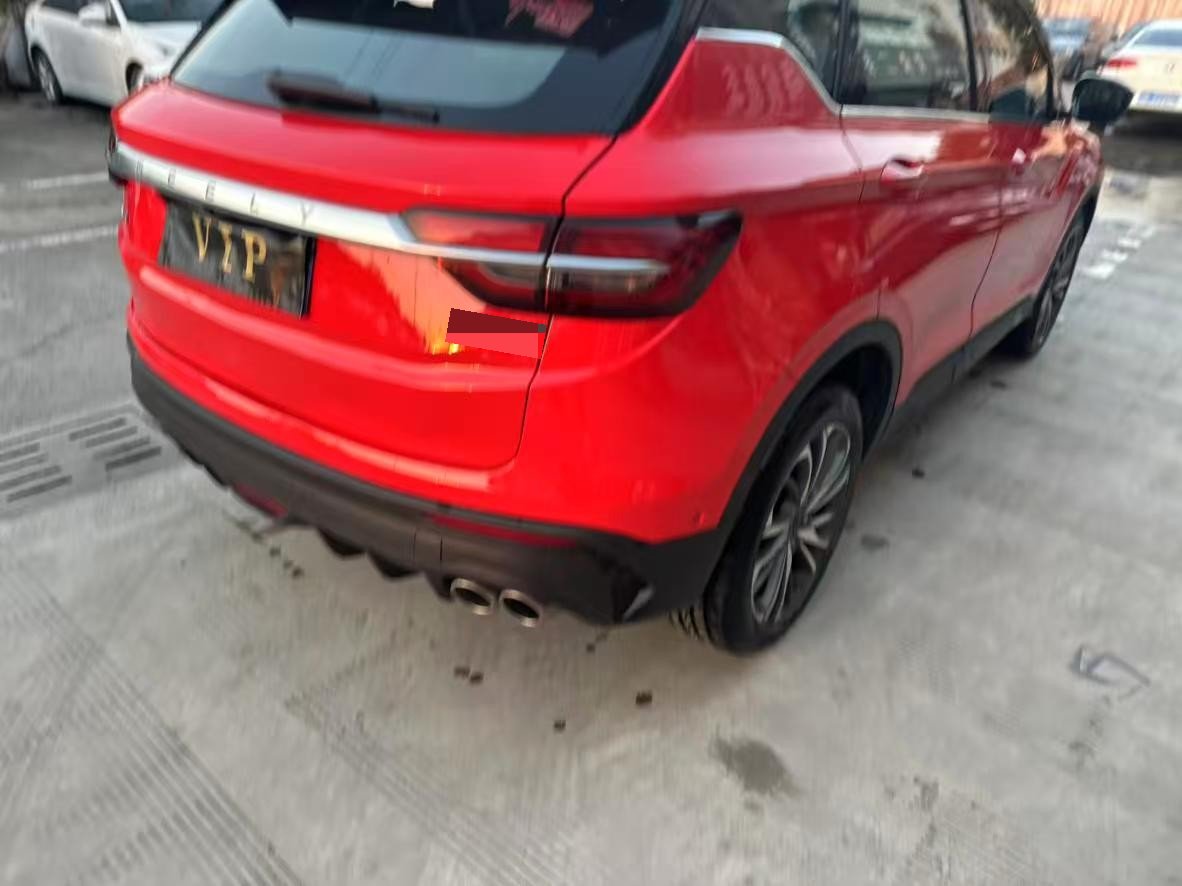
BrandGEELY
SeriesCoolray
Year2019
First Registration2019/01
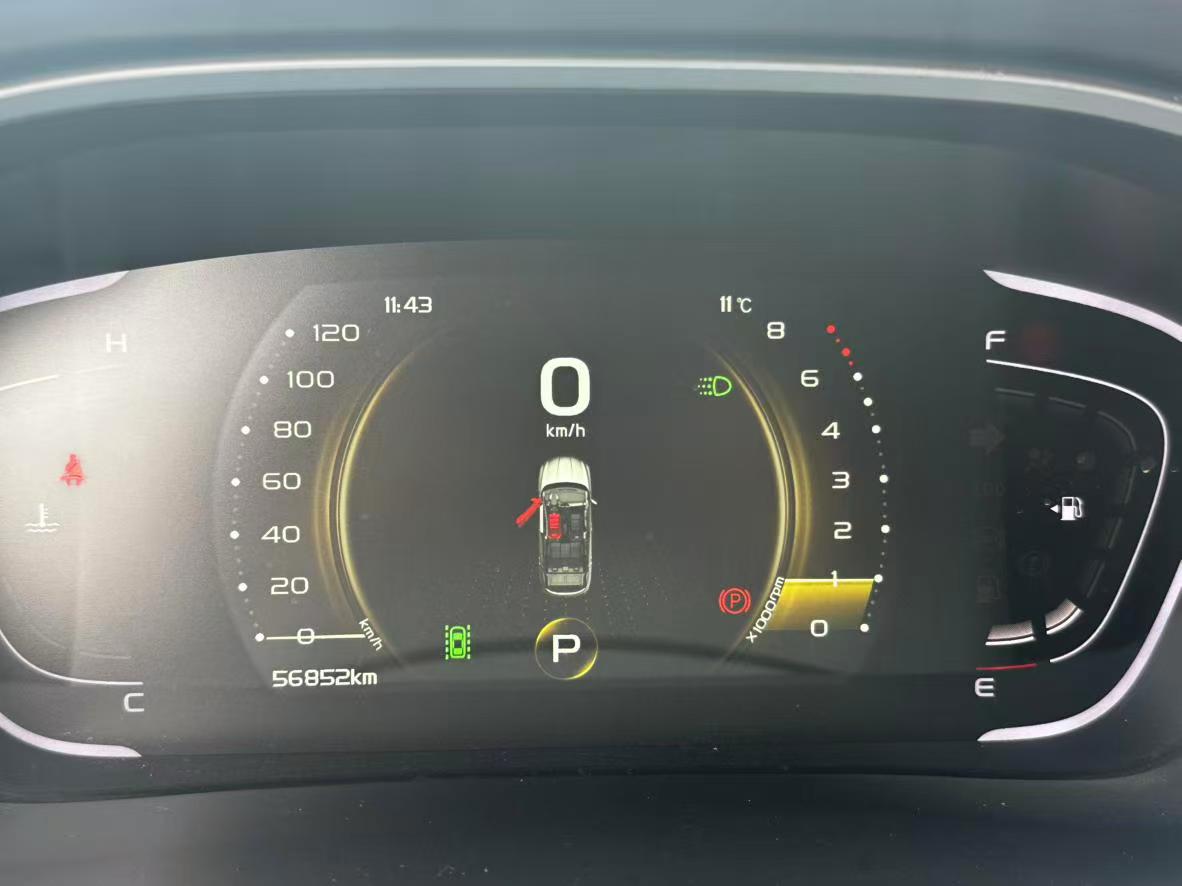
Mileage56,000km
Transfer Count0times
FuelGasoline
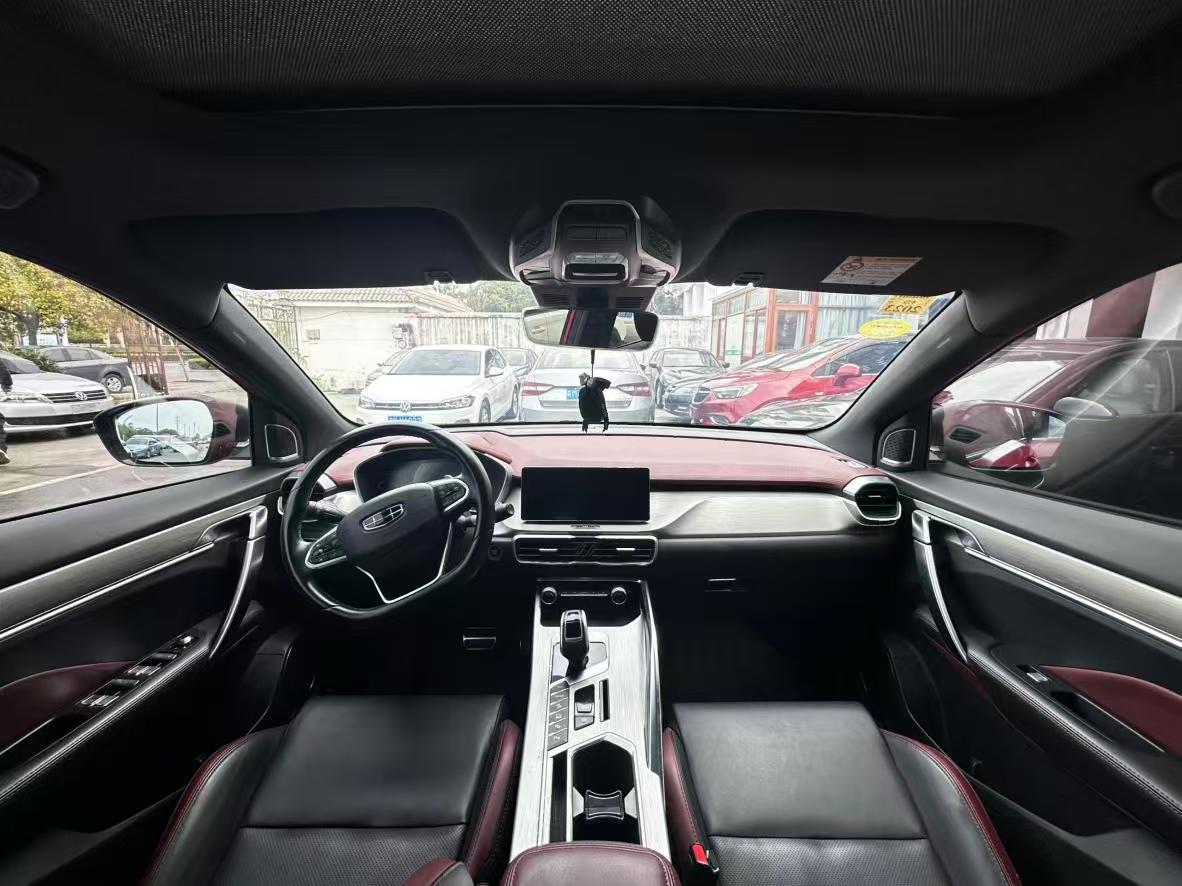
TransmissionDCT
Engine1.5T 177 L3
ColorRed
Seats-

Condition Description

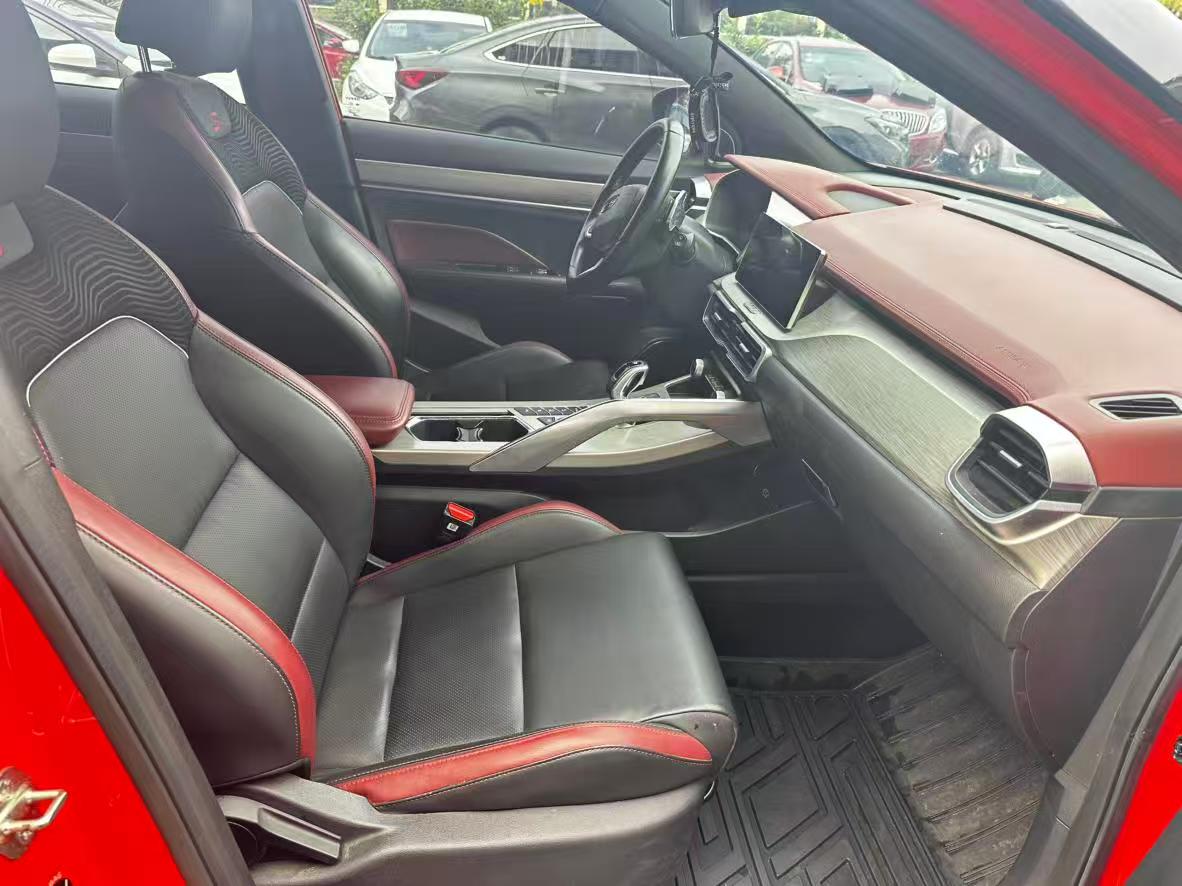
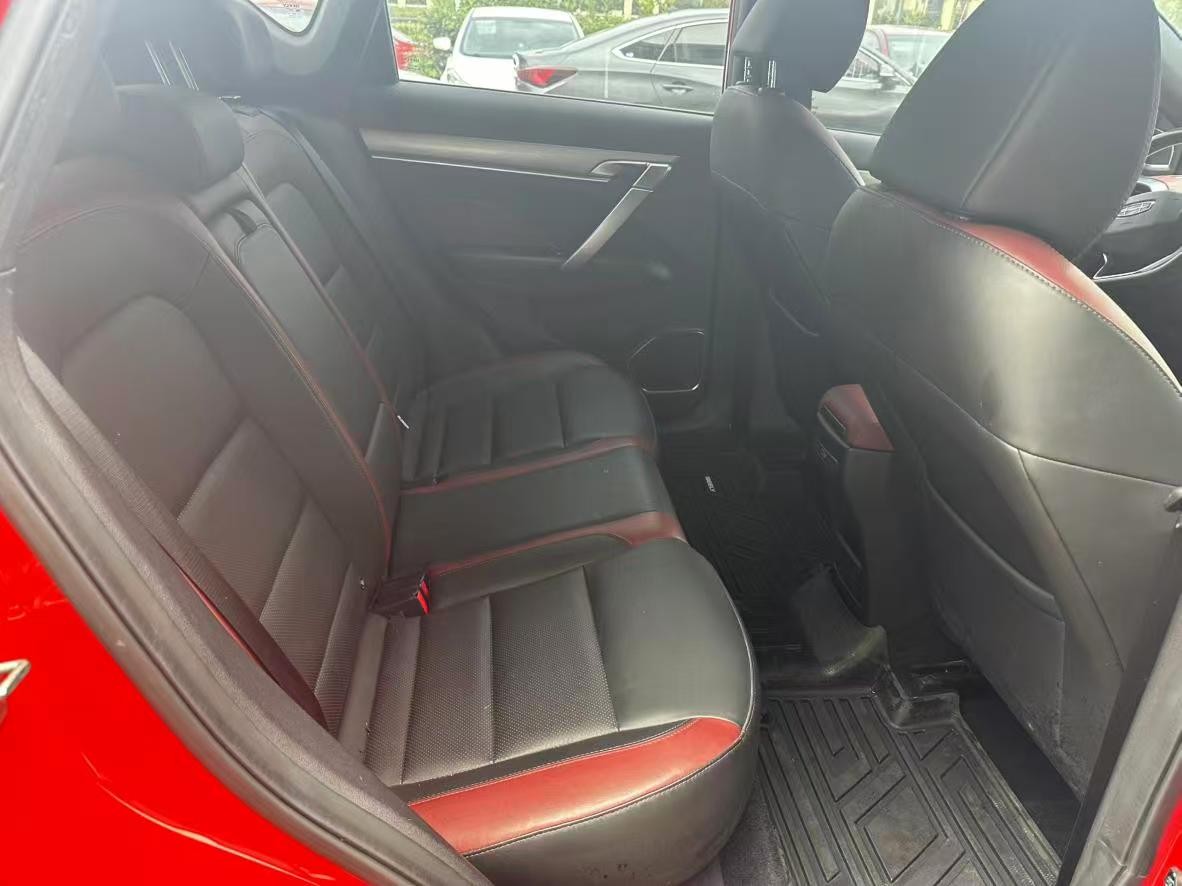
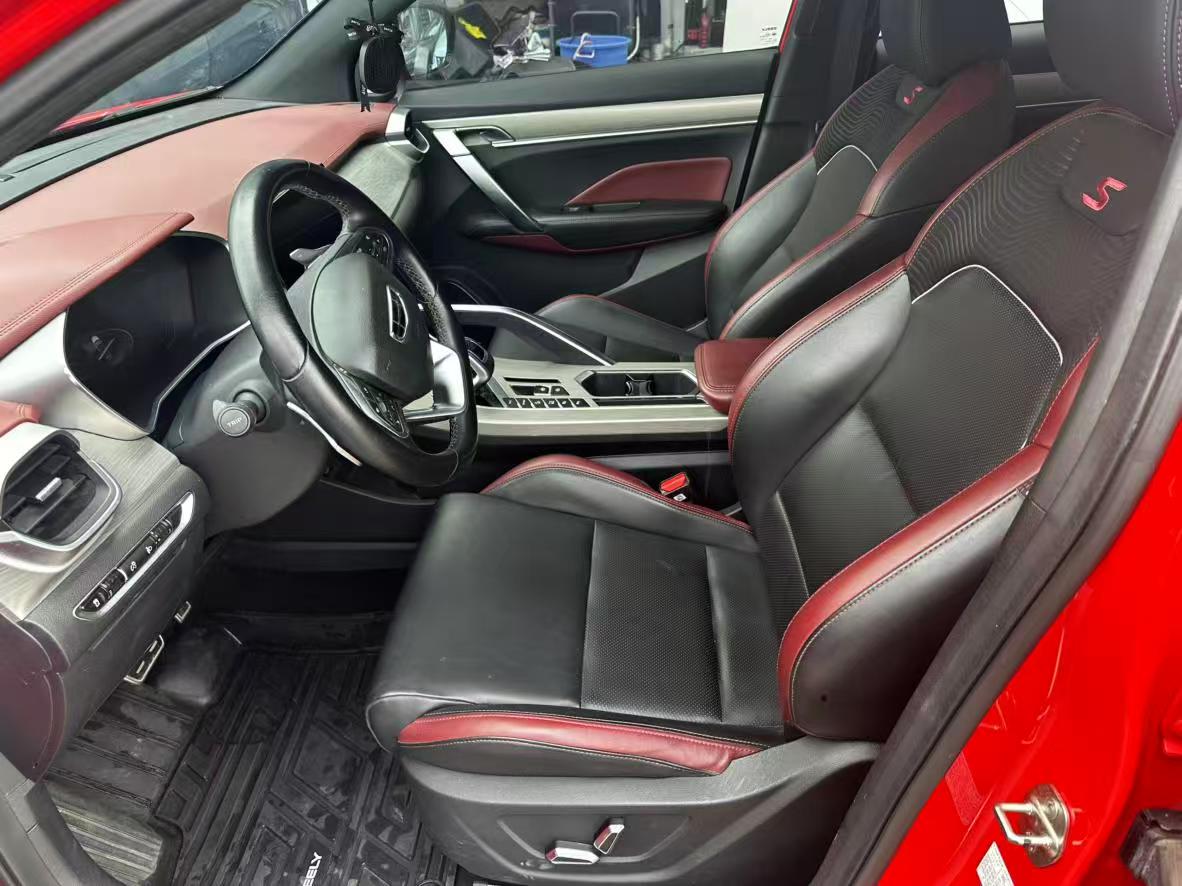
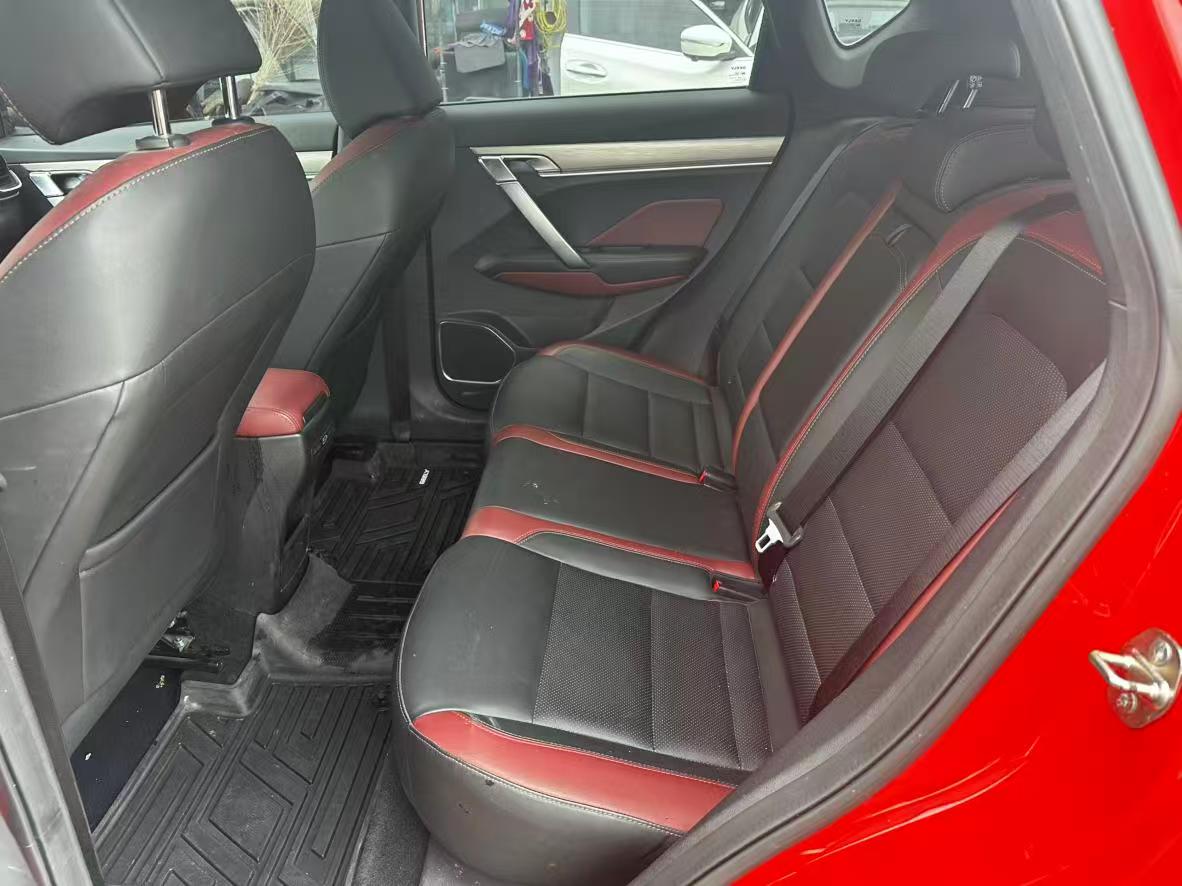
1.5T automatic transmission, sunroof, condition as shown in photos.

Document Information

Inspection Expiry Date-
Warranty Expiry Date-
Insurance Expiry Date2027/01

Q&A

More

Will all electronic buttons in the car (windows, air conditioning, seat adjustments) undergo electrical testing?

Testing is mandatory. Troubleshooting electrical devices in the car is part of the standard procedure. We will test the window lift motors, mirror folding, air conditioning compressor and fan, electric seat tracks, etc. Any stuttering or failure of electronic components will be recorded.

What is a bill of lading and when should I insist on an original versus a telex release when importing a car?

The bill of lading (B/L) is the most important shipping document: it serves as a receipt for your car, a contract of carriage, and — crucially — the document of title. Whoever holds the original B/L legally controls the cargo. No B/L, no car at the destination port. Two common release methods: Original B/L: the exporter mails you 1–3 original stamped copies. You present one at your port to take delivery. Safe, but adds 5–10 days of courier time and a risk of loss. If an original is lost, getting a replacement is slow and expensive. Telex release (express release): the exporter authorizes the shipping line to release the car to you electronically, once you've paid. Faster and cheaper, but only safe after your payment is fully settled — because with a telex release, whoever the exporter names can take the car. Practical guidance: for a first-time purchase, ask for the original B/L sent by courier with tracking, and pay the balance only against a copy of the B/L showing your car loaded on board. For repeat business with a trusted exporter, telex release is fine. Never agree to 'sea waybill' (non-negotiable) for a first transaction.

Beyond the car price, what costs should I budget when importing a used car from China?

A realistic budget has several layers beyond the vehicle price. First, inland logistics in China: moving the car to the export port typically costs $300-$800. Second, export handling: inspection, customs declaration and paperwork usually add $500-$1,000. Third, ocean freight. A 20ft container to most destinations runs $1,200-$3,000 depending on route; RoRo shipping can be cheaper for driveable cars. Add marine insurance, usually 0.3%-0.5% of the car value. Fourth, destination charges: port handling, customs duties, VAT/GST and local registration fees. These vary widely; some countries charge duties of 20%-80% of the vehicle value plus an excise based on engine capacity. Finally, any compliance work: inspection certificates, modifications to meet local standards, or homologation. Ask your exporter for a full CIF quote and have a local customs broker confirm destination taxes before you commit.