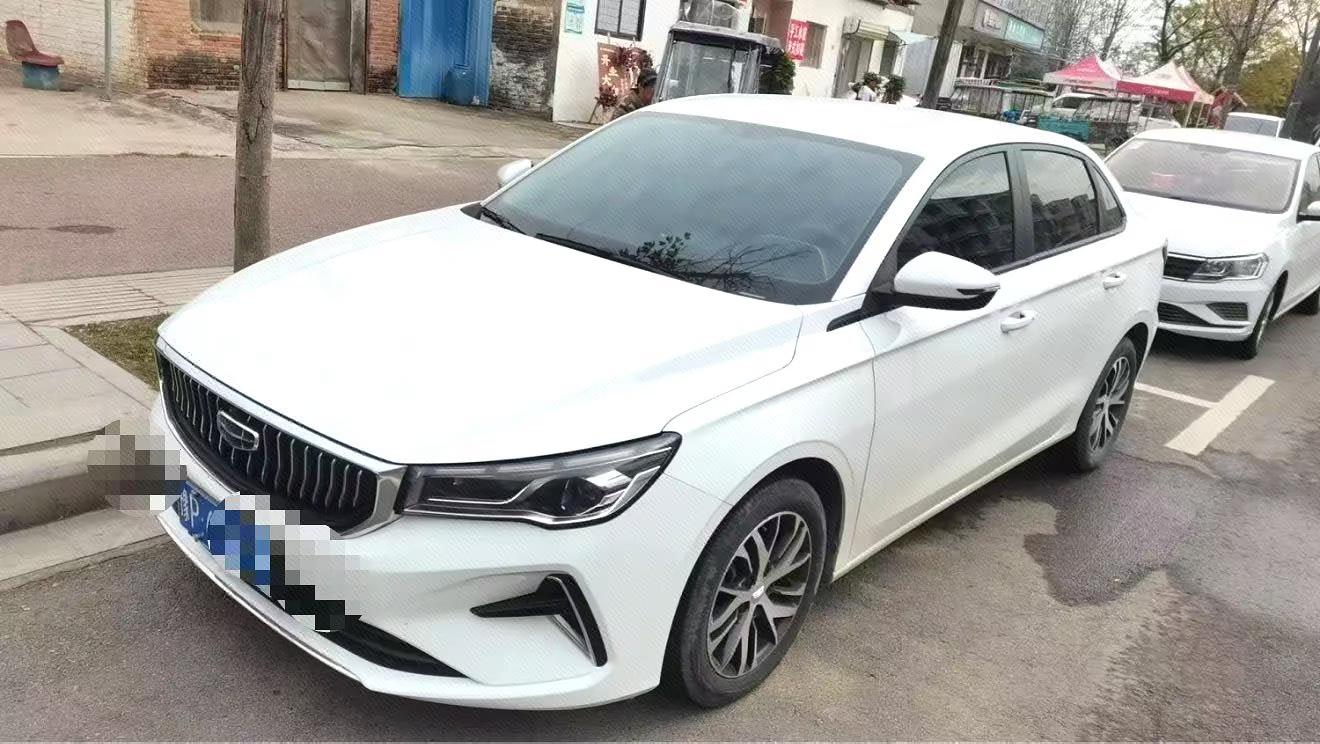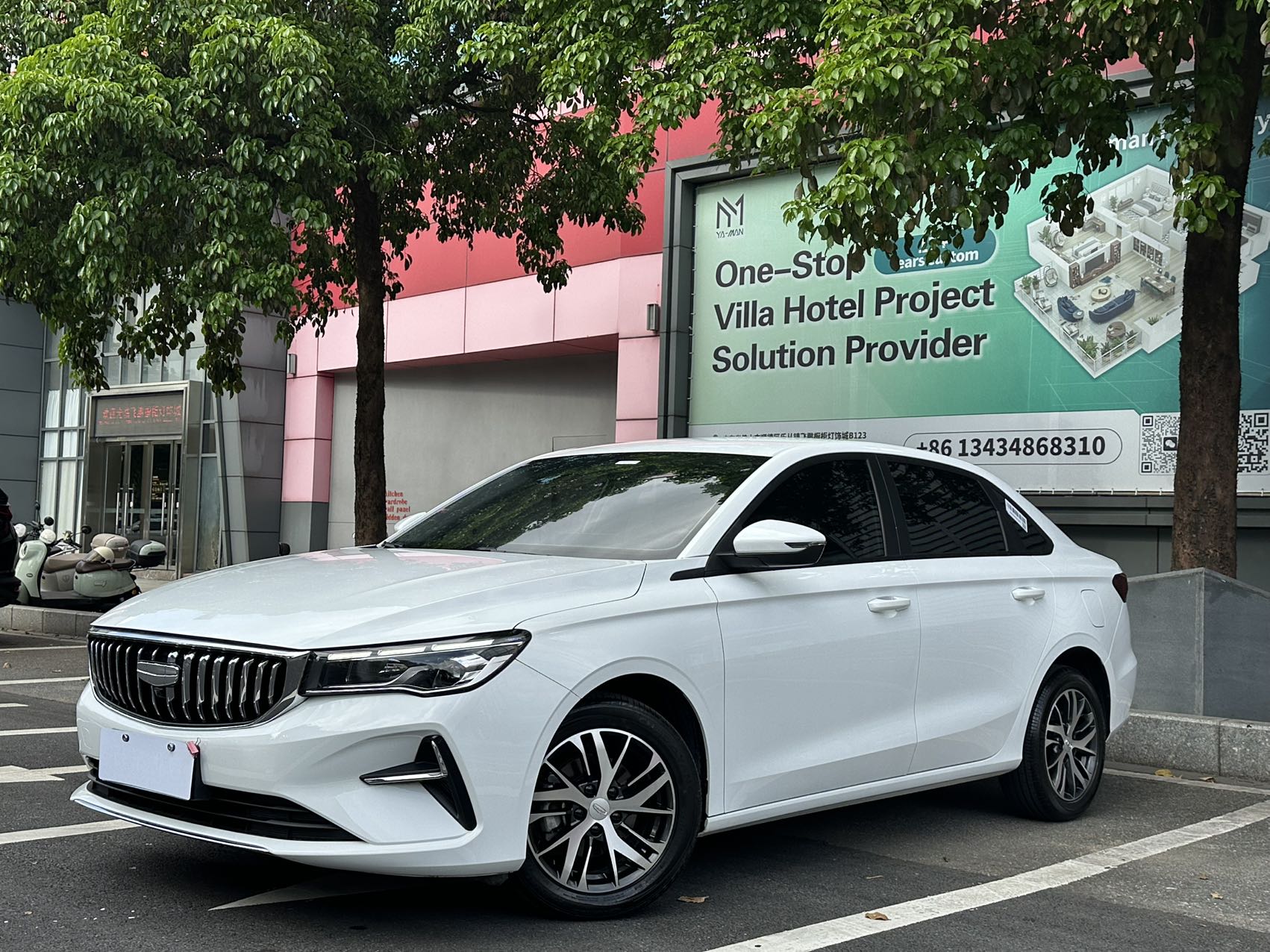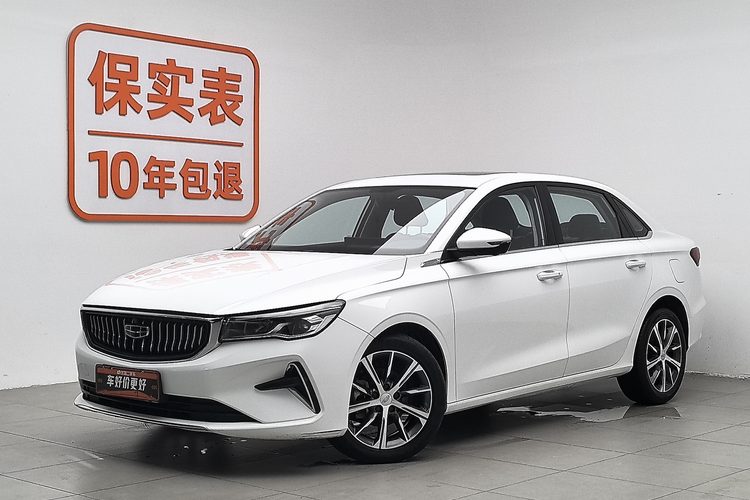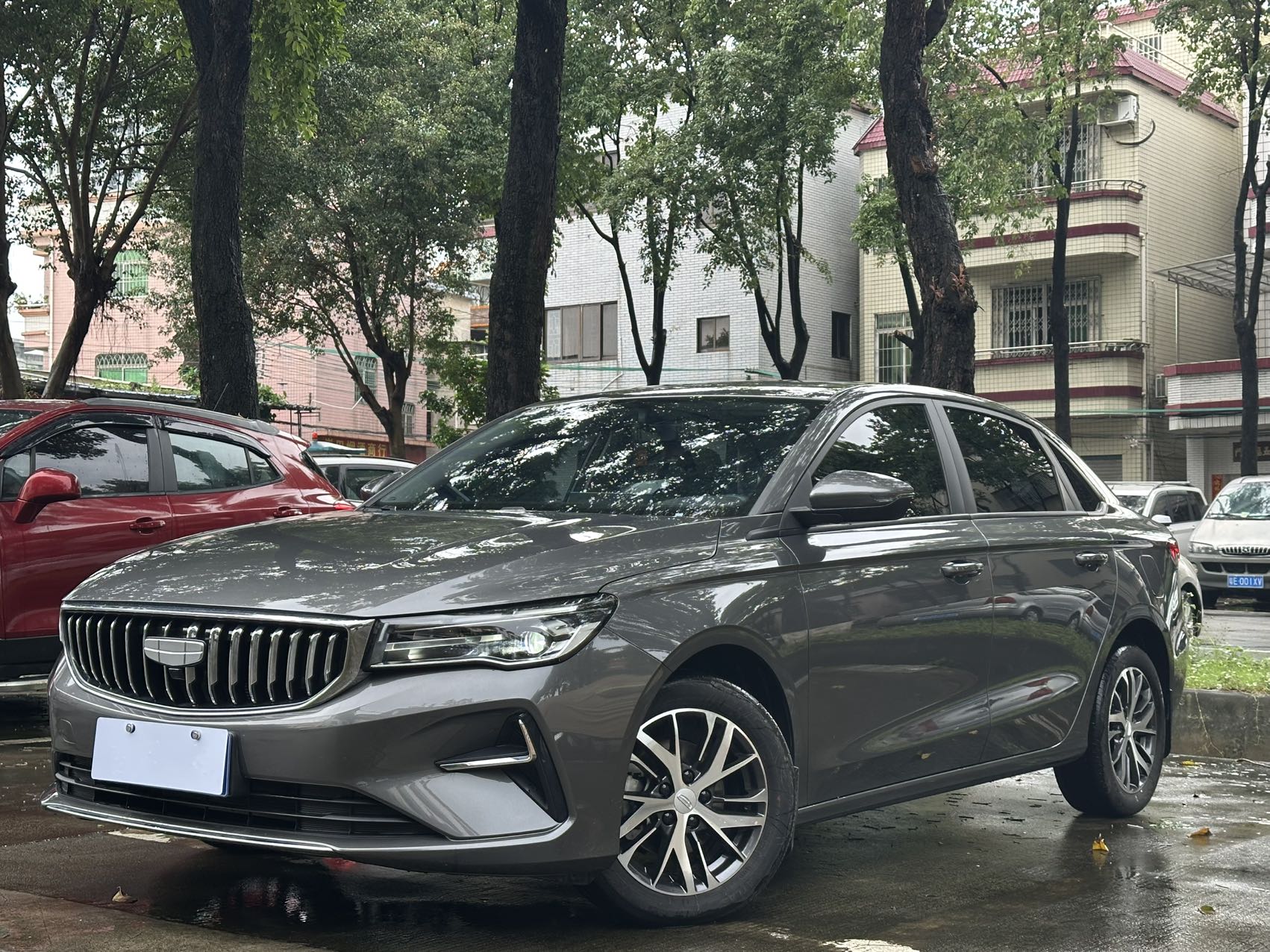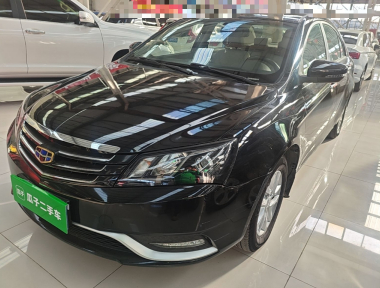
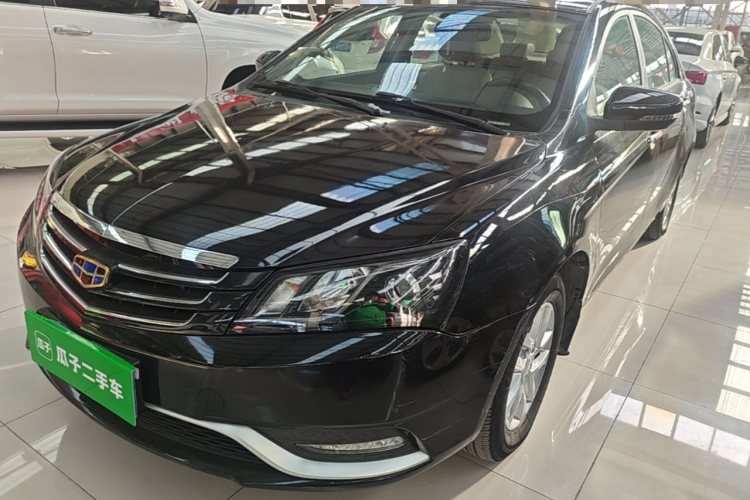
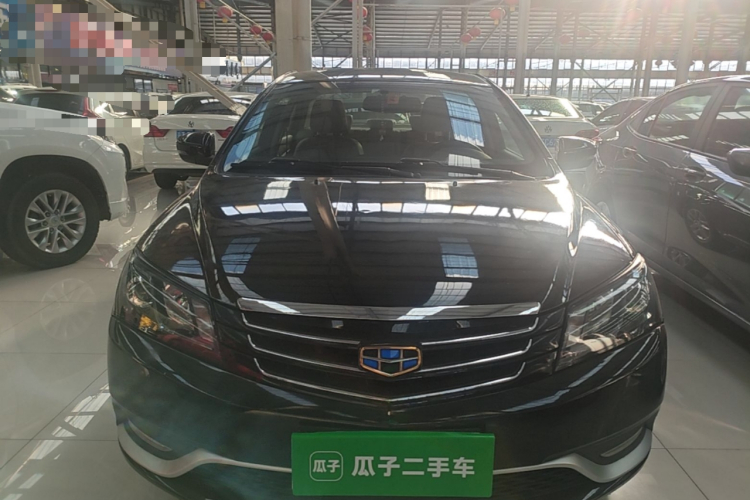
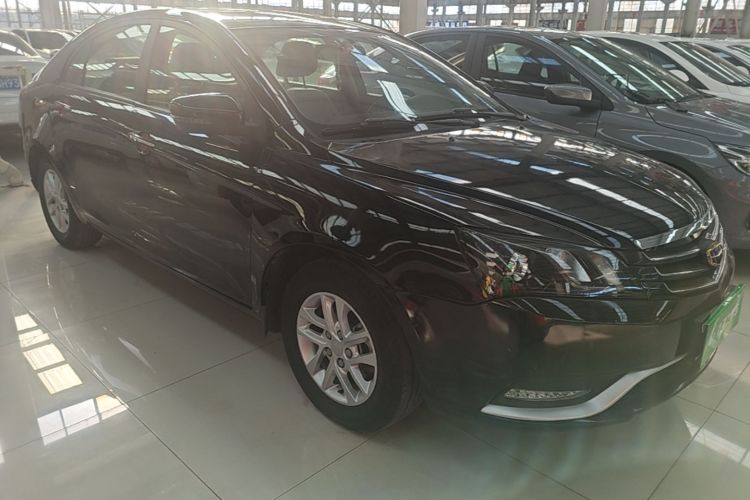
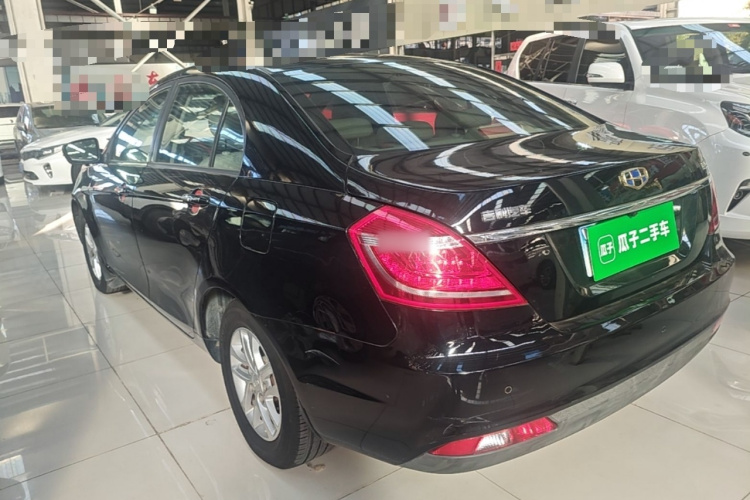
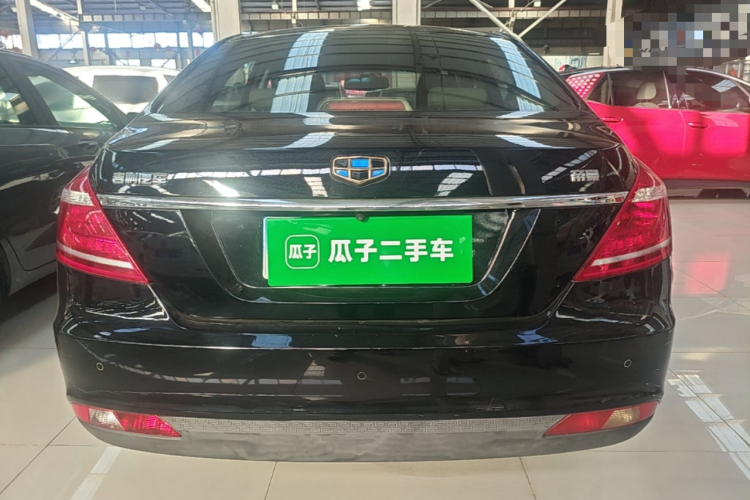
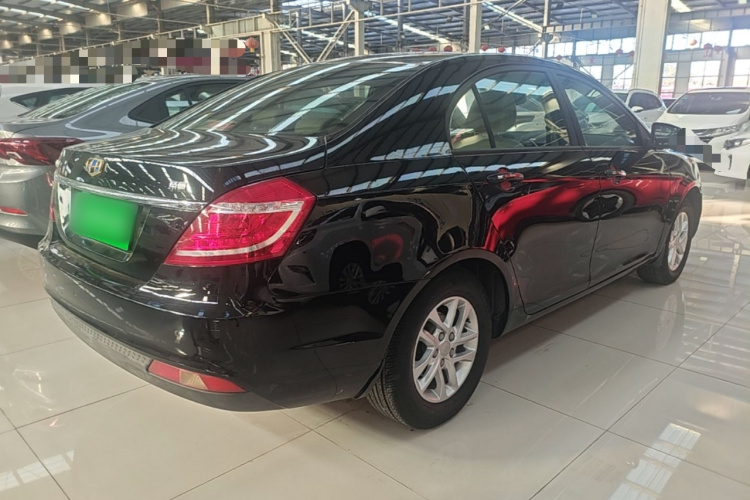
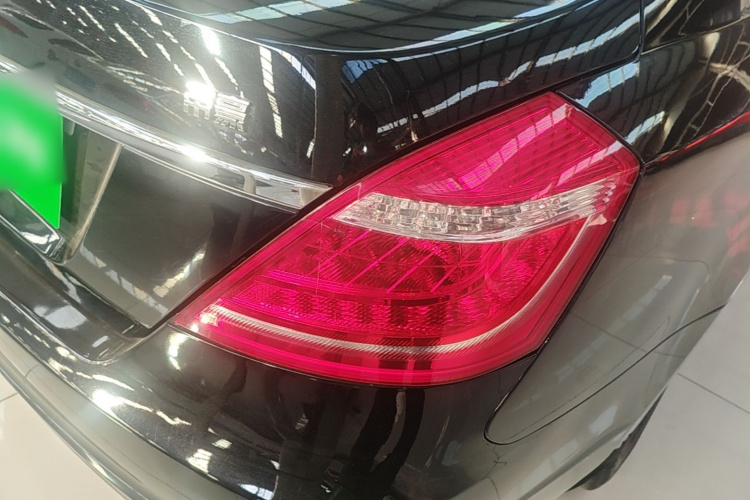
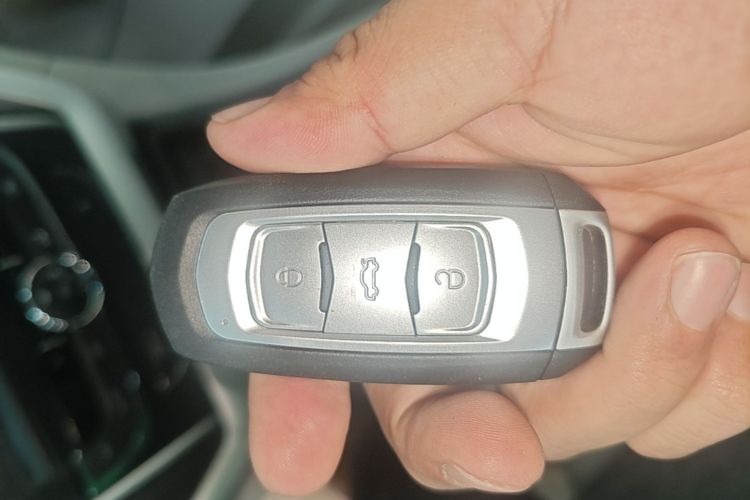
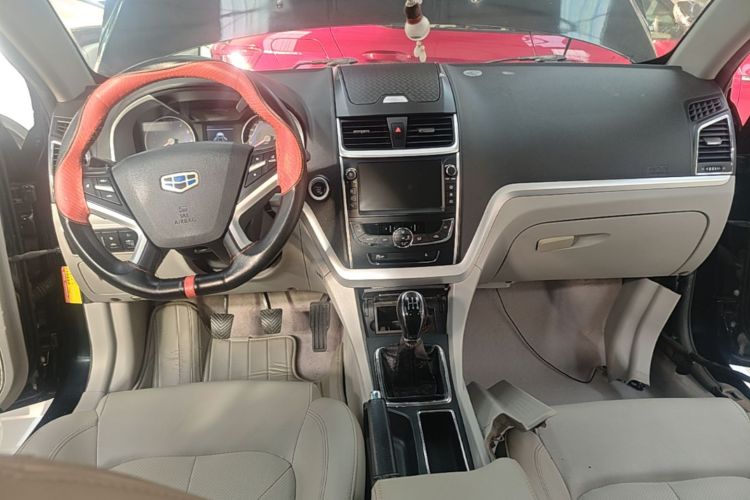
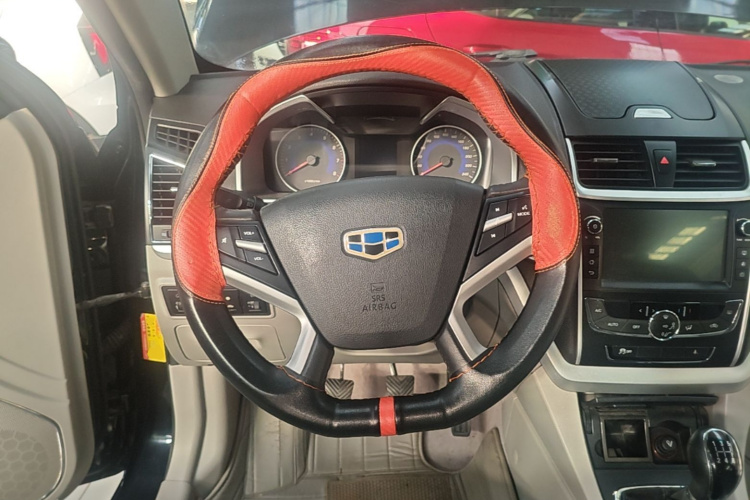
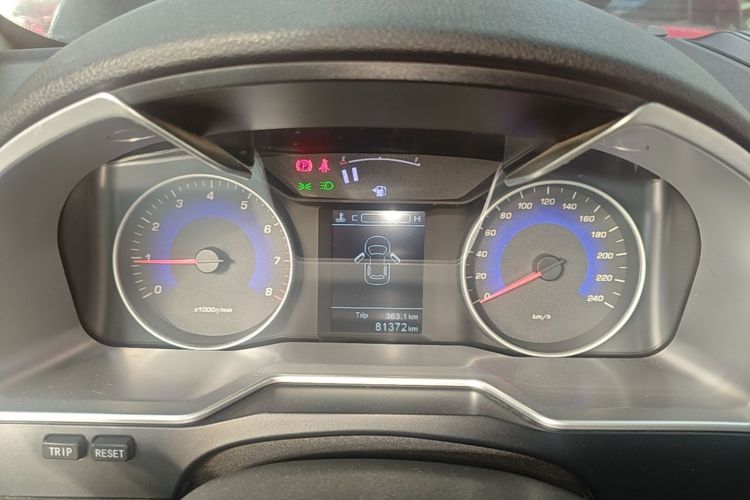
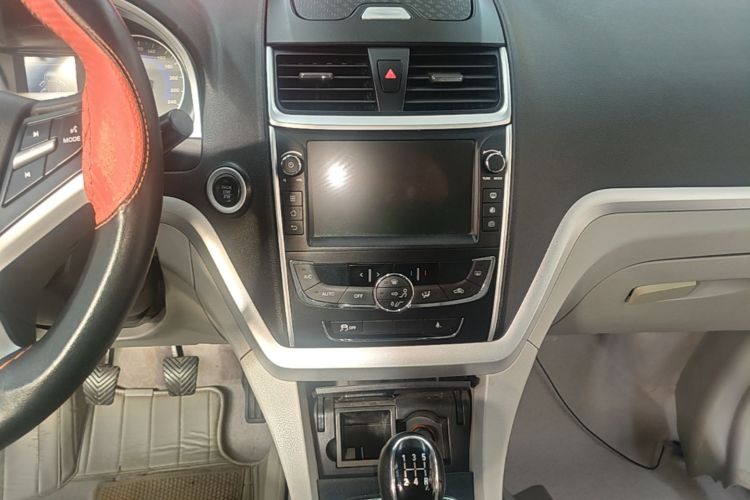
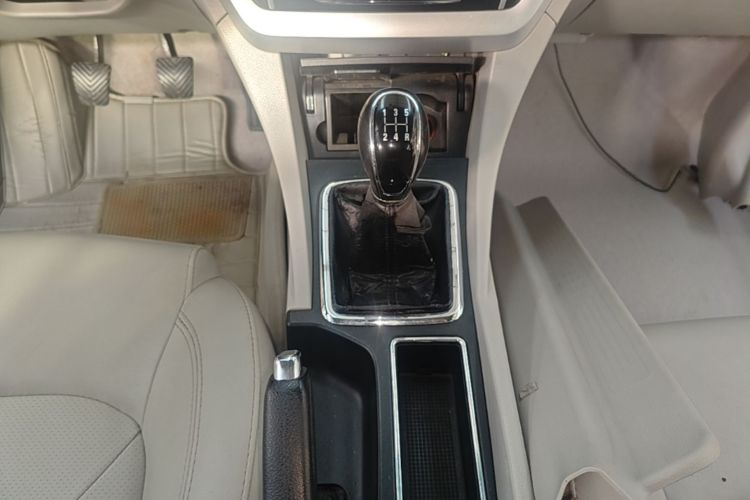
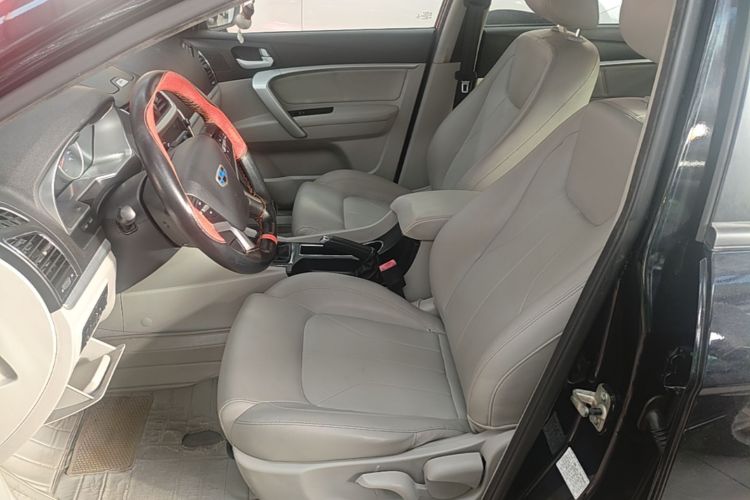
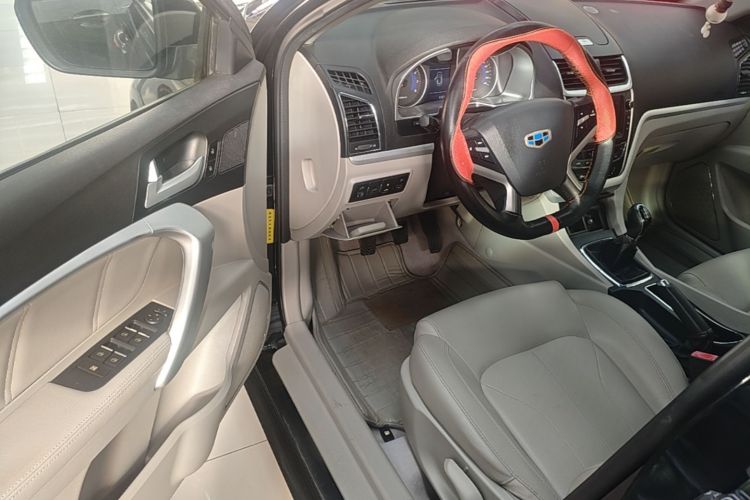
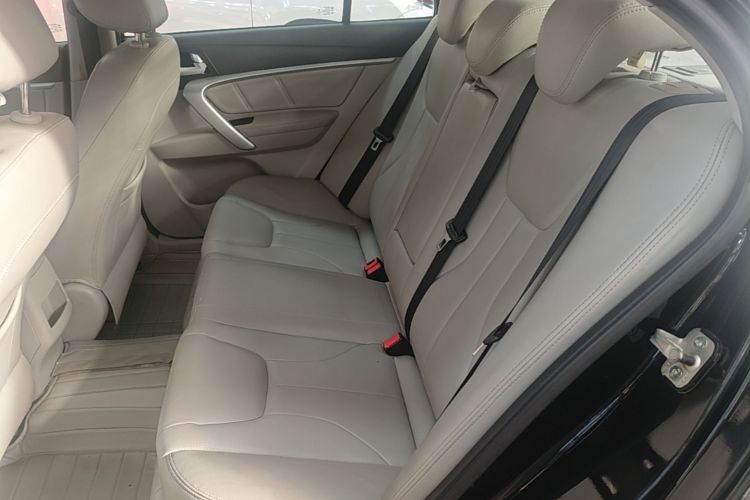
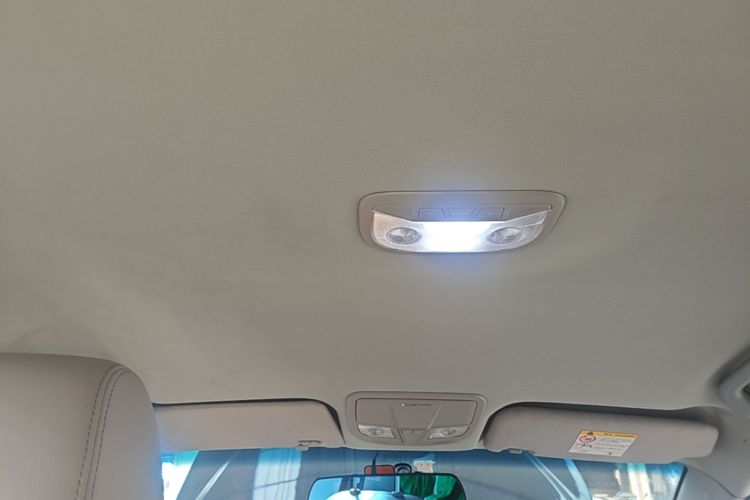
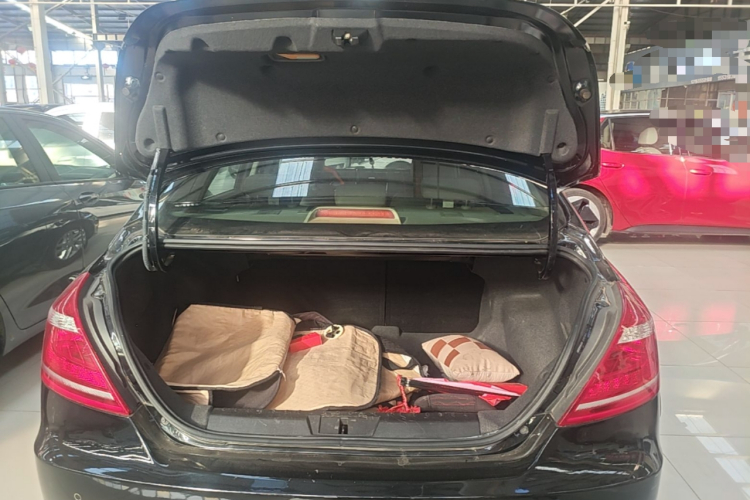
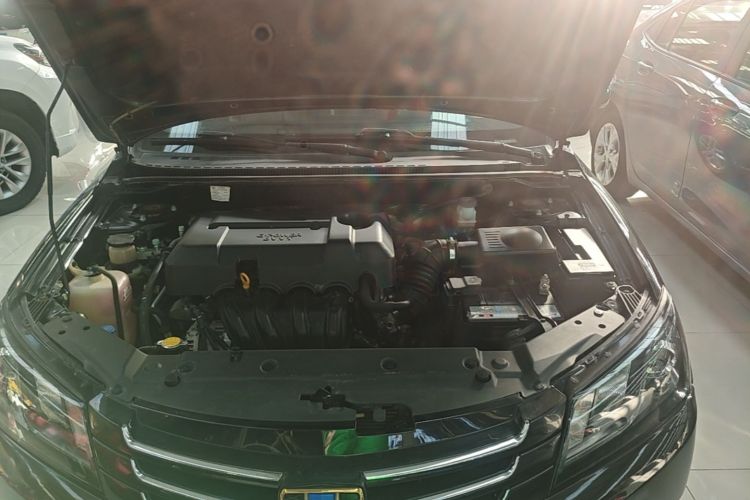



Basic Information

BrandGEELY
SeriesEmgrand
Year2016
First Registration2016/09
Mileage81,400km
Transfer Count0times
FuelGasoline
TransmissionManual
Engine1.5L 109 L4
Color
Seats-

Condition Description

Basic condition passed | 3 insurance claims | 0 transfers

Q&A

More

Which export documents does the Chinese seller provide, and which import documents do I need to prepare myself?

From the Chinese seller, expect these documents: 1. Vehicle registration certificate (the green book) 2. Driving license/registration card for the vehicle 3. Commercial invoice and sales contract 4. Export declaration documents (packing list, declaration forms handled by their forwarder) 5. Bill of lading, issued once the car is on the vessel You prepare on your side: 1. Import permit or approval, if your country requires one 2. Proof of compliance - emissions, safety, or type-approval certificates your customs authority asks for 3. Bill of lading release documents (original B/L or telex release) 4. Customs declaration through your broker, with your tax ID 5. Payment records - keep the bank transfer receipt, as some customs offices verify the declared value Practical tips: insist the seller removes any lien from the green book before export; verify the VIN on all documents matches the physical car; and confirm your country's age/emissions limits before paying a deposit, not after.


Does the steering system have any play, unusual noises, or signs of power steering pump leakage?

During the stationary steering test, the technician will check the smoothness of the steering wheel from full left to full right, looking for any unusual noises from the steering gear; they will also inspect the hydraulic power steering pump (if present) and the seals of the steering column for any hydraulic fluid leakage.

What should the inspector check during a cold start test of the engine?

A cold start reveals problems that a warm engine hides. Ask your inspection agent to perform and film this sequence. First, the start itself: the engine should crank smoothly and settle into a stable idle within a few seconds. Extended cranking, blue or white smoke, or a lumpy idle suggest worn internals or head-gasket issues. Second, listen for timing-chain rattle or metallic tapping in the first ten seconds — cold top-end noise often means deferred maintenance. Third, watch the exhaust on a cold morning: brief white vapor is normal in winter, but persistent blue smoke means oil burning, and sweet-smelling white smoke can indicate coolant leaking into the cylinders. Fourth, have the inspector scan the OBD system right after the cold start; misfire counters and fuel-trim values are most honest when the engine is cold. Ask for a continuous, timestamped video from outside the car before startup through at least five minutes of idling, so you can verify the engine really was cold.