Sold

Basic Information

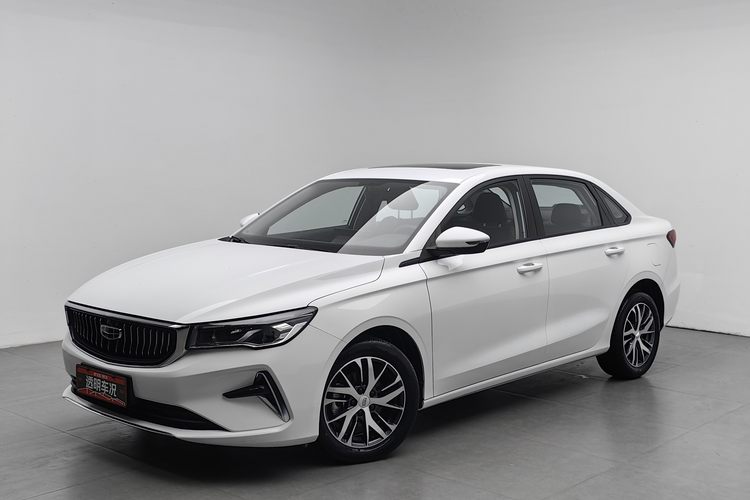
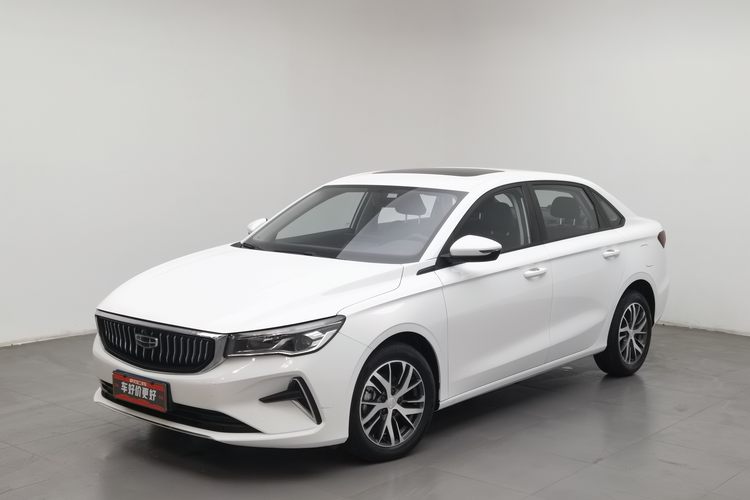
BrandGEELY
SeriesEmgrand
Year2019
First Registration2019/11
Mileage64,000km
Transfer Count0times
FuelGasoline
TransmissionCVT
Engine1.5L 109 L4
ColorWhite
Seats-

Condition Description

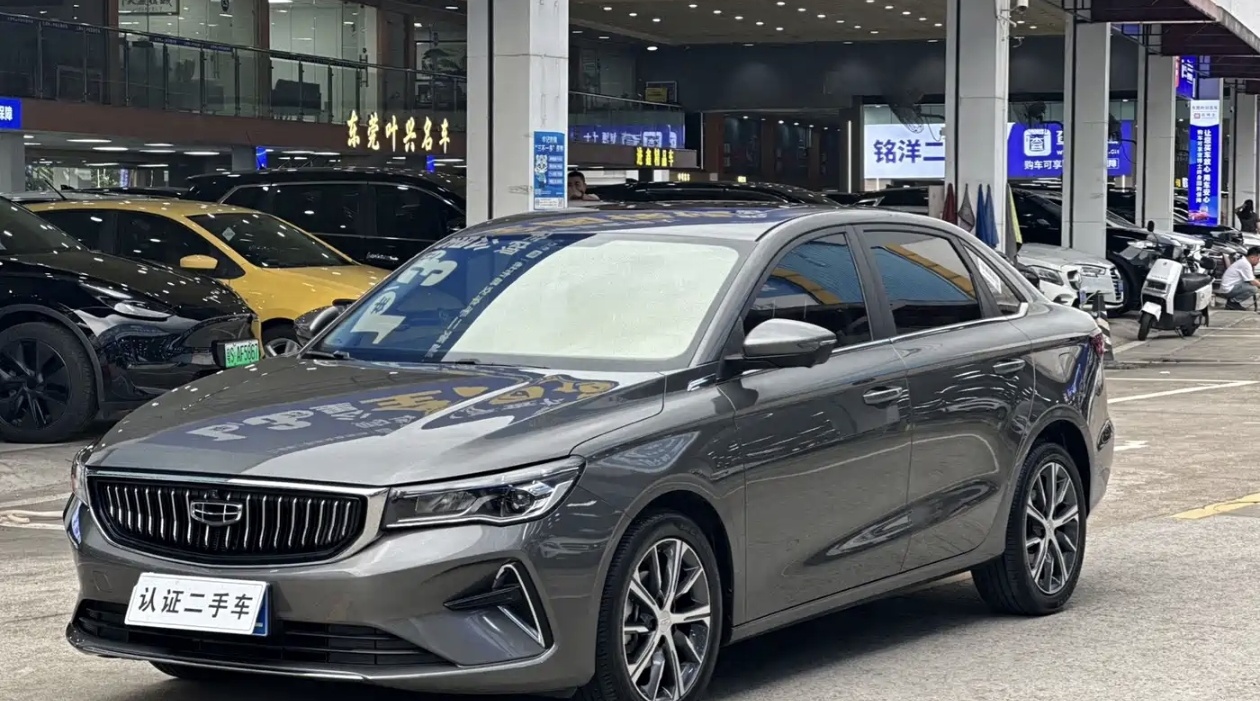
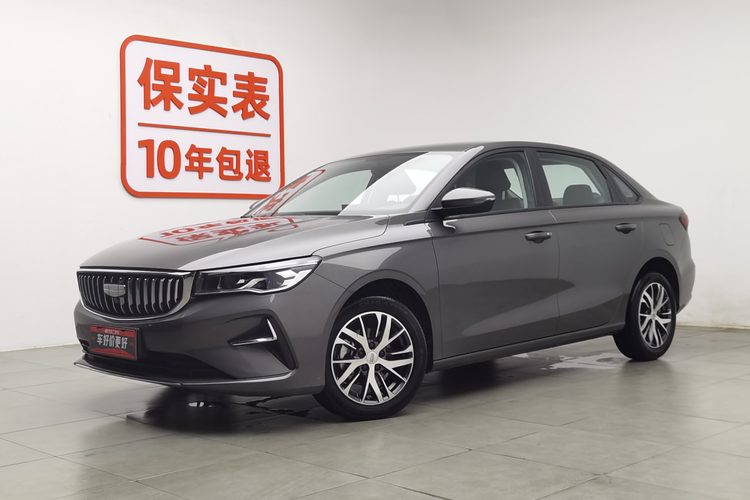
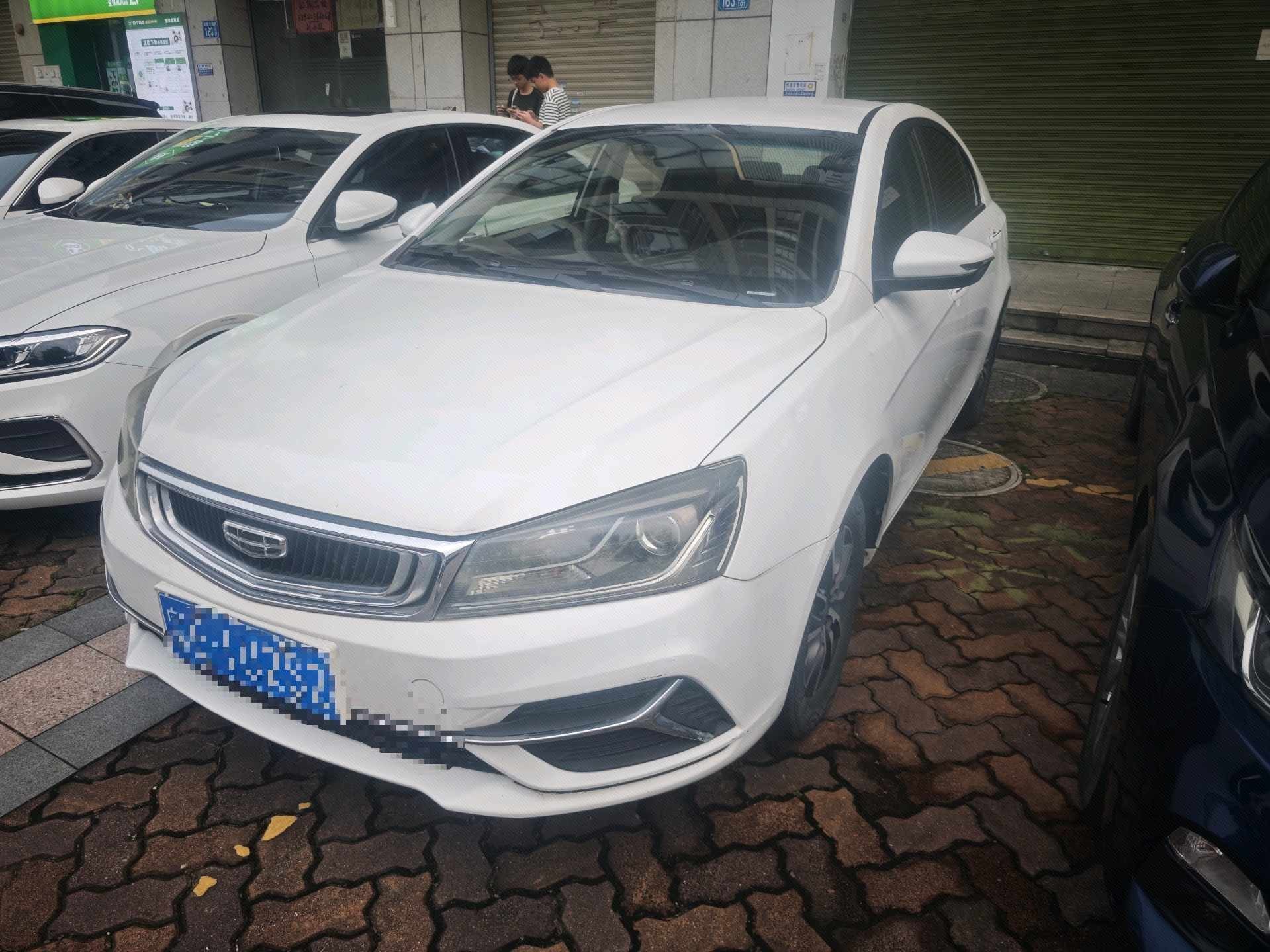
November 2019 registration, 64,000 km, third owner. Condition: left rear fender cut and replaced, C-pillar repaired with bodywork, fails inspection. Hood, front left and right fenders, and tailgate replaced. Right rear door, right rear fender, and left rear fender repaired with bodywork. Tailgate, left rear door, and left front fender repainted. Requires investment of 2.

Document Information

Inspection Expiry Date-
Warranty Expiry Date-
Insurance Expiry Date2026/11

Q&A

More

Why are the shipping costs for used electric vehicles (EVs) usually higher than for internal combustion engine vehicles (ICEs)?

Pure electric vehicles are classified as Class 9 Dangerous Goods due to their large lithium batteries, leading to strict shipping regulations. Shipping companies have high requirements for the loading position and fire isolation measures for dangerous goods, and some roll-on/roll-off ships refuse to accept used EVs. As a result, EVs often require more expensive special container shipping and incur additional handling fees for hazardous materials.
Why is there a time difference between the production date on the vehicle nameplate and the first registration date on the registration certificate?

The nameplate date is the absolute time when the vehicle leaves the factory; the registration date is when the vehicle is registered with the traffic management department after sale. The difference represents the time the vehicle spent in the dealer's warehouse or logistics. If the time difference exceeds 6-8 months, the vehicle is considered a "stock vehicle," and we pay special attention to the natural aging of its rubber components.

How to ensure compliance for countries that strictly prohibit the import of vehicles containing any asbestos (like Australia)?

Chinese passenger cars produced after 2005 have fully transitioned to asbestos-free brake pads, clutch plates, and gaskets. However, for export to countries with strict regulations, buyers must pay for sampling and testing by a NATA-accredited laboratory before shipment, and obtain an asbestos-free certificate.