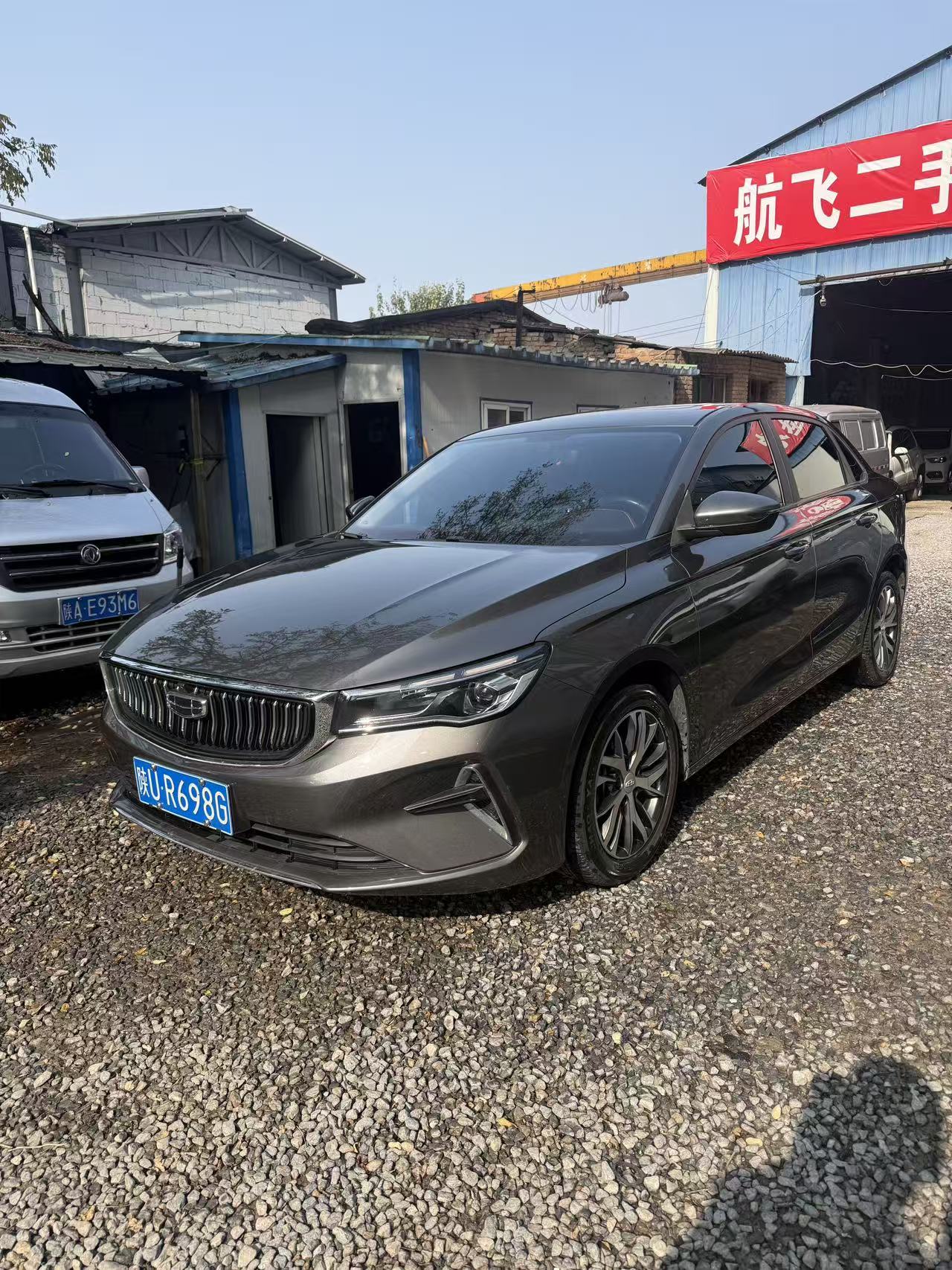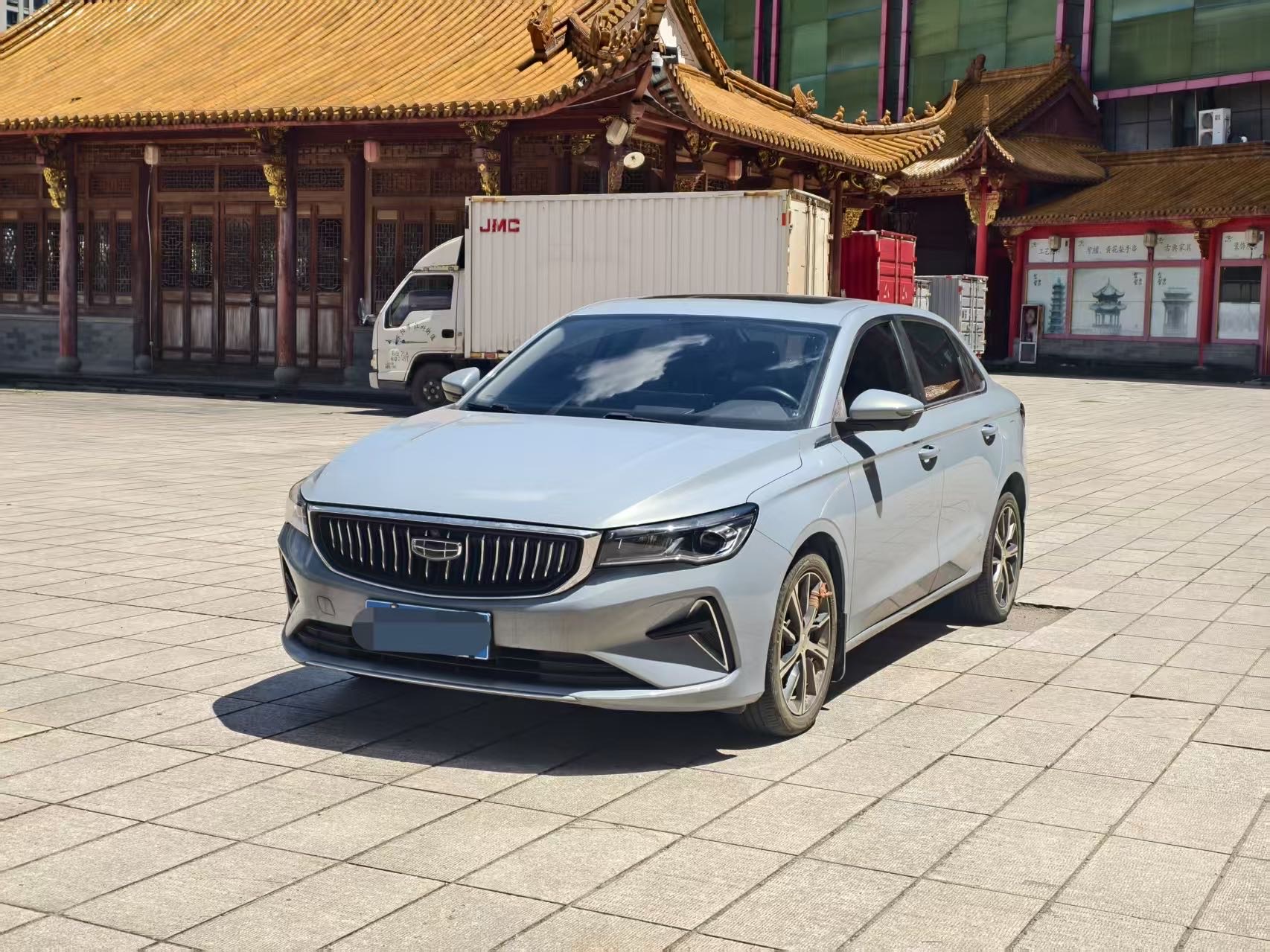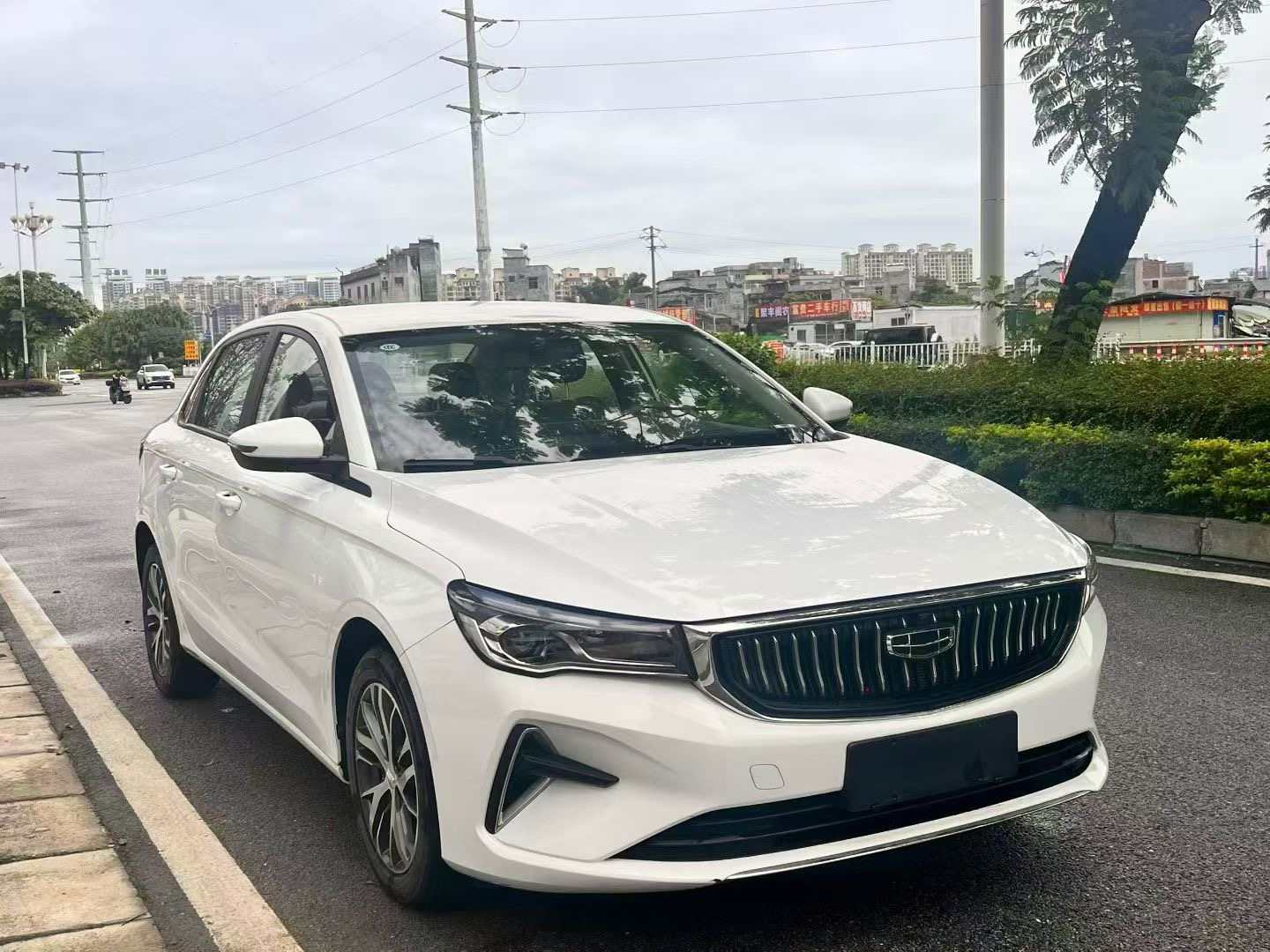
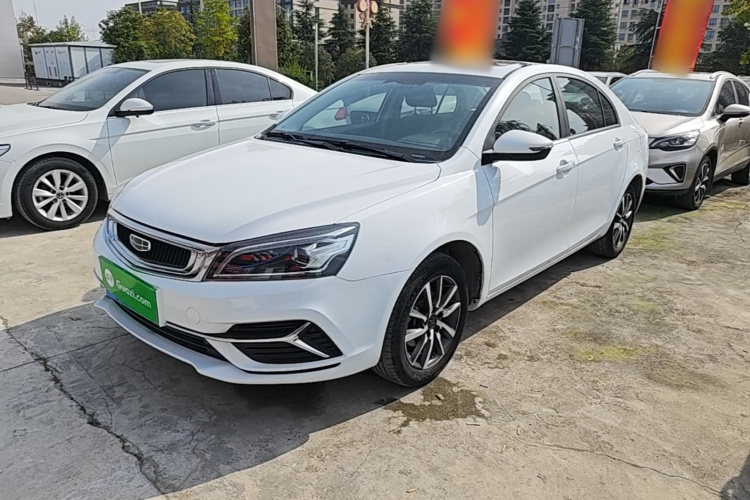

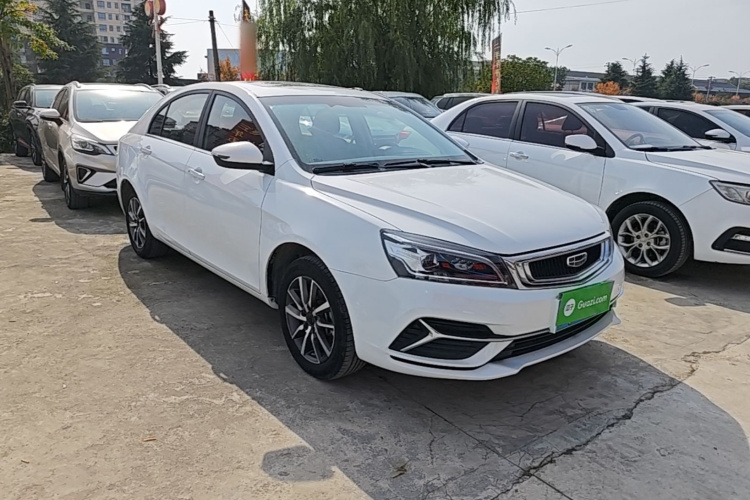
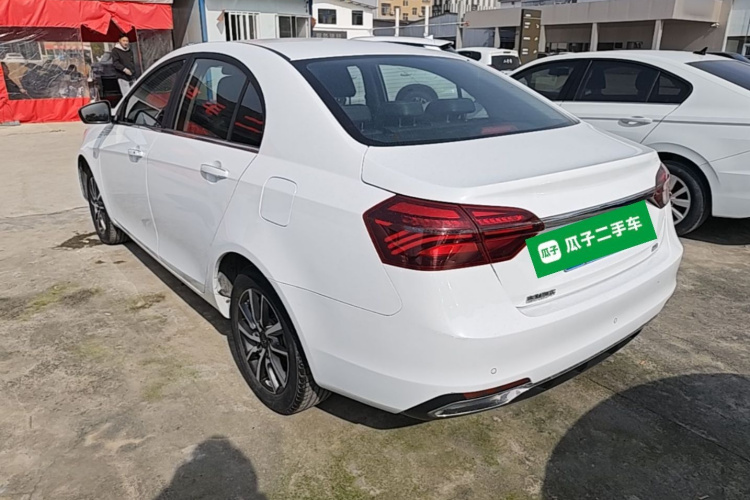
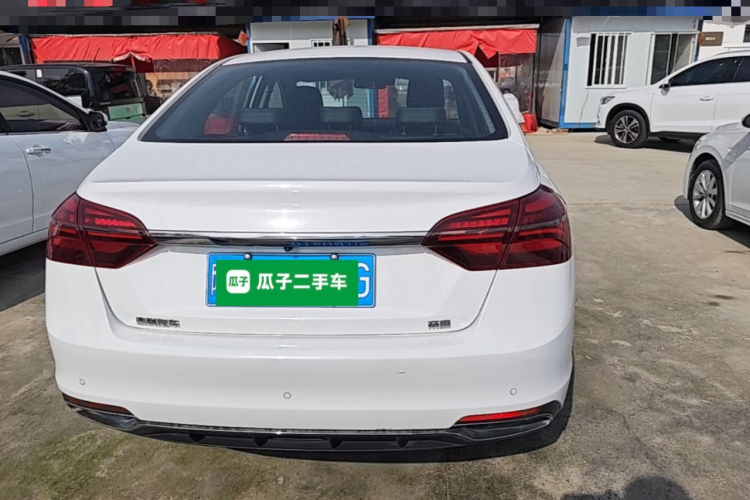
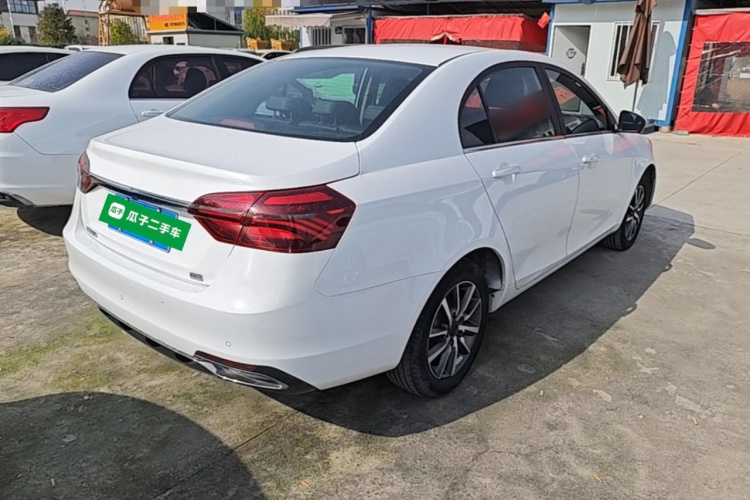
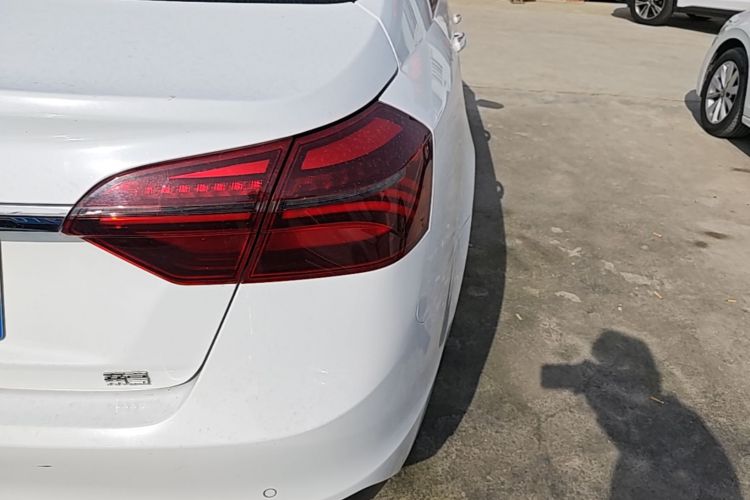
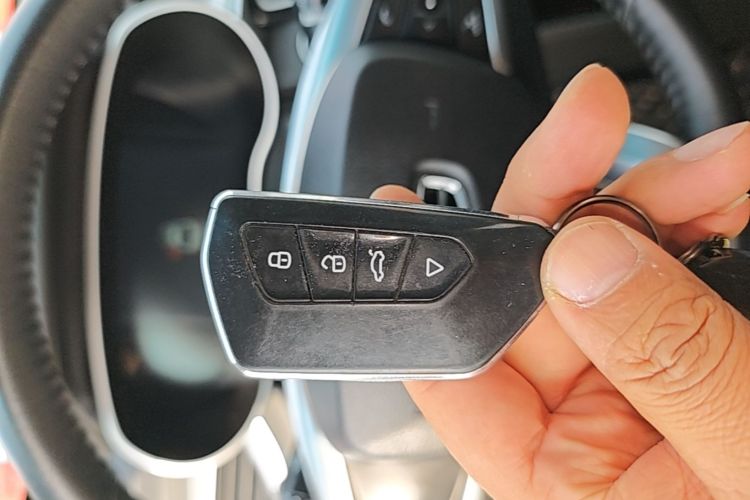
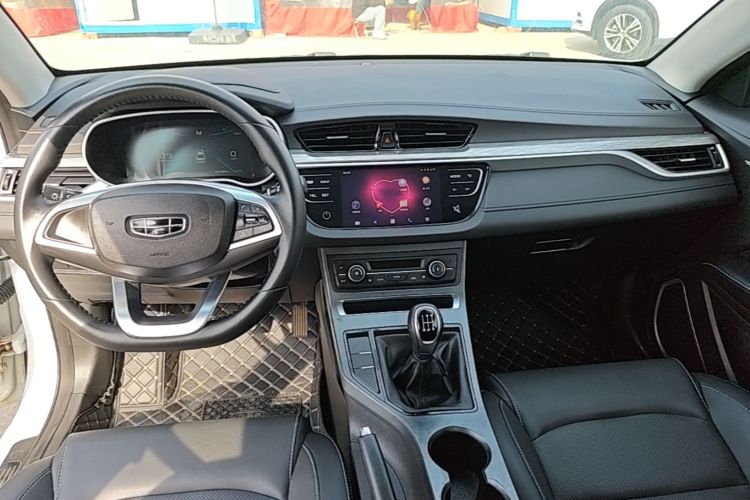
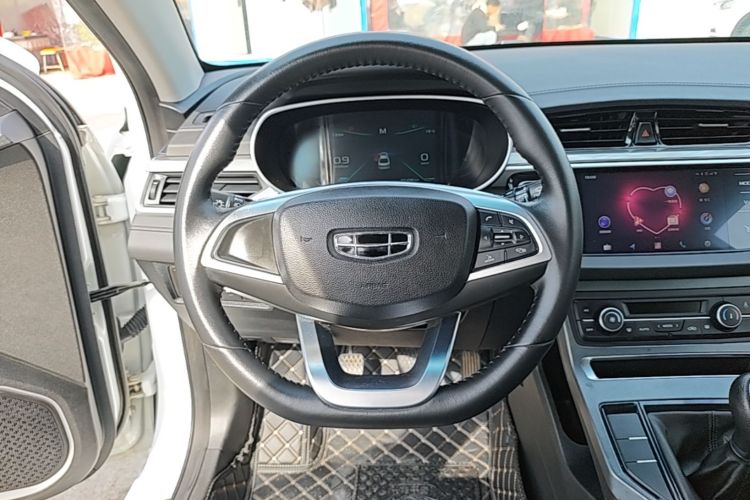
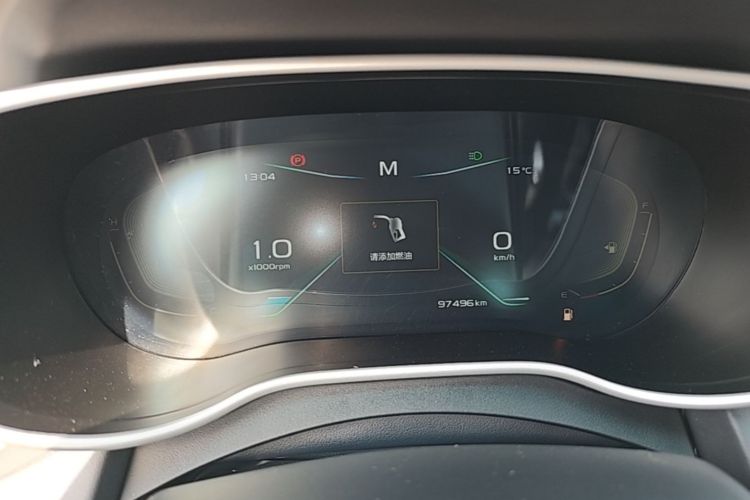
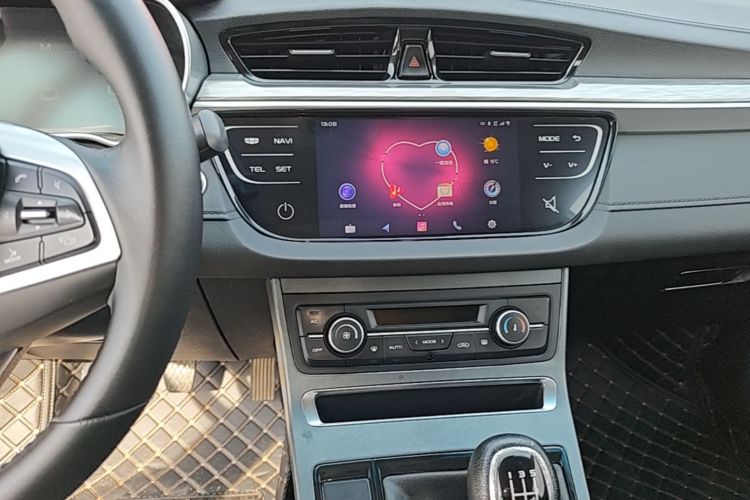
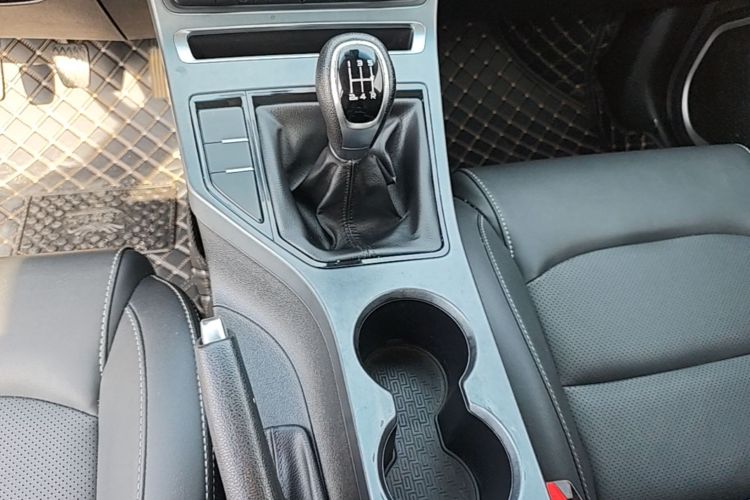
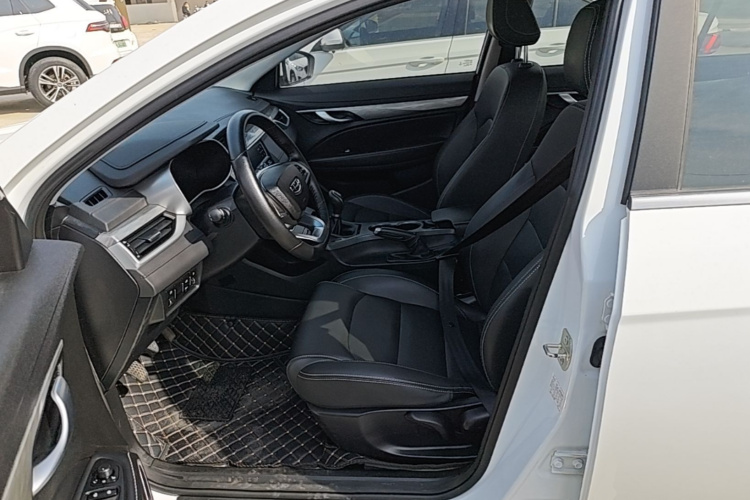
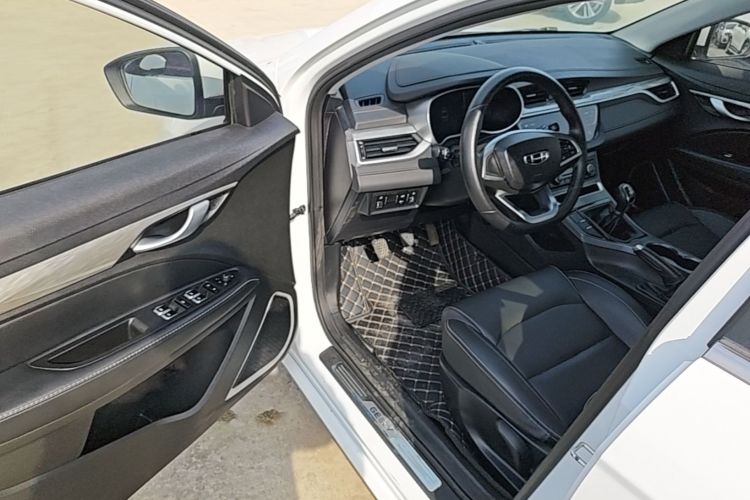
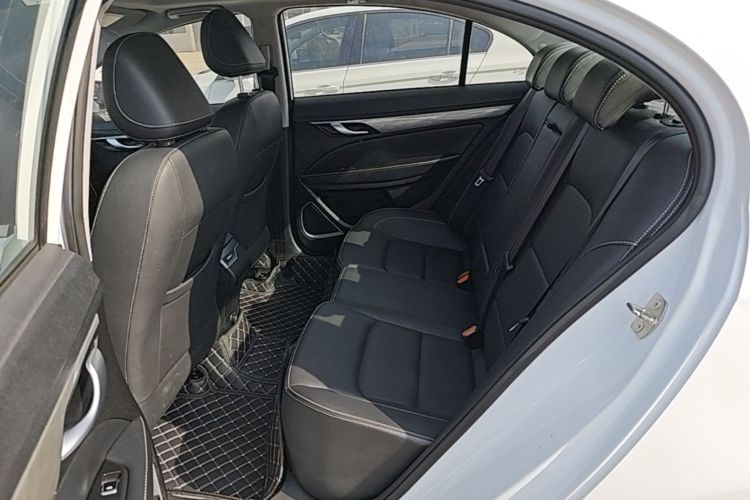
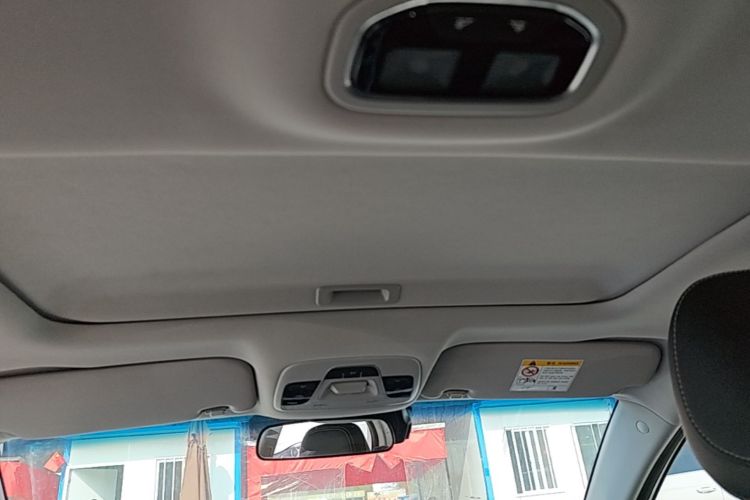
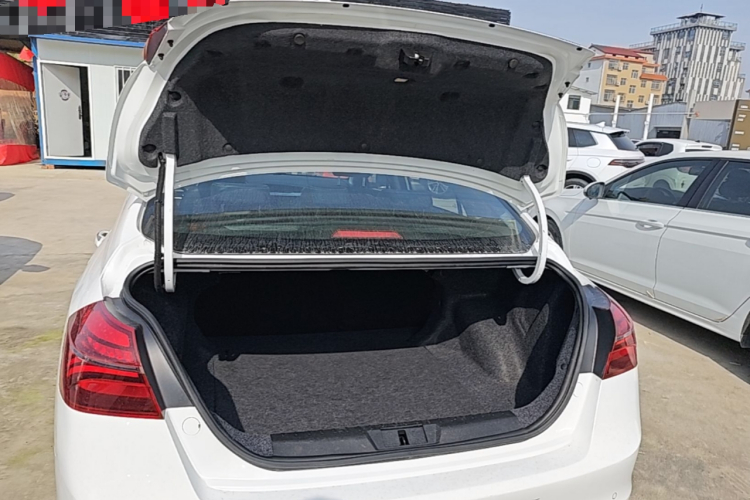
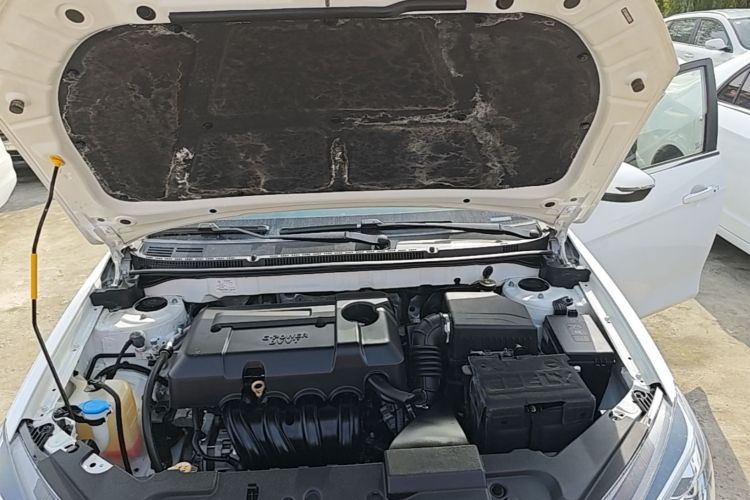



Basic Information

BrandGEELY
SeriesEmgrand
Year2020
First Registration2020/03
Mileage97,500km
Transfer Count0times
FuelGasoline
TransmissionManual
Engine1.5L 109 L4
Color
Seats-

Condition Description

Basic condition: excellent | 1 claim | 0 transfers

Q&A

More

RoRo, container, or flat rack: which shipping method should I choose for a used car from China?

RoRo (roll-on/roll-off): the cheapest per car for running vehicles. Cars are driven onto the vessel and secured on decks. Transit to major ports (Jebel Ali, Rotterdam, Karachi) takes 15 to 35 days. Downside: cars are exposed to weather and salt air, and minor handling scratches happen occasionally. Container (20ft/40ft): one 40ft high-cube fits one car with parts, or two small cars with racking. Cost is higher than RoRo but cars are sealed and protected. Best for high-value vehicles, EVs (battery safety rules often require container), or when shipping spare parts together. Flat rack: for oversized vehicles (trucks, buses, modified cars). Priced per dimensions. Practical advice: for a standard used car to a port with RoRo service, choose RoRo and add marine insurance (0.3%–0.8% of value). If your destination lacks RoRo calls or you ship an EV, use a container. Always get the booking confirmation and bill of lading copy before paying the final balance.


In countries with right-hand drive regulations, even if I bribe local customs to force a left-hand drive car through clearance, will I face irreversible obstacles when insuring and inspecting it later?

Absolutely. Even if you clear customs through gray channels, local commercial insurance companies will refuse to cover third-party liability insurance due to the vehicle not complying with national traffic laws; additionally, the vehicle will definitely fail the annual safety inspection at the local DMV.

Which documents should I receive from a Chinese exporter before my used car ships, and how do I verify each one?

Before shipping you should hold: the sales contract and commercial invoice, the export declaration (customs form showing the VIN), the vehicle registration certificate, and the bill of lading or rail waybill once cargo is loaded. Verify them like this. The VIN on the invoice, the export declaration, and the waybill must be identical, character for character. The registration certificate should show a clear ownership chain with the seller as the current owner; ask for a scan before payment. The export declaration proves the car legally left China and is essential for customs clearance at destination. If the exporter cannot provide the registration certificate or hesitates on the VIN check, pause the deal. Also confirm who handles the document courier: originals should arrive before or with the vessel, because many ports will not release a car without original bills of lading.