







24H

Basic Information

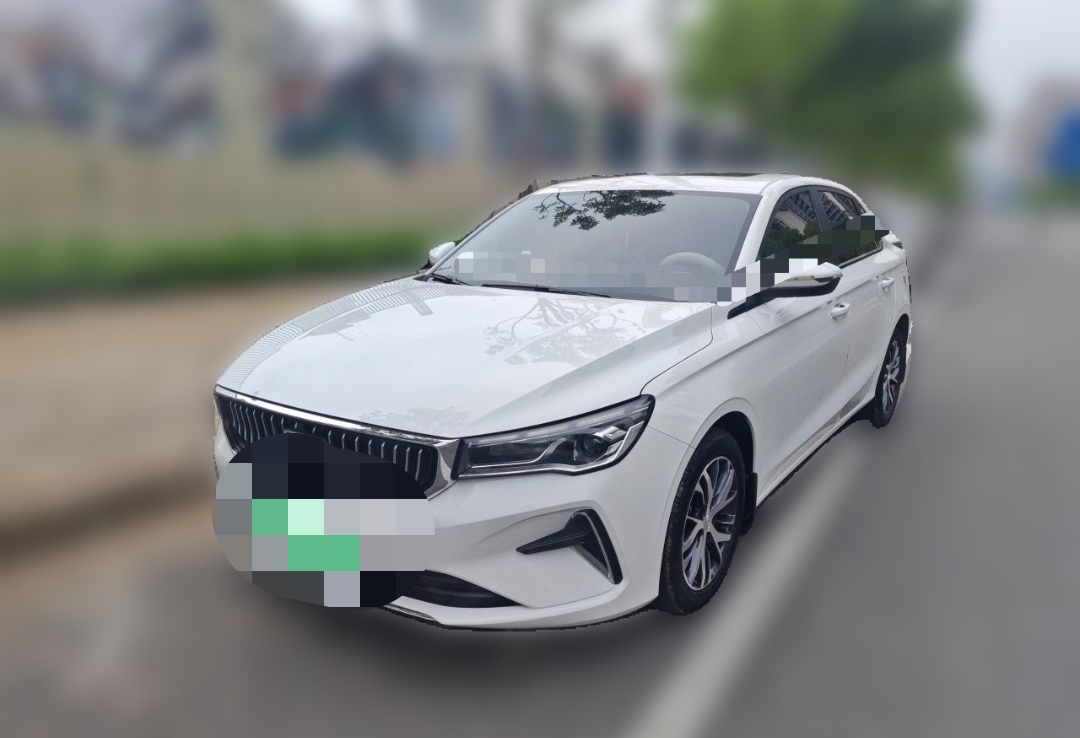
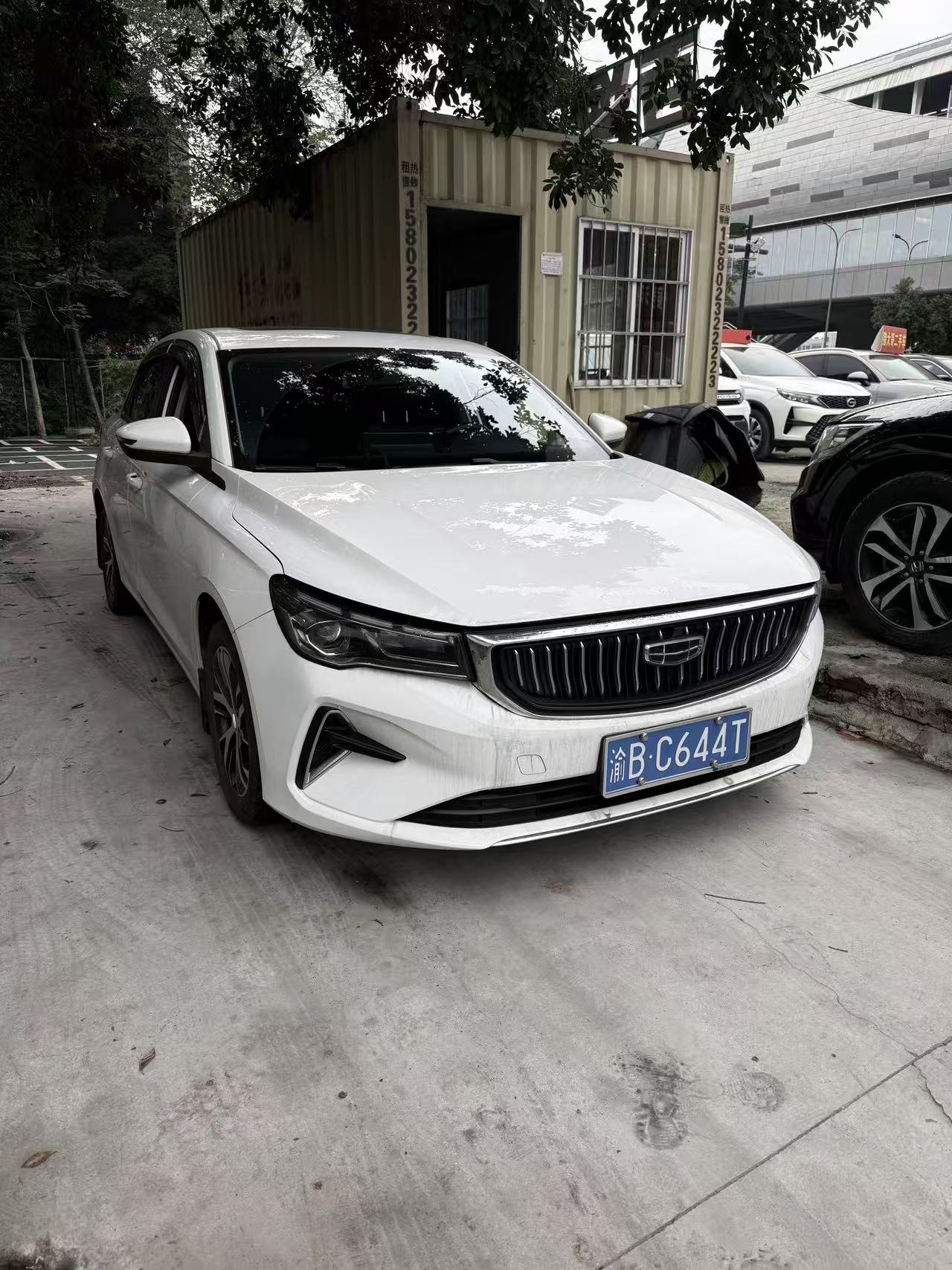
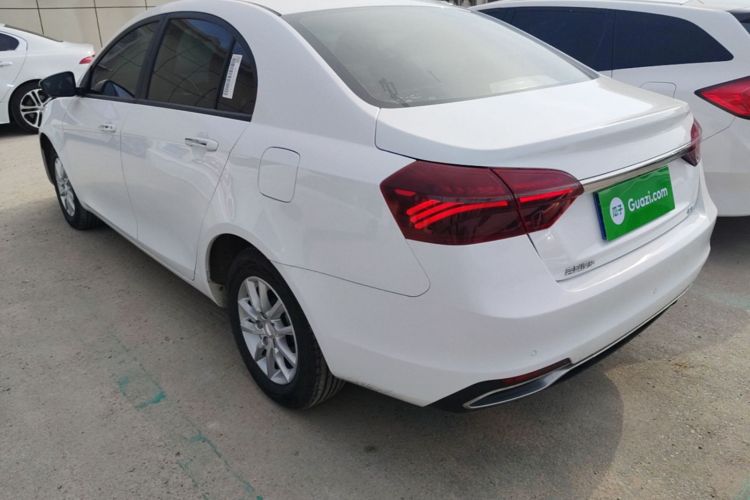
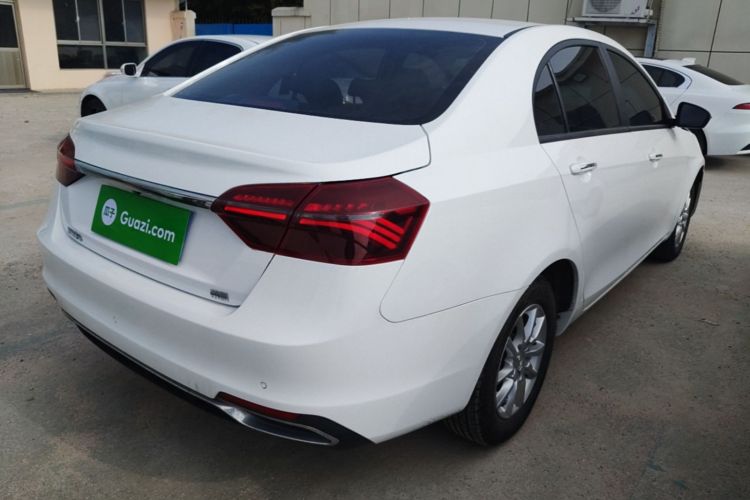
BrandGEELY
SeriesEmgrand
Year2020
First Registration2020/12
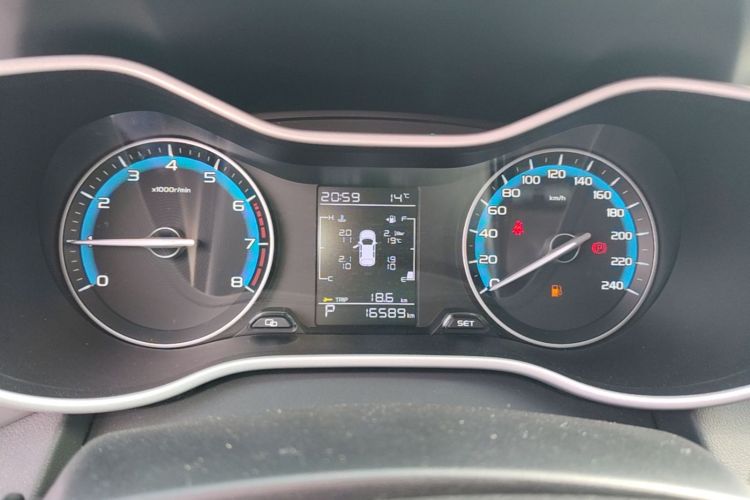
Mileage16,500km
Transfer Count0times
FuelGasoline
TransmissionCVT
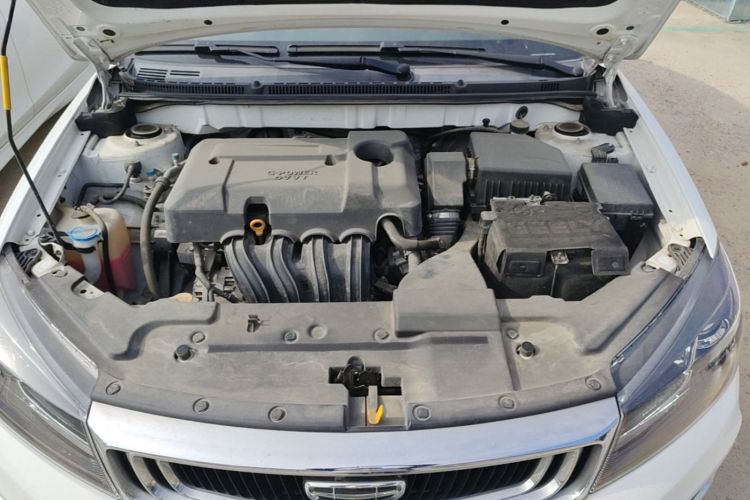
Engine1.5L 109 L4
Color
Seats-

Condition Description

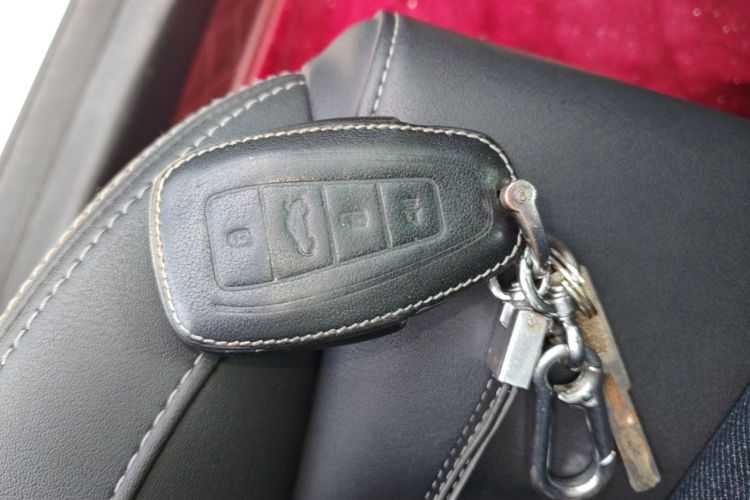
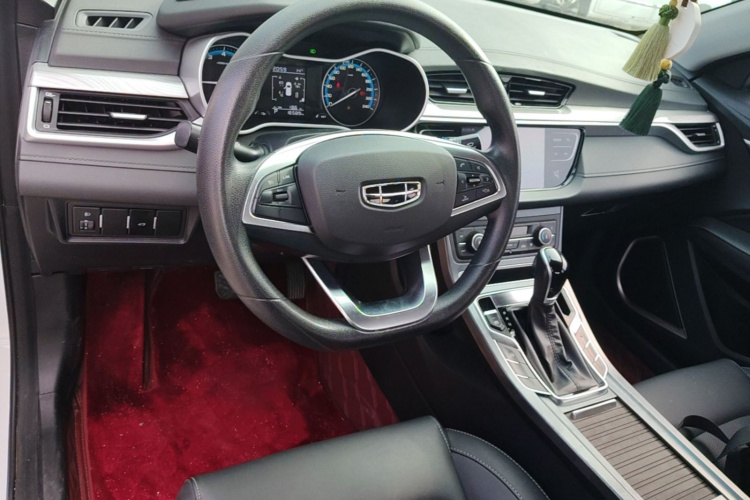
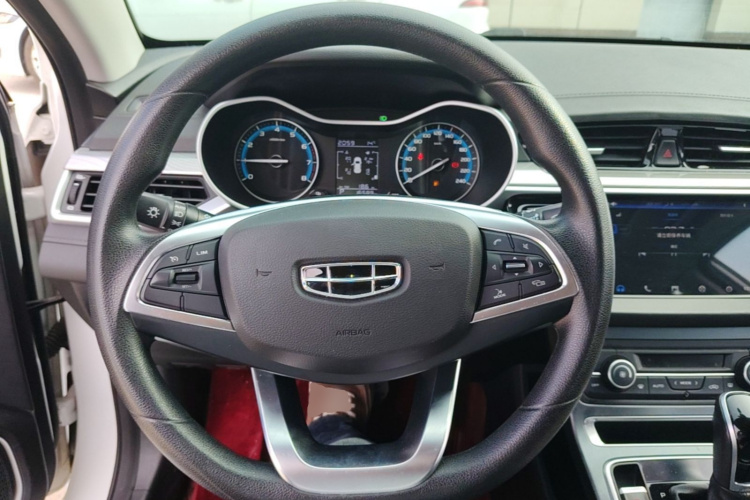
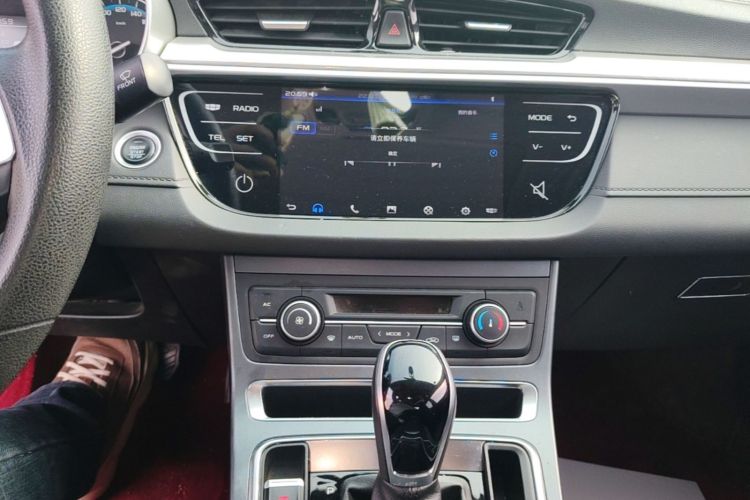
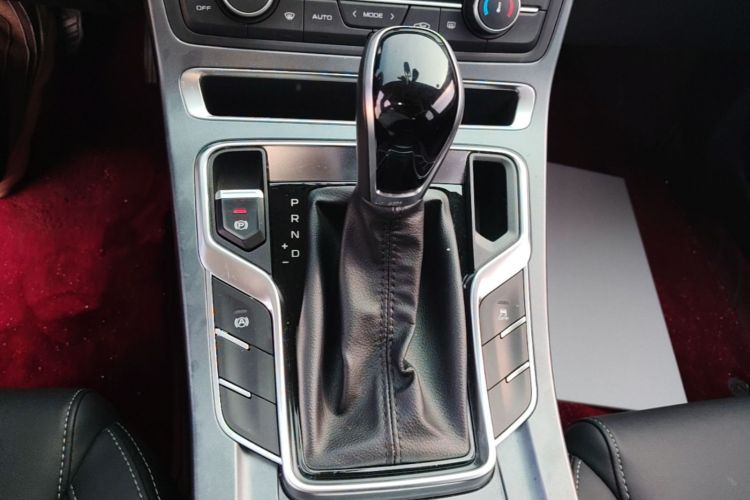
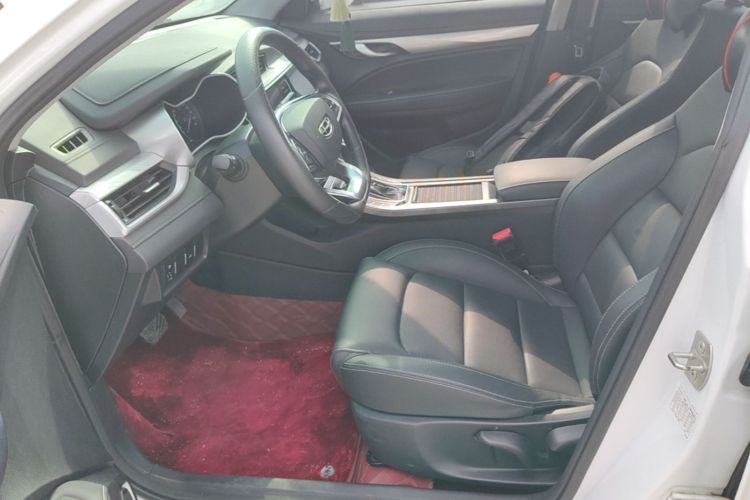
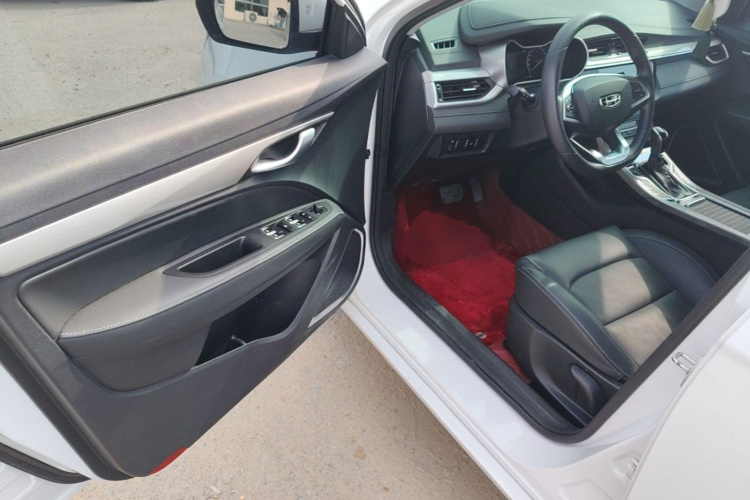
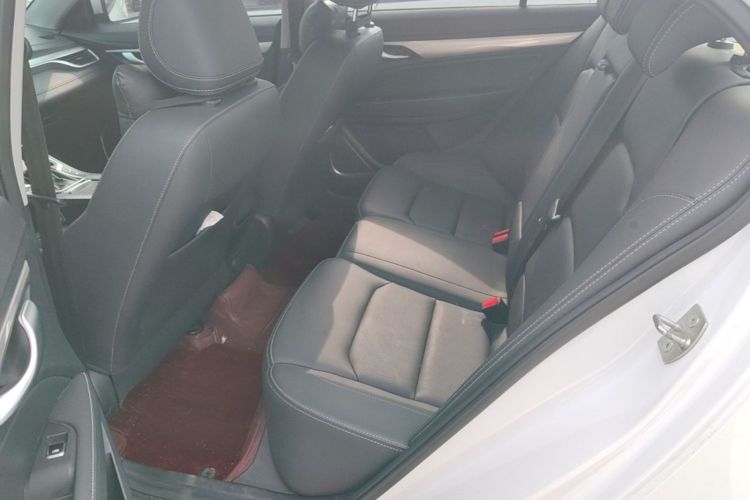
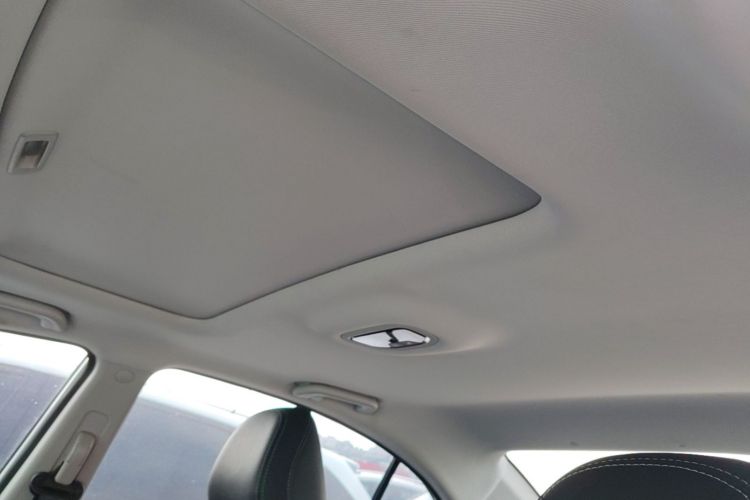
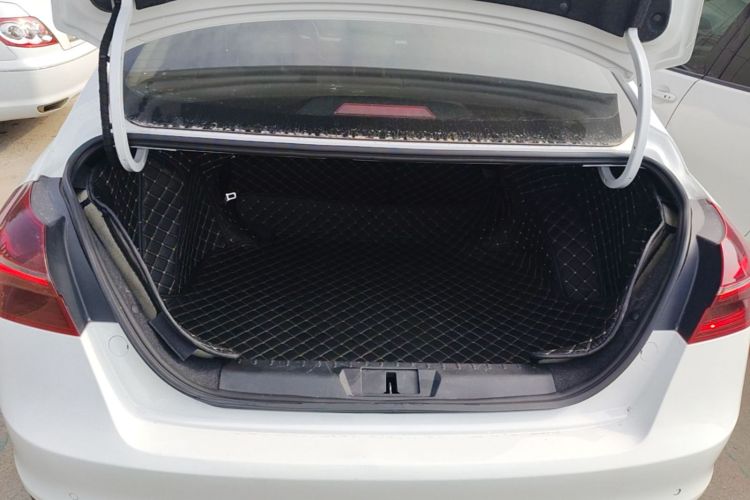
Basic condition: excellent | 1 insurance claim | 0 transfers

Q&A

More

If the previous owner modified the vehicle (like wheels or exhaust), will you keep it or restore it?

Unless the previous owner retained the original parts and provided them to us, we usually keep the existing modifications and clearly state in the report "includes non-original modifications." Since the standards for illegal modifications vary by country, buyers should assess whether these modifications can legally pass inspection in their destination country.


What are the typical steps and timeline when buying a used car from China, from selection to delivery at my port?

A normal transaction moves through six stages. First, selection and verification: you shortlist cars, request VIN-level documents, and order an independent inspection (1-2 weeks). Second, contract signing and deposit: 10-30% is standard, paid against a signed contract listing the VIN and agreed spec. Third, export preparation: the seller handles deregistration and export licensing (1-3 weeks). Fourth, final payment against loading: pay the balance only after you receive the bill of lading or rail waybill number you can track. Fifth, transit: ocean shipping to most ports takes 3-6 weeks, rail to Central Asia or Europe 2-4 weeks. Sixth, destination clearance and registration: allow 1-2 weeks plus buffer for inspections. In total, plan for 2-4 months door to door. Any exporter promising full delivery in under six weeks is likely cutting corners on export paperwork.

What are freight surcharges like BAF and PSS, and can I lock in a shipping rate when importing a used car from China?

Beyond the base ocean freight, carriers add surcharges that fluctuate monthly: BAF (bunker adjustment factor, tied to fuel prices), PSS (peak season surcharge, typically before Chinese New Year and summer), and congestion or war-risk surcharges for specific ports. These can add 10-30% to quoted freight, which is why a cheap rate today may not hold next month. To protect yourself: ask the exporter or forwarder for a rate validity period in writing (usually 2-4 weeks), and book space as soon as the inspection passes. For single cars this is standard practice. Also confirm whether the quote is all-in (including origin port fees, THC, and documentation) or freight-only. Comparing all-in quotes is the only reliable way to avoid surprises when the invoice arrives.