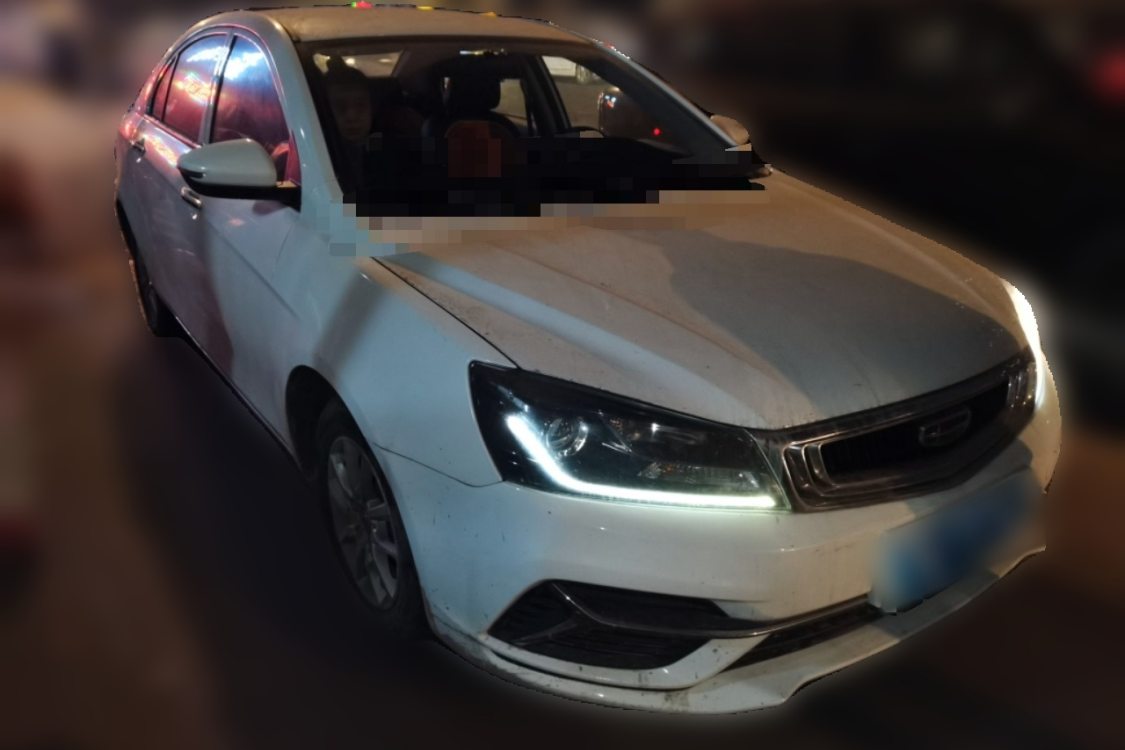
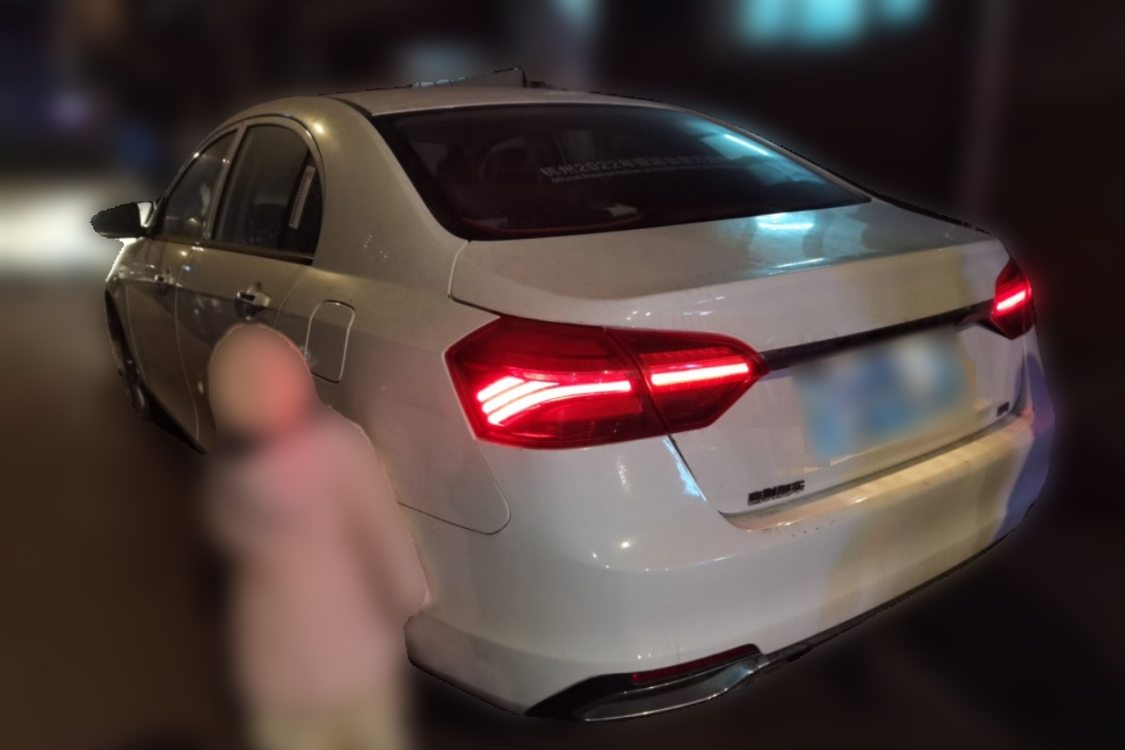
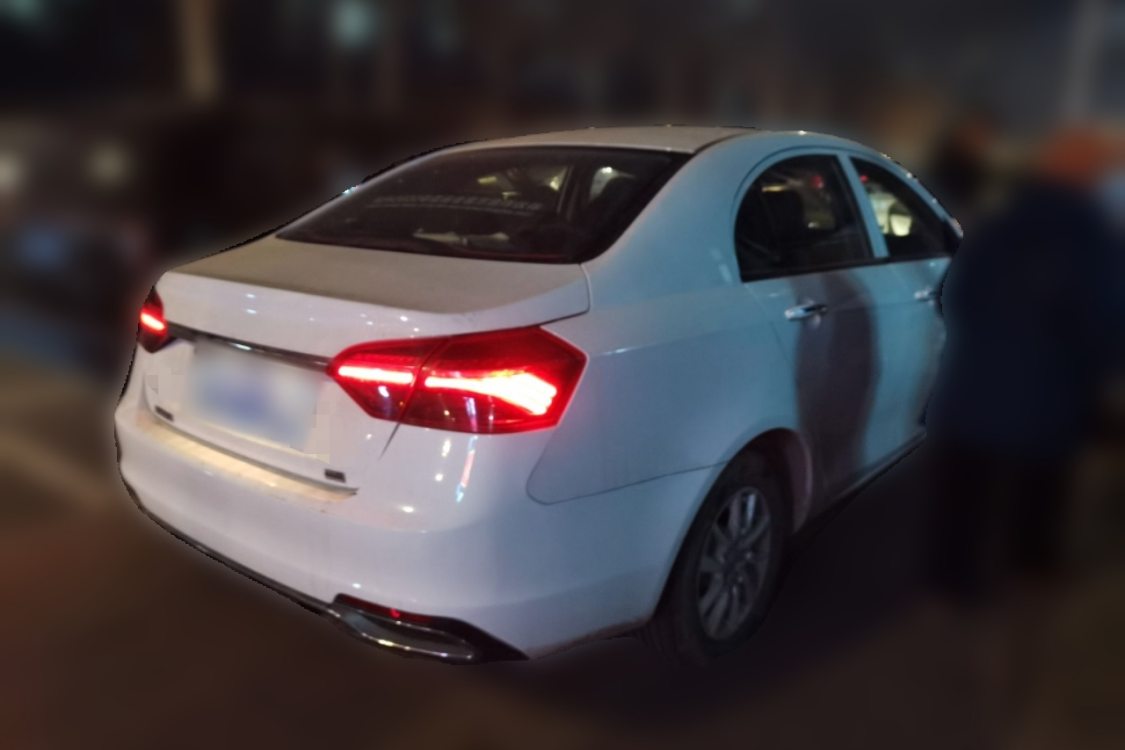

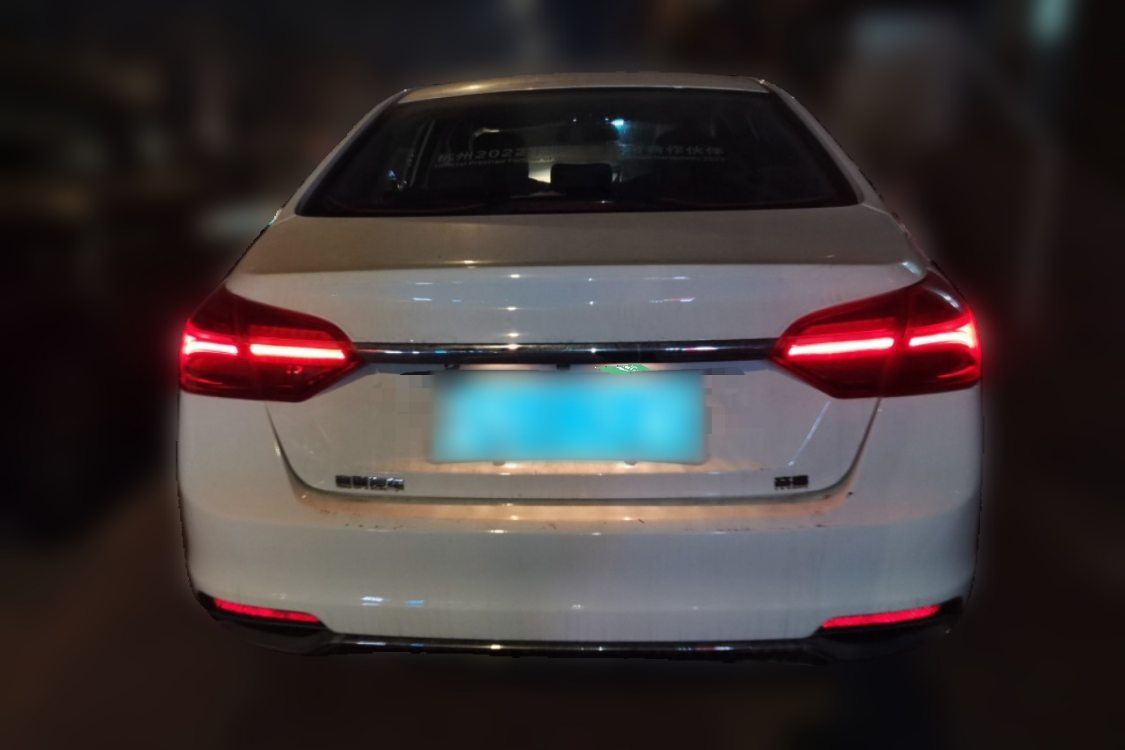




48H

Basic Information

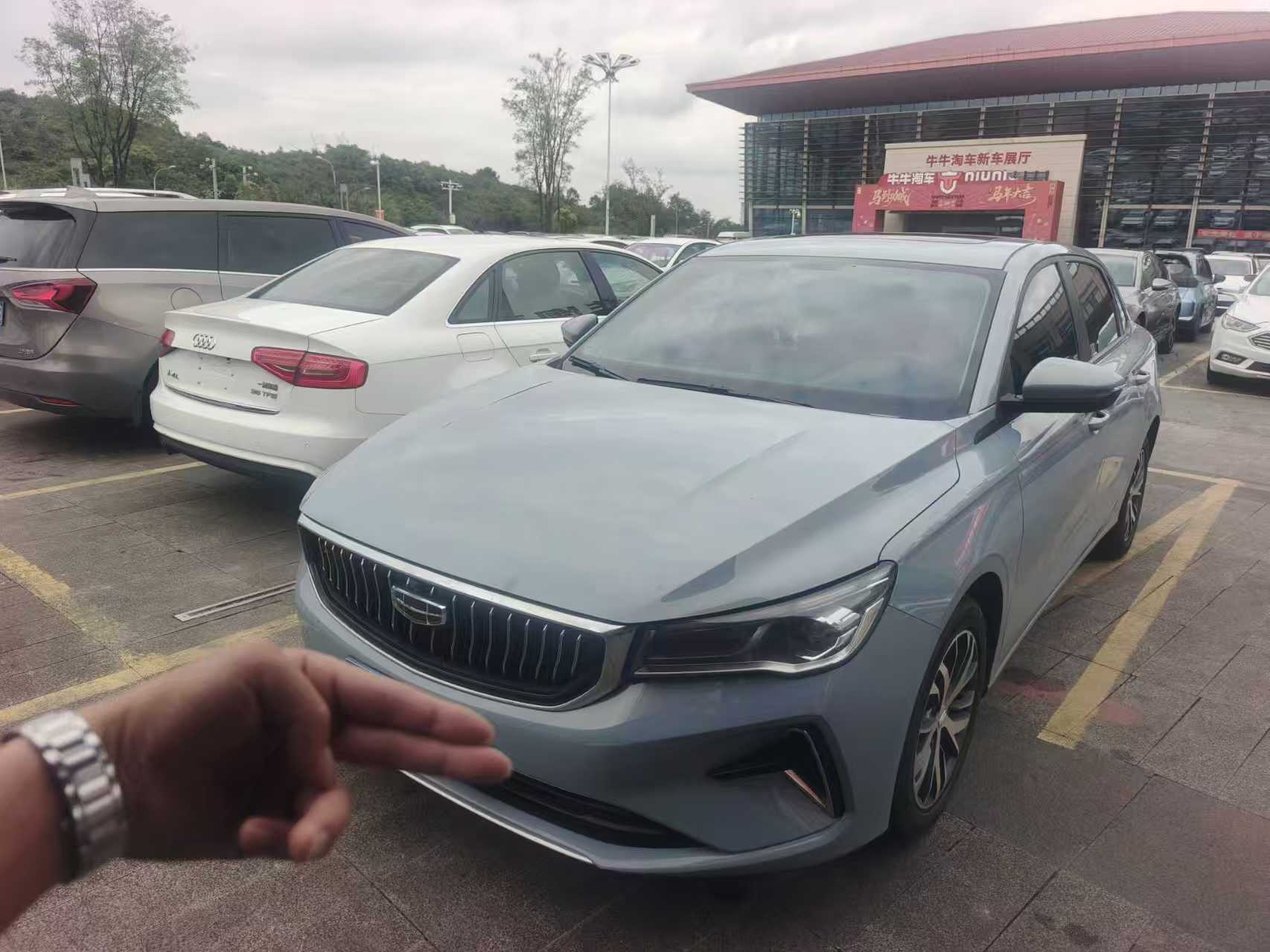
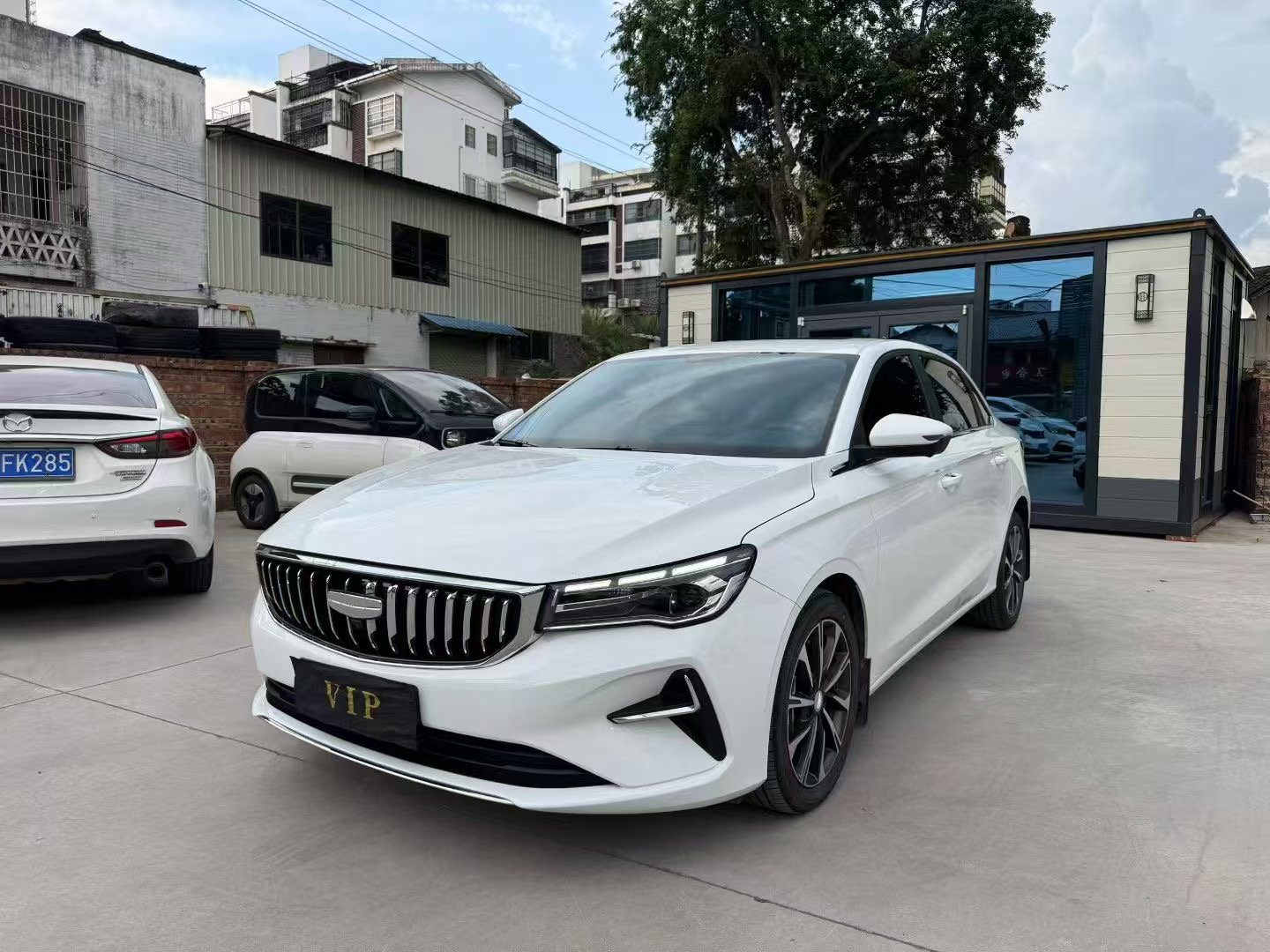
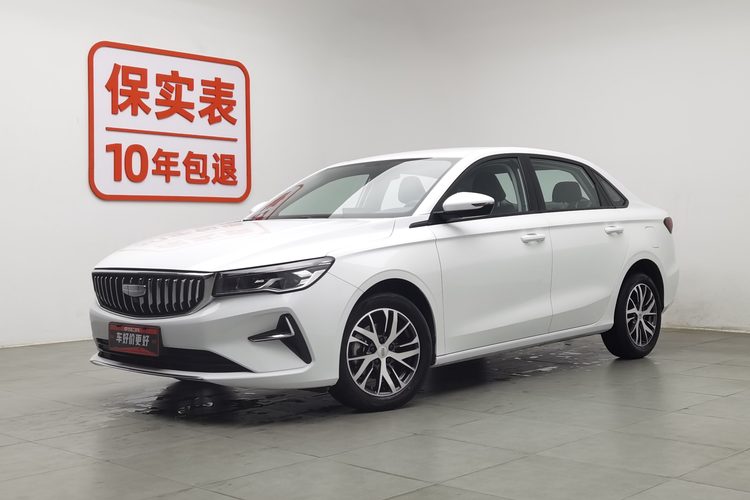
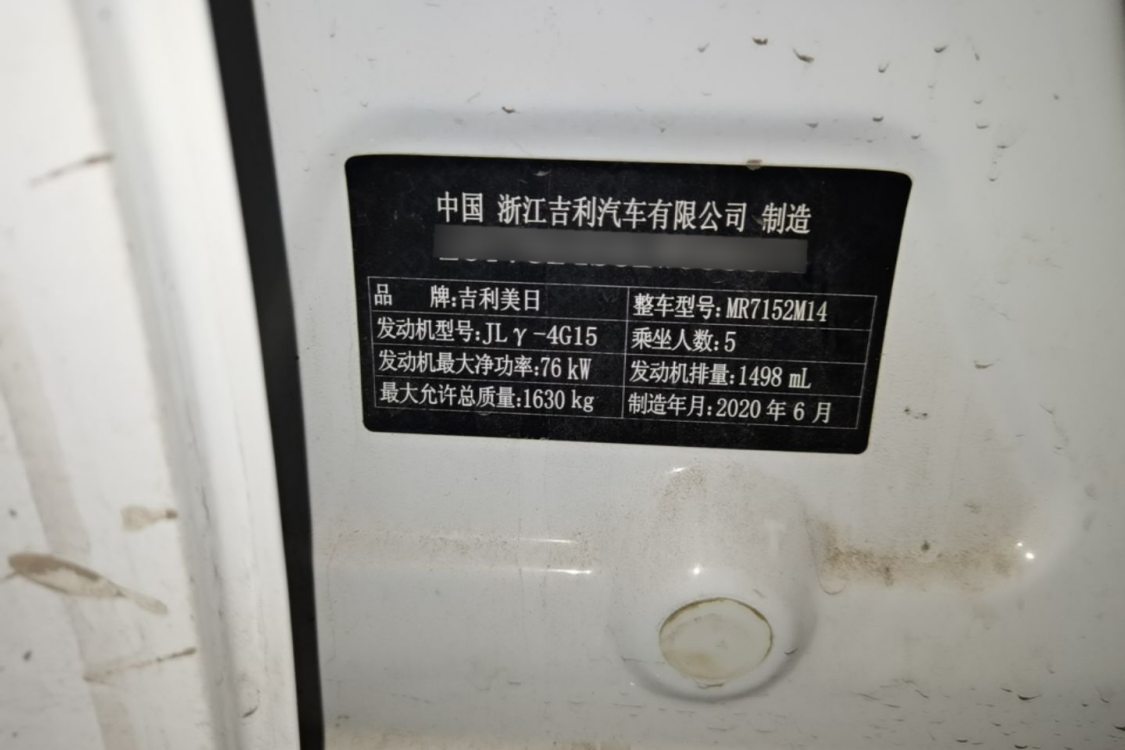
BrandGEELY
SeriesEmgrand
Year2020
First Registration2020/10
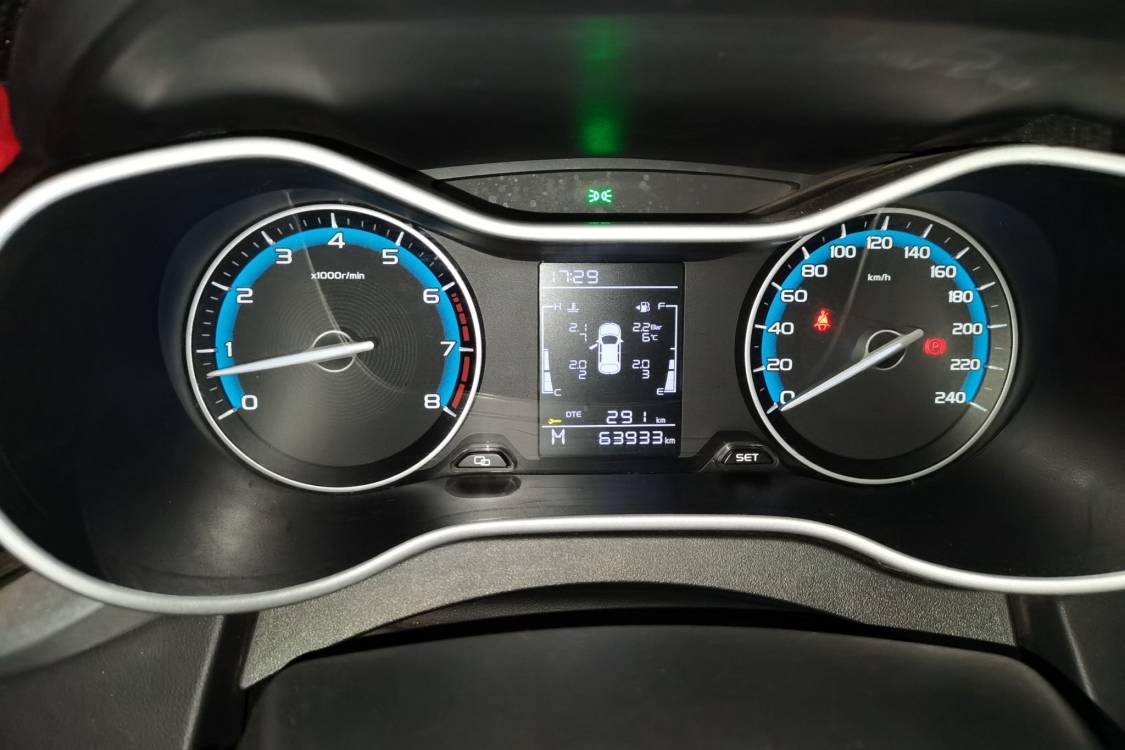
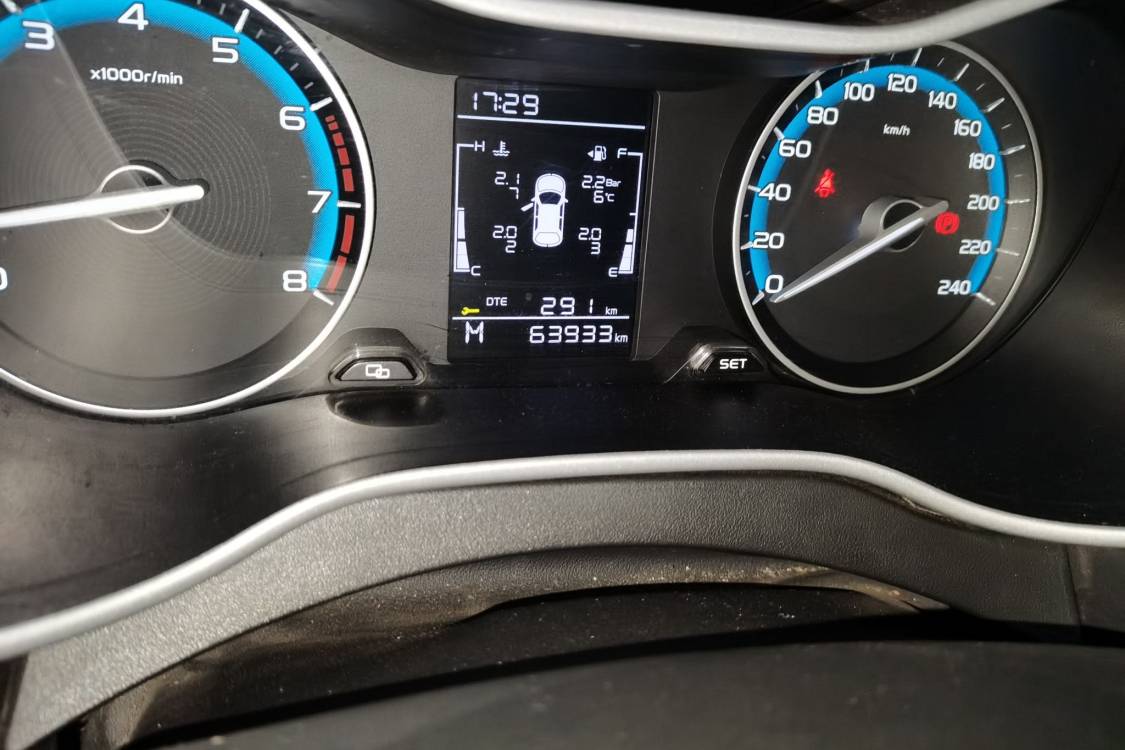
Mileage63,900km
Transfer Count1times
FuelGasoline
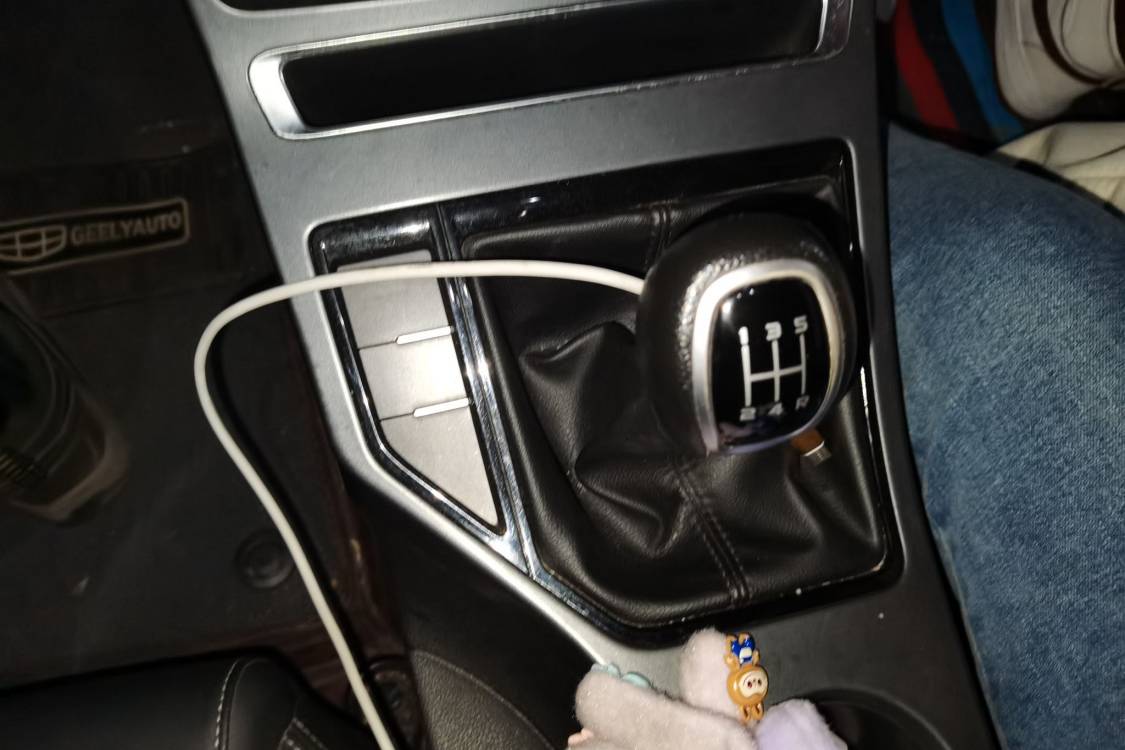
TransmissionManual
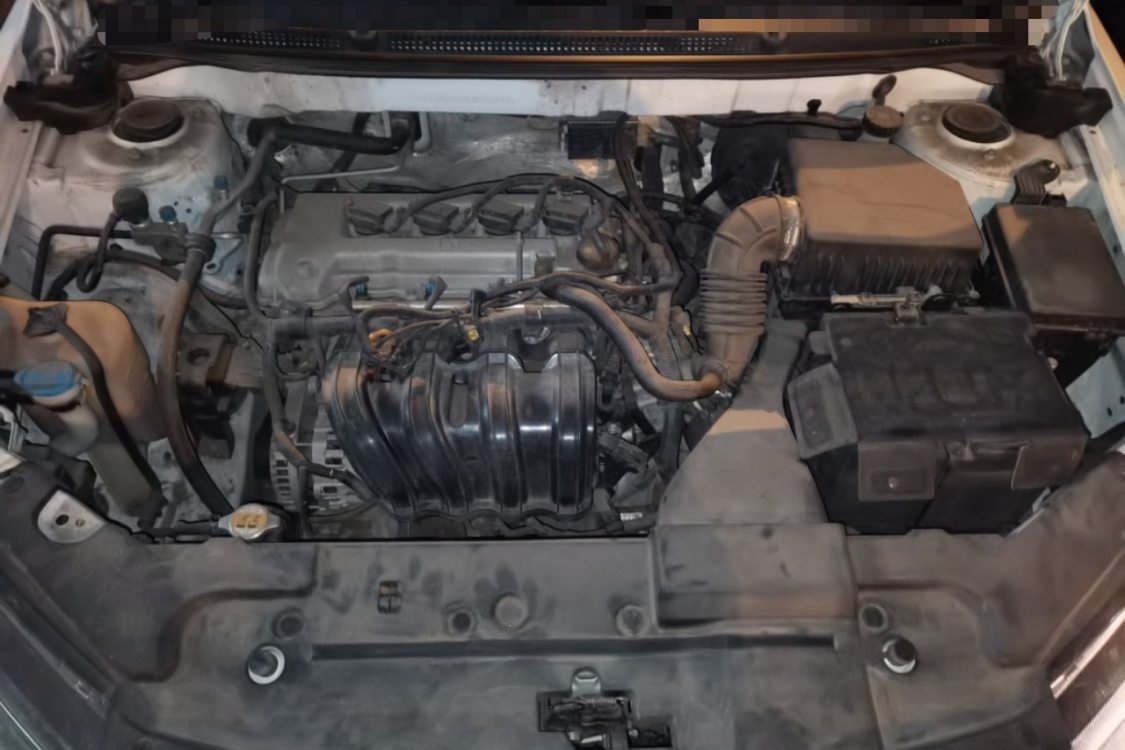
Engine1.5L 109 L4
ColorWhite
Seats-

Condition Description

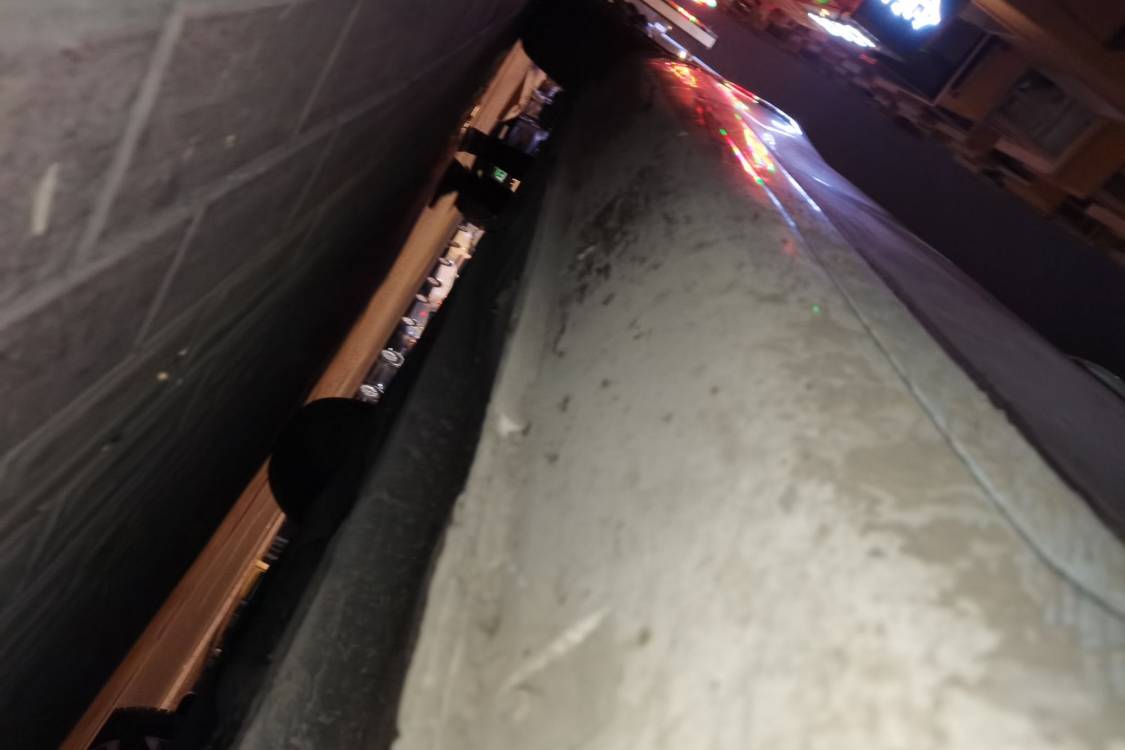
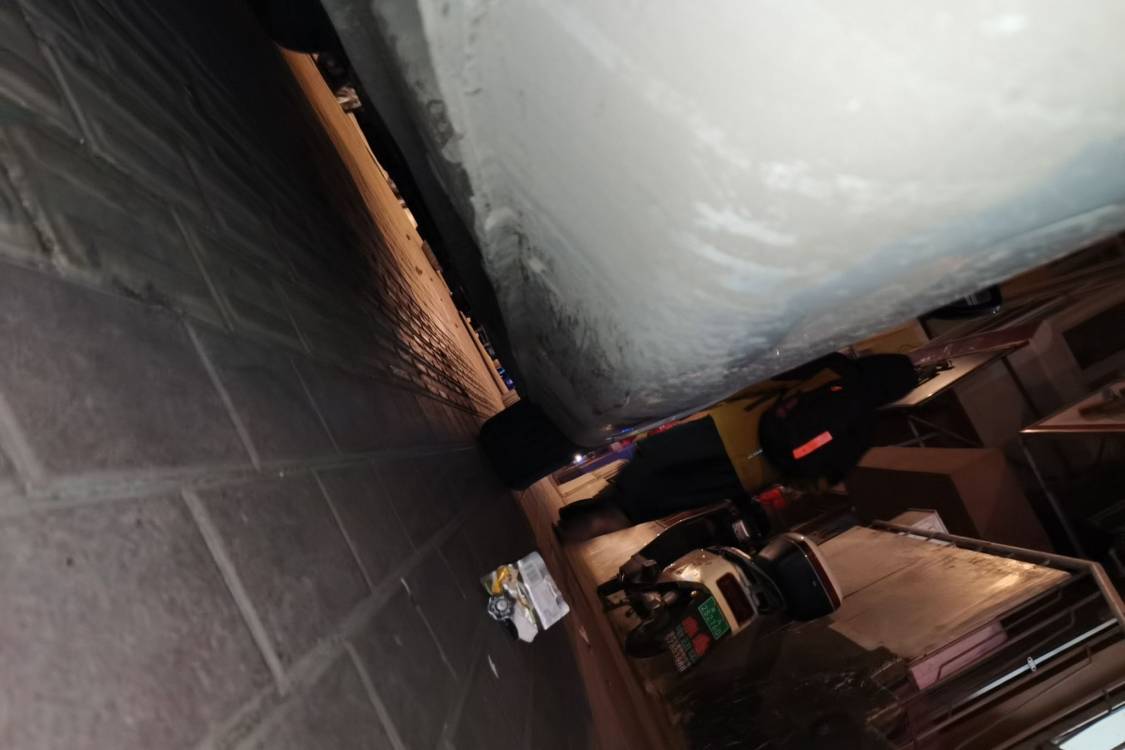
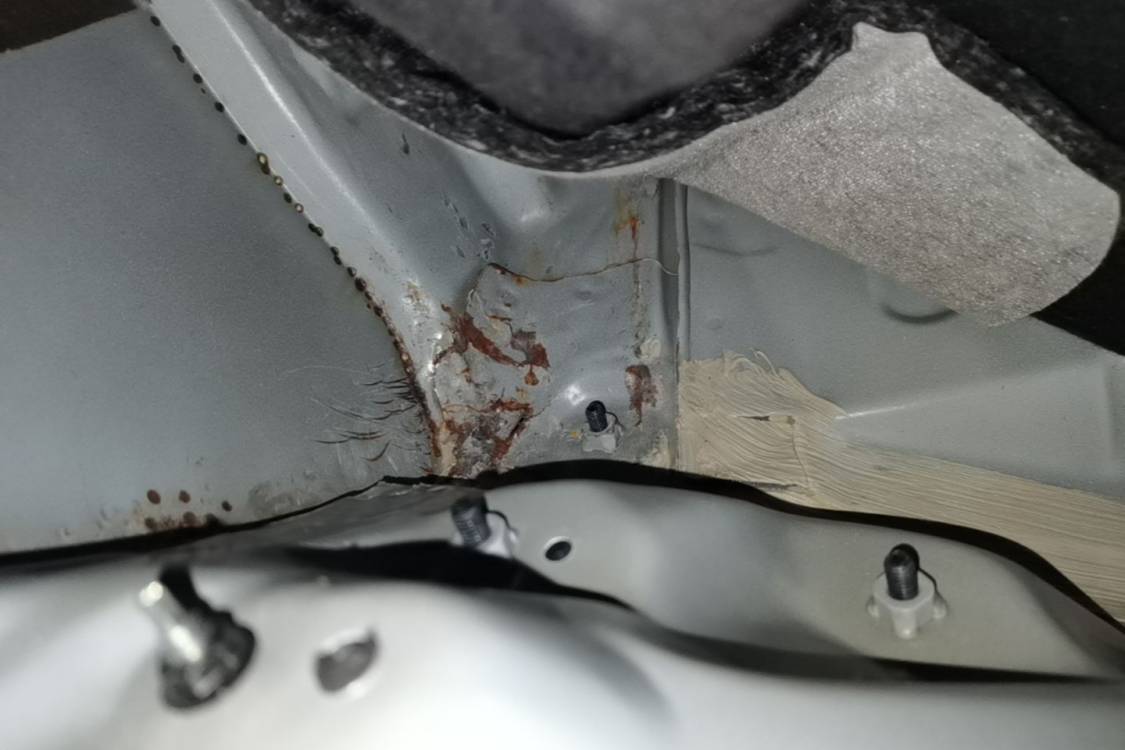
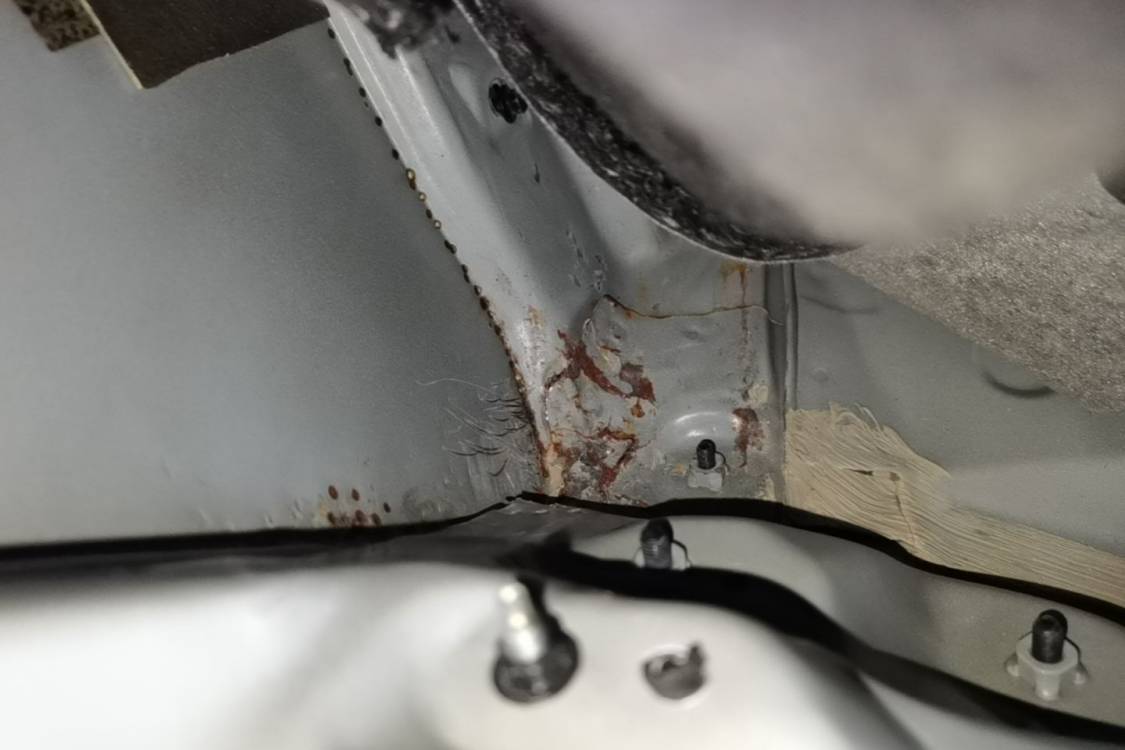
Vehicle has major accident/fire/flood damage or major defects in power battery components (structural/ reinforcement/ panel parts), repaired or unrepaired, still affecting body structural integrity or safe use, with hidden fault risks.

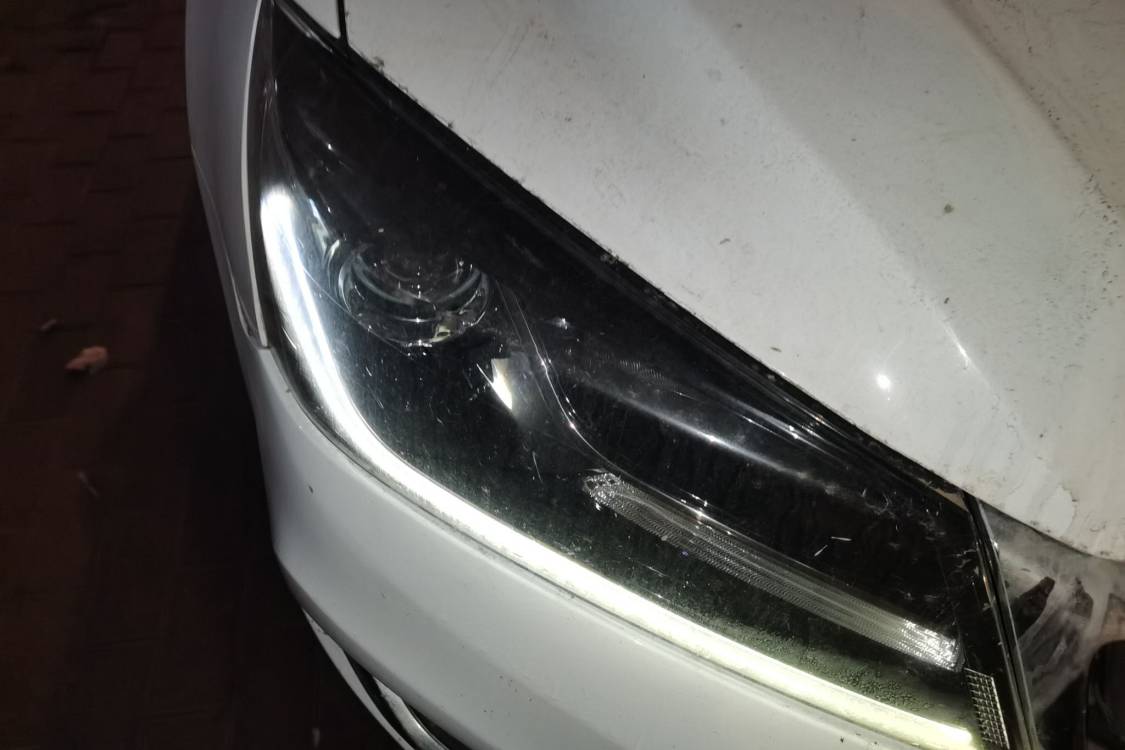
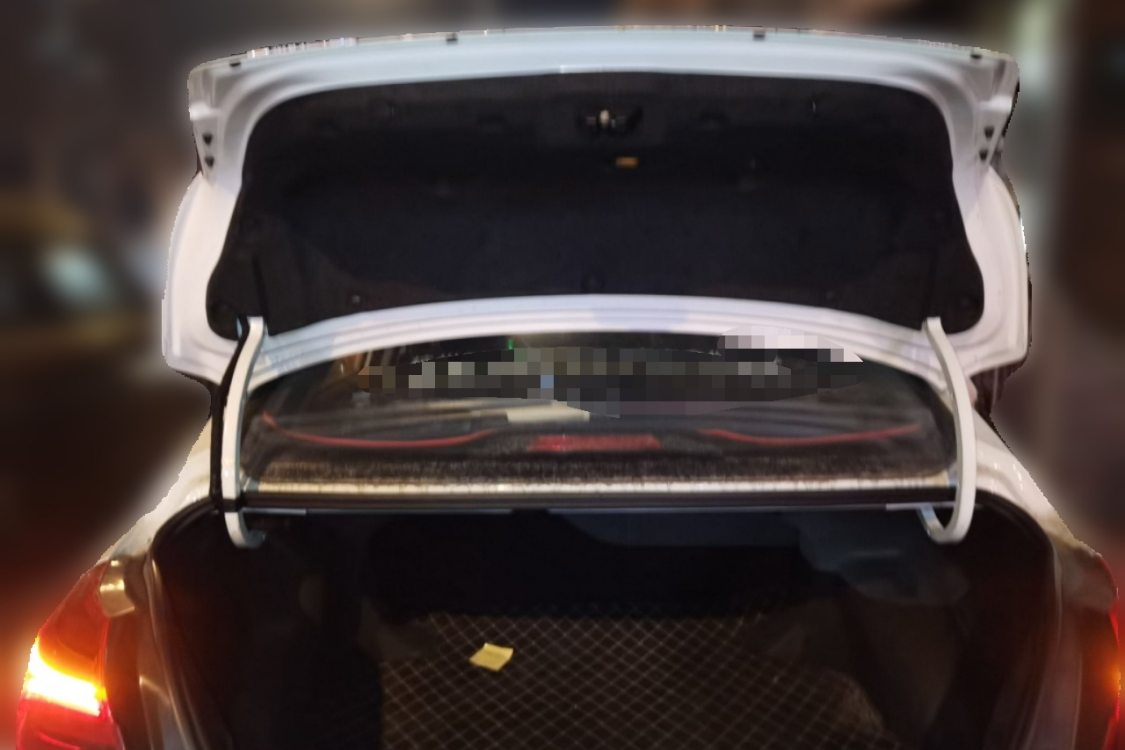
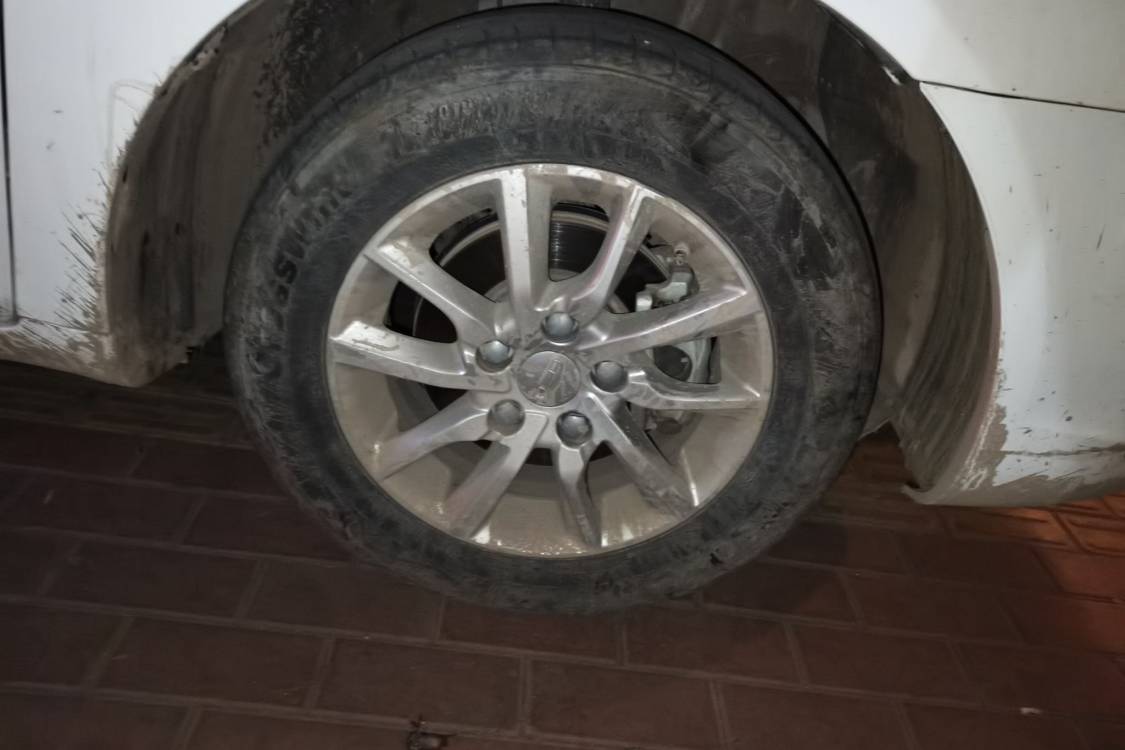
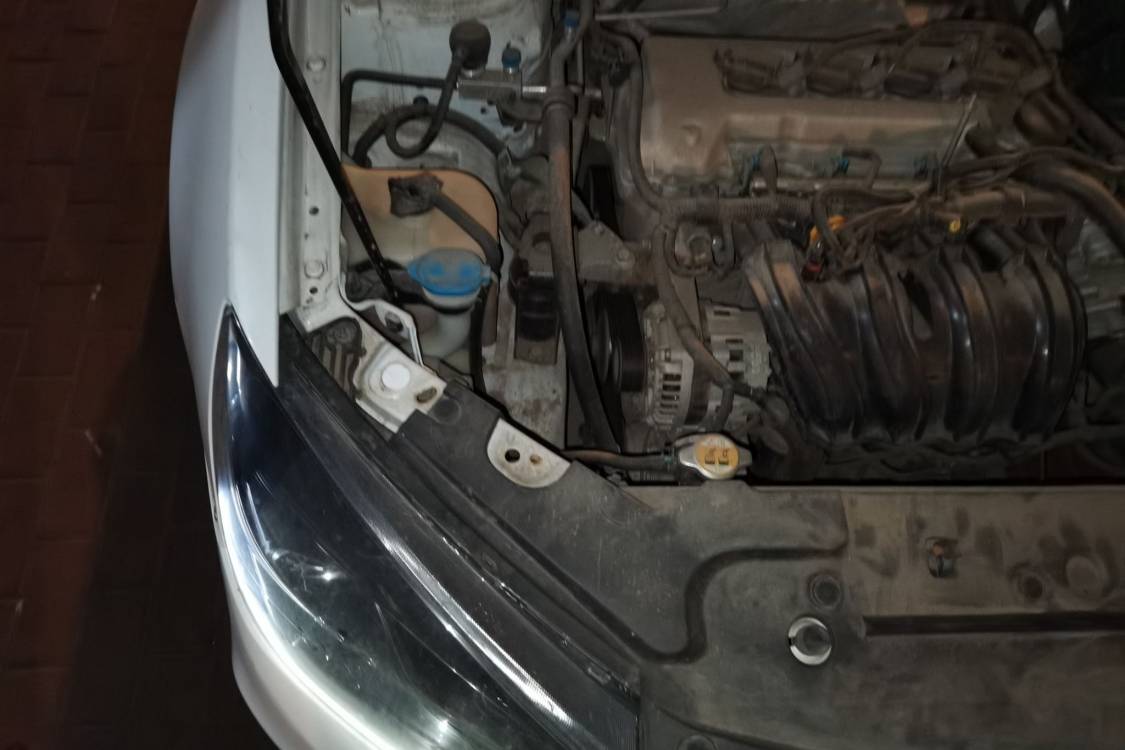
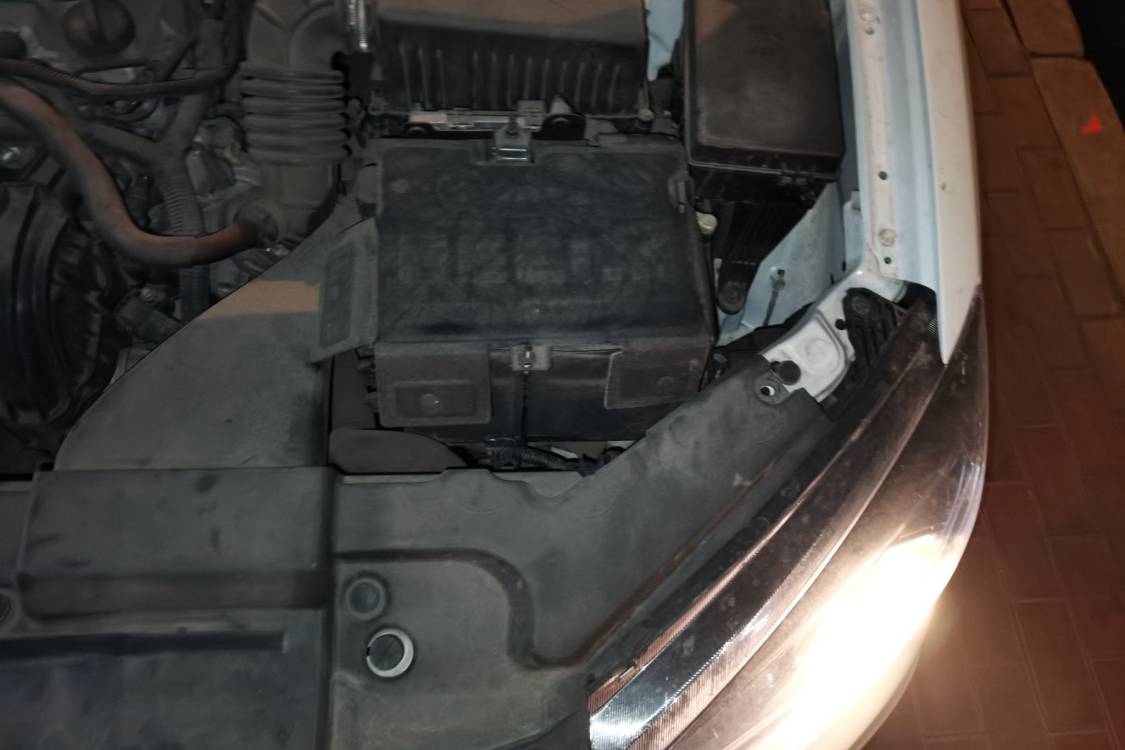
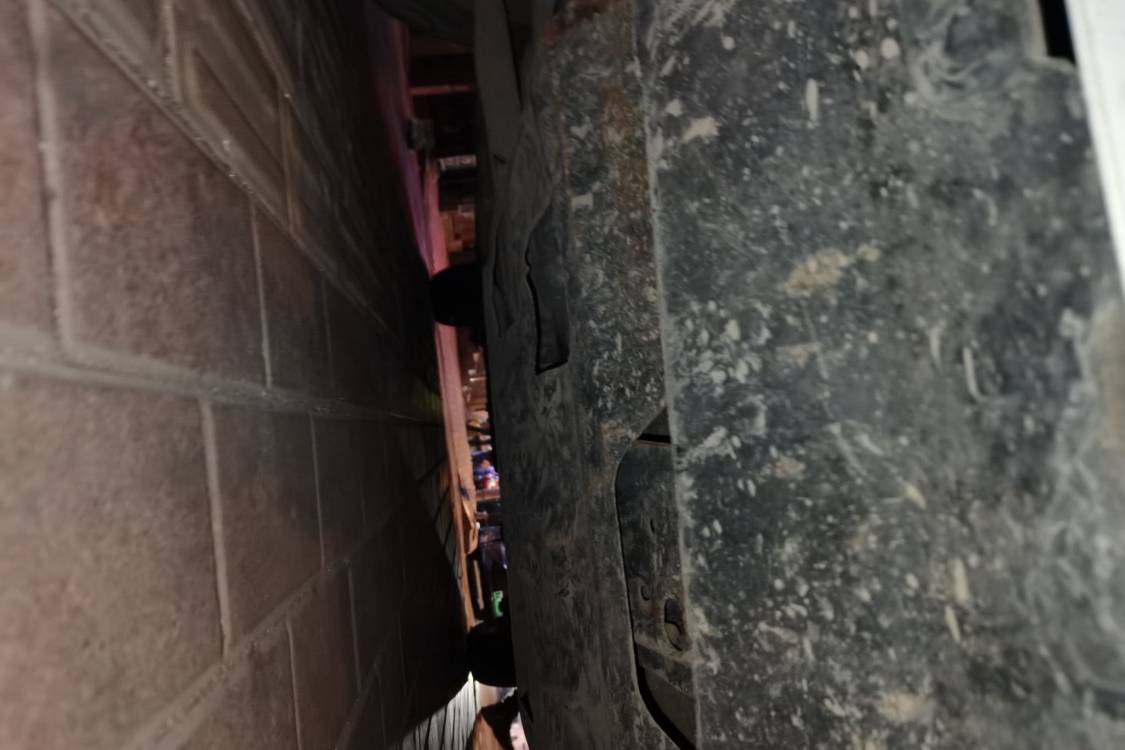
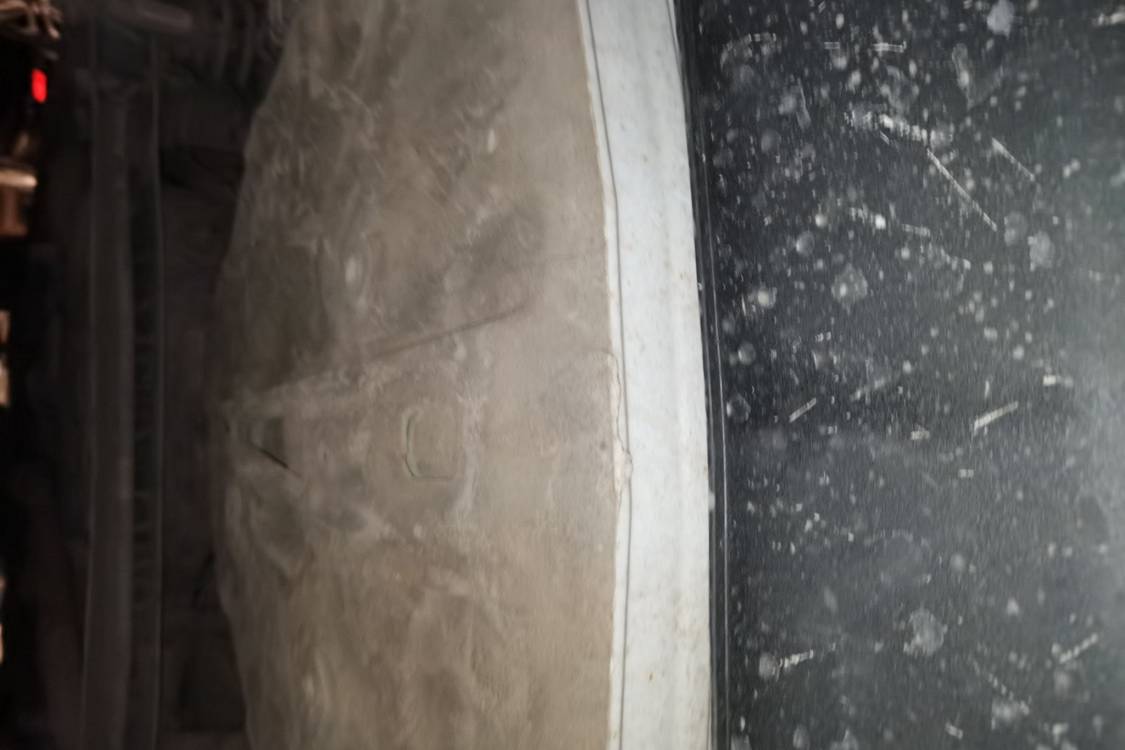
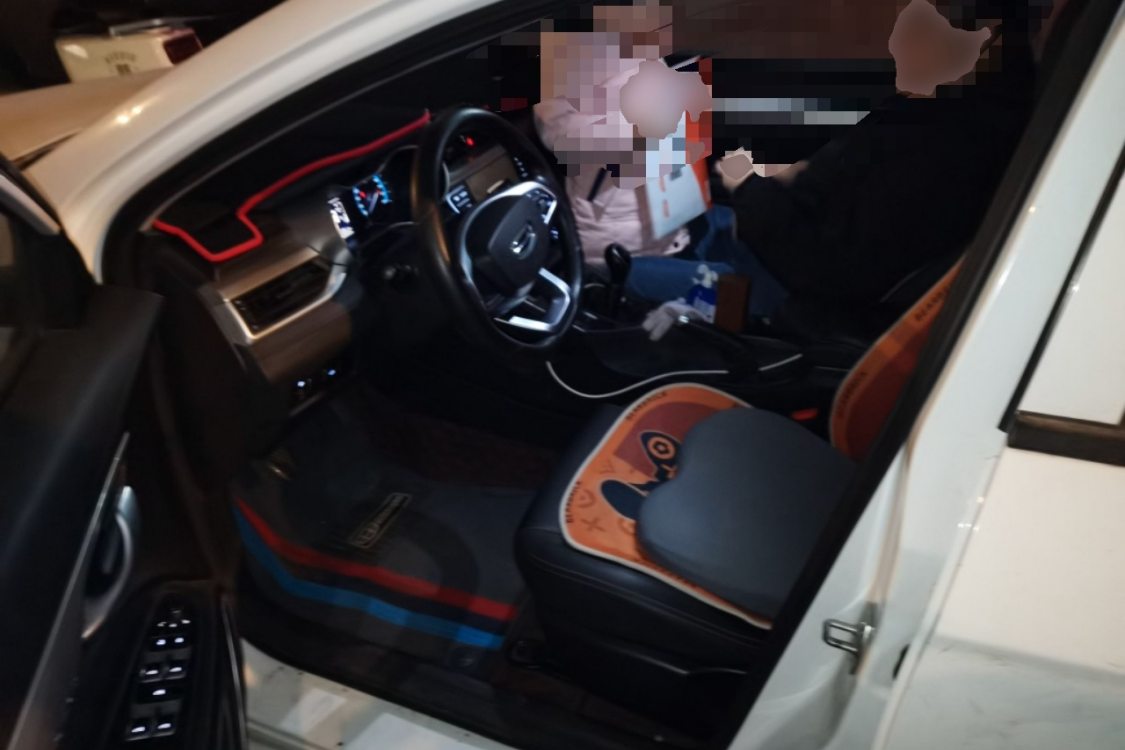
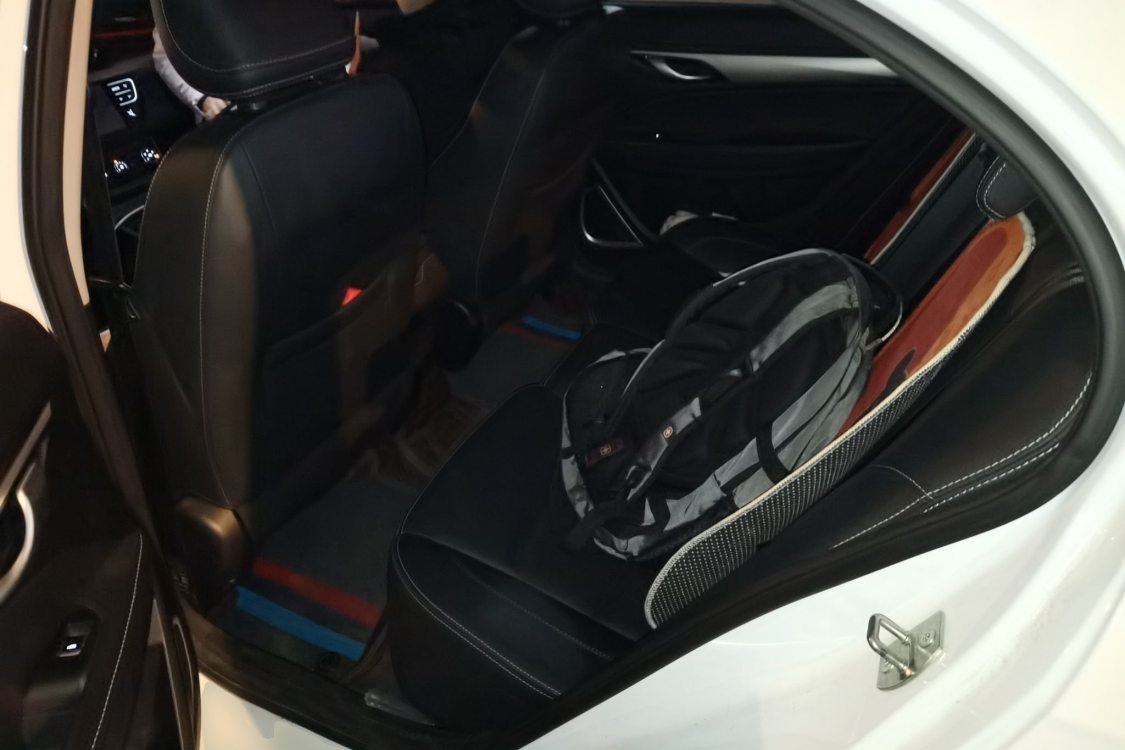
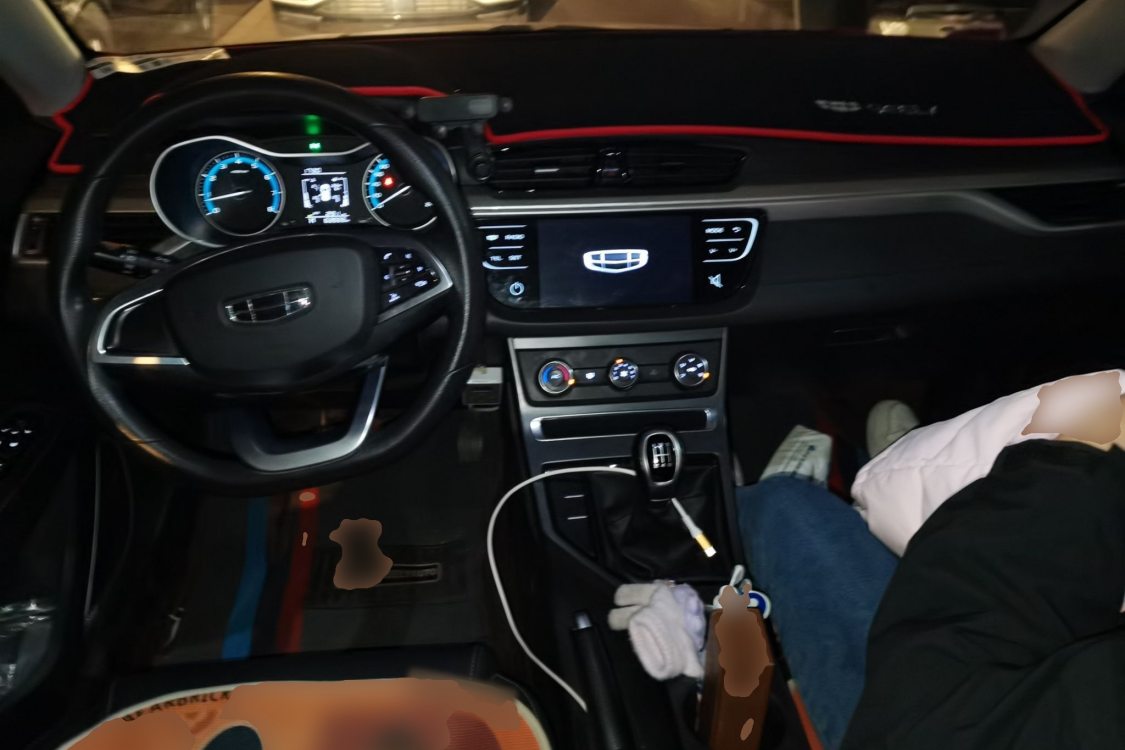
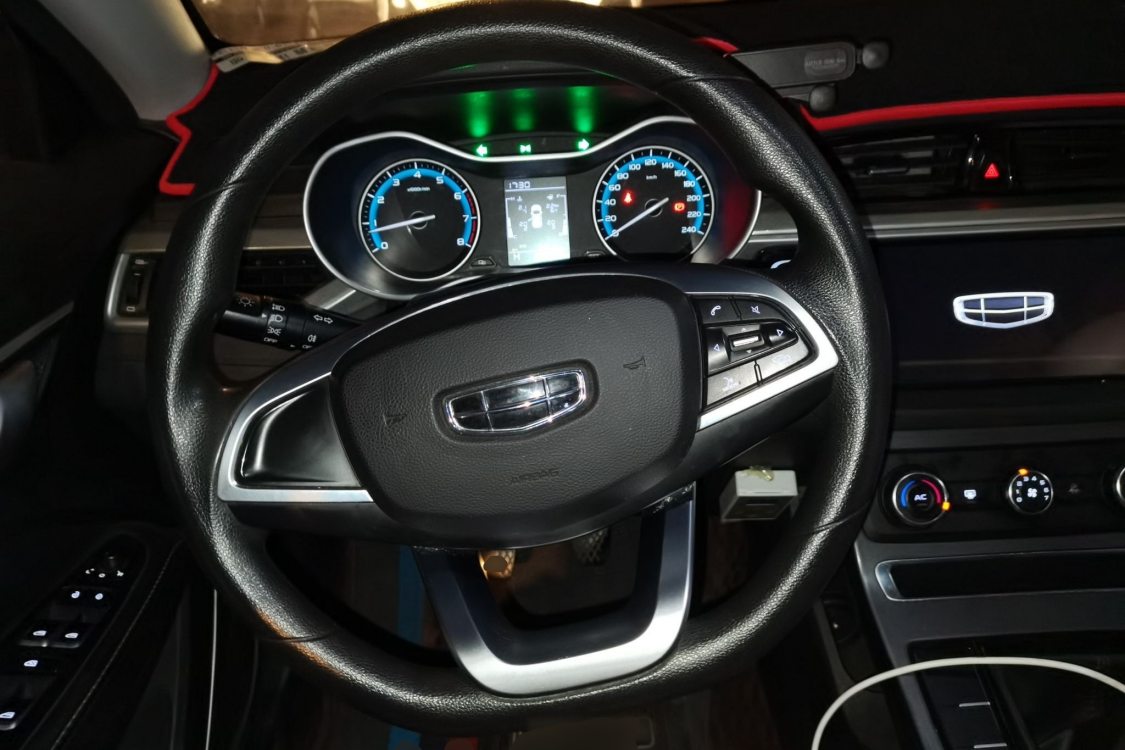
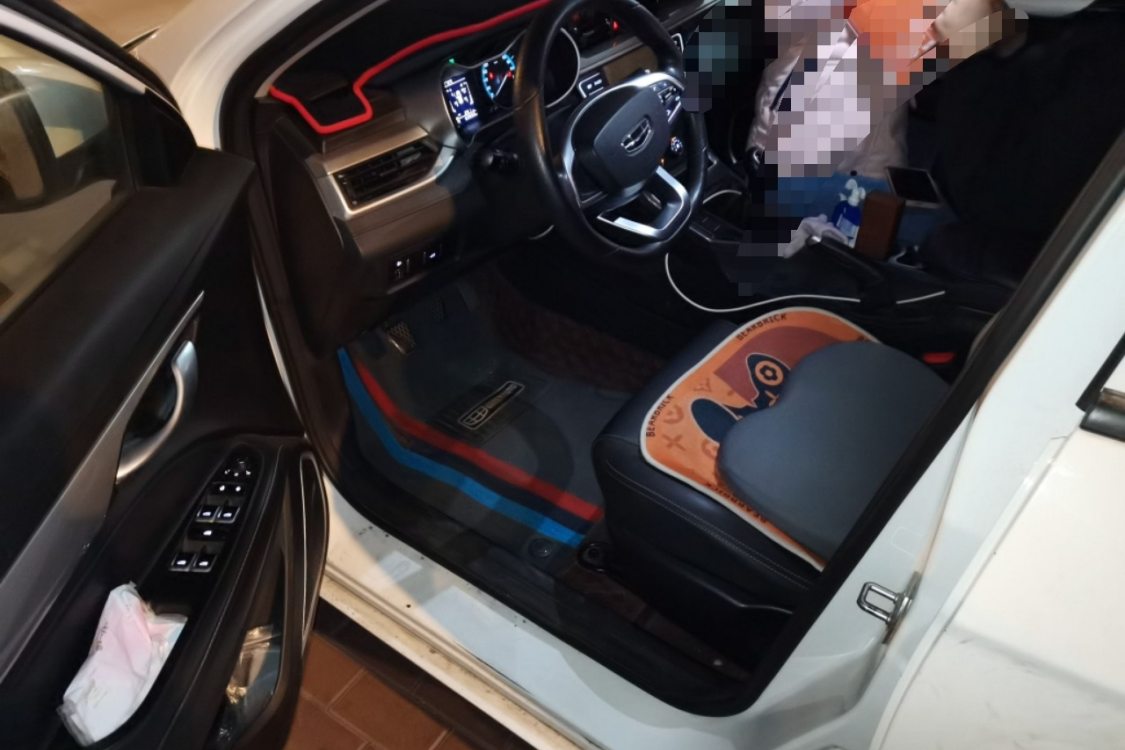
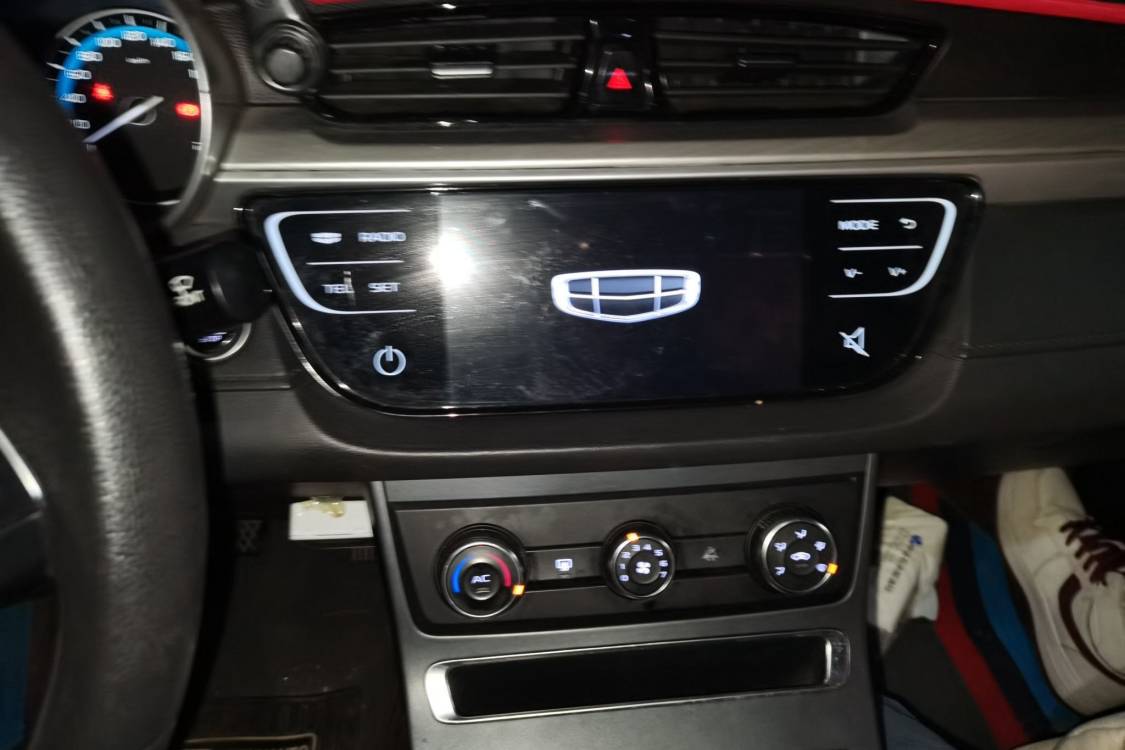
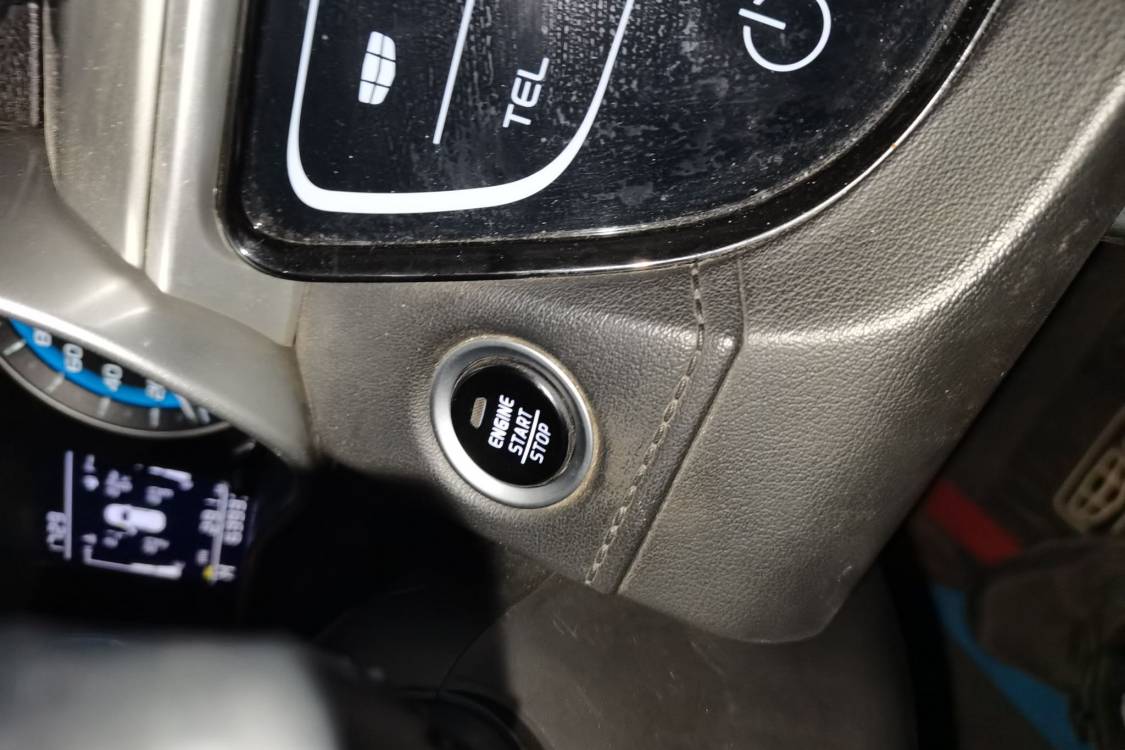
Accident inspection: main structure damaged, reinforcement parts damaged, panels damaged, hinges normal. Engine bay: key mechanical components normal. Exterior: 1 replaced part, 1 panel repair, 5 paint areas. Interior: most features normal, airbags normal, seatbelts normal, dashboard normal, instrument check normal, lighting system normal. Startup check: main components normal. Tool kit: none.

电话直连
可讲价
平台物流
可转售
新检测标准升级>
非泡水

Document Information

Inspection Expiry Date2028/10
Warranty Expiry Date-
Insurance Expiry Date2027/03

Q&A

More

Is there a best time of year to buy a used car from China, and how do seasonal factors affect pricing?

Yes, timing can move prices by 5-15 percent. Key seasonal factors: Chinese New Year (late January-February): dealers and export yards wind down 2-3 weeks early, so supply tightens and prices firm up. Avoid ordering in this window. March-May: supply rebounds and competition among exporters is highest—often the best prices of the year. New model launches: when a new generation appears (usually April and September auto show season), outgoing versions drop noticeably in the used market—good for buyers who don't need the latest model. Freight seasonality matters too: rates spike before Golden Week (October) and before Christmas as container capacity tightens. A cheap car booked into an expensive shipping window can cost more overall. Strategy: target March-May for purchase, book shipping in off-peak months, and lock quotes in writing for 15-30 days so freight surges don't erode your deal.


Can I combine several cars into one container to save on freight when importing from China, and how does consolidation work?

Yes, consolidation is common and can cut freight cost per car significantly, especially for shared purchases or small-volume importers. How it works: 1. A 40ft high-cube container typically fits 2-4 cars depending on size and loading method (standard loading vs. specialized racking that allows 4+ cars). Confirm the loading plan with your forwarder in writing. 2. Cars are secured with wheel chocks, straps, and padded braces. Professional loading with photos before the doors close is essential — request a photo report for insurance purposes. 3. One container means one bill of lading and one customs entry, but each car still needs its own invoice, export documents, and destination customs declaration. Things to watch: - Liability: if one car shifts and damages another in transit, insurance claims get complicated. Take out proper cargo insurance covering both vehicles. - Timing: all cars in the container must be ready at the same port at the same time, or you pay storage fees. - For EVs, check the shipping line's battery and state-of-charge rules — they may limit how many EVs go in one box. For a single car, RoRo or a 20ft container is usually simpler; consolidation mainly pays off from 2+ cars.

Will you conduct a thorough inspection of the engine and transmission of the used car?

We will never perform blind deep disassembly unless there are clear severe fault codes or extreme noises. The sealing of the engine and transmission is crucial, and compromising the factory seals to investigate non-existent issues is unprofessional. We rely on data flow and external acoustic and fluid analysis to make judgments.