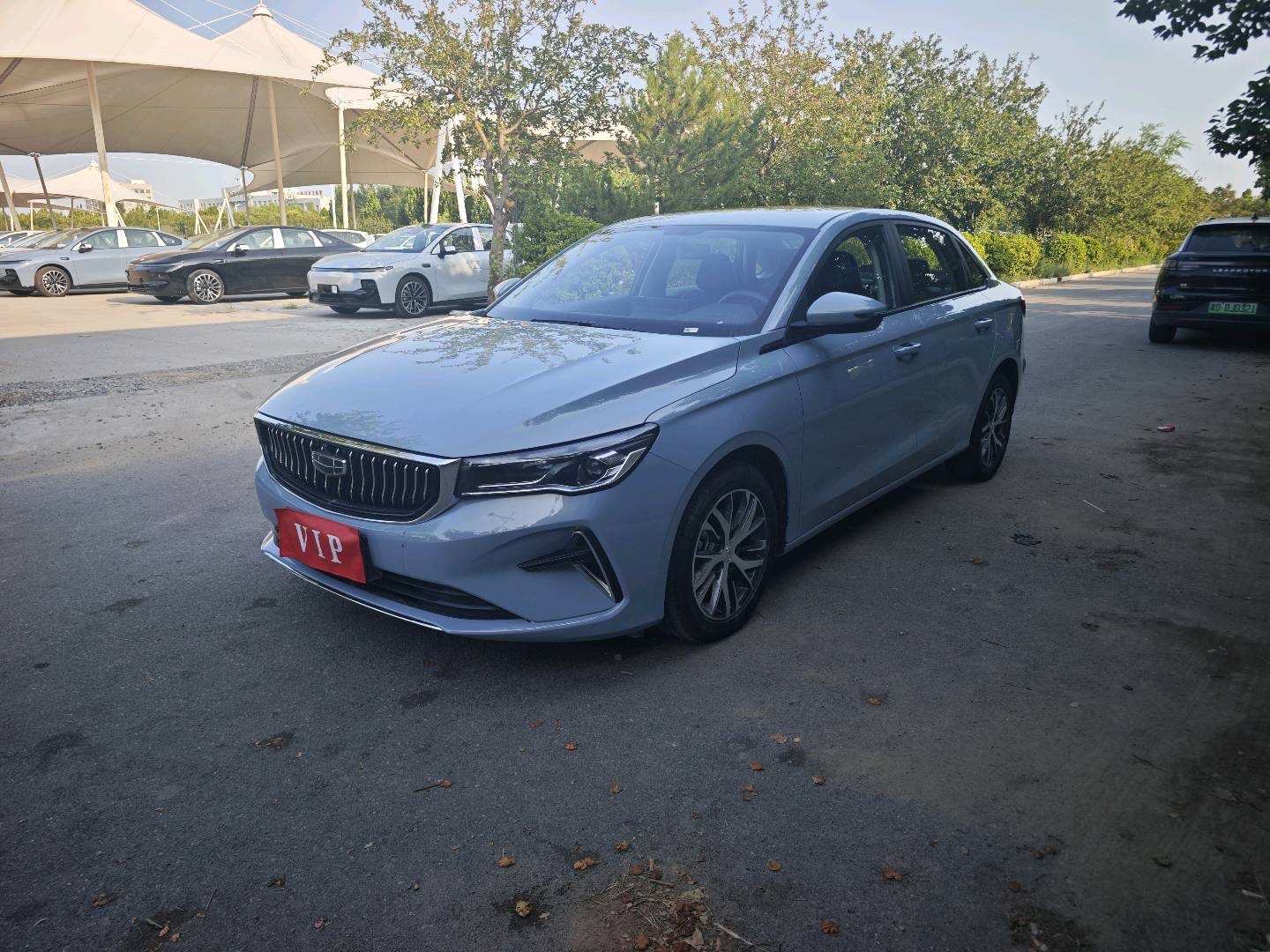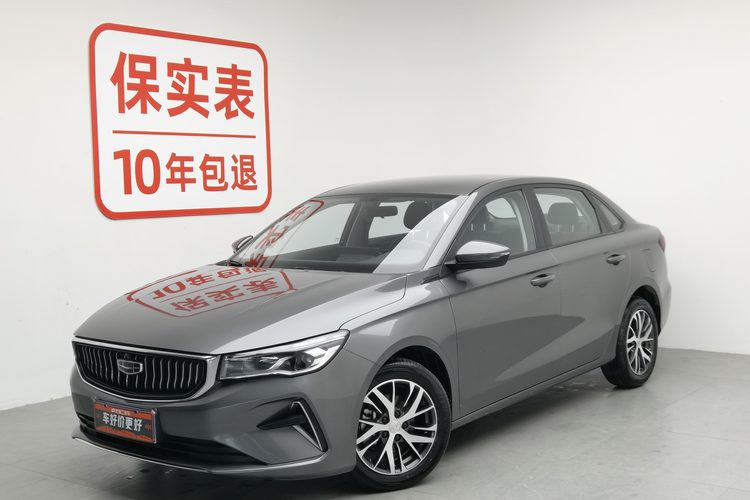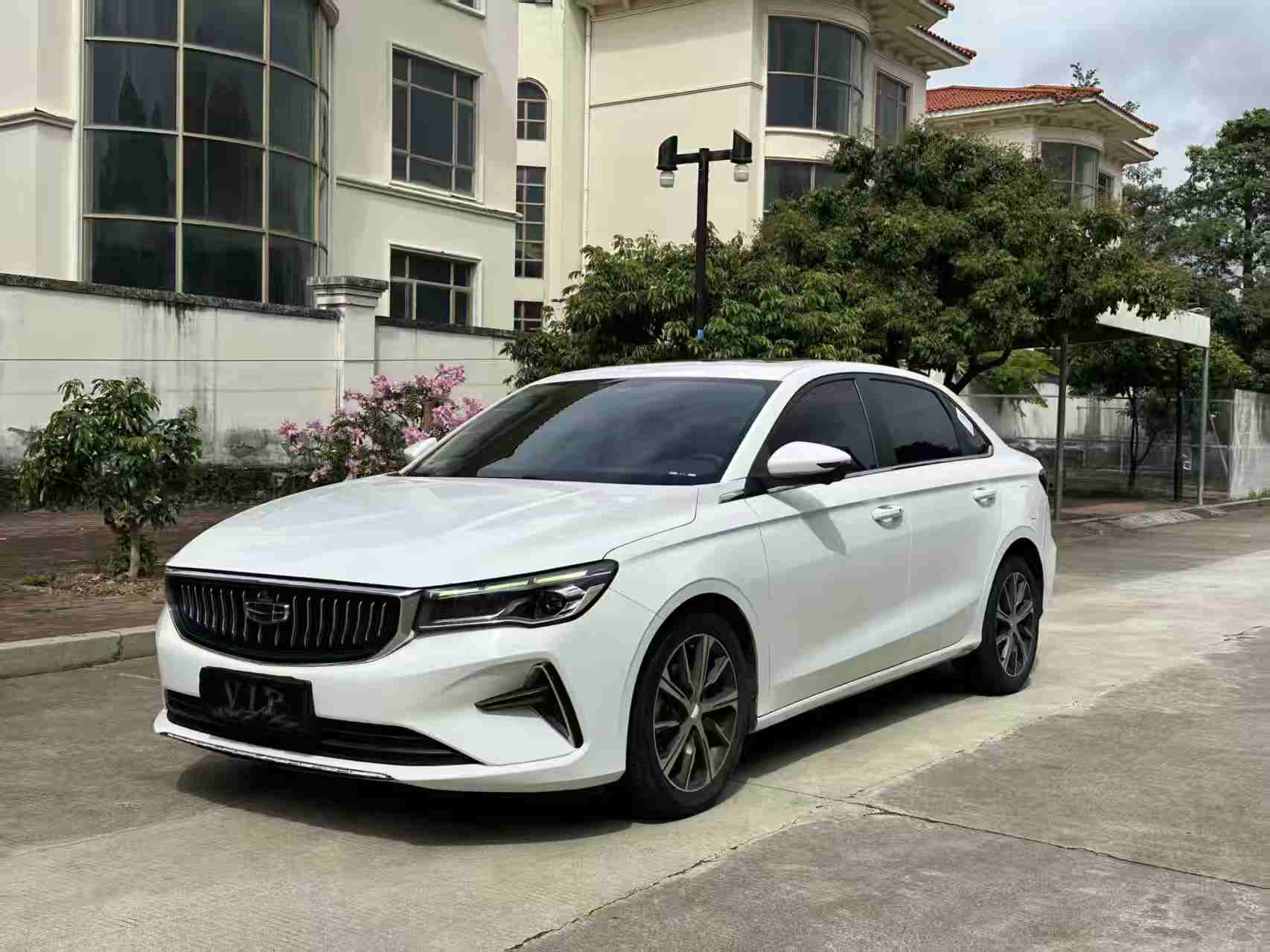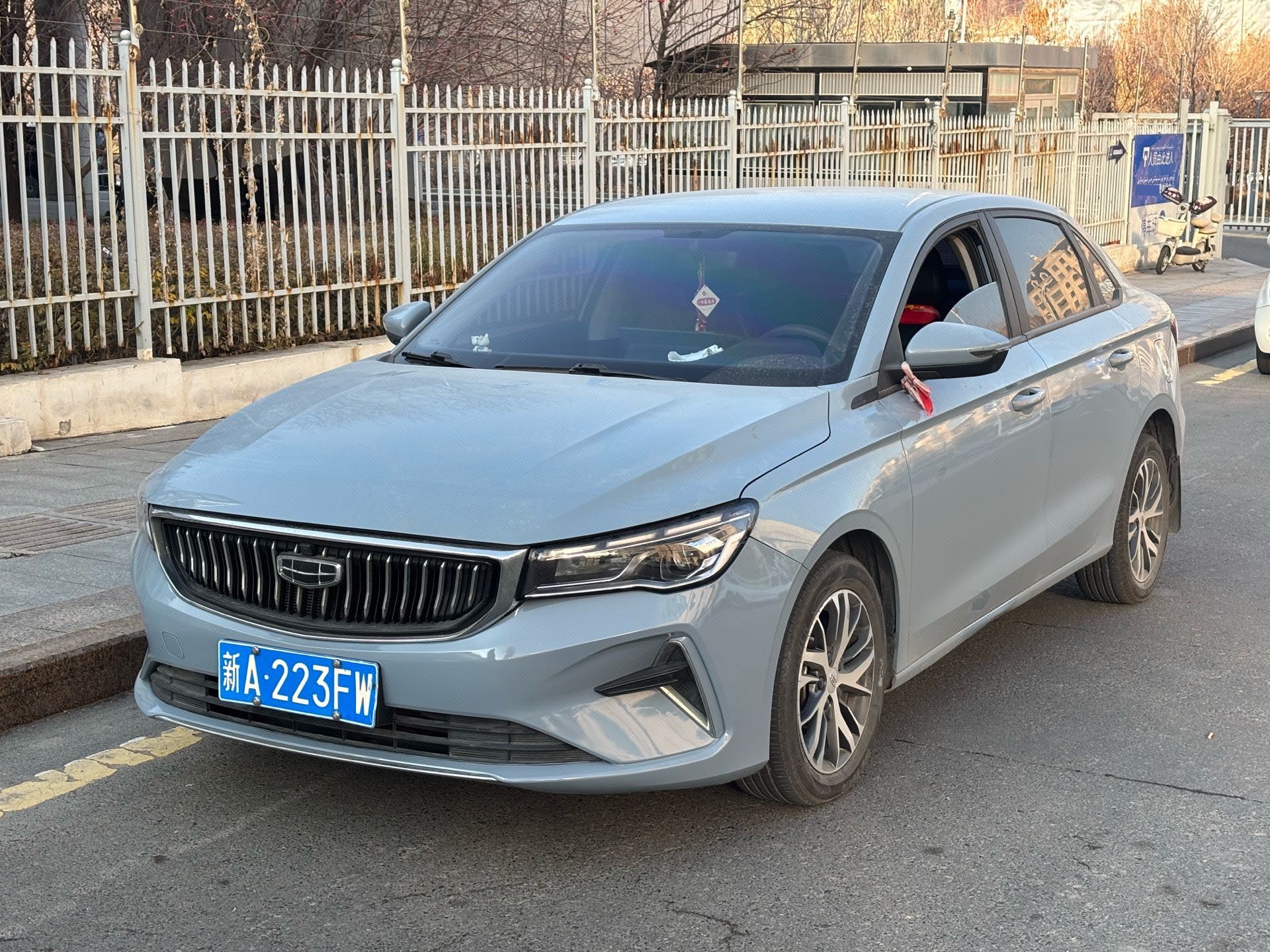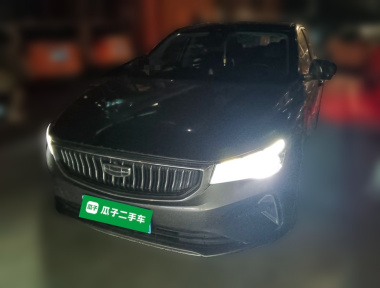
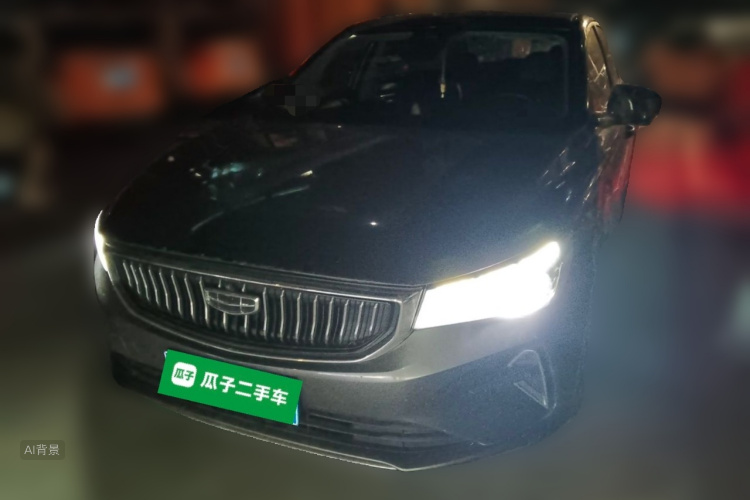
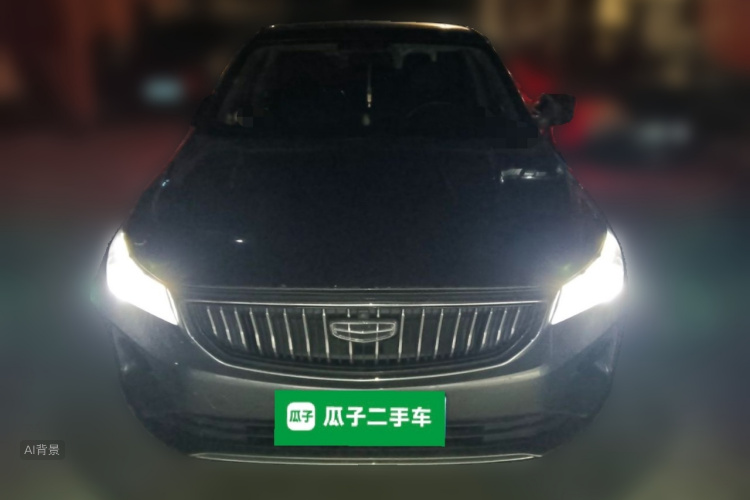
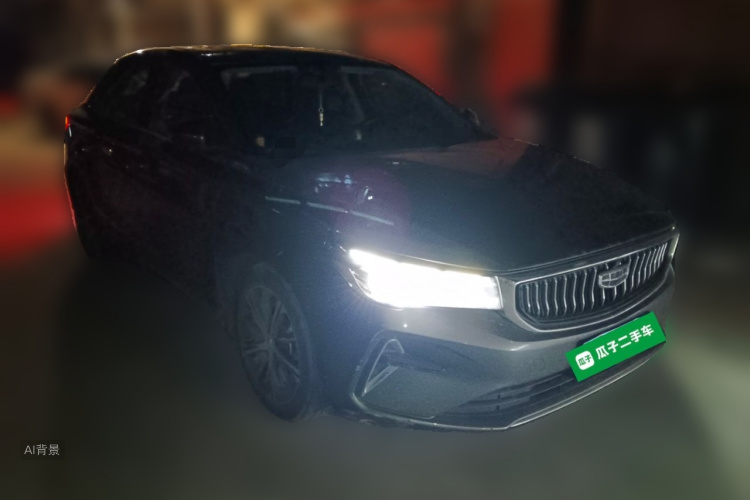
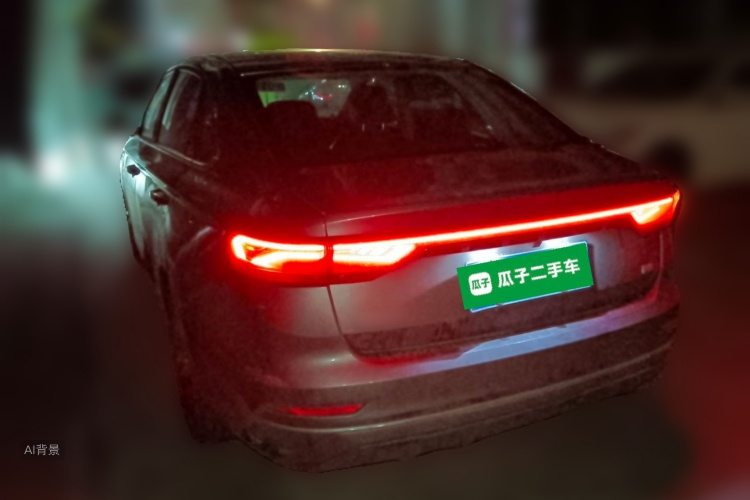
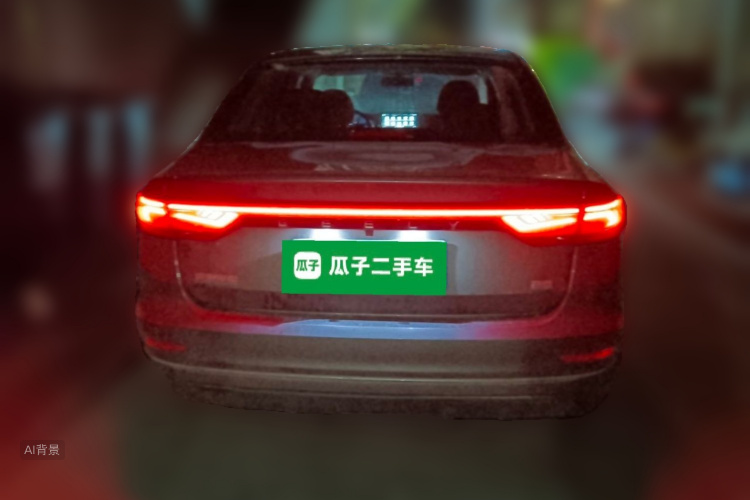
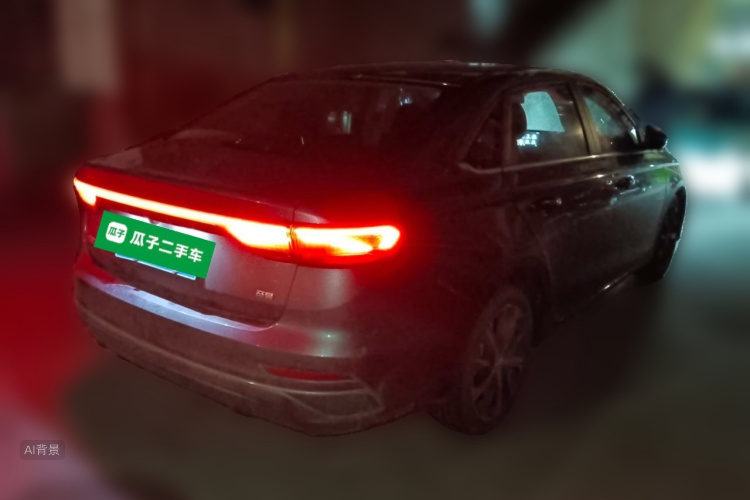
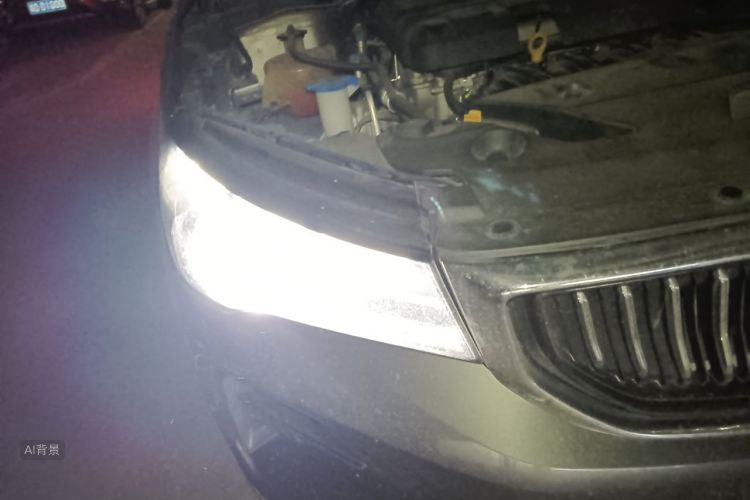
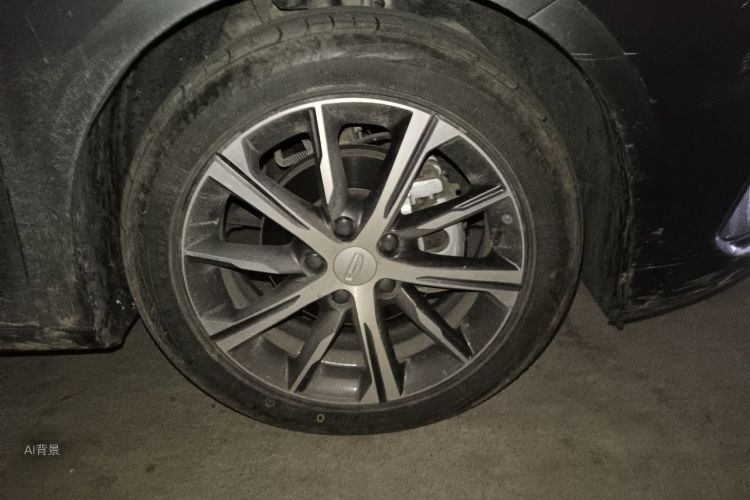
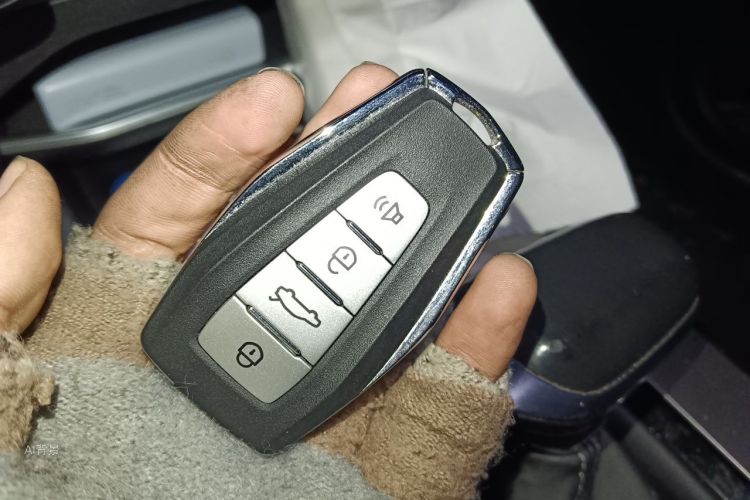
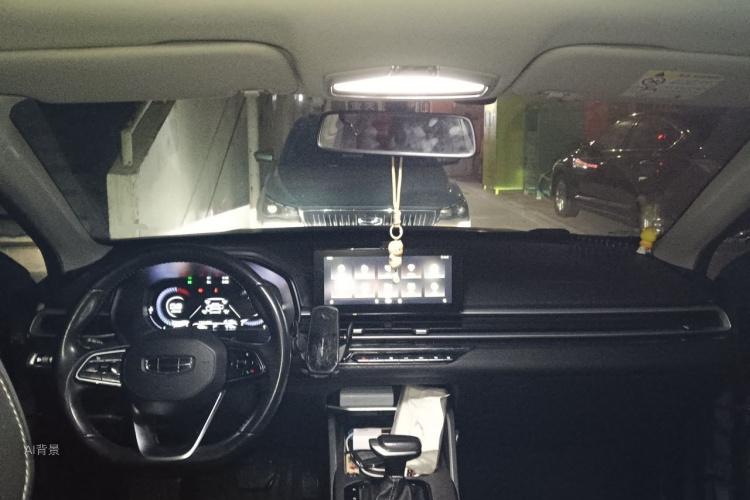
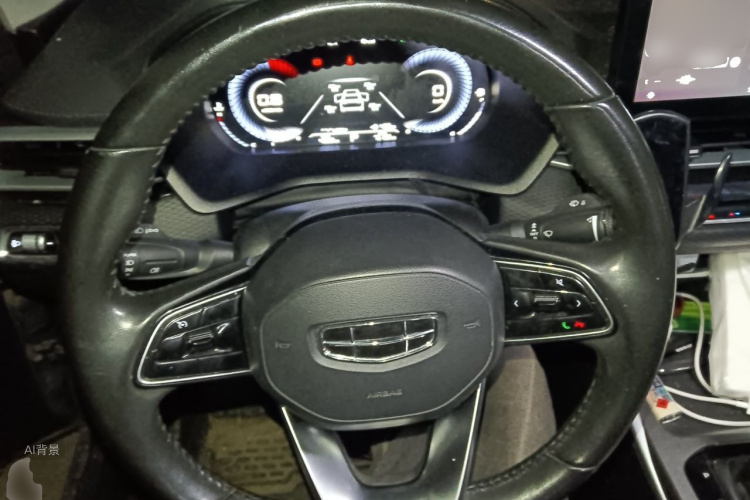
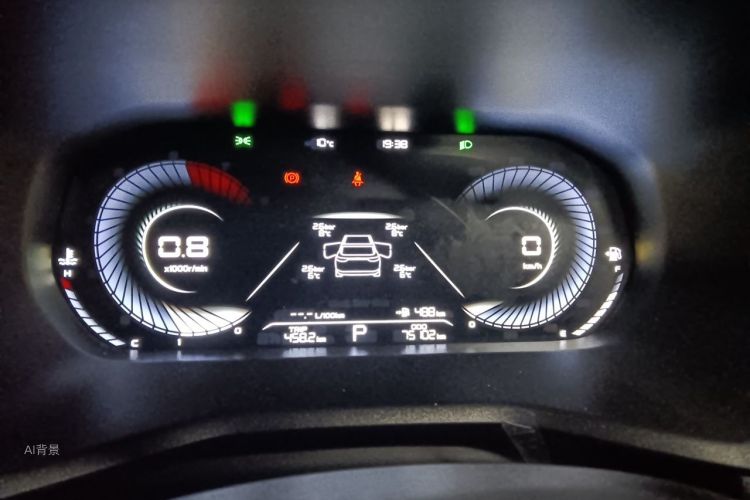
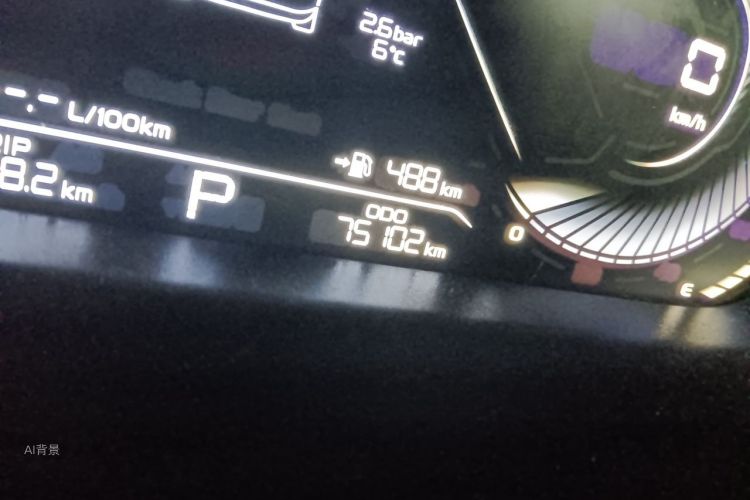
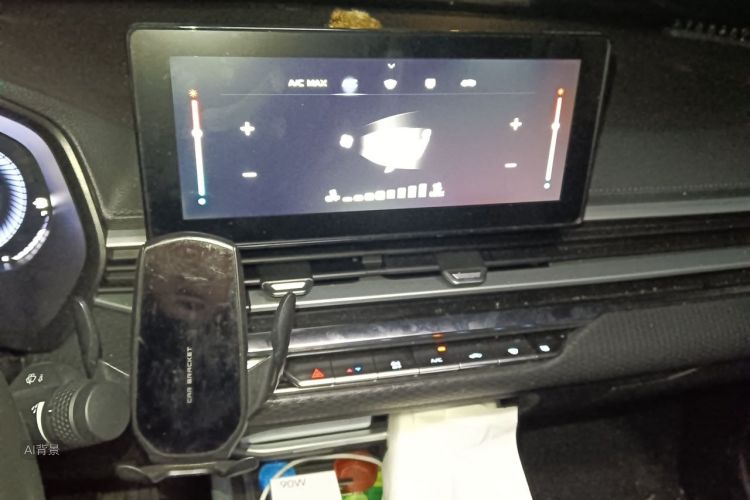
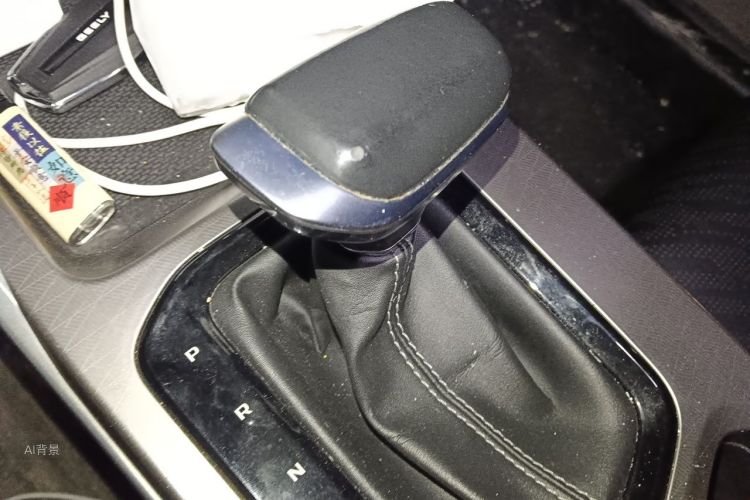
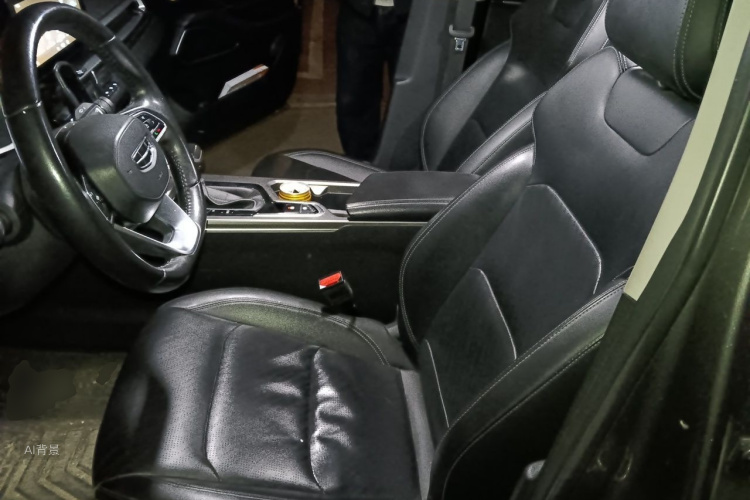
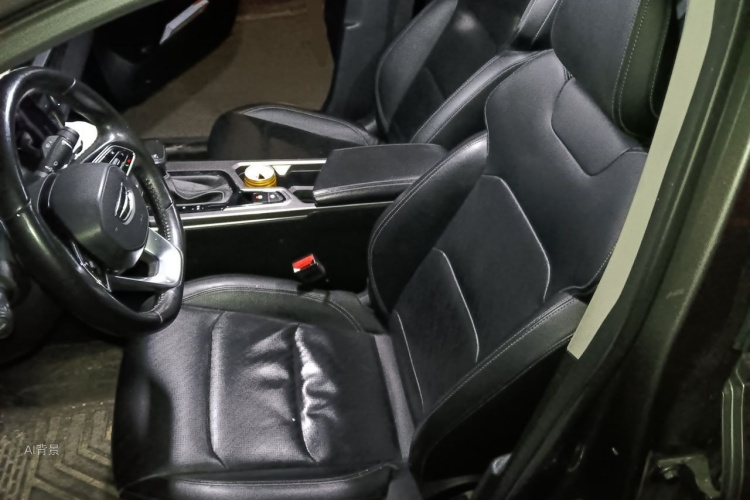
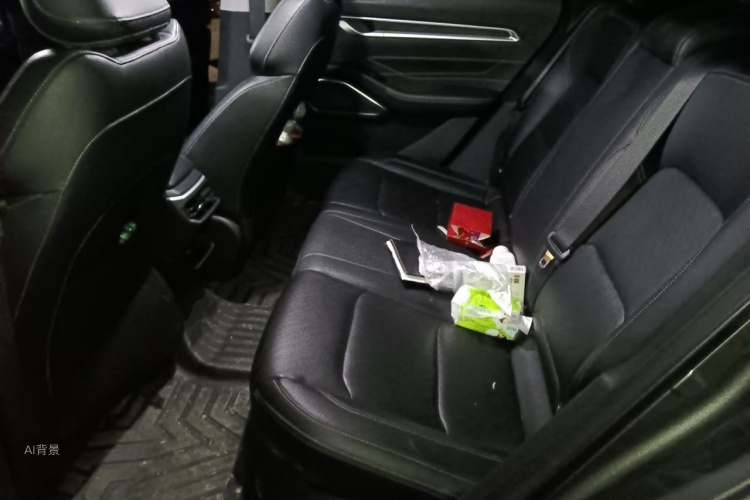

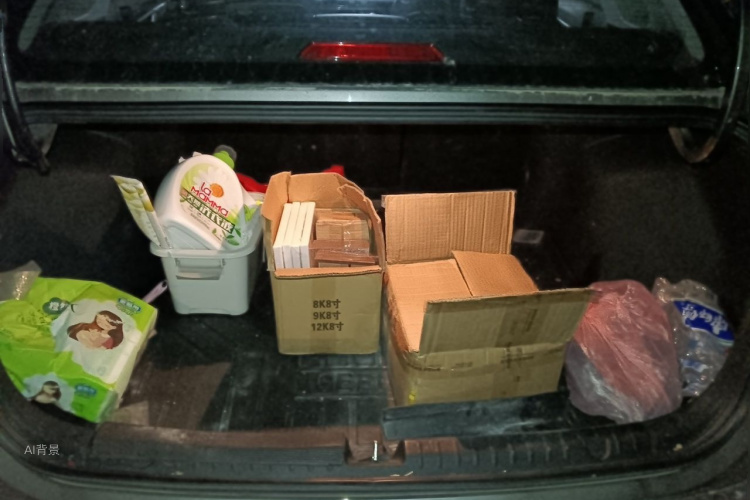



Basic Information

BrandGEELY
SeriesEmgrand
Year2022
First Registration2022/11
Mileage75,200km
Transfer Count0times
FuelGasoline
TransmissionCVT
Engine1.5L 114 L4
Color
Seats-

Condition Description

Basic condition good | 2 insurance claims | 0 transfers

Q&A

More

How can I detect signs that a used Chinese car was used for heavy towing, ride-hailing, or overloaded work when buying remotely?

Heavy-use vehicles often look clean in photos but show specific wear patterns. Here's what to check: 1. Rear sag and suspension: ask for a side-profile photo of the car on level ground. If the rear sits noticeably lower than the front, the rear springs or shocks may be worn from constant heavy loads. Compare with factory ride height specs. 2. Pedal and seat wear: accelerator and brake pedals with polished metal patches, and a driver's seat bolster that is flattened or cracked, indicate high mileage or intensive commercial use — even if the odometer says otherwise. 3. Hitch and tow bar marks: check the rear bumper area in close-up photos for scratches, bolt holes, or a removed tow bar mount. Ask the seller directly whether the car ever towed. 4. Underbody and frame: request underbody photos. Look for bent or scraped crossmembers, fresh undercoating hiding damage, or uneven tire wear across the rear axle. 5. Data check: many ride-hailing cars in China have records in maintenance databases — a professional inspection agency can flag cars with commercial fleet history. If the seller refuses underbody or close-up photos, treat it as a warning sign and consider another vehicle.


How do I make sure the VIN on my used car from China matches all the export paperwork?

VIN consistency is checked at customs in both China and your country, and a mismatch can block clearance. Do the following: 1. Verify early: before payment, ask for clear photos of the VIN plate (dashboard, door frame, engine bay on some models) and compare them with the VIN on the purchase contract, inspection report and any registration documents. 2. Check the characters: VINs never contain the letters I, O or Q. If you see them, the document is either fake or mistyped. 3. Decode it: the first 3 characters are the world manufacturer code, characters 4-8 describe the model and configuration. Decode it online to confirm the documents match the actual trim level you are buying. 4. At destination: when the car arrives, re-check the VIN against the bill of lading and your import declaration before accepting delivery. Any discrepancy found before shipping can be corrected cheaply; after arrival it becomes a legal problem. Make VIN verification part of your pre-shipment inspection checklist.

Under FOB terms, what should I do if the overseas freight forwarder I designated is inefficient and causes delays in booking?

Under FOB terms, booking is a legal obligation of the buyer. If your freight forwarder fails to provide the shipping order (S/O) in time, resulting in vehicles exceeding the free storage period at our warehouse or port, the buyer will have to pay the high daily storage fees before shipment.