

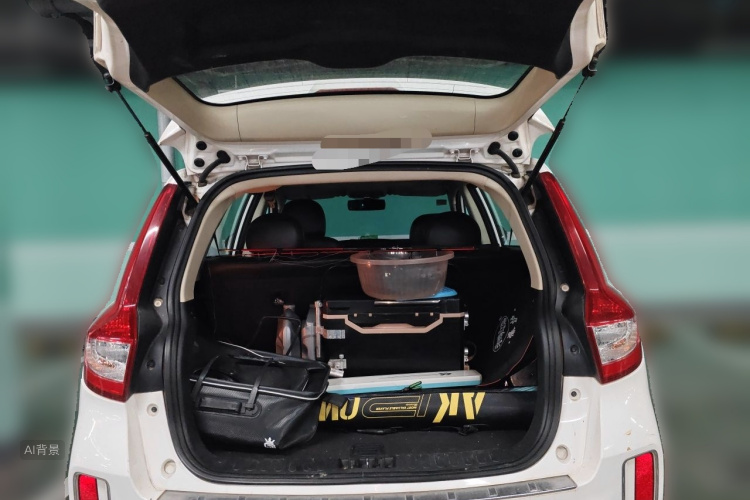
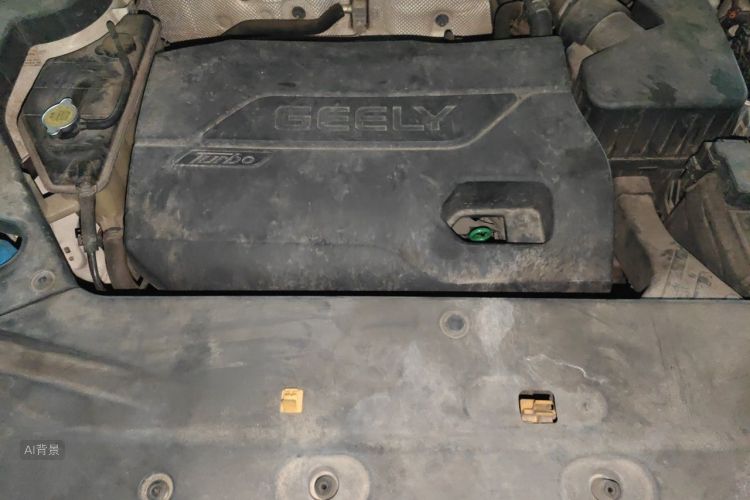



24H

Basic Information

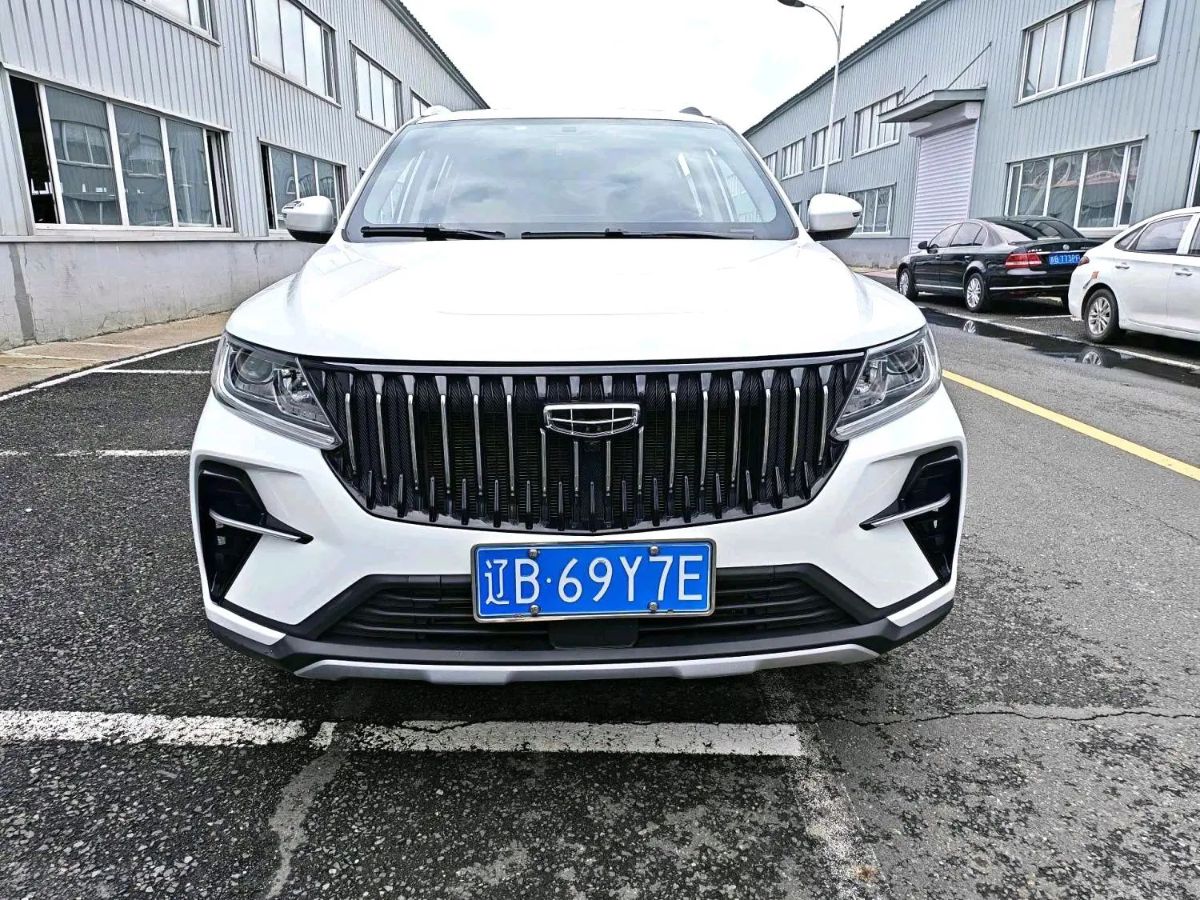
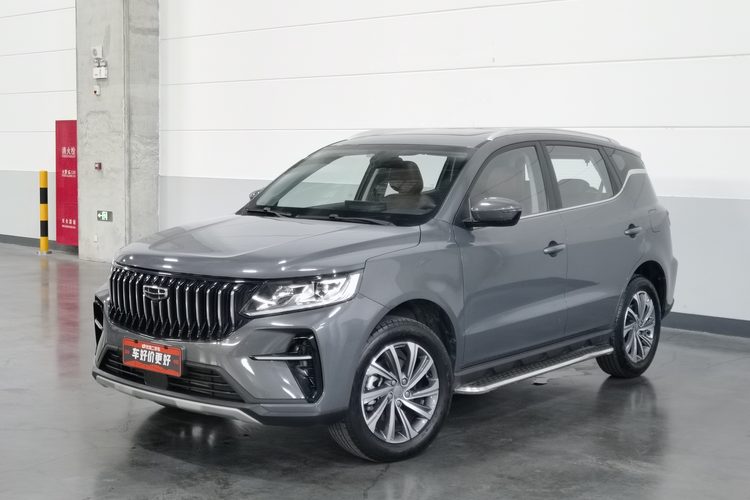
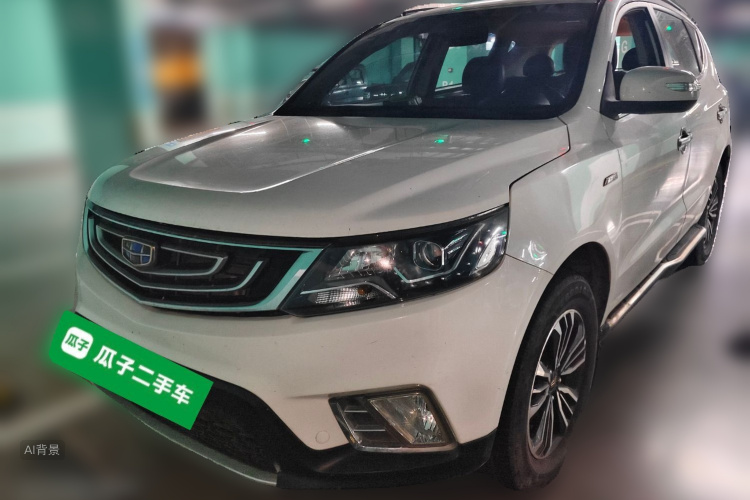
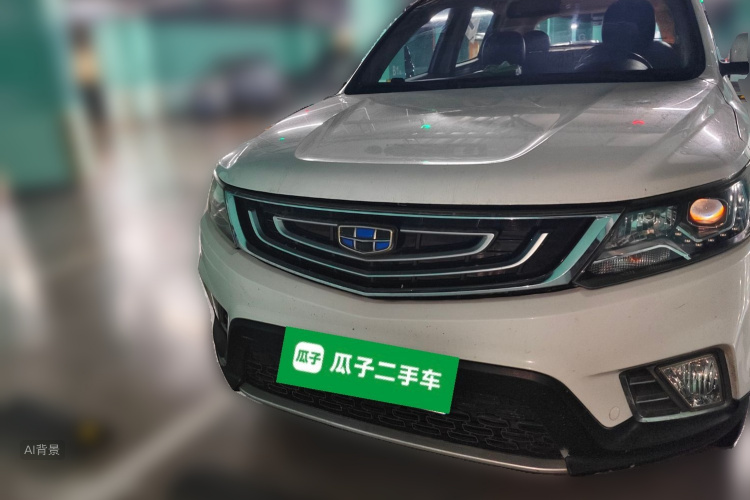
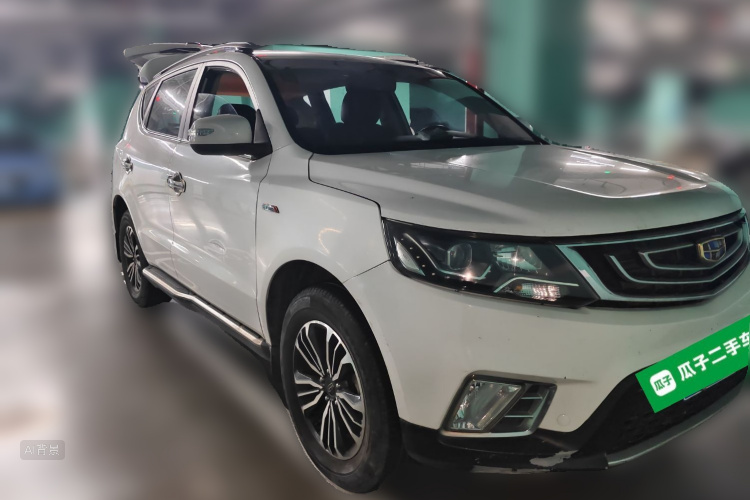
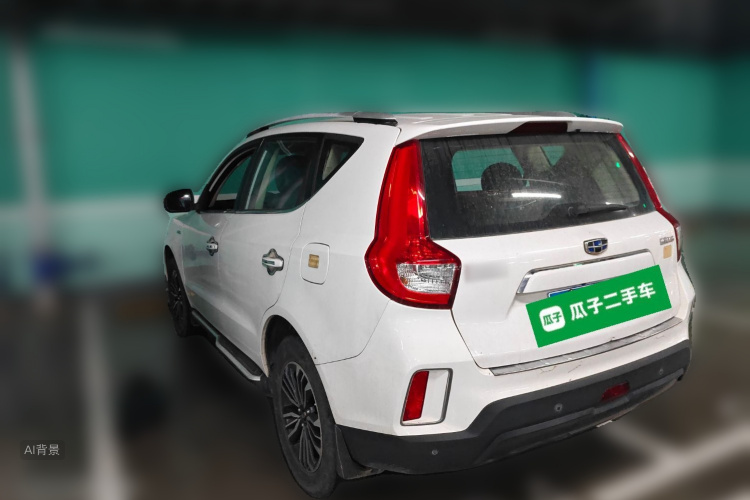
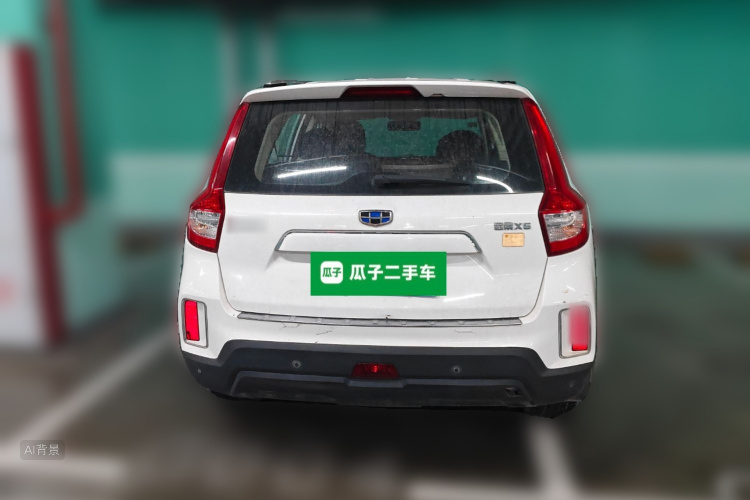
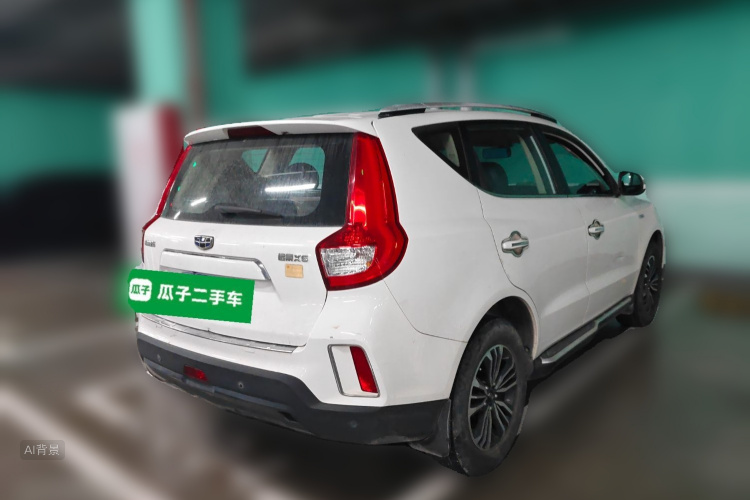
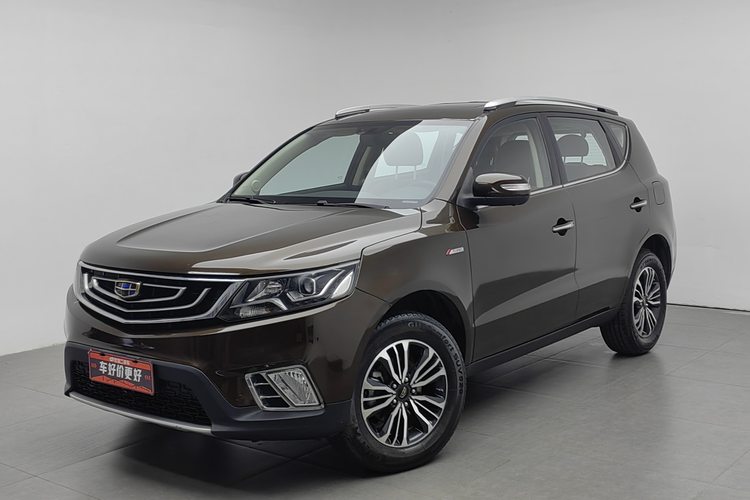
BrandGEELY
SeriesVision X6
Year2016
First Registration2016/12
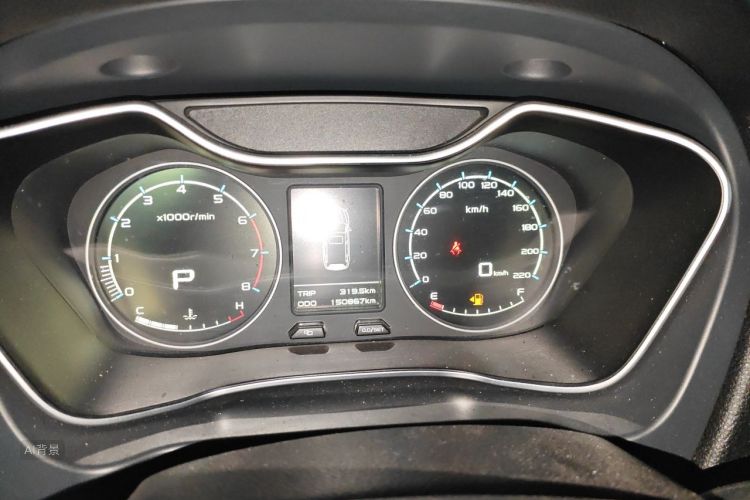
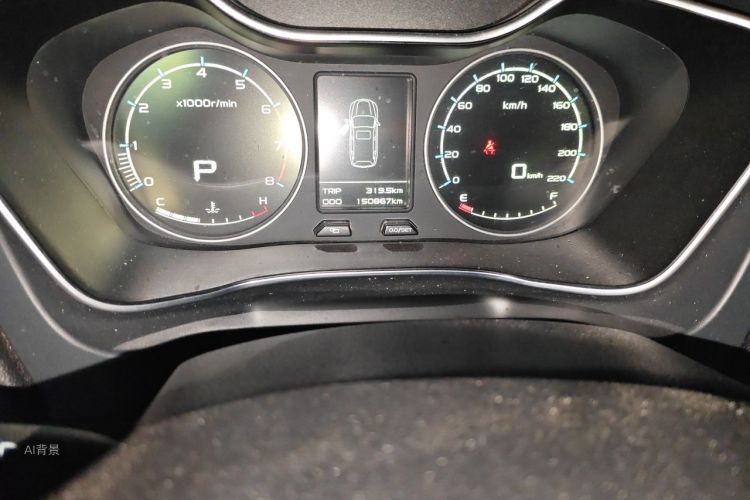
Mileage150,800km
Transfer Count6times
FuelGasoline
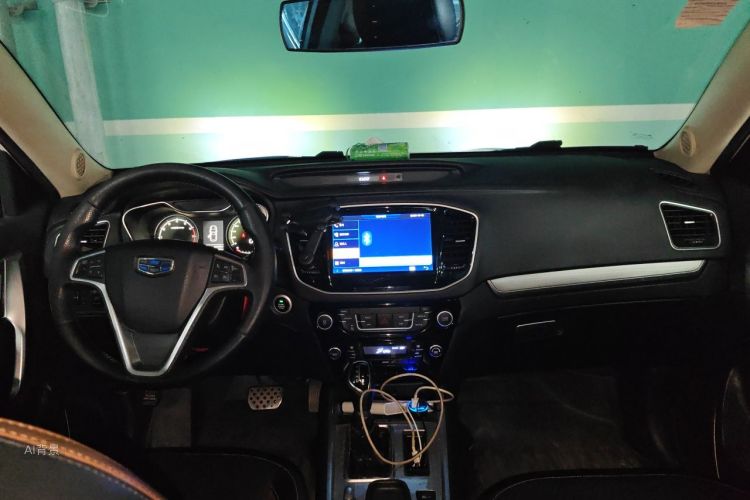
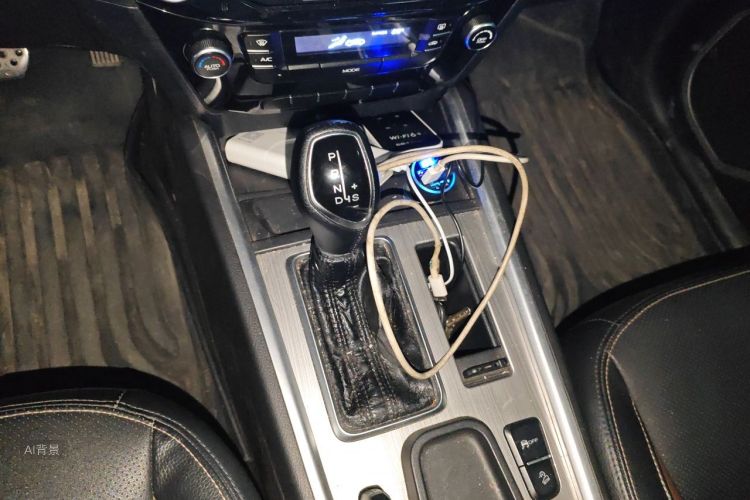
TransmissionCVT
Engine1.3T 133 L4
Color
Seats5seats

Condition Description

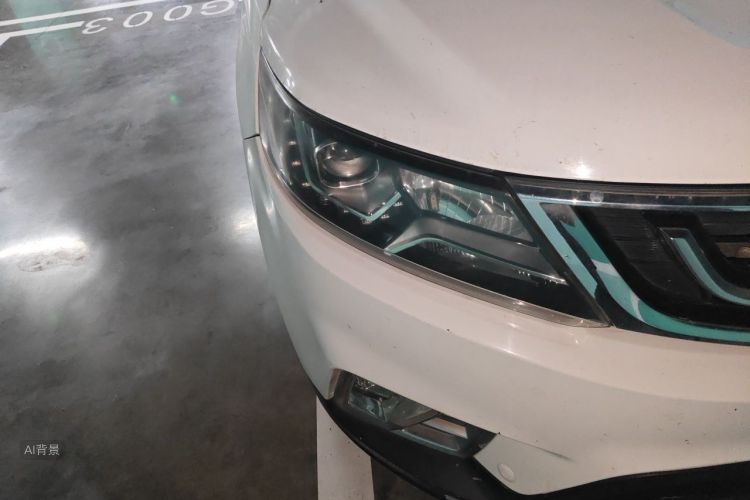
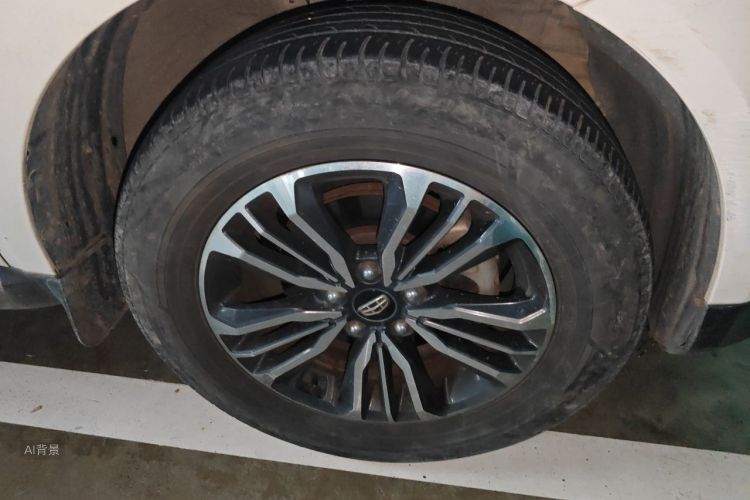
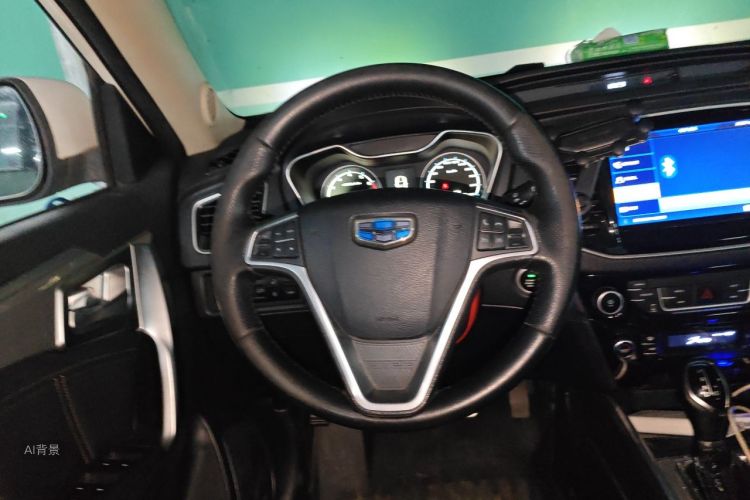
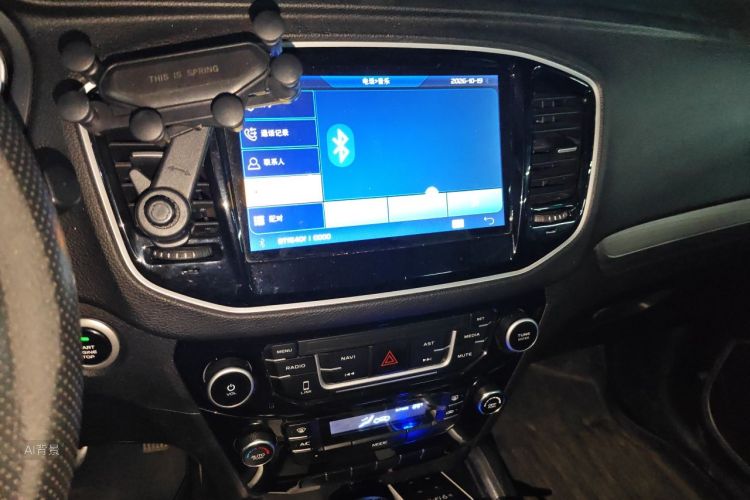
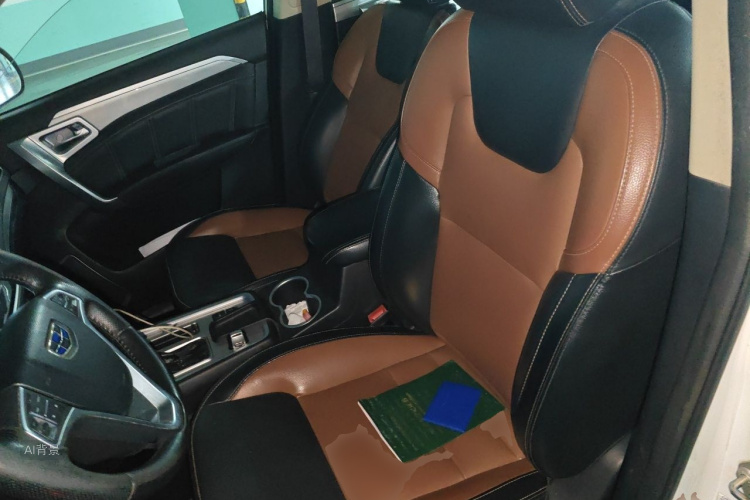
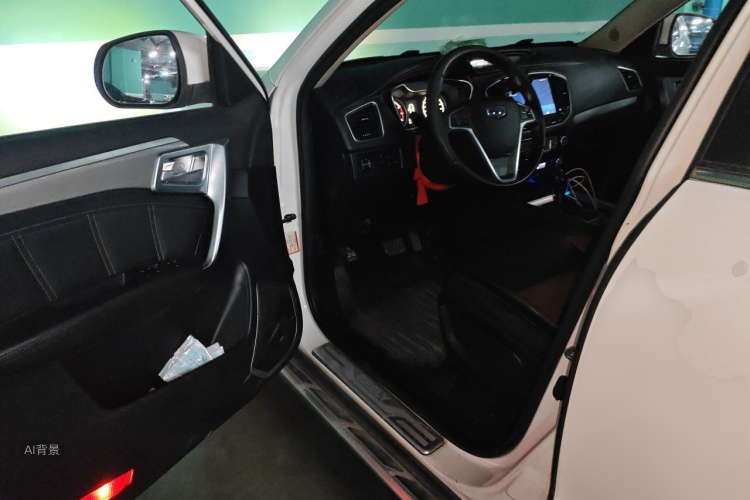
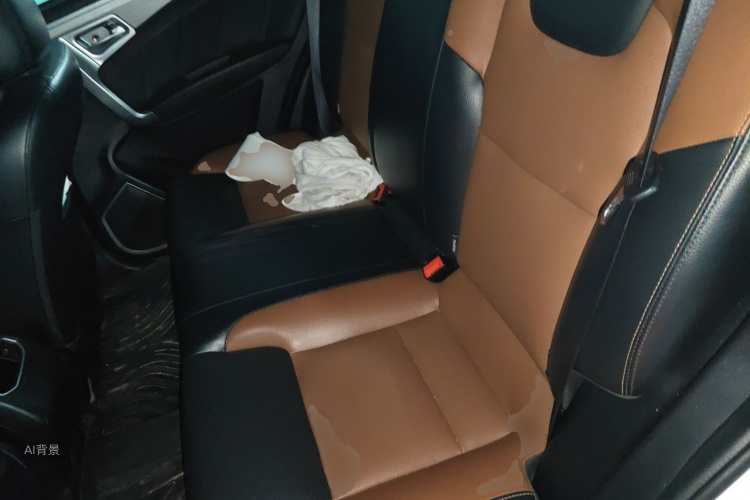
Basic condition good | 2 insurance claims | 6 ownership transfers

Q&A

More

If a coup occurs in the destination country or if import regulations are suddenly changed, preventing the vehicle from clearing customs, does this count as force majeure?

It completely falls under force majeure. After the delivery is completed (crossing the ship's rail) under FOB or CIF terms, the seller (us) bears no liability for refunds or compensation due to political risks or legal changes in the destination country that hinder customs clearance or lead to confiscation.
What is the difference between maintenance records from 4S dealerships and those from third-party repair shops? Which is more reliable?

4S dealership records are directly connected to the manufacturer's database, making the data hard to tamper with and the most reliable, with original parts guaranteed; third-party repair shops usually are not connected, making their data unverifiable. Therefore, we only consider the connected records from 4S dealerships as valid historical documentation.

Beyond the car price, what costs should I budget when importing a used car from China?

A realistic budget has several layers beyond the vehicle price. First, inland logistics in China: moving the car to the export port typically costs $300-$800. Second, export handling: inspection, customs declaration and paperwork usually add $500-$1,000. Third, ocean freight. A 20ft container to most destinations runs $1,200-$3,000 depending on route; RoRo shipping can be cheaper for driveable cars. Add marine insurance, usually 0.3%-0.5% of the car value. Fourth, destination charges: port handling, customs duties, VAT/GST and local registration fees. These vary widely; some countries charge duties of 20%-80% of the vehicle value plus an excise based on engine capacity. Finally, any compliance work: inspection certificates, modifications to meet local standards, or homologation. Ask your exporter for a full CIF quote and have a local customs broker confirm destination taxes before you commit.