


Sold

Basic Information

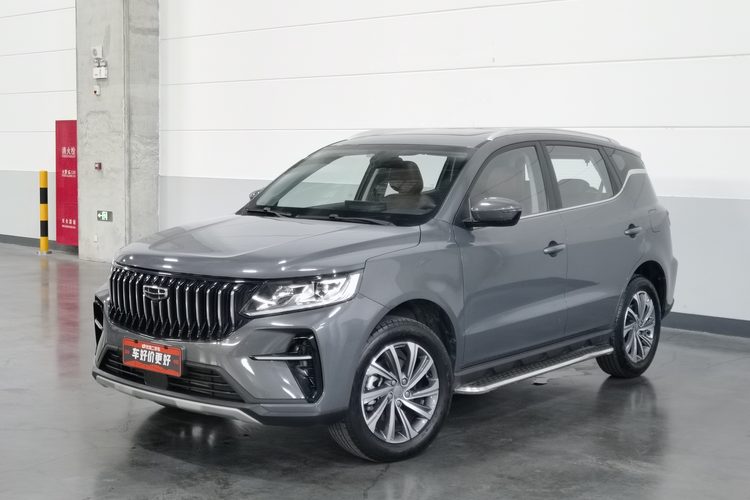
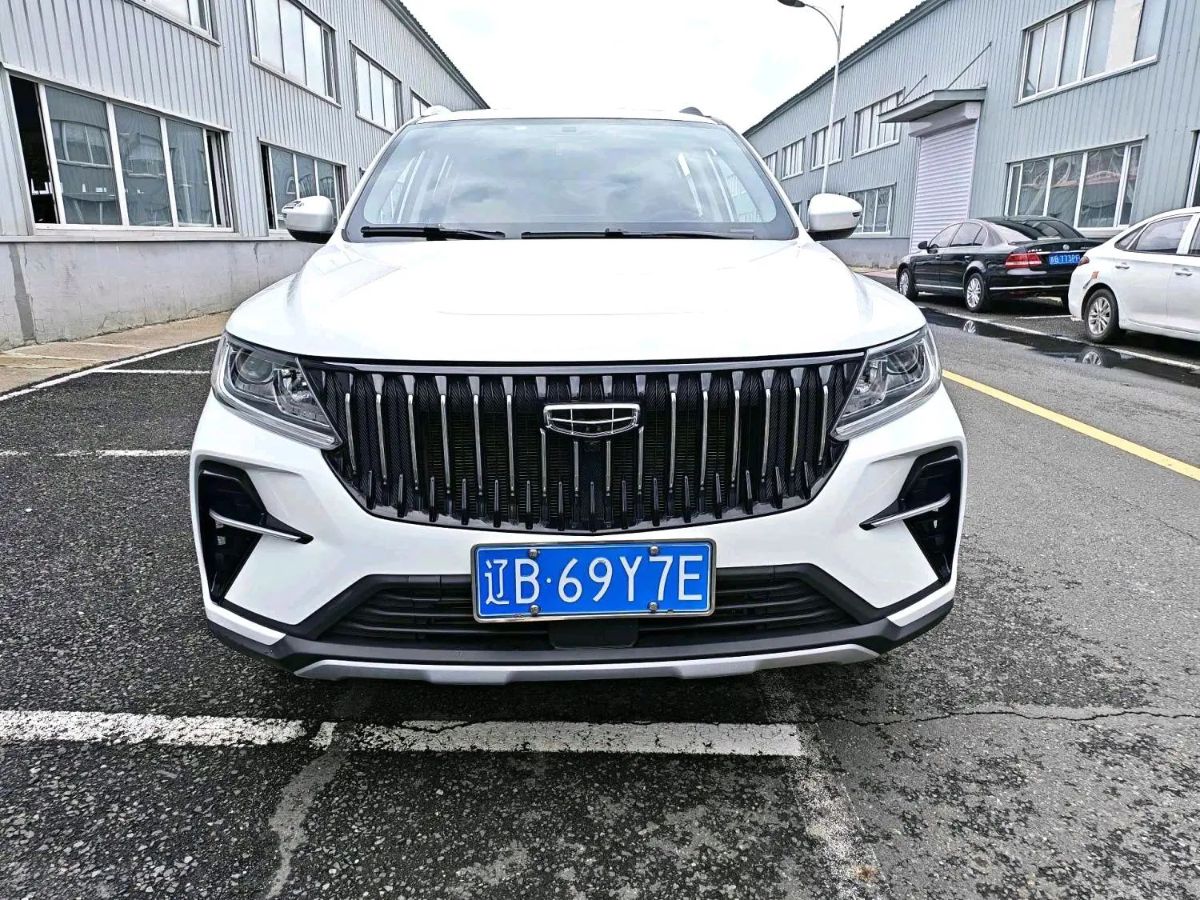
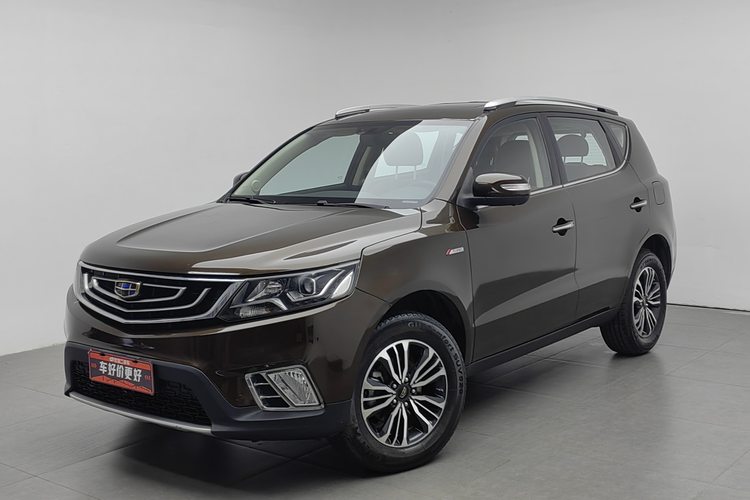
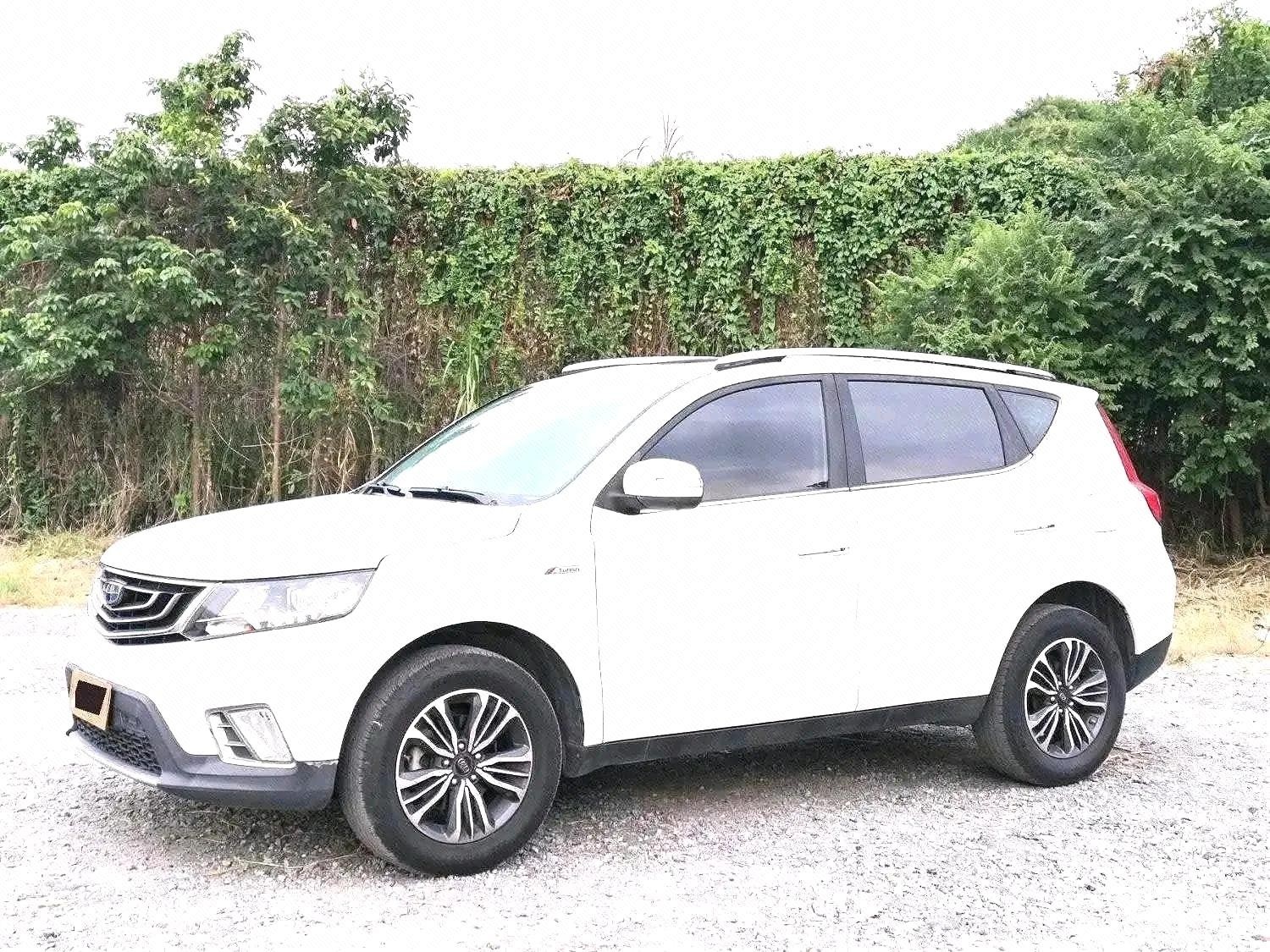
BrandGEELY
SeriesVision X6
Year2016
First Registration2016/11
Mileage80,000km
Transfer Count0times
FuelGasoline
TransmissionCVT
Engine1.3T 133 L4
ColorWhite
Seats5seats

Condition Description

Private first-hand car, just passed annual inspection, in excellent condition.

Document Information

Inspection Expiry Date-
Warranty Expiry Date-
Insurance Expiry Date2027/11

Q&A

More

What battery diagnostics should be included in the inspection of a used Chinese EV before it ships?

The battery pack is 30–50% of an EV's value, so its inspection should be the most detailed part of the pre-shipment check. Require these items: 1. BMS data readout: state of health (SOH), full-charge voltage, cell voltage deviation, cycle count, and fast-charging percentage. SOH above 90% is good; below 80% means a costly pack replacement is approaching. 2. Physical inspection: check the underbody for pack dents, coolant leaks from the battery cooling circuit, and corrosion on high-voltage connectors. 3. Range test: a real drive of at least 30–50 km, comparing energy consumption against the rated figure. A pack with poor cells overheats and depletes fast. 4. Charging test: verify both AC and DC charging work, and record charging speed and any error messages. Get the raw diagnostic data, not just a summary. If the inspector won't share the BMS report, assume the battery is the reason why.


How do I verify the battery health of a used Chinese EV before buying, and what is a State of Health report?

Battery condition is the single most important — and most expensive — variable in a used EV. Ask for a State of Health (SOH) report: in China, dealers and authorized service centers can read it via the manufacturer diagnostic system. It shows remaining capacity as a percentage of the original. Rule of thumb: above 90% is excellent, 85-90% is acceptable for the price, below 80% needs a serious price cut or battery refurbishment. Also get the battery's full charge and discharge history (次数) — a 3-year-old car with 800 fast-charge cycles has lived a harder life than one with 200. Physically, inspect the battery pack enclosure on a lift for dents, corrosion, or coolant leaks. Check that DC fast charging works during a test charge. Finally, verify the battery is not covered by an open recall or replacement program — this is both a risk and sometimes a free upgrade.

How can I detect signs that a used Chinese car was used for heavy towing, ride-hailing, or overloaded work when buying remotely?

Heavy-use vehicles often look clean in photos but show specific wear patterns. Here's what to check: 1. Rear sag and suspension: ask for a side-profile photo of the car on level ground. If the rear sits noticeably lower than the front, the rear springs or shocks may be worn from constant heavy loads. Compare with factory ride height specs. 2. Pedal and seat wear: accelerator and brake pedals with polished metal patches, and a driver's seat bolster that is flattened or cracked, indicate high mileage or intensive commercial use — even if the odometer says otherwise. 3. Hitch and tow bar marks: check the rear bumper area in close-up photos for scratches, bolt holes, or a removed tow bar mount. Ask the seller directly whether the car ever towed. 4. Underbody and frame: request underbody photos. Look for bent or scraped crossmembers, fresh undercoating hiding damage, or uneven tire wear across the rear axle. 5. Data check: many ride-hailing cars in China have records in maintenance databases — a professional inspection agency can flag cars with commercial fleet history. If the seller refuses underbody or close-up photos, treat it as a warning sign and consider another vehicle.