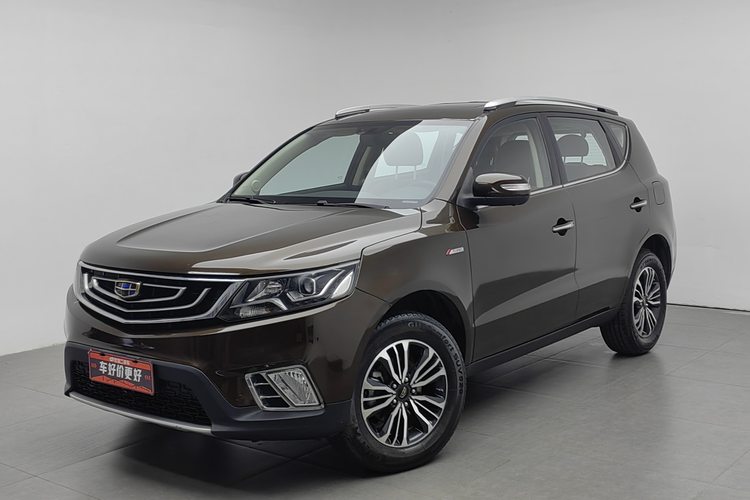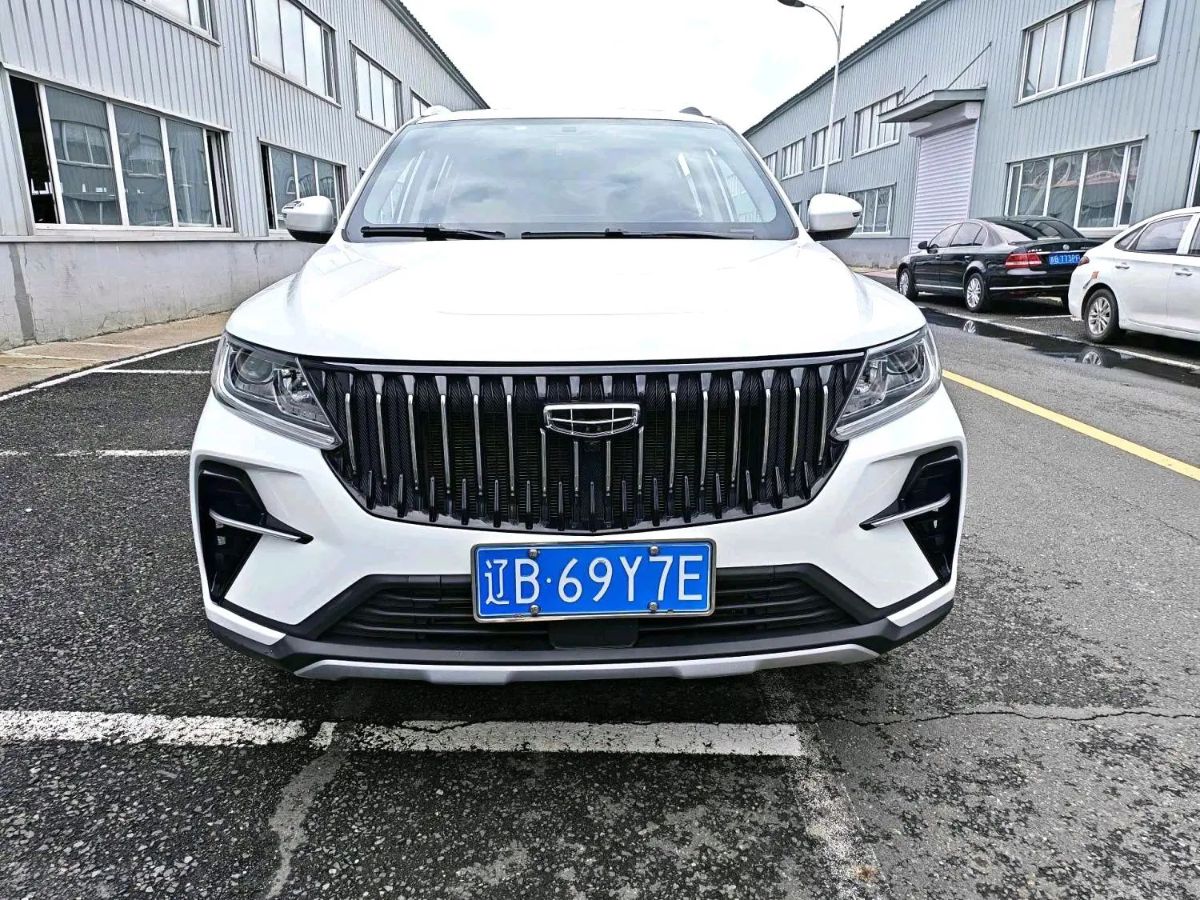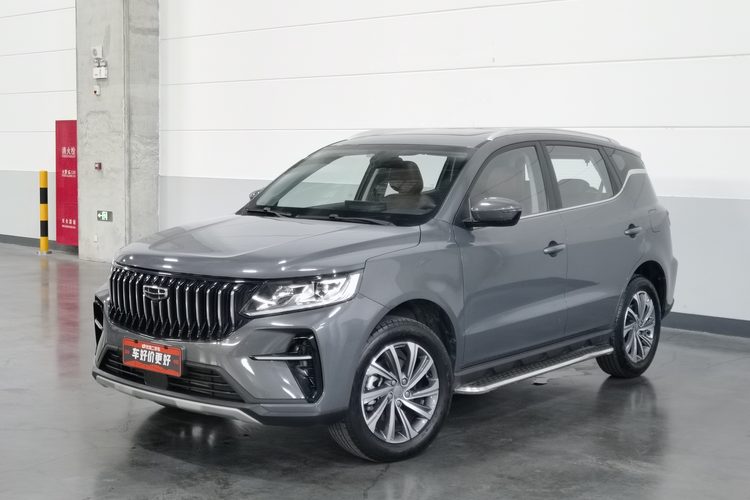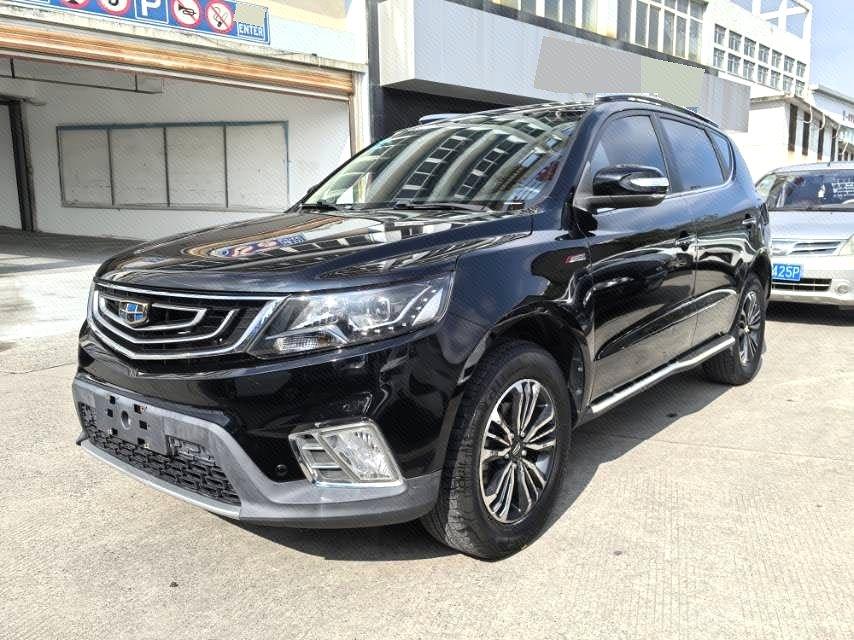
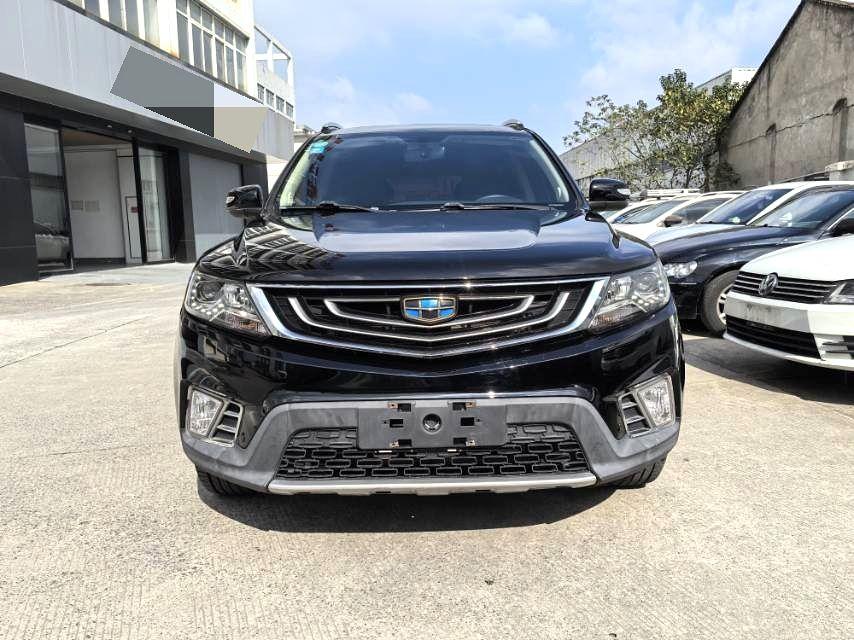
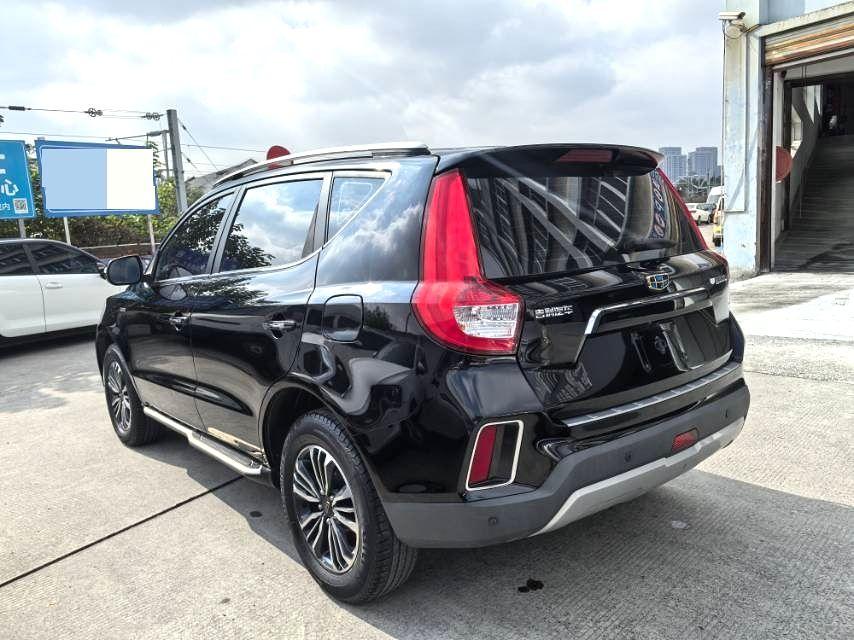
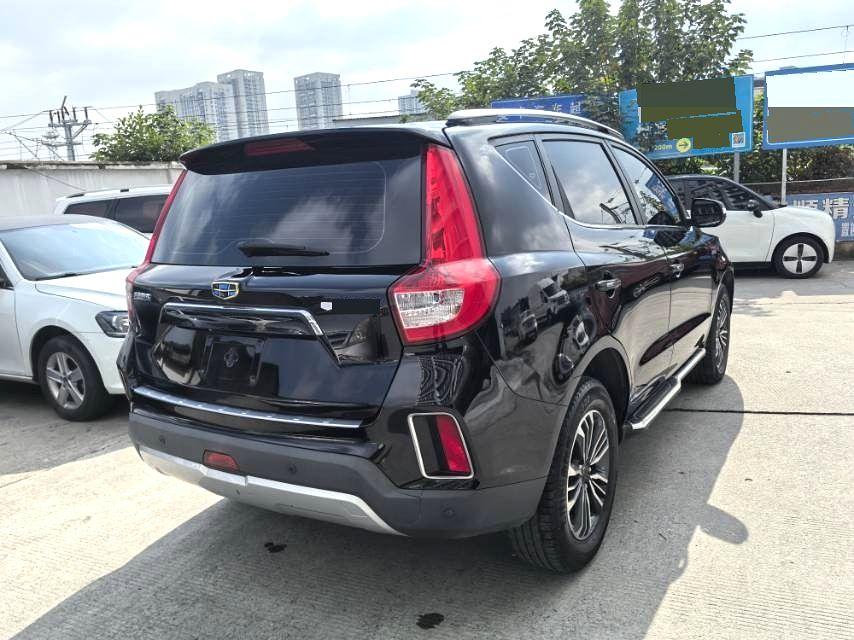
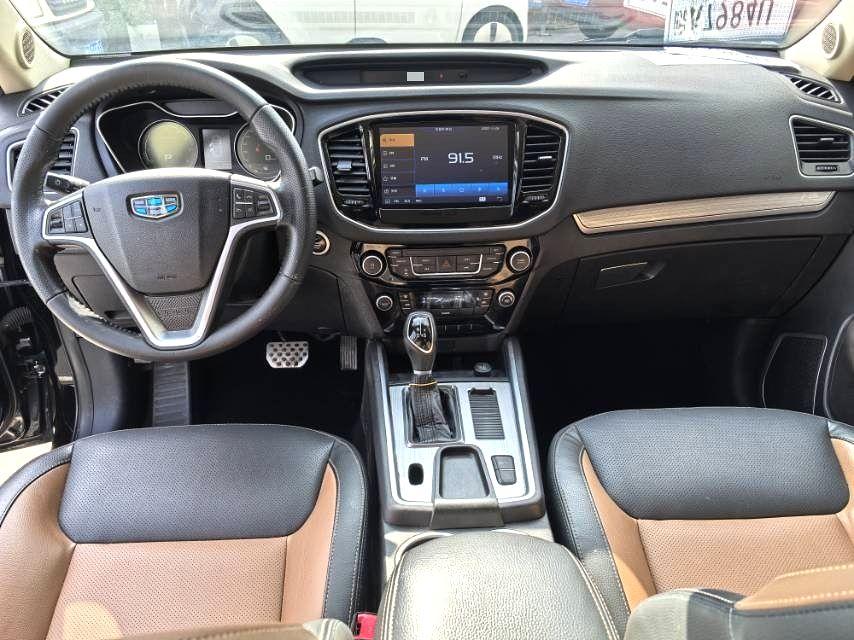
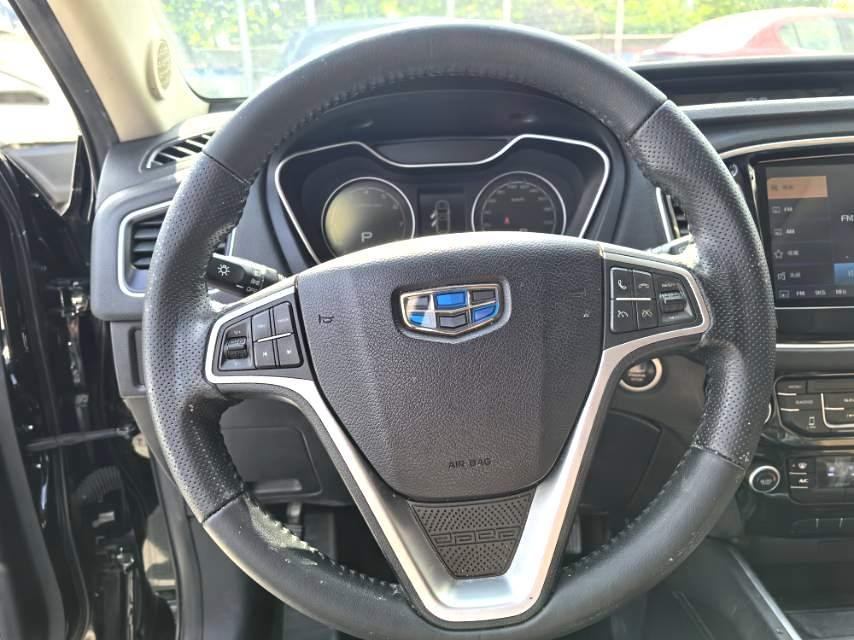
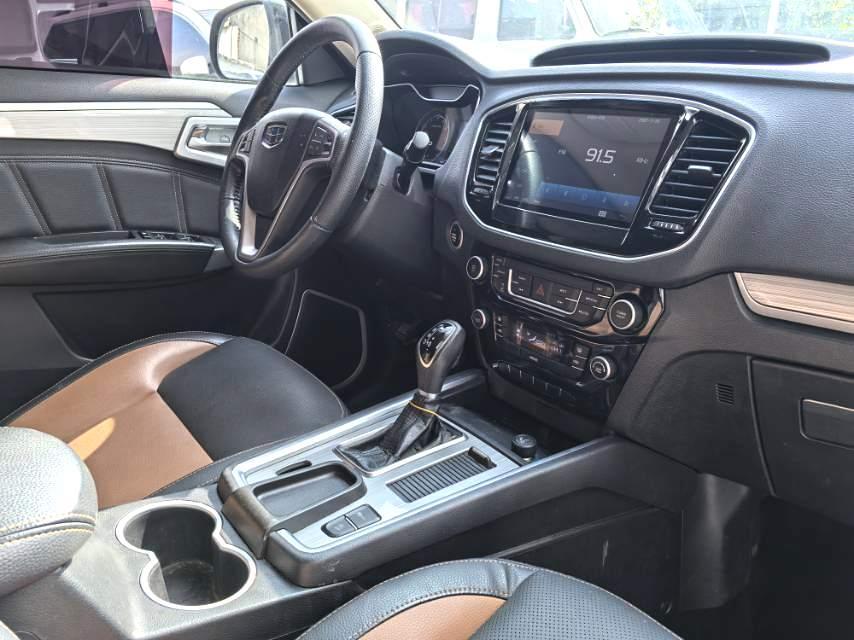
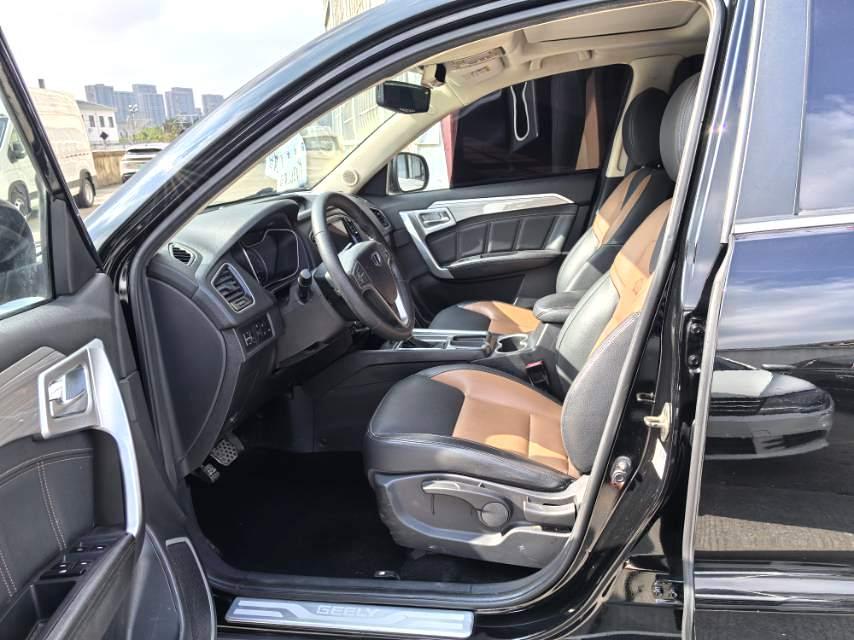
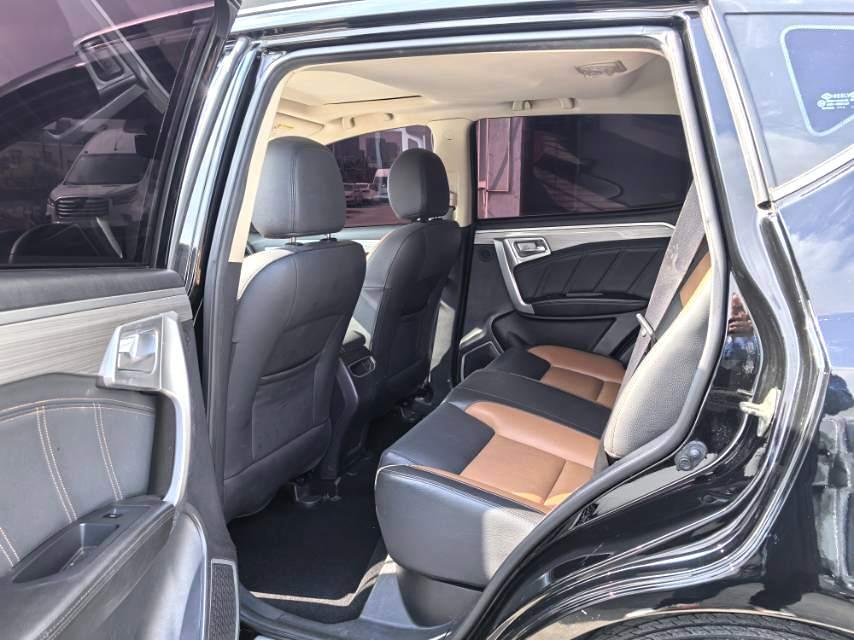
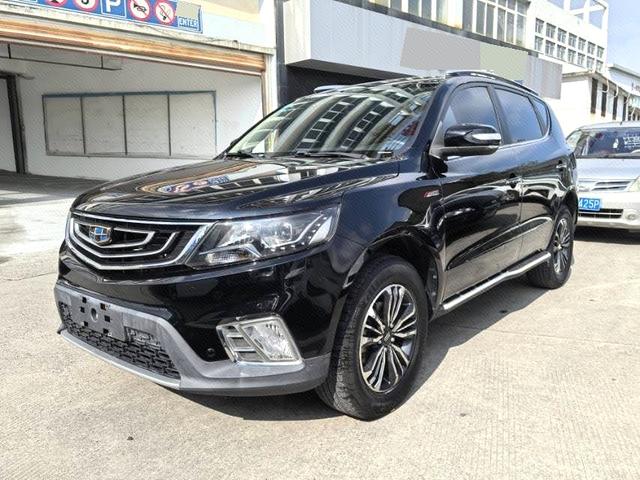



Basic Information

BrandGEELY
SeriesVision X6
Year2017
First Registration2017/09
Mileage151,300km
Transfer Count0times
FuelGasoline
TransmissionCVT
Engine1.3T 133 L4
Color
Seats5seats

Condition Description

官方质检 · 60天全车质保· 7天无理由有偿退车

Configuration Highlights

✓上牌时间: 2017-09
✓表显里程: 15.1万公里
✓车源地: 合肥
✓排放标准: 国五
✓发动机: 1.3T
✓轴距: 2661mm
✓变速箱: 自动
✓最大功率: 98kW
✓功能配置: 11项
✓安全配置: 1项
✓动力类型: 前驱
✓空间舒适性: 好

Q&A

More

What is the difference between EXW, FOB, and CIF prices from a Chinese exporter, and which incoterm should I choose as a first-time buyer?

EXW means you pay only for the car at the seller's yard—you handle everything else, including inland transport in China and export clearance, which is impractical from overseas. FOB includes delivery to the port and export customs clearance; you pay for ocean freight and insurance. CIF adds freight and basic insurance to a named destination port. For a first-time buyer, FOB is usually the best balance: the exporter, who knows Chinese logistics, handles the complicated part, while you control the freight booking and can shop rates among forwarders. Watch for exporters quoting unrealistically low FOB prices and making margin on inflated 'shipping services' later. Get a separate freight quote before signing, and compare the exporter's CIF offer against FOB plus your own freight estimate. Ask explicitly whether the price includes inspection, export license fees, and port charges—ambiguity here is the most common source of disputes.


Can the buyer request the internal resistance test data of the battery pack at different state of charge (SOC) levels?

Obtaining precise internal resistance at different SOC levels requires disassembling the battery pack and connecting it to a professional charge-discharge cabinet for several days of cycling tests. This is beyond the scope of non-destructive used car inspections; we only provide real-time estimated internal resistance data based on OBD port readings.

Do digital keys, NFC key cards, and phone-as-key features on used Chinese EVs still work after export?

Most Chinese EVs support three access methods: a traditional key fob, an NFC card, and phone-based digital keys via the brand's app. After export, the fob and NFC card keep working locally — they use short-range radio, so no internet connection is required. That makes the NFC card your most reliable backup; make sure the seller physically includes it, and verify it locks and unlocks the car before payment. Phone-as-key is different: it usually depends on the manufacturer's cloud server recognizing your account. If the app is not available or supported in your country, this feature may stop working. Have the seller demonstrate a full key handover: delete their phone from the vehicle, reset all paired devices, and transfer the main account to your email. Some brands also allow the key fob to be reprogrammed at any authorized dealer. Test every entry method during the pre-shipment video call, and put all keys and cards included into your contract — replacing a lost NFC card overseas can take weeks.