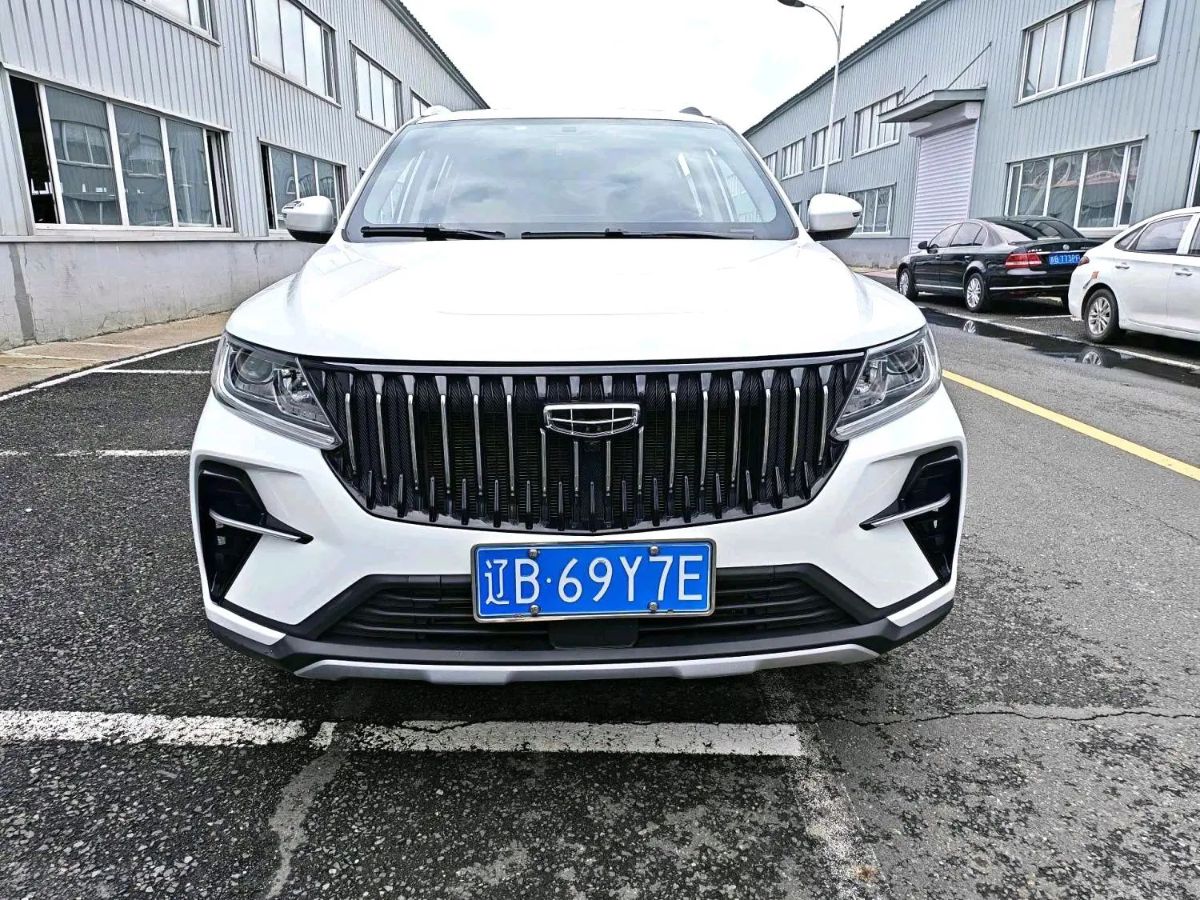
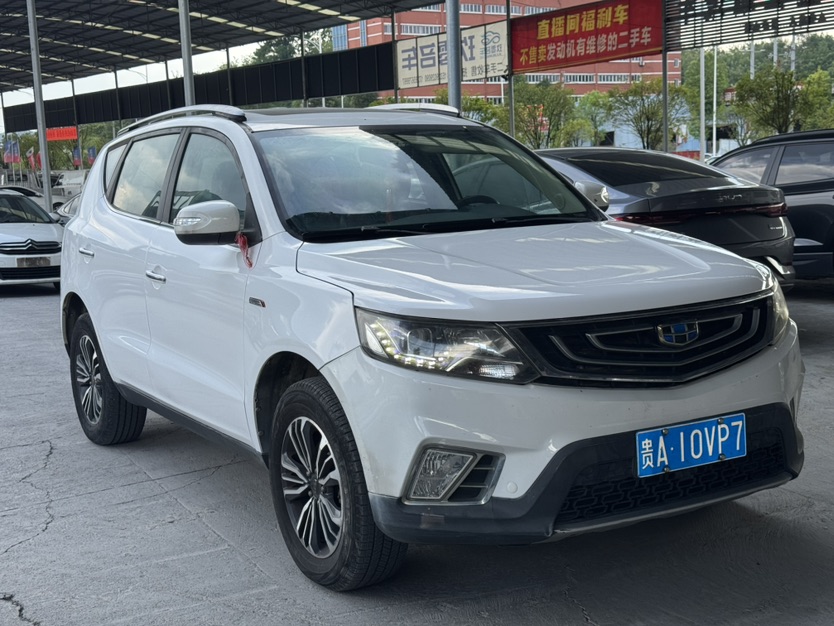
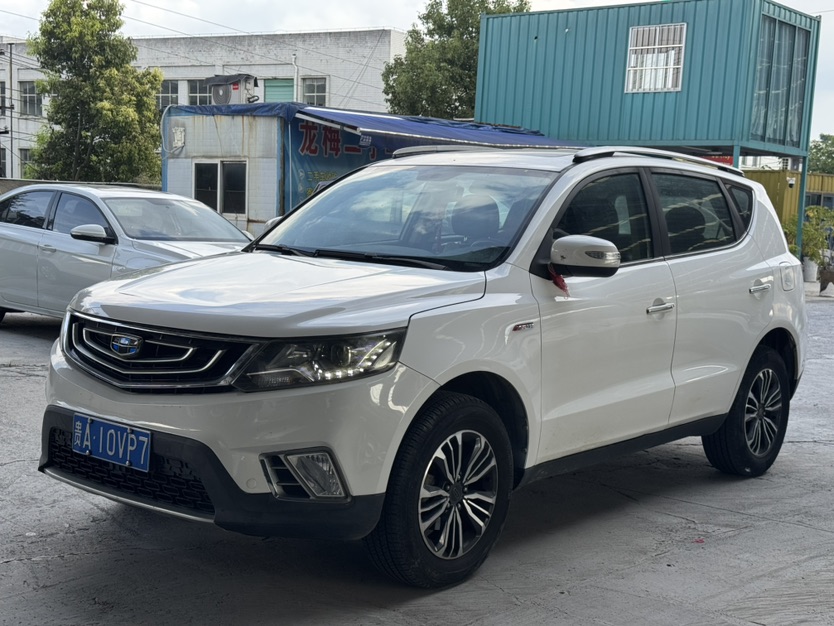
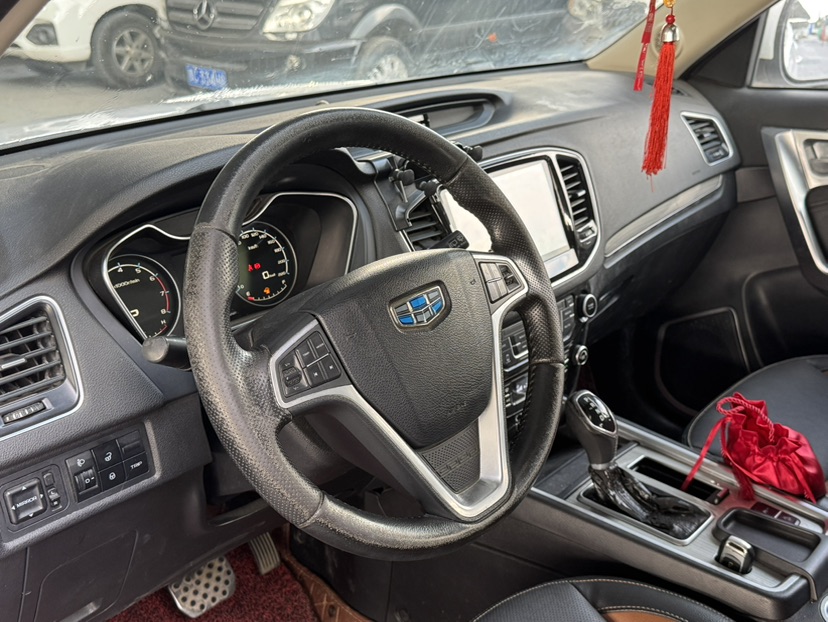
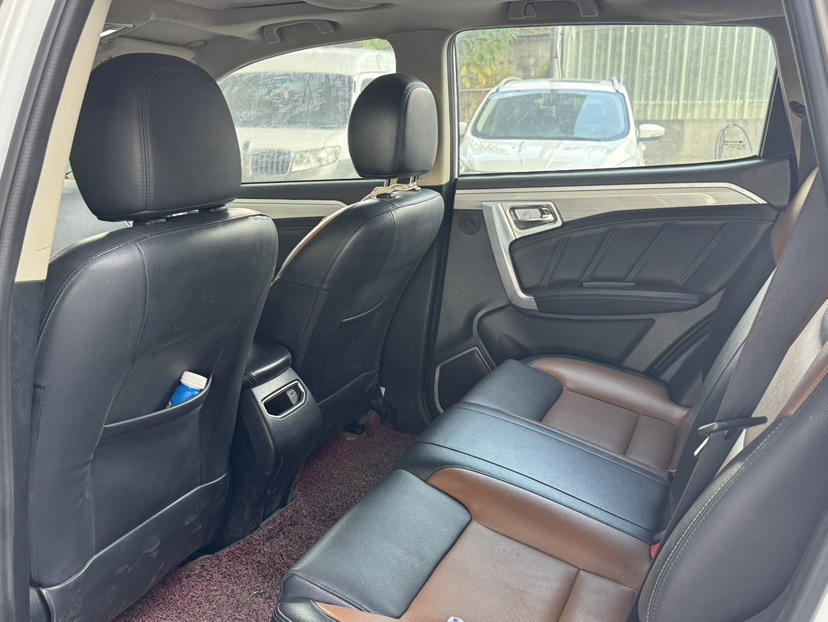
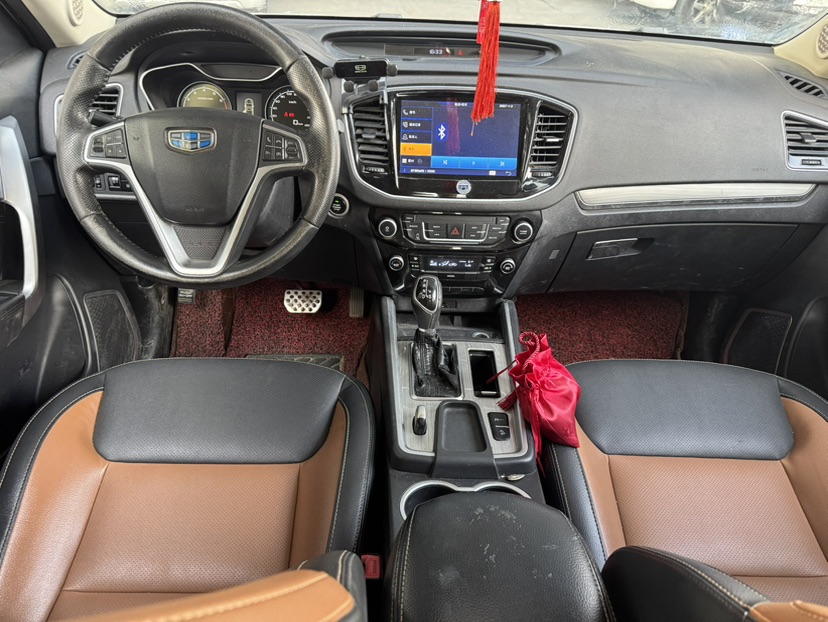
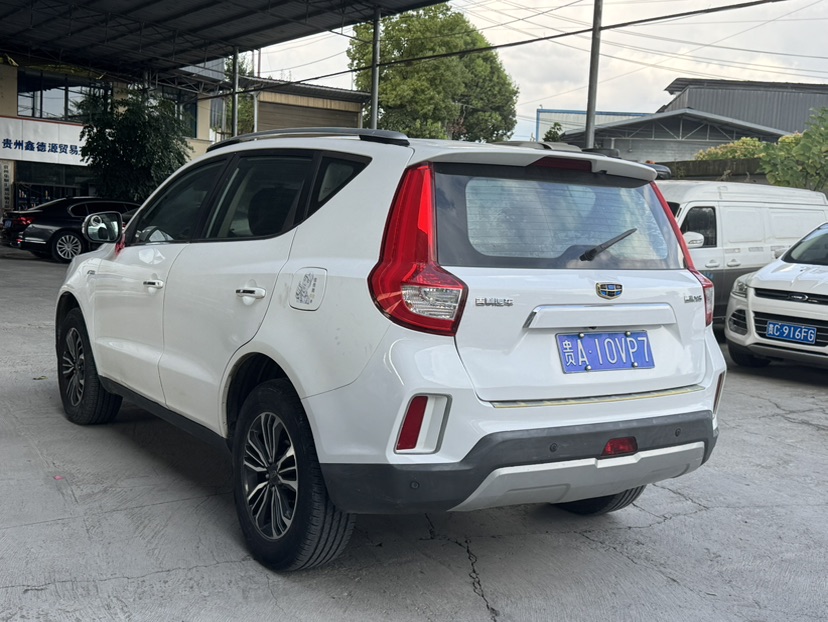
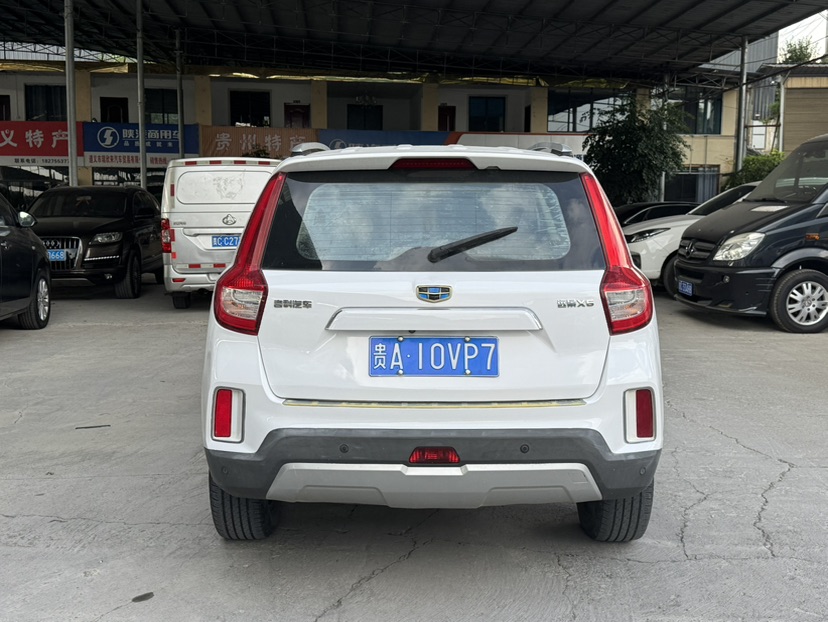
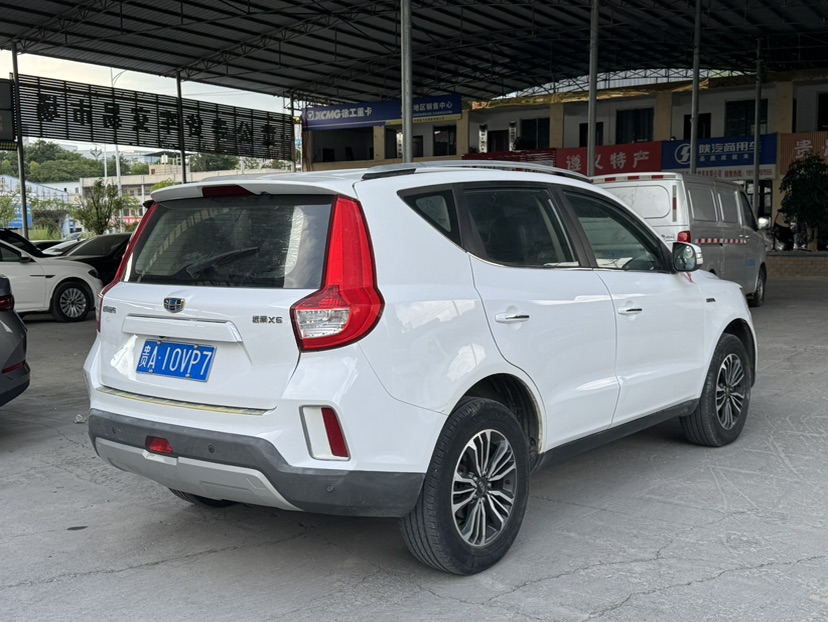
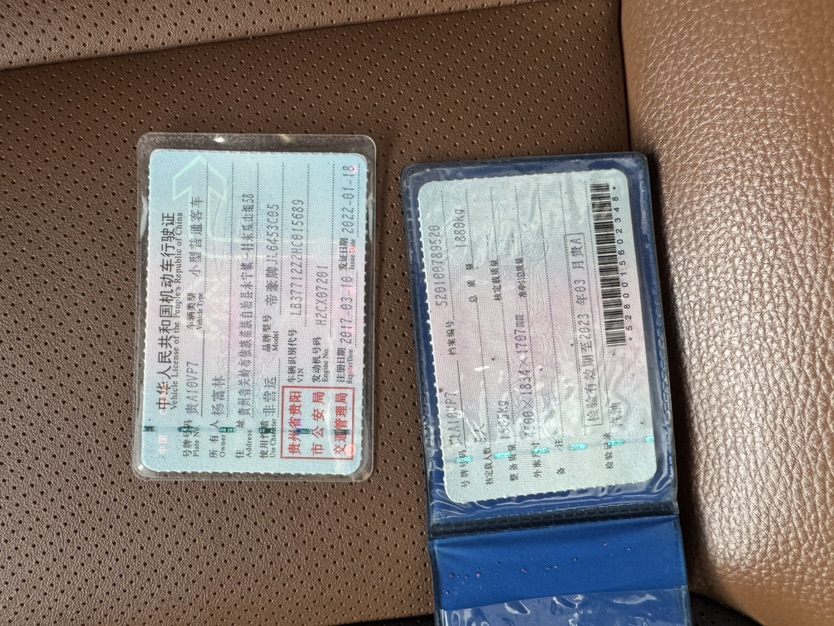



Basic Information

BrandGEELY
SeriesVision X6
Year2017
First Registration2017/03
Mileage120,000km
Transfer Count1times
FuelGasoline
TransmissionCVT
Engine1.3T 133 L4
ColorWhite
Seats5seats

Condition Description

Original condition, only repainted.

燃油车
SUV
自动
维保开放
事故开放
查验开放

Configuration Highlights

✓品牌: 吉利汽车
✓车系: 远景X6
✓车型: 2016款 1.3T CVT豪华型
✓车身类型: SUV
✓座位数: 5
✓排量: 1.3T
✓变速箱: 自动
✓能源类型: 燃油车
✓VIN: LB37712Z2HC015689
✓搜索关键词: 吉利汽车远景X6 2016款远景X61.3TCVT豪华型

Document Information

Inspection Expiry Date2027/03
Warranty Expiry Date-
Insurance Expiry Date2027/03

Q&A

More

How do I check the battery health (SOH) of a used Chinese EV before buying?

Battery condition is the single biggest value factor in a used EV, and it can be measured — do not accept a verbal "battery is fine" without data. First, ask for a battery health certificate: brands like BYD, NIO, XPeng and Li Auto can generate an official state-of-health report from the VIN, usually within minutes at a dealer or via the brand's app. Look for SOH above 85% for a car under five years old. Second, request a charge-and-discharge test during inspection: the displayed range at 100% charge compared with the original rated range gives a practical health estimate. Third, check battery warranty status. Most Chinese brands offer 8 years or 150,000–200,000 km on the battery pack, and the remaining warranty usually transfers with the car — get this in writing. Fourth, for cars heading to hot climates, confirm the battery cooling system works; overheating is a common killer of battery life. Add a minimum SOH guarantee to your purchase contract so you have recourse if the battery underperforms.


Does the platform provide independent third-party testing reports in addition to your own quality inspection?

The platform has strict internal outbound inspections. If buyers need, we can assist you in commissioning an independent third-party evaluation agency (such as Cha Doctor, Dongche Di official testing, etc.) for re-inspection, with costs borne by the buyer. An independent report can provide more credibility for your local resale.

How do seasonal factors—peak seasons, weather, holidays—affect shipping times and rates from China?

Timing your shipment can save both money and weeks of waiting. Several predictable patterns affect routes from China. Peak season surcharges: January through March, before Chinese New Year, exporters rush to ship, so container and RoRo space tightens and rates rise 20-50%. Book at least 3-4 weeks ahead during this window. After the holiday (usually February), factories and ports restart gradually, causing 2-3 weeks of backlog. Weather effects: Typhoon season (July-September) can delay departures from southern Chinese ports like Shenzhen and Guangzhou. Winter fog and ice affect northern ports like Dalian and Tianjin, slowing loading operations. Destination-side factors: Monsoon seasons can slow port operations in South and Southeast Asia. Holiday periods at destination (e.g., Ramadan in the Gulf, year-end holidays elsewhere) reduce customs staffing and extend clearance times. Practical advice: ask your forwarder for rate calendars, avoid booking right before major Chinese holidays, and build 1-2 weeks of buffer into delivery promises to your customers. Flexible departure ports (Shanghai vs. Ningbo vs. Shenzhen) can also help you find available space.