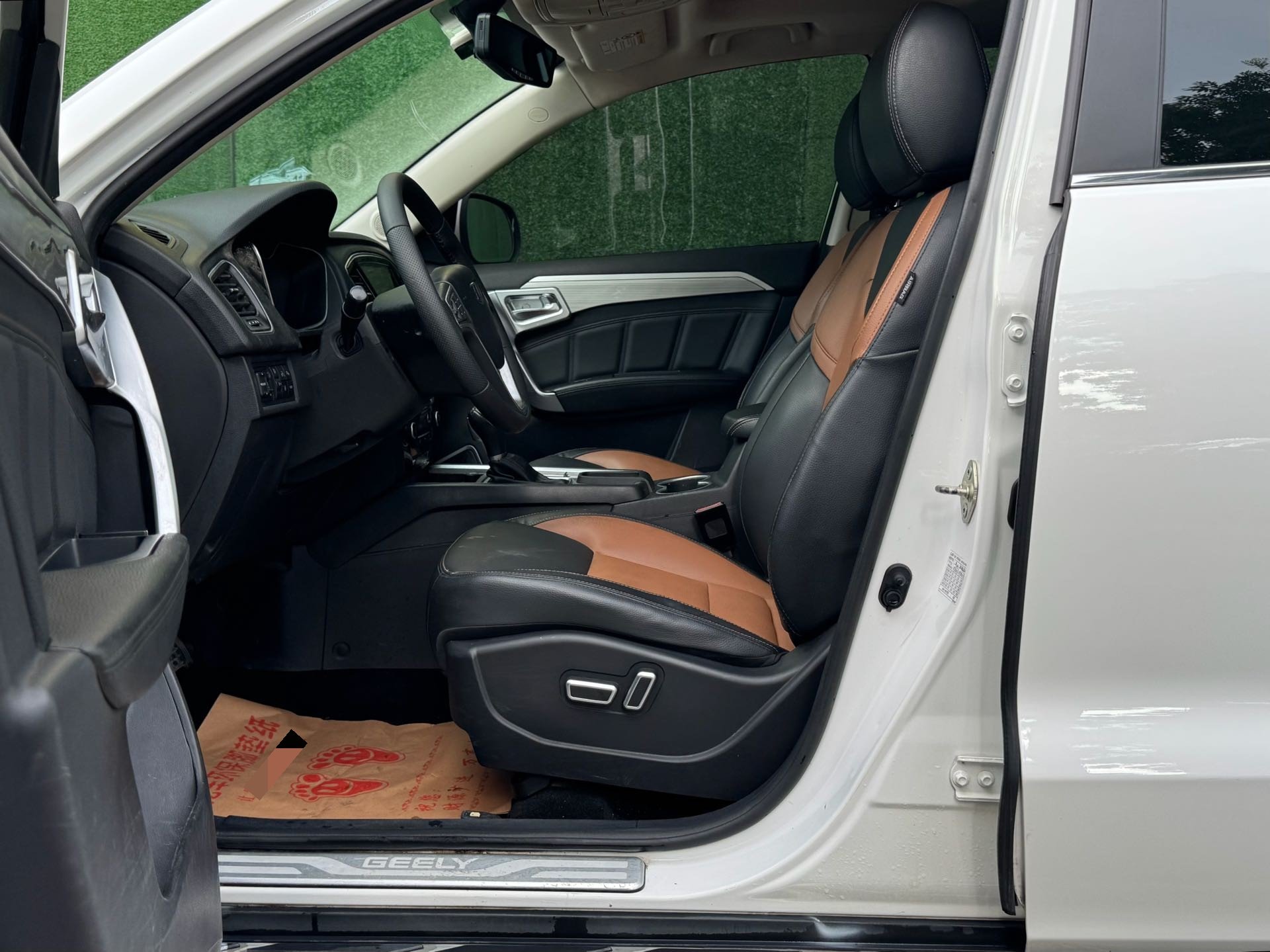
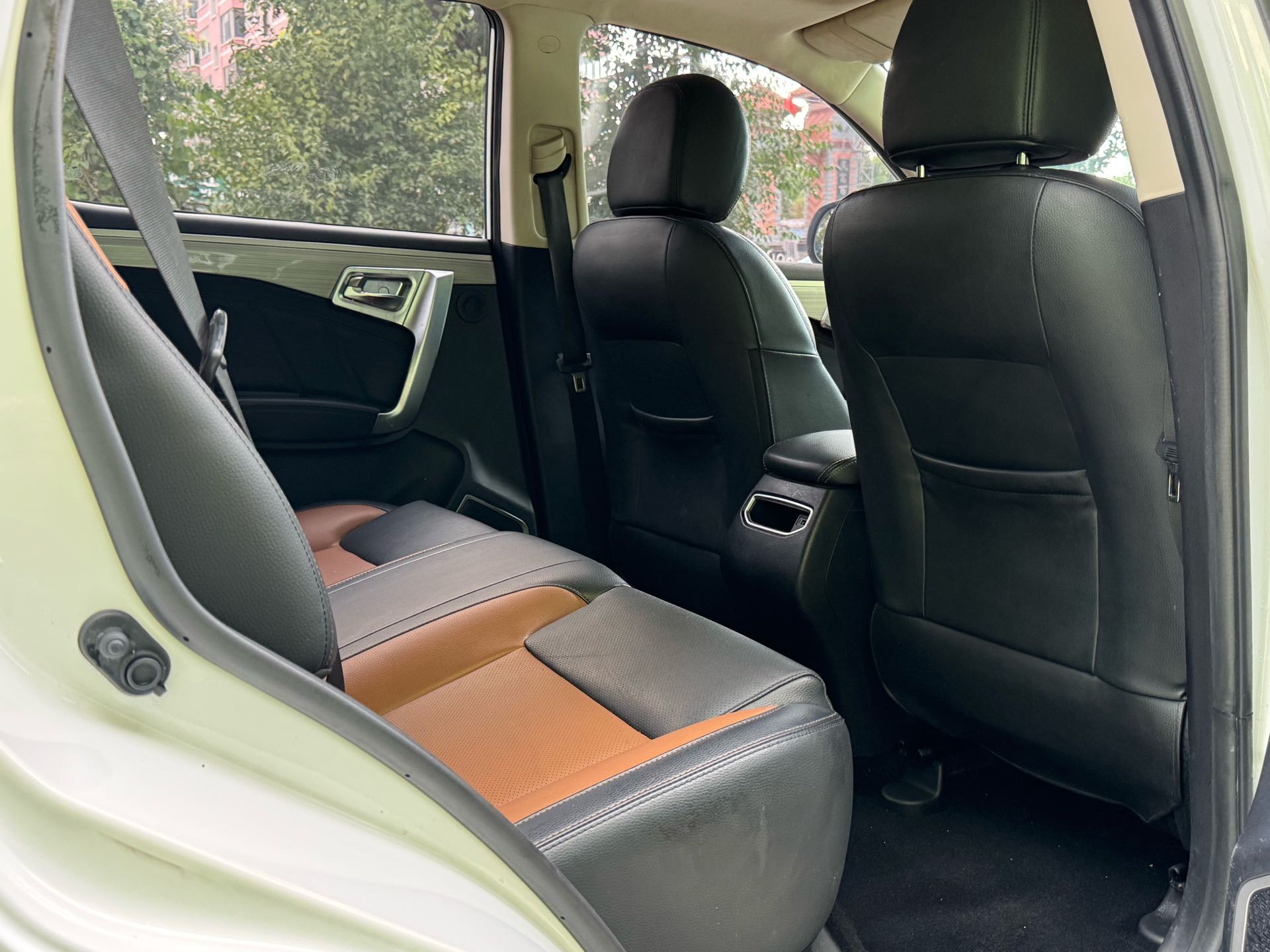
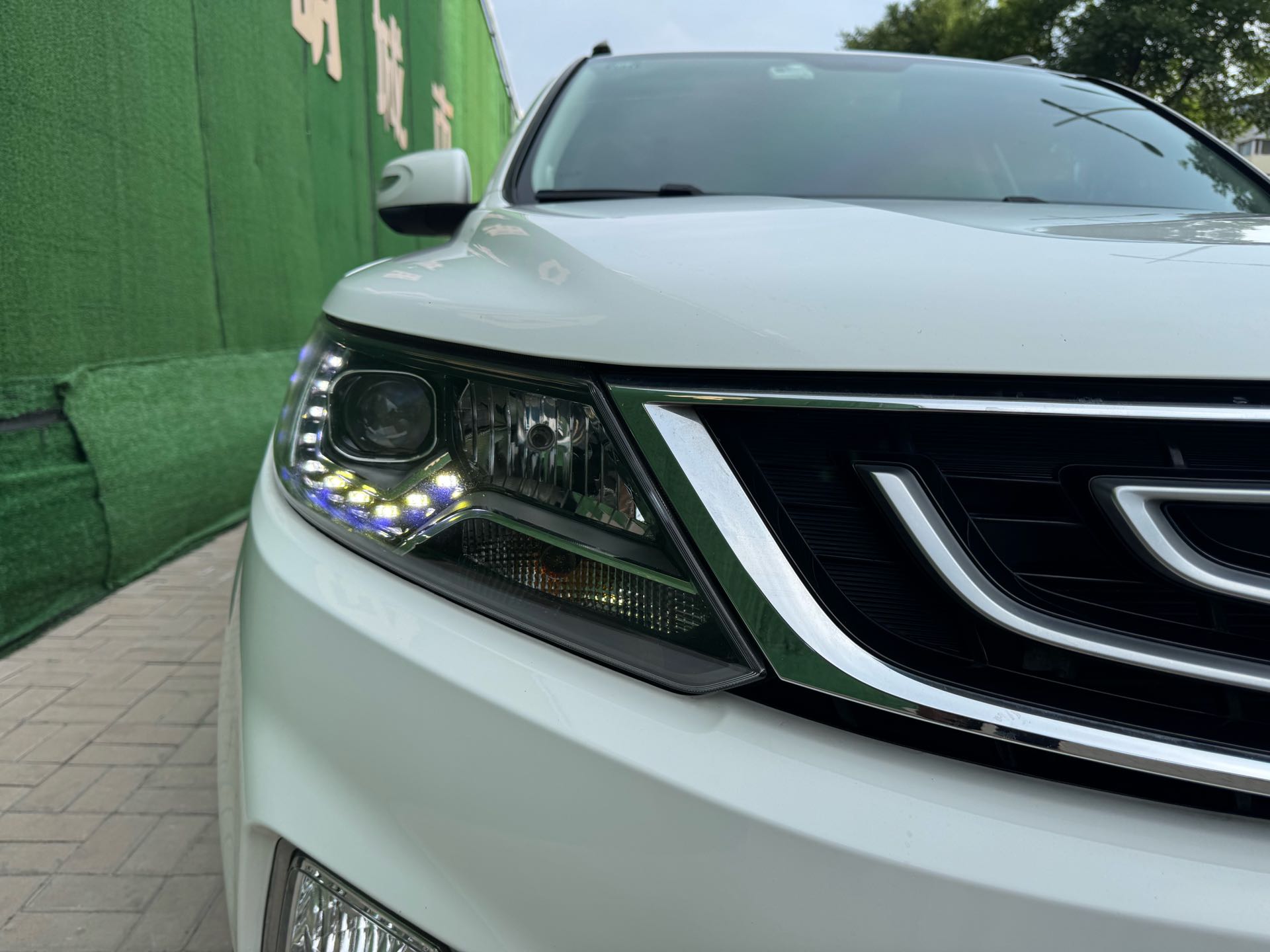
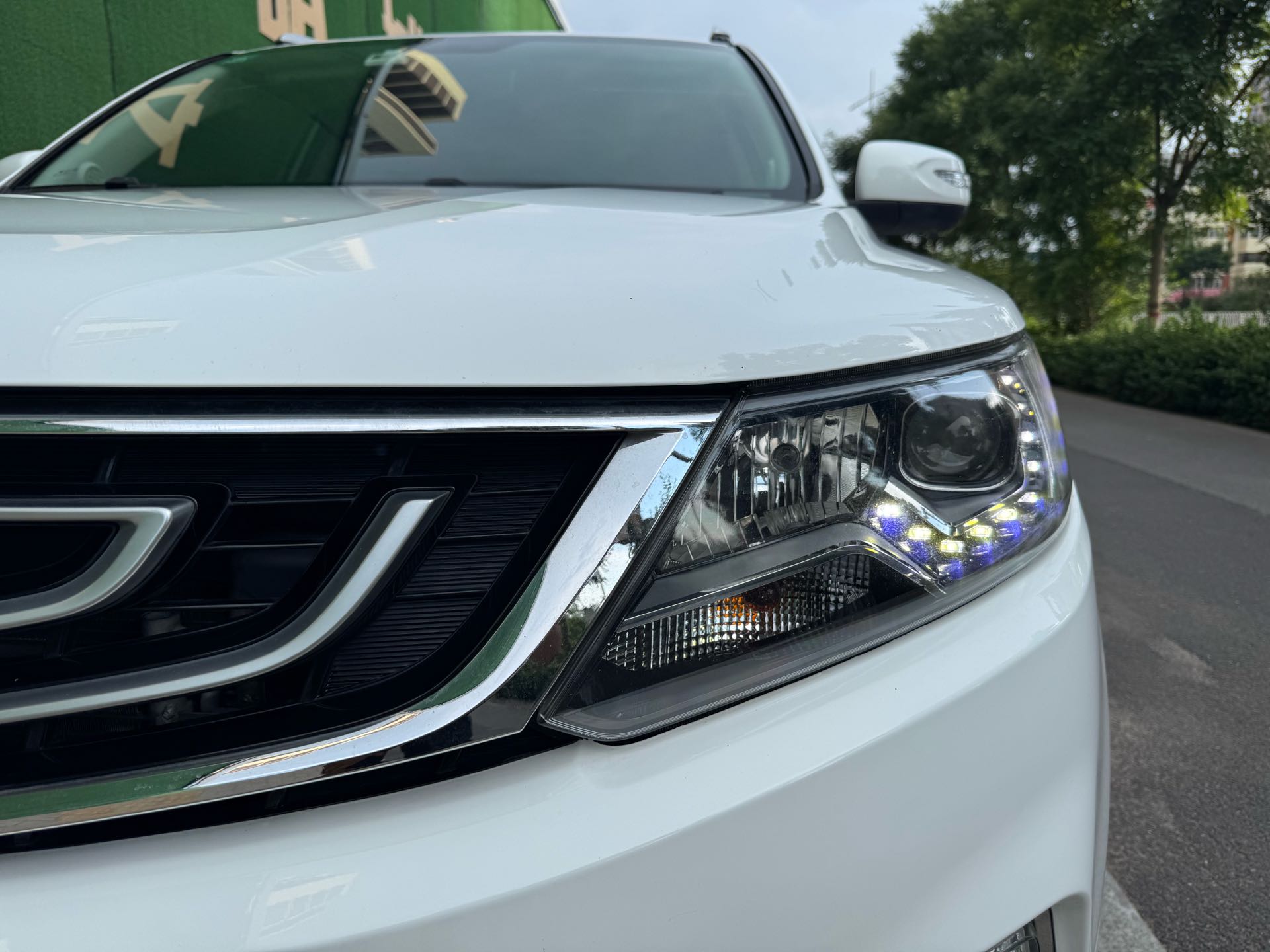
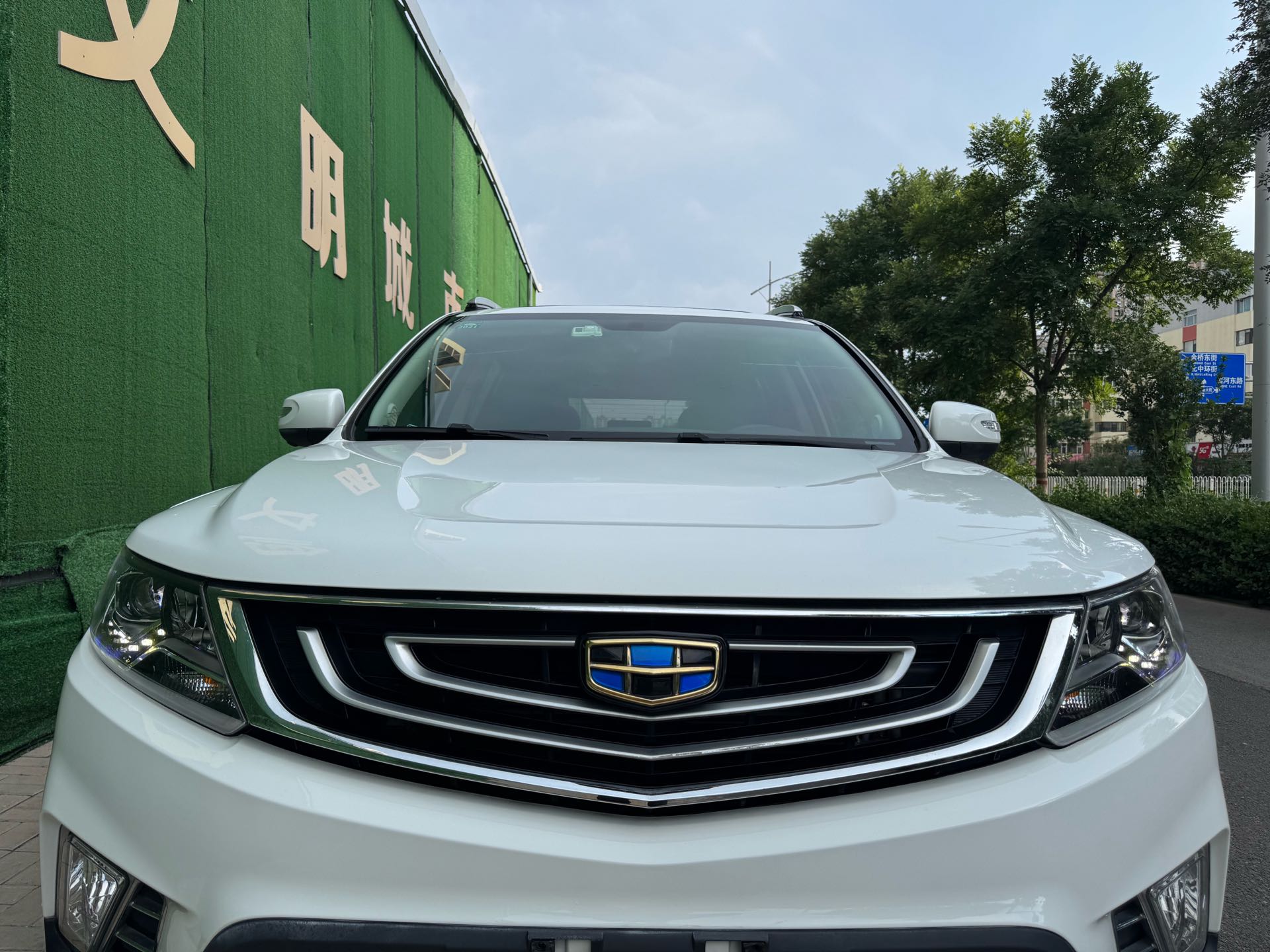
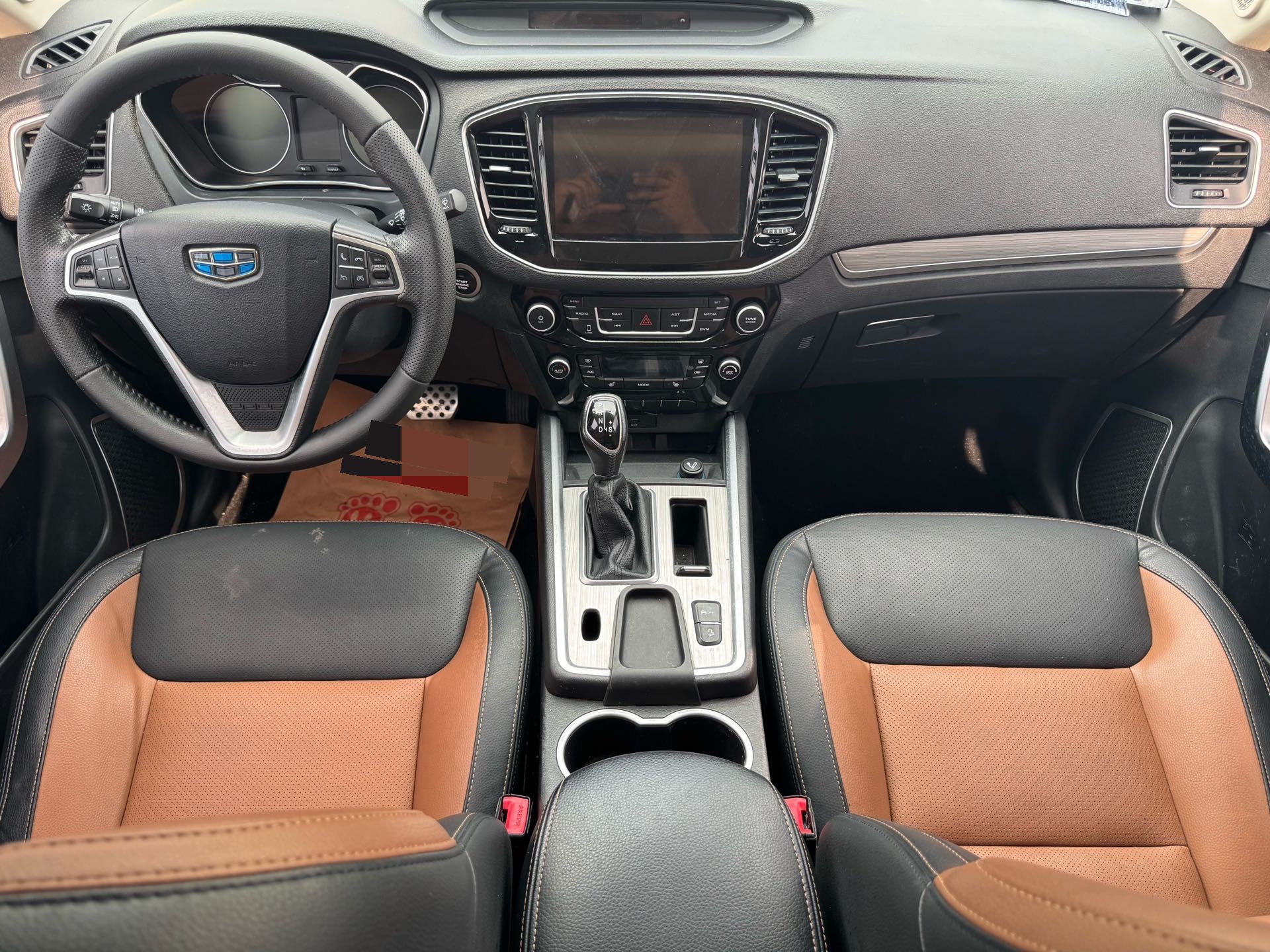
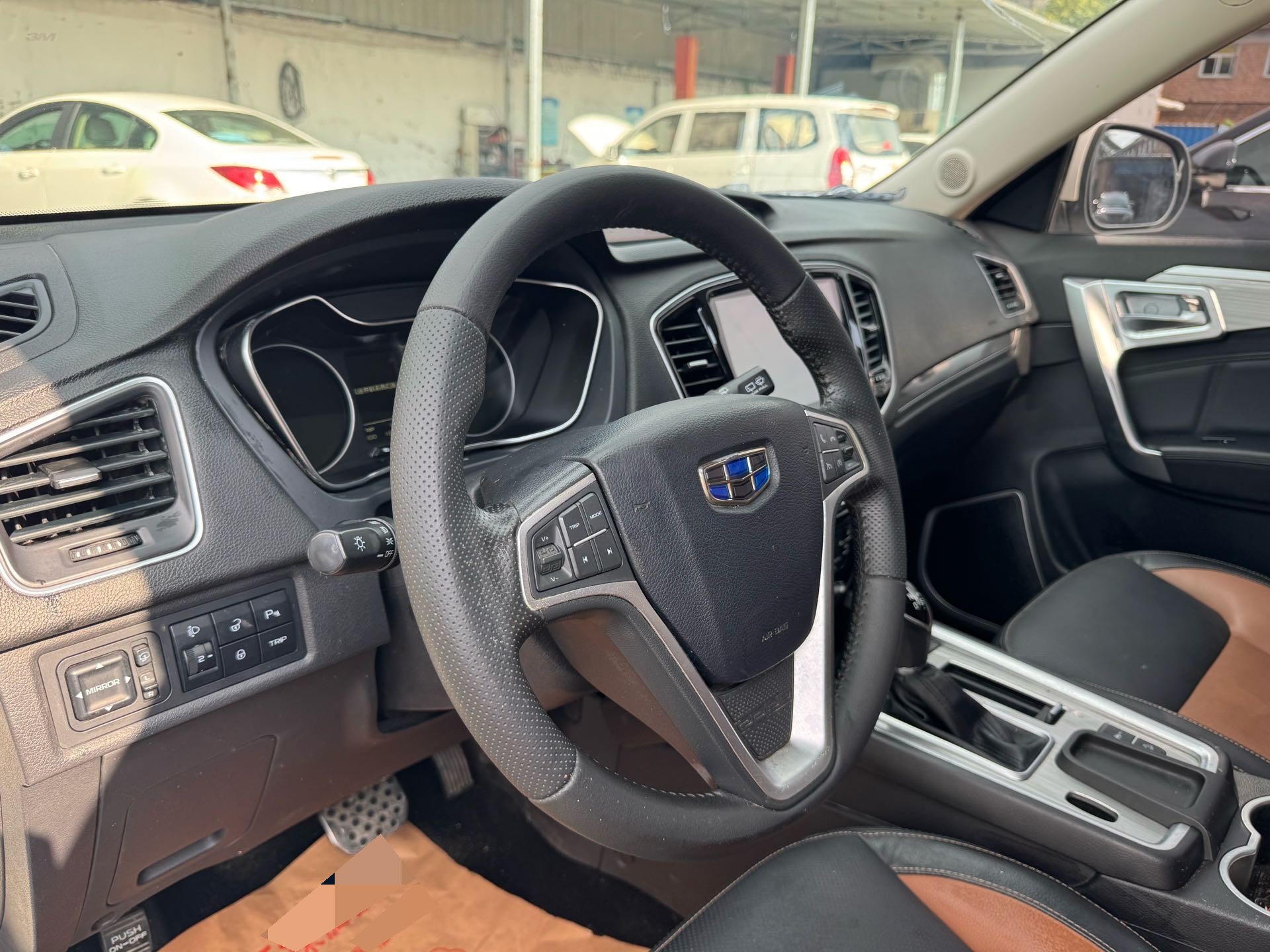
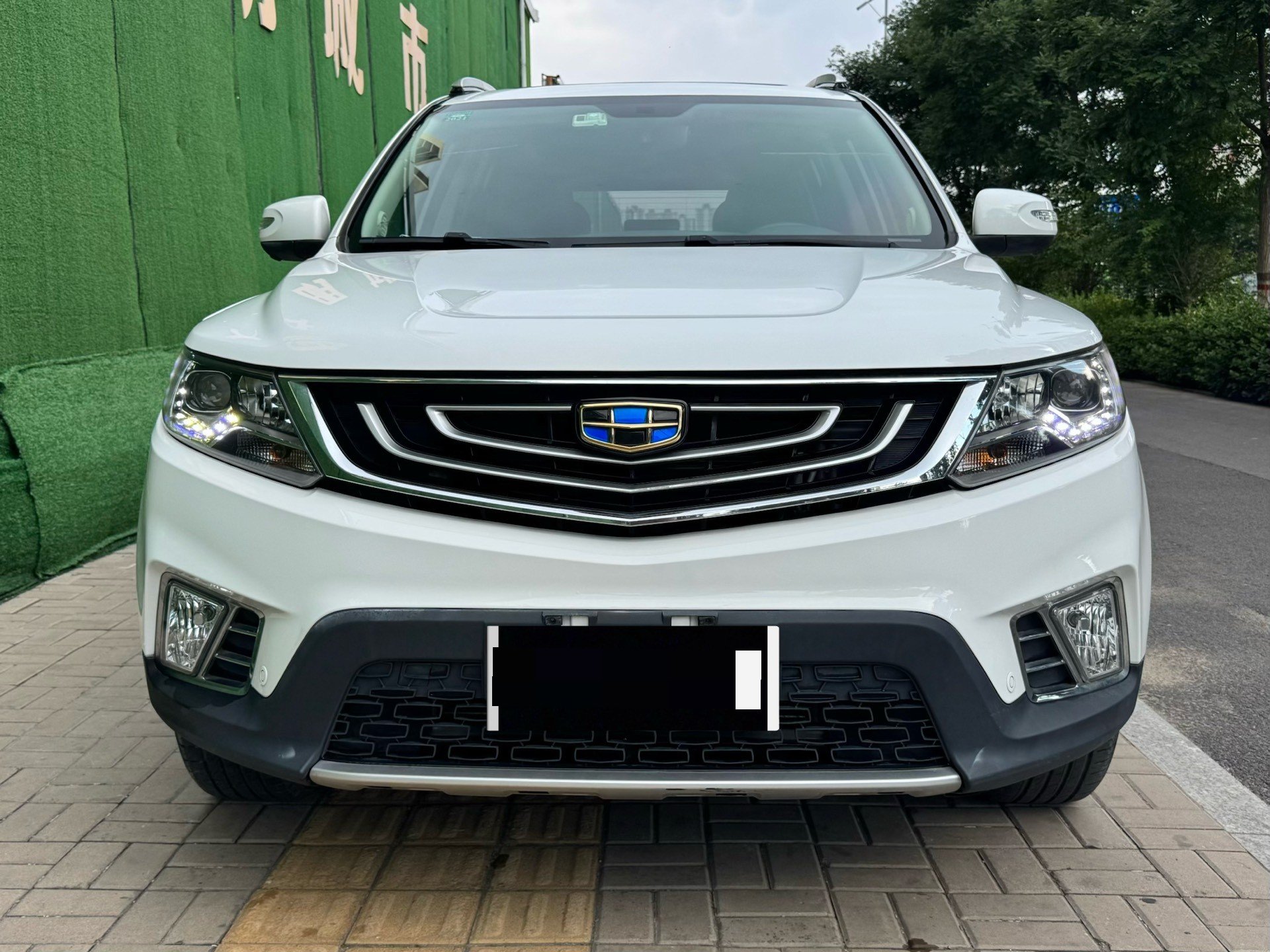
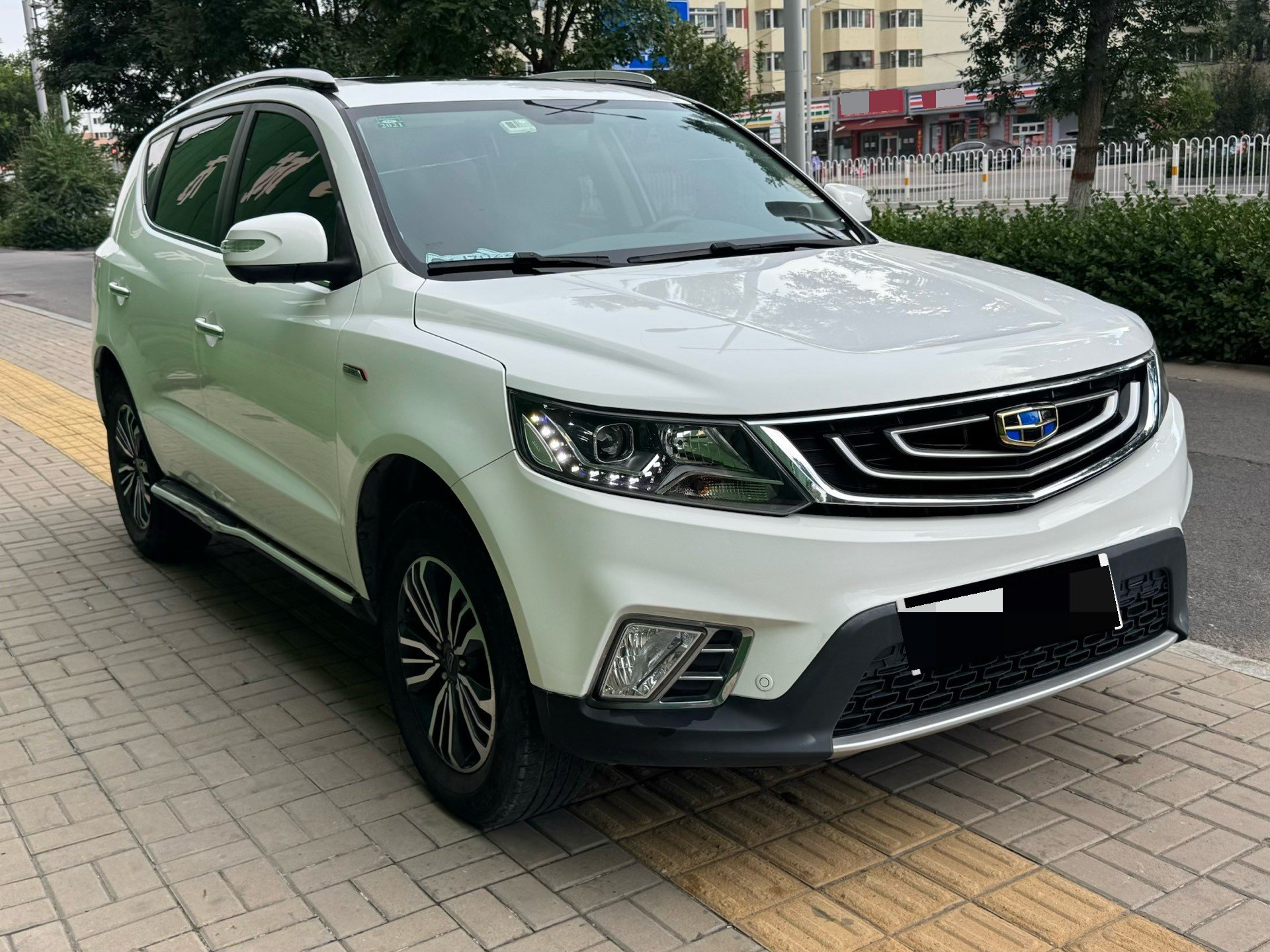
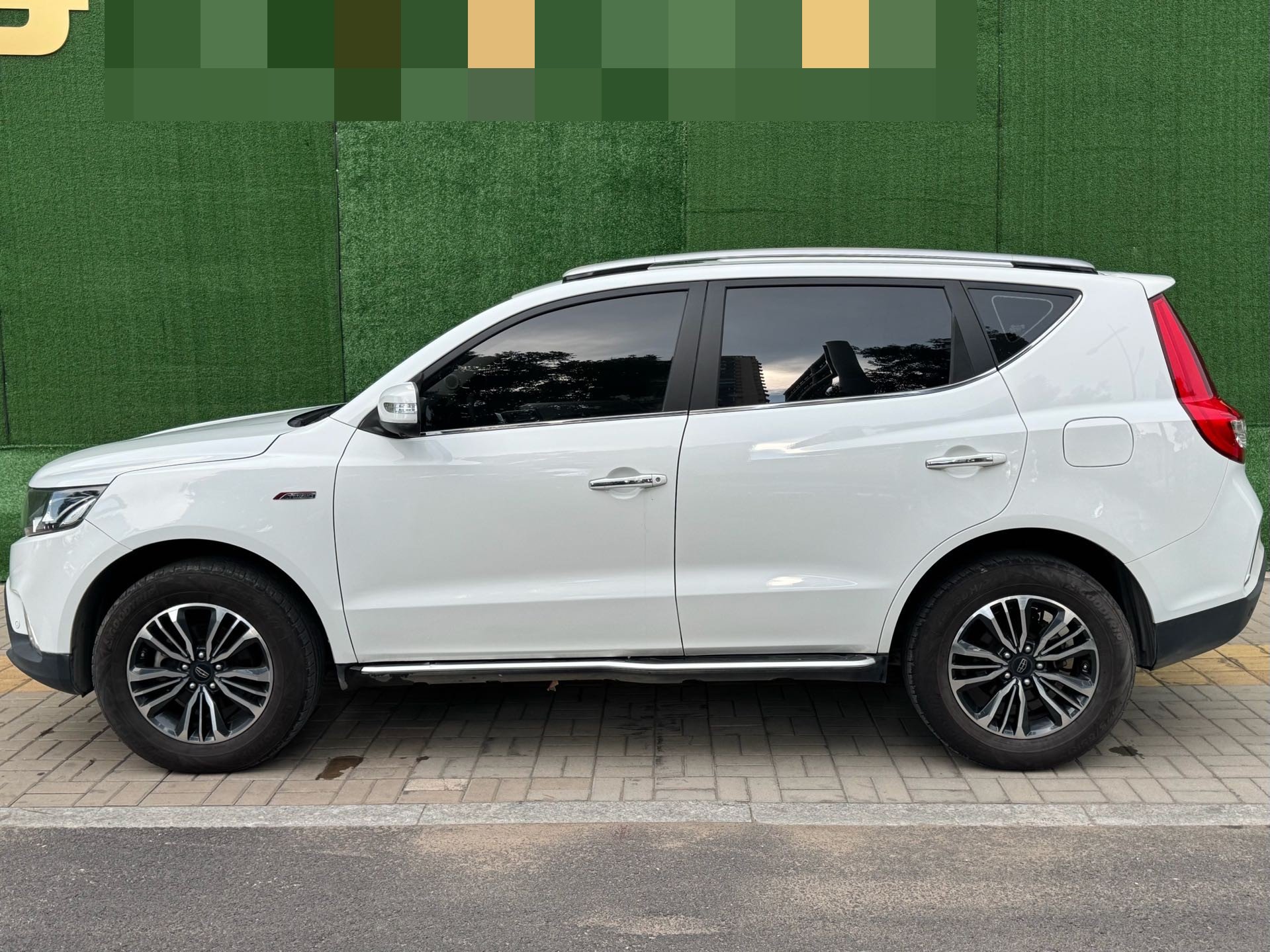
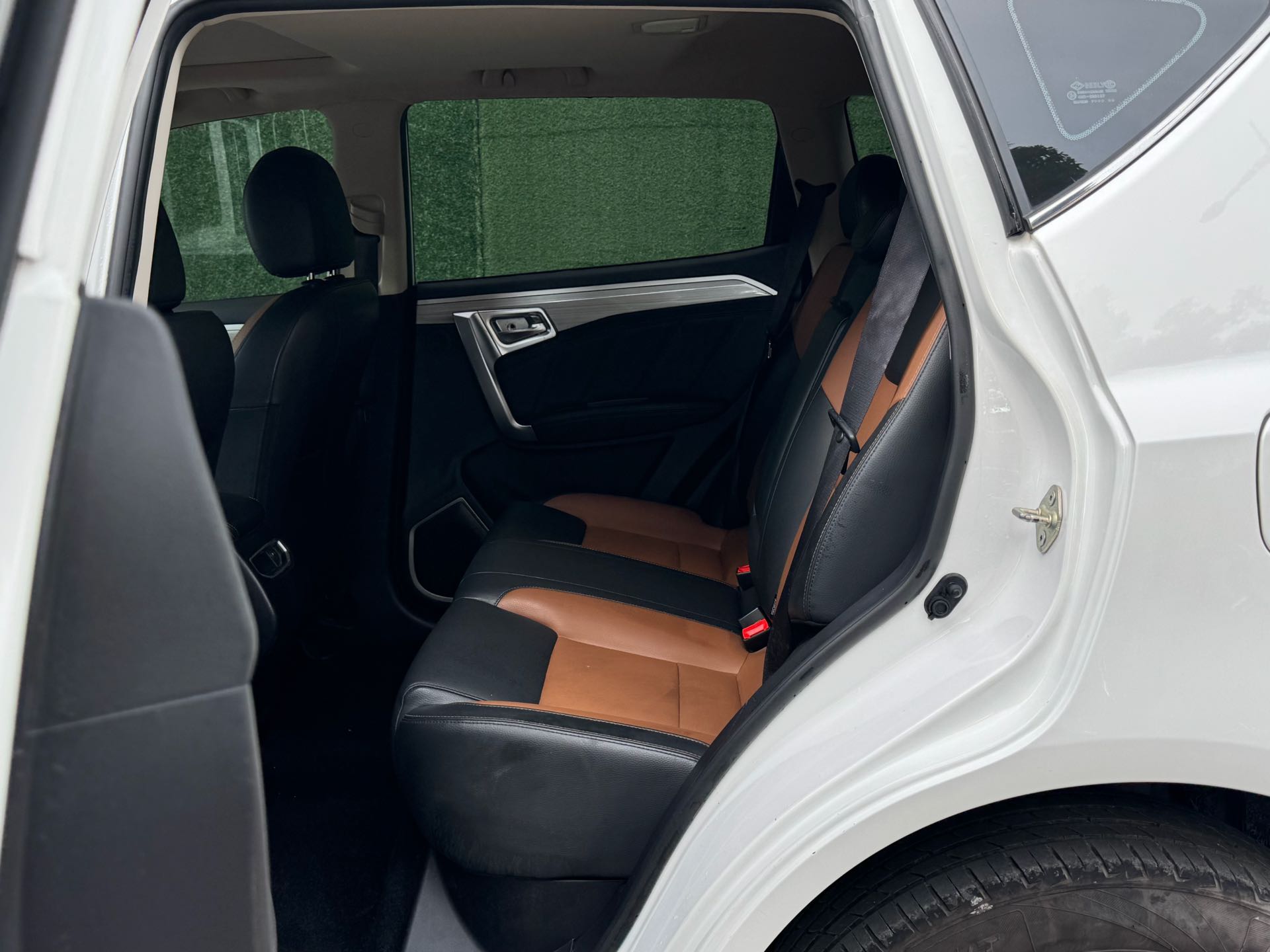
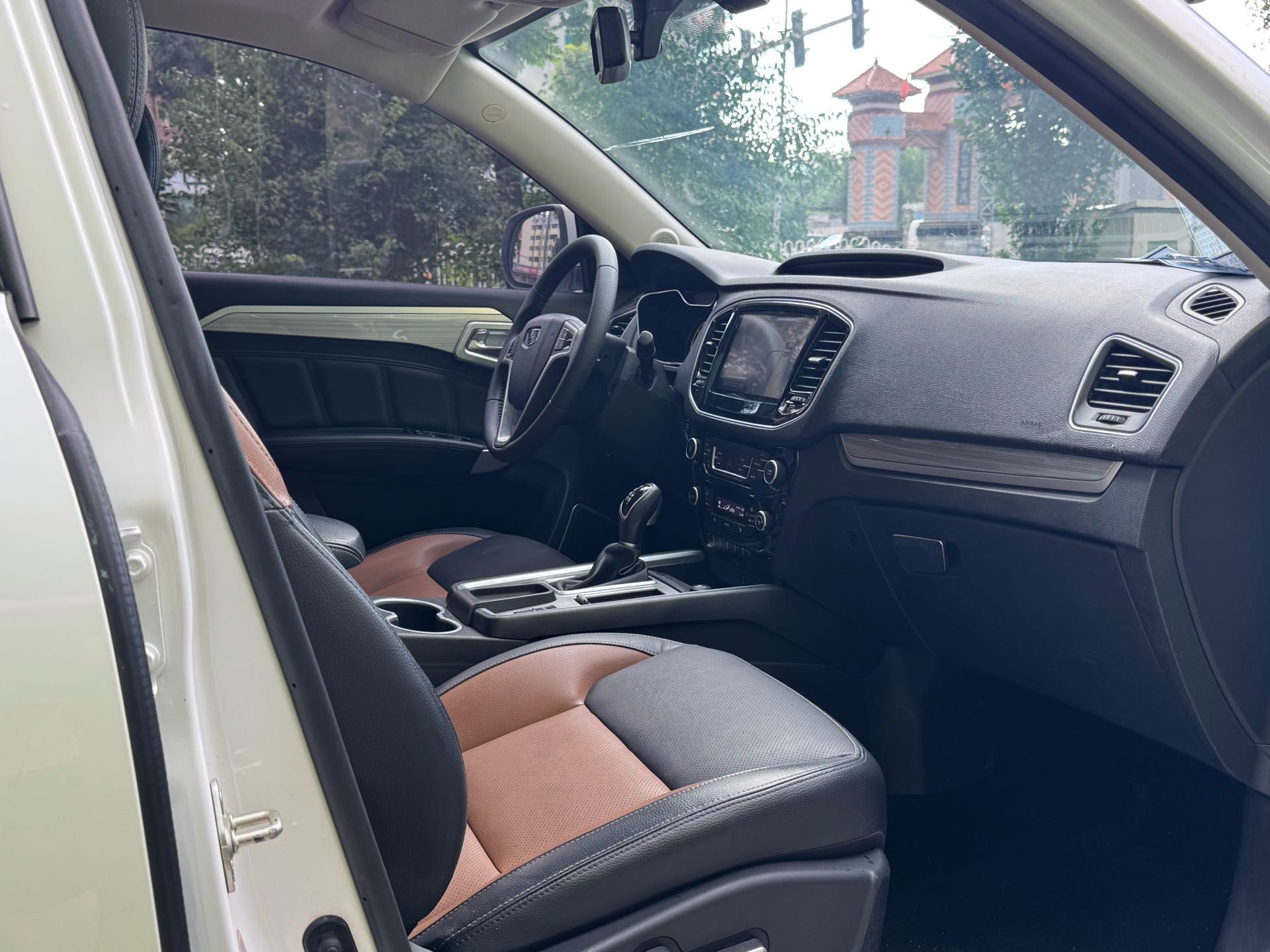
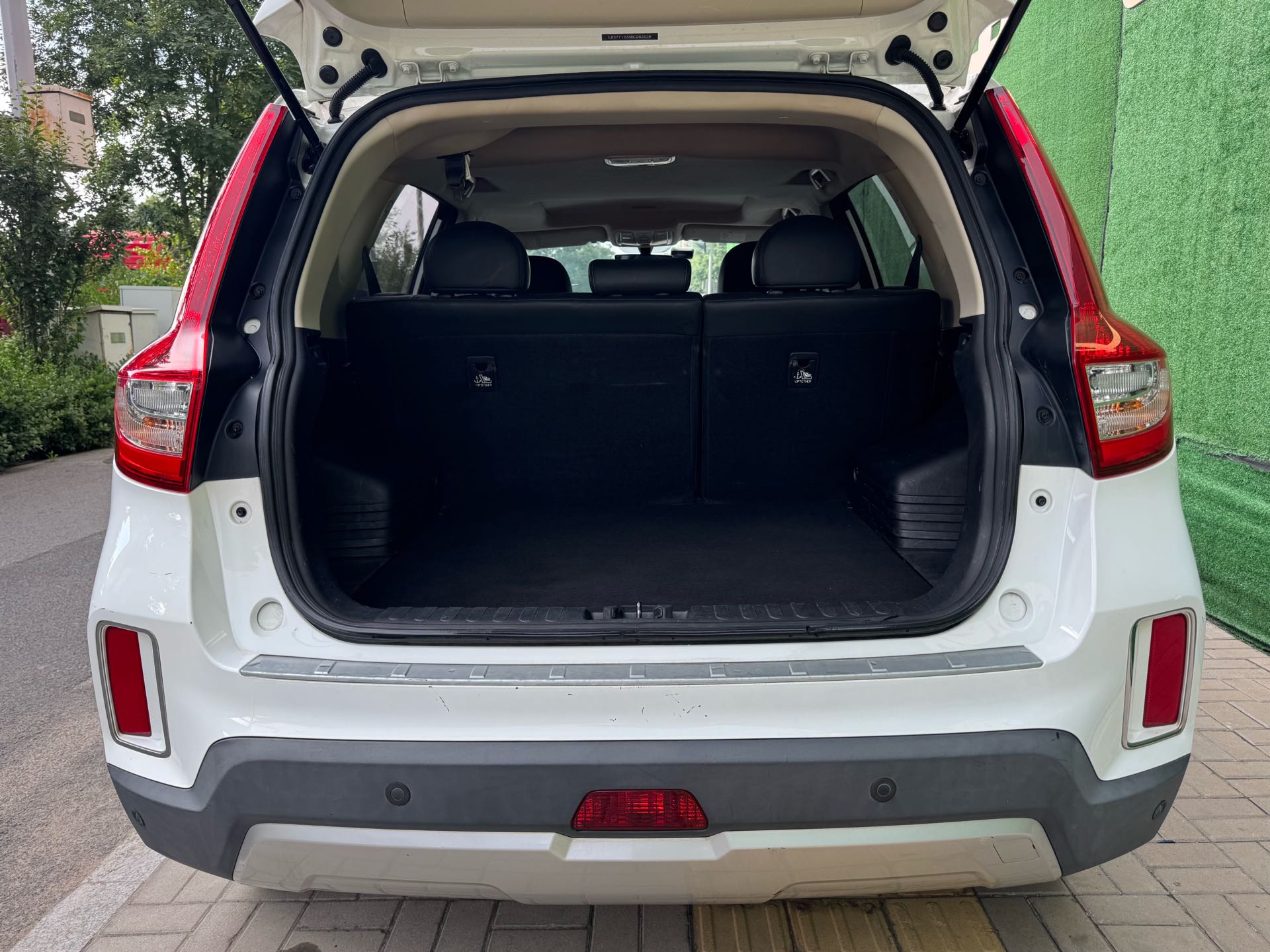
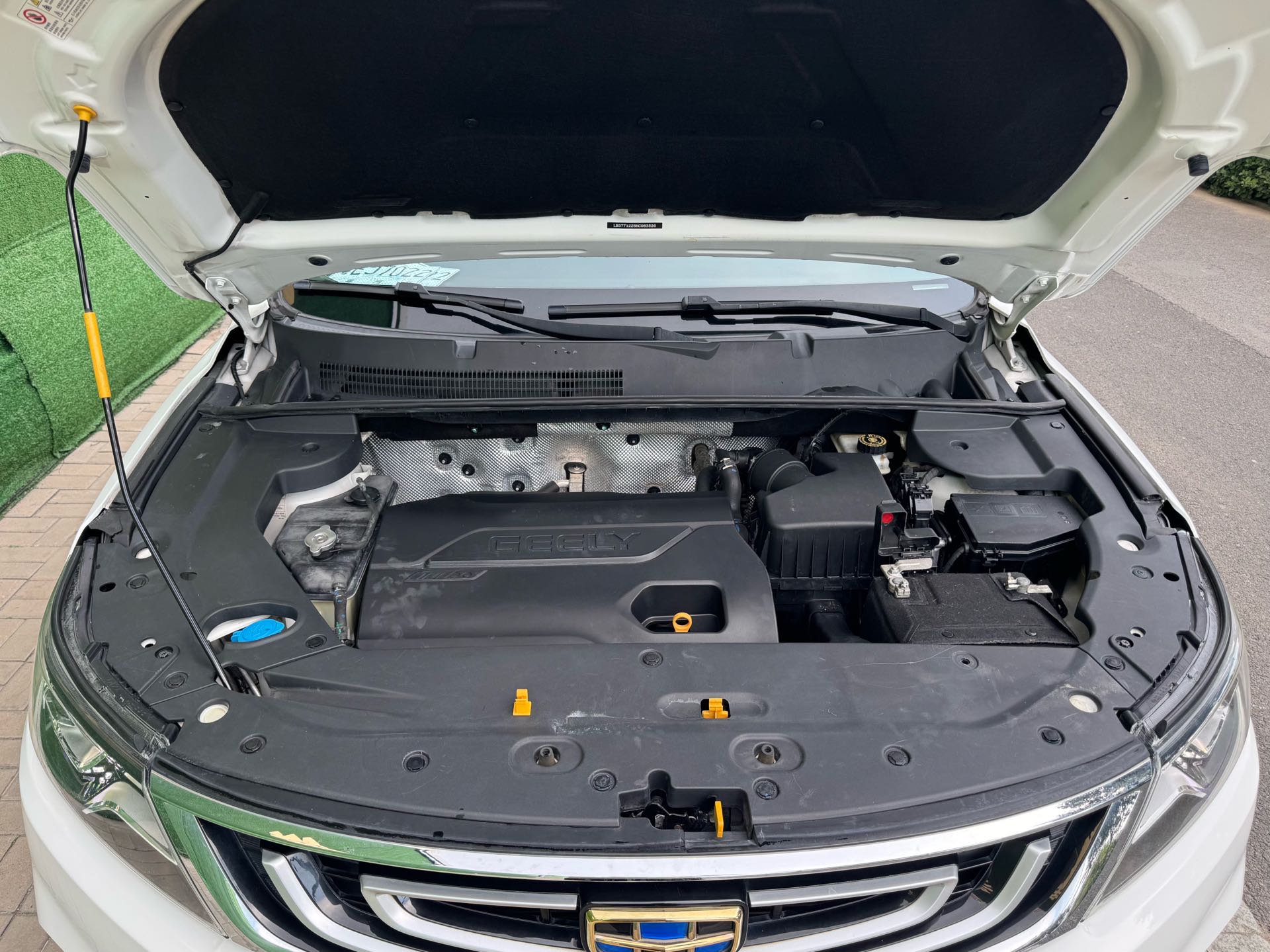



Basic Information

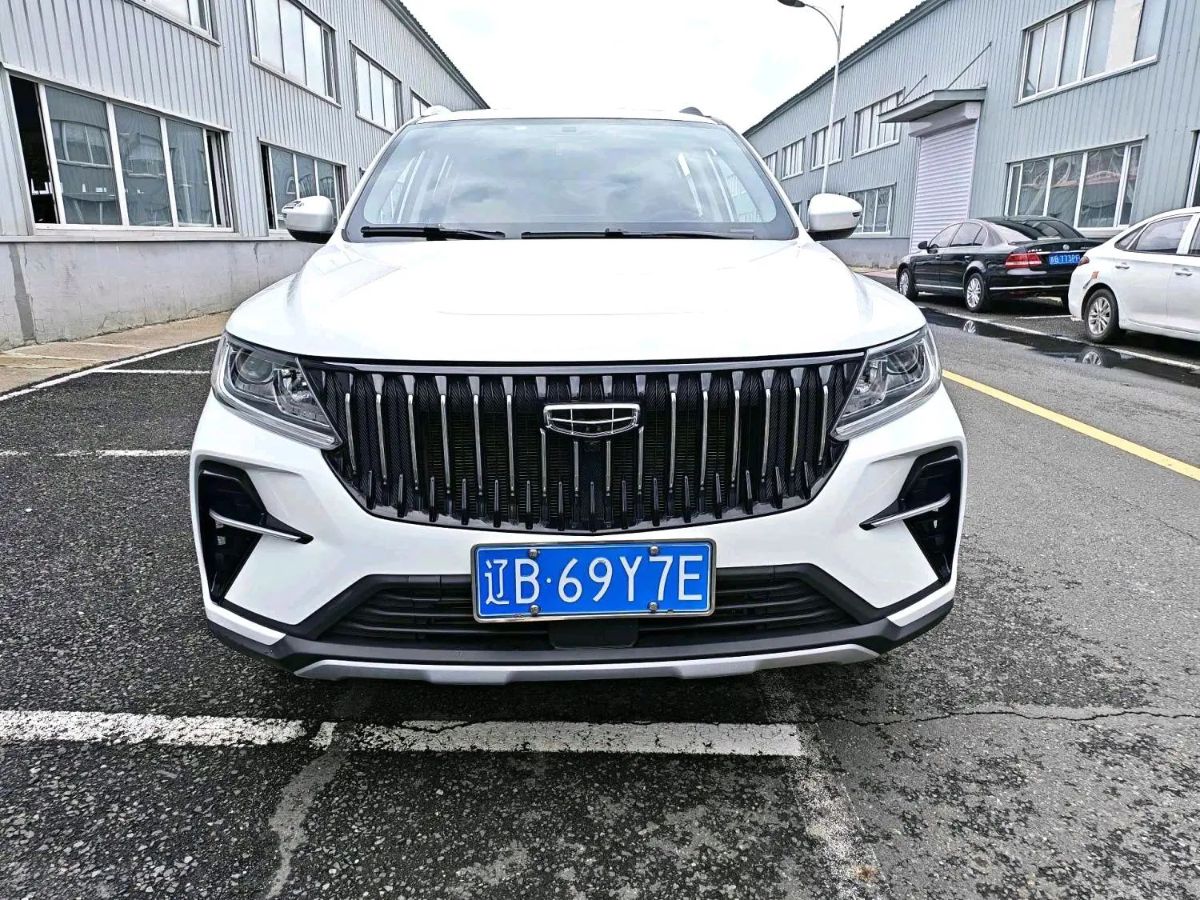
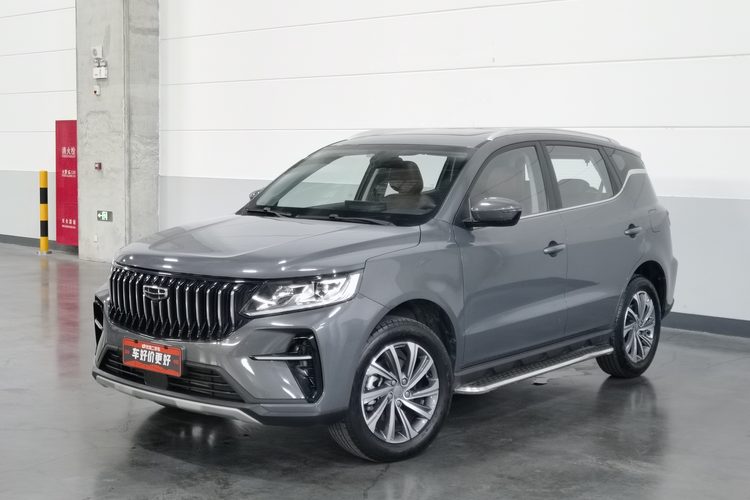
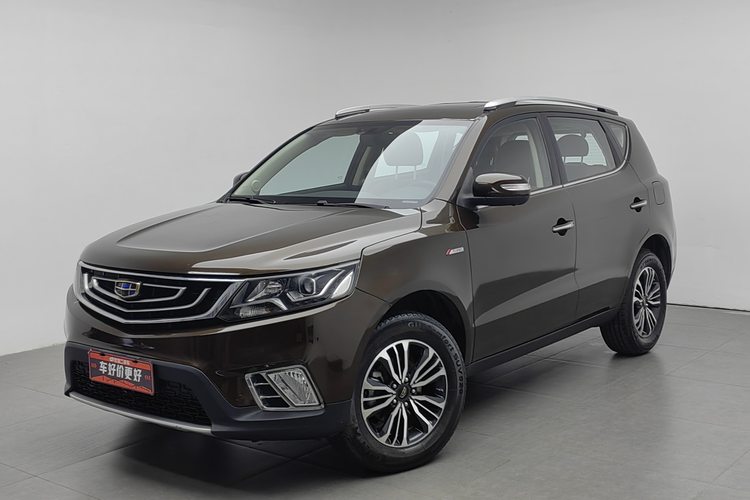
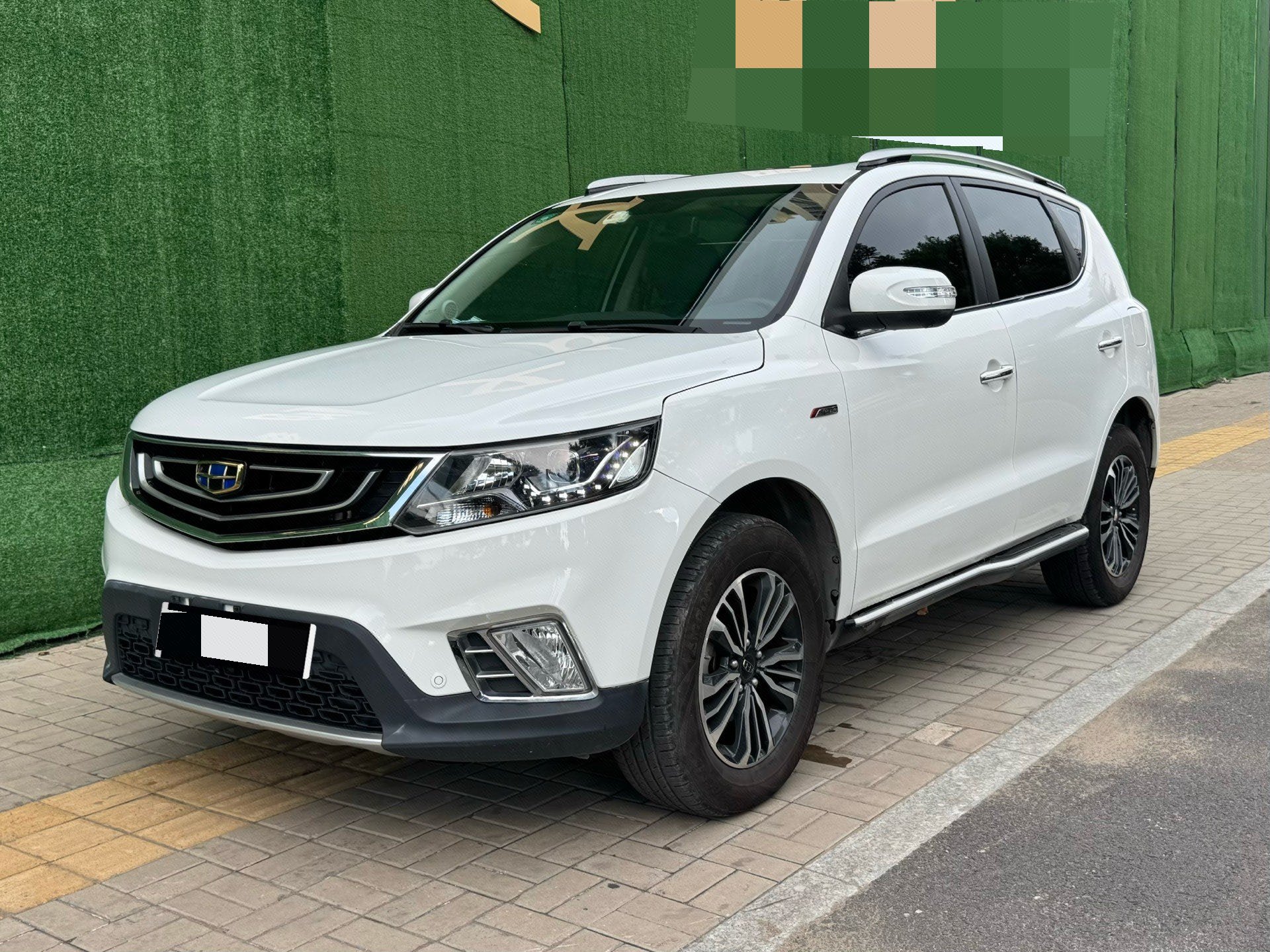
BrandGEELY
SeriesVision X6
Year2017
First Registration2017/12
Mileage70,000km
Transfer Count0times
FuelGasoline
TransmissionCVT
Engine1.3T 133 L4
ColorWhite
Seats5seats

Condition Description

Original condition, full original paint, repainted three panels during preparation.

Document Information

Inspection Expiry Date-
Warranty Expiry Date-
Insurance Expiry Date2027/11

Q&A

More

Is there a best time of year to buy a used car from China, and how do seasonal factors affect pricing?

Yes, timing can move prices by 5-15 percent. Key seasonal factors: Chinese New Year (late January-February): dealers and export yards wind down 2-3 weeks early, so supply tightens and prices firm up. Avoid ordering in this window. March-May: supply rebounds and competition among exporters is highest—often the best prices of the year. New model launches: when a new generation appears (usually April and September auto show season), outgoing versions drop noticeably in the used market—good for buyers who don't need the latest model. Freight seasonality matters too: rates spike before Golden Week (October) and before Christmas as container capacity tightens. A cheap car booked into an expensive shipping window can cost more overall. Strategy: target March-May for purchase, book shipping in off-peak months, and lock quotes in writing for 15-30 days so freight surges don't erode your deal.


If customs delays due to the upgrade of the Chinese customs system cause a missed shipping schedule, who will cover the storage fees?

If the delays are due to policy-related force majeure like customs system upgrades, or if our documentation errors lead to short shipments, all additional demurrage and storage fees incurred at ports within China will be borne by sellwellauto, and the buyer will not have to pay a cent.

How can I detect signs of flood or water damage inside a used car from China during a remote inspection?

Water damage is one of the most common hidden problems in used cars, and it often escapes basic photo reviews. During a live video inspection, ask the inspector to check these specific points: 1. Smell test: A musty or moldy odor inside the cabin is the first red flag. Have them open all doors, run the AC briefly, and smell the air from the vents—musty AC often indicates water in the HVAC system. 2. Under the carpets: Lift the floor mats and look for water lines, rust stains, or dampness on the carpet backing and the metal floor underneath. Sediment or silt residue is a giveaway. 3. Seat rails and bolts: Pull the seats fully forward and backward. Rust on seat rails or fresh-looking bolts suggests the seats were removed for cleaning after flooding. 4. Trunk area: Check the spare tire well and under the trunk carpet for standing water marks or rust. 5. Electronics: Test every window, seat adjustment, and the infotainment screen—water-damaged electronics behave erratically. Also request a scan report: flood cars often store history codes for multiple control modules that failed simultaneously. Cross-check the car's origin; vehicles from flood-prone southern regions deserve extra scrutiny.