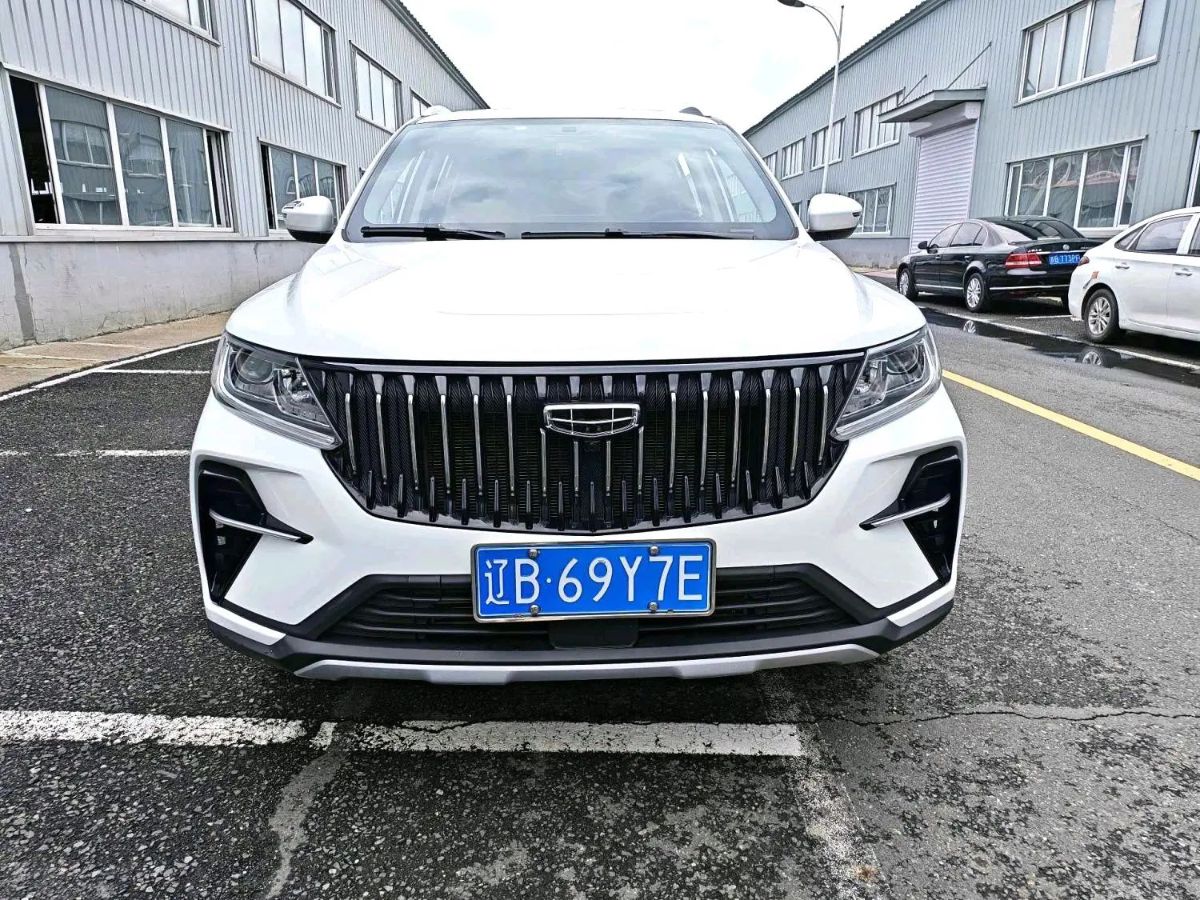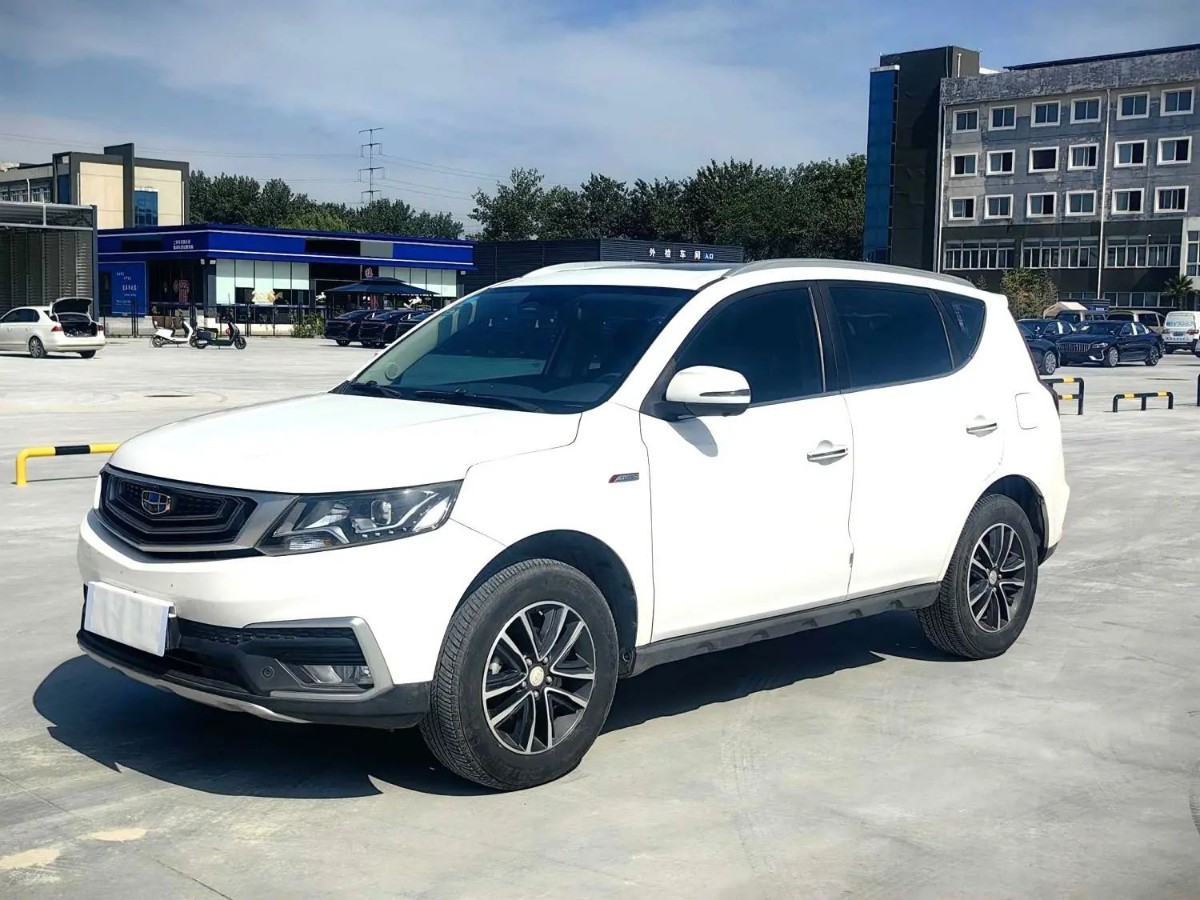
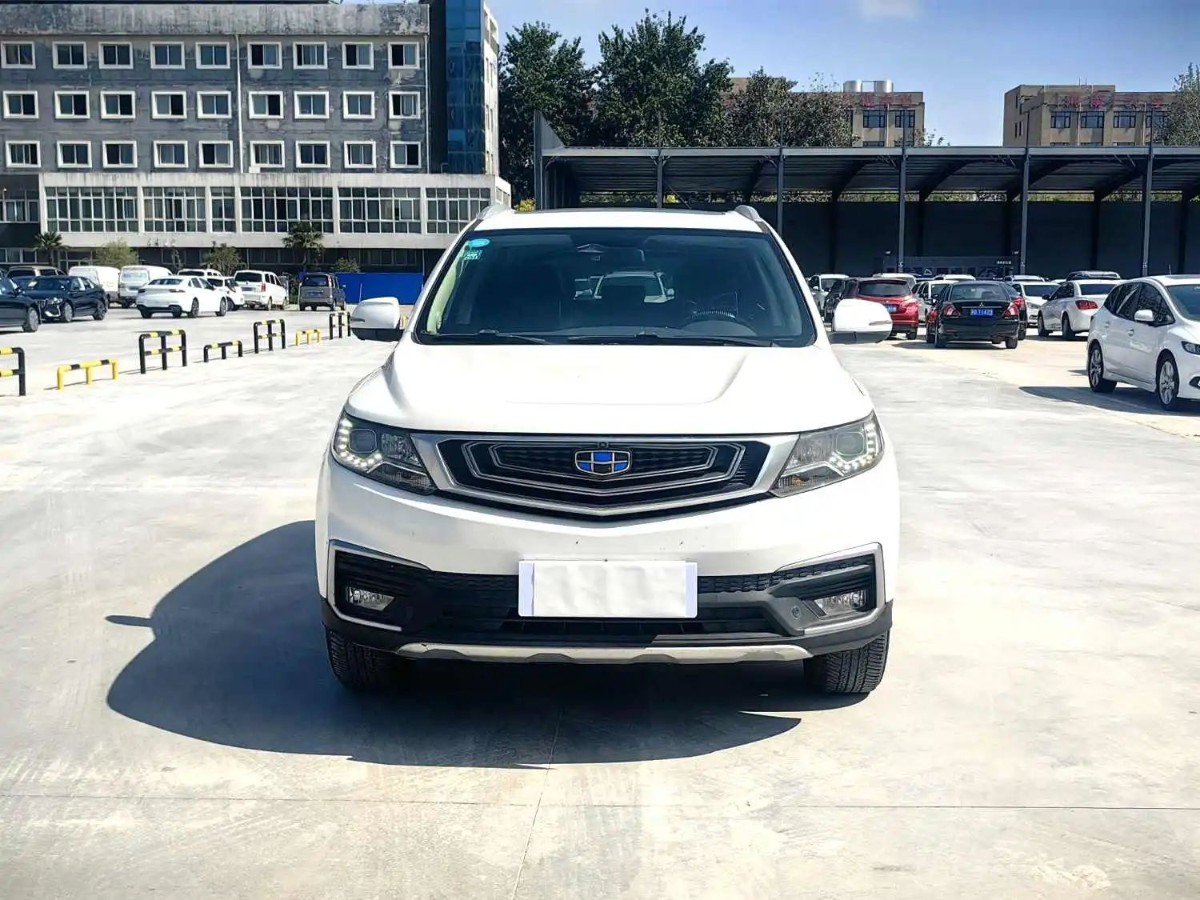
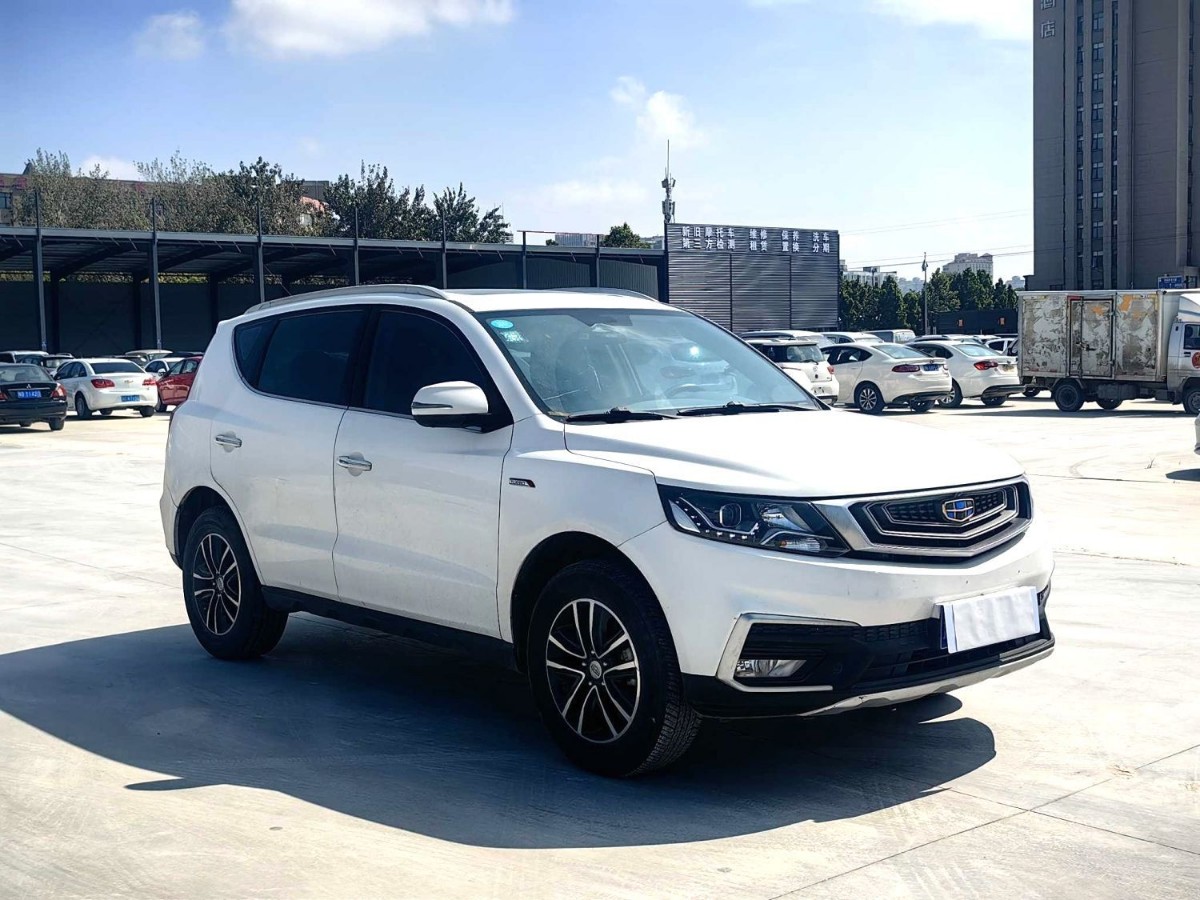
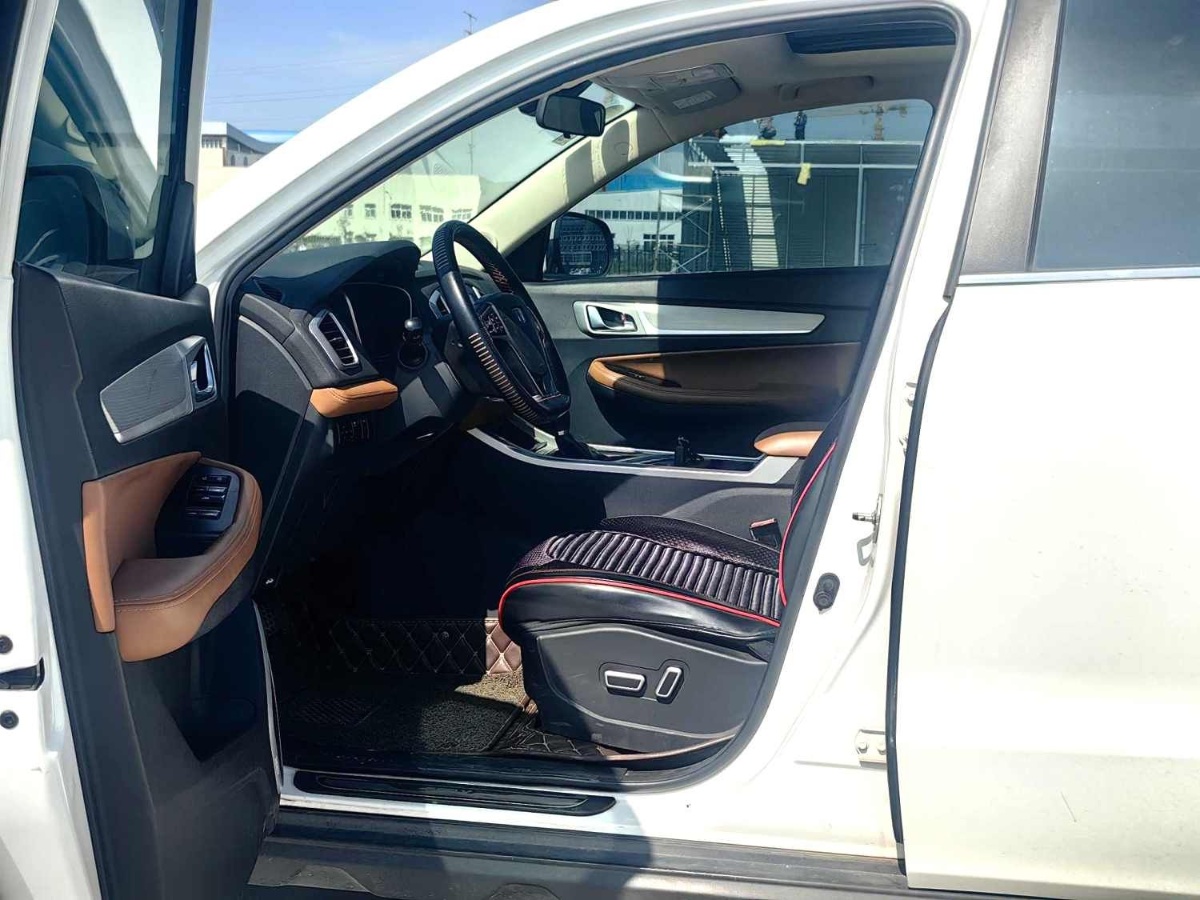
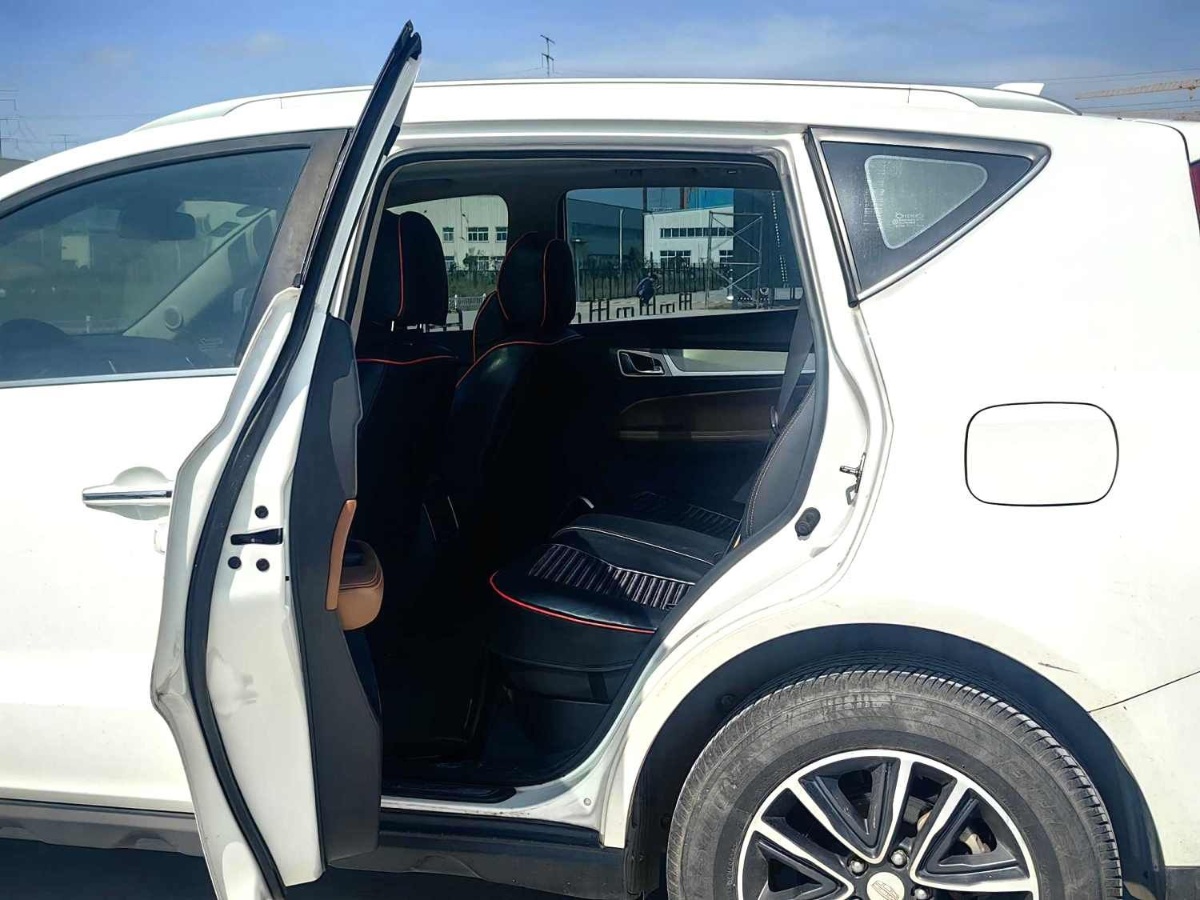
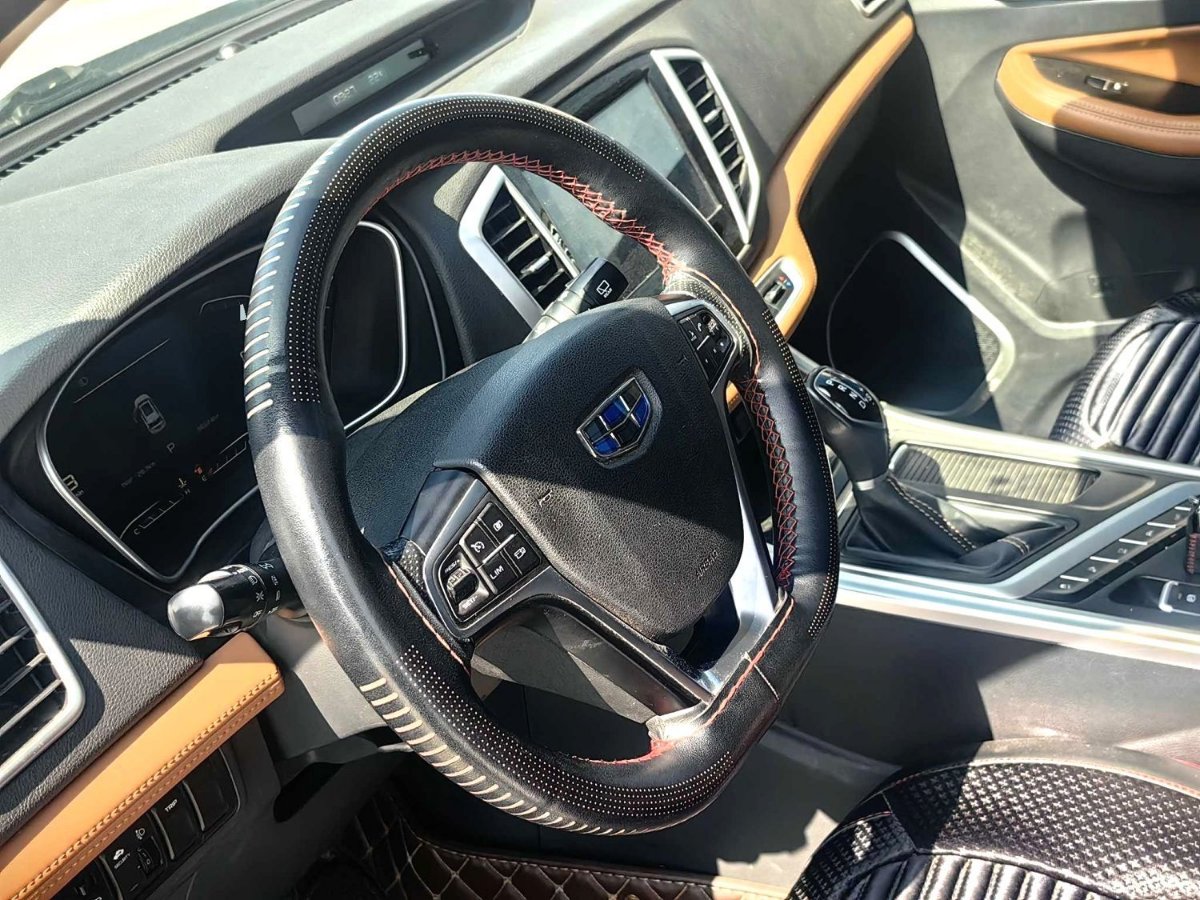
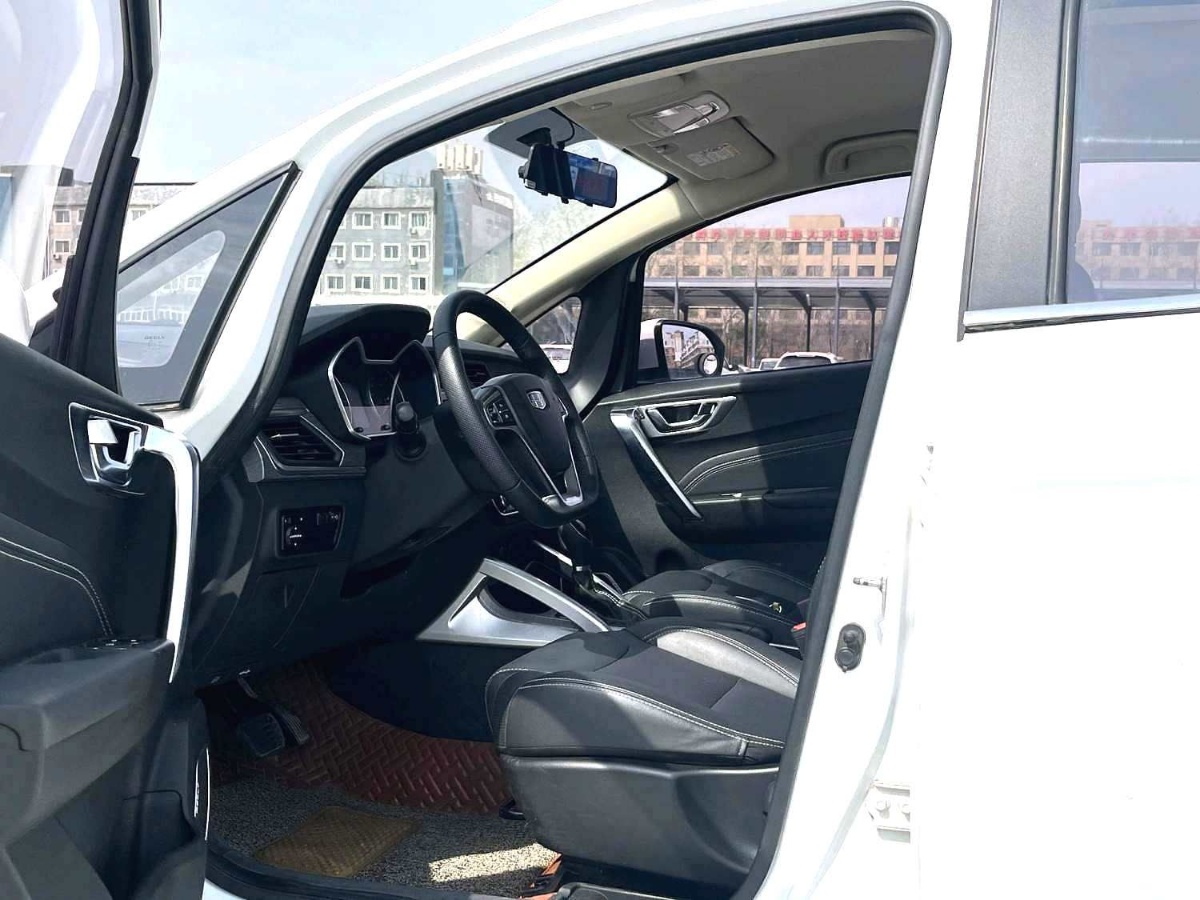
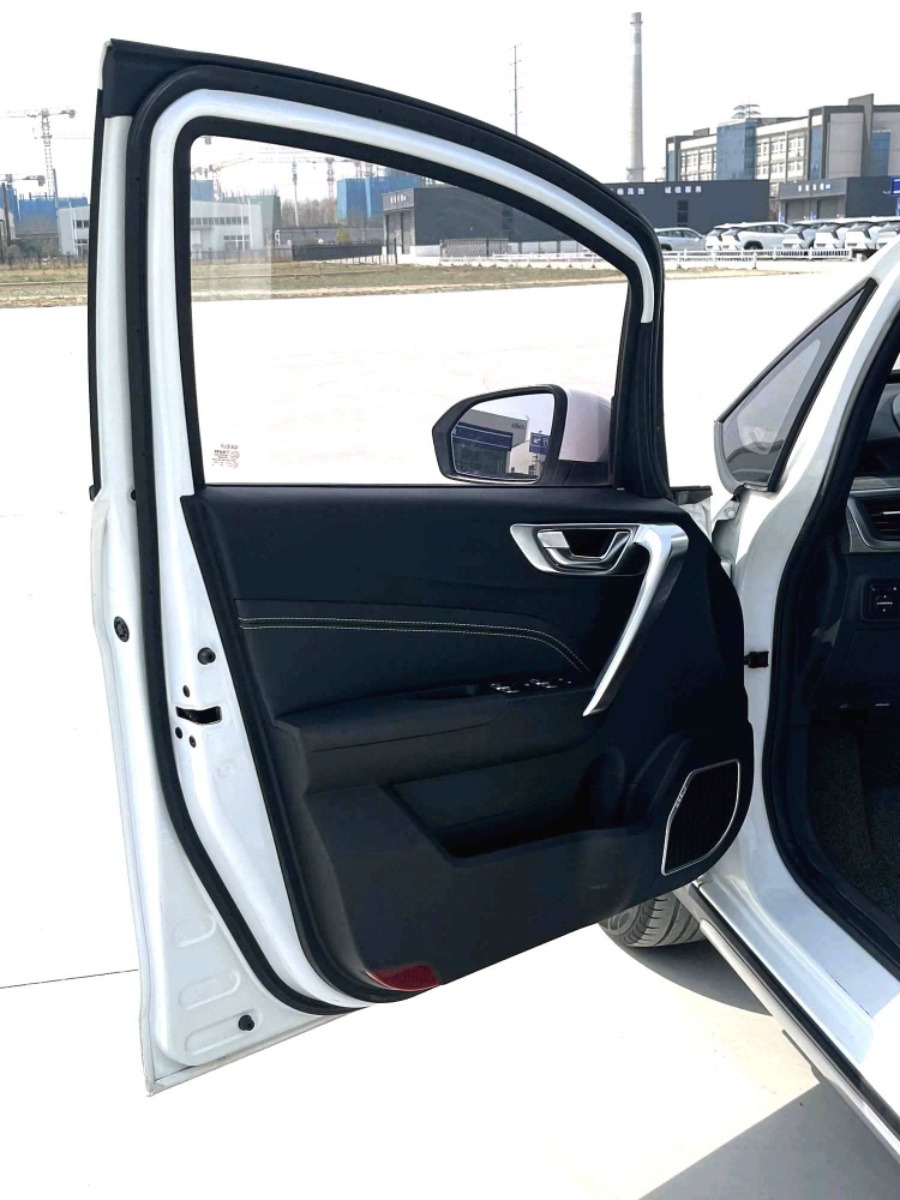
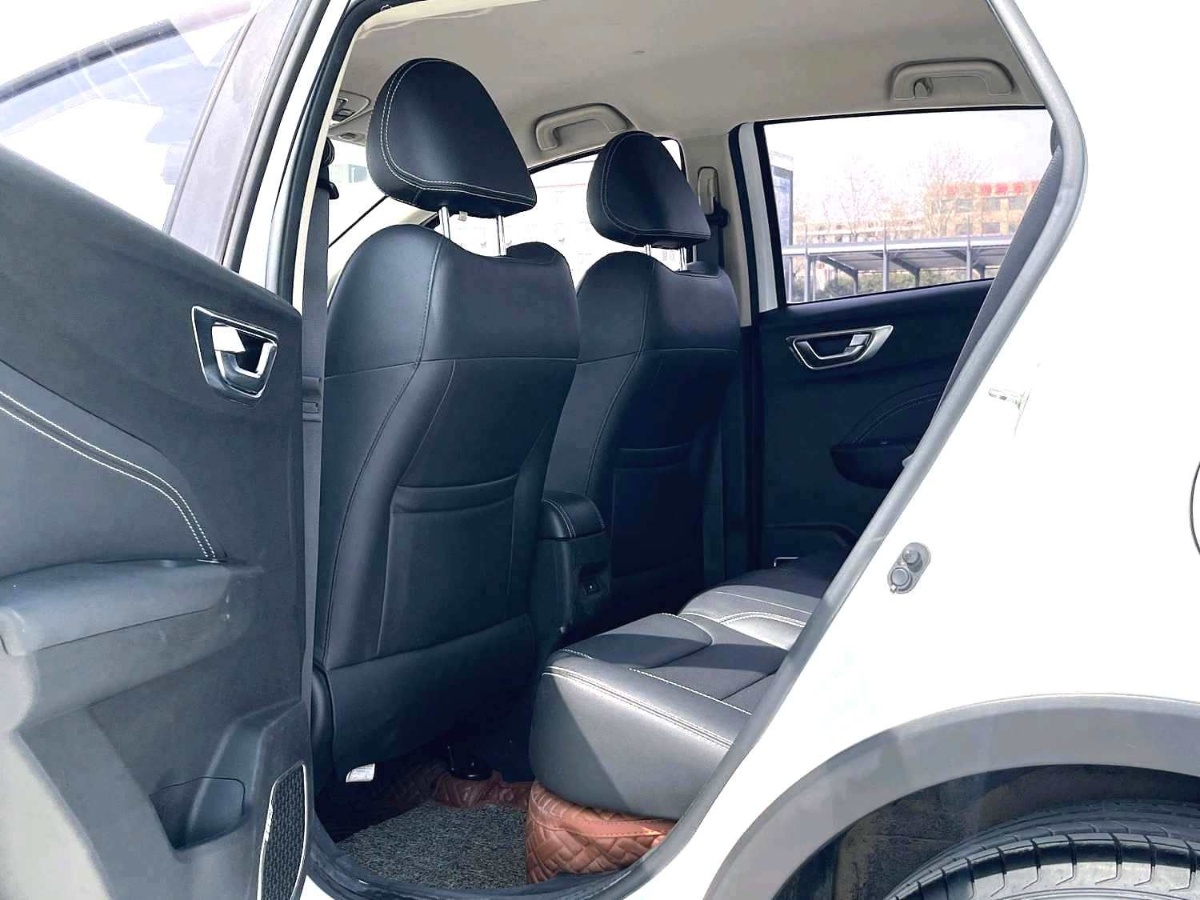
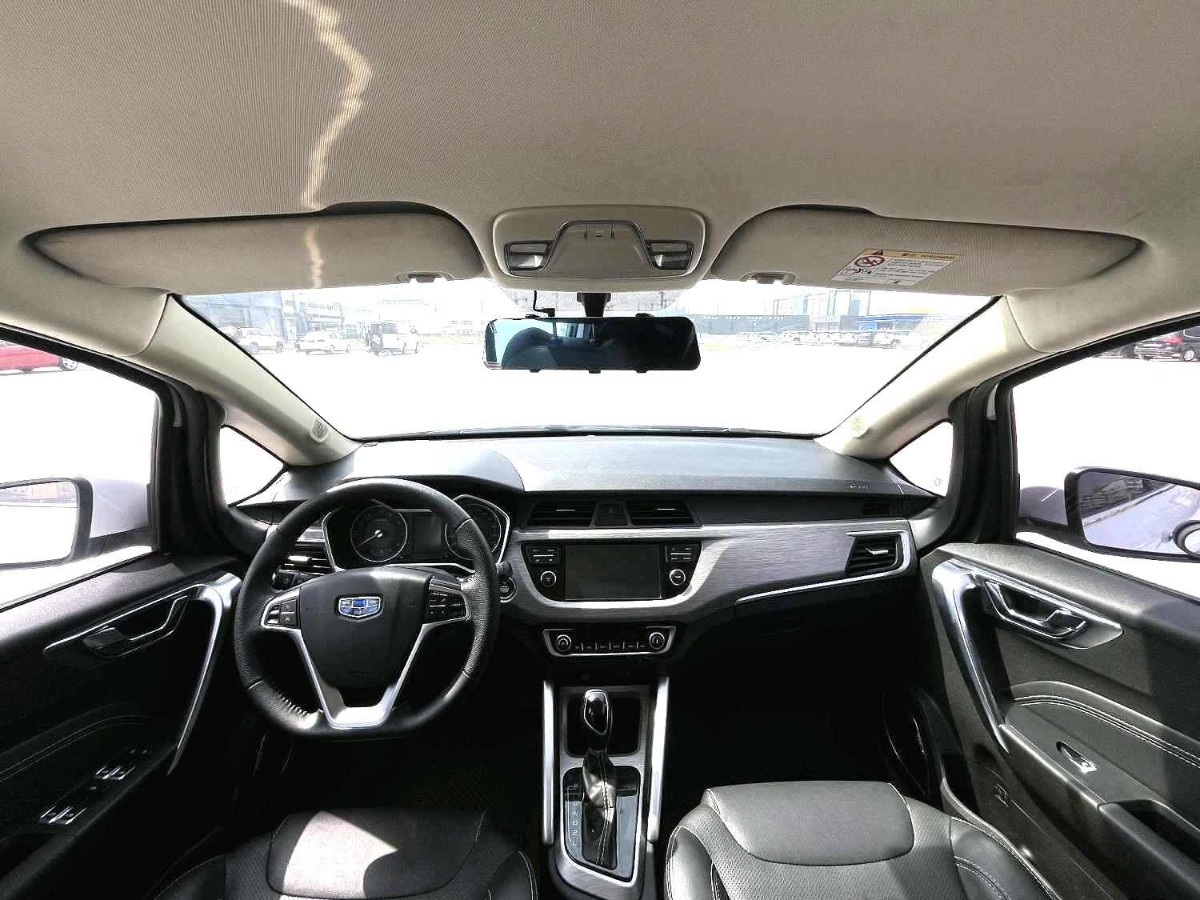
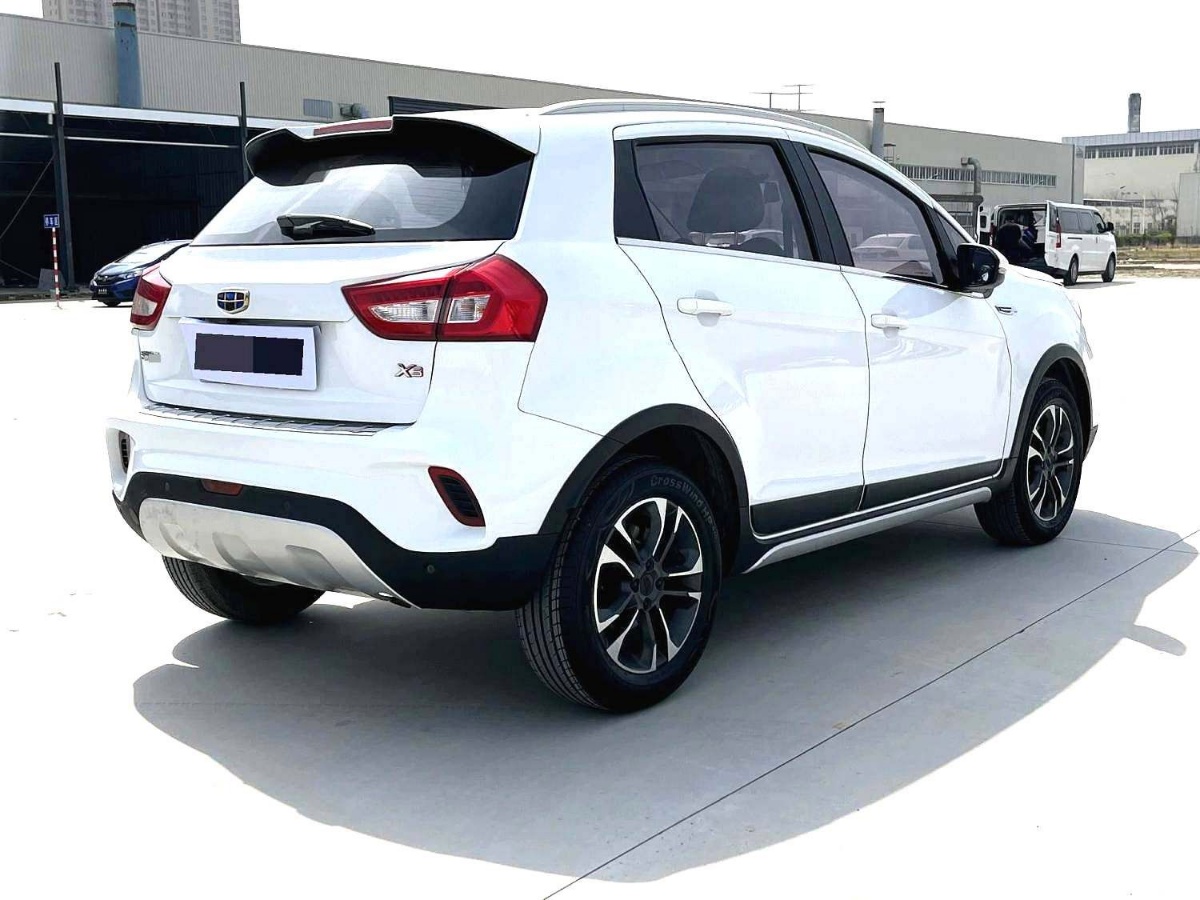
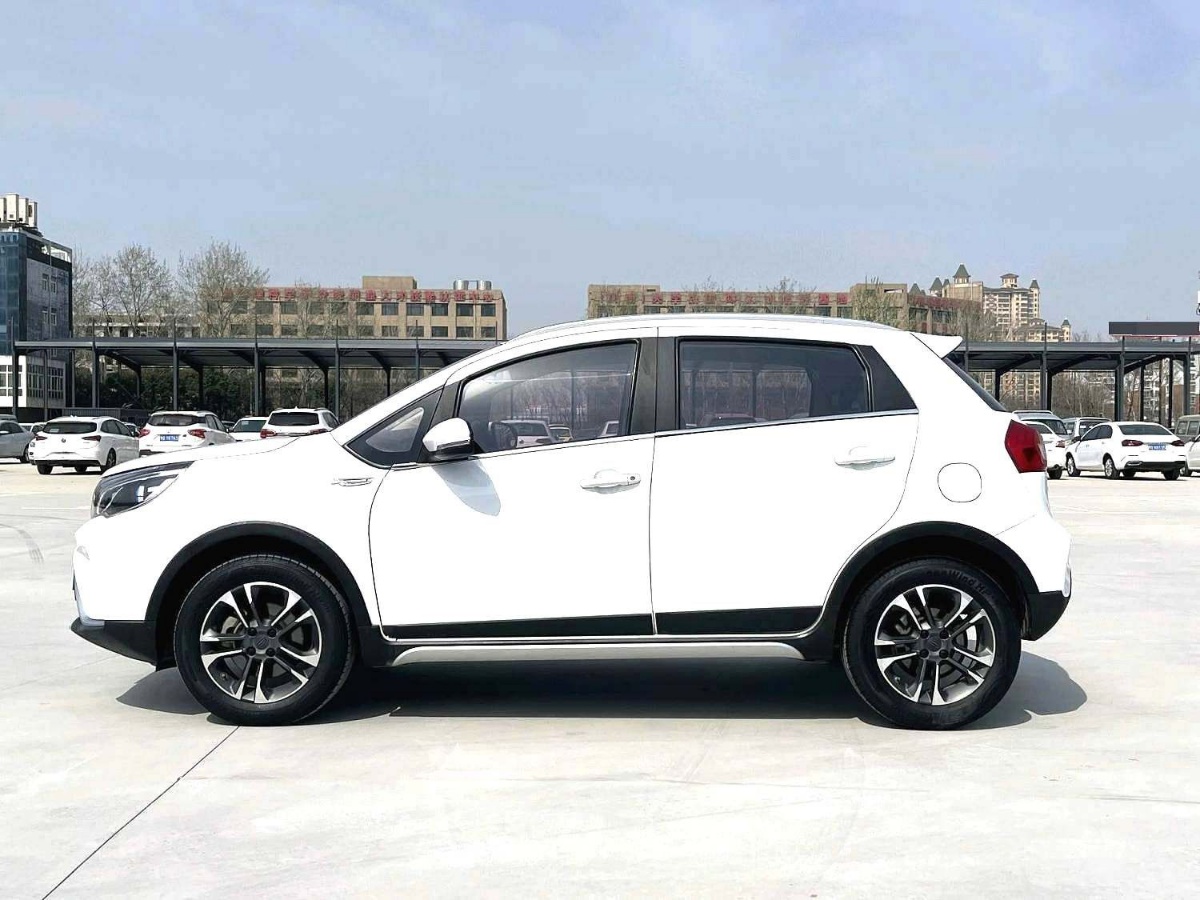
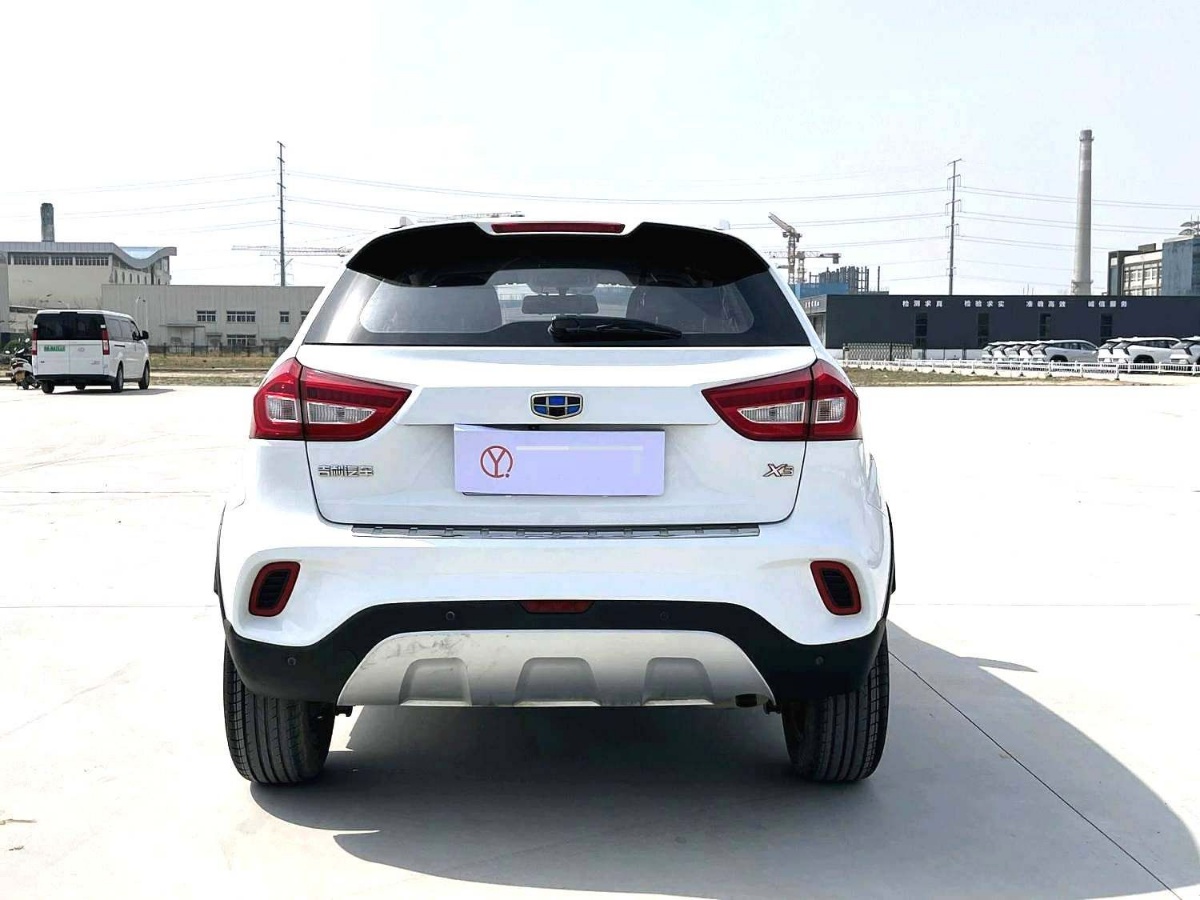




Basic Information

BrandGEELY
SeriesVision X6
Year2019
First Registration2019/01
Mileage56,000km
Transfer Count1times
FuelGasoline
TransmissionCVT
Engine1.4T 133 L4
ColorWhite
Seats5seats

Condition Description

Actual mileage is 56,000 km. The right front fender and hood have been repainted, and the right front door, right rear door, and left rear fender have undergone bodywork. The rest of the paint is original. There have been no accidents. Insurance is valid until January 27, 2020. Two keys are available, and it is a first-hand vehicle.

燃油车
SUV
自动
维保开放
事故开放
查验开放

Configuration Highlights

✓品牌: 吉利汽车
✓车系: 远景X6
✓车型: 2018款 1.4T CVT 4G互联旗舰型
✓车身类型: SUV
✓座位数: 5
✓排量: 1.4T
✓变速箱: 自动
✓能源类型: 燃油车
✓VIN: LB37722Z7JC079416
✓搜索关键词: 吉利汽车远景X6 2018款远景X61.4TCVT4G互联旗舰型

Document Information

Inspection Expiry Date2027/01
Warranty Expiry Date-
Insurance Expiry Date2027/01

Q&A

More

Are there specific tests to check if the soundproofing material is intact in a second-hand new energy vehicle equipped with run-flat tires?

We cannot open each tire to inspect the inside. However, if a visual inspection reveals severe creases on the tire sidewall, it indicates that the run-flat tire has been driven for a long time at zero pressure, damaging its internal structure. We would recommend replacing it before shipping.
Can the voice assistant in the smart cockpit control the air conditioning and windows while offline?

Most leading Chinese brands' car systems support "offline voice commands" (like adjusting temperature and opening windows). However, if recognition fails due to accent or language limitations (only standard Chinese is supported), you can always control it via the physical screen.

Why are the shipping costs for used electric vehicles (EVs) usually higher than for internal combustion engine vehicles (ICEs)?

Pure electric vehicles are classified as Class 9 Dangerous Goods due to their large lithium batteries, leading to strict shipping regulations. Shipping companies have high requirements for the loading position and fire isolation measures for dangerous goods, and some roll-on/roll-off ships refuse to accept used EVs. As a result, EVs often require more expensive special container shipping and incur additional handling fees for hazardous materials.