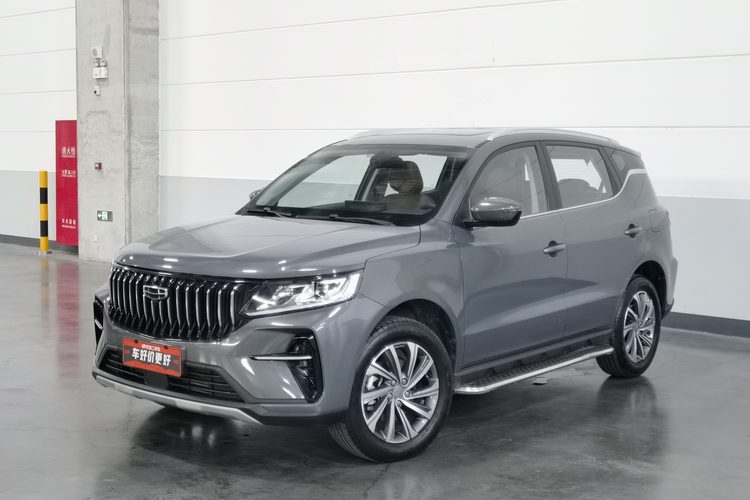


Basic Information

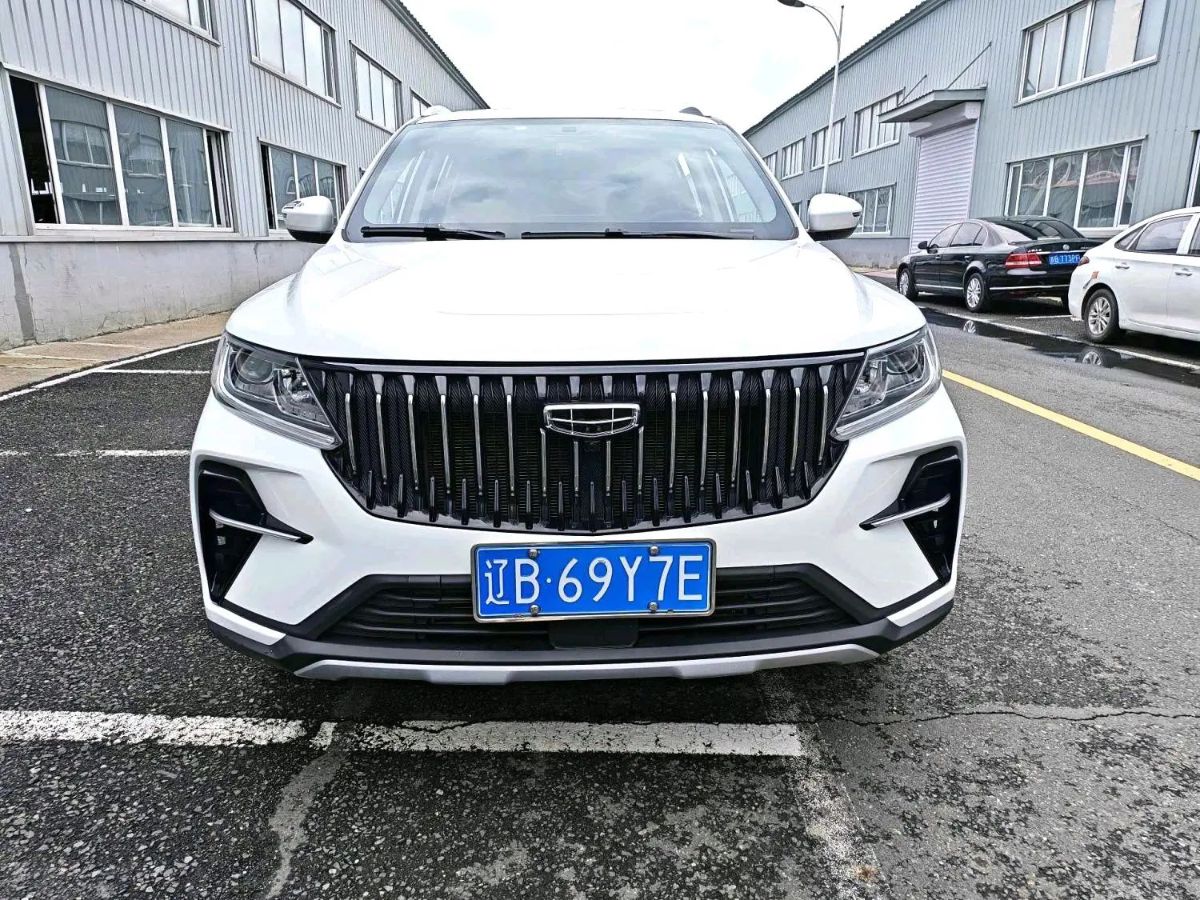
BrandGEELY
SeriesVision X6
Year2019
First Registration2019/12
Mileage52,300km
Transfer Count-
FuelGasoline
TransmissionCVT
Engine1.4T 141 L4
ColorWhite
Seats5seats

Condition Description

Localized body damage or repair marks present. No accident damage or repairs to structural or reinforcement components. Vehicle performance (including three-electric system) has degraded or is limited.

Accident inspection: main structure undamaged, reinforcement parts undamaged, panels undamaged, hinges normal. Engine bay: key mechanical components normal. Exterior: 1 panel repair, 1 repaint. Interior: most features normal, airbags normal, seatbelts normal, dashboard normal, instrument cluster normal, lighting system normal. Start-up test: main components normal. Tool kit: absent.

电话直连
可讲价
平台物流
可转售
零过户
新检测标准升级>
非泡水

Document Information

Inspection Expiry Date2027/12
Warranty Expiry Date-
Insurance Expiry Date2026/11

Q&A

More

Is a four-wheel alignment or dynamic balance test done before the vehicle is sent to the port?

It's not mandatory. Four-wheel alignment and dynamic balance are part of routine maintenance. During long-distance towing and sea transport, the suspension may experience slight changes in stress. We recommend that buyers perform a four-wheel alignment locally after picking up the vehicle at the destination port and replacing tires suitable for local road conditions.
How is liability defined if the battery pack is damaged during long-distance sea transport due to extreme temperatures?

This is considered a force majeure risk. We will require the vehicle's state of charge (SOC) to be maintained in a safe dormant range of 30%-50% before loading, and we will insure you for all marine risks under CIF terms. If the battery suffers thermal runaway total loss due to abnormal cargo hold temperatures, the insurance company will compensate.

Why are the shipping costs for used electric vehicles (EVs) usually higher than for internal combustion engine vehicles (ICEs)?

Pure electric vehicles are classified as Class 9 Dangerous Goods due to their large lithium batteries, leading to strict shipping regulations. Shipping companies have high requirements for the loading position and fire isolation measures for dangerous goods, and some roll-on/roll-off ships refuse to accept used EVs. As a result, EVs often require more expensive special container shipping and incur additional handling fees for hazardous materials.