48H

Basic Information

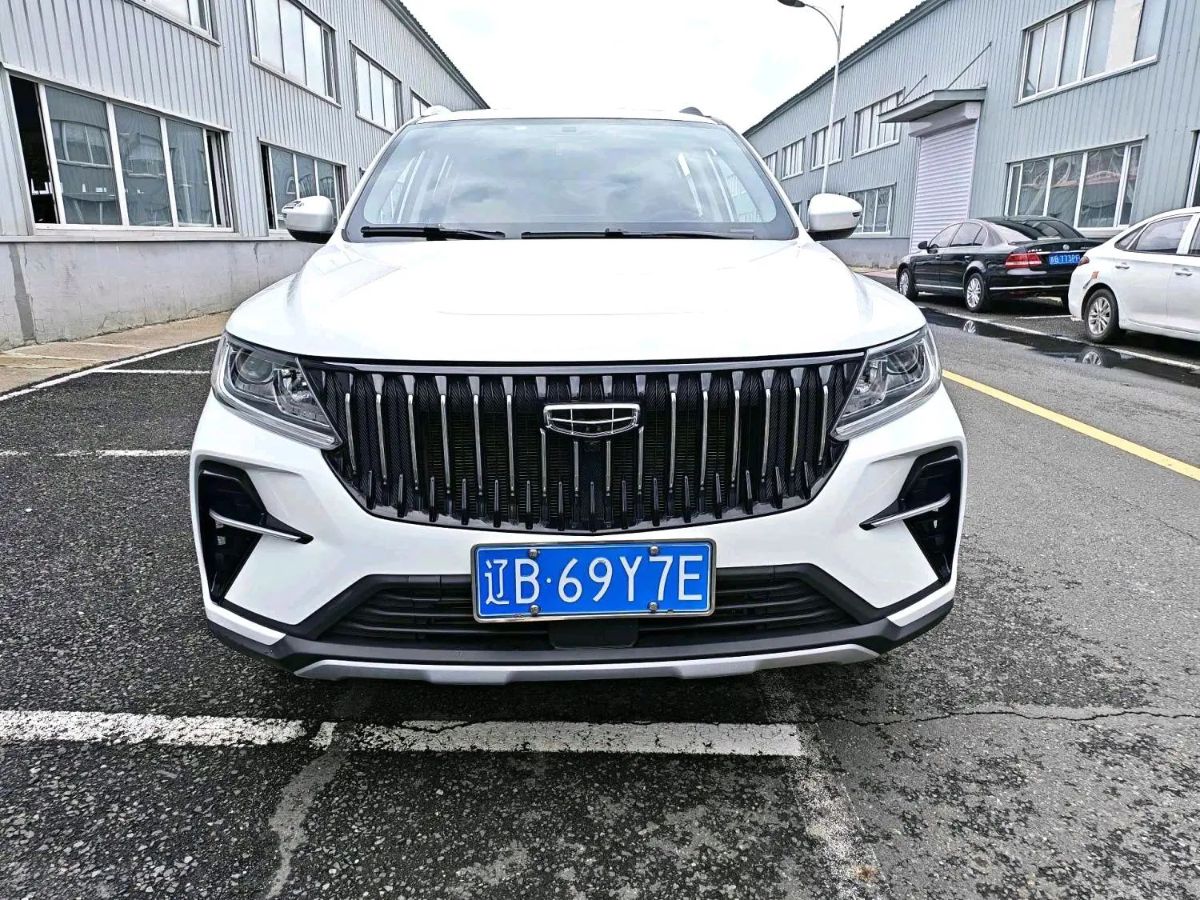
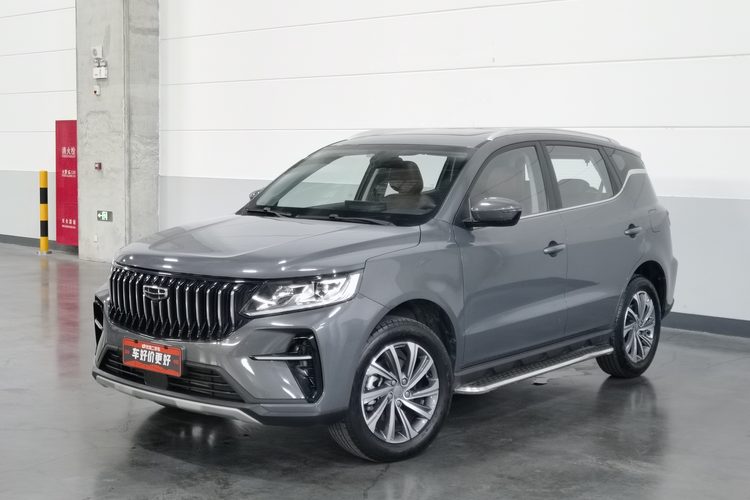
BrandGEELY
SeriesVision X6
Year2020
First Registration2020/11
Mileage68,000km
Transfer Count0times
FuelGasoline
TransmissionCVT
Engine1.4T 141 L4
Color
Seats5seats

Condition Description

官方质检 · 60天全车质保· 7天无理由有偿退车

Configuration Highlights

✓上牌时间: 2020-11
✓表显里程: 6.8万公里
✓车源地: 深圳
✓排放标准: 国六
✓发动机: 1.4T
✓轴距: 2661mm
✓变速箱: 自动
✓最大功率: 104kW
✓功能配置: 13项
✓安全配置: 2项
✓动力类型: 前驱
✓空间舒适性: 不错

Q&A

More

Which electrical features should I test remotely before buying a used Chinese car—windows, sunroof, infotainment, sensors?

Electrical faults are among the most annoying problems to discover after import, because they rarely stop the car from running. Ask the seller for a live video walkthrough testing each item: all four windows up and down, sunroof open/close, central locking (including with the key and remote), infotainment touchscreen, Bluetooth pairing, all cameras (reversing and 360-degree if fitted), parking sensors, interior and exterior lights, and the horn. Also watch the dashboard during startup: every warning light should illuminate briefly and then go out. A light that never appears, or stays on, tells you something needs attention. Pair this with an OBD scan to catch stored fault codes the seller might not mention. If a feature "only works sometimes," assume it is broken and price the repair into your offer.


Why is there a time difference between the production date on the vehicle nameplate and the first registration date on the registration certificate?

The nameplate date is the absolute time when the vehicle leaves the factory; the registration date is when the vehicle is registered with the traffic management department after sale. The difference represents the time the vehicle spent in the dealer's warehouse or logistics. If the time difference exceeds 6-8 months, the vehicle is considered a "stock vehicle," and we pay special attention to the natural aging of its rubber components.

What should I do if something breaks on my used car shortly after it arrives from China?

Act fast and follow the paper trail you built before buying. First, document everything immediately: take photos and videos of the fault, note the date of arrival and the odometer reading. Most exporters offer a commercial warranty window (typically 15-30 days after arrival) for major components like the engine, transmission and high-voltage battery. Contact the exporter in writing with the evidence, referencing your contract's warranty clause. For minor issues, a common arrangement is that they air-freight the spare part to you or reimburse a capped repair amount at a local workshop. To protect yourself before purchase: get the warranty terms written into the sales contract, including response time, what is covered, and how parts compensation is calculated. Also ask which fast-wearing parts (brake pads, filters, wipers) they recommend buying together with the car, so you are not stuck waiting for a small part from overseas.