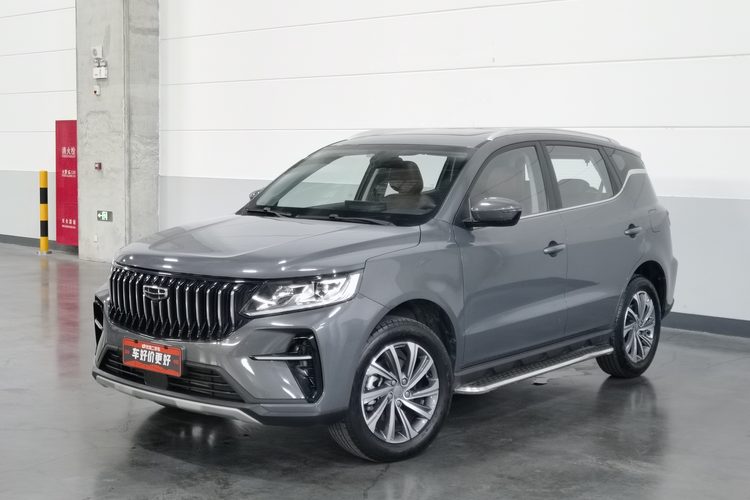
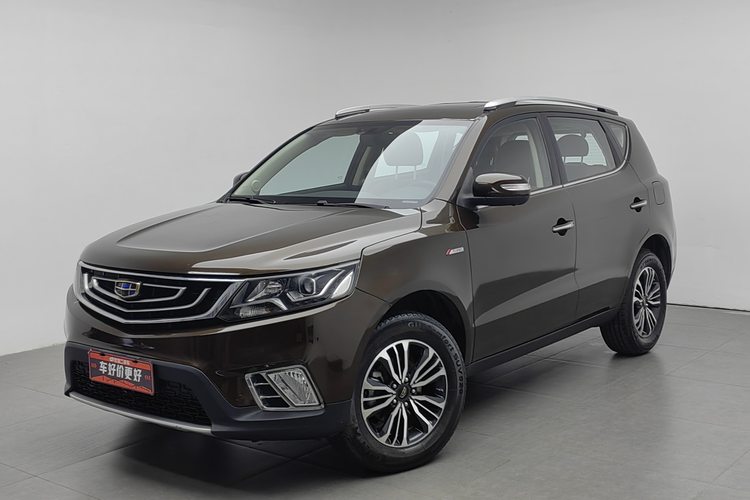
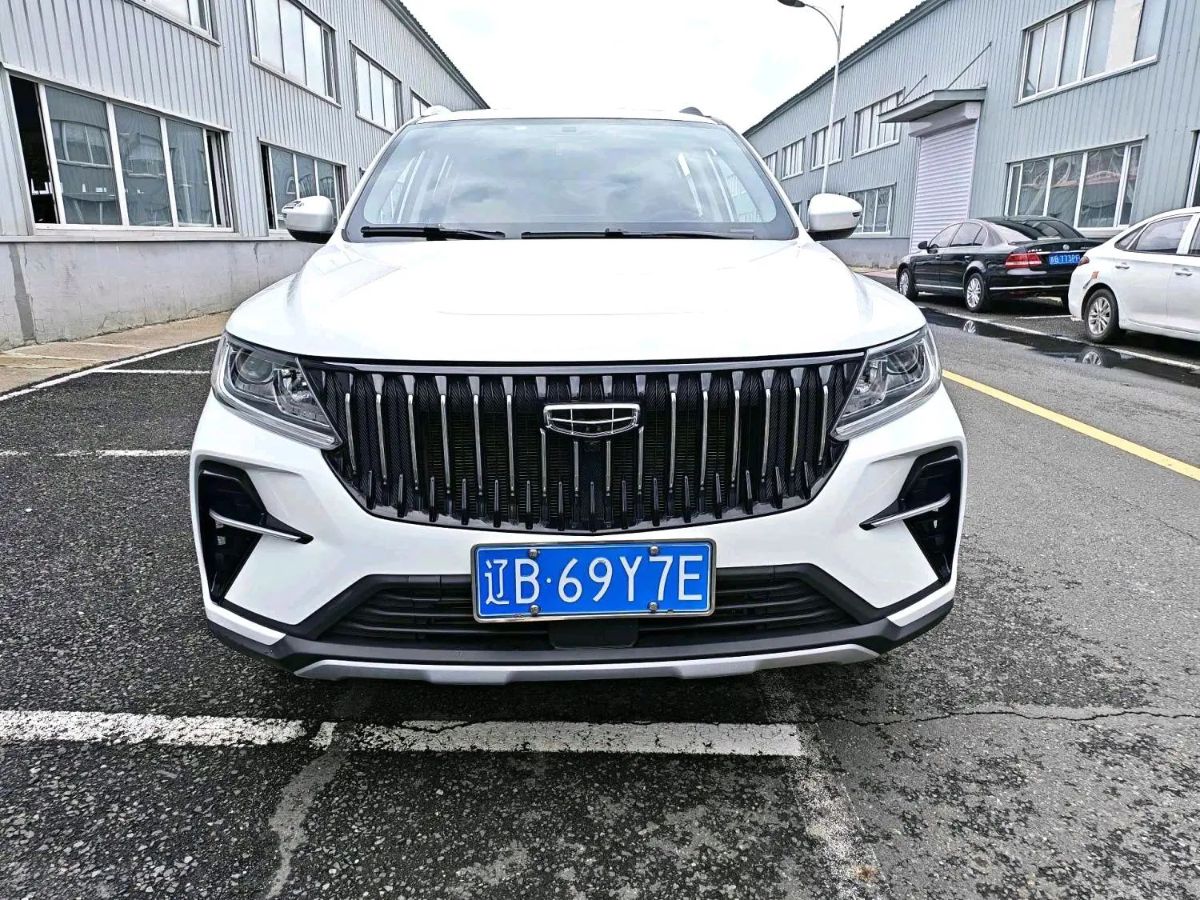
Basic Information

BrandGEELY
SeriesVision X6
Year2021
First Registration2021/03
Mileage88,000km
Transfer Count0times
FuelGasoline
TransmissionManual
Engine1.4T 141 L4
Color
Seats5seats

Condition Description

官方质检 · 60天全车质保· 7天无理由有偿退车

Configuration Highlights

✓上牌时间: 2021-03
✓表显里程: 8.8万公里
✓车源地: 十堰
✓排放标准: 国六
✓发动机: 1.4T
✓轴距: 2661mm
✓变速箱: 手动
✓最大功率: 104kW
✓功能配置: 10项
✓安全配置: 2项
✓动力类型: 前驱
✓空间舒适性: 不错

Q&A

More

If we have a dispute in the transaction, which country's laws govern the car purchase contract?

To ensure the legal rights of both parties, the "International Used Car Sales Contract" we signed is in both Chinese and English. Generally, the contract is governed by Chinese law. All liabilities for breach of contract and force majeure clauses will be clearly defined in the contract.


Will OTA remote upgrades and mobile app control still work after the vehicle is exported overseas?

We must inform you objectively: Most Chinese car manufacturers' connected services (cloud servers) are restricted by data security regulations and overseas network limitations. Once the vehicle leaves China, the factory-installed SIM card will become inactive. This means that official OTA upgrades and factory mobile app remote controls (like pre-cooling the car or unlocking doors) typically cannot be used overseas. The vehicle will operate as a standalone version, but this will not affect basic driving and physical button functions.

Should I ship my used car from China in a container or by roll-on/roll-off (RORO)?

It depends on the car's value, type and destination. RORO means the car is driven onto the vessel and secured on deck or in the hull. It is usually cheaper per car and does not involve container packing fees. The downside: the car sits exposed to salt air for weeks, and RORO service is limited to ports with dedicated terminals. Container shipping (one 20ft or 40ft container per 1-2 cars) costs more but gives much better protection. It is strongly recommended for electric vehicles (battery safety regulations), luxury cars, and vehicles going on long voyages or rough sea routes. Practical tips: whichever method you choose, ask for the car to be shipped with a full battery charge disconnected at the terminals, tire pressures adjusted, and a condition report with photos signed at loading. For EVs, confirm the shipping line accepts used electric vehicles and what state-of-charge limits apply.