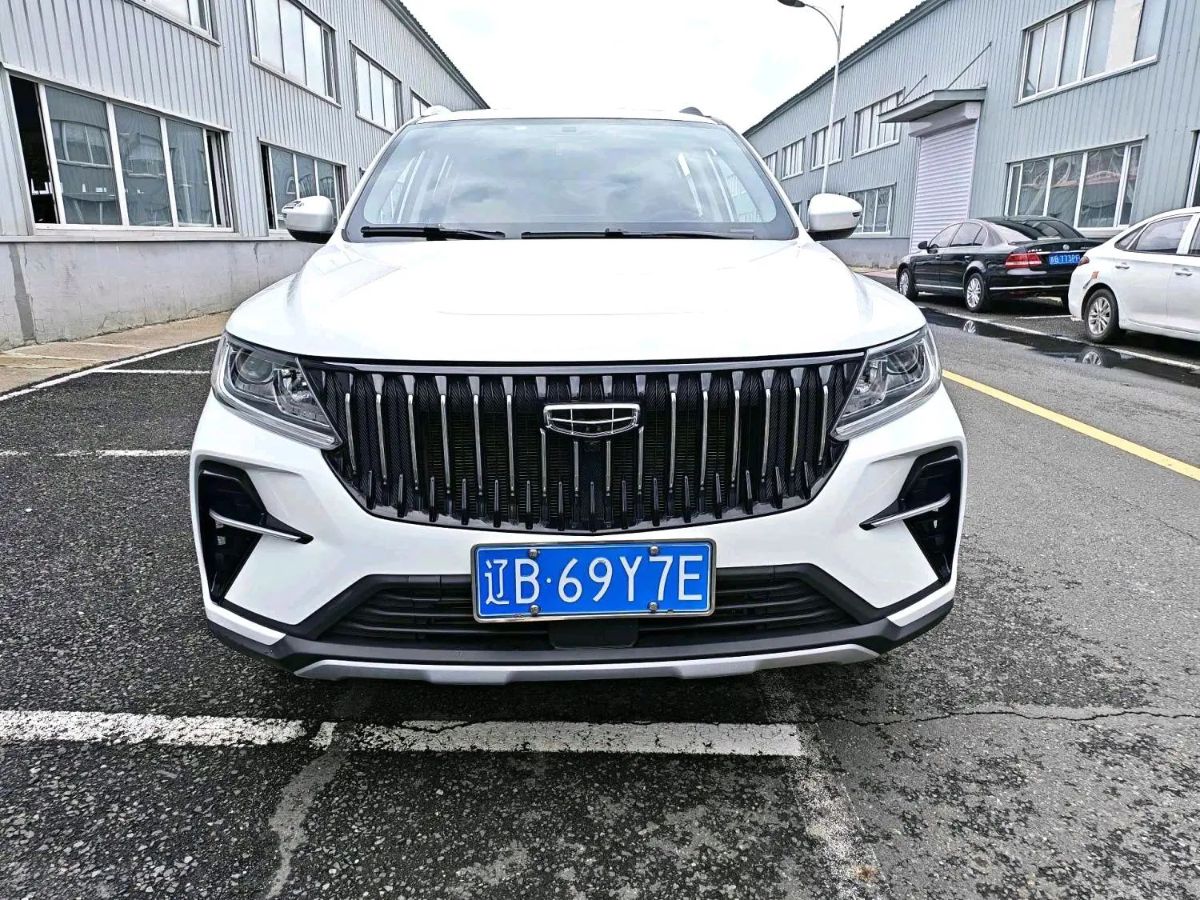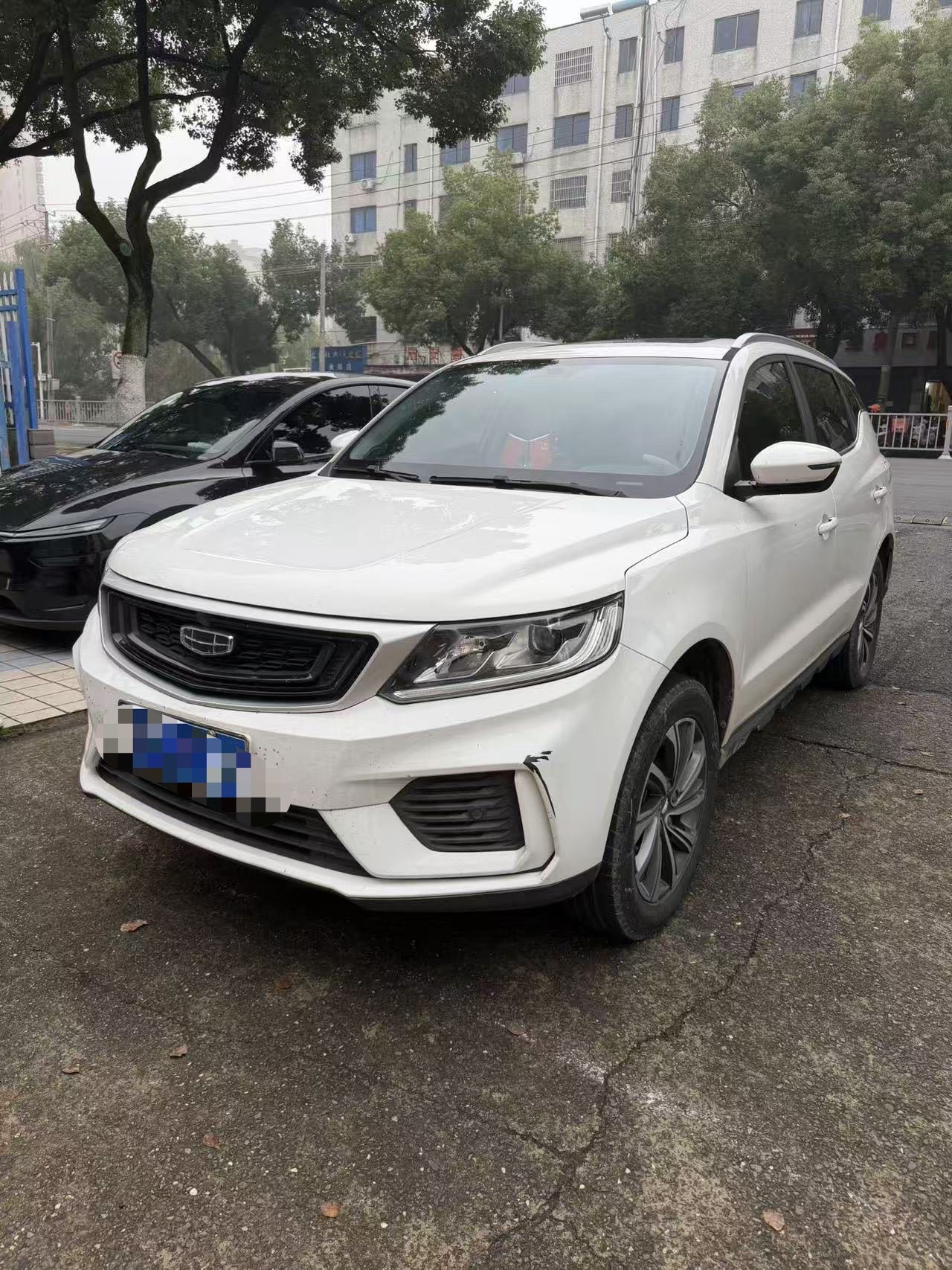
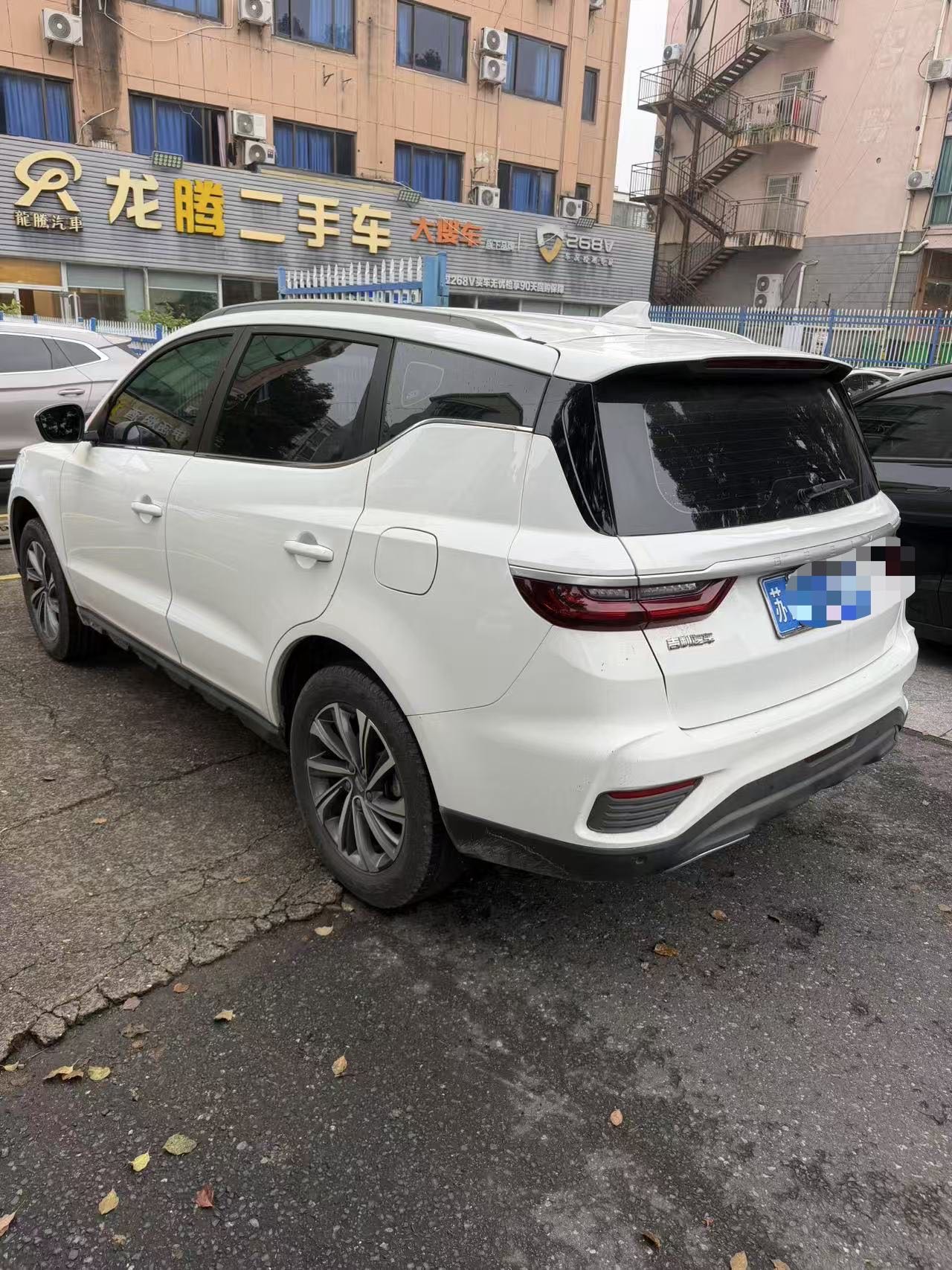
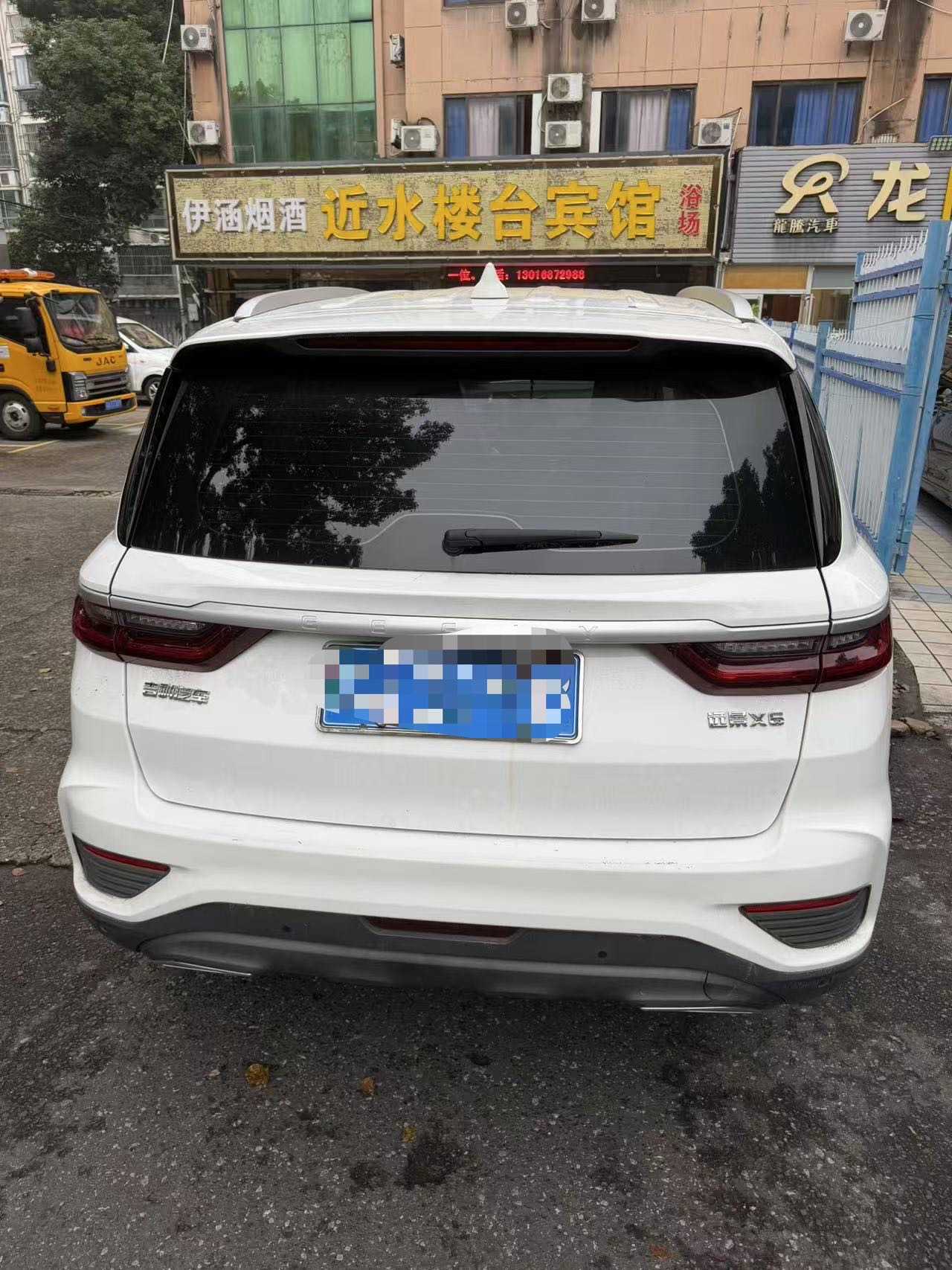
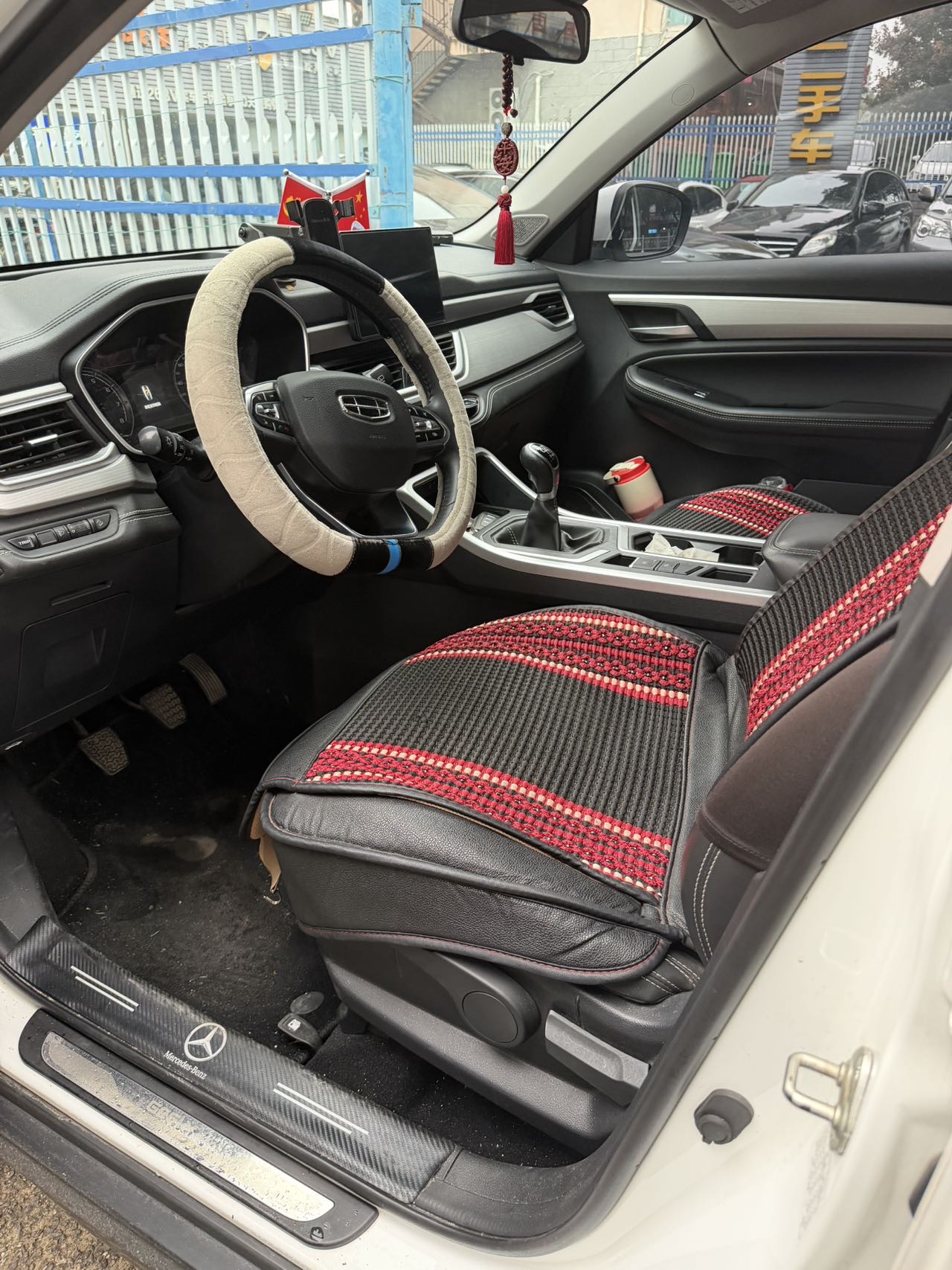
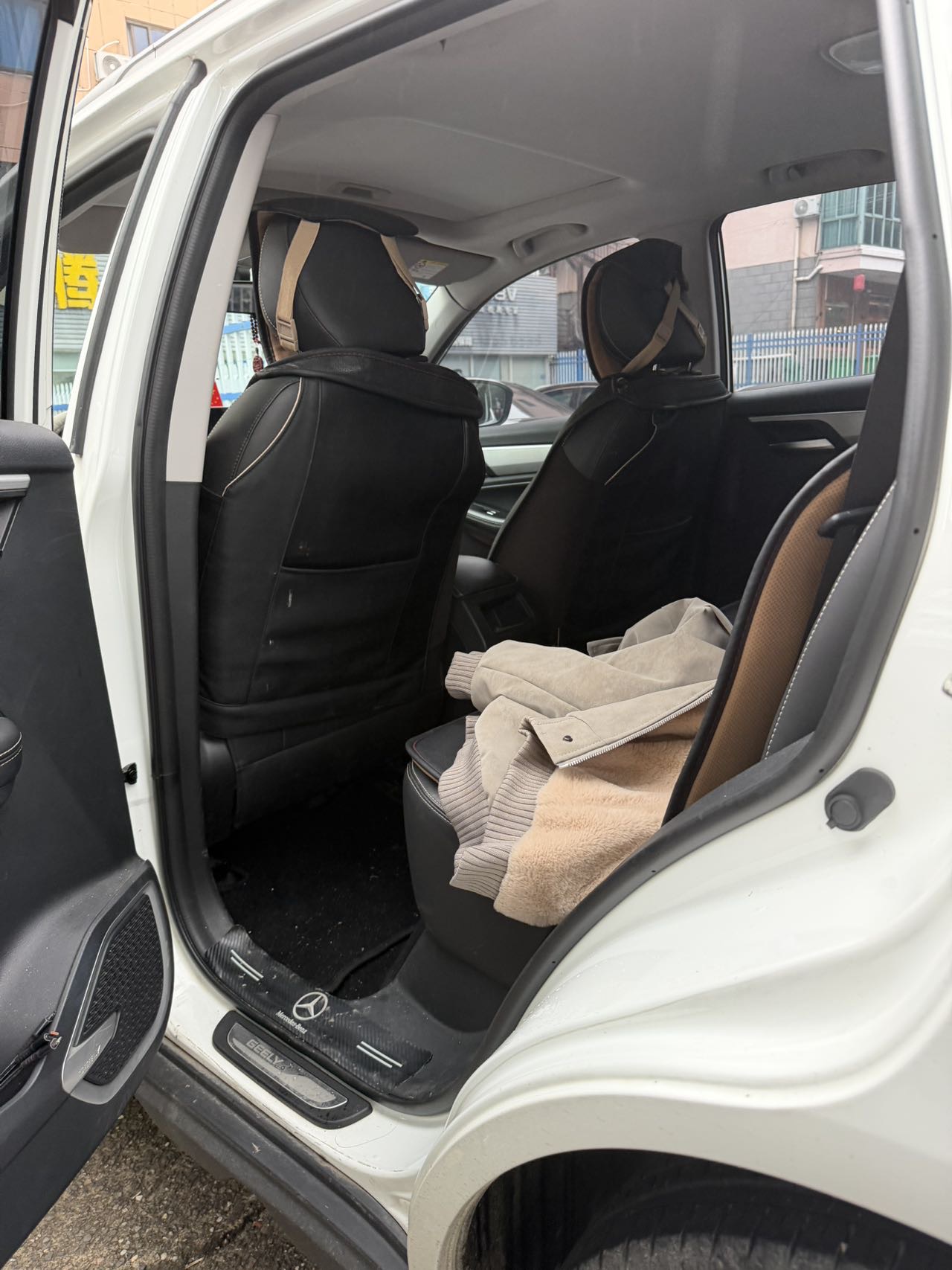
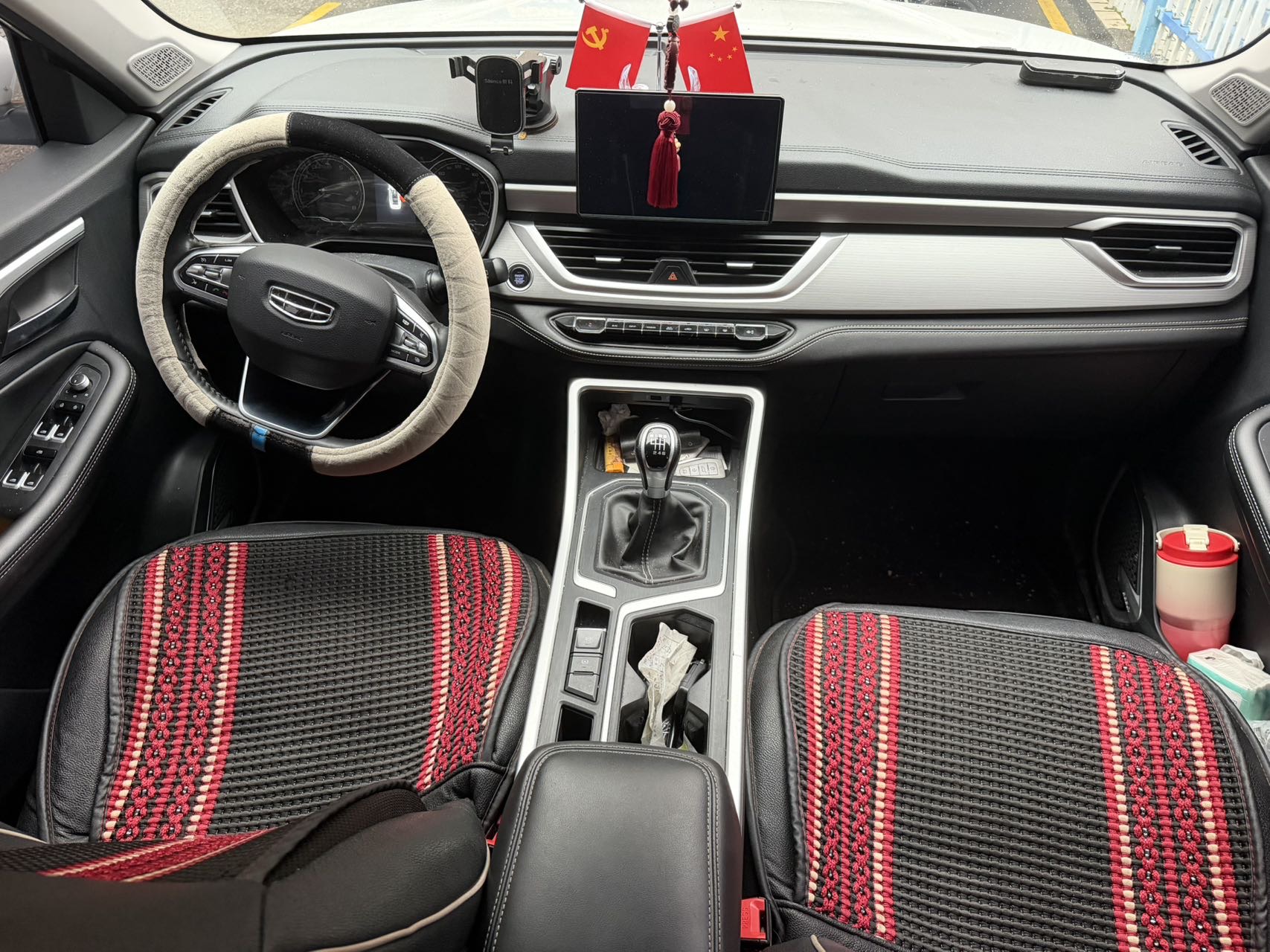
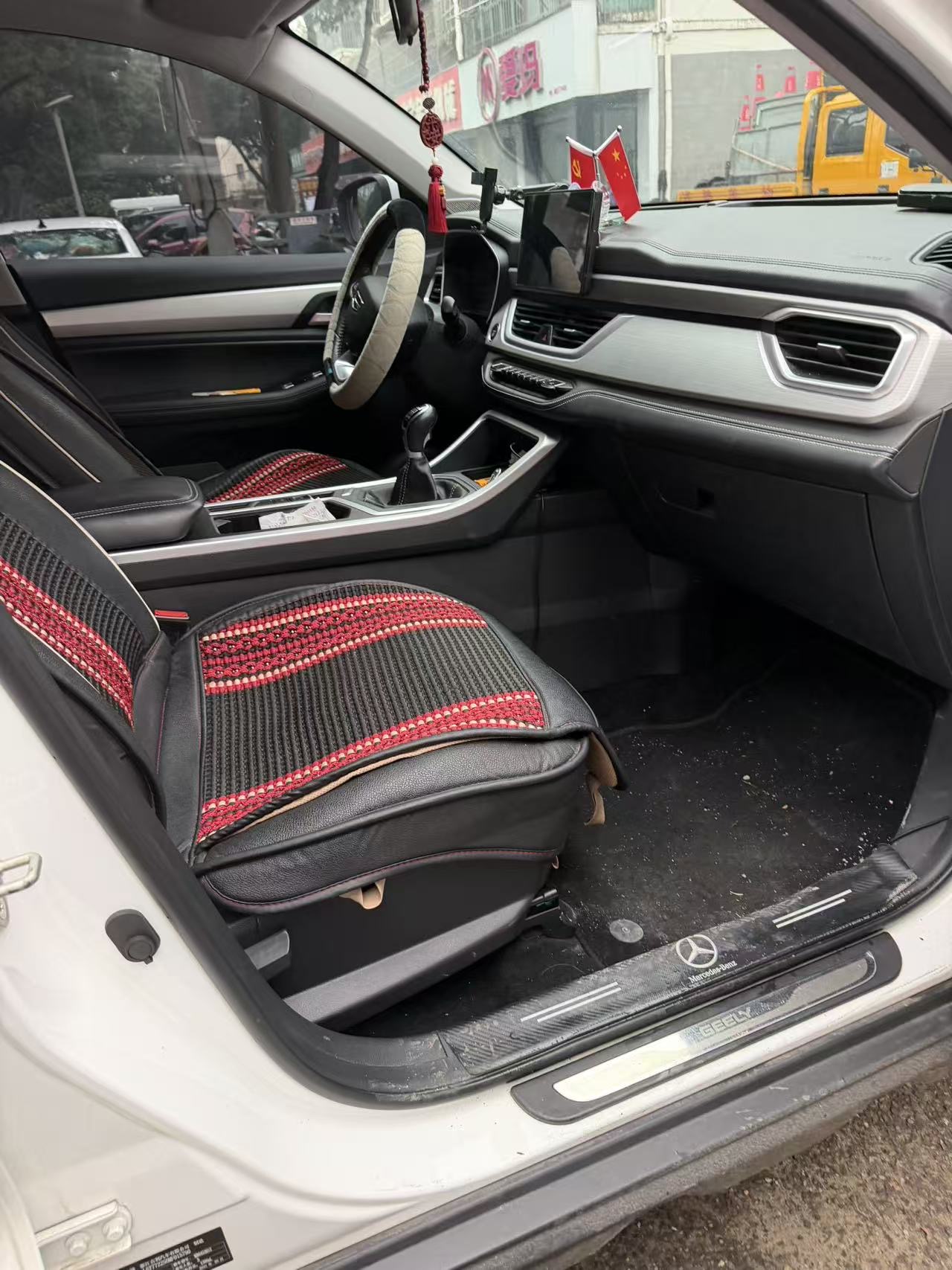
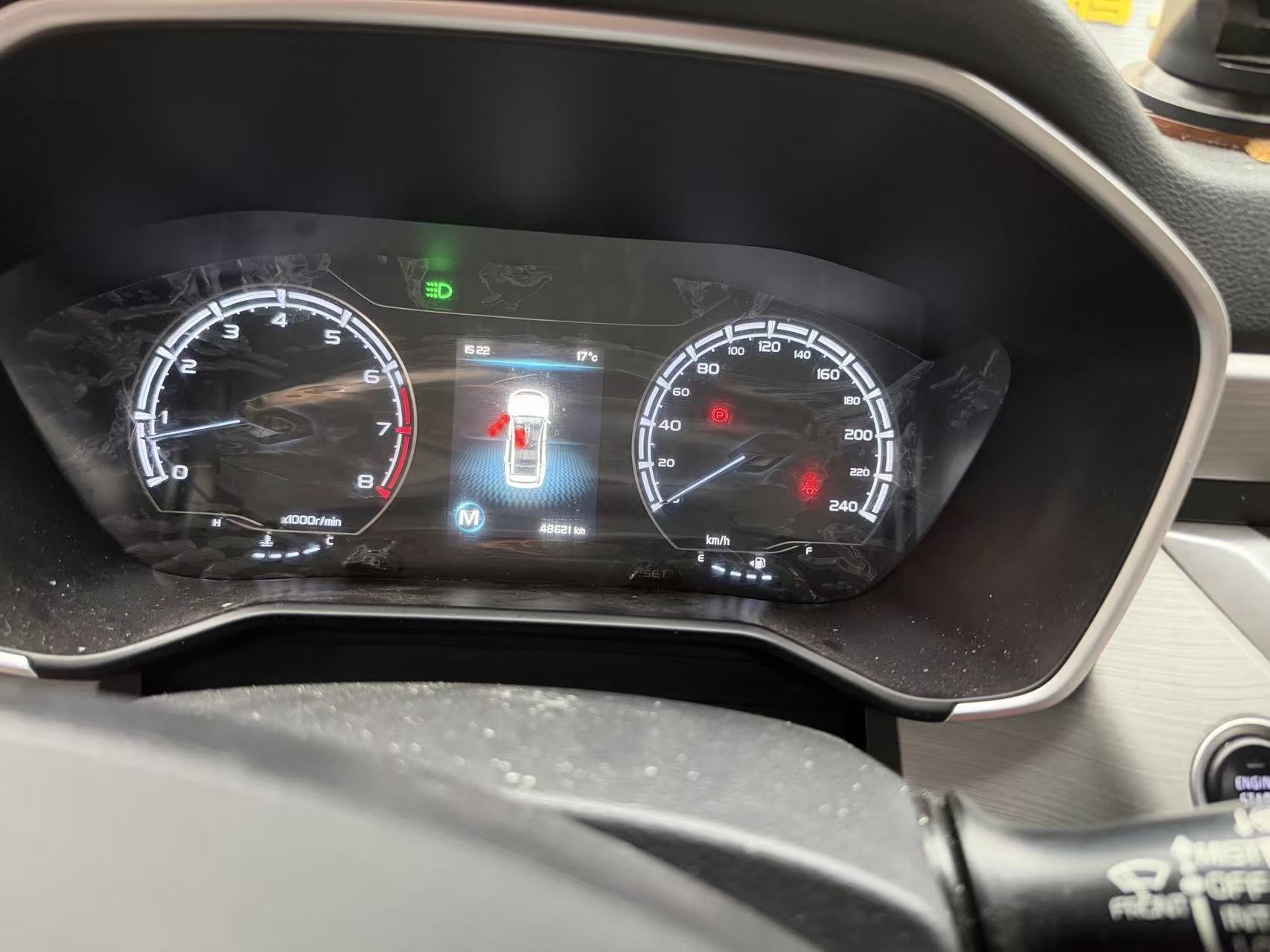
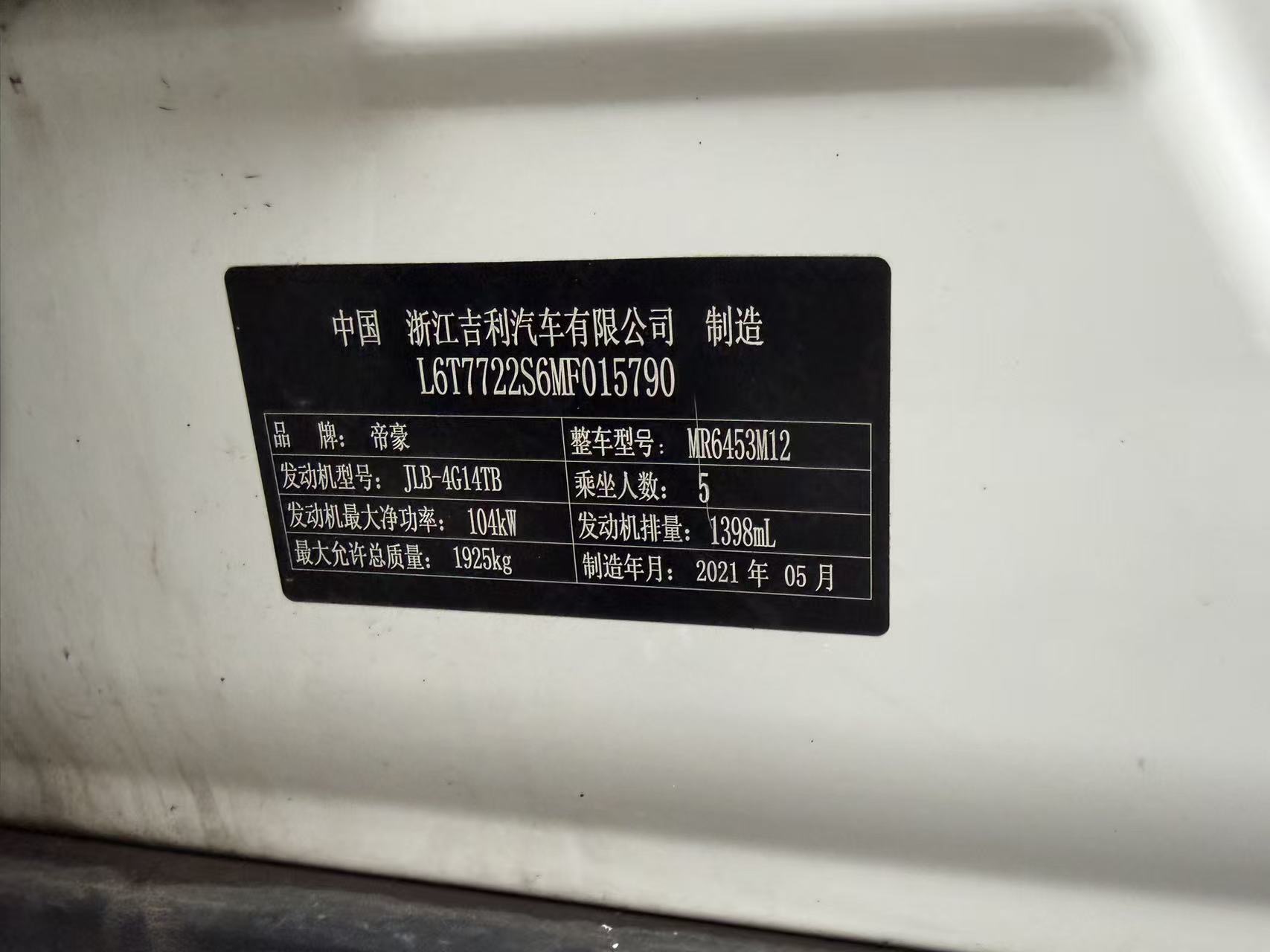



Basic Information

BrandGEELY
SeriesVision X6
Year2021
First Registration2021/11
Mileage48,000km
Transfer Count1times
FuelGasoline
TransmissionManual
Engine1.4T 141 L4
ColorWhite
Seats5seats

Condition Description

Original paint, no repaint.

燃油车
SUV
手动
维保开放
事故开放
查验开放

Configuration Highlights

✓品牌: 吉利汽车
✓车系: 远景X6
✓车型: 2021款 PRO 1.4T 手动尊贵型
✓车身类型: SUV
✓座位数: 5
✓排量: 1.4T
✓变速箱: 手动
✓能源类型: 燃油车
✓VIN: L6T7722S6MF015790
✓搜索关键词: 吉利汽车远景X6 2021款远景X6PRO1.4T手动尊贵型

Q&A

More

What situations are usually included in "minor cosmetic wear" as stated on the details page?

It usually refers to very small stone chips on the hood from high-speed driving, nail scratches on the inside of door handles, slight curb scratches on the edges of wheels, and minor wear on interior plastic parts. These do not affect the vehicle's functionality or corrosion resistance.


When buying a used Chinese EV, how do I read the battery health (SOH) report, and what percentage is still acceptable for import?

State of Health (SOH) tells you how much of the original battery capacity remains. Here's how to use it. Reading the report: SOH is usually shown as a percentage of original capacity. A car at 90% SOH retains roughly 90% of its original range. Also check for cell imbalance (voltage spread between modules)—a low SOH with balanced cells is often fine, but high imbalance causes sudden range drops and charging problems. Acceptable thresholds: for a car under 3 years old, expect 90%+ SOH. For 3-5 years, 85-90% is normal. Below 80% SOH, the battery may soon need replacement—replacement costs can exceed the car's value, so negotiate hard or walk away. How to verify: don't trust a screenshot. Ask for a live screen recording of the diagnostic app (like the brand's official tool) starting from the car's VIN page. Cross-check the fast-charging curve: a healthy battery charges at near-peak rate up to 60-70%; a degraded one tapers early. Finally, remember that hot climates degrade batteries faster—if the car spent its life in southern China, scrutinize SOH more carefully.

Why is there a time difference between the production date on the vehicle nameplate and the first registration date on the registration certificate?

The nameplate date is the absolute time when the vehicle leaves the factory; the registration date is when the vehicle is registered with the traffic management department after sale. The difference represents the time the vehicle spent in the dealer's warehouse or logistics. If the time difference exceeds 6-8 months, the vehicle is considered a "stock vehicle," and we pay special attention to the natural aging of its rubber components.