


24H

Basic Information

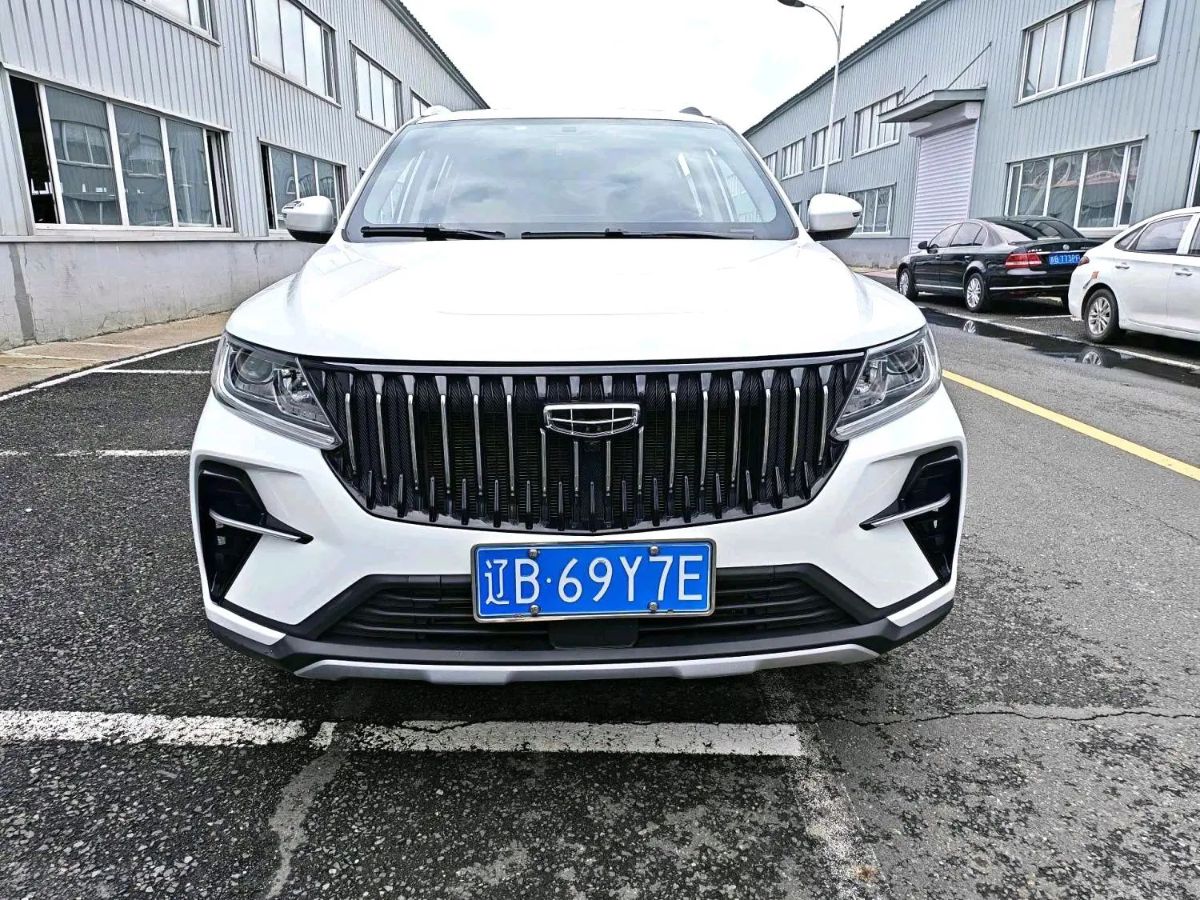
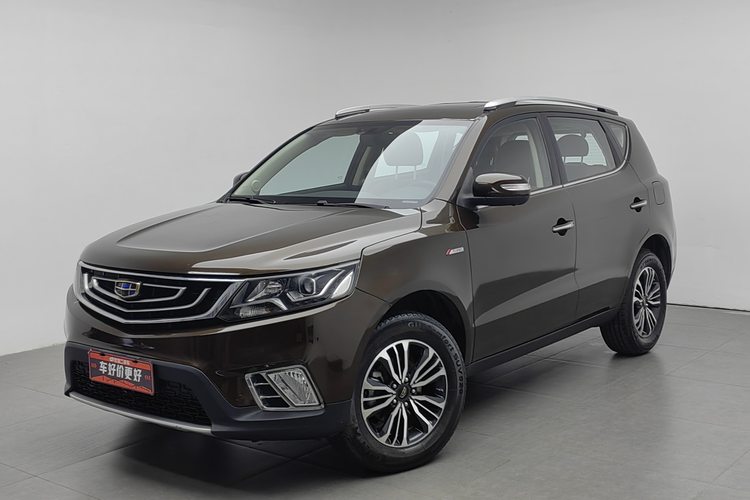
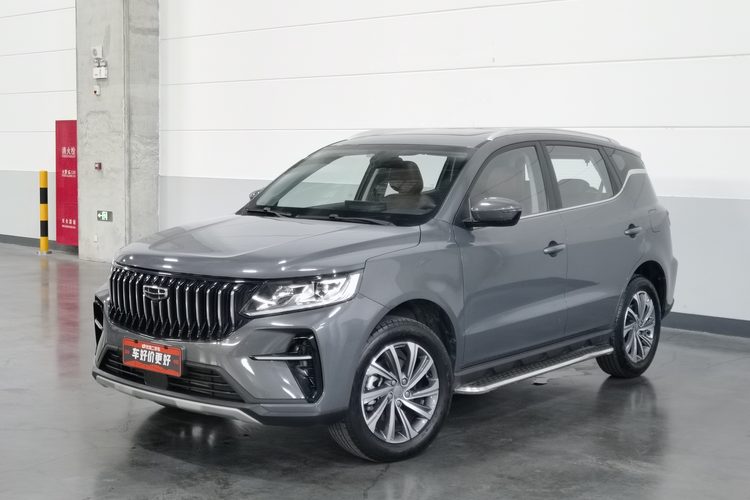
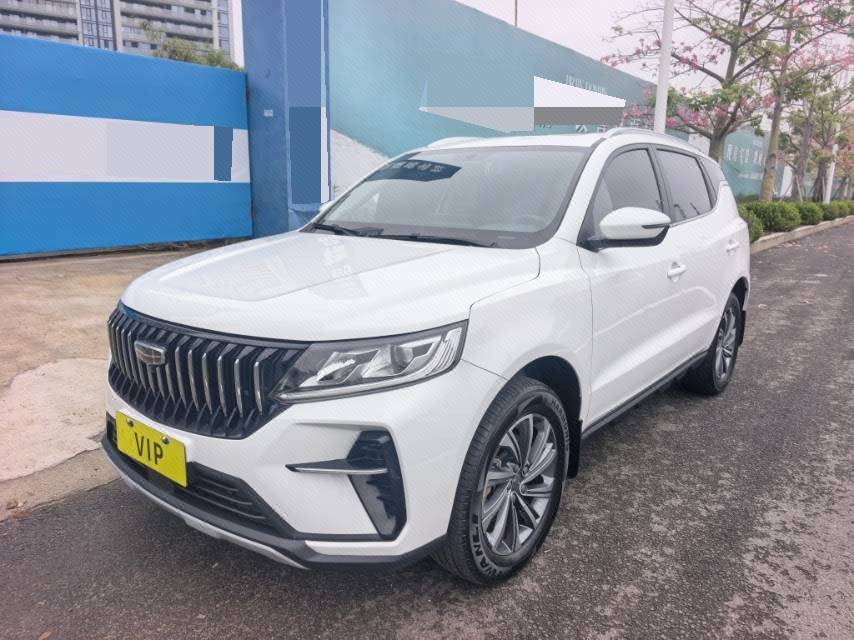
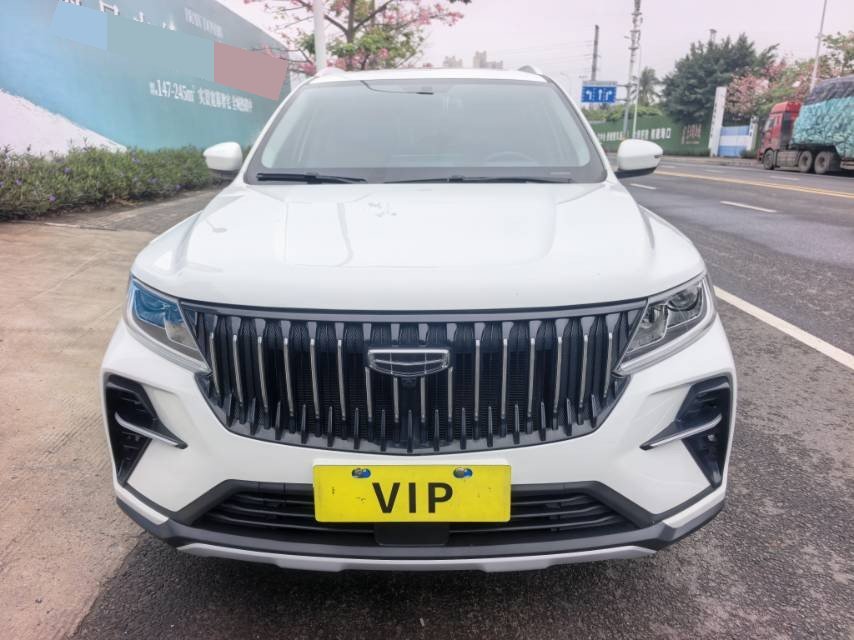
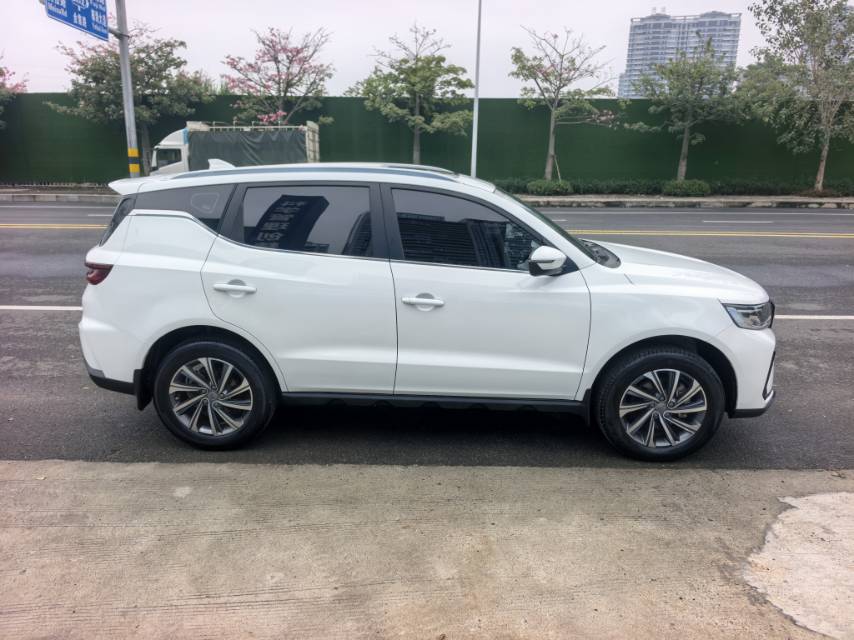
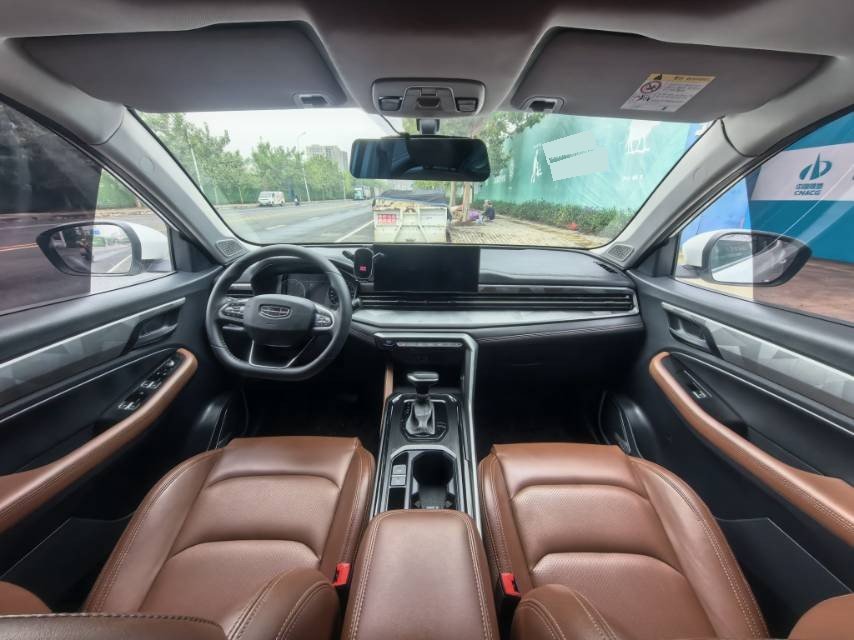
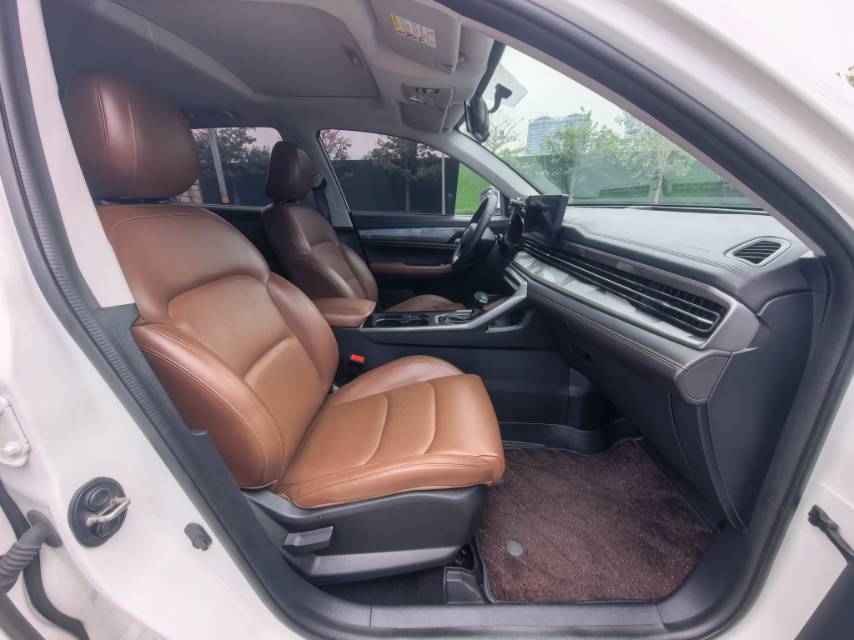
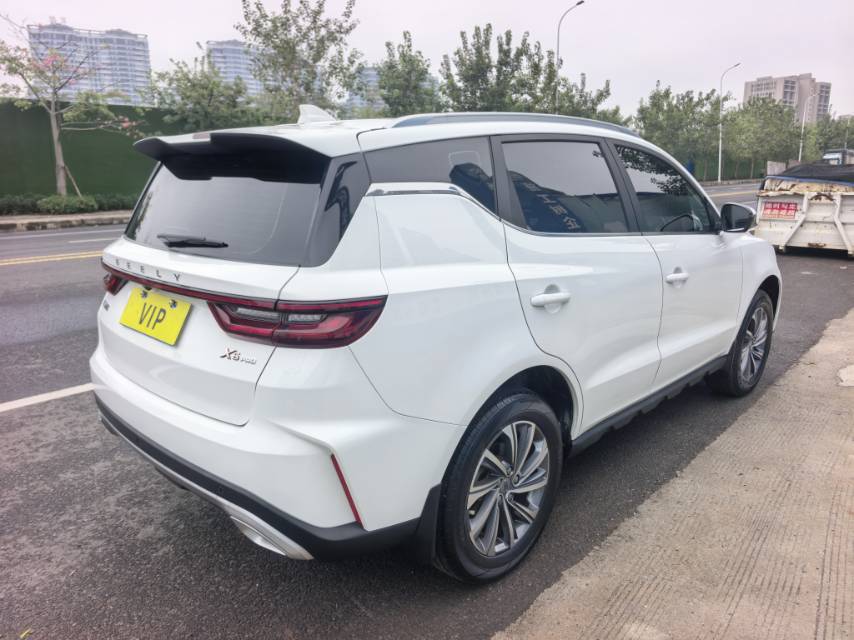
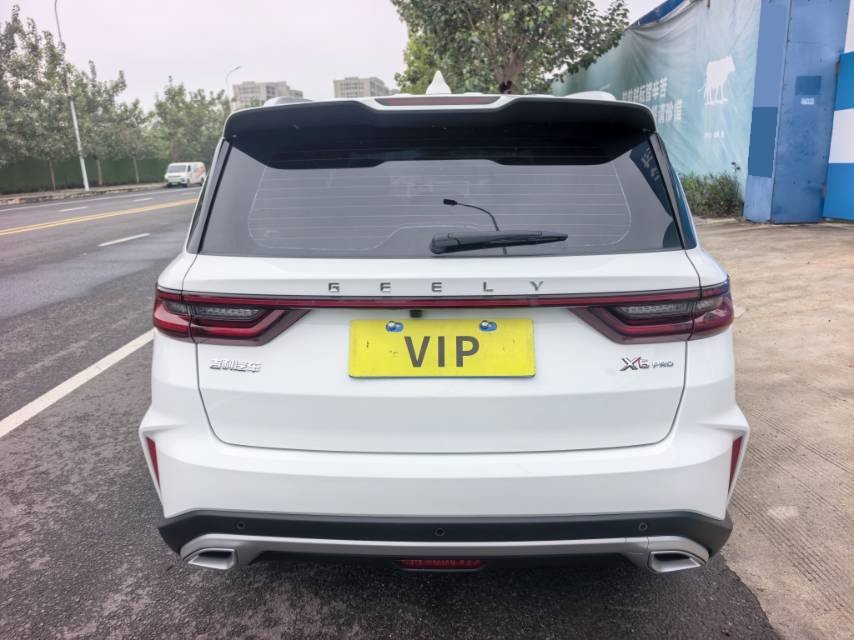
BrandGEELY
SeriesVision X6
Year2022
First Registration2022/04
Mileage53,000km
Transfer Count0times
FuelGasoline
TransmissionManumatic
Engine1.4T 141 L4
ColorWhite
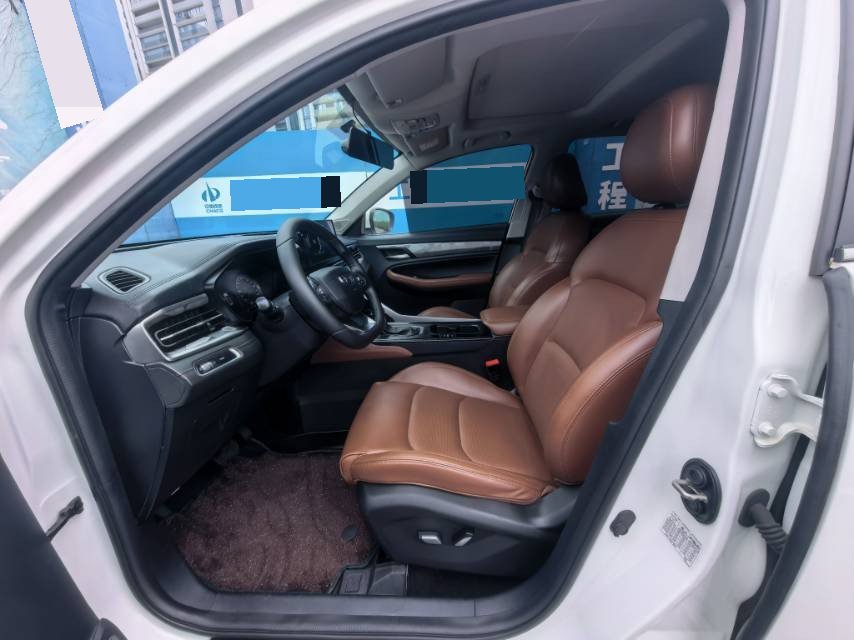
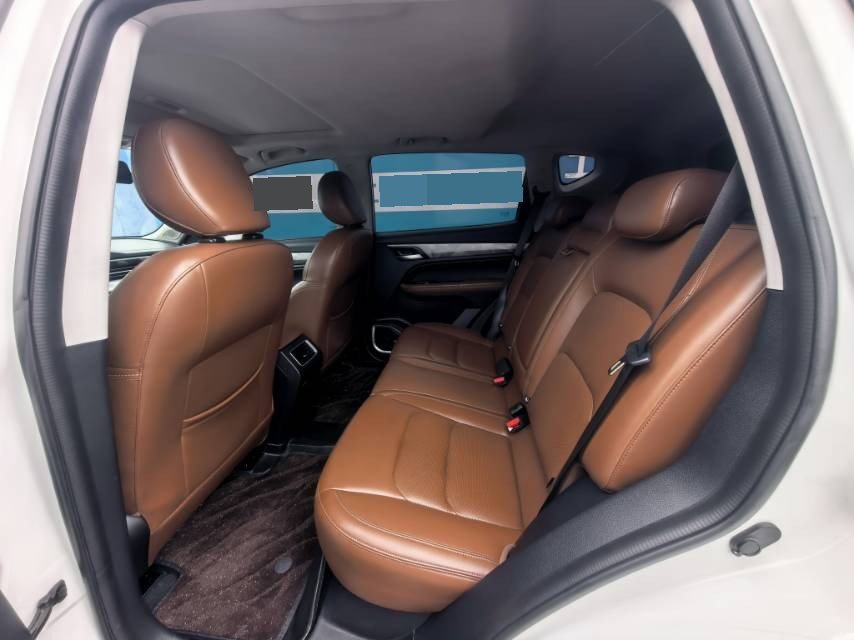
Seats5seats

Condition Description

Actual mileage over 50,000 km. Excellent condition with Dr. Cha S-level inspection. Excessive paintwork; cannot be exported.

Document Information

Inspection Expiry Date-
Warranty Expiry Date-
Insurance Expiry Date2027/04

Q&A

More

Will a used Chinese EV's apps, OTA updates and connected services work in my country?

It depends on the brand and model, so verify before you buy. Three things to check. First, connectivity: many Chinese EVs use embedded SIMs tied to Chinese carriers. Abroad, remote app control, live navigation and some cloud services may stop working unless the car can switch to a local SIM or the brand operates servers in your region. Second, language and navigation: ask the exporter to show the system menu in English or your language, and confirm the maps can be switched to your region — some head units carry China-only map data. Third, charging: verify the charge port standard (GB/T, CCS or Type 2) and whether the onboard AC charger accepts your local grid voltage and frequency. Also ask about OTA updates: official overseas models usually receive them; grey-import cars often do not. Get these answers in writing from the seller, and test the connected features over a video call before shipping.


How do I evaluate rust and corrosion on a used car from China, especially for coastal cities or snowy regions?

Rust is a deal-breaker that photos can hide, so be systematic. High-risk areas to check: 1. Underbody and frame rails—surface rust is normal, but flaking or bubbling paint means advanced corrosion 2. Wheel arches and rocker panels—these trap mud and salt 3. Door bottoms and the trunk floor—water collects here; lift the trunk mat and look for dampness or repair welds 4. Around the windshield and sunroof drains—leaks cause hidden rust in the A-pillars Ask the inspector to do a magnet test: filler-repaired areas won't hold a magnet, indicating past accident repairs. A paint thickness gauge reveals resprayed sections—uniform readings around 80-150 microns are normal; spikes over 300 suggest bodywork. Cars from northern China (salted roads in winter) or coastal cities need extra scrutiny on the underbody. If structural members show corrosion, walk away—repairs rarely restore original strength.

How do I make sure the VIN on my used car from China matches all the export paperwork?

VIN consistency is checked at customs in both China and your country, and a mismatch can block clearance. Do the following: 1. Verify early: before payment, ask for clear photos of the VIN plate (dashboard, door frame, engine bay on some models) and compare them with the VIN on the purchase contract, inspection report and any registration documents. 2. Check the characters: VINs never contain the letters I, O or Q. If you see them, the document is either fake or mistyped. 3. Decode it: the first 3 characters are the world manufacturer code, characters 4-8 describe the model and configuration. Decode it online to confirm the documents match the actual trim level you are buying. 4. At destination: when the car arrives, re-check the VIN against the bill of lading and your import declaration before accepting delivery. Any discrepancy found before shipping can be corrected cheaply; after arrival it becomes a legal problem. Make VIN verification part of your pre-shipment inspection checklist.