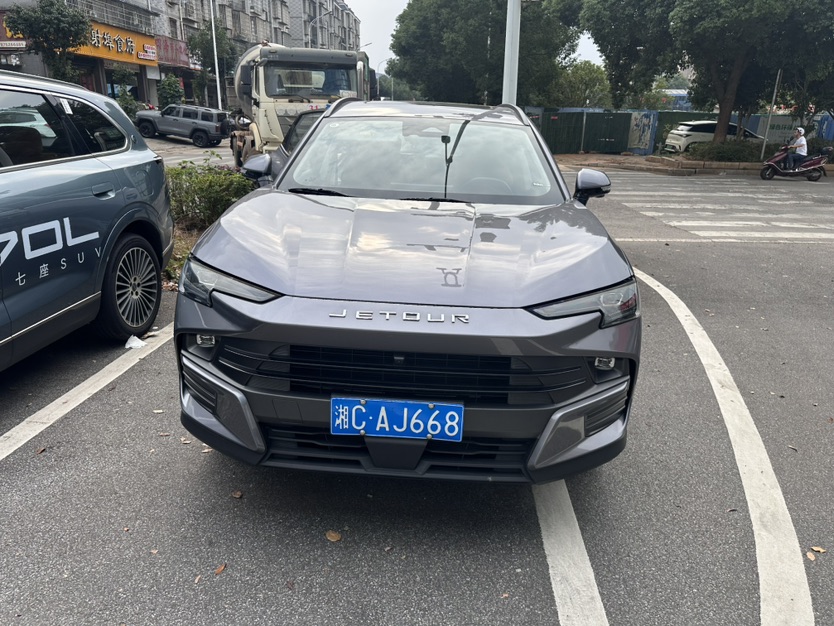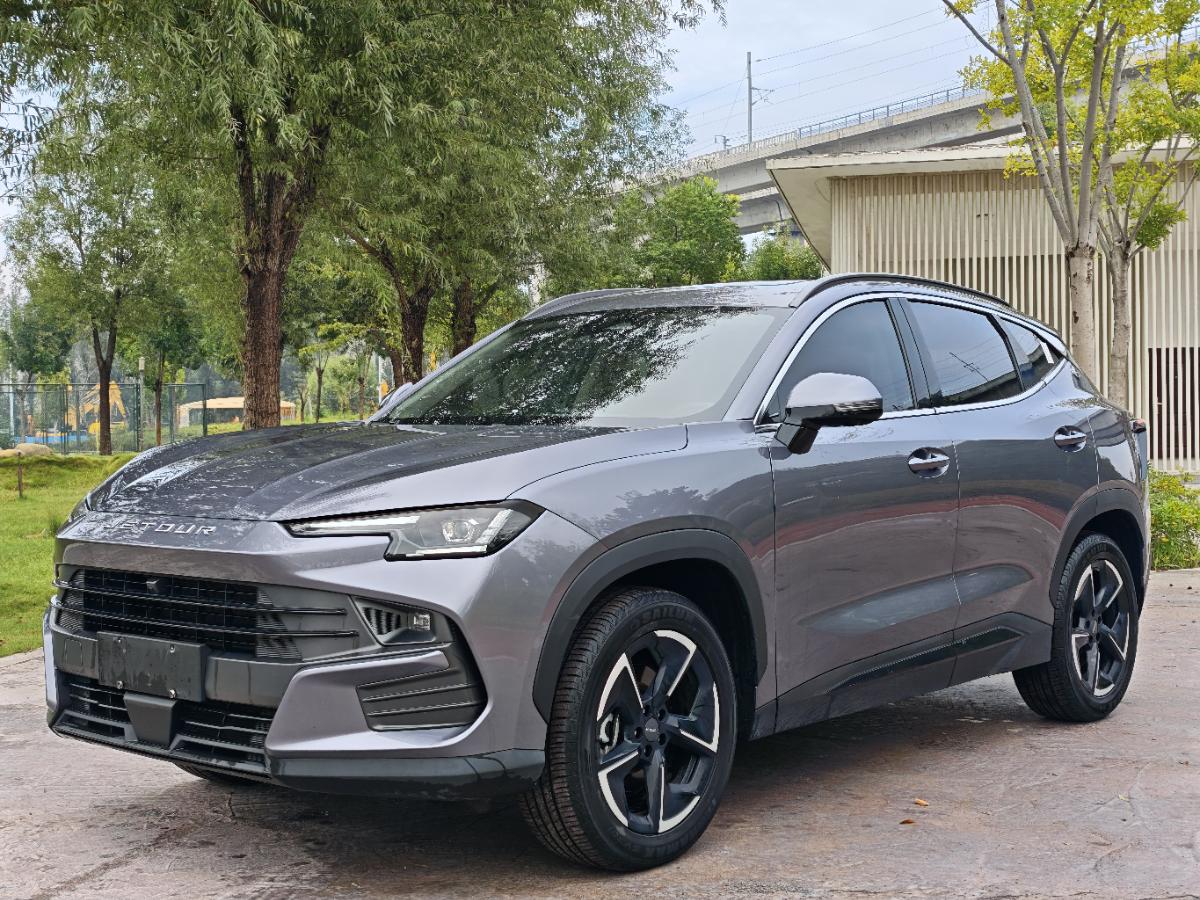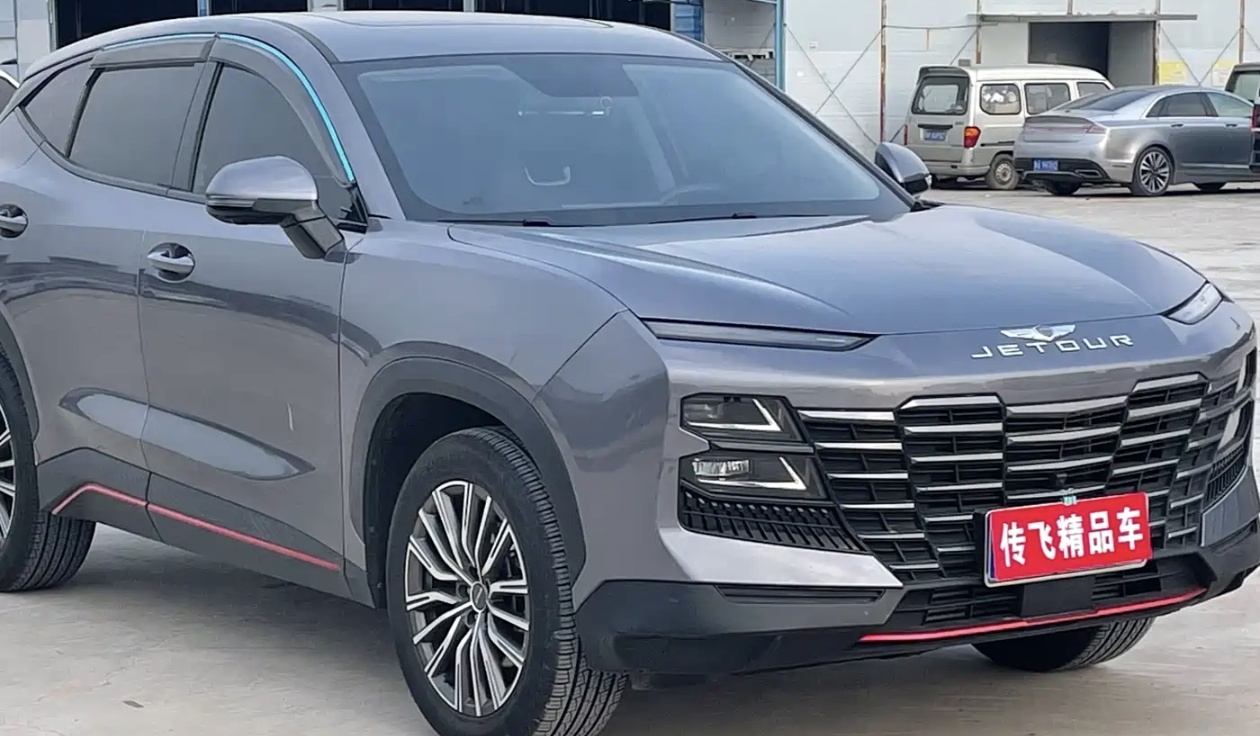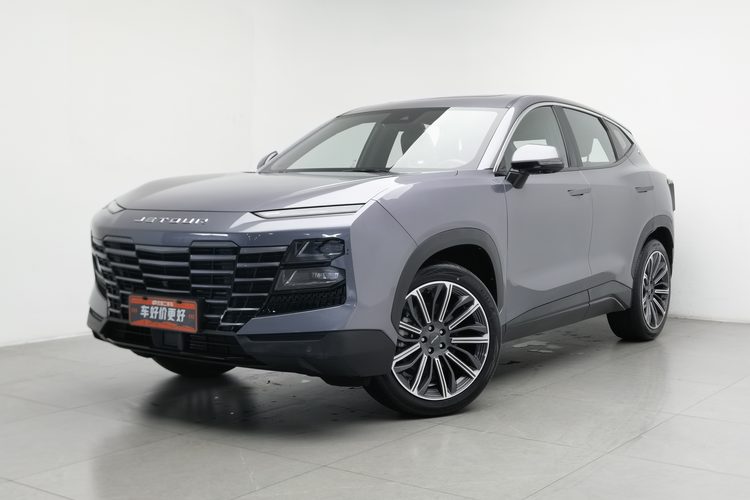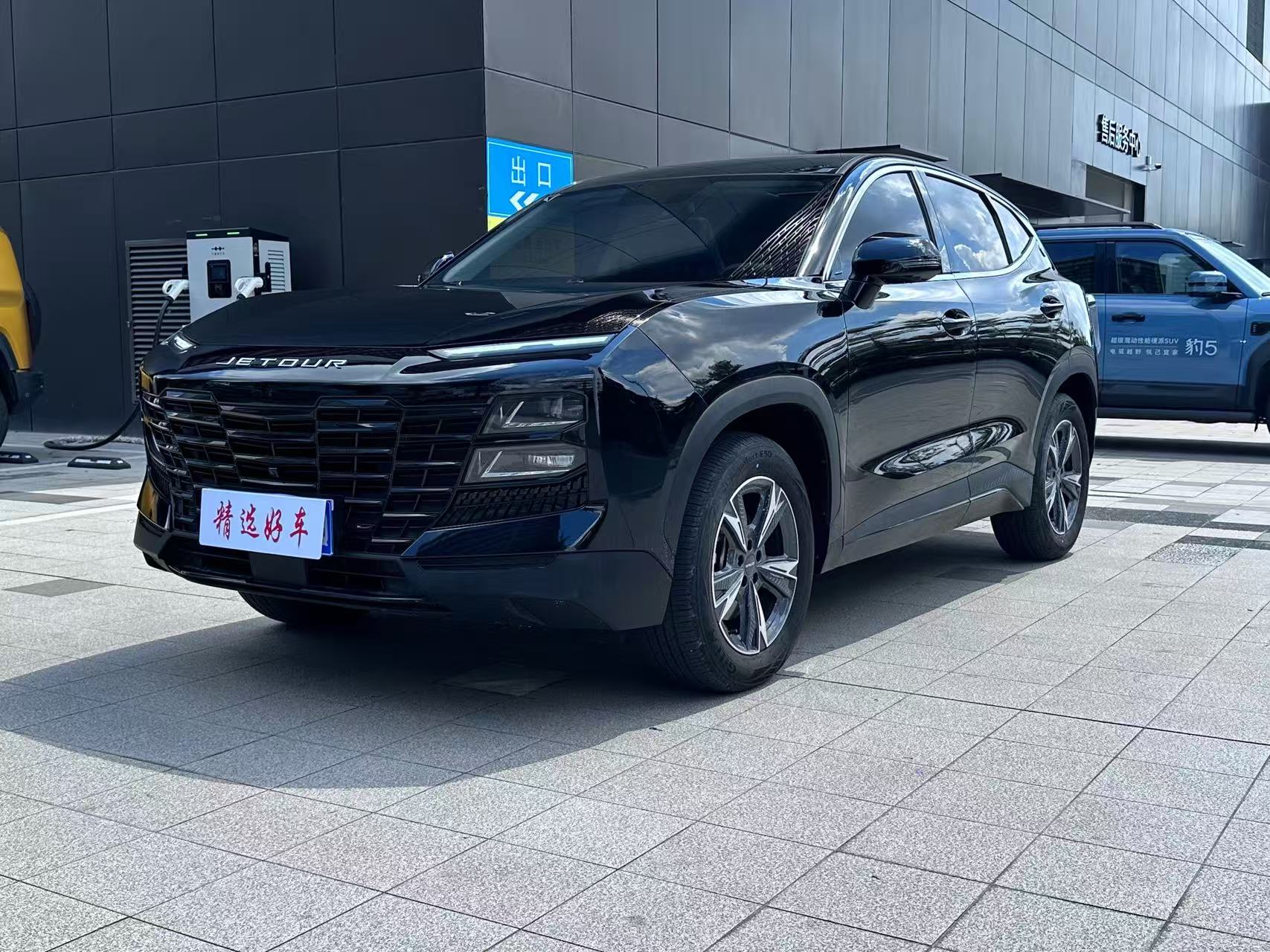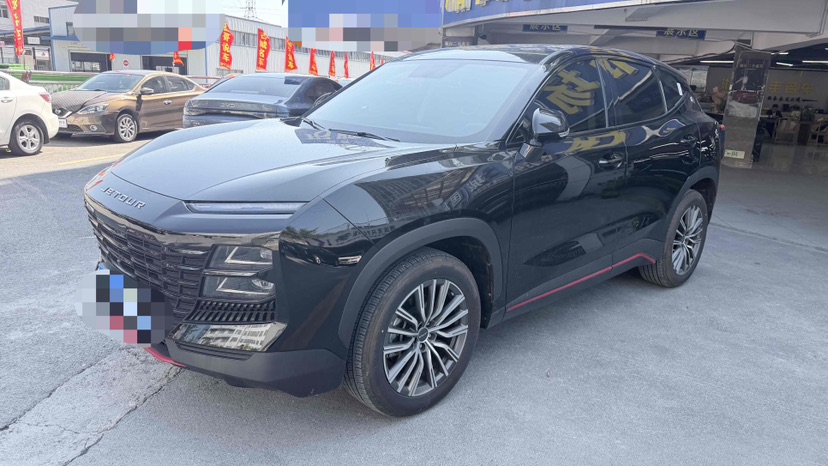
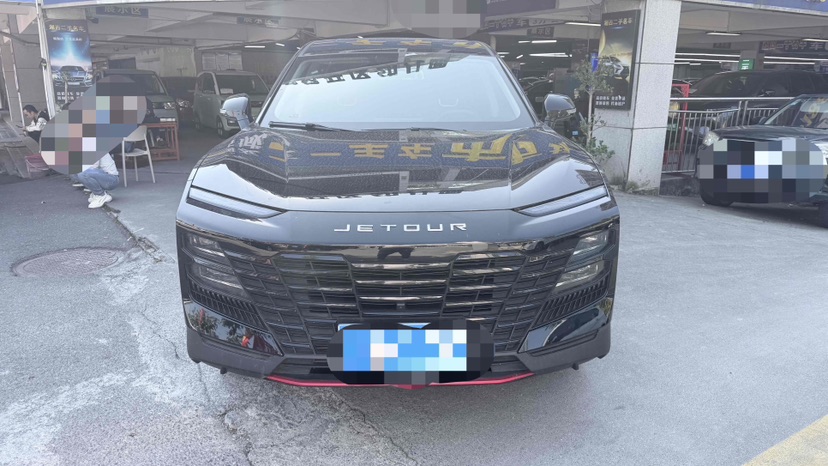
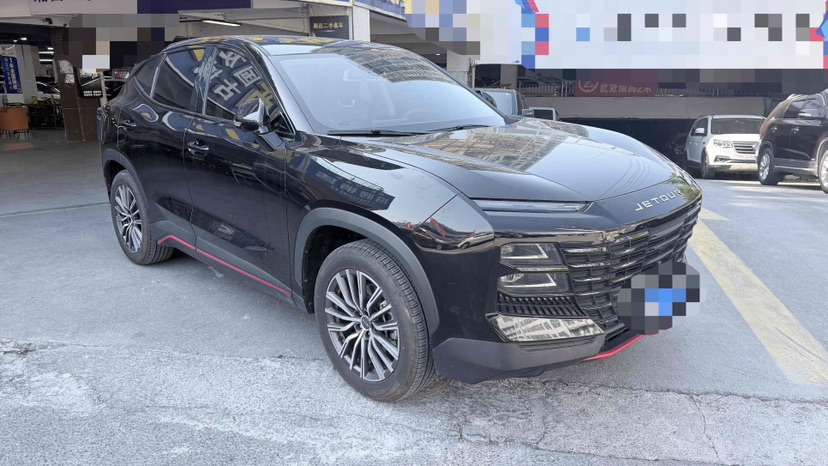
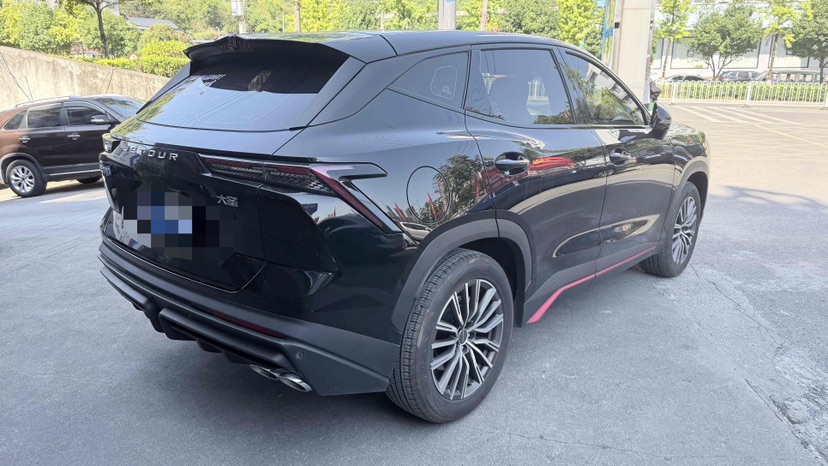
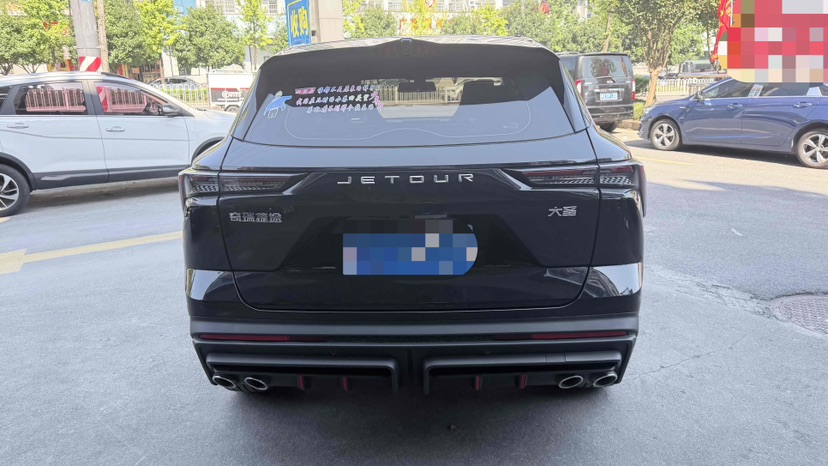
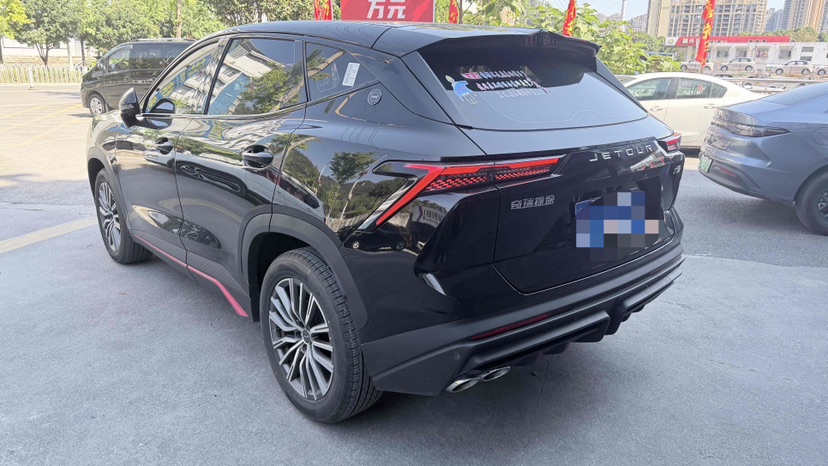
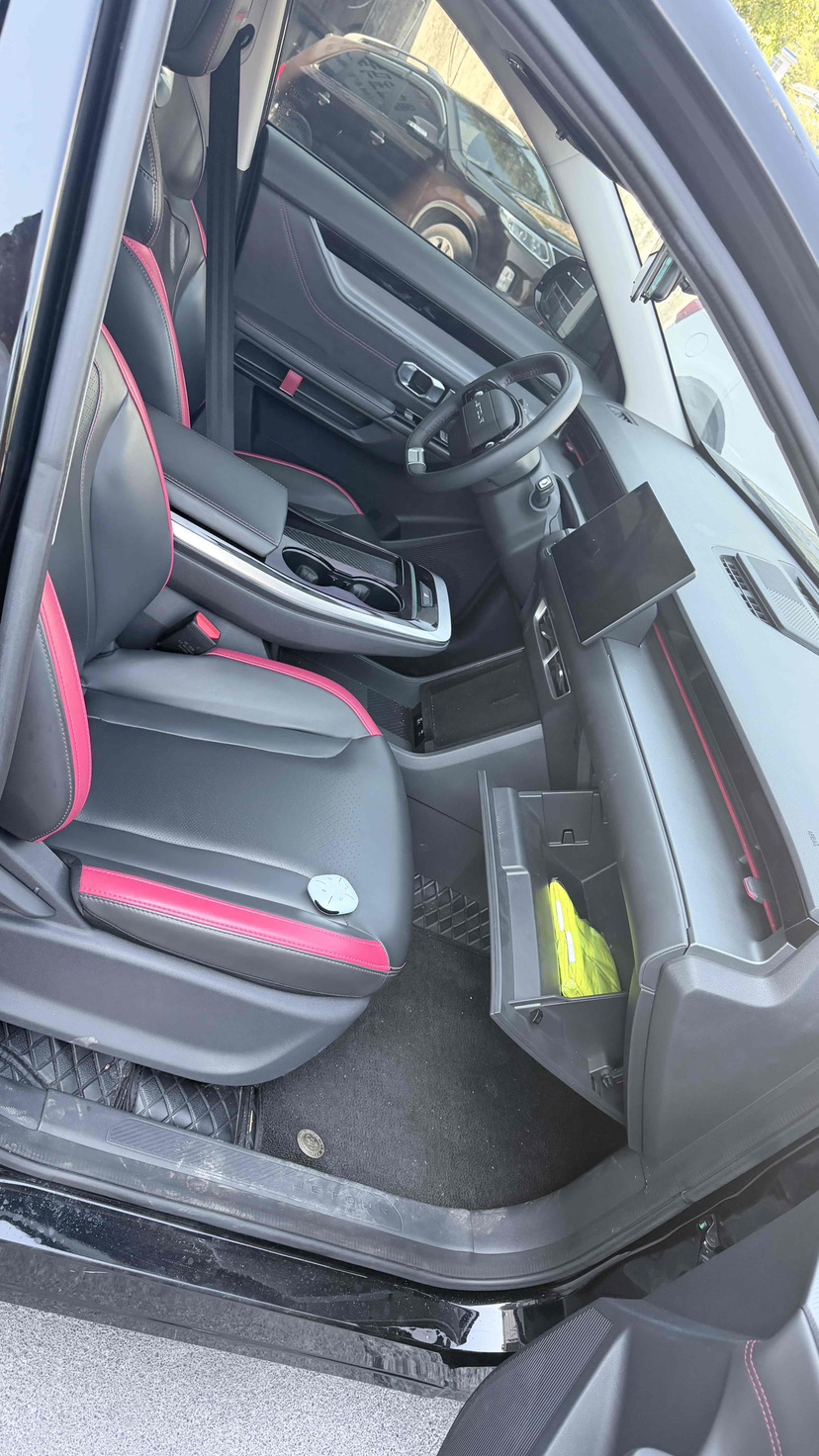



Stock

Basic Information

BrandJetour
SeriesDashing
Year2025
First Registration2025/01
Mileage24,000km
Transfer Count1times
FuelGasoline
TransmissionDCT
Engine1.6T 197 L4
ColorBlack
Seats5seats

Condition Description

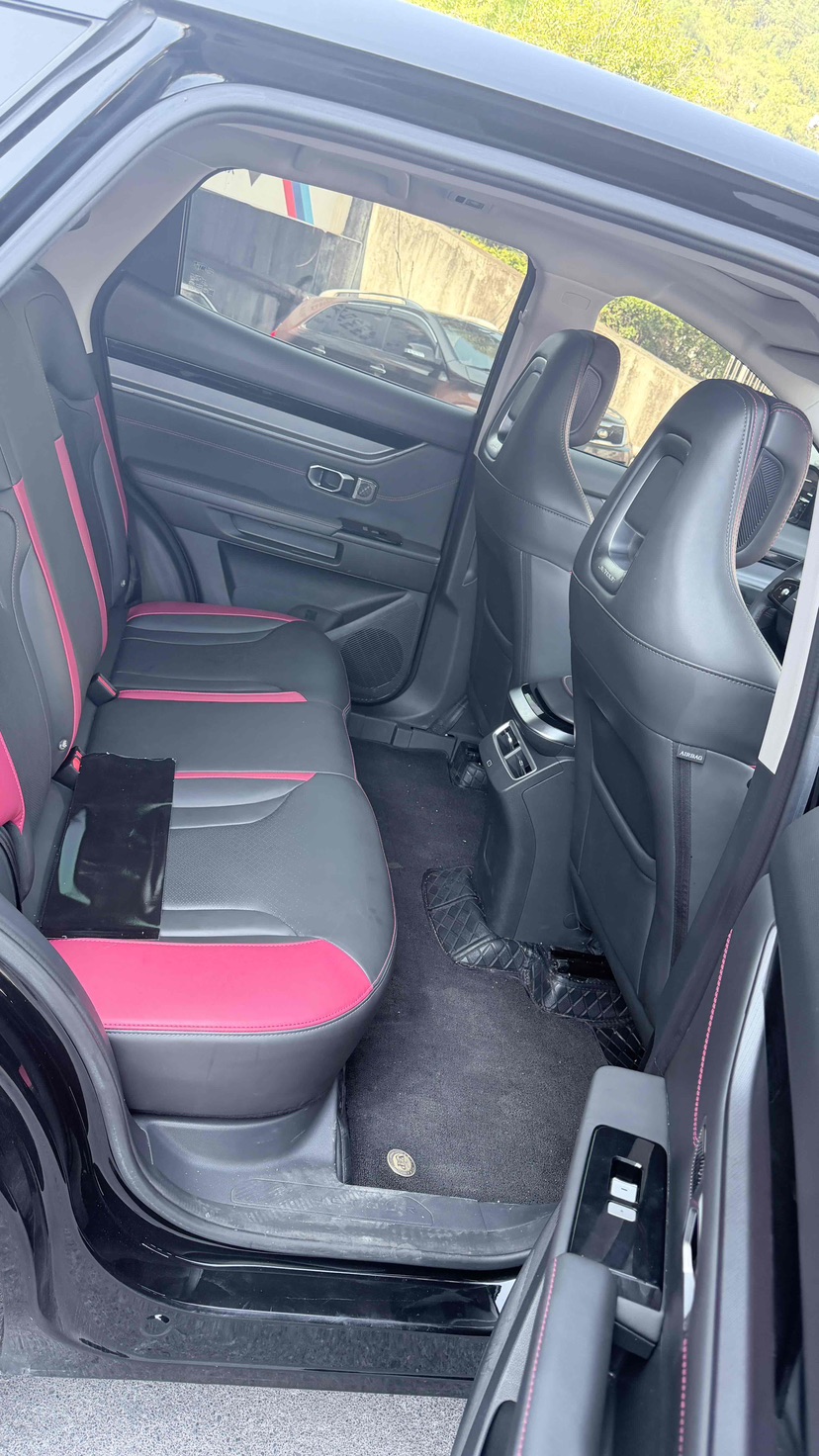
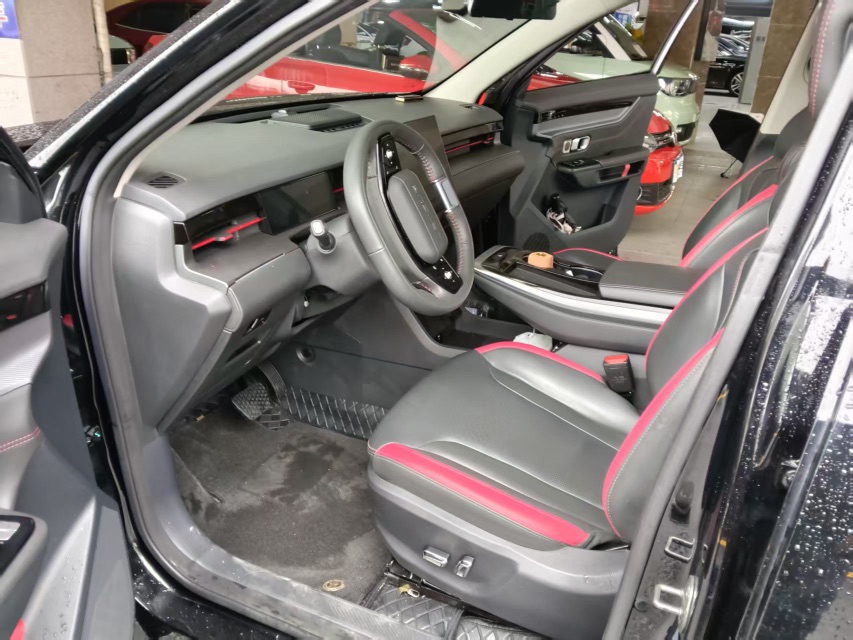
Original paint, actual mileage, panoramic sunroof, one-touch start, digital instrument cluster, power seats, power tailgate, 360-degree camera, manufactured in 2024.

燃油车
SUV
自动
维保开放
事故开放
查验开放

Configuration Highlights

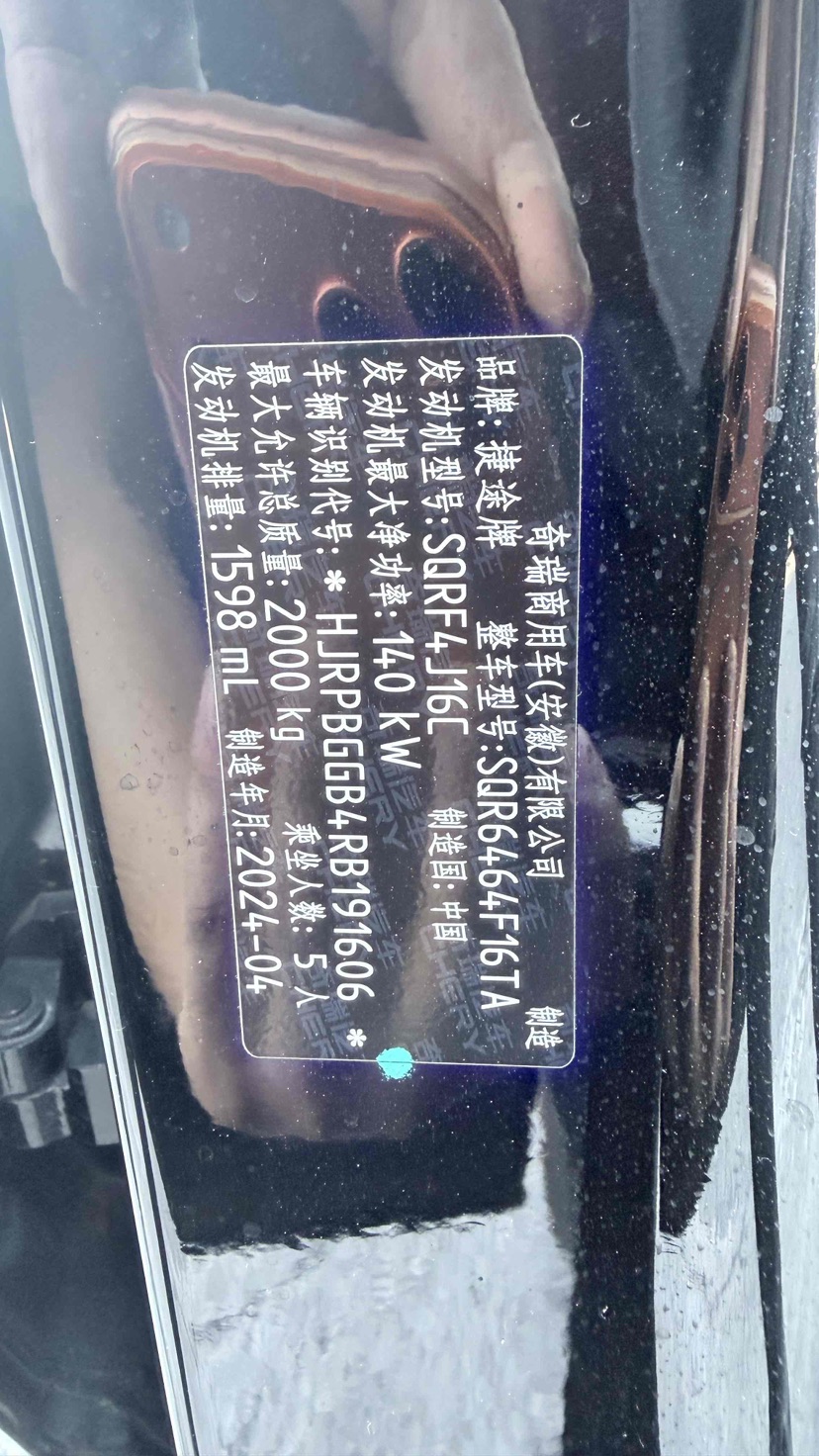
✓品牌: 捷途
✓车系: 捷途大圣
✓车型: 2024款 1.6T DCT 王者PRO
✓车身类型: SUV
✓座位数: 5
✓排量: 1.6T
✓变速箱: 自动
✓能源类型: 燃油车
✓VIN: HJRPBGGB4RB191606
✓搜索关键词: 捷途捷途大圣 2024款捷途大圣1.6TDCT王者PRO

Document Information

Inspection Expiry Date2027/10
Warranty Expiry Date-
Insurance Expiry Date2026/12

Q&A

More

Do I need an import permit before shipping a used car from China, and who applies for it?

It depends on your country's rules. Some markets (for example, Kenya, Ethiopia, Egypt, and several Central Asian countries) require an import permit or pre-import approval issued to you as the importer before the car can ship. Others only check compliance documents at customs after arrival. The permit is always applied for by you, the buyer, through your country's trade or transport authority—the Chinese exporter cannot do it for you. Processing takes anywhere from a few days to several weeks. Practical advice: before paying any deposit, confirm with a local customs broker or your transport ministry whether a permit is needed and what the requirements are (age limit, emissions, left-hand drive). Sending a car that requires a permit you don't have can mean seizure or forced re-export at your expense.


What should a purchase contract with a Chinese used-car exporter include to protect me?

A solid contract is your main protection in a cross-border deal. It should specify: 1. Vehicle identification: VIN, year, mileage, trim level, and photos of the actual car appended as an annex — not just「a 2021 Toyota」. 2. Condition guarantees: no accident, no flood or fire damage, no structural repairs, supported by a third-party inspection report referenced in the contract. 3. Price and Incoterm: total amount, currency, the named port, and whether freight and insurance are included. 4. Payment schedule: e.g., 20–30% deposit after contract signing, balance against copy of the Bill of Lading. Avoid 100% upfront. Use T/T to the company's corporate bank account only — never a personal account. 5. Timeline: inspection date, estimated loading date, and latest shipment date, with remedies if delayed. 6. Dispute clause: governing law and arbitration (CIETAC or your local chamber) rather than foreign court litigation. Ask for the contract in English (or bilingual) with the supplier's company chop. A company that refuses a written contract or pushes for full prepayment is a red flag.

How can I confirm the real mileage of a used Chinese car when I'm buying from overseas?

Odometer rollback happens everywhere, so never trust the dashboard number alone. Cross-check at least three sources: 1. Maintenance records: Chinese 4S dealerships keep service logs tied to the VIN. Ask the exporter for screenshots showing recorded mileage at each visit — the numbers should rise consistently. 2. Inspection reports: China requires periodic emissions/safety inspections, and the mileage is logged at each one. The exporter can pull the car's inspection history. 3. Tire and wear clues: Compare the claimed mileage with brake pedal rubber, steering wheel shine, seat bolster wear, and the tire production dates. A car showing 30,000 km with a polished steering wheel and second set of tires is suspicious. Also check the dashboard for uneven digits or scratches around the odometer area in photos. If maintenance and inspection records roughly agree, the reading is usually trustworthy; if the seller refuses to share records, treat the mileage as unknown and negotiate accordingly.