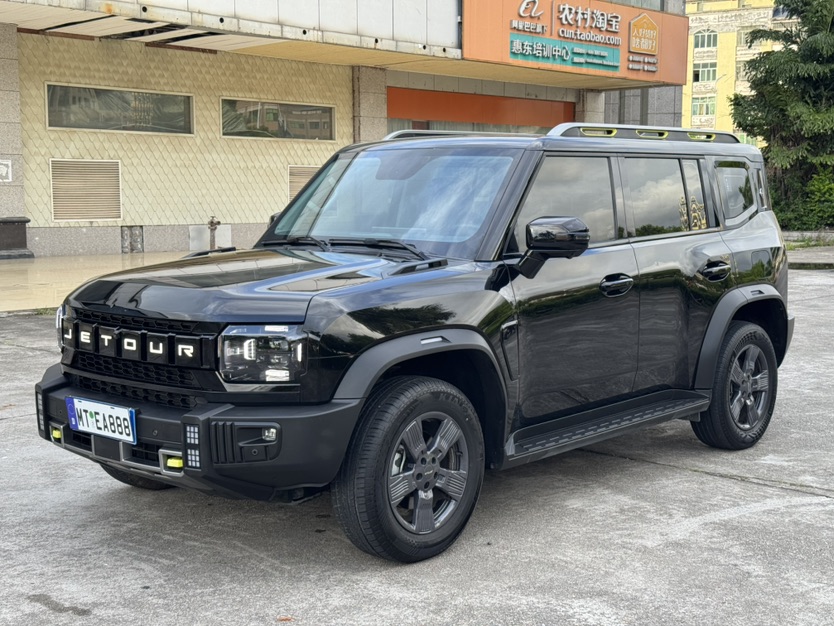
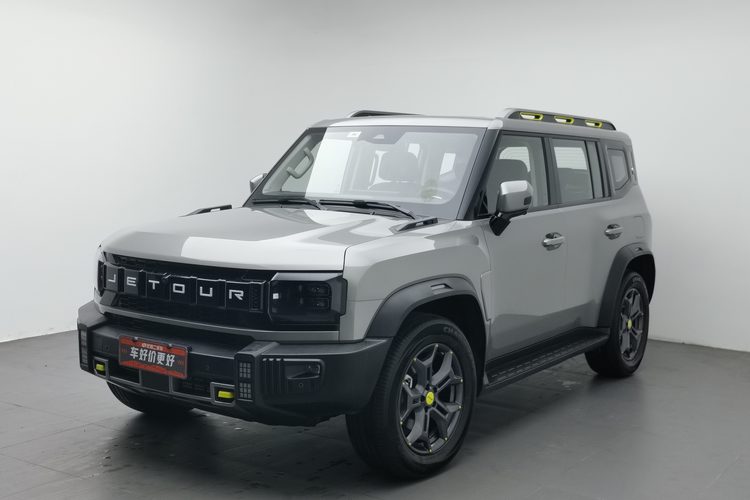
Stock

Basic Information

BrandJetour
SeriesTraveller
Year2023
First Registration2023/10
Mileage38,000km
Transfer Count0times
FuelGasoline
TransmissionDCT
Engine1.5T 184 L4
Color
Seats5seats

Configuration Highlights

✓上牌时间: 2023-10
✓表显里程: 3.8万公里
✓车源地: 佛山
✓排放标准: 国六
✓发动机: 1.5T
✓轴距: 2800mm
✓变速箱: 自动
✓最大功率: 135kW
✓功能配置: 22项
✓安全配置: 6项
✓动力类型: 前驱
✓空间舒适性: 超棒

Q&A

More

What kind of after-sales warranty do Chinese used car exporters usually offer, and what is realistic to claim?

Most exporters offer a limited warranty of 30 to 90 days covering major mechanical failures (engine, gearbox, electric motor), but only if you can prove the fault existed before shipment. Cosmetic issues, wear-and-tear parts (brakes, tires, clutch) and damage caused by improper local maintenance are almost always excluded. What is realistic to claim: · Engine or transmission failure confirmed by a licensed workshop within the warranty window, with a diagnostic report. · Undeclared accident or flood damage discovered after arrival (strongest case, keep the inspection report and photos). How to protect yourself: 1. Get the warranty terms written into the contract, including claim procedure and response time. 2. Have the car inspected locally immediately upon arrival and keep all records. 3. Communicate claims in writing (email) with photos and reports attached. Treat the warranty as a backup, not the main protection. A thorough pre-shipment third-party inspection matters far more than a paper warranty.


What is a safe payment structure for buying a used car from China remotely—how much deposit, when is the balance paid, and should I use escrow?

The industry-standard structure protects both sides. Pay 20-30% deposit after signing the contract and verifying the exporter's license—never more. The balance is paid only after your independent inspection report confirms the car matches the contract, ideally against a copy of the bill of lading so the exporter can't ship a different vehicle. For extra protection, tie payments to milestones: deposit on contract, second tranche after inspection passes, final payment when shipping documents are released. Some buyers use escrow services or trade assurance platforms for the first transaction with a new supplier; fees run 1-3% but are worth it for large amounts. Always pay to a corporate bank account matching the exporter's registered name. Keep every agreement in the written contract—verbal promises like 'we'll fix that before shipping' are unenforceable. If an exporter demands 50%+ upfront or full payment before inspection, walk away; that structure leaves you with no leverage.

RoRo, container, or flat rack: which shipping method should I choose for a used car from China?

RoRo (roll-on/roll-off): the cheapest per car for running vehicles. Cars are driven onto the vessel and secured on decks. Transit to major ports (Jebel Ali, Rotterdam, Karachi) takes 15 to 35 days. Downside: cars are exposed to weather and salt air, and minor handling scratches happen occasionally. Container (20ft/40ft): one 40ft high-cube fits one car with parts, or two small cars with racking. Cost is higher than RoRo but cars are sealed and protected. Best for high-value vehicles, EVs (battery safety rules often require container), or when shipping spare parts together. Flat rack: for oversized vehicles (trucks, buses, modified cars). Priced per dimensions. Practical advice: for a standard used car to a port with RoRo service, choose RoRo and add marine insurance (0.3%–0.8% of value). If your destination lacks RoRo calls or you ship an EV, use a container. Always get the booking confirmation and bill of lading copy before paying the final balance.