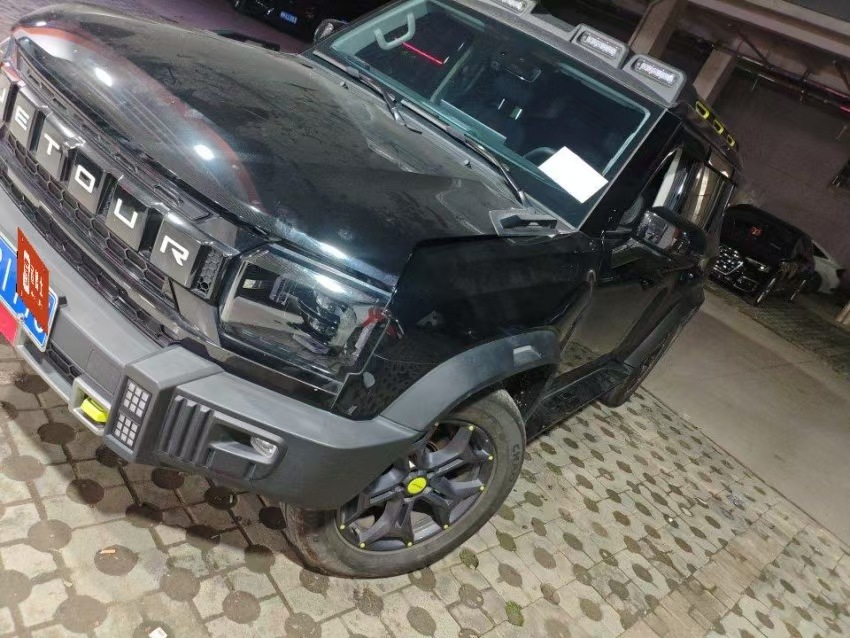
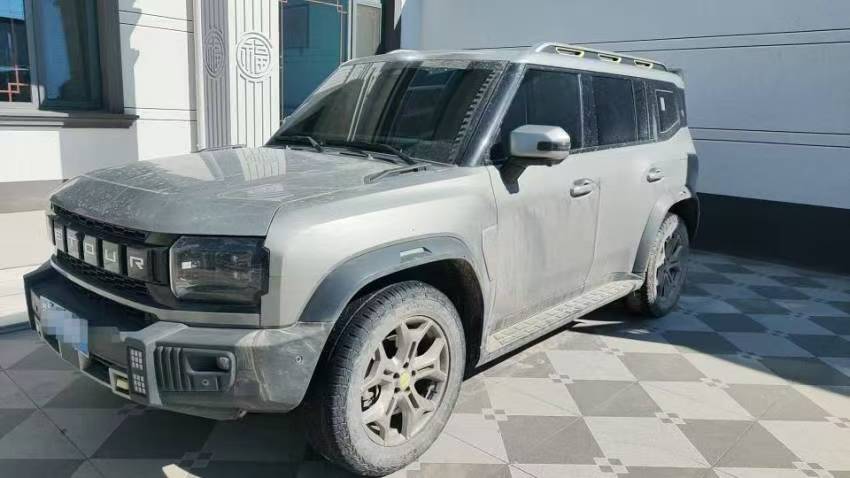
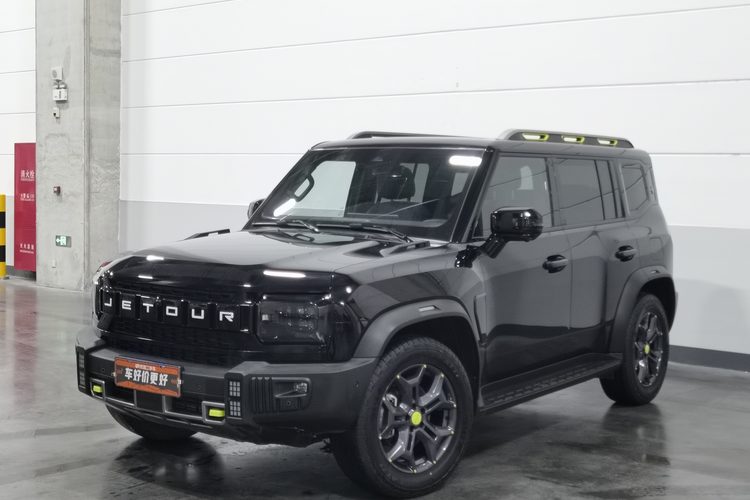
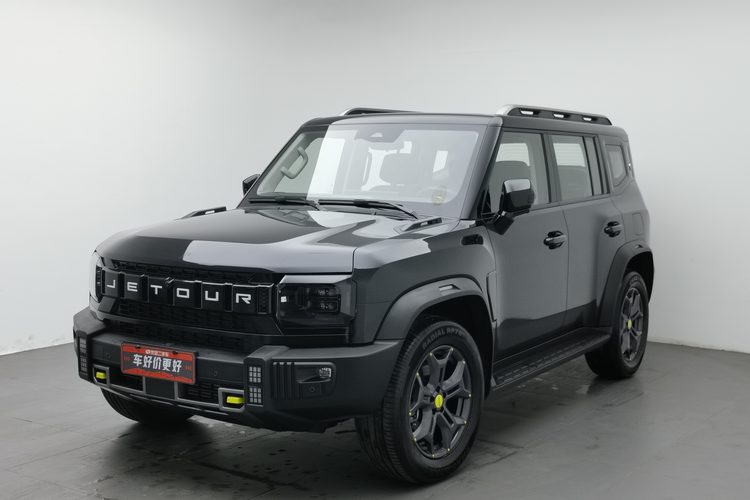
Basic Information

BrandJetour
SeriesTraveller
Year2024
First Registration2024/12
Mileage40,000km
Transfer Count0times
FuelGasoline
TransmissionDCT
Engine1.5T 184 L4
Color
Seats5seats

Condition Description

官方质检 · 60天全车质保· 7天无理由有偿退车

Configuration Highlights

✓上牌时间: 2024-12
✓表显里程: 4万公里
✓车源地: 沧州
✓排放标准: 国六
✓发动机: 1.5T
✓轴距: 2800mm
✓变速箱: 自动
✓最大功率: 135kW
✓功能配置: 22项
✓安全配置: 6项
✓动力类型: 前驱
✓空间舒适性: 很好

Q&A

More

How can I check a used car's history in China before buying—accident records, mileage, and ownership?

China's vehicle data is less centralized than in the US or Europe, but you can still verify a lot: 1. Ask the exporter for the VIN and order a third-party history report from Chinese services; they aggregate insurance claims and repair records. 2. Cross-check the registration date on the title with the odometer—a 3-year-old car showing 30,000 km but registered as a ride-hailing vehicle is a red flag. 3. Request maintenance records from the brand's dealer network; digital records are increasingly common. 4. Verify the seller legally owns the car: the registration certificate name should match the exporter's business license. Gaps are common, so treat the history report as one input, not proof. Combine it with an independent pre-purchase inspection, and hold back part of the payment until the inspection passes.


What costs are included in the FOB and CIF prices displayed on the website?

FOB (Free On Board): Includes the purchase price of the vehicle, transfer fees for registration in China, export license fees, logistics costs for trucking to the port within China, and port handling and customs fees. CIF (Cost, Insurance, and Freight): In addition to FOB, it includes the shipping cost from China to your designated destination port (RoRo or container), as well as cargo insurance during international shipping.

What is a battery SOH certificate and why does it matter when buying a used EV from China?

SOH (State of Health) measures the battery's remaining capacity as a percentage of its original capacity. Two EVs with the same mileage can have very different SOH depending on charging habits and climate exposure, and since the battery represents 30-50% of a used EV's value, the SOH number is effectively the real price tag. A proper certificate includes current SOH percentage, cell voltage balance, charge cycle counts, battery management system fault codes, and often a projected range estimate. In hot-climate markets like the Gulf, a degraded battery degrades even faster, so a documented SOH above 85-90% is strongly recommended. Exporters who provide verified SOH certificates close deals faster and command better prices, so treat the certificate as a core purchase document, not an extra.