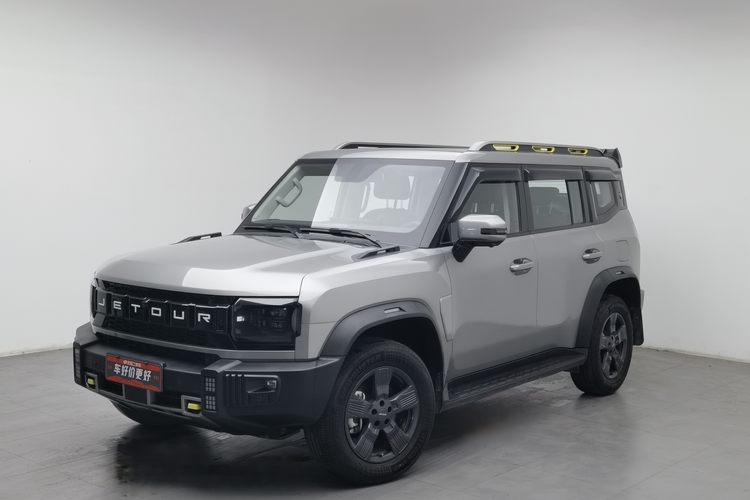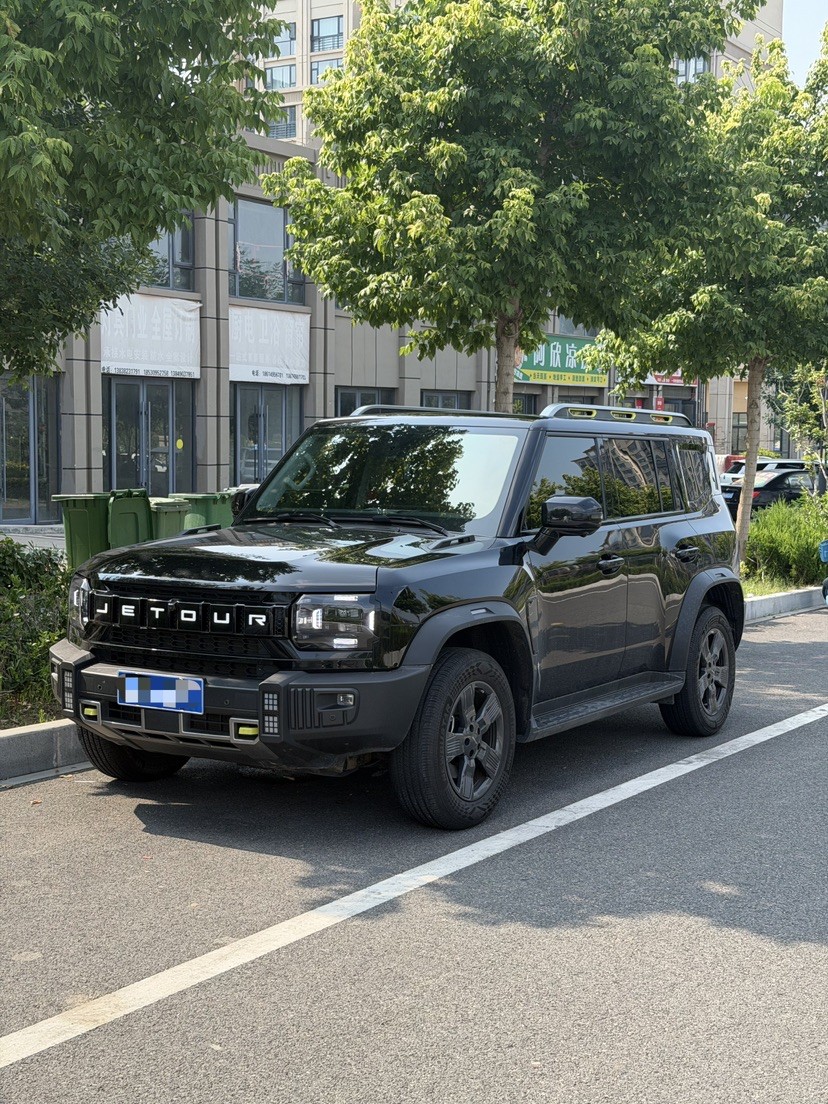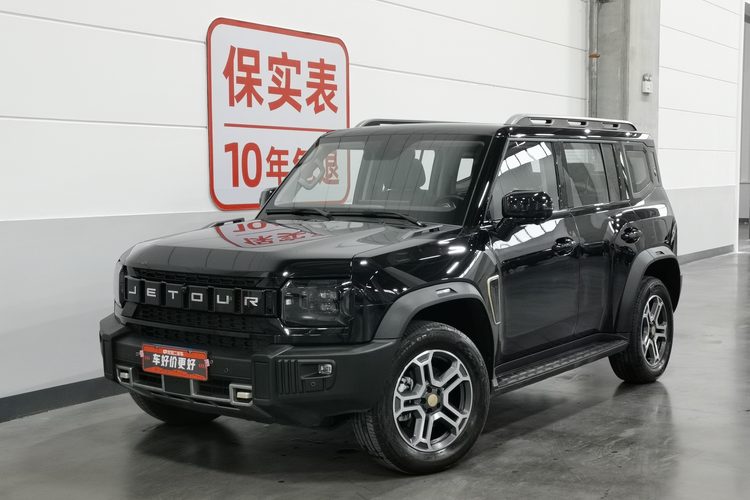


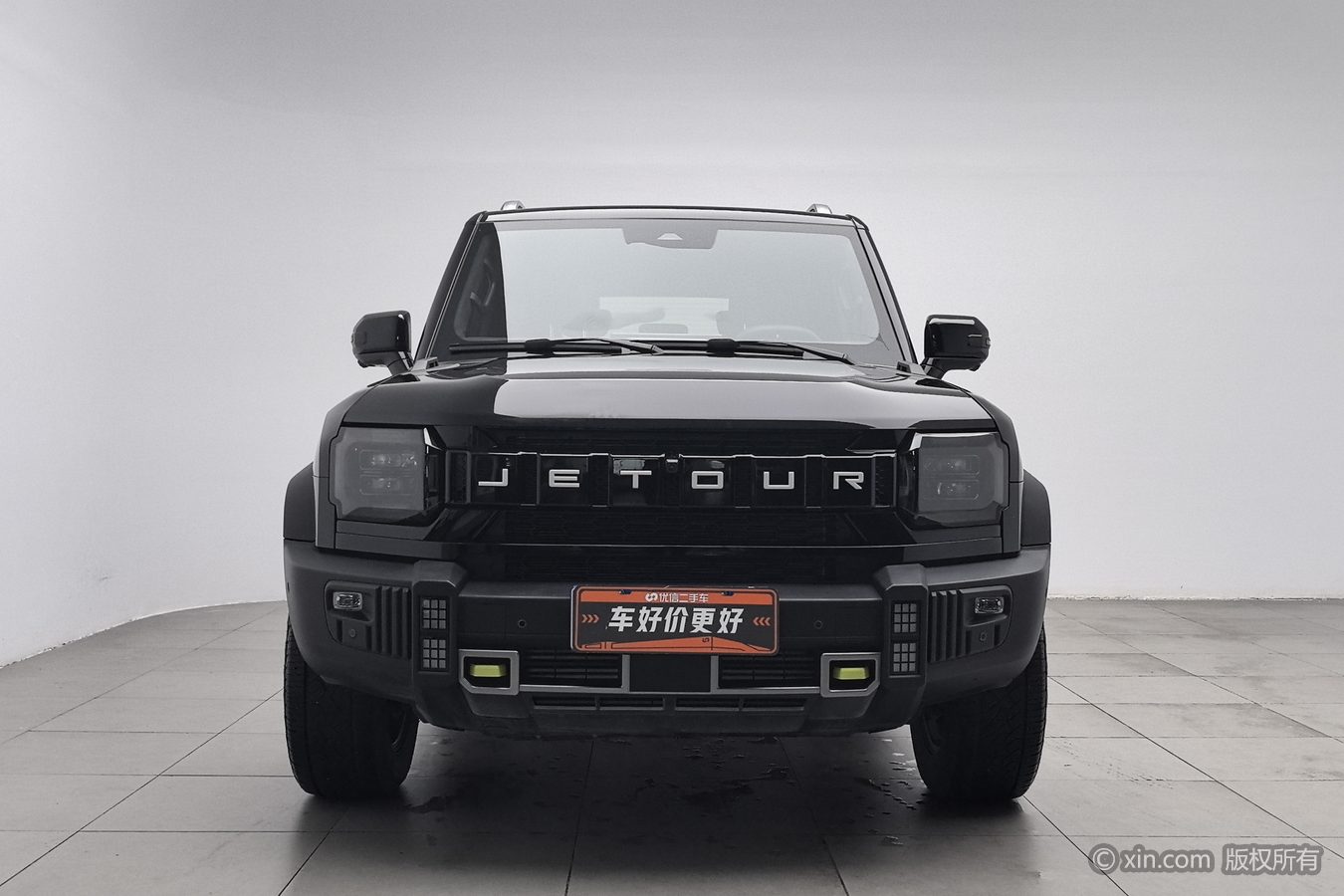
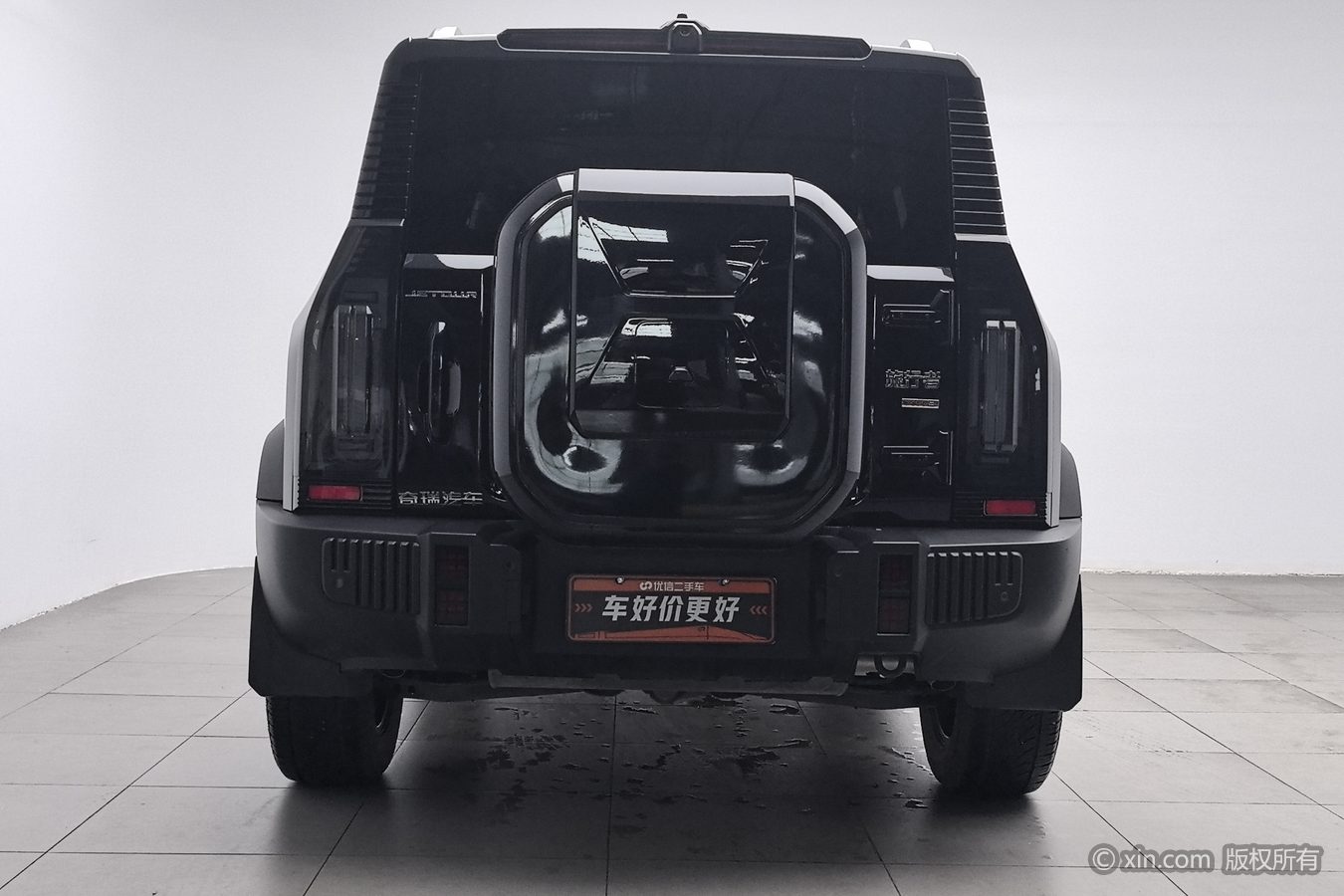
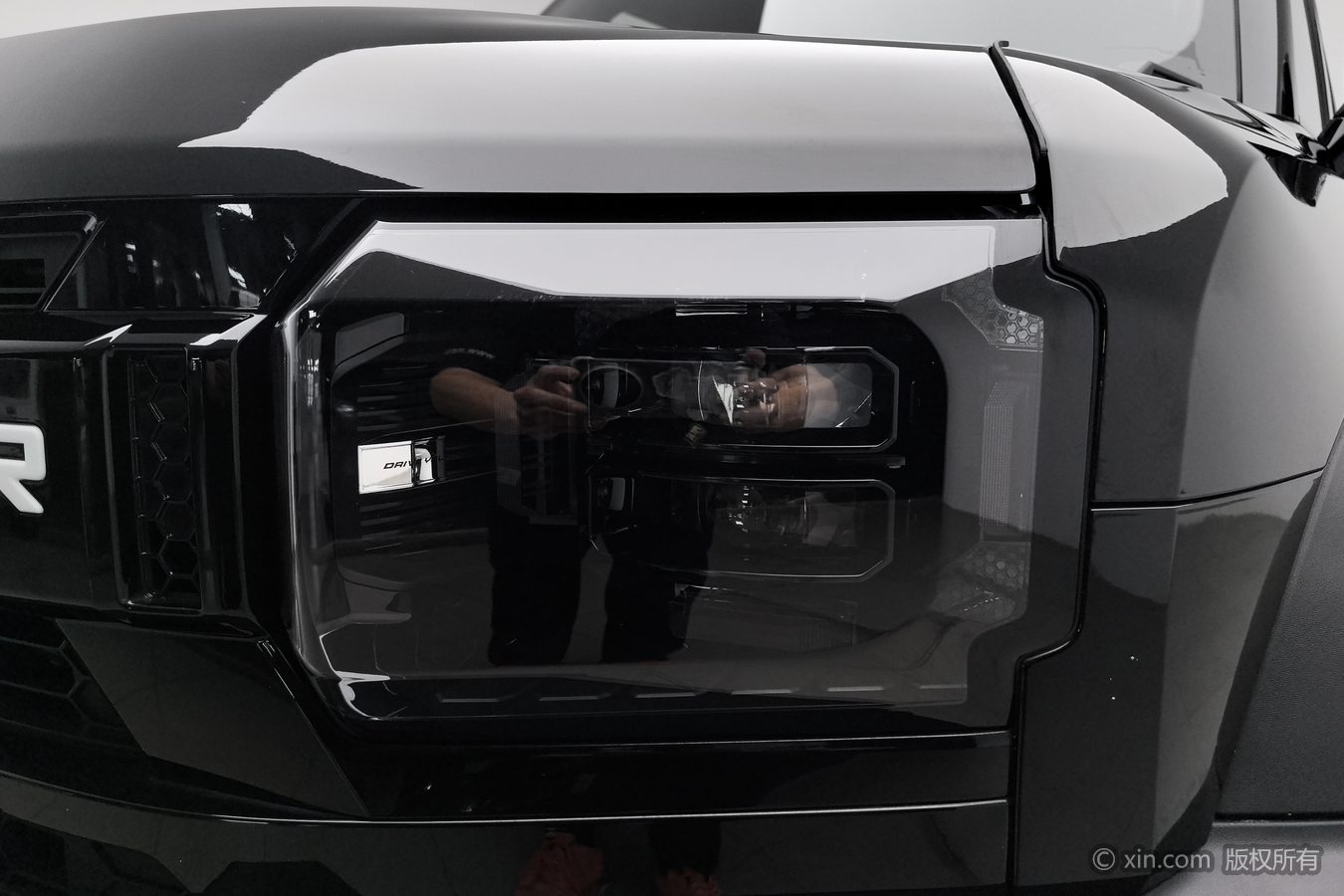
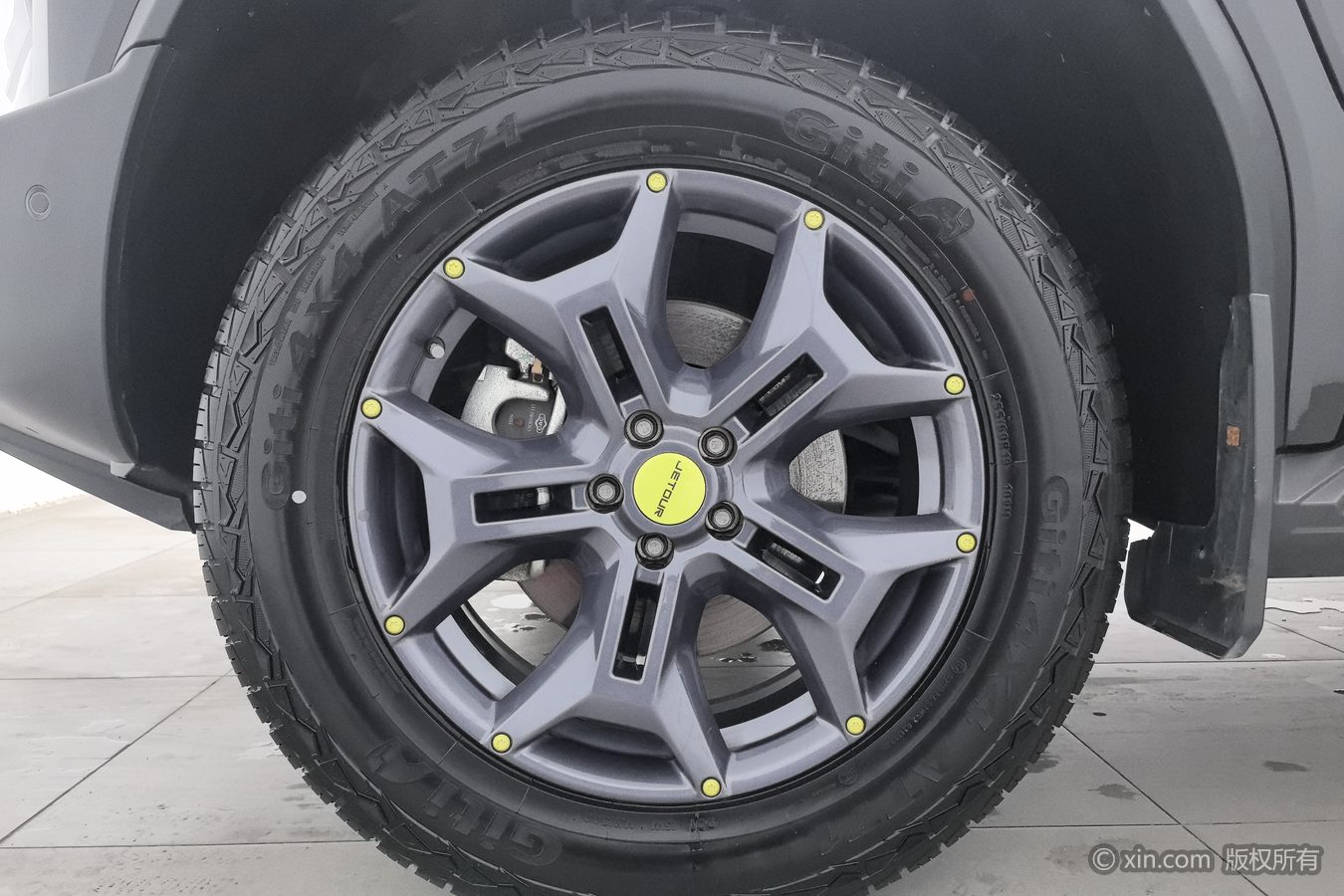
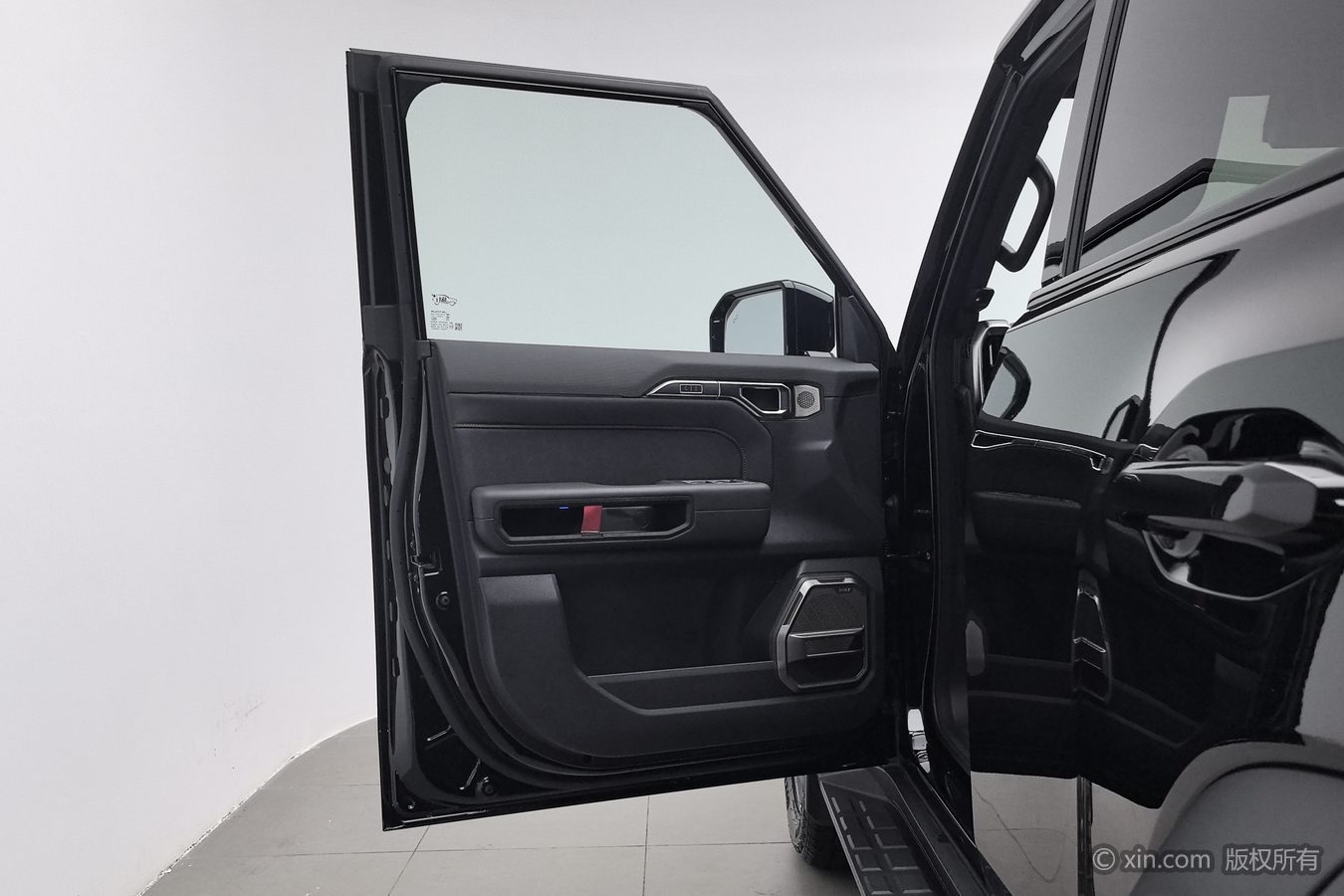
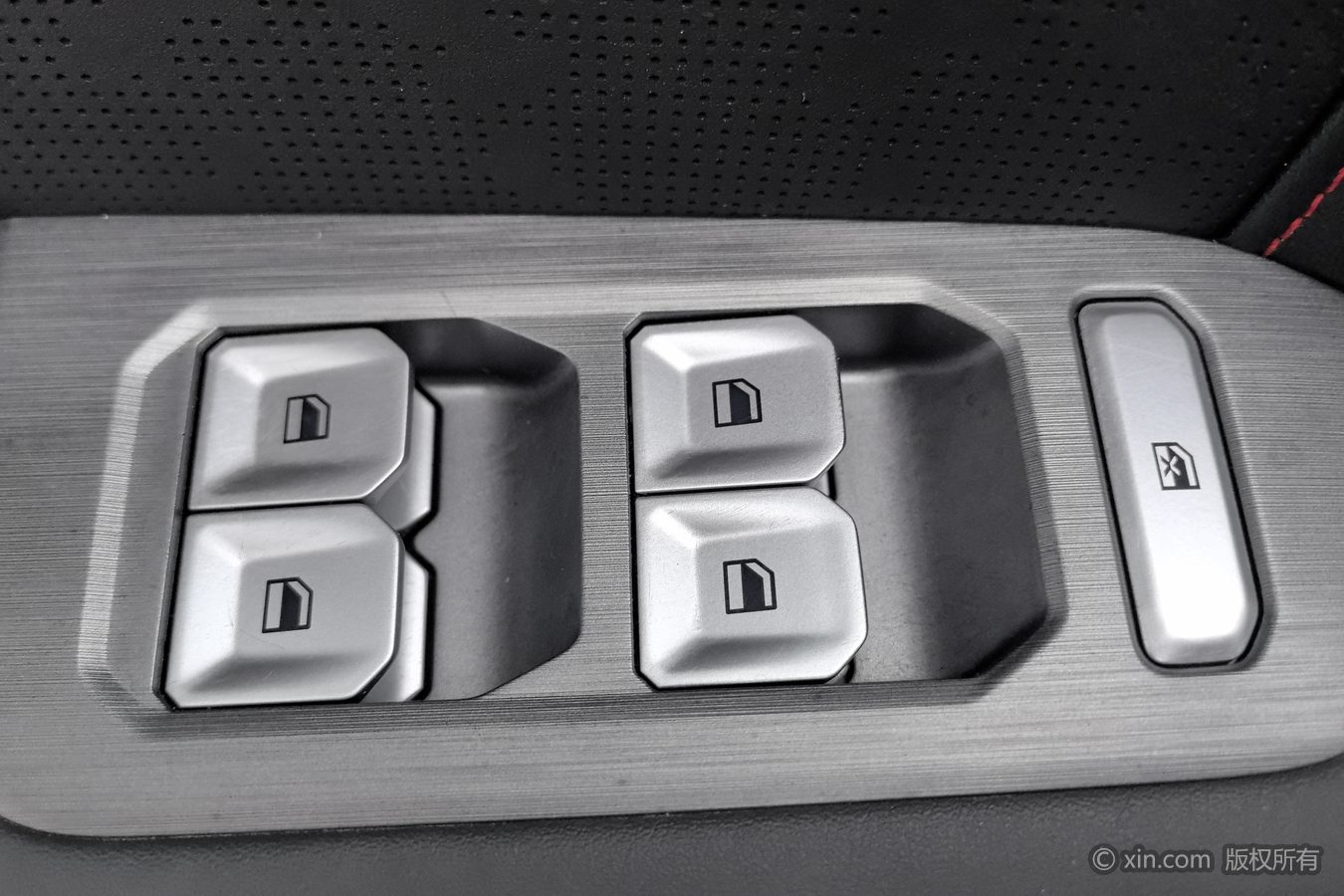
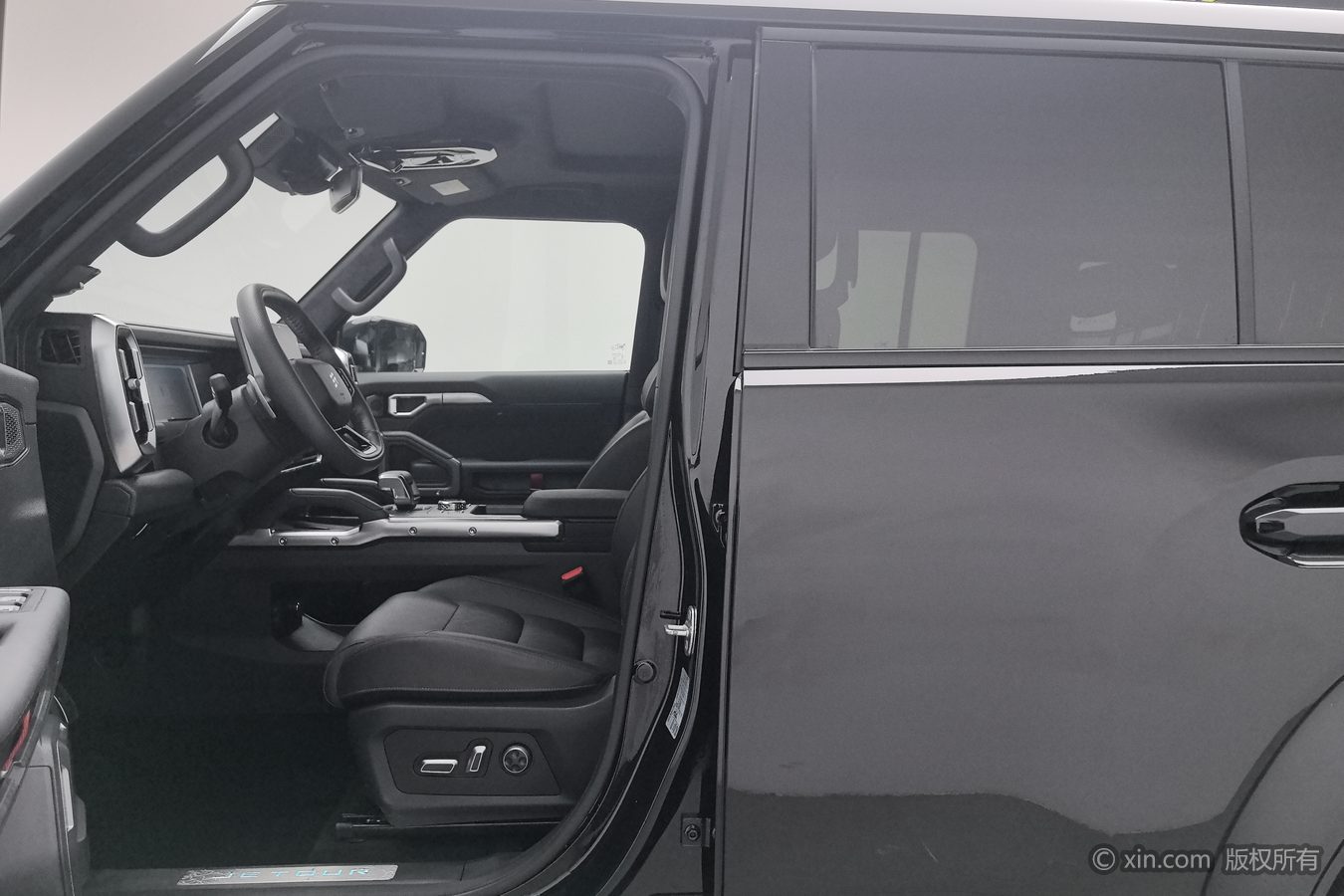
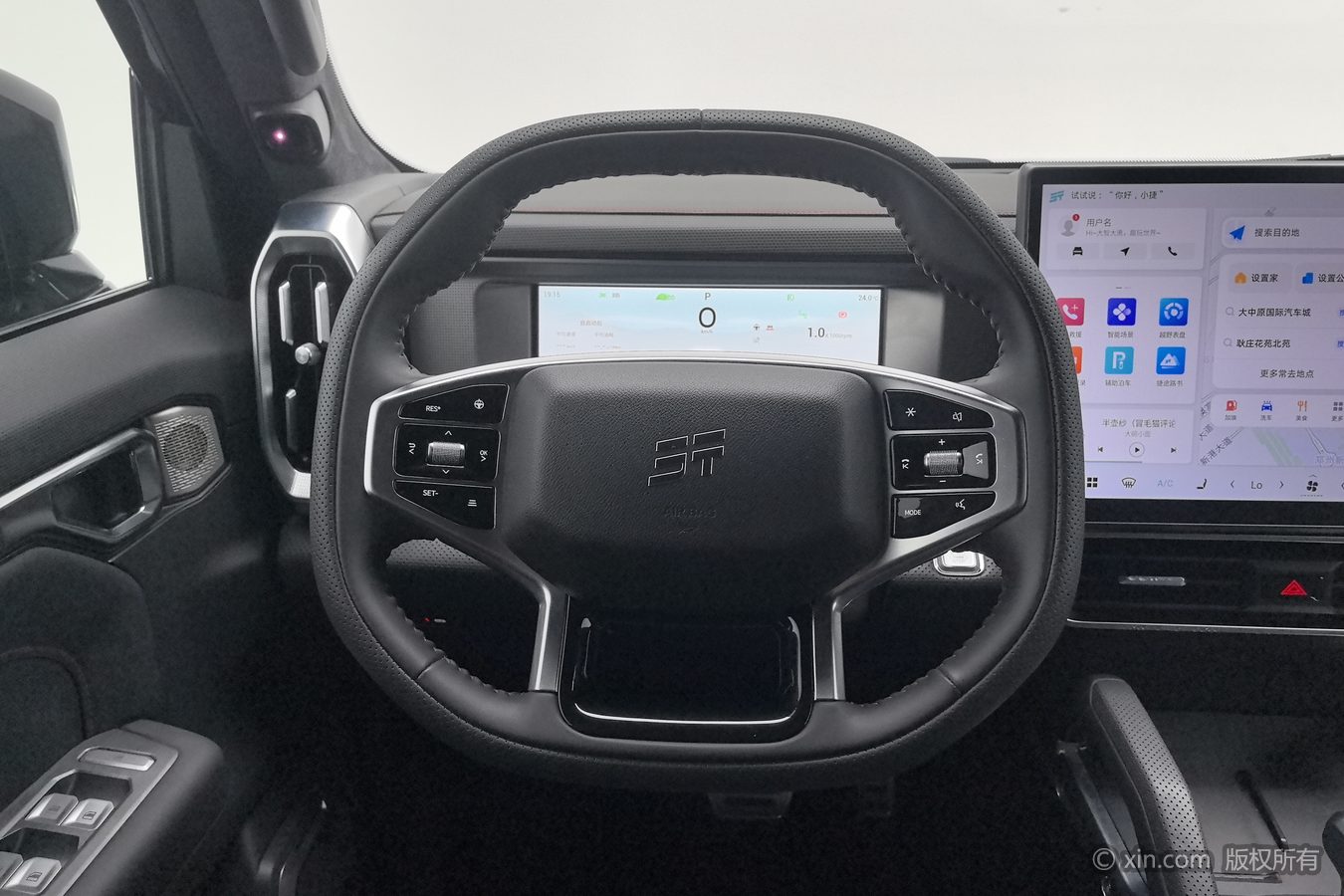
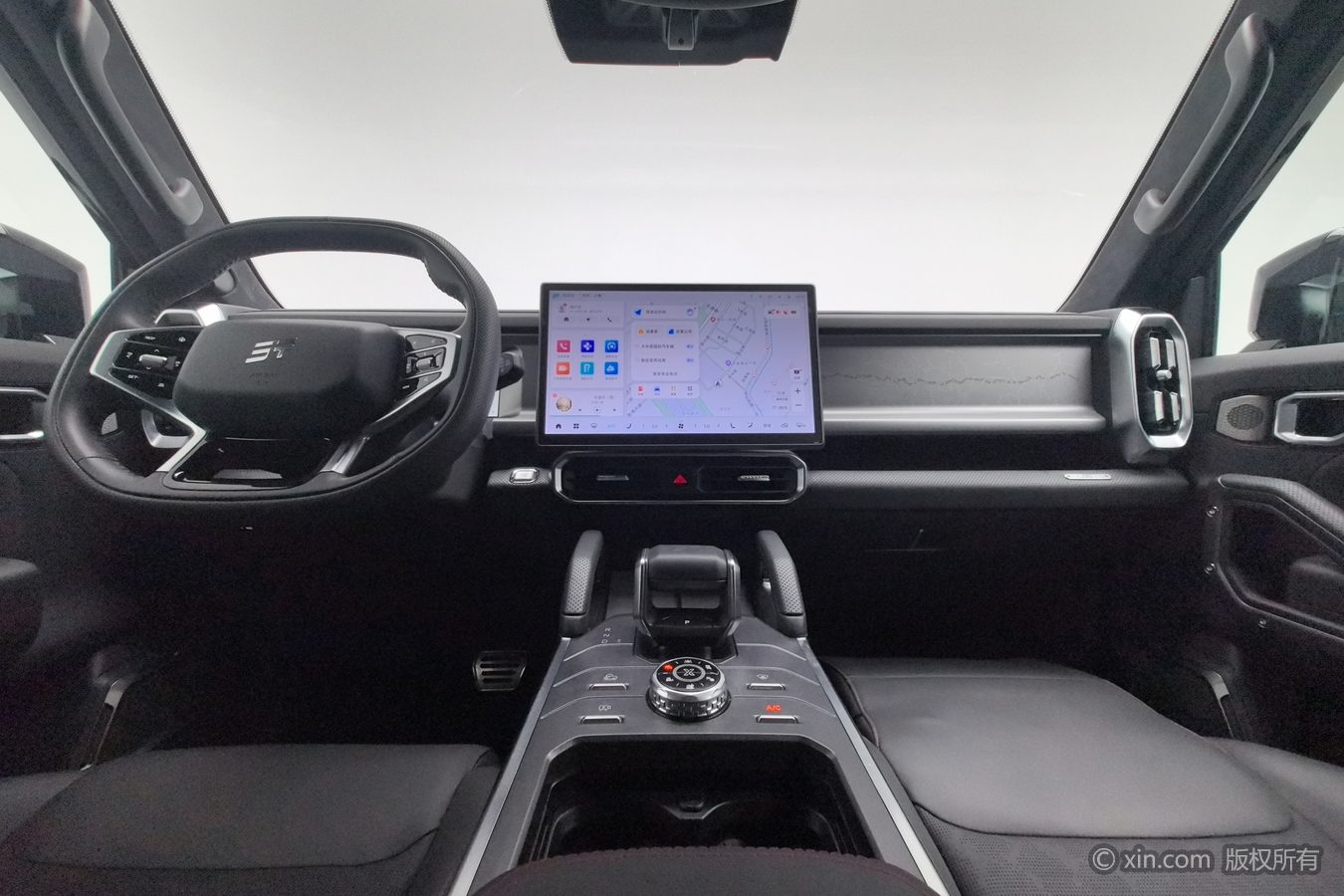
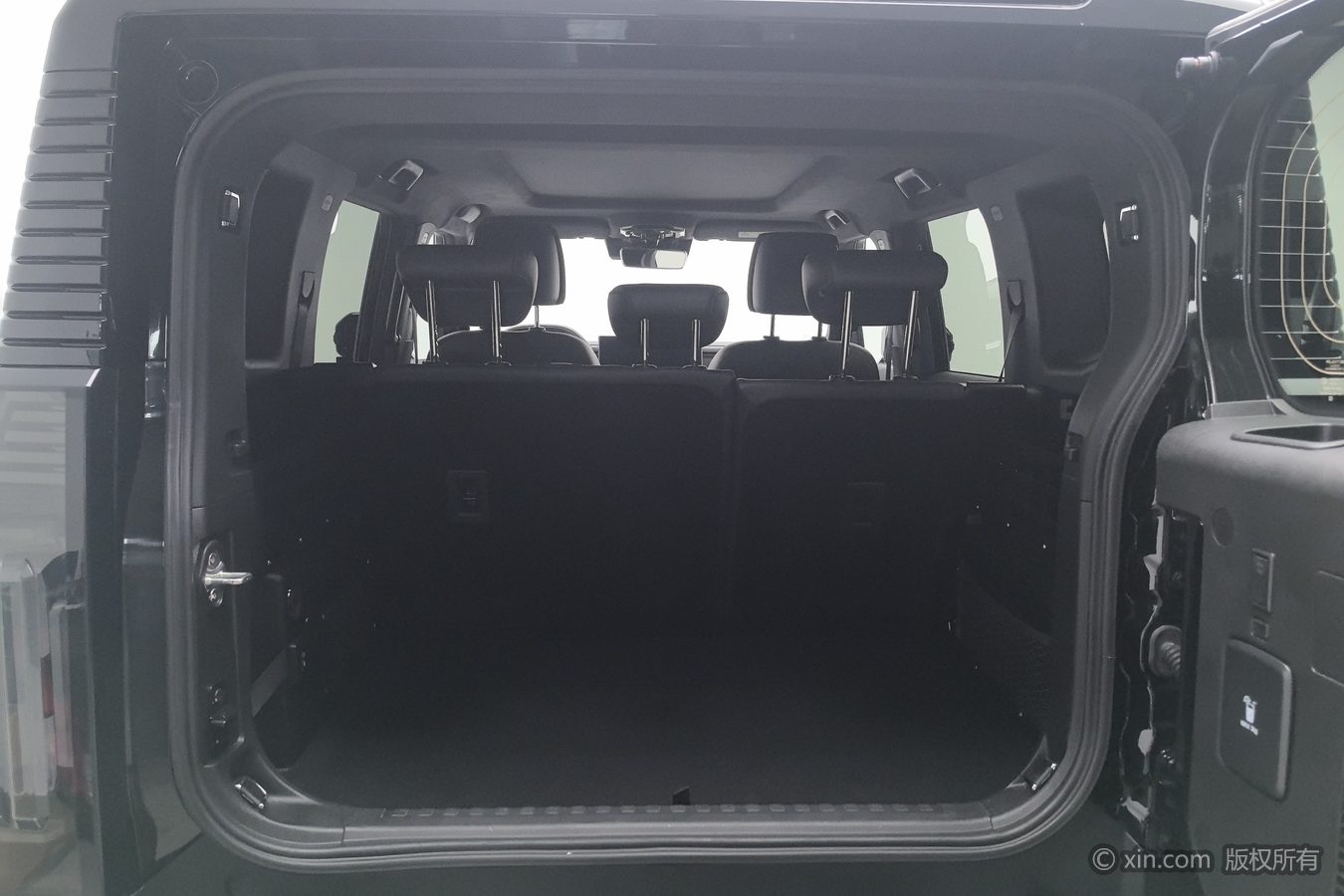
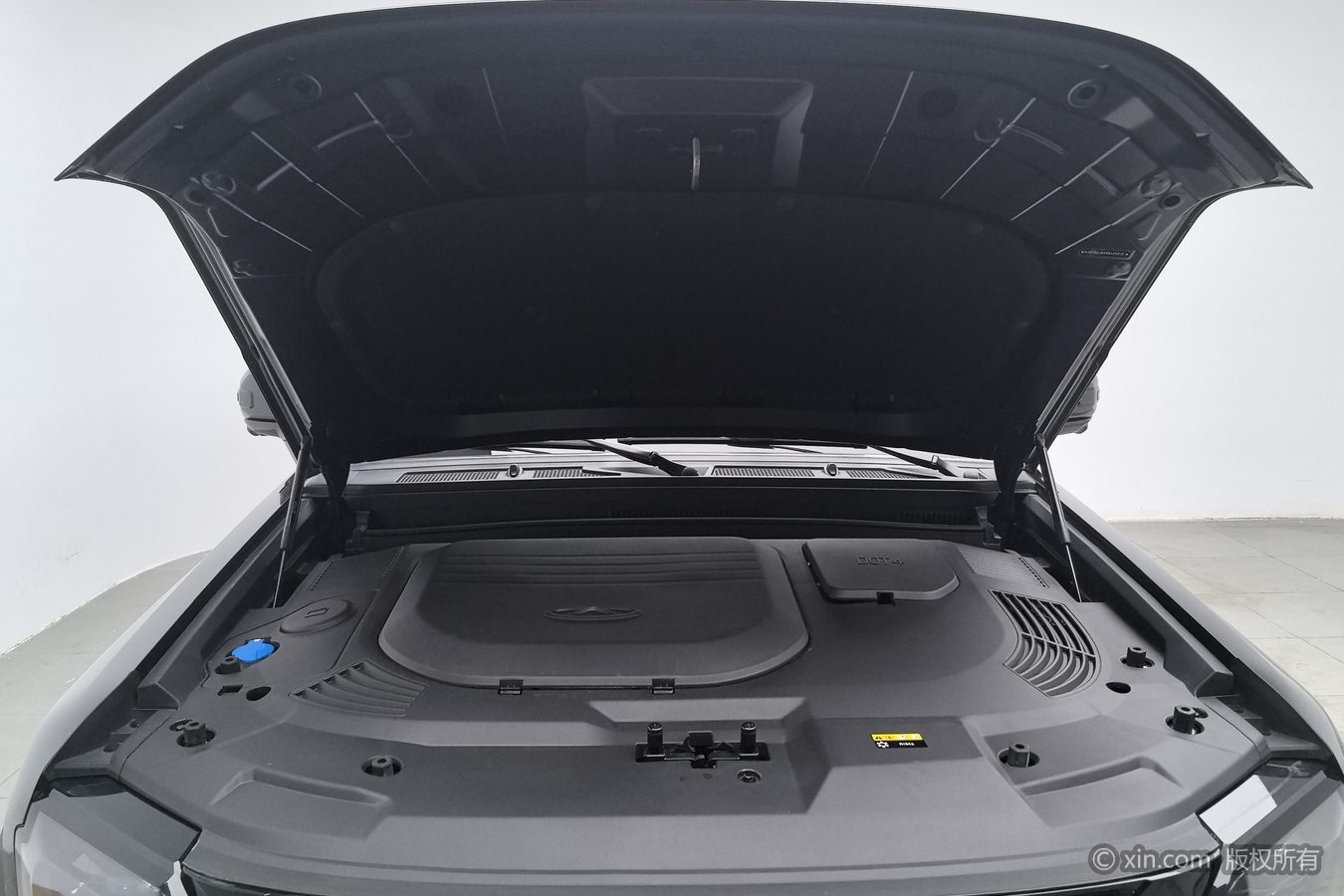
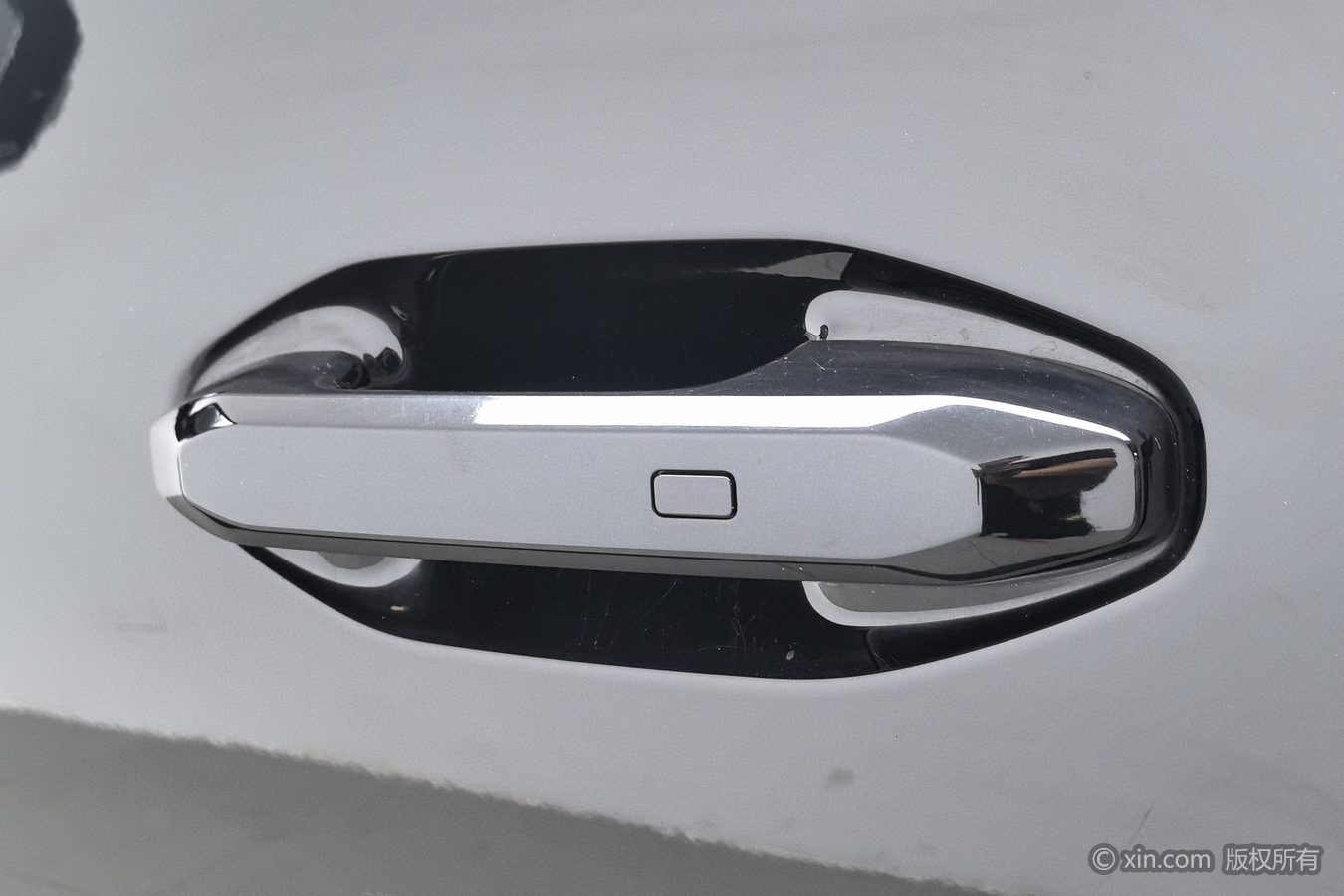

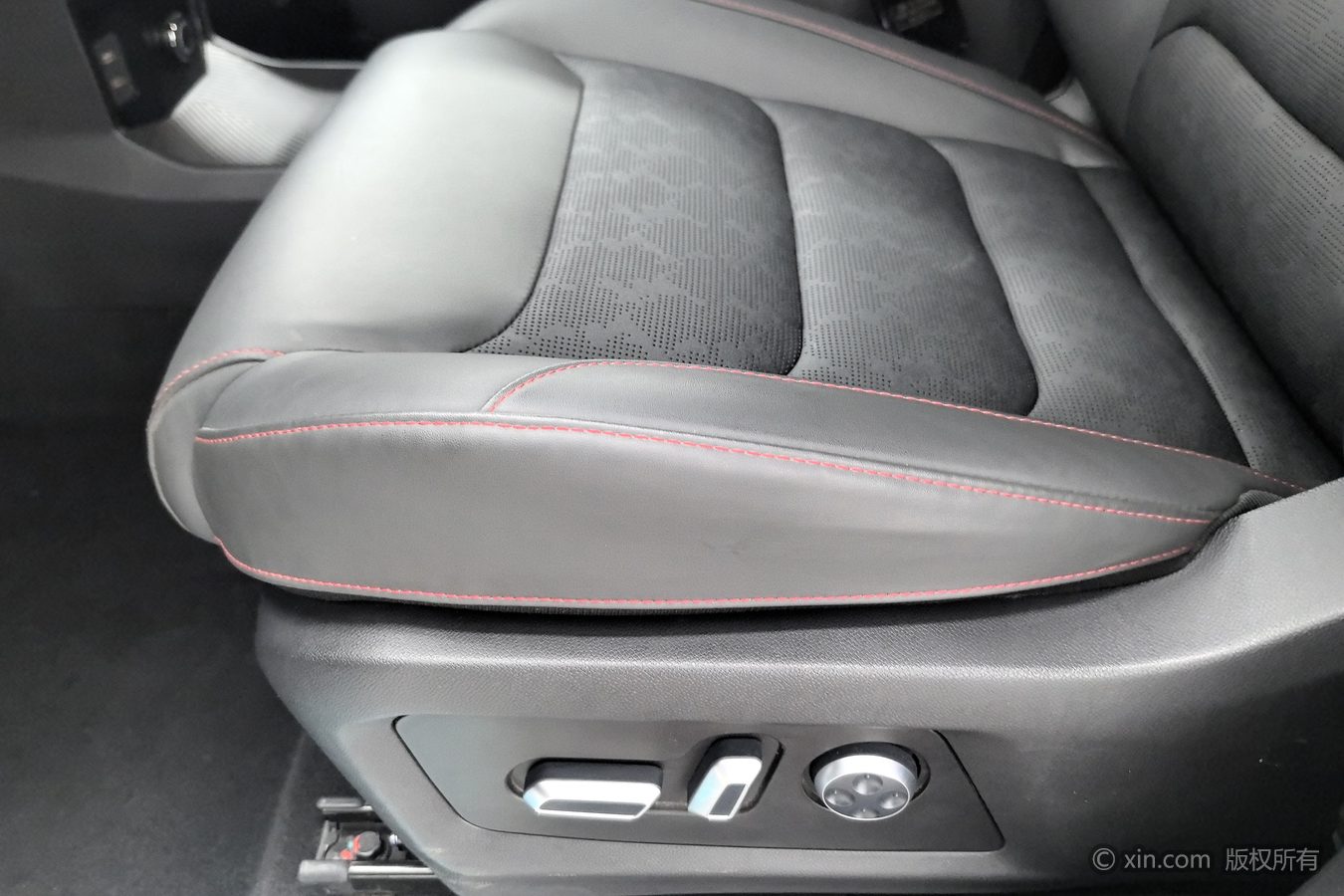
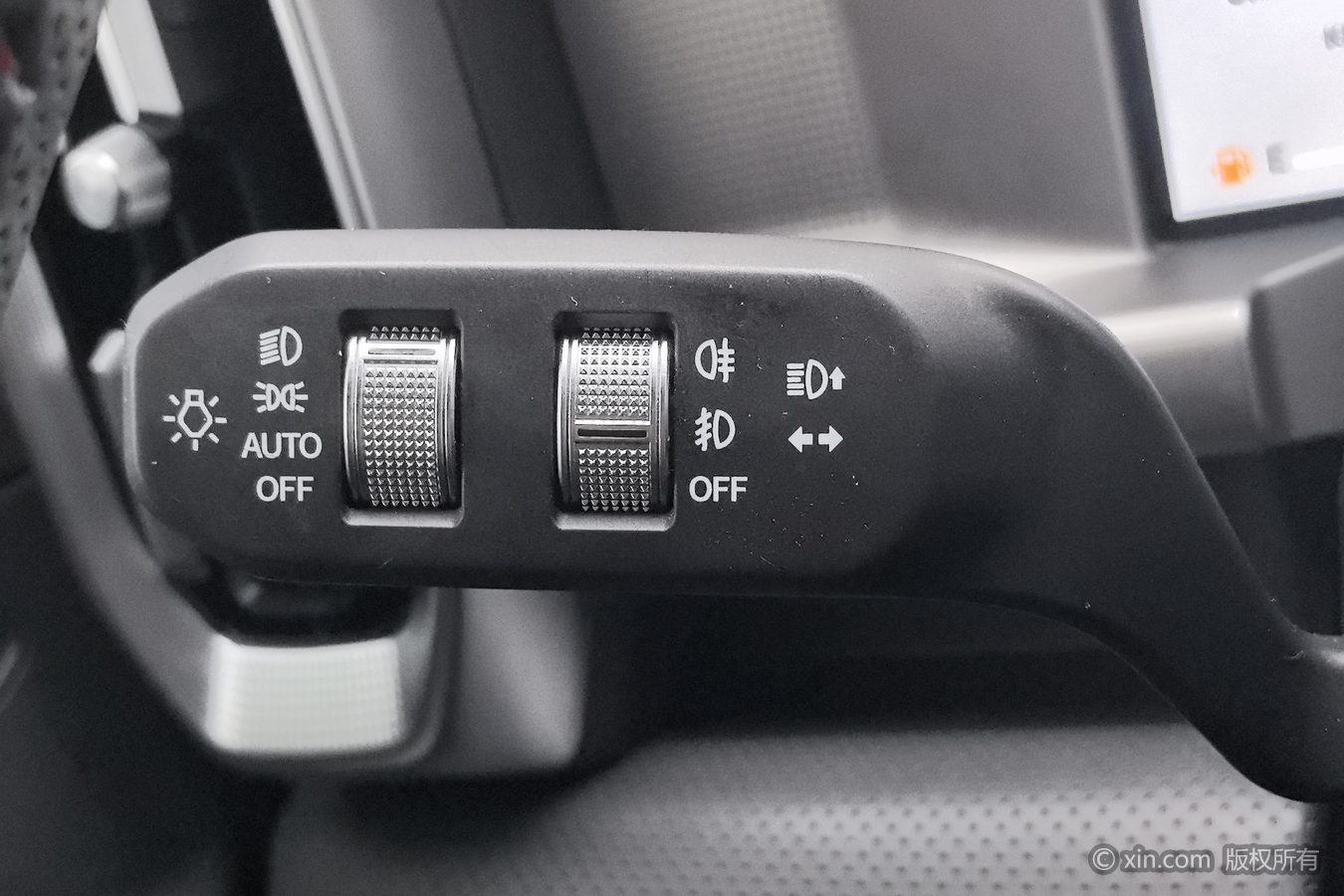
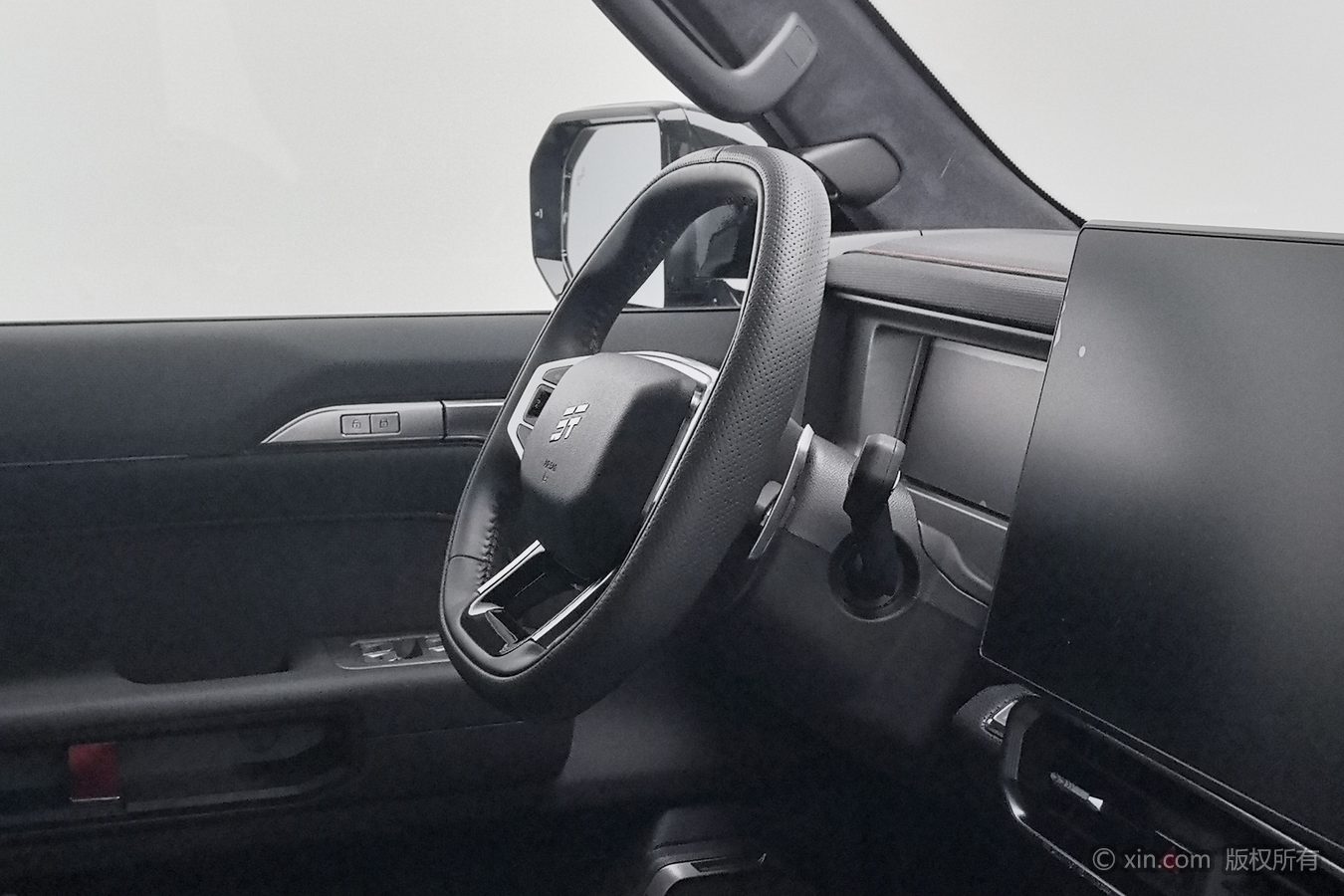
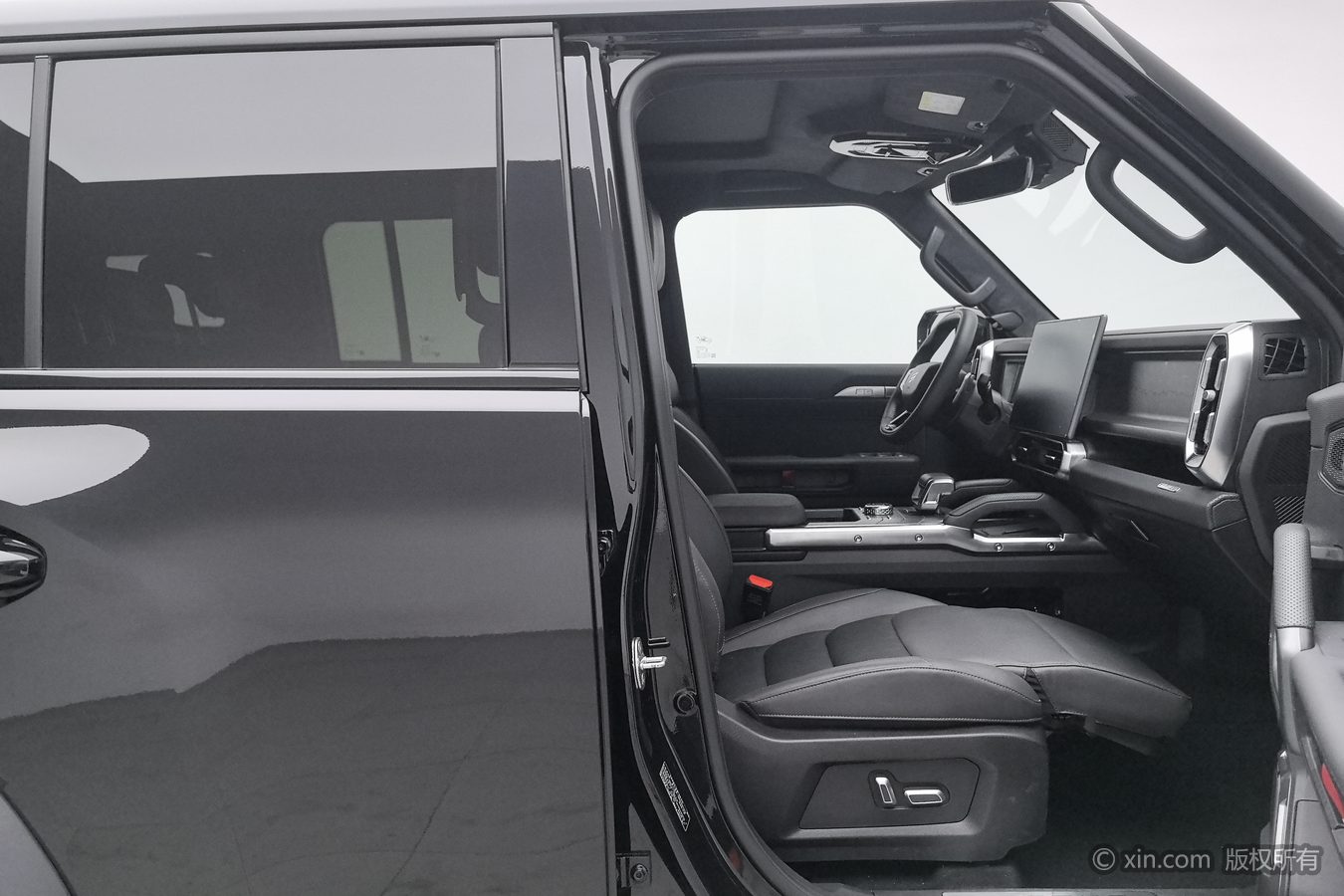
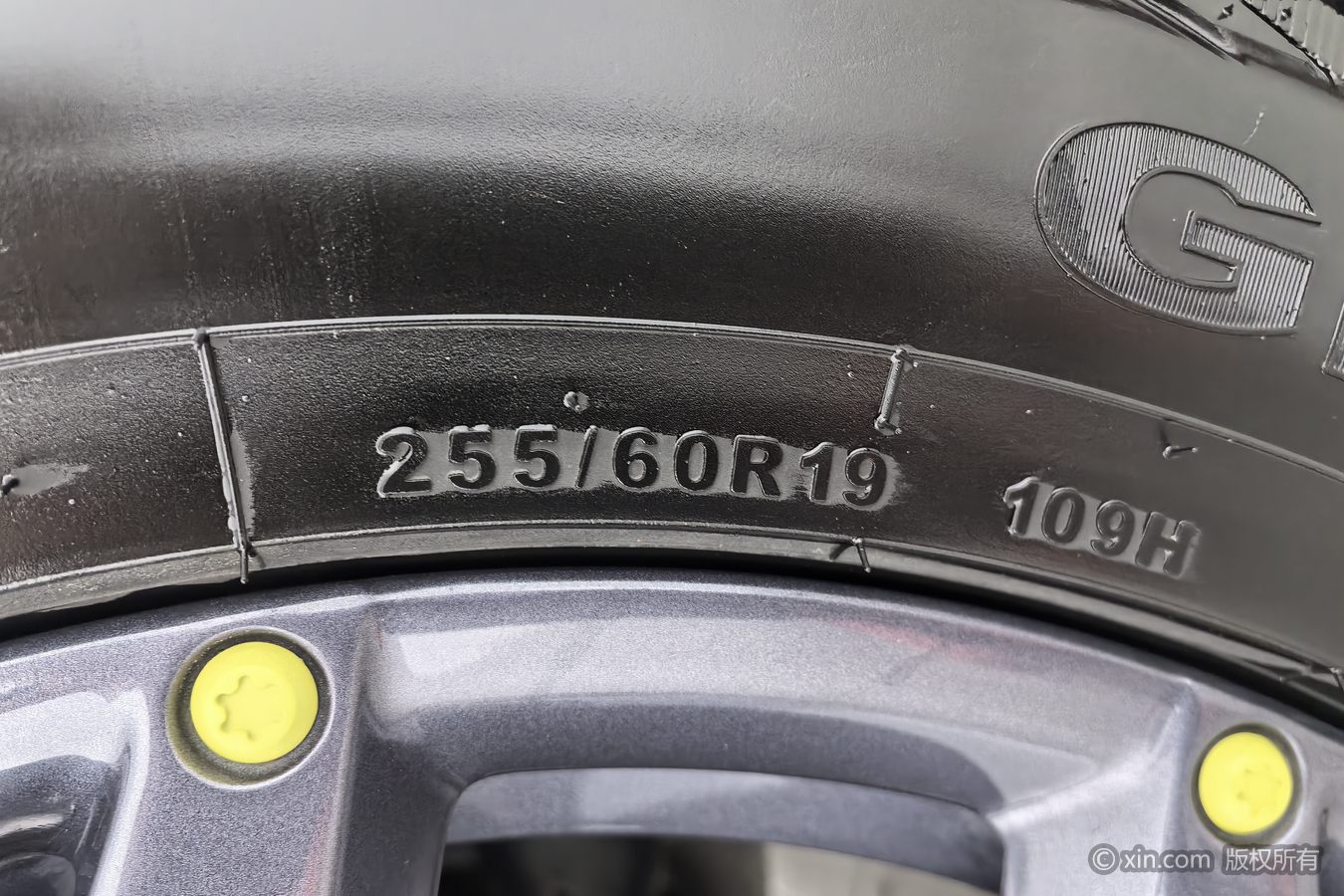



Basic Information

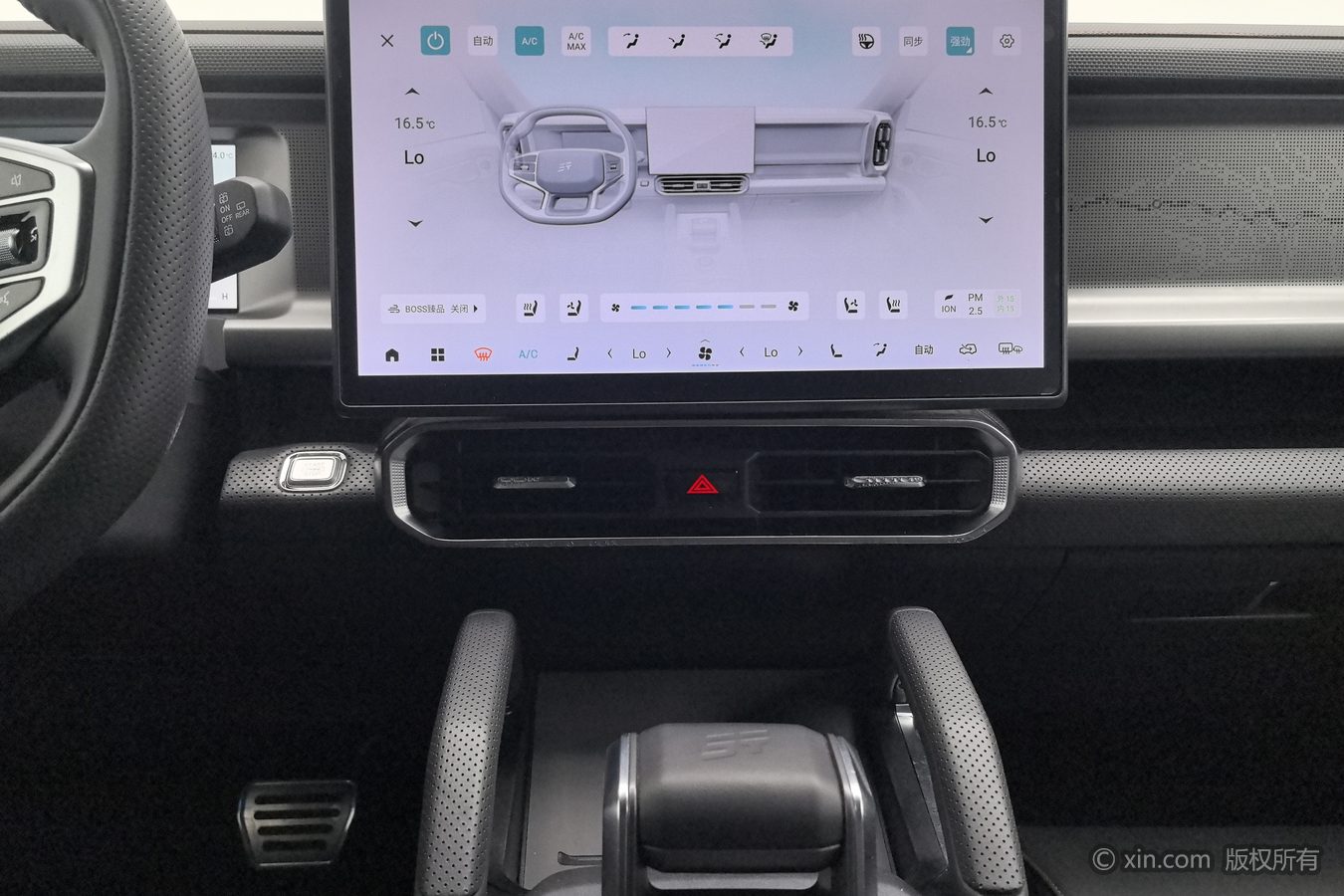
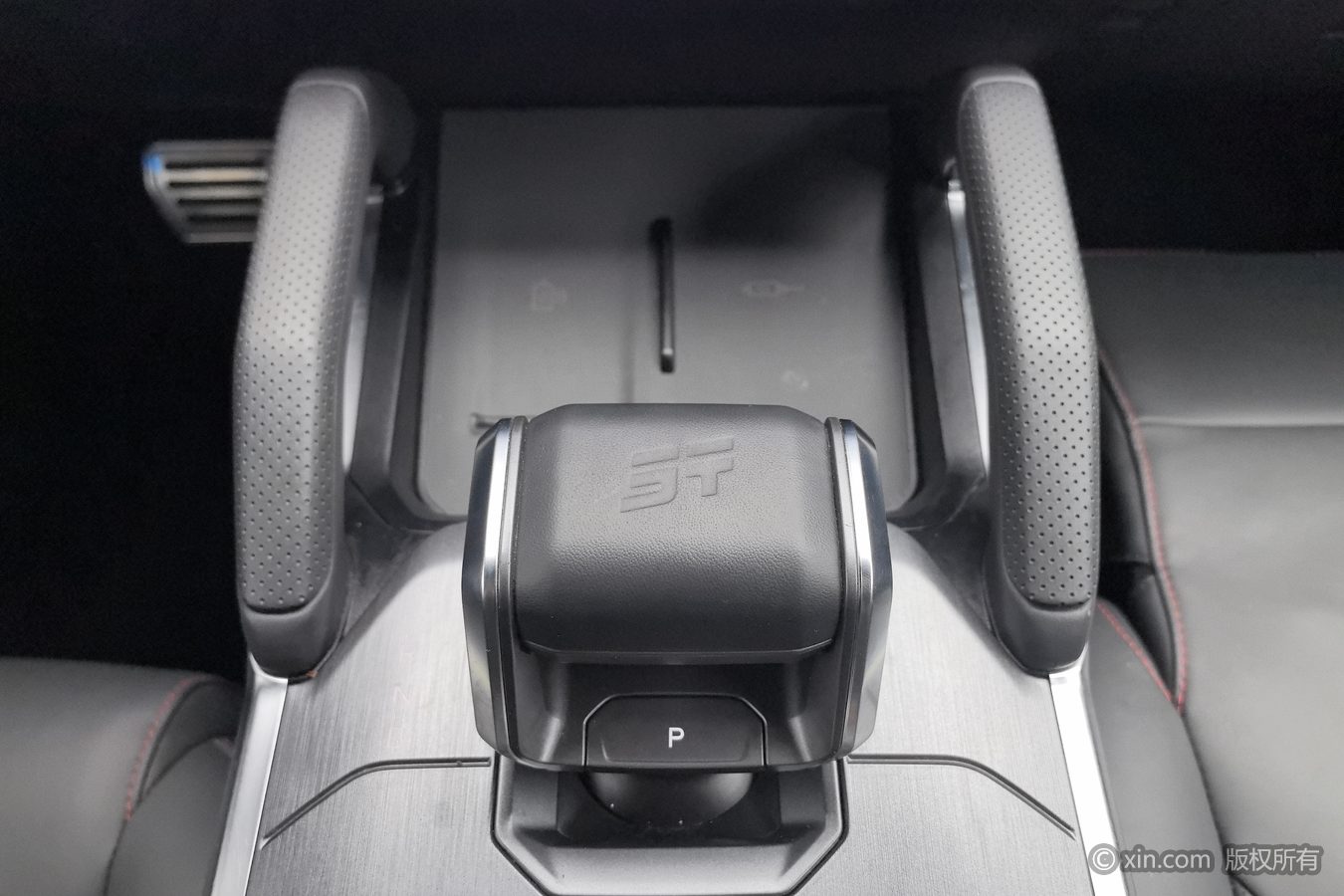
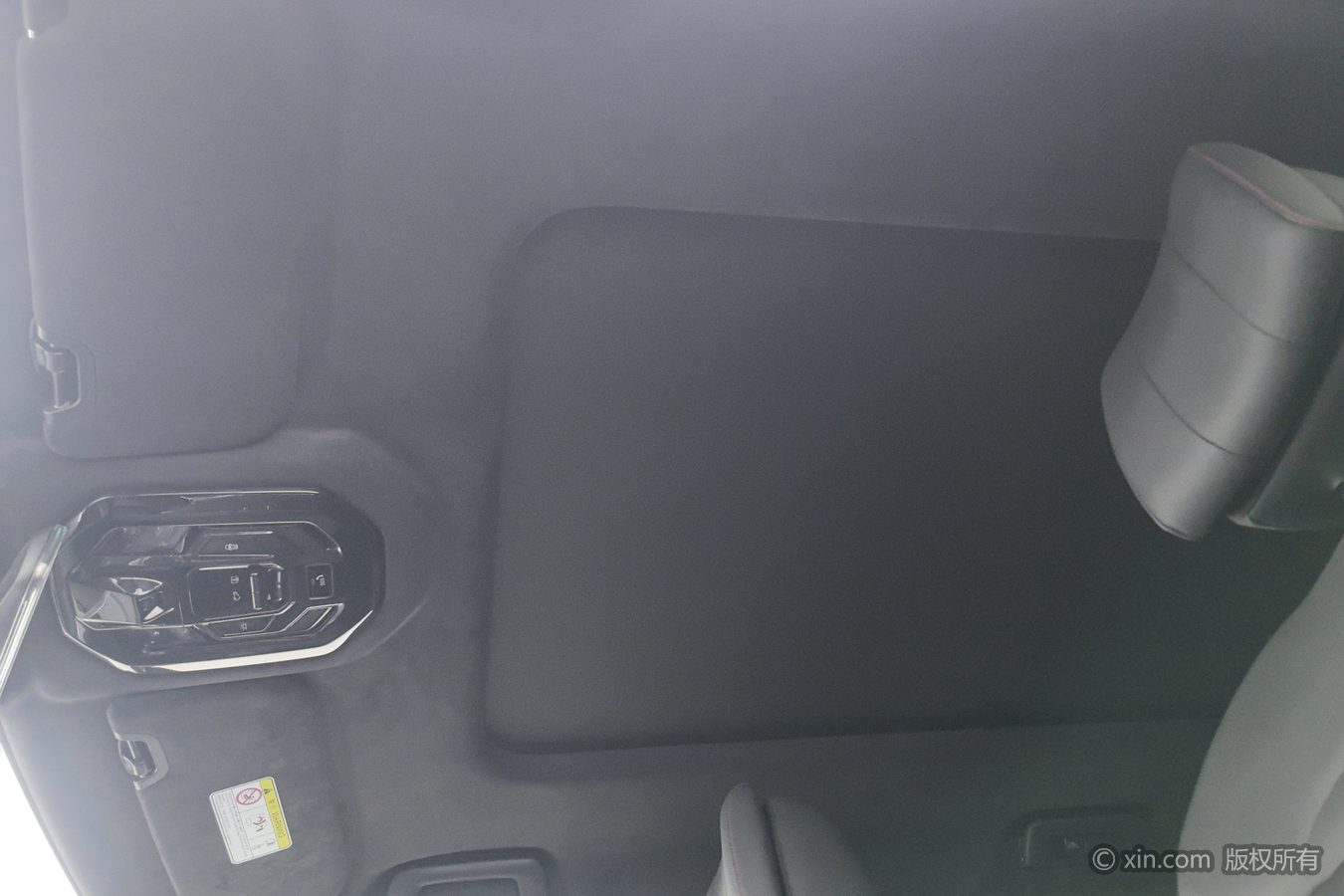
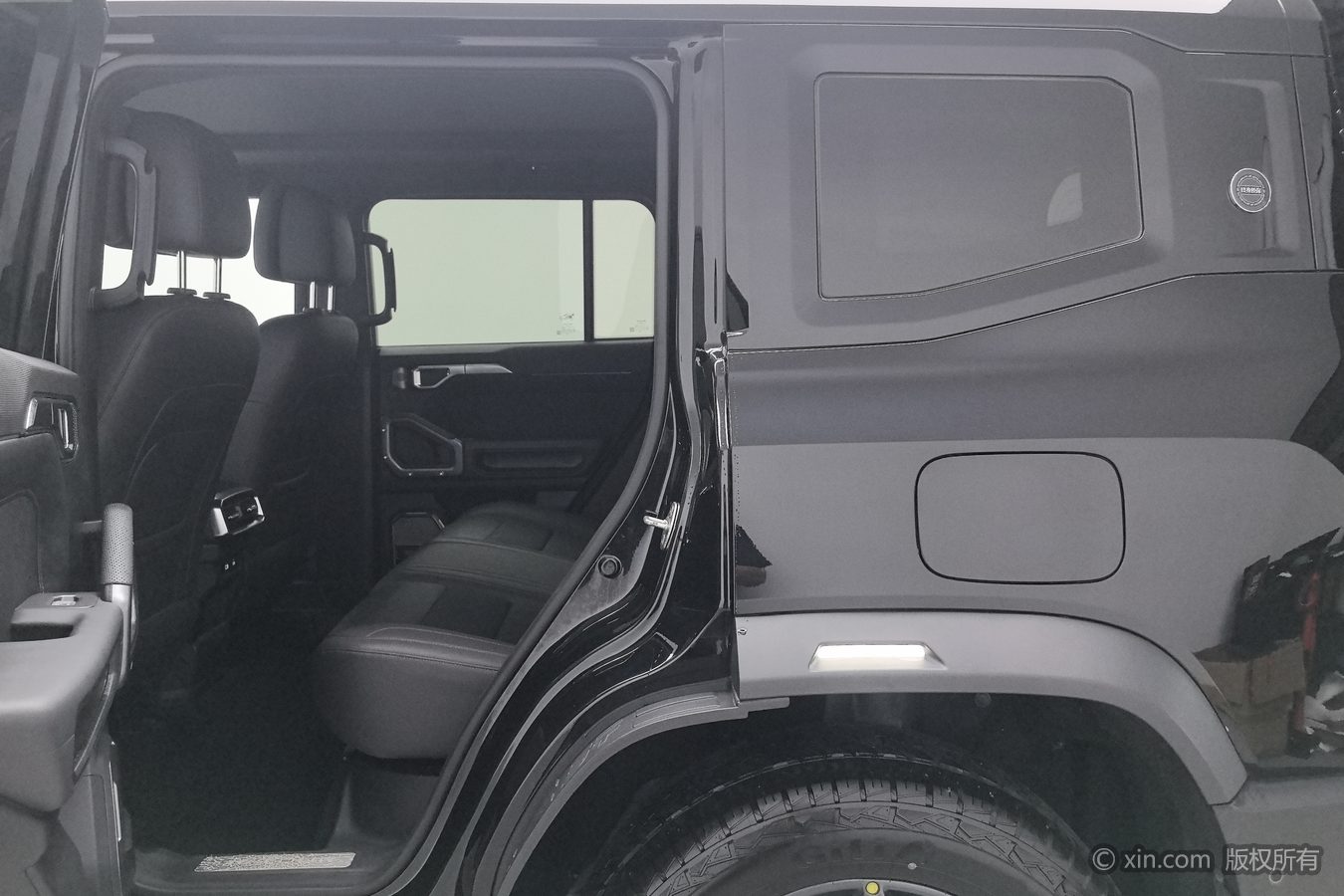
BrandJetour
SeriesTraveller
Year2024
First Registration2024/08
Mileage17,000km
Transfer Count0times
FuelGasoline
TransmissionDCT
Engine2.0T 254 L4
ColorBlack
Seats5seats

Condition Description

No odometer tampering, no structural damage, no water damage, no fire damage.

Configuration Highlights

✓Lane Keep Assist
✓前碰撞预警
✓Adaptive Cruise Control
✓液晶仪表盘

Document Information

Inspection Expiry Date2026/08
Warranty Expiry Date-
Insurance Expiry Date-

Q&A

More

If a vessel encounters a maritime disaster before arriving at port, does the buyer need to pay extra for General Average?

If General Average is triggered, all cargo owners must share the rescue costs. If you purchased marine insurance with a "General Average included" clause under CIF terms through us, the insurance company will cover this high shared cost for you; if you are an uninsured FOB buyer, you will need to pay it yourself.


Can the e-SIM card in China's new energy vehicle system be physically removed and replaced with a local SIM card from an overseas operator?

Most new car manufacturers' e-SIMs are directly soldered onto the T-Box motherboard (surface-mounted) and cannot be removed and replaced like a phone. Unauthorized desoldering of the motherboard may cause complete communication failure in the vehicle, and we strictly prohibit this operation.

What is a Certificate of Origin and why do I need one when importing a car from China?

A Certificate of Origin (C/O) is an official document stating where the vehicle was manufactured. Customs authorities use it to decide which tariff rates and trade agreements apply to your import. Why it matters: many countries offer preferential tariffs for certain origins. With a valid C/O, such as the ASEAN-China Form E or a GSP Form A, you may pay reduced or zero duty. Without it, you typically pay the standard, higher rate. The certificate must match the vehicle exactly: VIN, make, model and invoice details. It is usually issued by the China Council for the Promotion of International Trade (CCPIT) or customs authorities. Practical tips: request the C/O before shipment, because adding it later is slow; check that your country's customs accepts the specific C/O format; and confirm with your broker whether your vehicle category qualifies for preferential rates. This single document can save you thousands in duty.