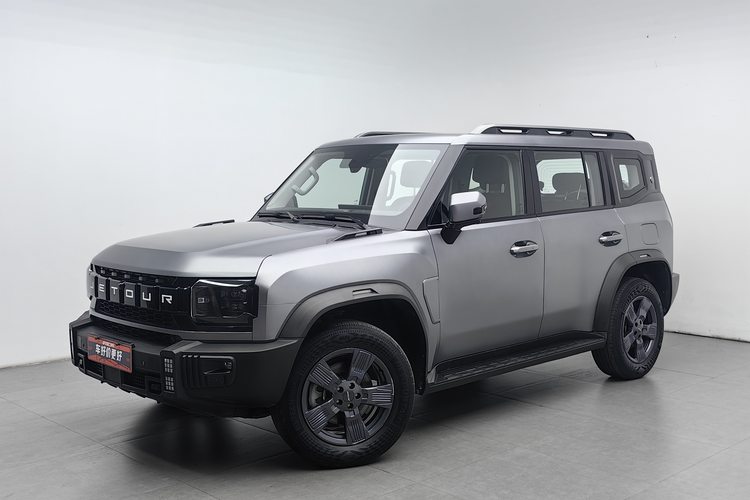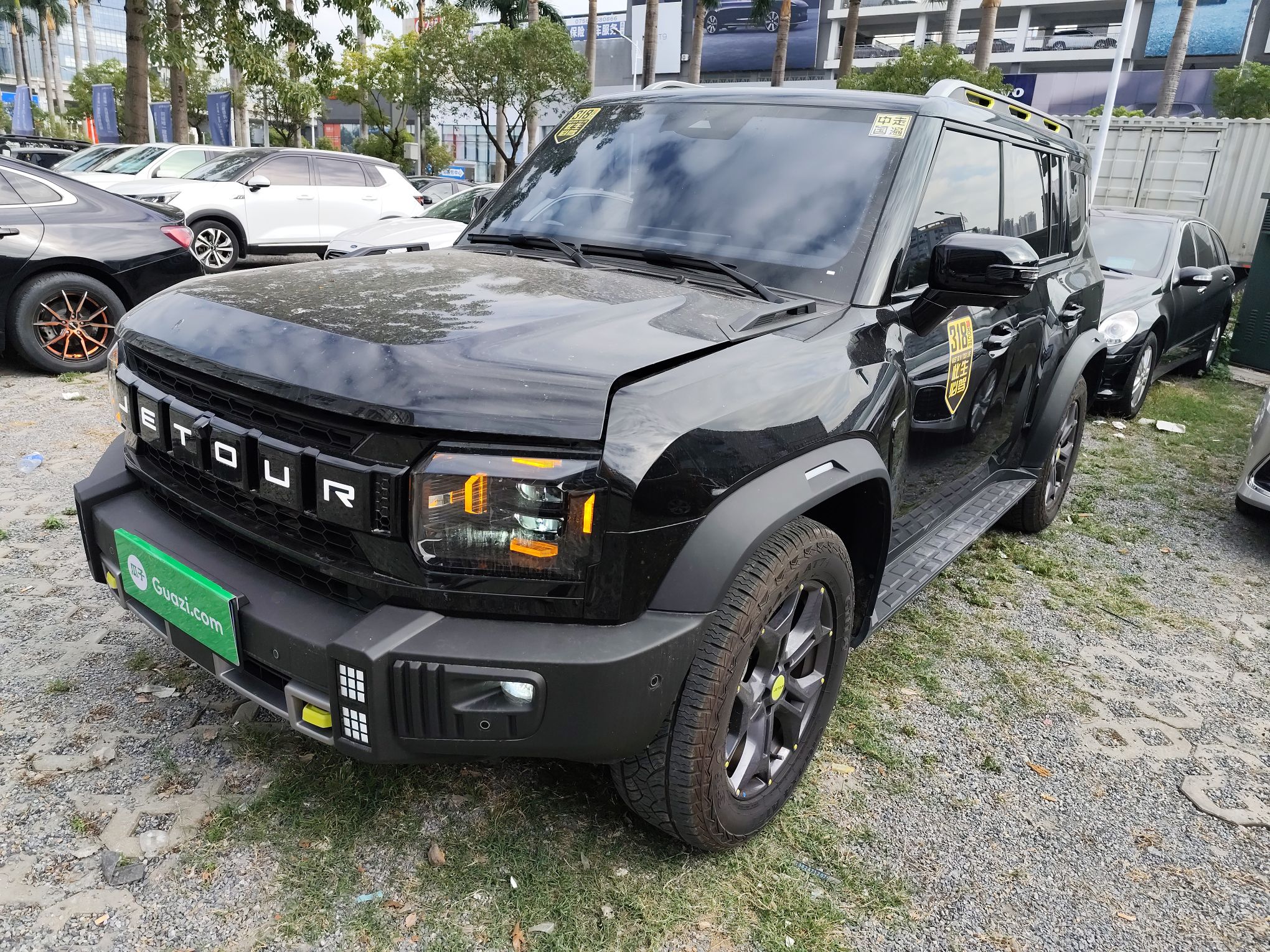
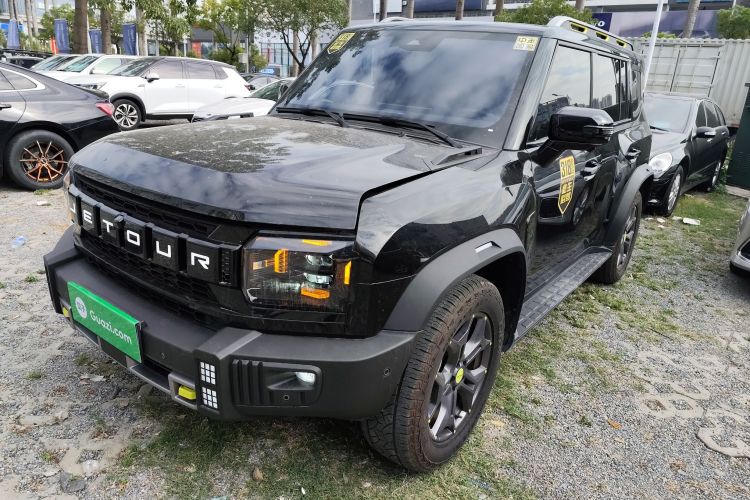

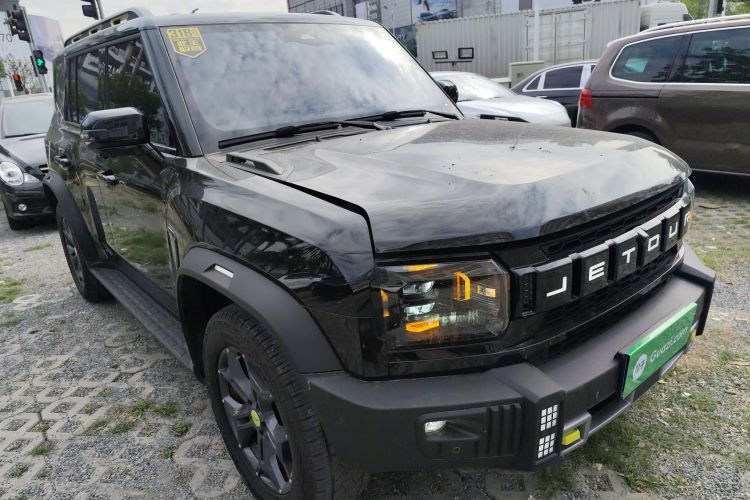





Basic Information

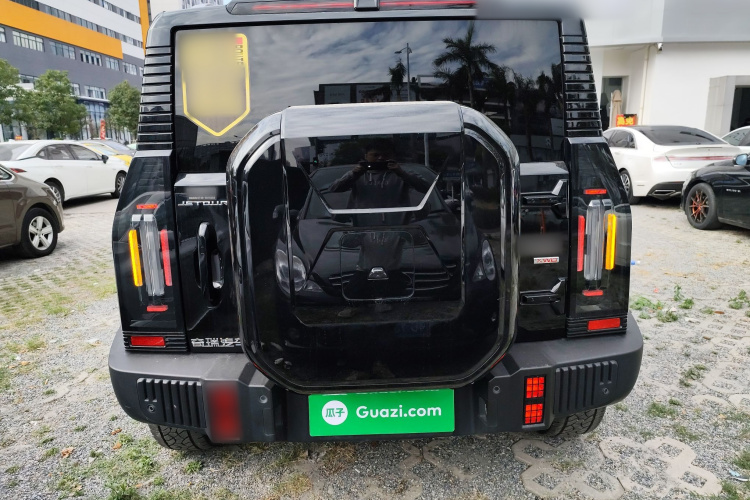
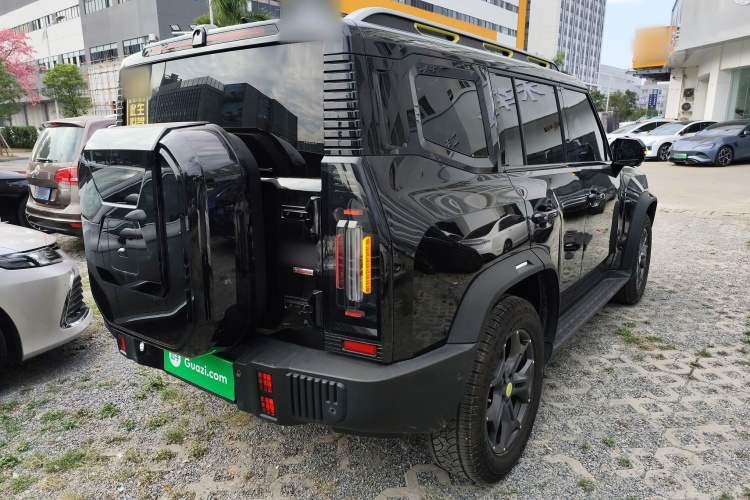
BrandJetour
SeriesTraveller
Year2025
First Registration2025/04
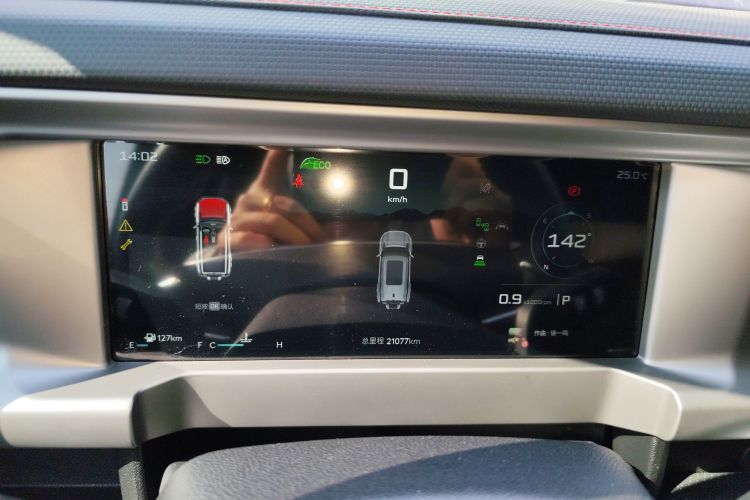
Mileage21,100km
Transfer Count-
FuelGasoline
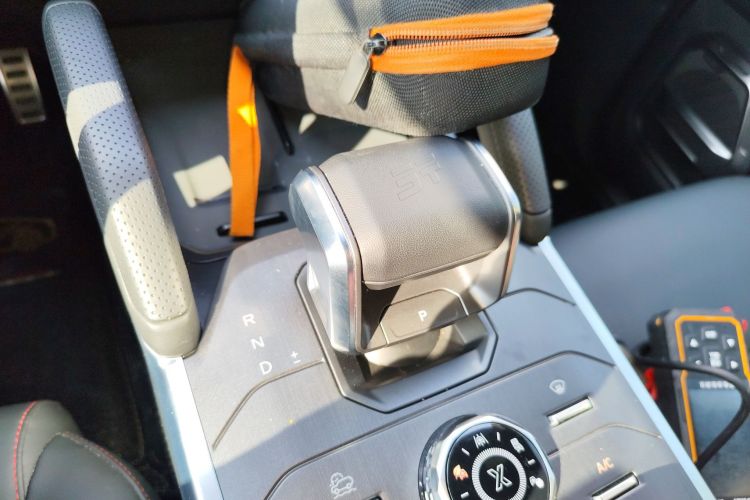
TransmissionDCT
Engine2.0T 254 L4
ColorBlack
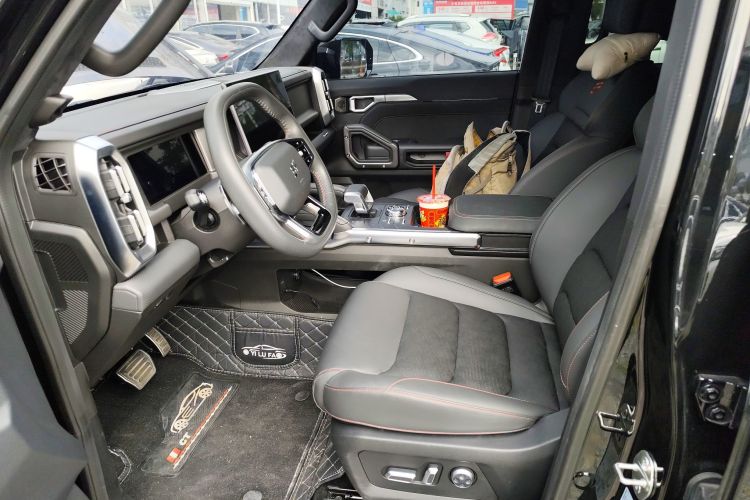
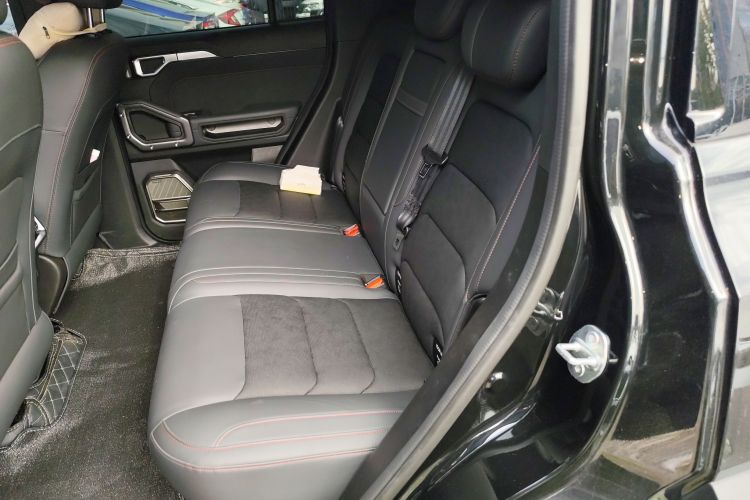
Seats5seats

Condition Description

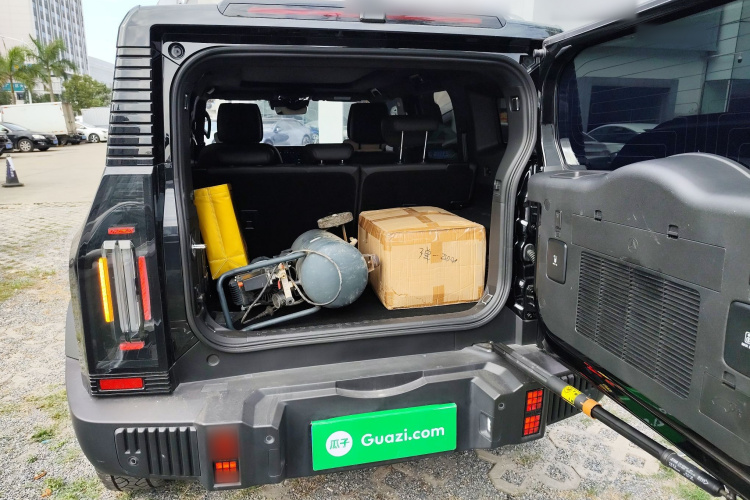
Excellent car condition test passed the car condition is better than 80%, and the best car condition for sale is claimed 0 times and transferred 0 times.

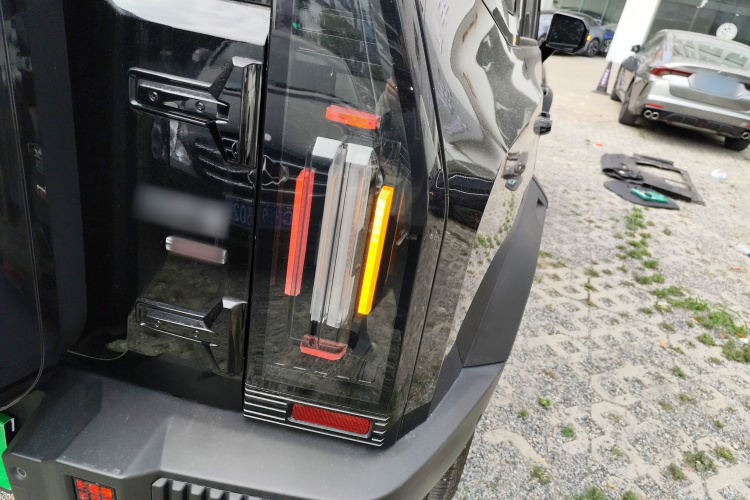
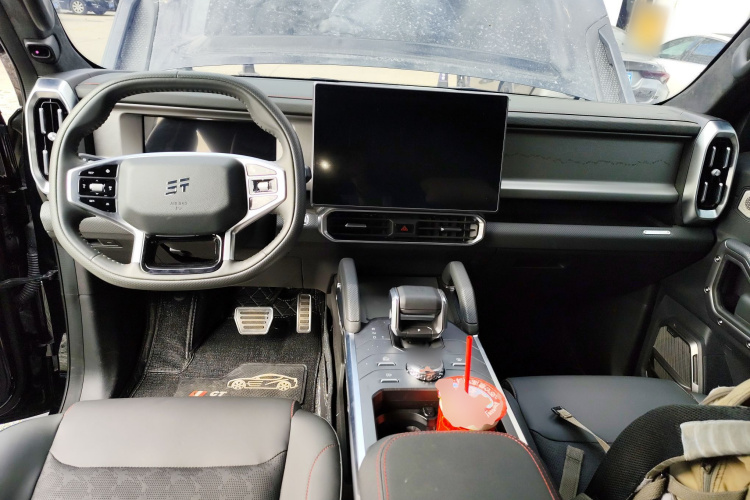
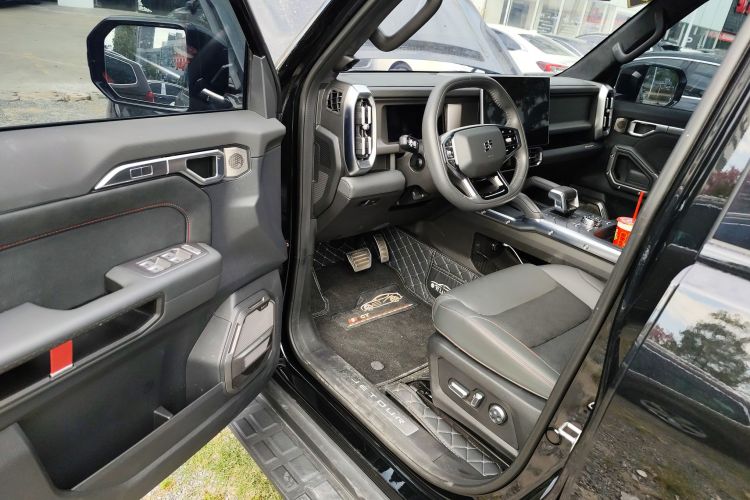
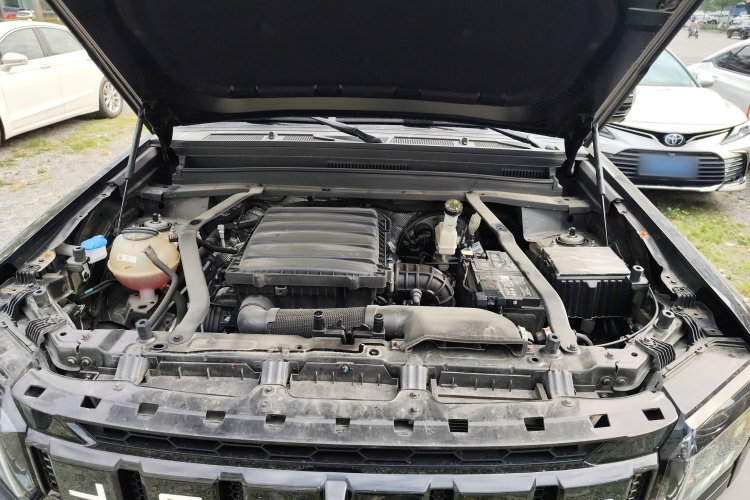
This vehicle is less than one year old, with a relatively short usage period, an average annual mileage of 21,100 kilometers, and high daily usage frequency. It has never been transferred to another owner, making it a good first-hand vehicle. The exterior is in excellent condition, with a glossy paint finish but possibly minor scratches. The interior is clean and tidy, with minor signs of use. The overall body frame is intact and without any abnormalities. Fluids are normal, and the powertrain operates smoothly without any issues.

Configuration Highlights

✓Soft-close Doors
✓Heated Steering Wheel
✓Center Differential Lock
✓Adaptive Cruise Control
✓Adaptive Headlights
✓Blind Spot Assist
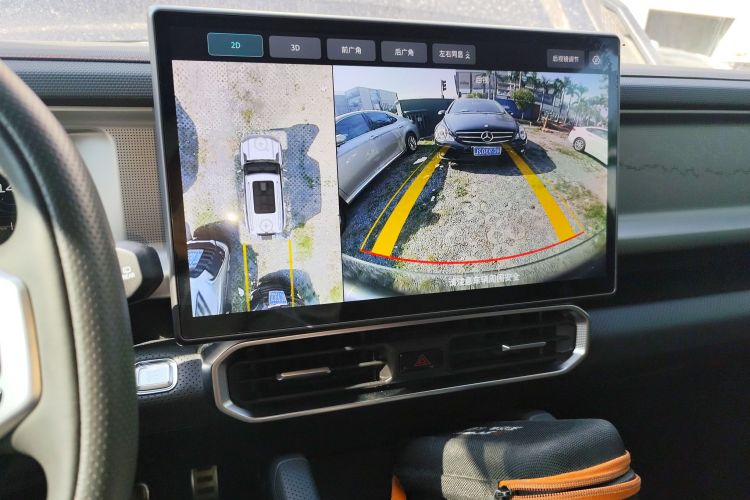
✓Surround View Camera
✓Lane Departure Warning
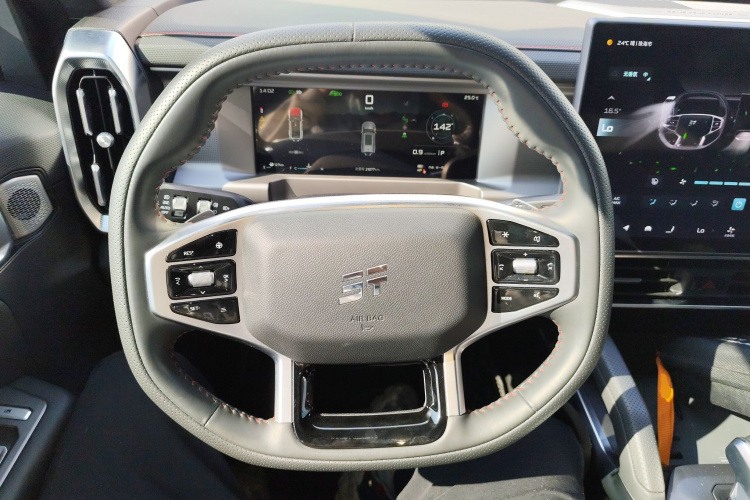
✓Digital Instrument Cluster
✓Panoramic Sunroof
✓Auto Park
✓4WD System
✓Driver Seat Memory
✓Ambient Lighting
✓Paddle Shifters
✓Smartphone Connectivity
✓High Beam Assist
✓Front Radar
✓Auto Hold
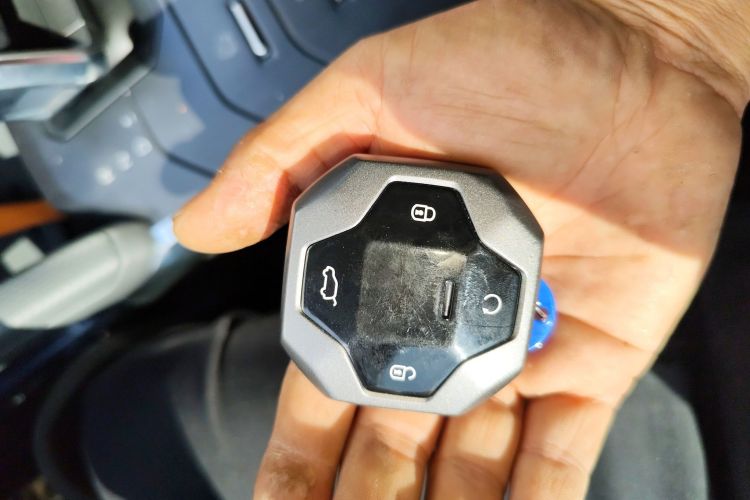
✓Keyless Entry
✓Rain-sensing Wipers
✓High-definition Low Beam
✓Power Folding Mirrors
✓Engine Start-Stop
✓Power Seats
✓Auto Headlights
✓Keyless Start
✓Rear Air Vents
✓Tire Pressure Monitoring
✓Heated Mirrors
✓Hill Start Assist
✓Rear Parking Sensors
✓Anti-pinch Windows

Q&A

More

How are import duties on used cars from China calculated, and which HS code applies?

Used cars are classified under HS heading 8703 (motor vehicles for transport of persons), with the last four digits determined by engine type and size. Gasoline cars usually fall in 8703.21–8703.80 depending on displacement; pure EVs fall under 8703.80; hybrids have their own subheadings. The duty amount depends on your country's tariff schedule: 1. Most countries charge duty on the CIF value (car price + freight + insurance), not the FOB price. 2. Many developing markets levy higher duties on used vehicles than new ones, and some add a surcharge based on age — older cars can cost significantly more to clear. 3. After duty, you typically pay VAT/GST on the CIF + duty total, plus port and customs fees. Practical tips: ask your exporter to state the exact HS code on the commercial invoice and confirm it with a local customs broker before shipping. A wrong code can trigger reclassification, penalties, or delays. Also budget for any excise tax tied to engine capacity — in several markets a 2.5L car clears far cheaper than a 3.5L one.


After picking up the car, I found the tire pressure warning (TPMS). How can I reset the tire pressure sensor myself?

Temperature differences during sea transport can easily trigger the tire pressure warning. After inflating the tires to the standard pressure (usually 2.5 Bar), most vehicles will automatically clear the warning after driving a few kilometers; some models require manually clicking "Tire Pressure Reset" in the "Vehicle Settings" on the central screen.

Do the exported new energy vehicle battery packs have the required UN38.3 test report and MSDS certificate for maritime transport?

Our documentation department has the latest versions of UN38.3 (United Nations Transport of Dangerous Goods Test and Standards) and MSDS reports authorized or filed by major Chinese new energy brands (such as BYD, Geely, GAC), which are essential customs documents for declaring dangerous goods to the maritime authority.