Basic Information

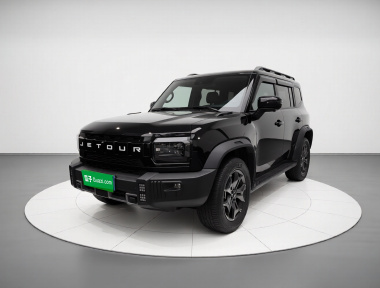
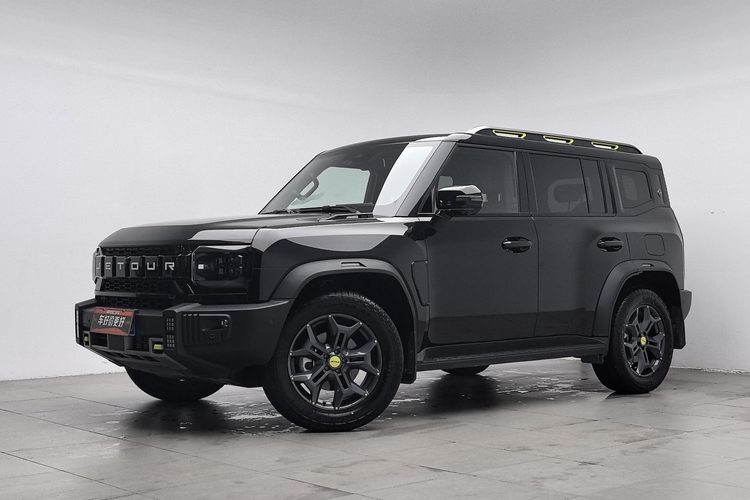
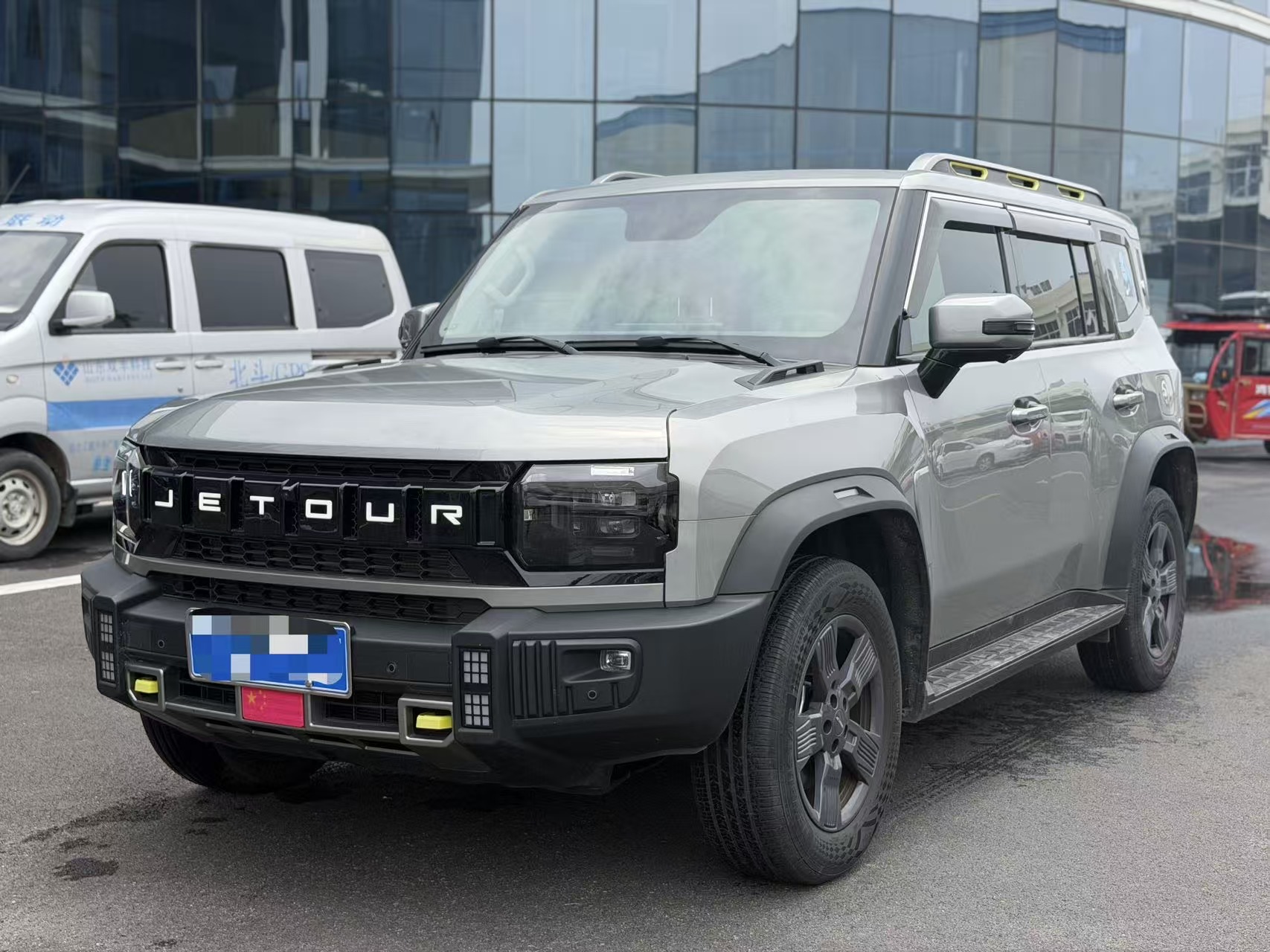
BrandJetour
SeriesTraveller
Year2025
First Registration2025/04
Mileage26,500km
Transfer Count-
FuelGasoline
TransmissionDCT
Engine1.5T 184 L4
ColorBlack
Seats5seats

Condition Description

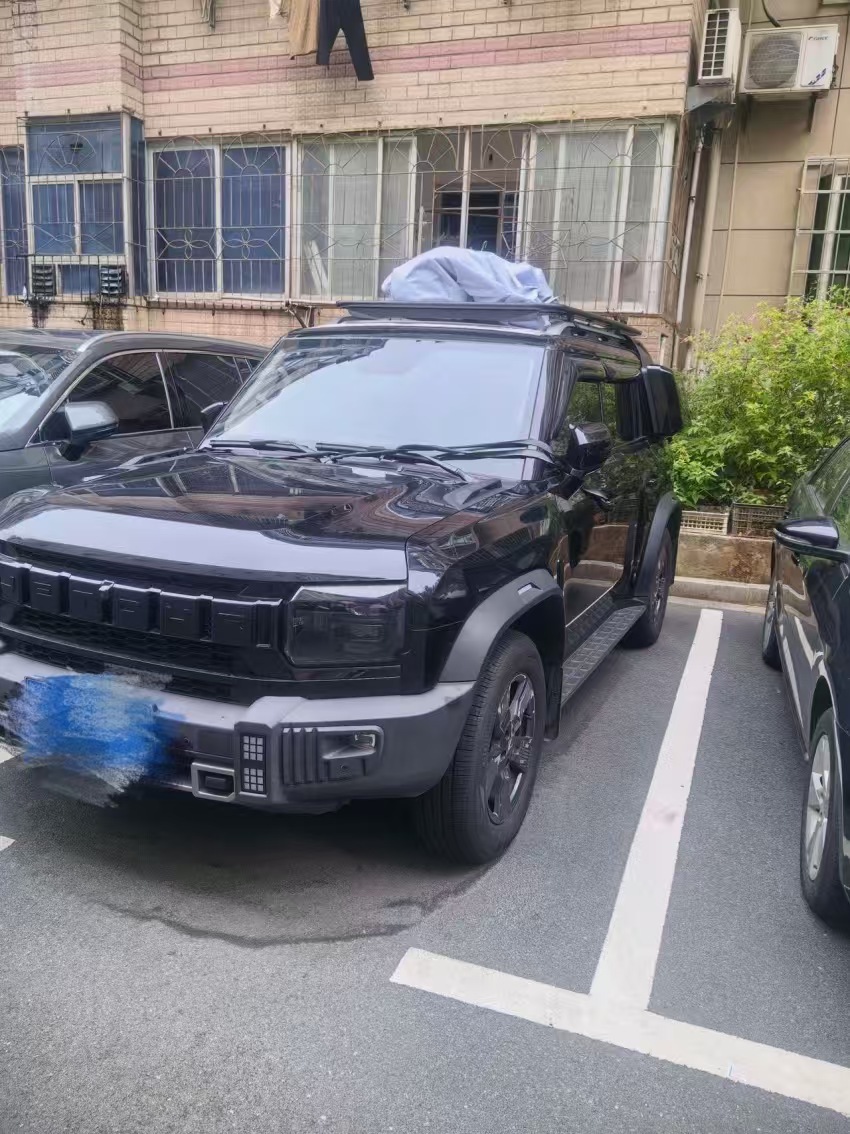
Vehicle performance is good. Structural, reinforced, and panel components have no accident-related damage or repairs. The three-electric system (battery, motor, electronic control) has no damage.

Accident inspection: main structure, reinforced components, panels, and hinges are undamaged. Engine bay: key mechanical components are normal. Exterior: no issues. Interior: most features are normal; airbags, seatbelts, dashboard, instruments, and lighting system are normal. Startup inspection: main components are normal. Onboard tools: none.

电话直连
可讲价
平台物流
可转售
抵押车
零过户
新检测标准升级>
非泡水

Document Information

Inspection Expiry Date2030/12
Warranty Expiry Date-
Insurance Expiry Date-

Q&A

More

How many previous owners has this car had? Does a high number of transfers indicate poor condition?

We will provide the transfer record from the vehicle registration certificate. A high number of transfers does not necessarily indicate poor condition (for example, internal transfers within a family for quota purposes), but we will consider it a risk factor and conduct a more thorough physical inspection to verify its actual condition.

If the customs of the destination country values the vehicle higher than your commercial invoice amount, leading to a surge in duties, who is responsible?

The customs of the destination country has the right to disregard the commercial invoice and reassess the value based on its internal database (such as the customs valuation red book). Any additional duties incurred are a result of the importing country's policy and are fully borne by the buyer (importer).

How do you detect carbon buildup and wear inside the engine using technology without deep disassembly?

We use two steps: 1. Insert a medical-grade endoscope through the spark plug hole to visually inspect cylinder wall scratches and carbon buildup on the piston top; 2. Extract an engine oil sample to check for large metal debris or emulsification (caused by coolant leakage).