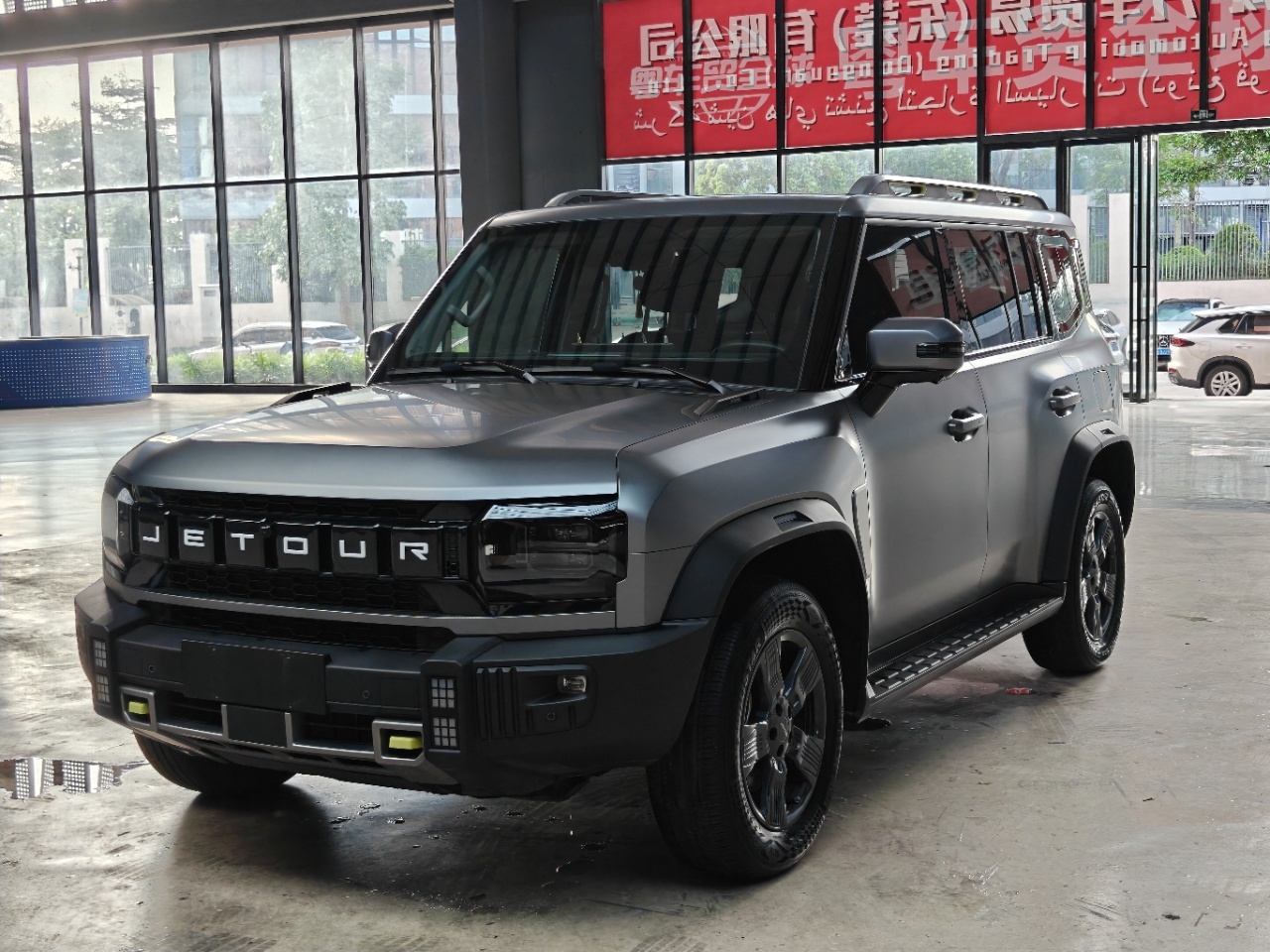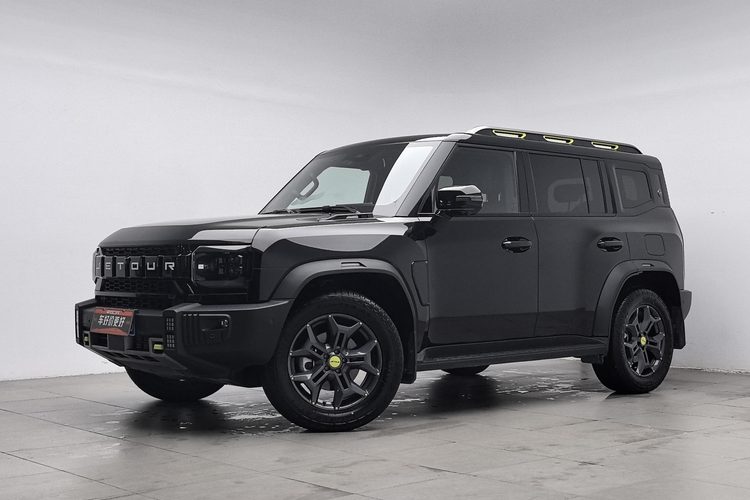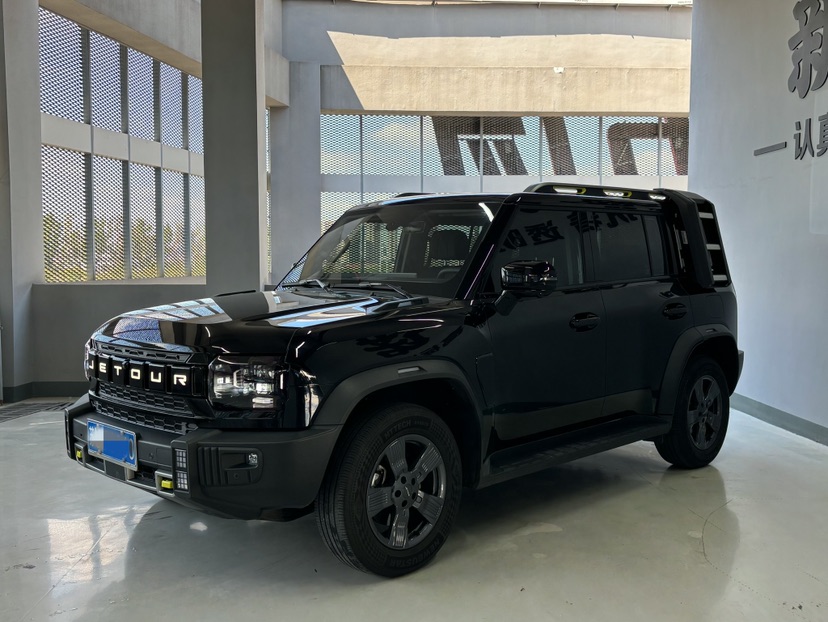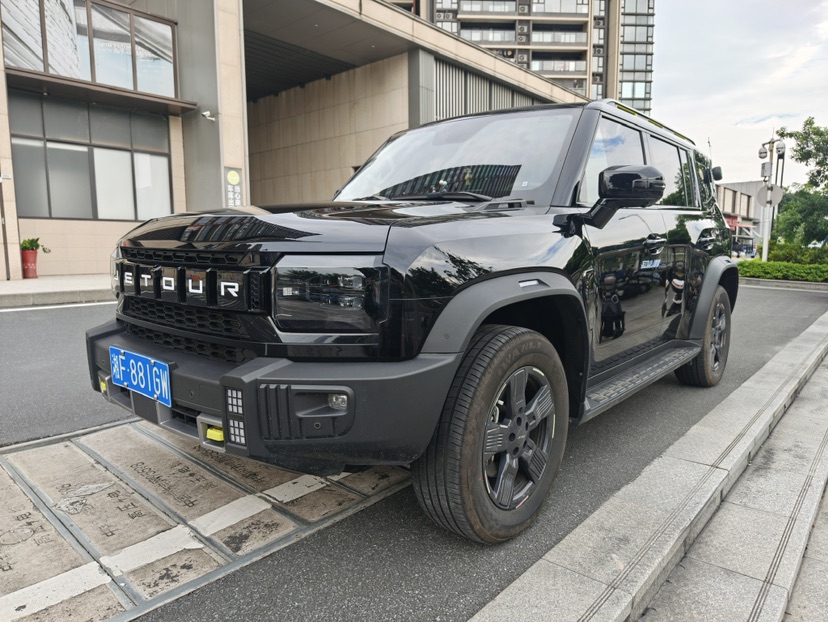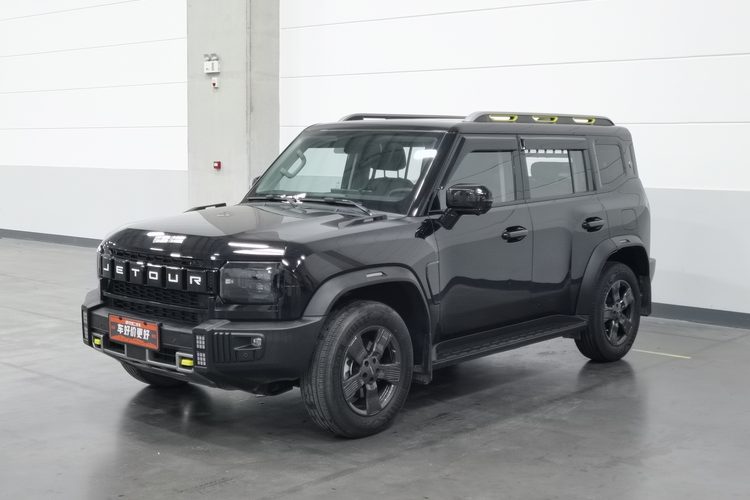
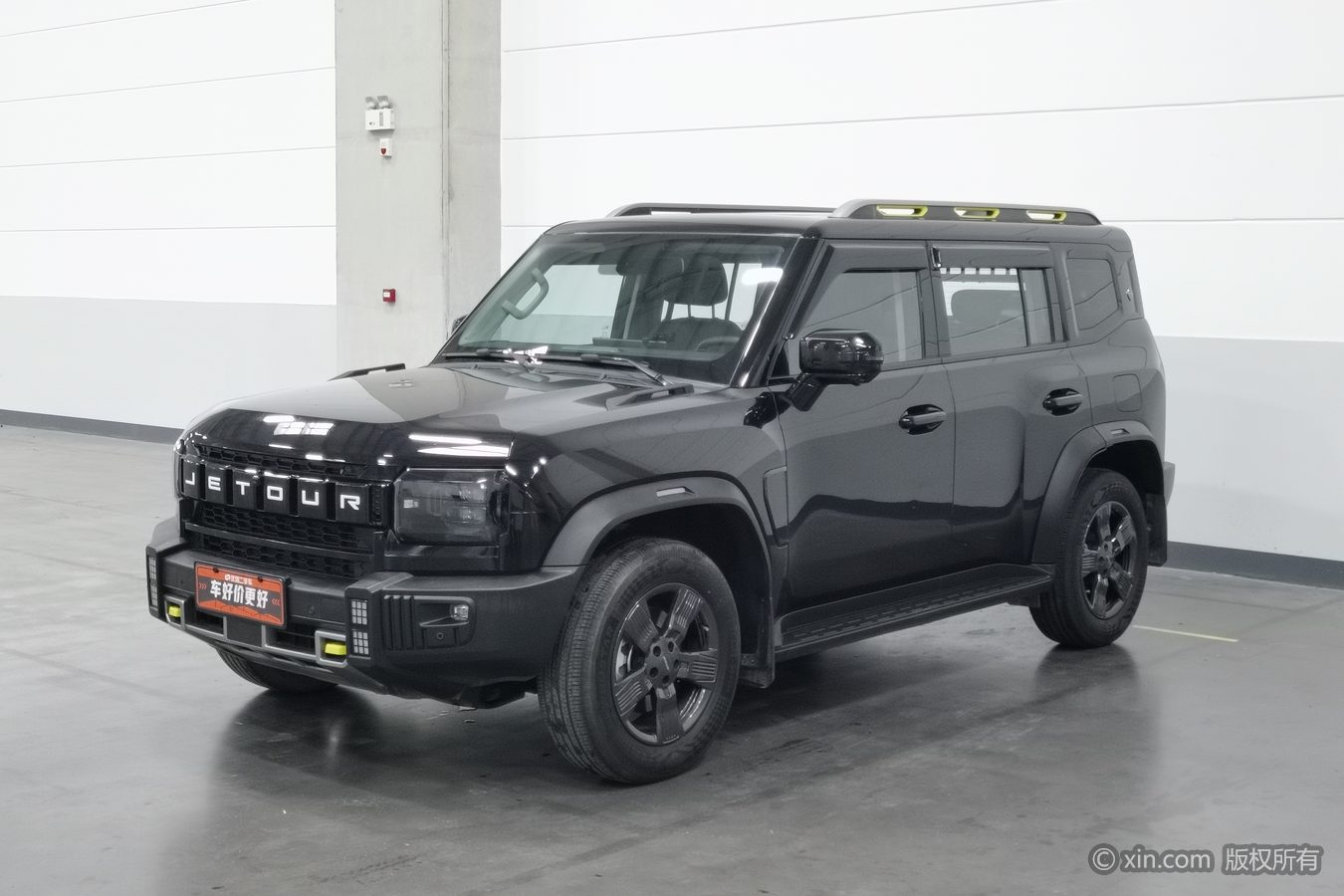
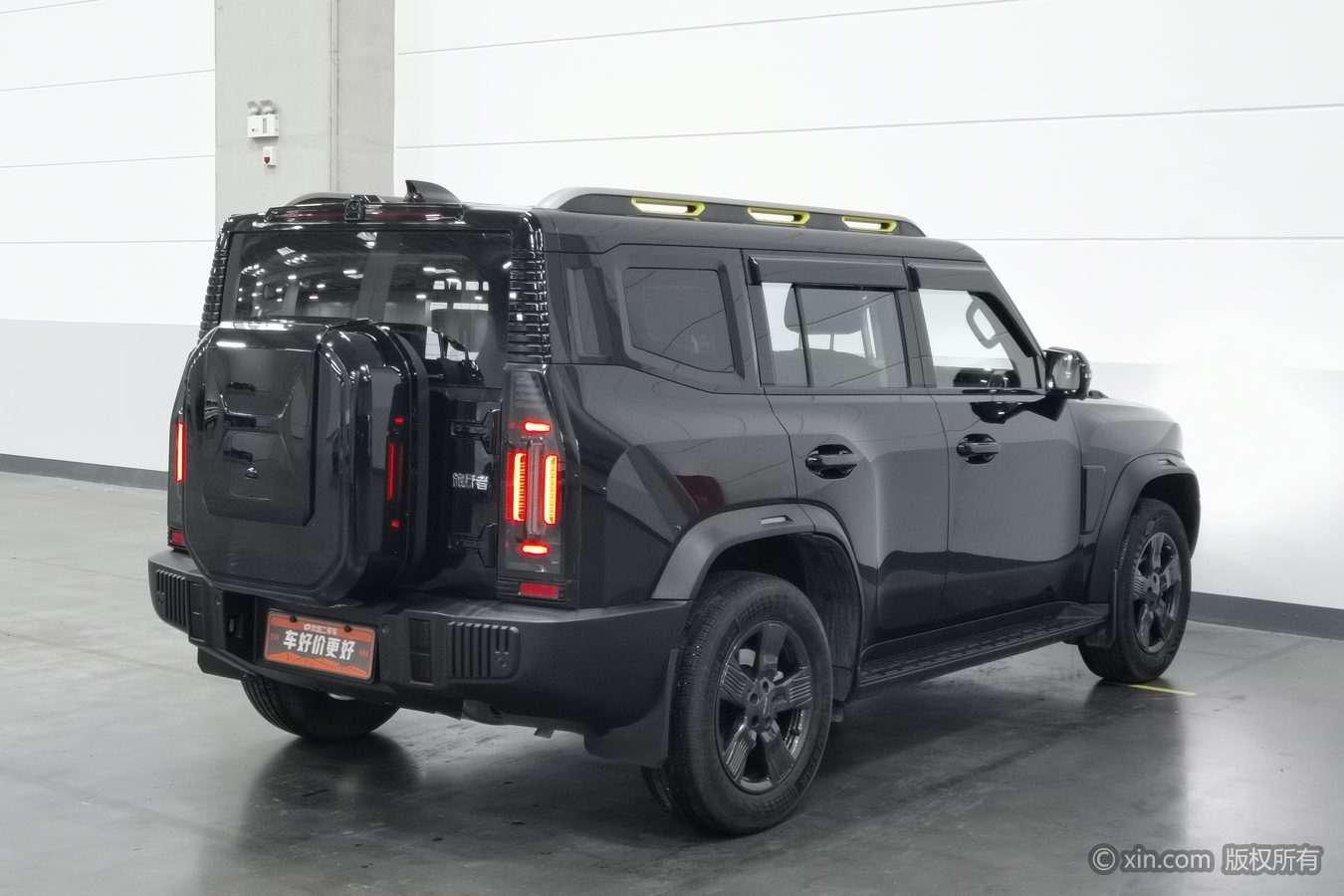
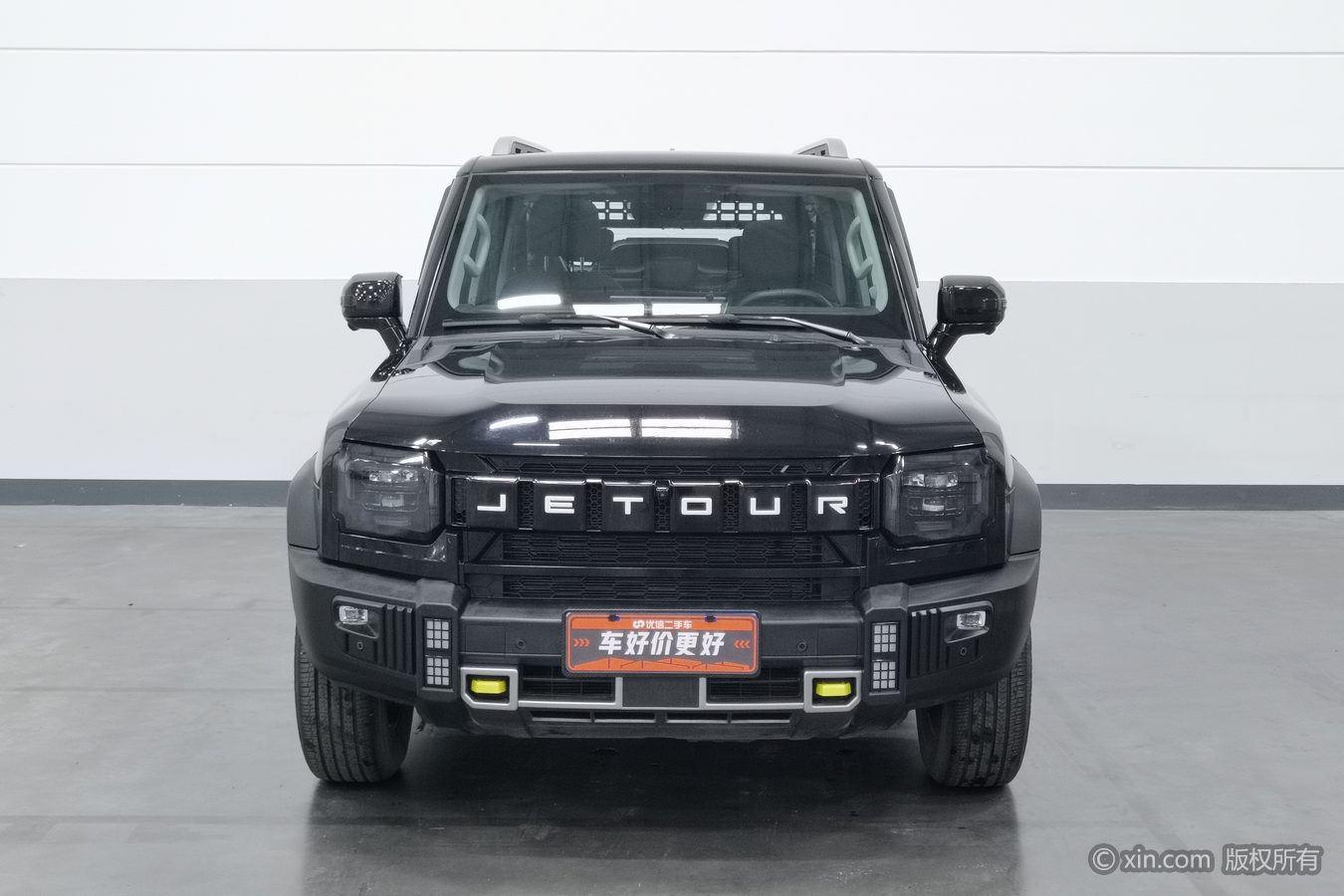
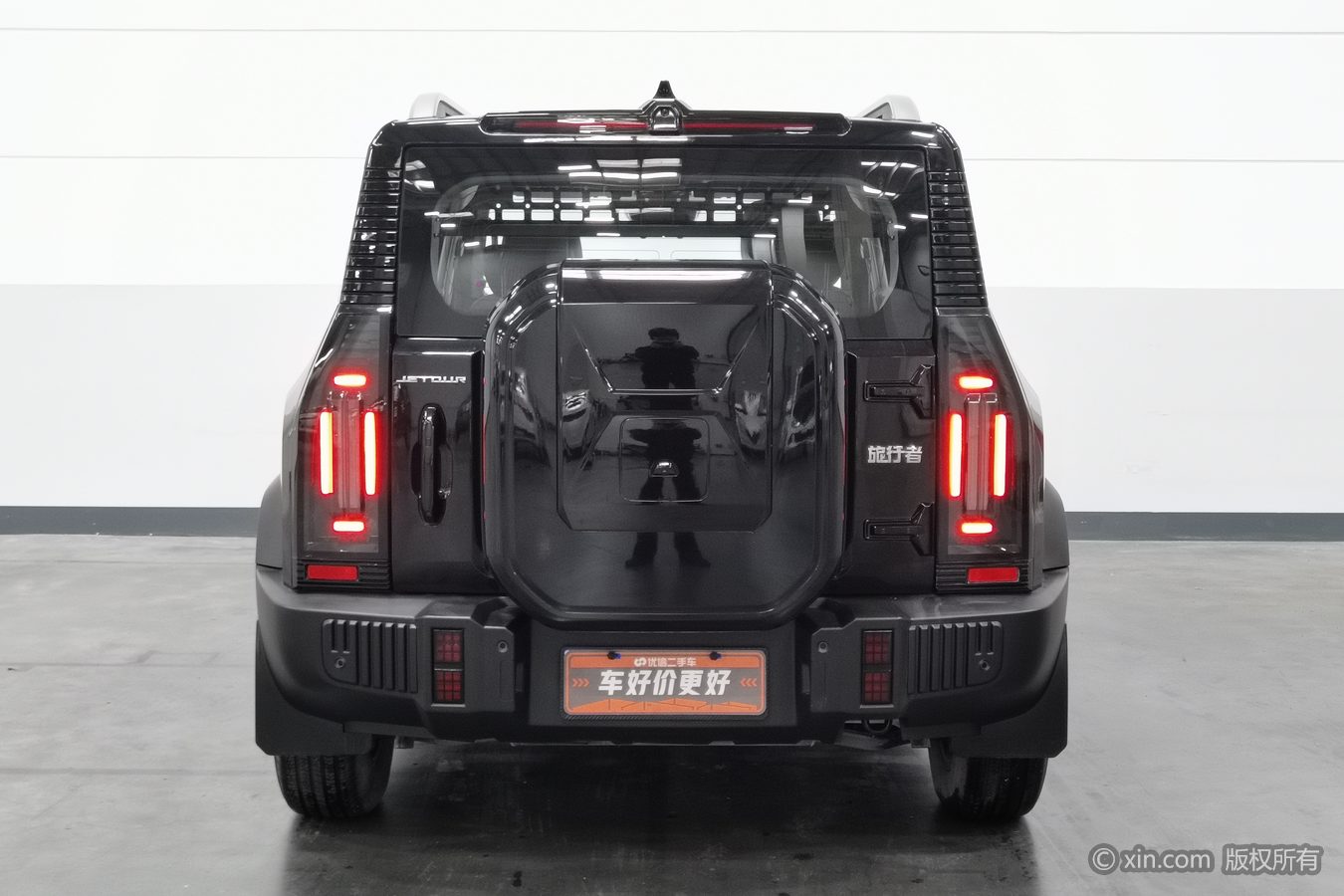
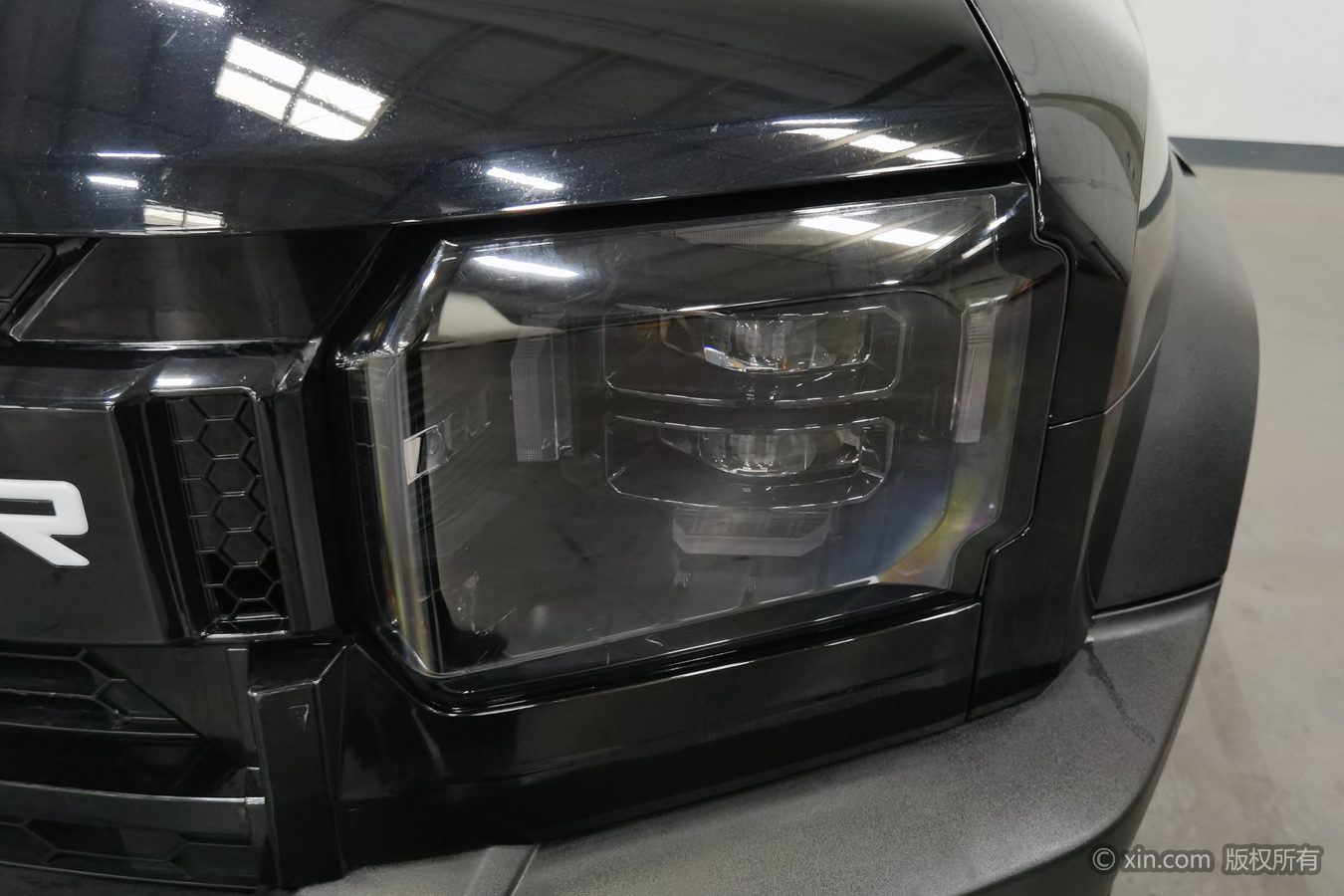
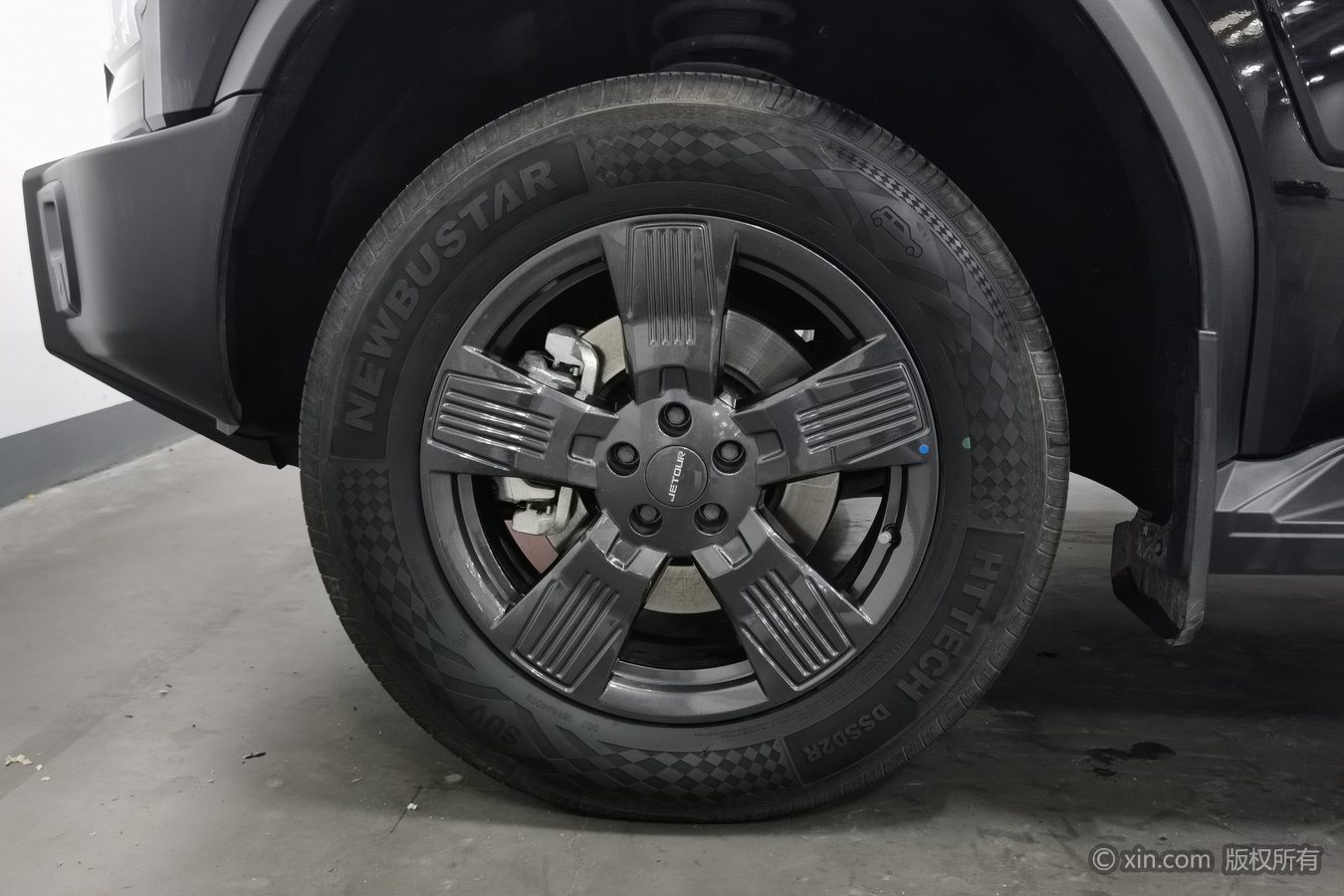
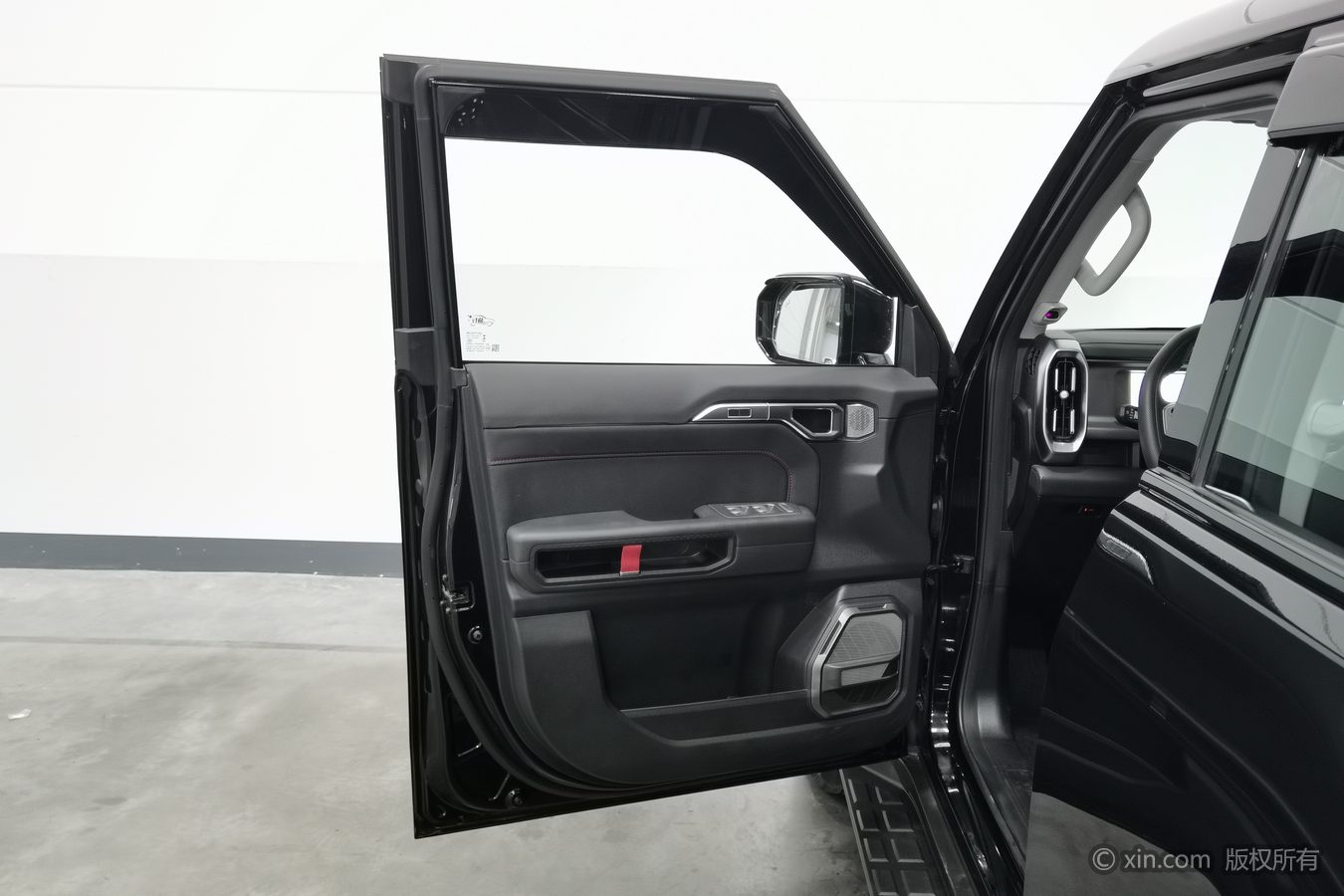
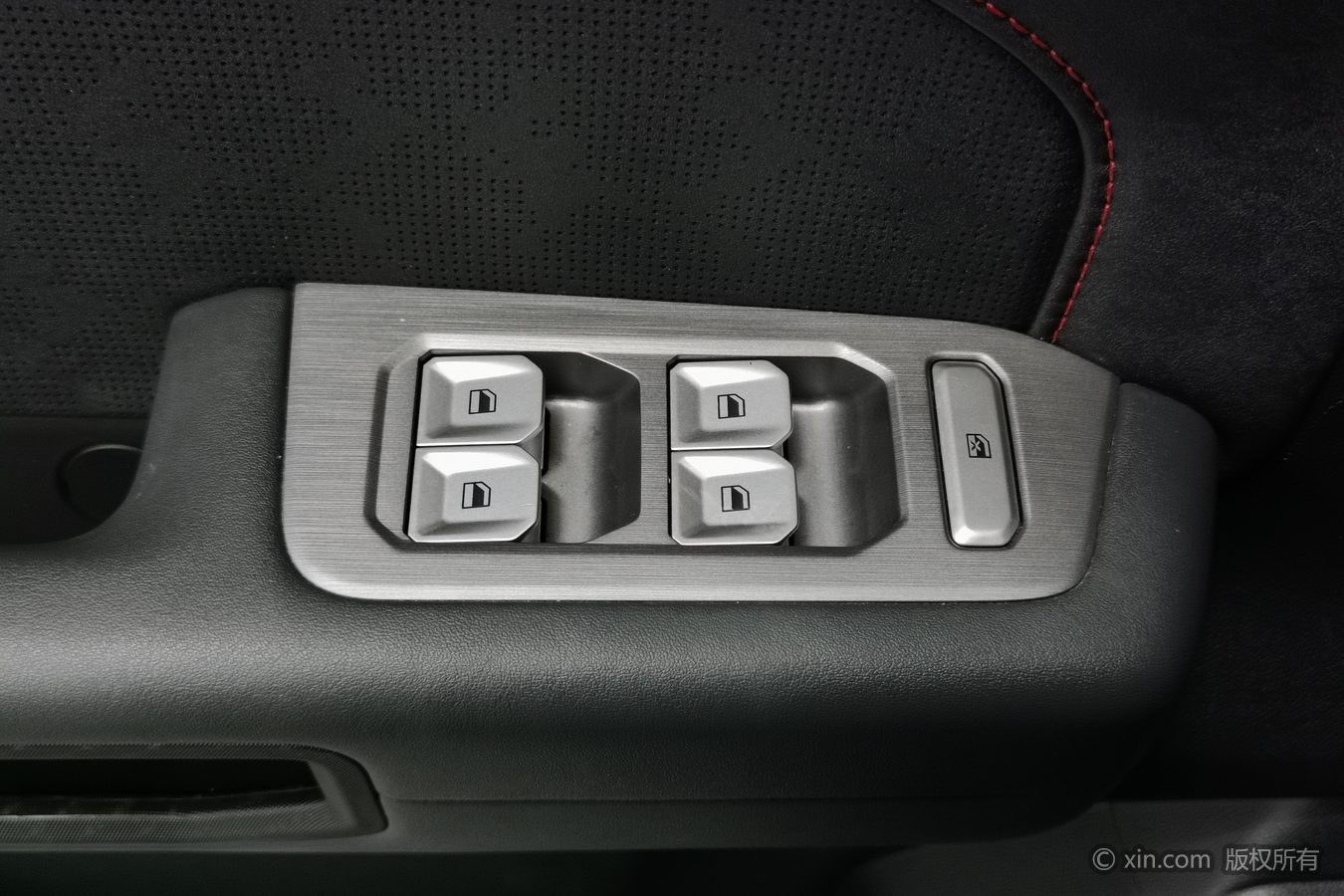
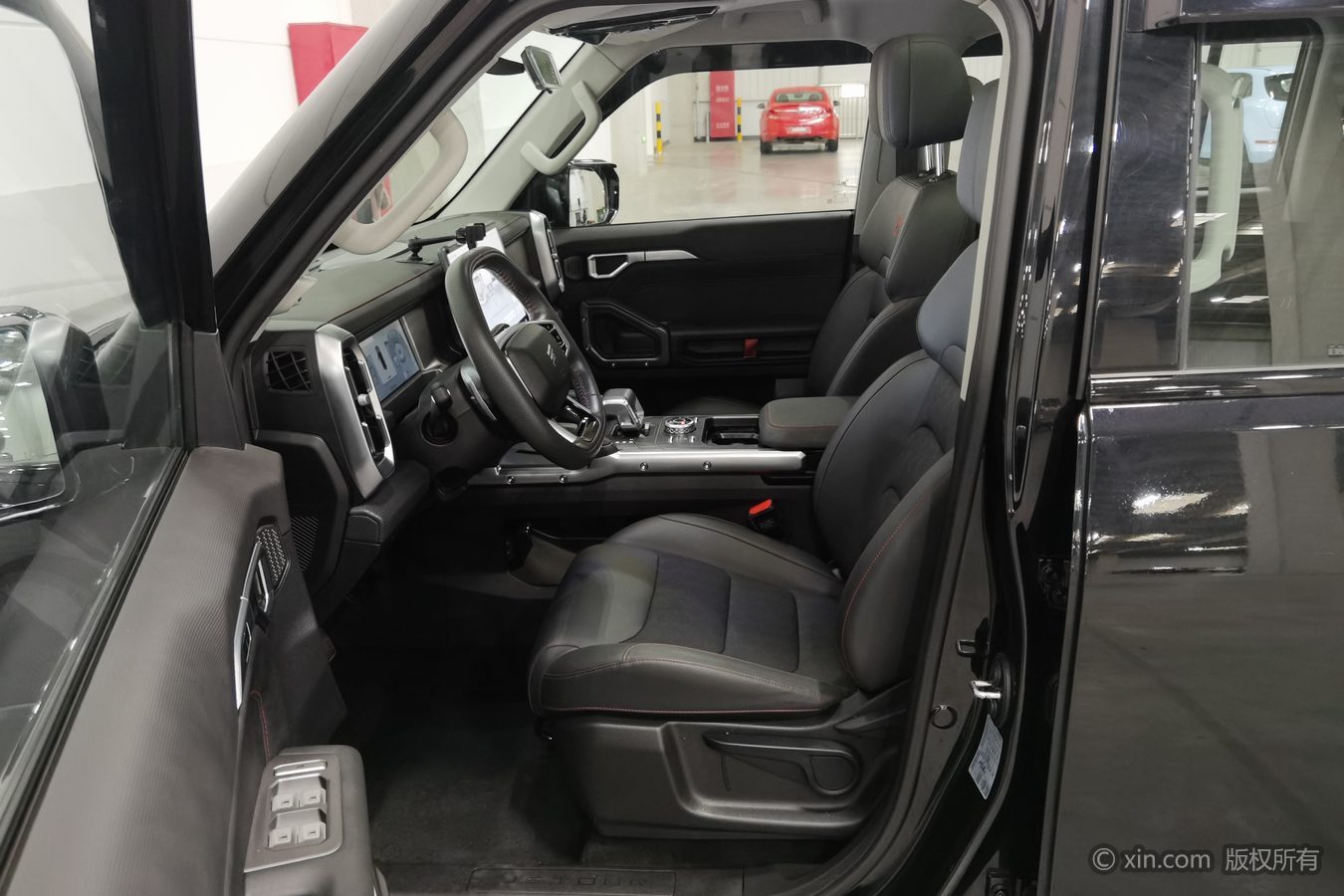
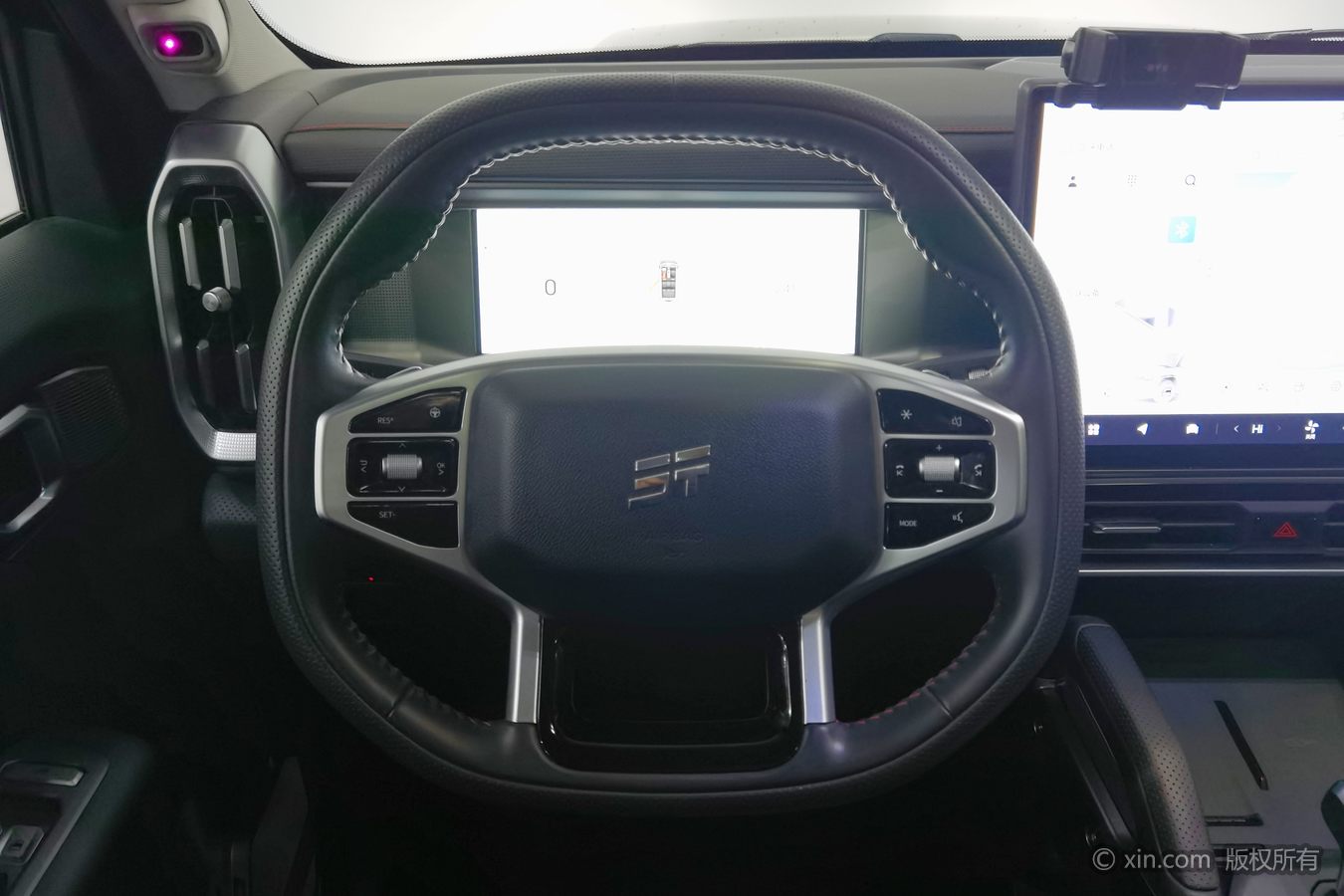
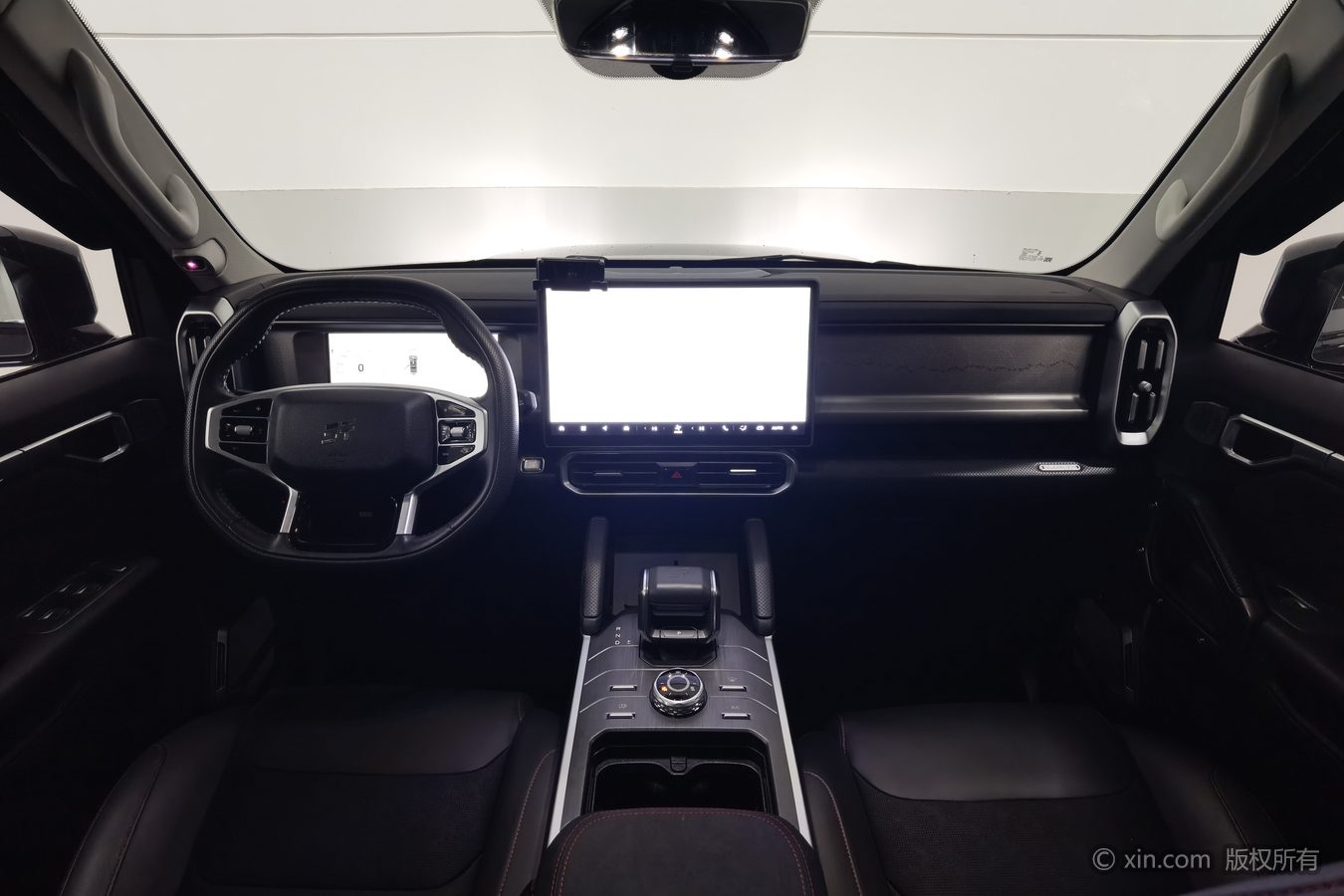
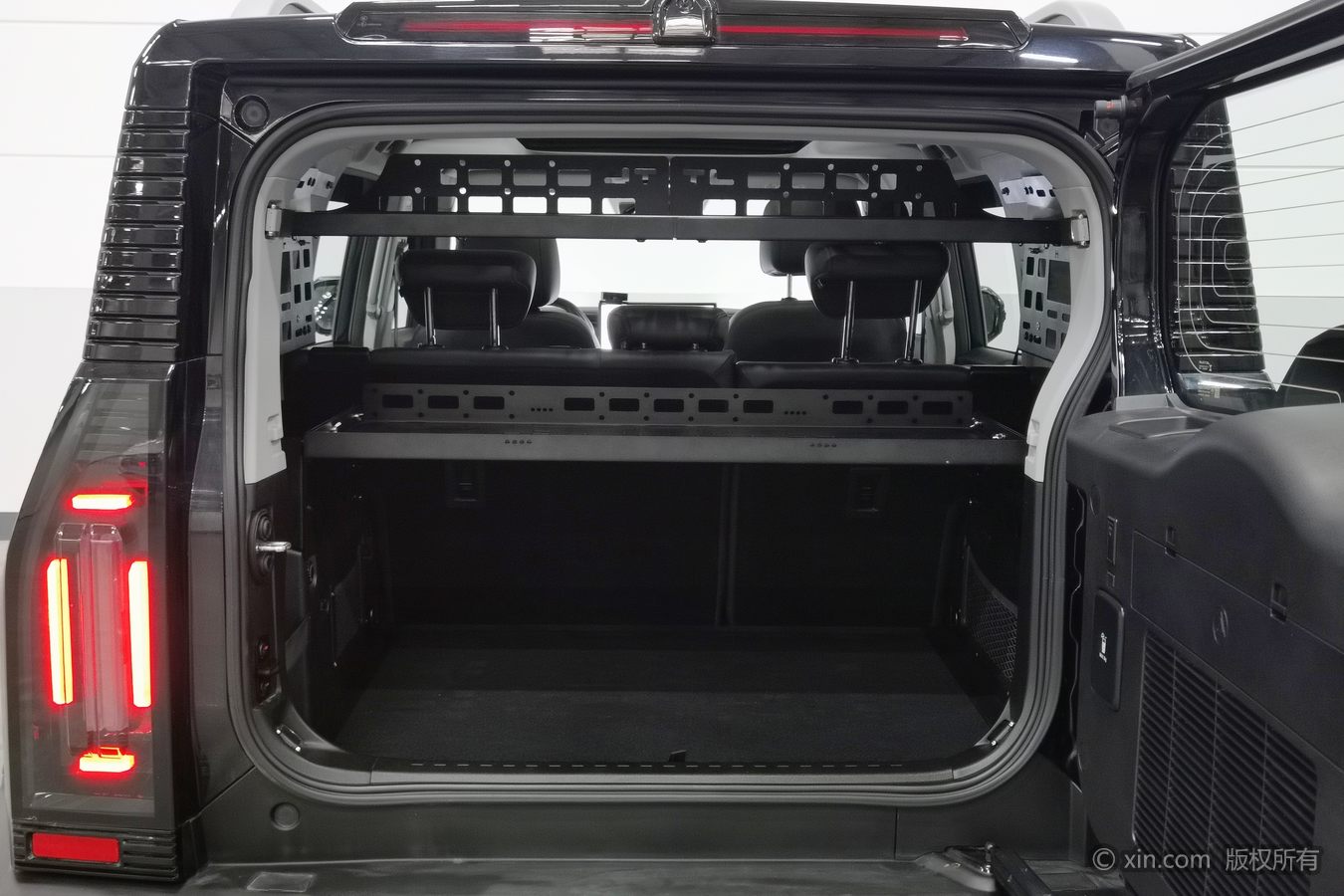
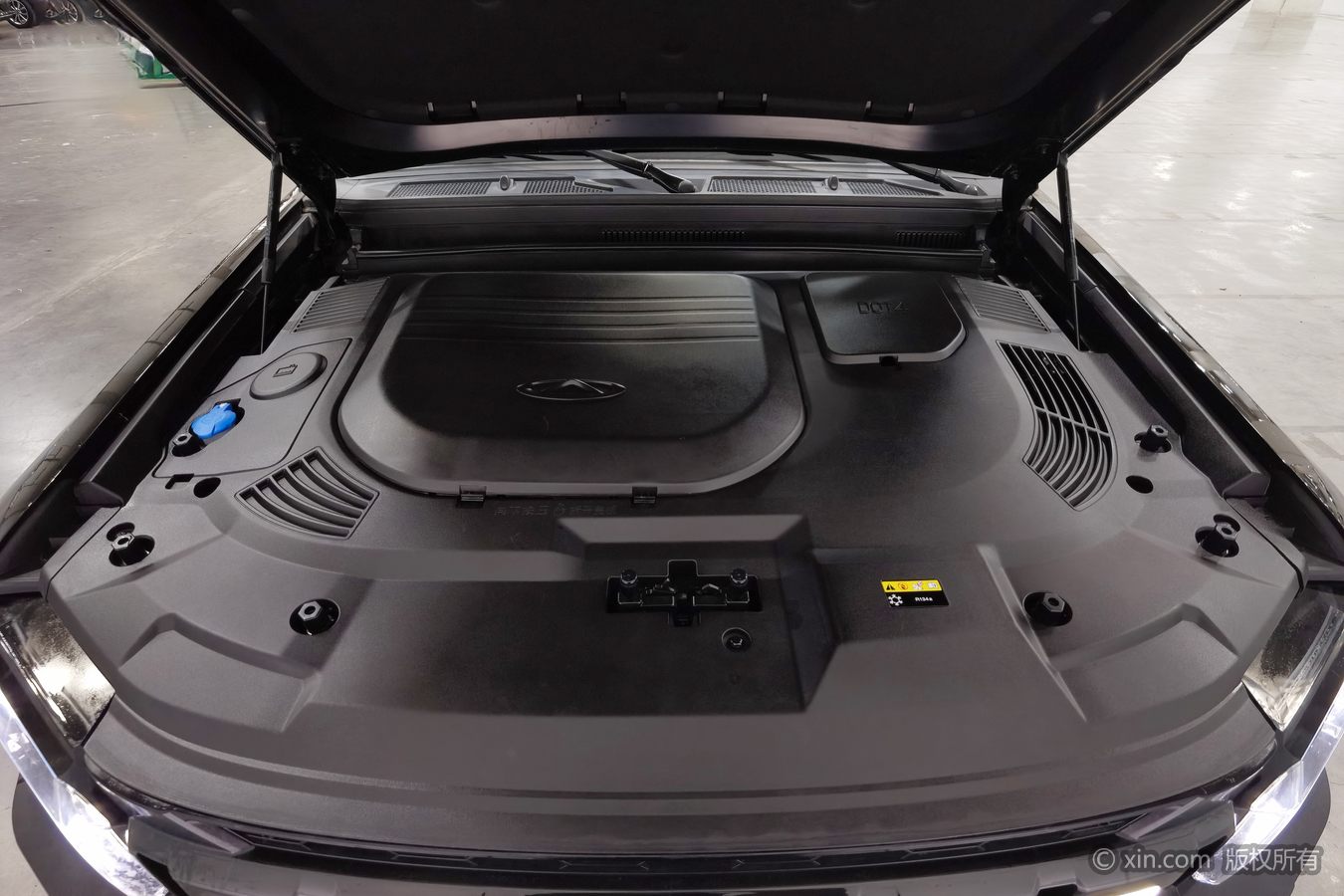
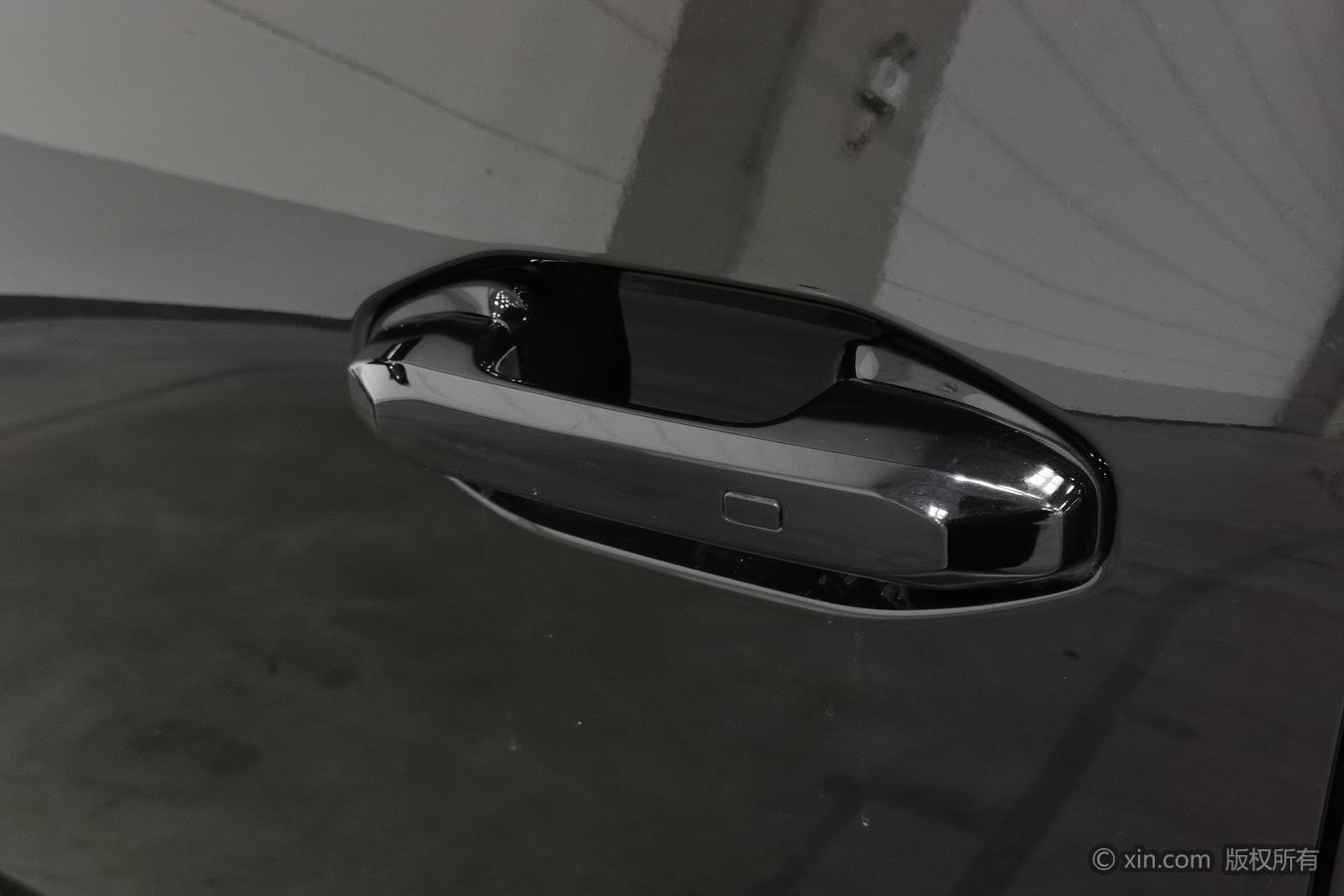
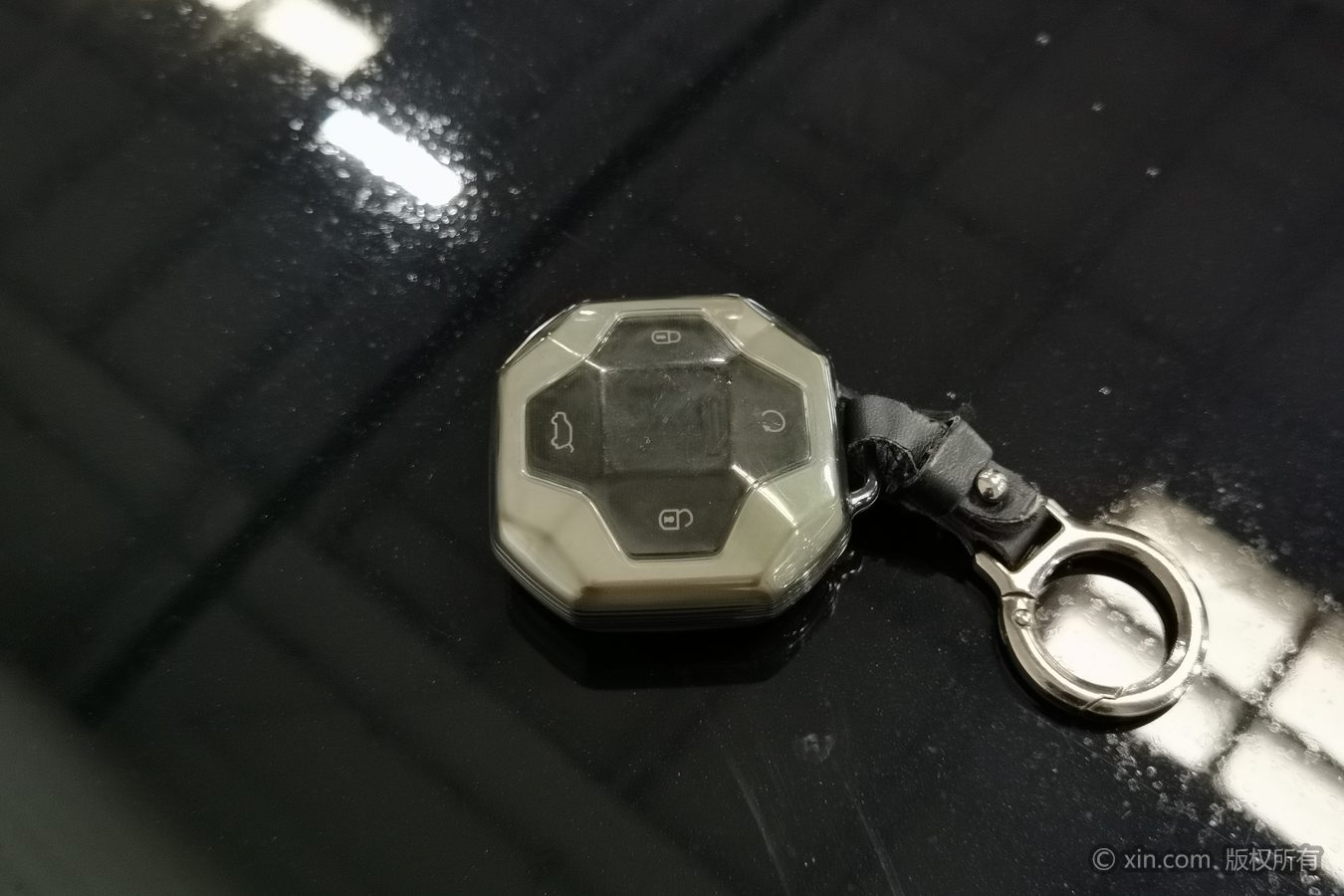
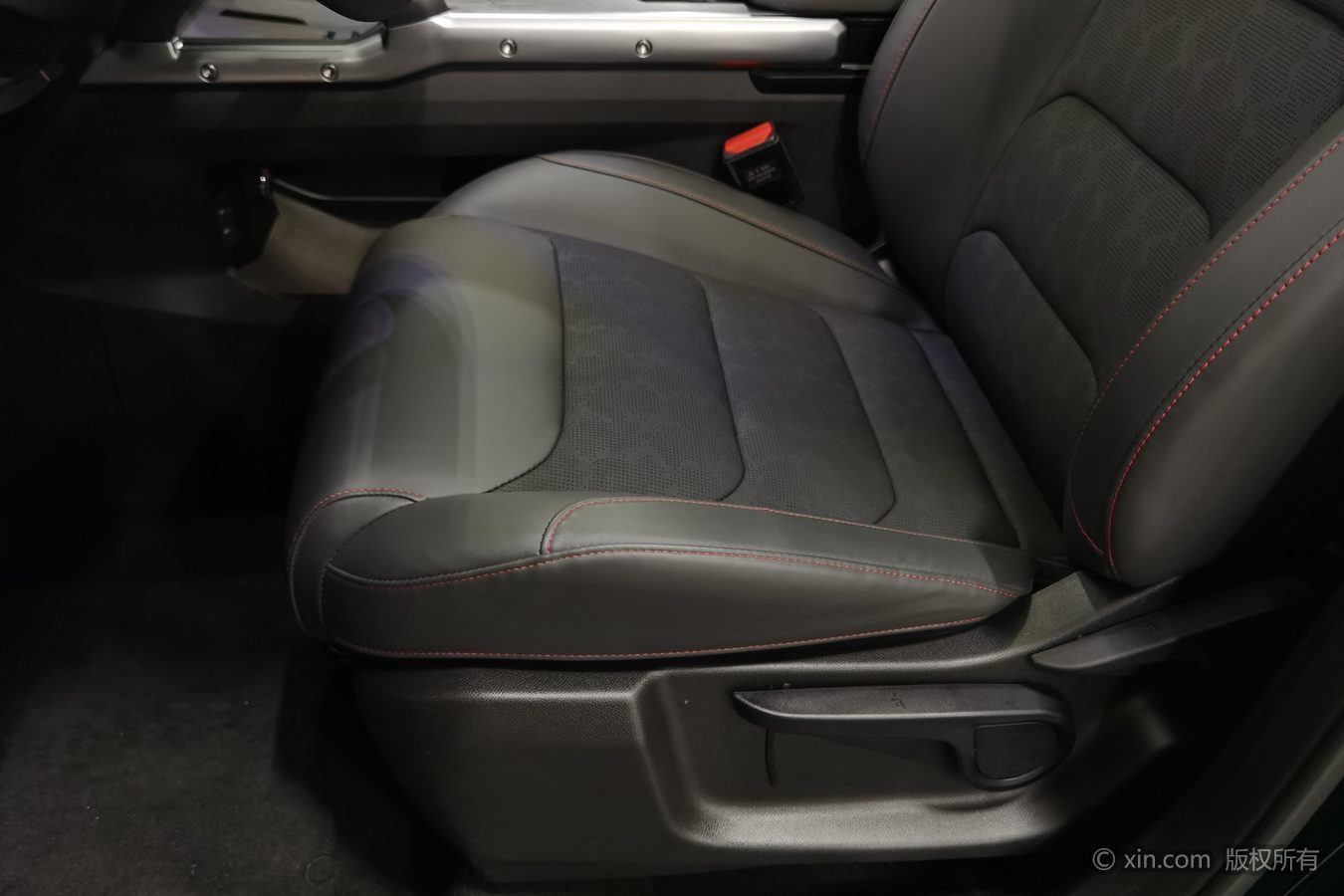
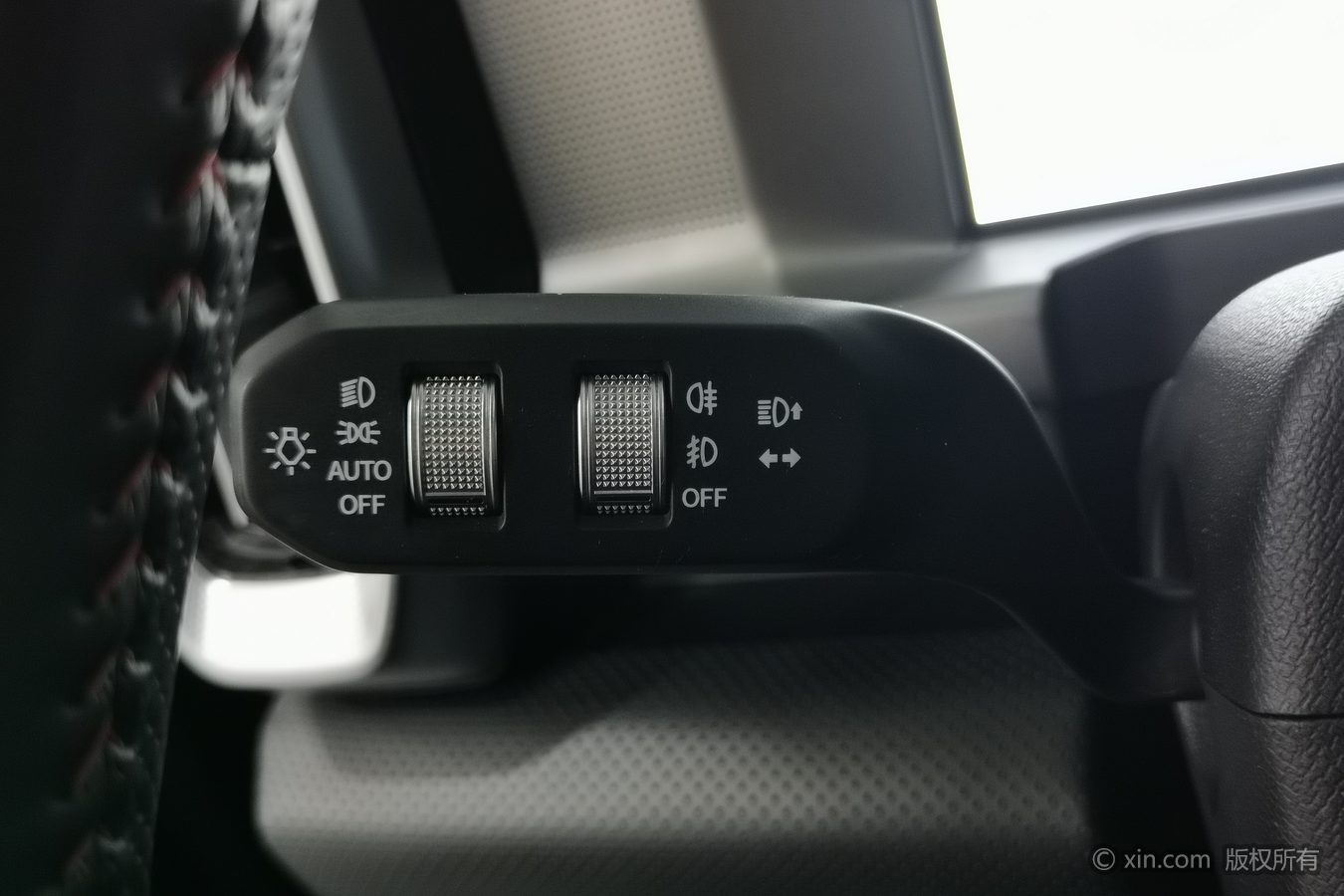
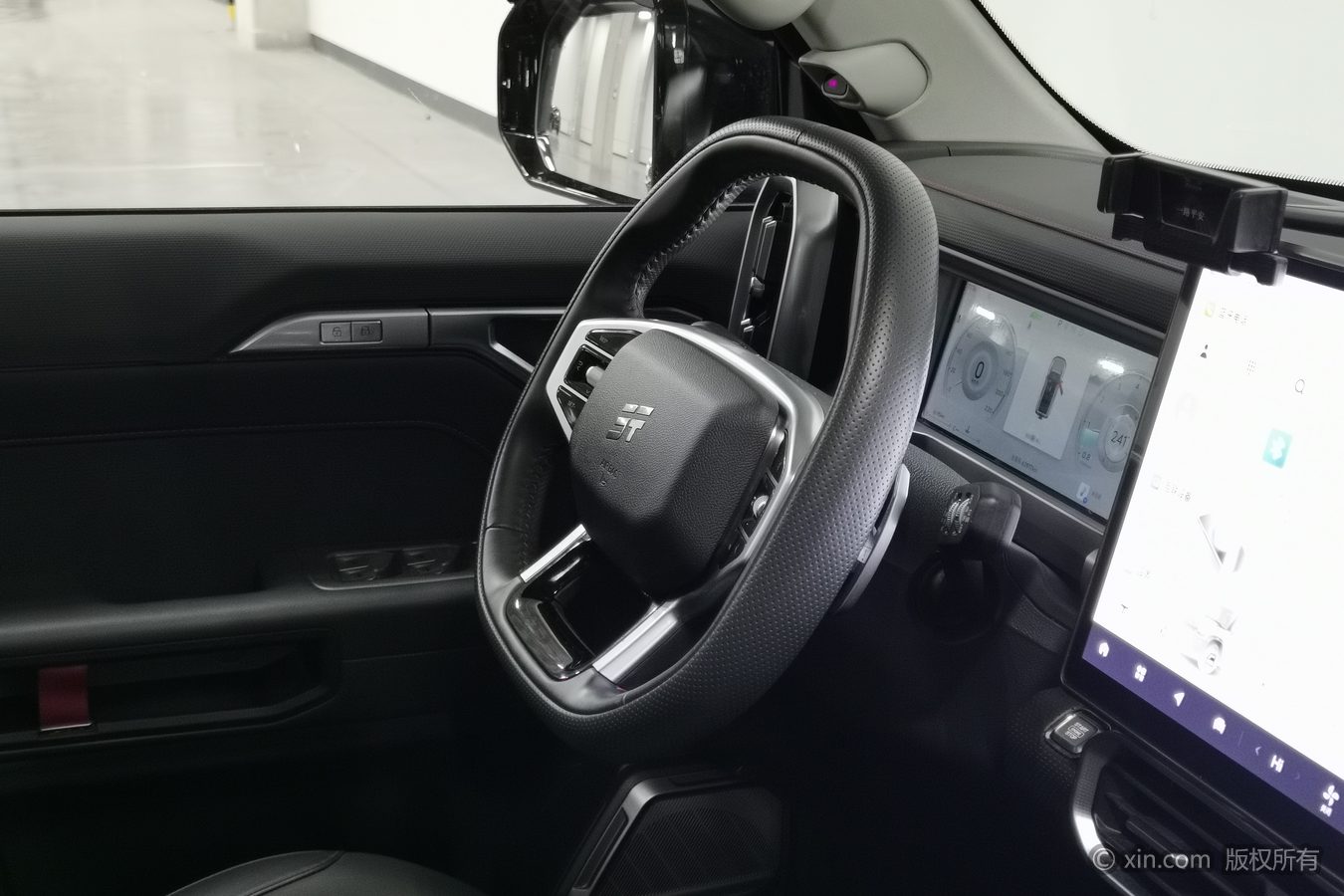
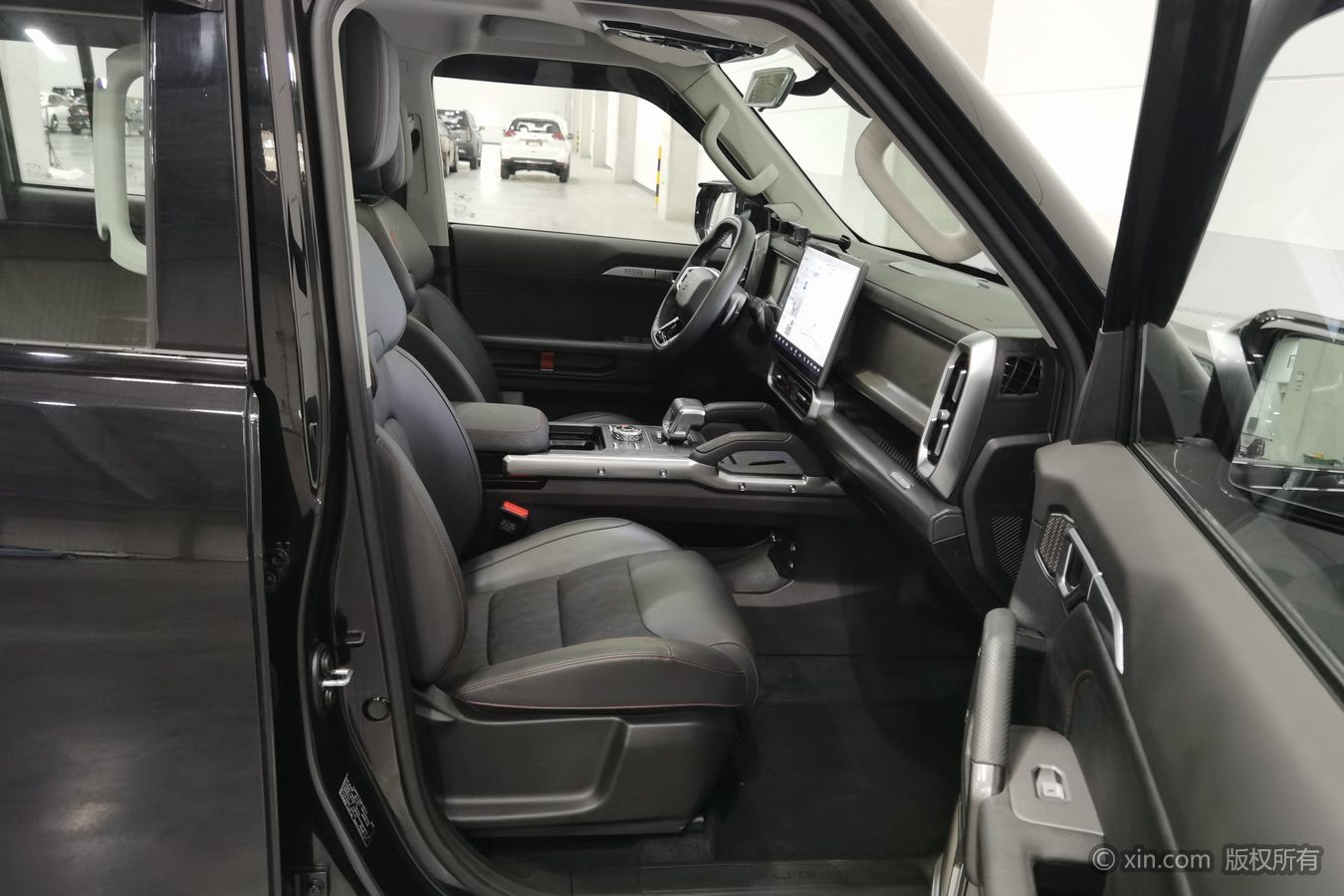



Basic Information

BrandJetour
SeriesTraveller
Year2025
First Registration2025/04
Mileage63,000km
Transfer Count0times
FuelGasoline
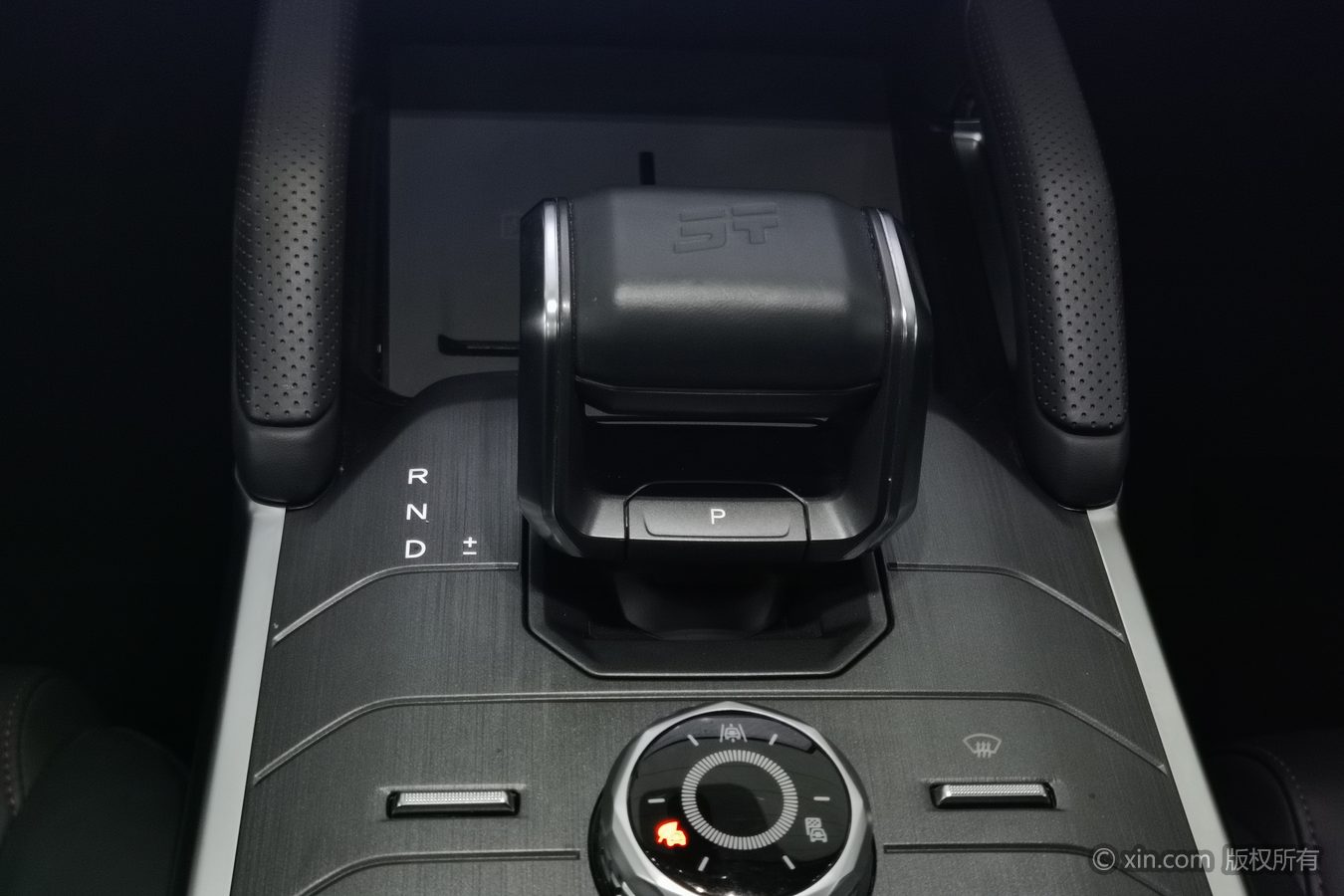
TransmissionDCT
Engine1.5T 184 L4
ColorBlack
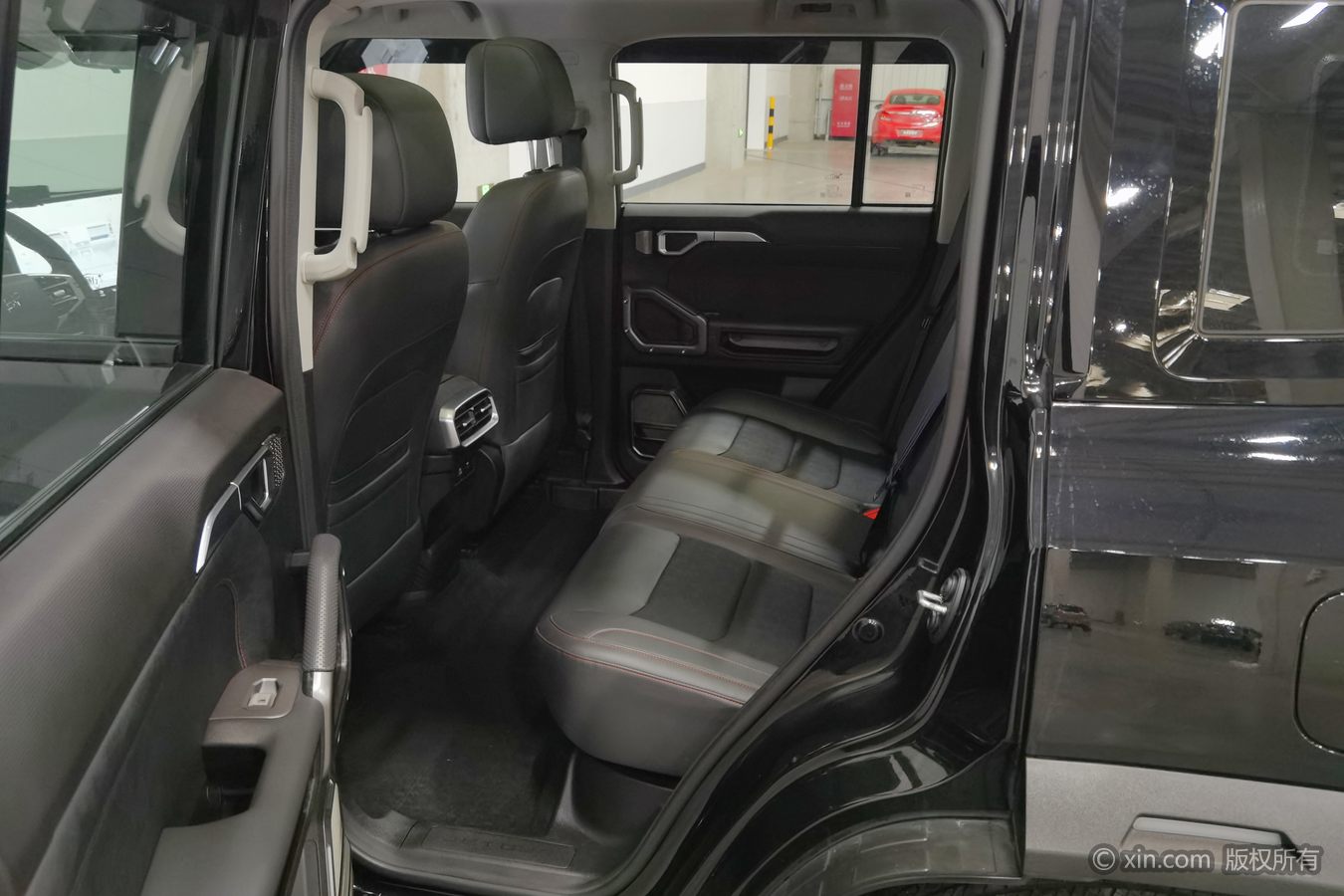
Seats5seats

Condition Description

No odometer tampering, no structural damage, no water damage, no fire damage.

Configuration Highlights

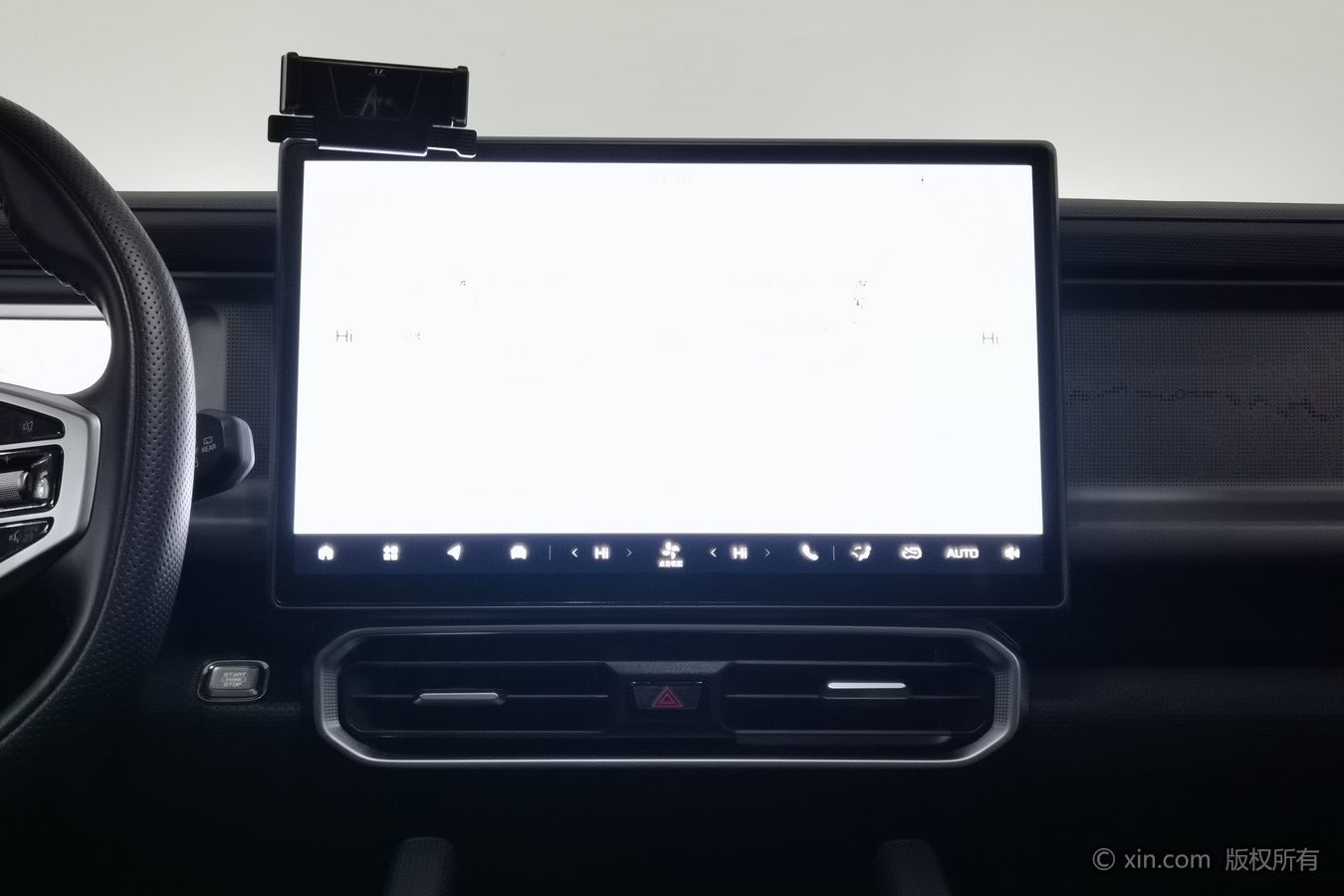
✓液晶仪表盘
✓Auto Hold
✓Blind Spot Assist
✓Paddle Shifters

Document Information

Inspection Expiry Date2027/04
Warranty Expiry Date-
Insurance Expiry Date-

Q&A

More

How do seasonal factors—peak seasons, weather, holidays—affect shipping times and rates from China?

Timing your shipment can save both money and weeks of waiting. Several predictable patterns affect routes from China. Peak season surcharges: January through March, before Chinese New Year, exporters rush to ship, so container and RoRo space tightens and rates rise 20-50%. Book at least 3-4 weeks ahead during this window. After the holiday (usually February), factories and ports restart gradually, causing 2-3 weeks of backlog. Weather effects: Typhoon season (July-September) can delay departures from southern Chinese ports like Shenzhen and Guangzhou. Winter fog and ice affect northern ports like Dalian and Tianjin, slowing loading operations. Destination-side factors: Monsoon seasons can slow port operations in South and Southeast Asia. Holiday periods at destination (e.g., Ramadan in the Gulf, year-end holidays elsewhere) reduce customs staffing and extend clearance times. Practical advice: ask your forwarder for rate calendars, avoid booking right before major Chinese holidays, and build 1-2 weeks of buffer into delivery promises to your customers. Flexible departure ports (Shanghai vs. Ningbo vs. Shenzhen) can also help you find available space.


Who is responsible for damages to the vehicle during maritime transport?

Be sure to purchase cargo insurance (all-risk or water damage insurance). In case of damage, claim with the bill of lading, insurance policy, and proof of damage at the destination port.

Can I combine several cars into one container to save on freight when importing from China, and how does consolidation work?

Yes, consolidation is common and can cut freight cost per car significantly, especially for shared purchases or small-volume importers. How it works: 1. A 40ft high-cube container typically fits 2-4 cars depending on size and loading method (standard loading vs. specialized racking that allows 4+ cars). Confirm the loading plan with your forwarder in writing. 2. Cars are secured with wheel chocks, straps, and padded braces. Professional loading with photos before the doors close is essential — request a photo report for insurance purposes. 3. One container means one bill of lading and one customs entry, but each car still needs its own invoice, export documents, and destination customs declaration. Things to watch: - Liability: if one car shifts and damages another in transit, insurance claims get complicated. Take out proper cargo insurance covering both vehicles. - Timing: all cars in the container must be ready at the same port at the same time, or you pay storage fees. - For EVs, check the shipping line's battery and state-of-charge rules — they may limit how many EVs go in one box. For a single car, RoRo or a 20ft container is usually simpler; consolidation mainly pays off from 2+ cars.