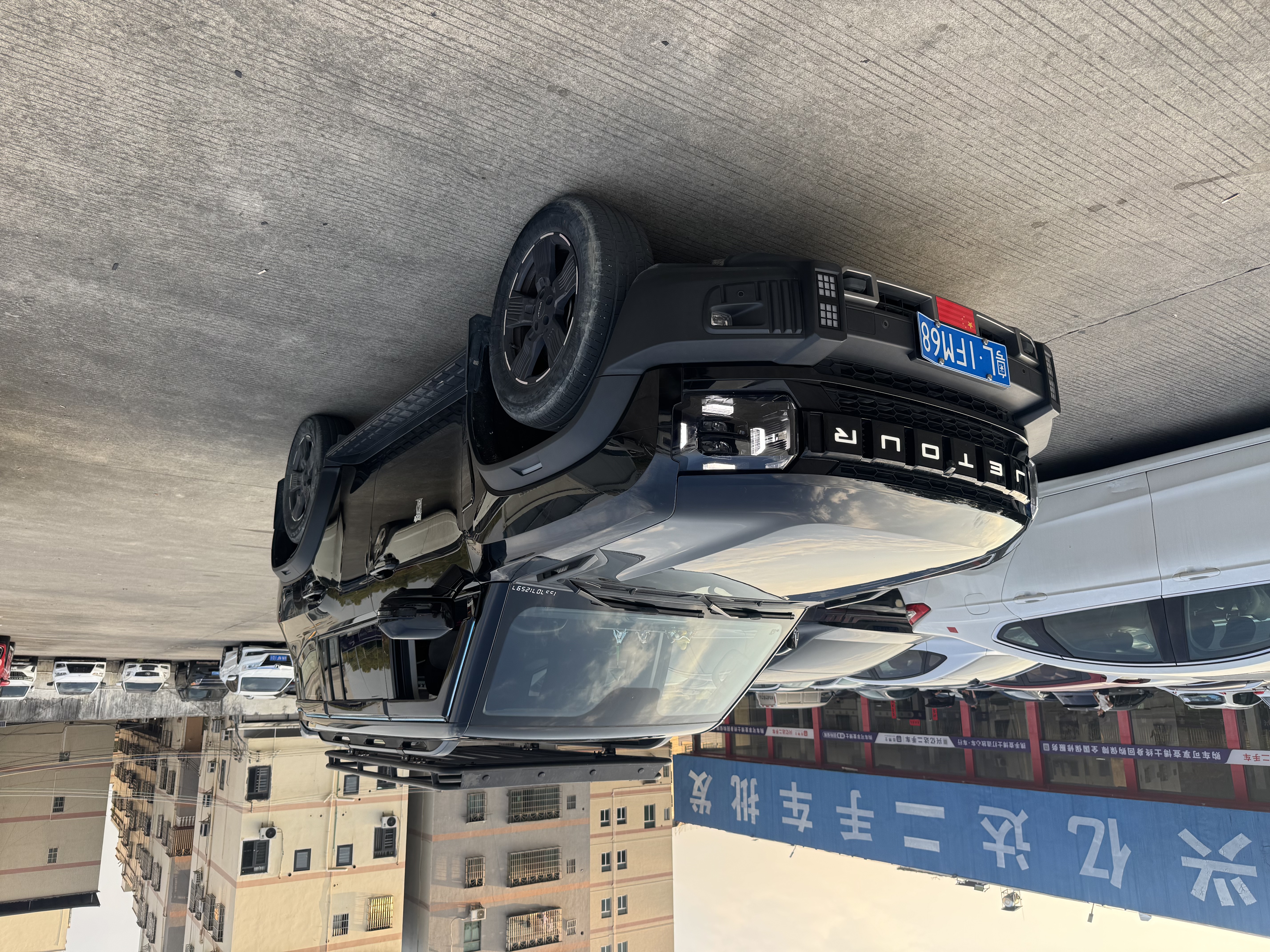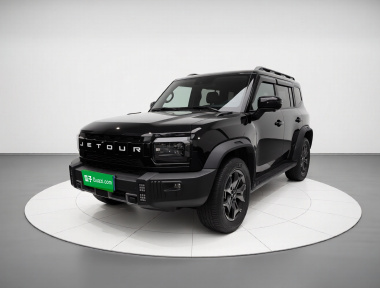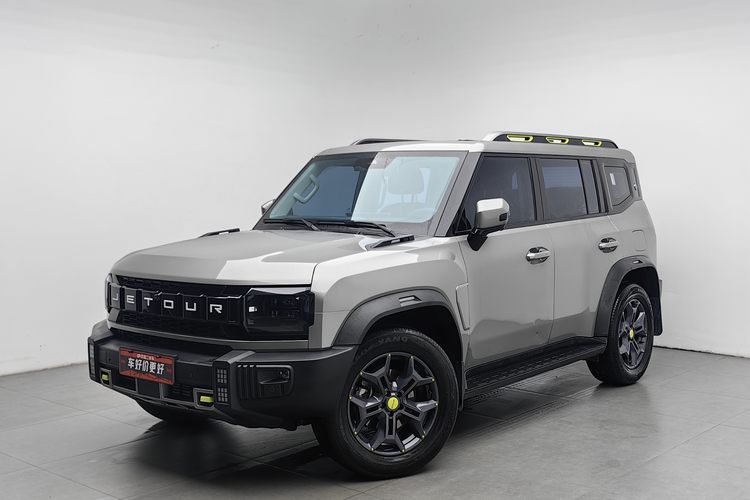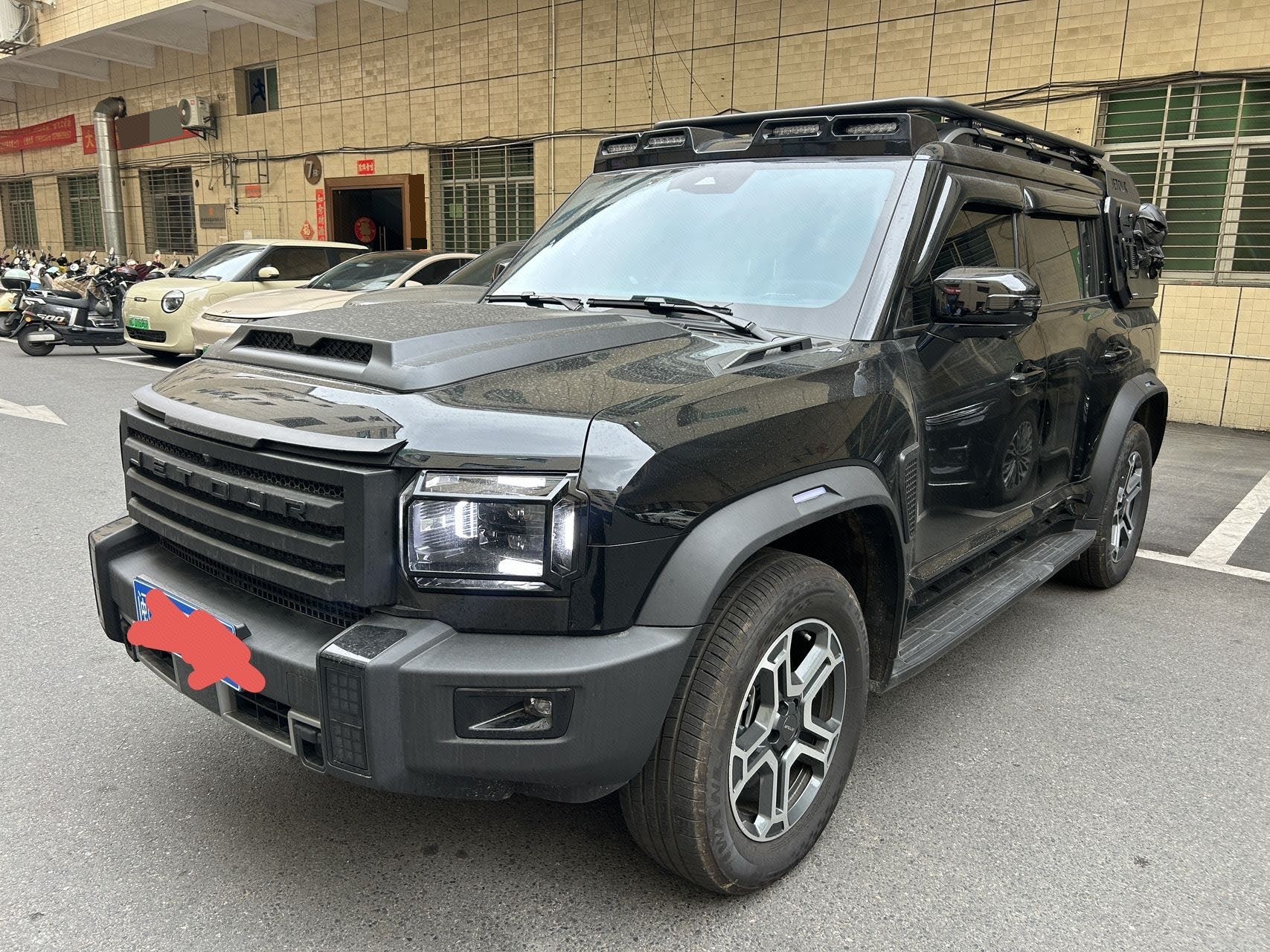
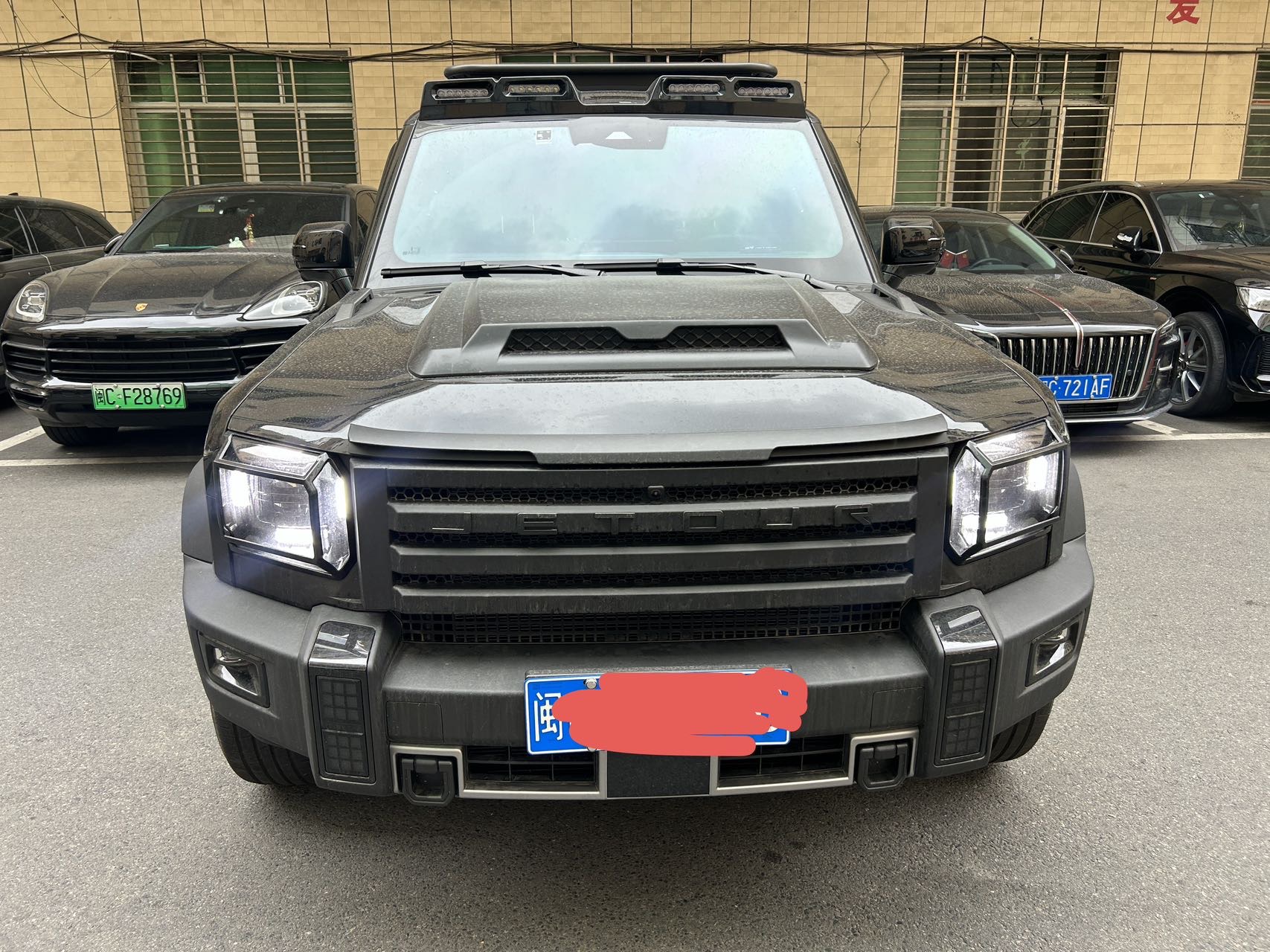
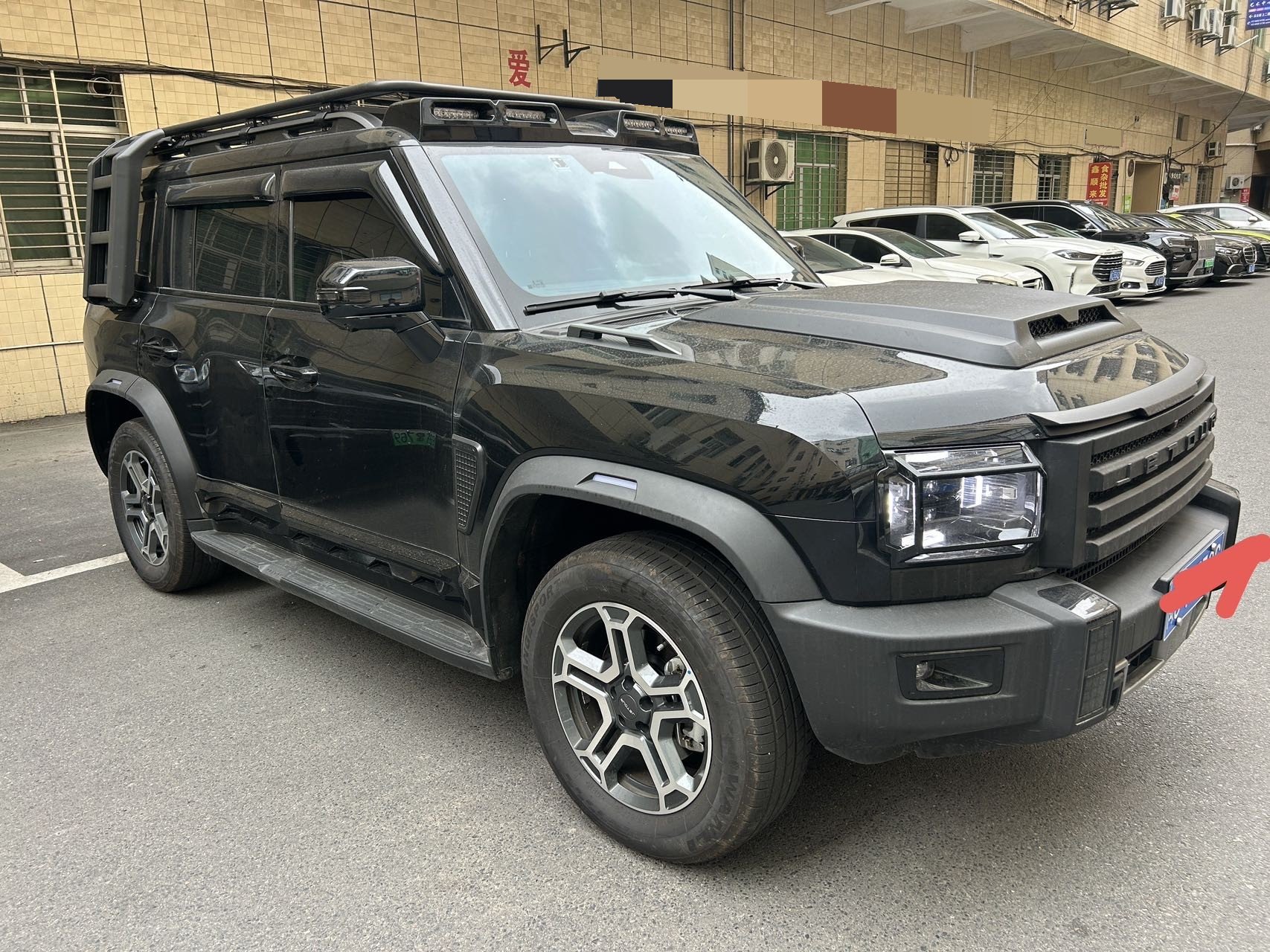
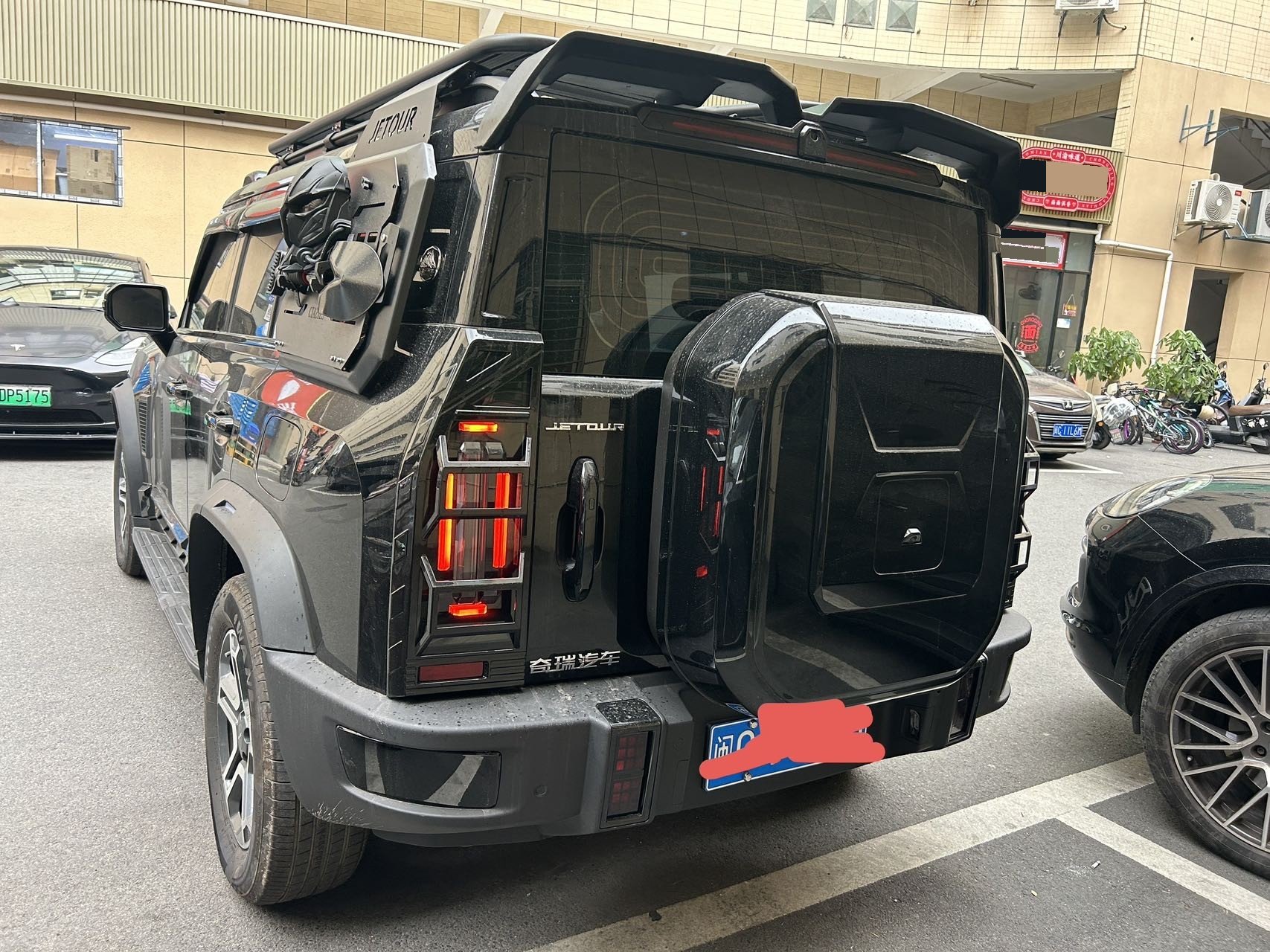
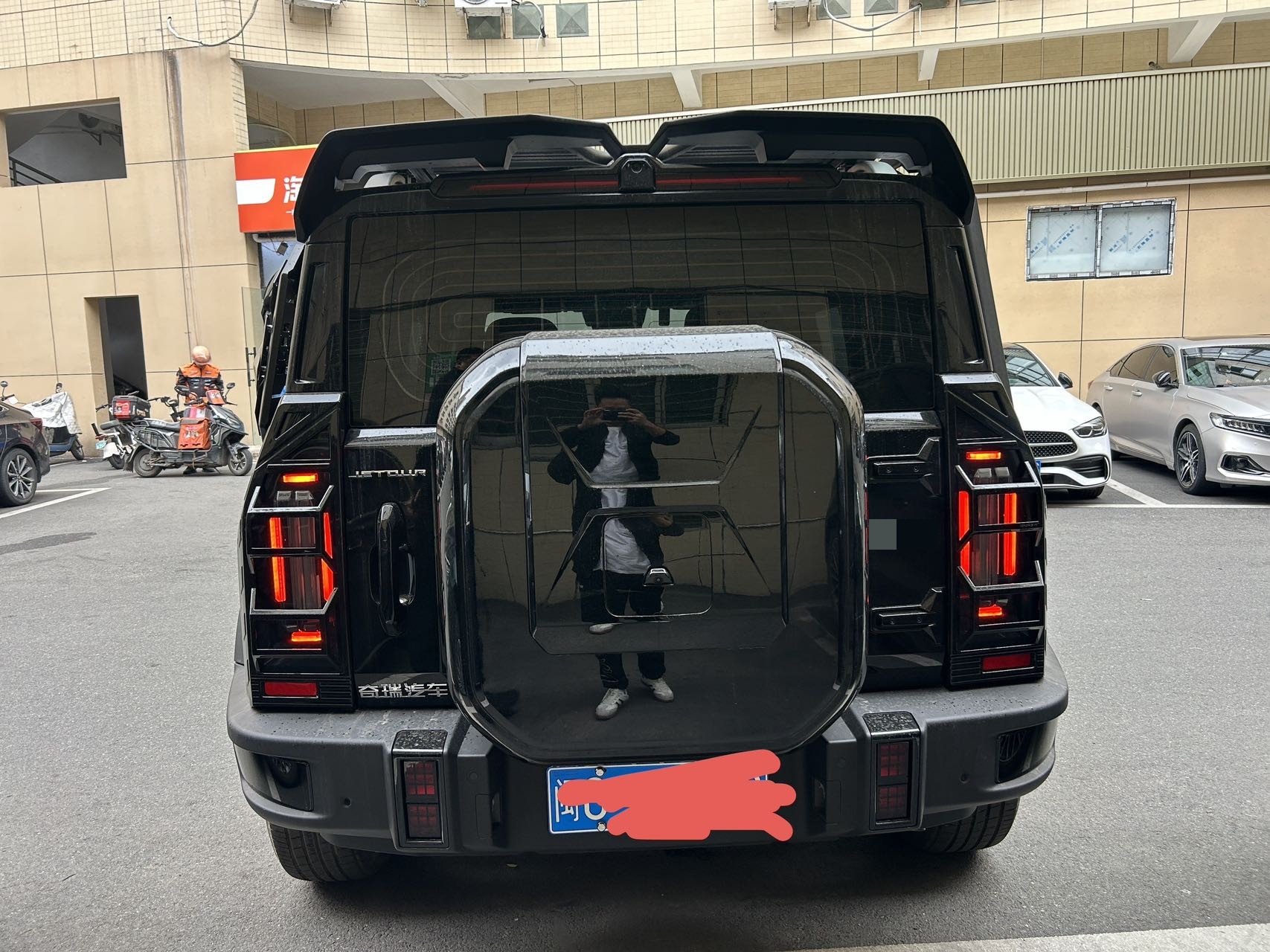
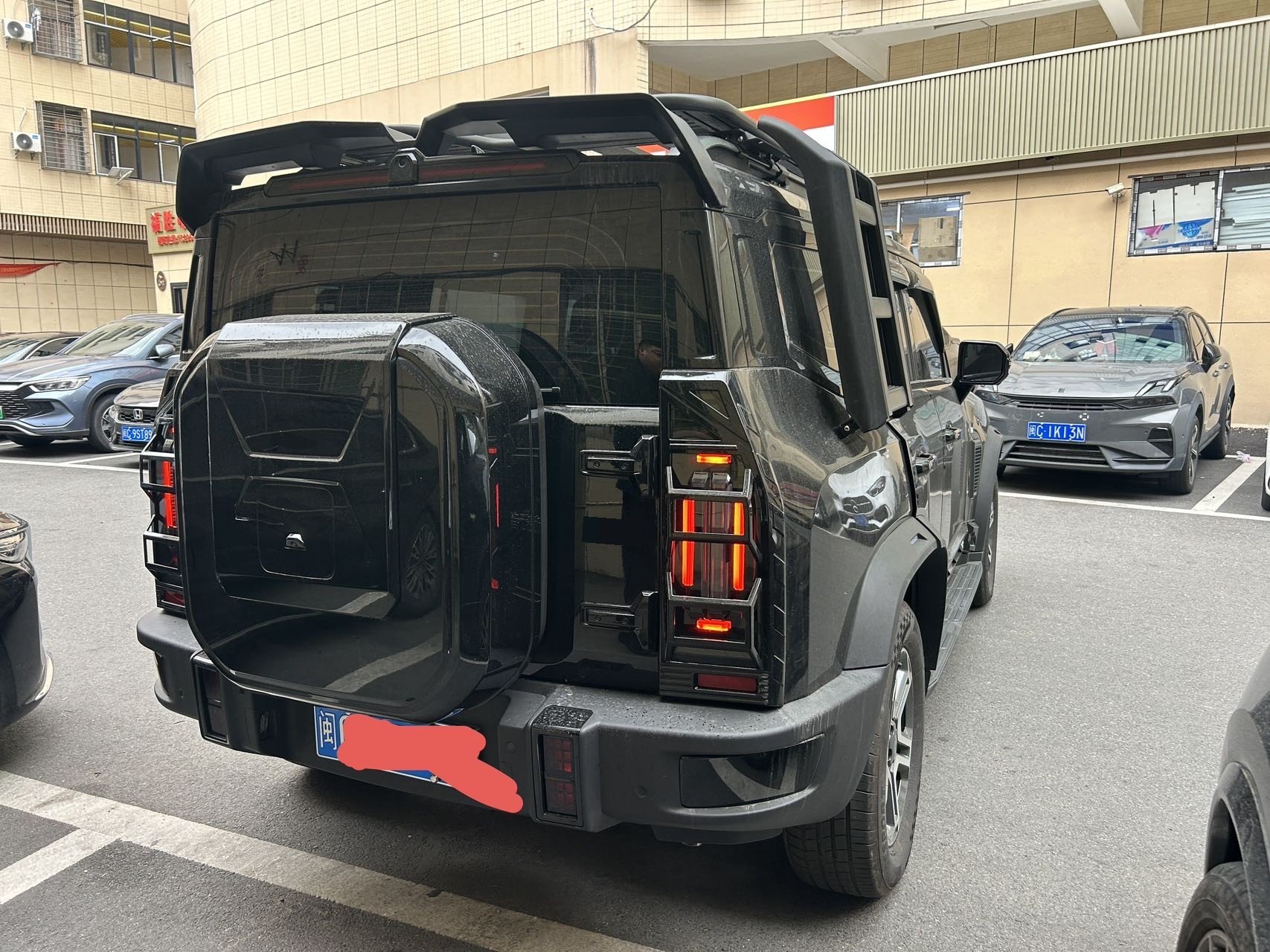
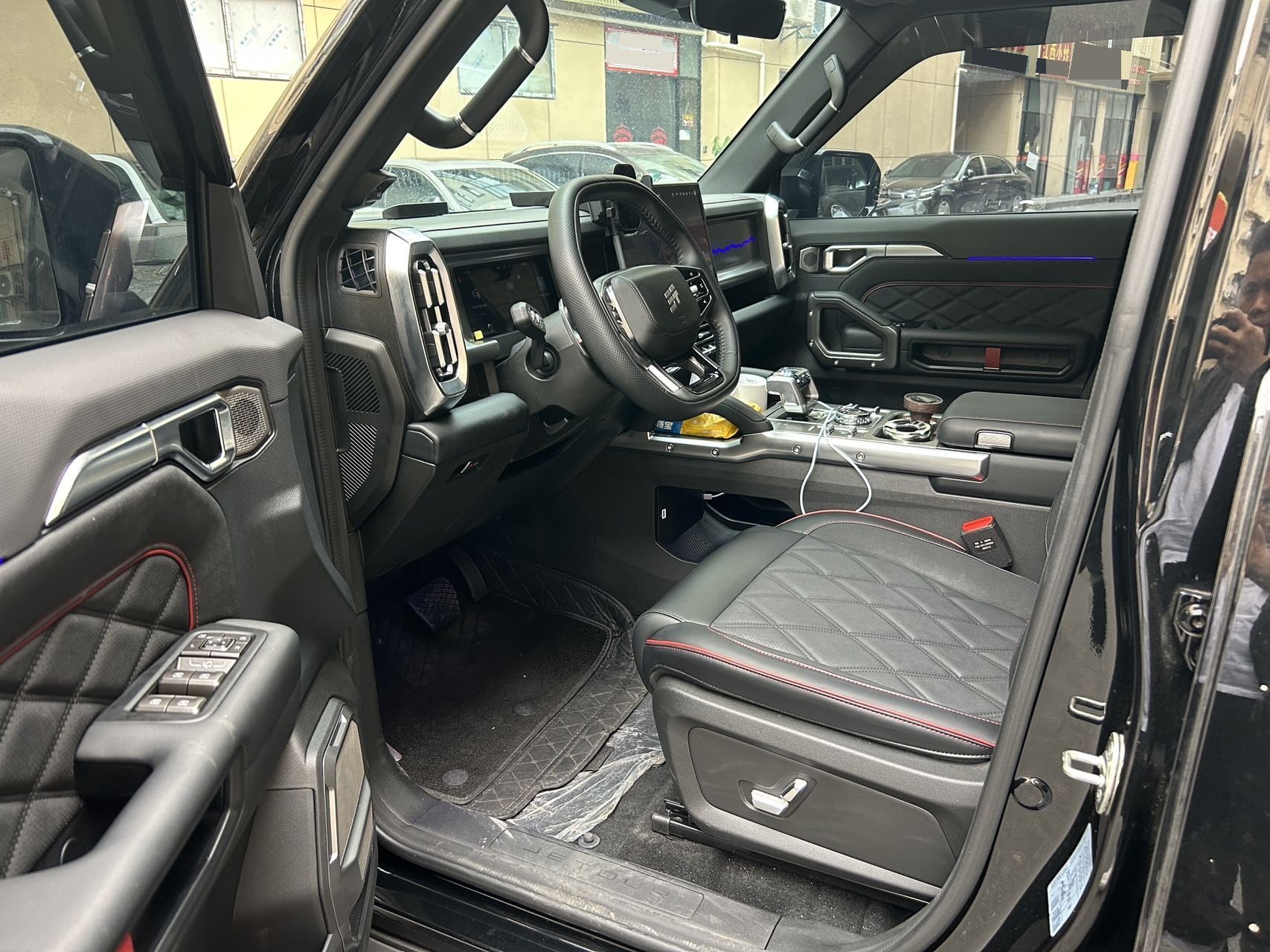
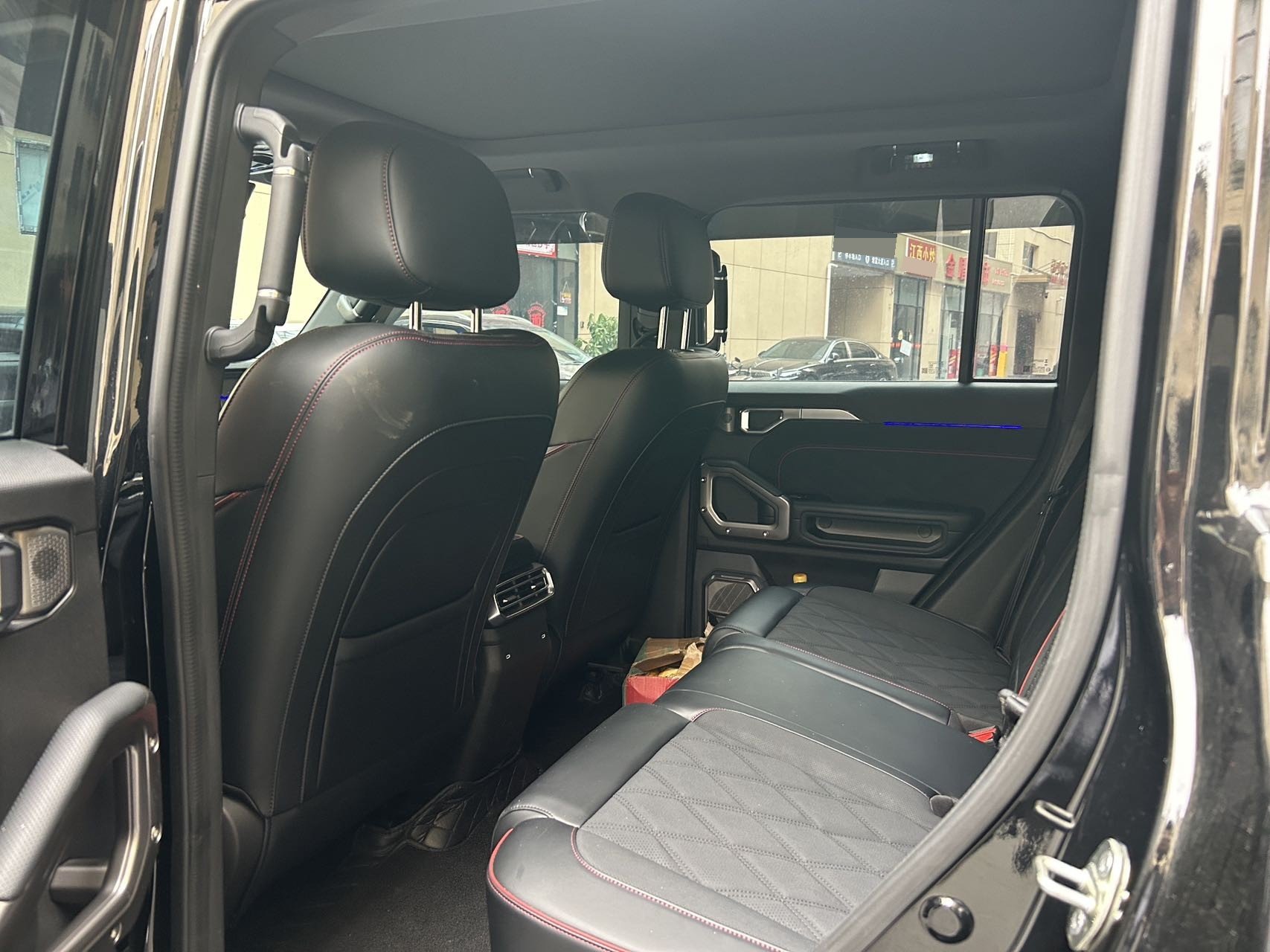
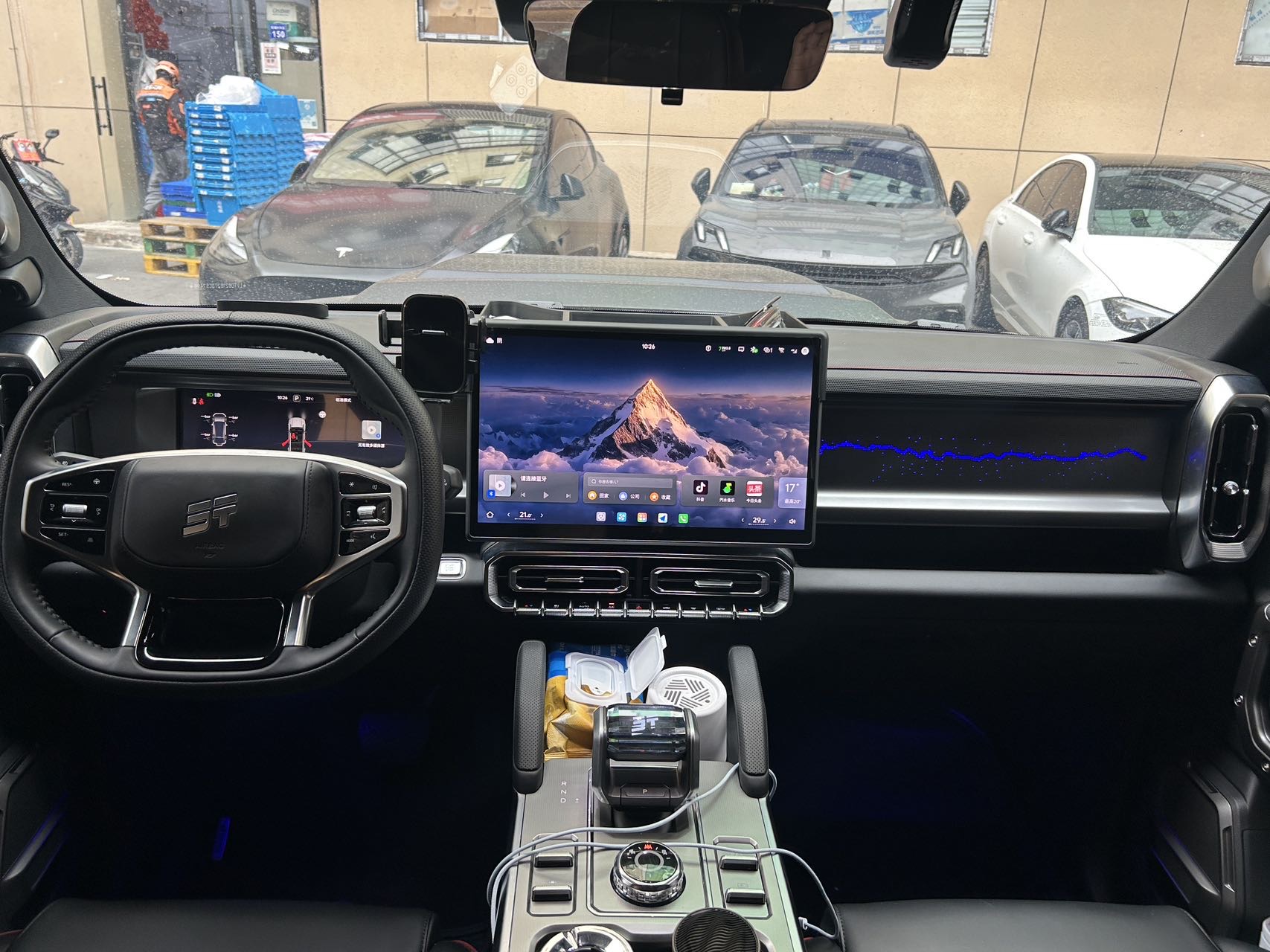



Basic Information

BrandJetour
SeriesTraveller
Year2026
First Registration2026/07
Mileage1,300km
Transfer Count0times
FuelGasoline
TransmissionDCT
Engine1.5T 184 L4
ColorBlack
Seats-

Condition Description

Original condition vehicle, one panel repainted, all other panels original paint, single-owner vehicle.

Document Information

Inspection Expiry Date-
Warranty Expiry Date-
Insurance Expiry Date2027/07

Q&A

More

How can I check if a used car in China was previously used as a taxi, rental car, or government fleet vehicle?

Fleet usage dramatically shortens a car's real life, so it is worth checking before you pay. Start with the registration certificate: the nature-of-use field shows whether the car was registered as non-commercial or commercial. Commercial registration is a red flag for taxis and rental cars. Next, review the maintenance records: fleet vehicles show unusually uniform service intervals, high-volume tire replacements, and repairs done at the same shop repeatedly. A car with 60,000 km on the clock but three sets of brake pads is a fleet vehicle, not a private one. For government or corporate fleet cars, ask the seller for the complete ownership chain; several short-term owners from leasing companies or government auction platforms are a strong signal. Finally, check the interior remotely: rear seat wear, trunk scratches, and multiple ignition keys all suggest shared use. Add a contractual warranty that the vehicle was never commercially operated — if the seller refuses, walk away.


If a car's history record is missing and cannot be found, will sellwellauto still allow it to be listed for sale?

Yes, but it will be downgraded. For vehicles that are out of warranty and have no claims records, we will require a more in-depth physical inspection and clearly label the details page as "Data Unavailable" to ensure transparency about the risks. These vehicles typically have a higher price discount.

What if the used car I imported from China turns out to be a bad deal—can I return it or get a refund?

In practice, returning an imported car is extremely difficult, so your protection must be built in before payment, not after. Once a used car has been exported, reversing the transaction involves re-export paperwork, duties, and freight costs that typically exceed any refund you'd recover. Most exporters' contracts treat the sale as final once the bill of lading is issued. What you can realistically do: 1. If the car differs materially from the contract (wrong VIN, undisclosed accident, tampered odometer), you have grounds for a claim. Document everything and negotiate a partial refund or repair credit—full refunds are rare. 2. If the seller committed outright fraud, you can pursue legal action in China or report to the platform, but cross-border enforcement is slow and costly. 3. Some exporters offer a short arrival warranty (usually 30-90 days) covering major mechanical failures. Claims require immediate notification, third-party inspection reports, and proof the damage existed at shipment. The practical takeaway: never rely on the possibility of a return. Spend the money on a thorough pre-shipment inspection and clear contract terms instead—it's far cheaper than a dispute.