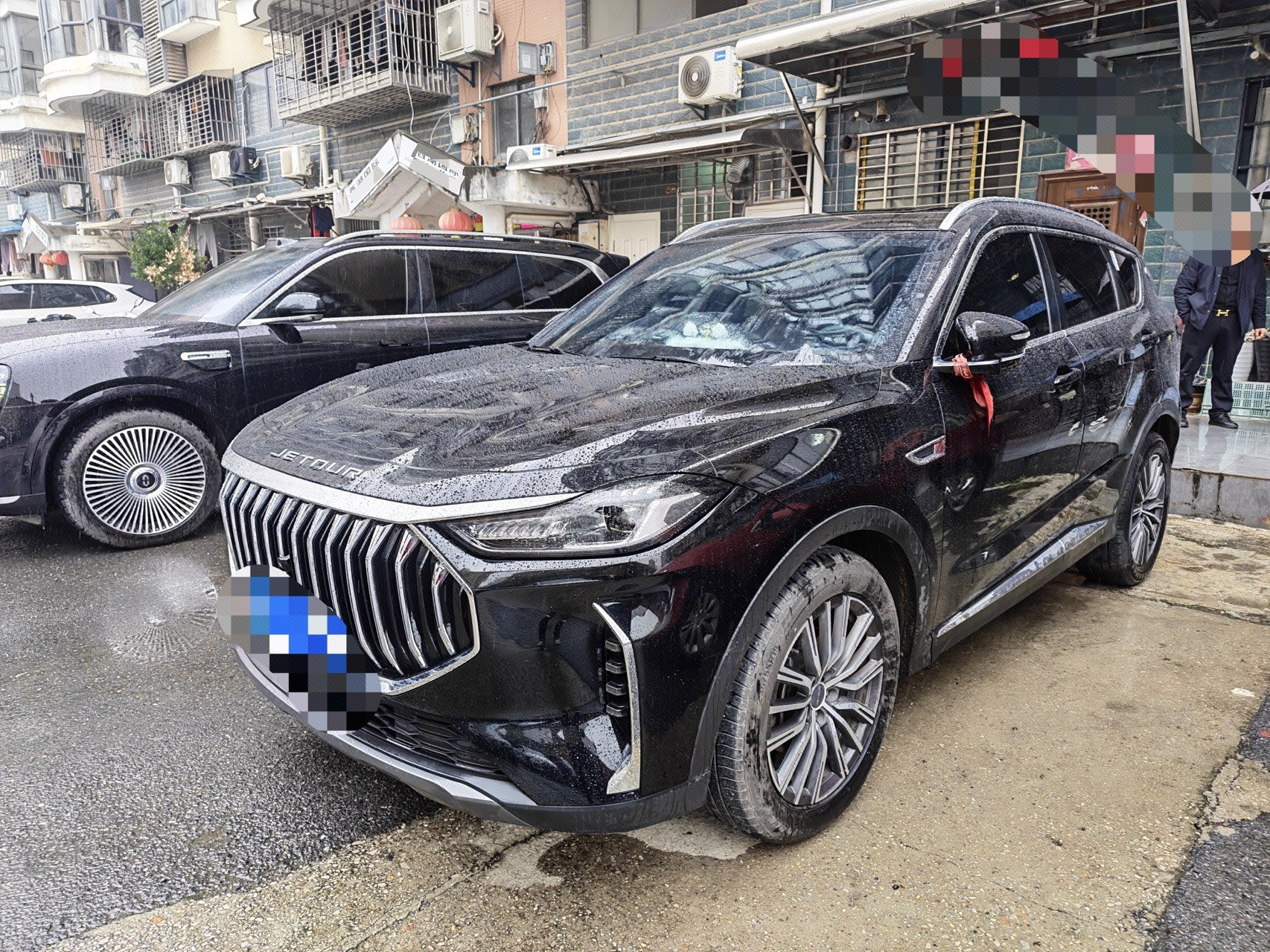
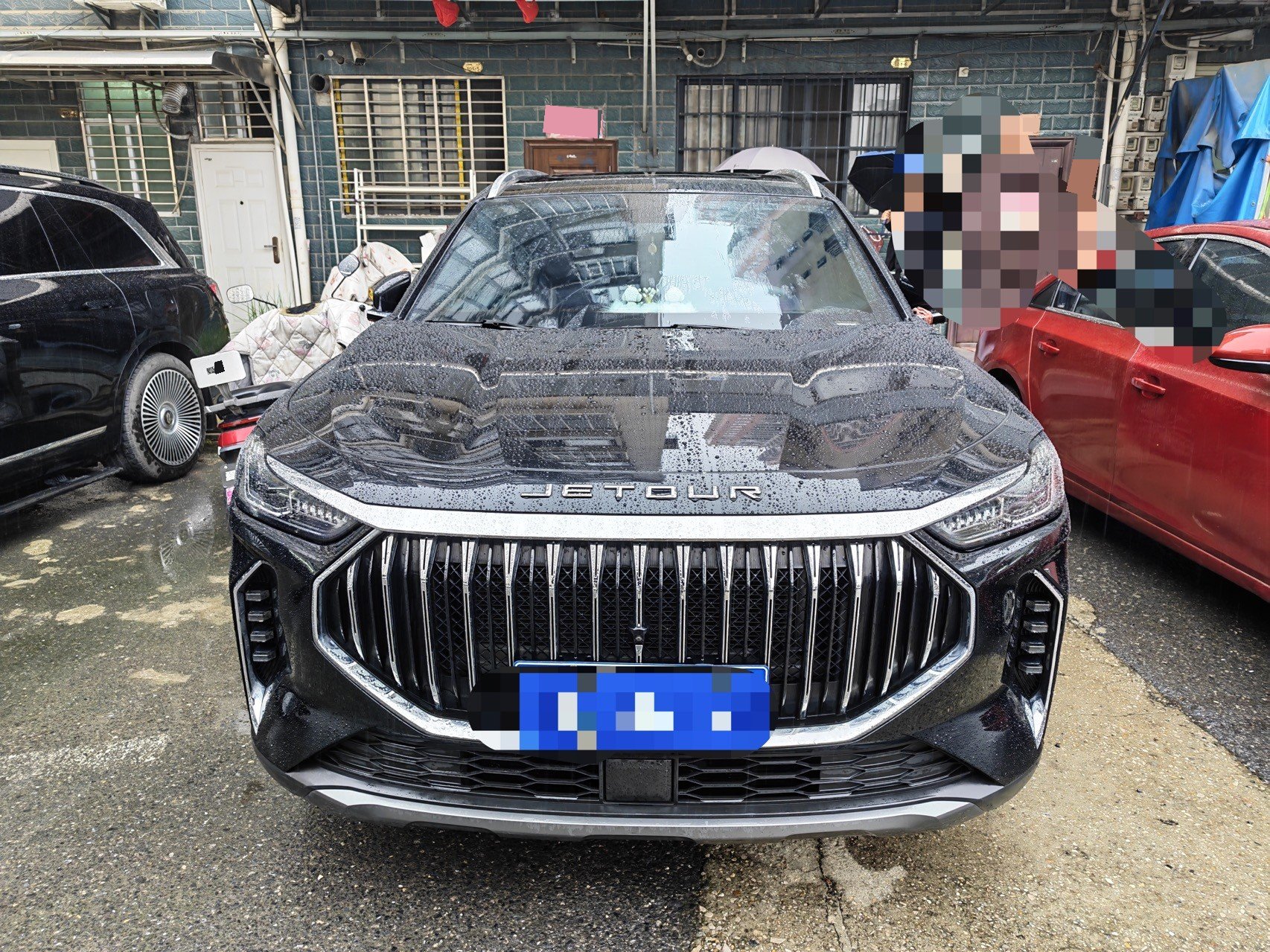
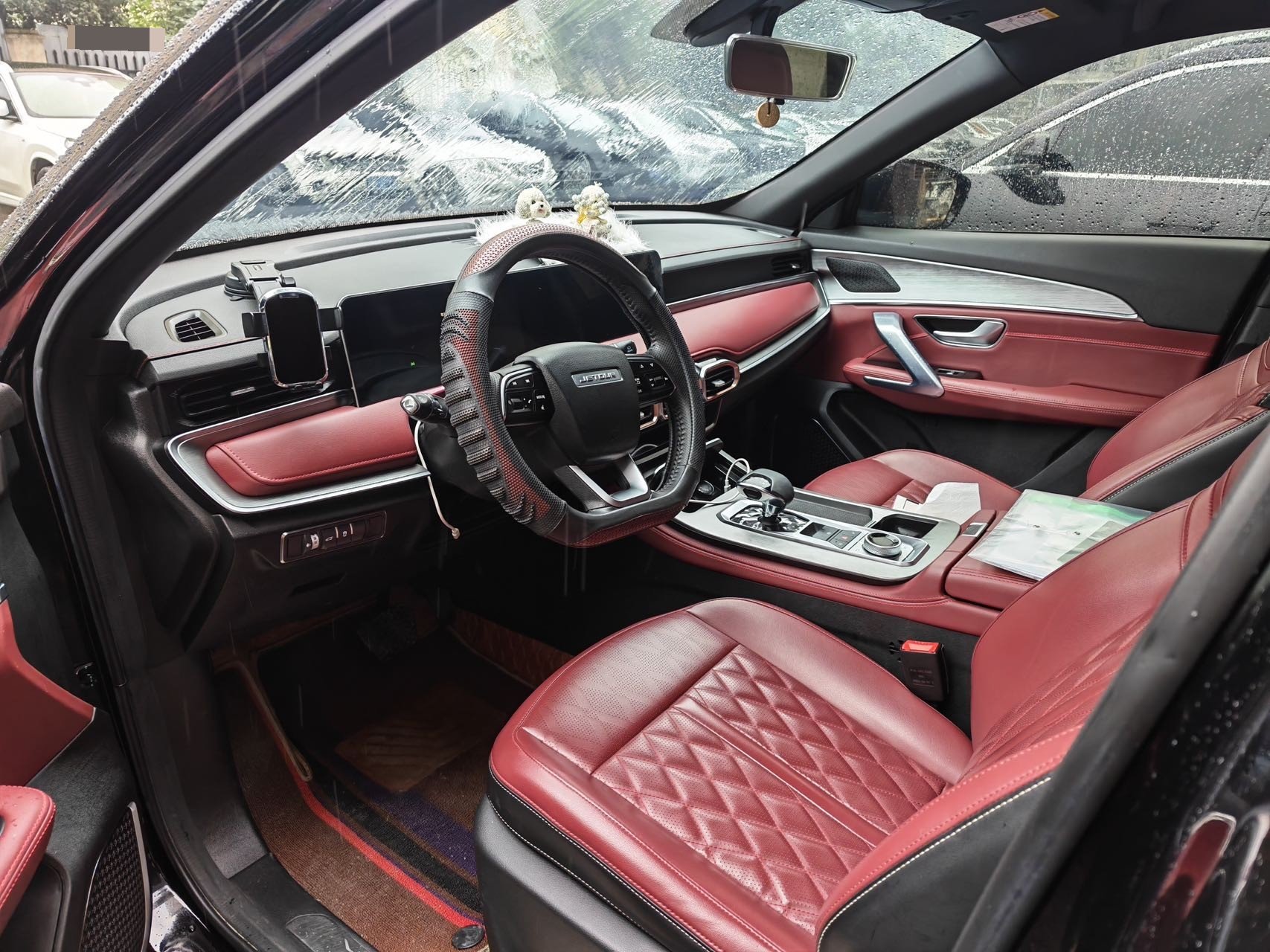
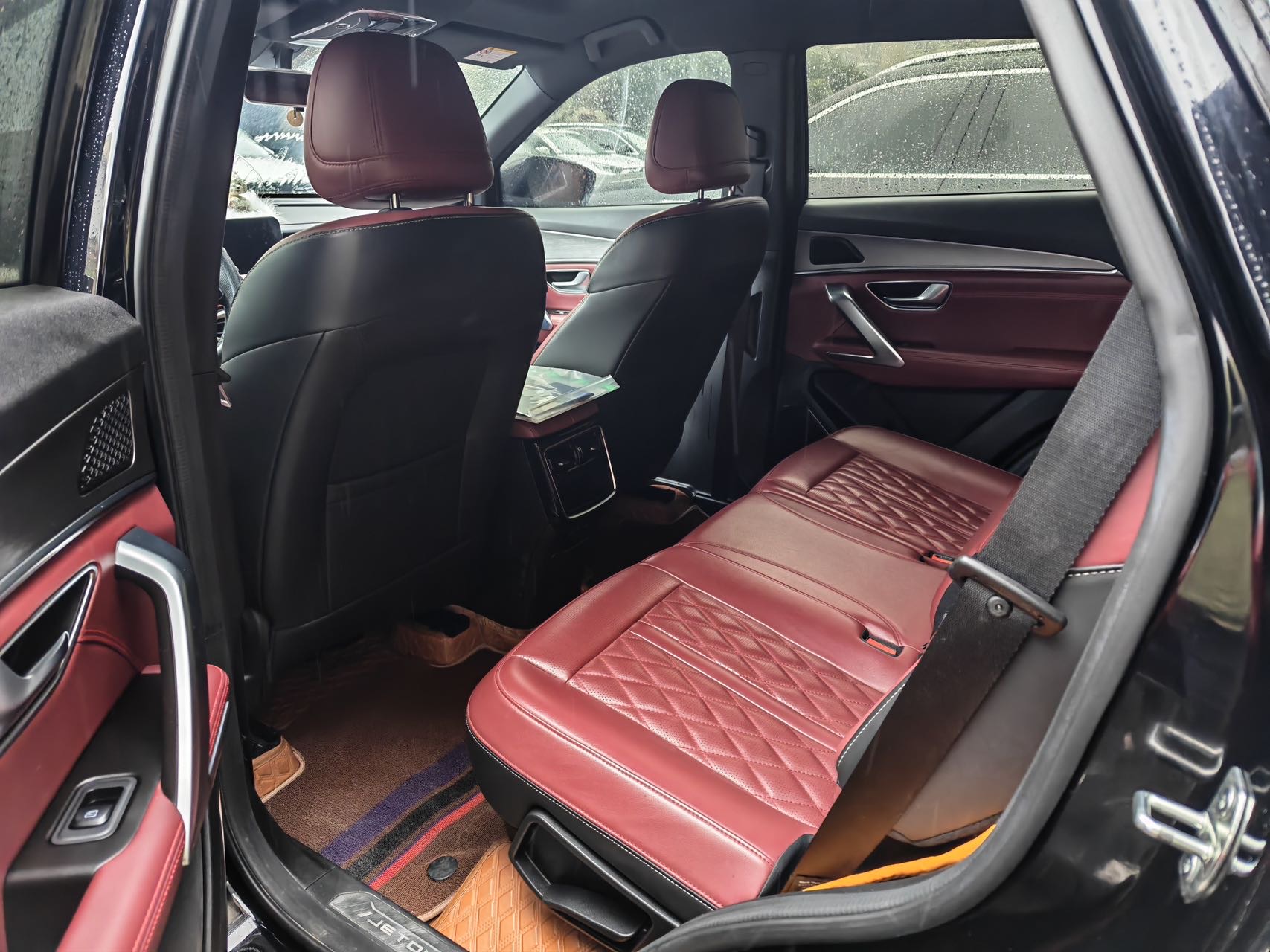



Basic Information

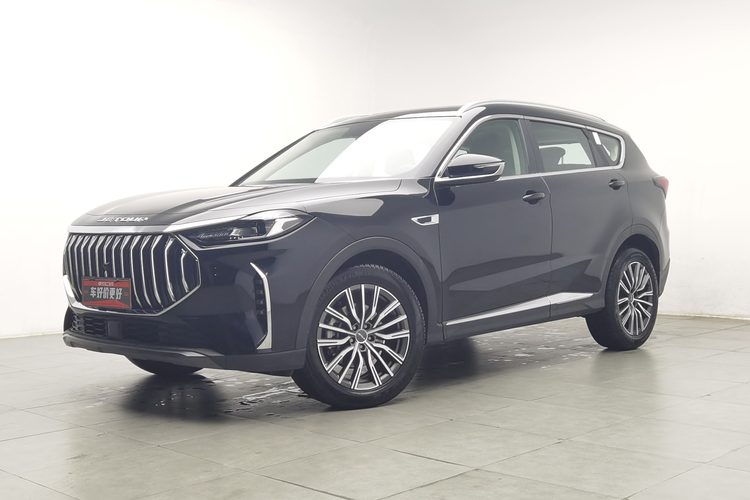
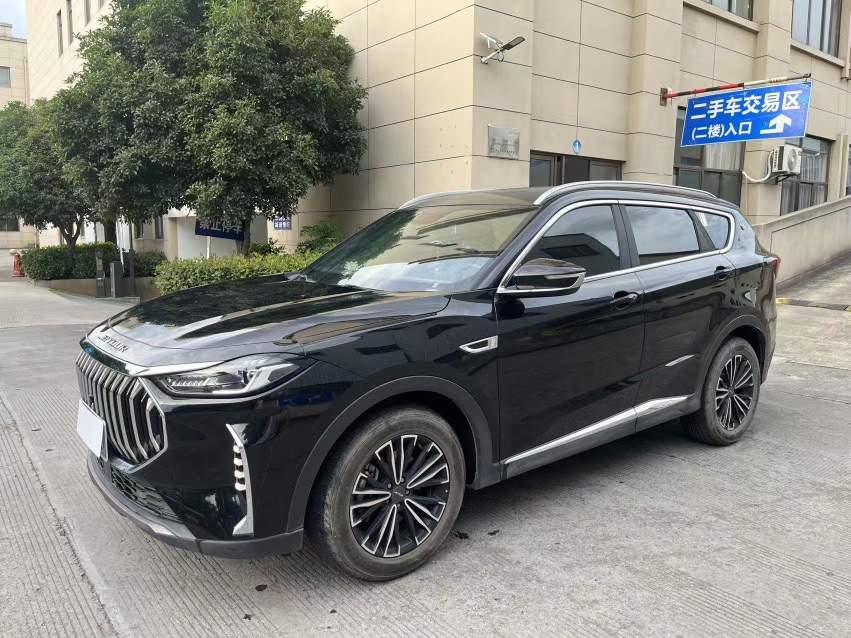
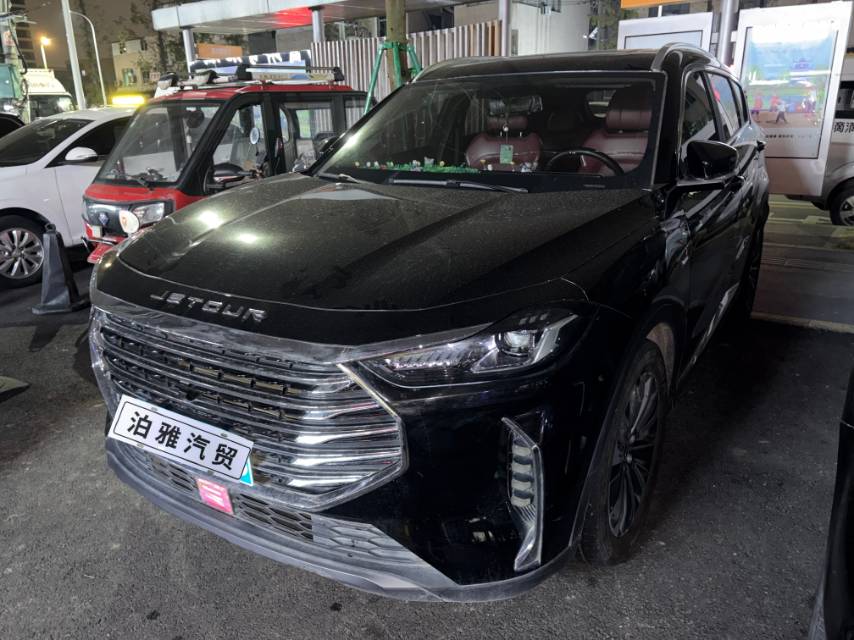
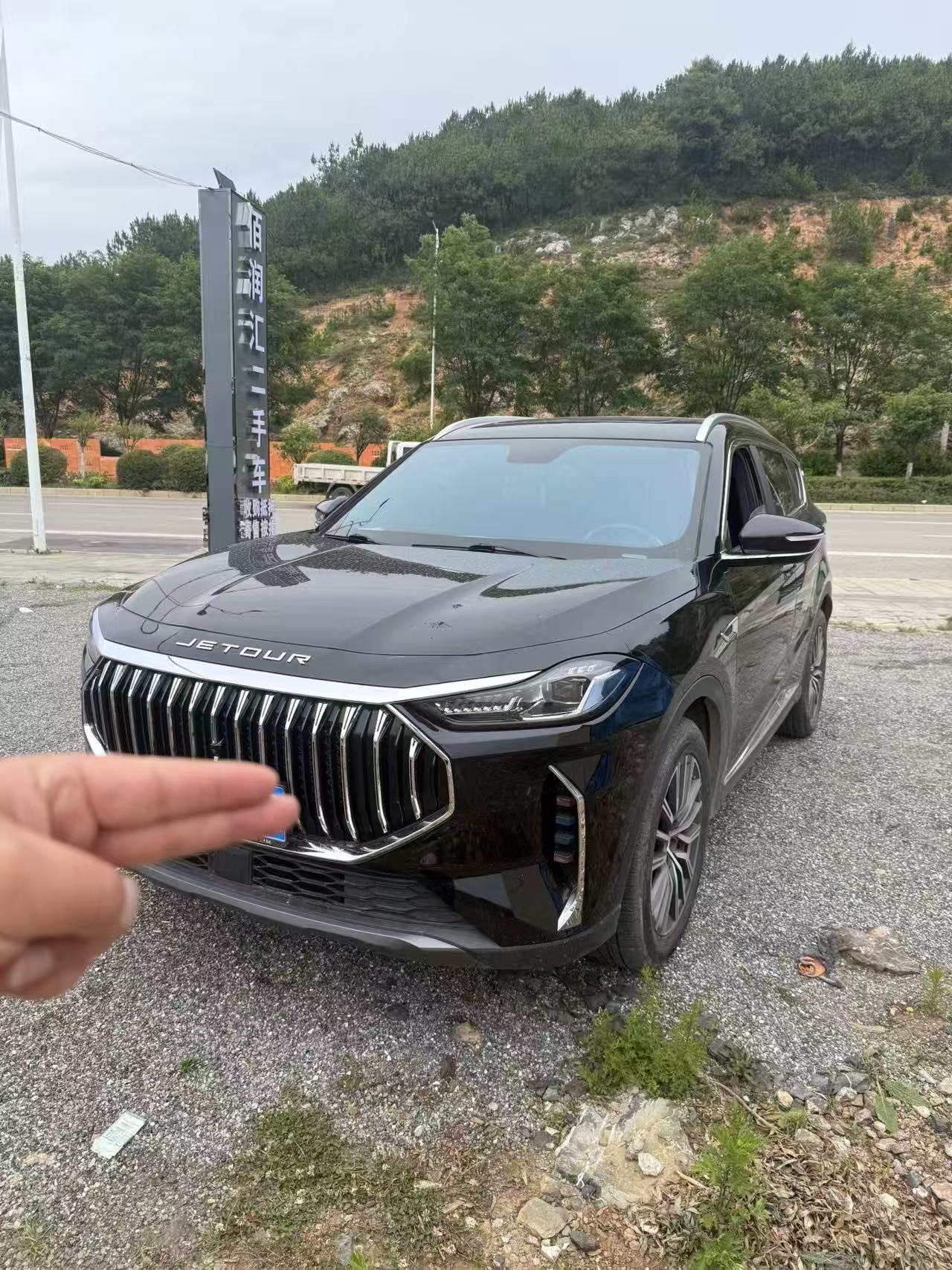
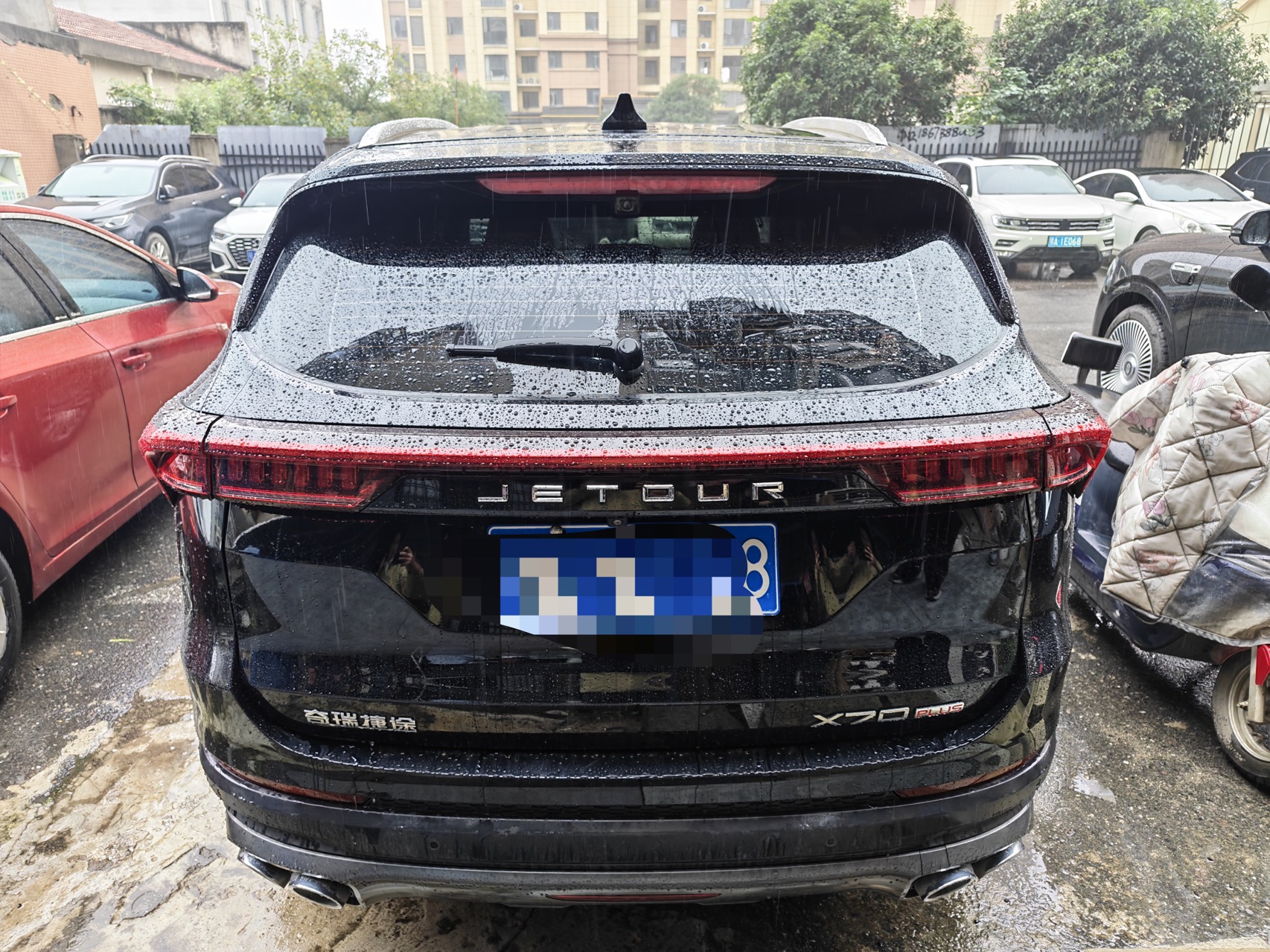
BrandJetour
SeriesX70 PLUS
Year2024
First Registration2024/07
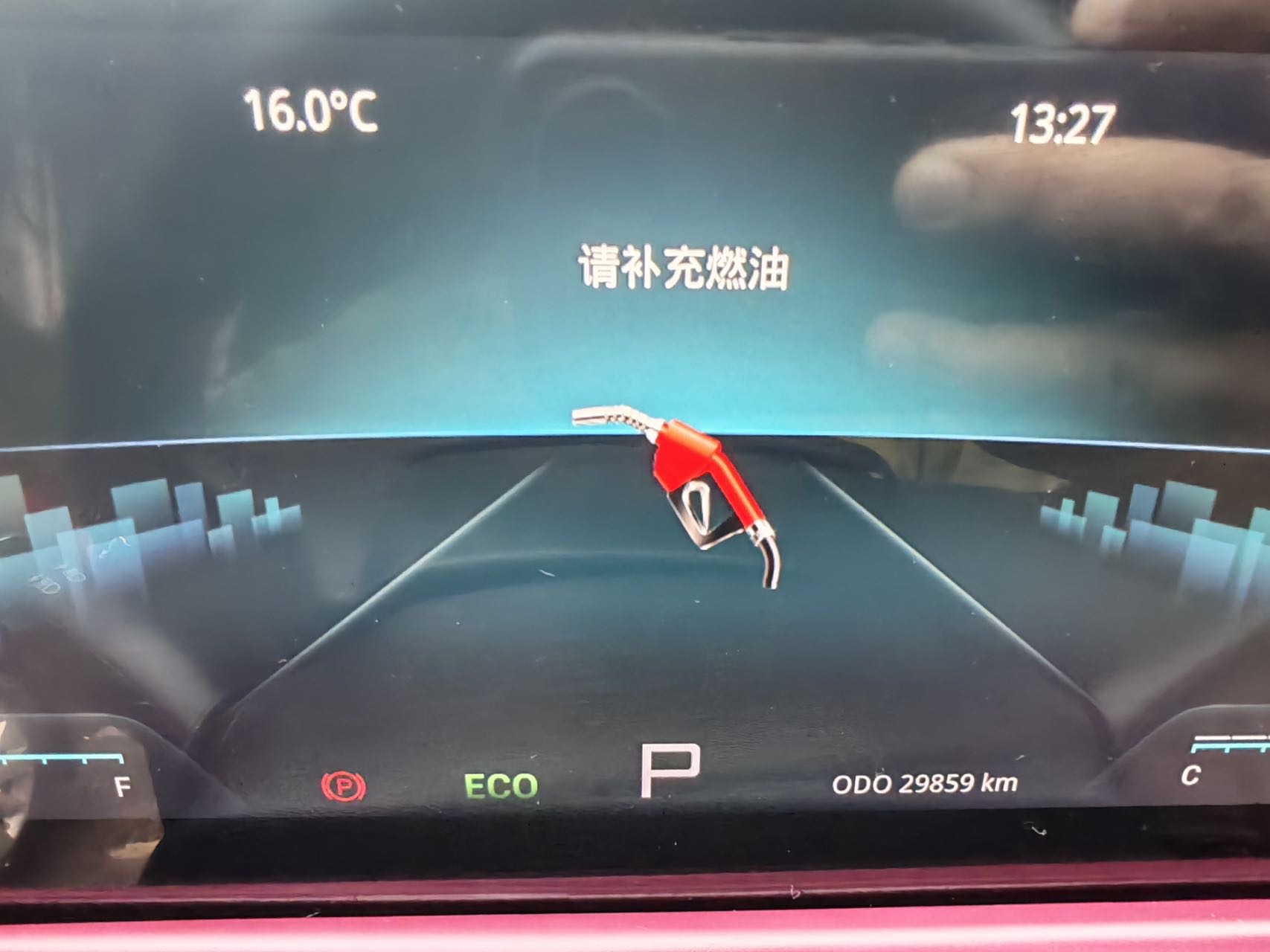
Mileage29,000km
Transfer Count0times
FuelGasoline
TransmissionDCT
Engine1.5T 156 L4
ColorBlack
Seats5seats

Condition Description

No insurance claims; two panels repainted.

Document Information

Inspection Expiry Date-
Warranty Expiry Date-
Insurance Expiry Date2027/07

Q&A

More

How do I assess rust and underbody condition in a used car from China when buying remotely?

Rust is one of the most underestimated problems in remote buying. Request specific evidence: photos of the underbody, wheel arches, door sills, and around the windshield seal; close-ups of suspension mounting points; and ideally paint thickness readings across panels (factory paint is typically 80-120μm; heavy patches suggest bodywork). Northern Chinese cars may have winter road-salt corrosion; coastal cars can show surface rust on exposed metal. Surface rust on exhaust and bolts is normal—structural rust on frame rails, subframes, or brake lines is a deal-breaker, especially if the car is headed to a humid or coastal market. Have the inspector tap suspicious areas during the video call: flaky or bubbling metal sounds hollow. Walk away if the seller refuses underbody photos.


Can I authorize my local partner in China to sign the car purchase contract on my behalf?

Yes, but you must provide a legally certified Power of Attorney (POA) authenticated by your country's notary or embassy. Contracts signed without legal authorization will not be recognized by our Ministry of Justice.

What engine checks beyond a cold start should a pre-purchase inspection of a used Chinese car include?

A cold start tells you a lot, but it isn't enough. Ask your inspector for these additional checks: Compression test: measures cylinder pressure in each cylinder. Consistent readings across cylinders mean healthy piston rings and valves; one low cylinder suggests internal wear. Timing system: listen at idle and at 2000 rpm for chain rattle or belt squeal. On turbo engines, check for play in the turbo shaft and oil in the intake piping. Exhaust analysis: blue smoke means oil burning (worn rings or valve seals); white sweet-smelling smoke can mean head gasket issues; black smoke points to running too rich. Fluid condition: engine oil on the dipstick should not smell burnt or look milky; coolant should be clean without oil traces. Fault codes: a full OBD scan beyond pending codes — look at misfire counters, fuel trim values, and any history codes that were recently cleared. Ask for photos of the dipstick, exhaust at idle and revving, and the live OBD data. These give you an objective engine health record.