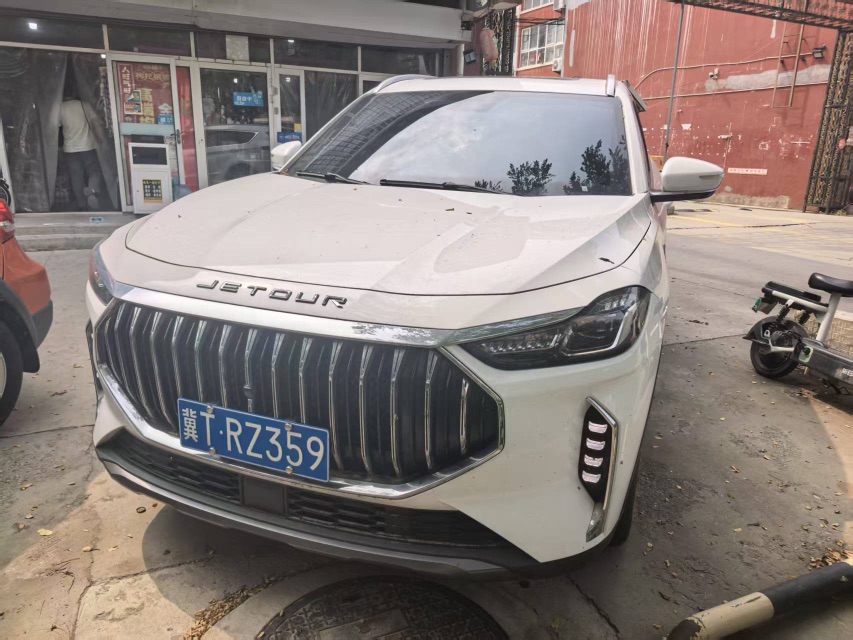

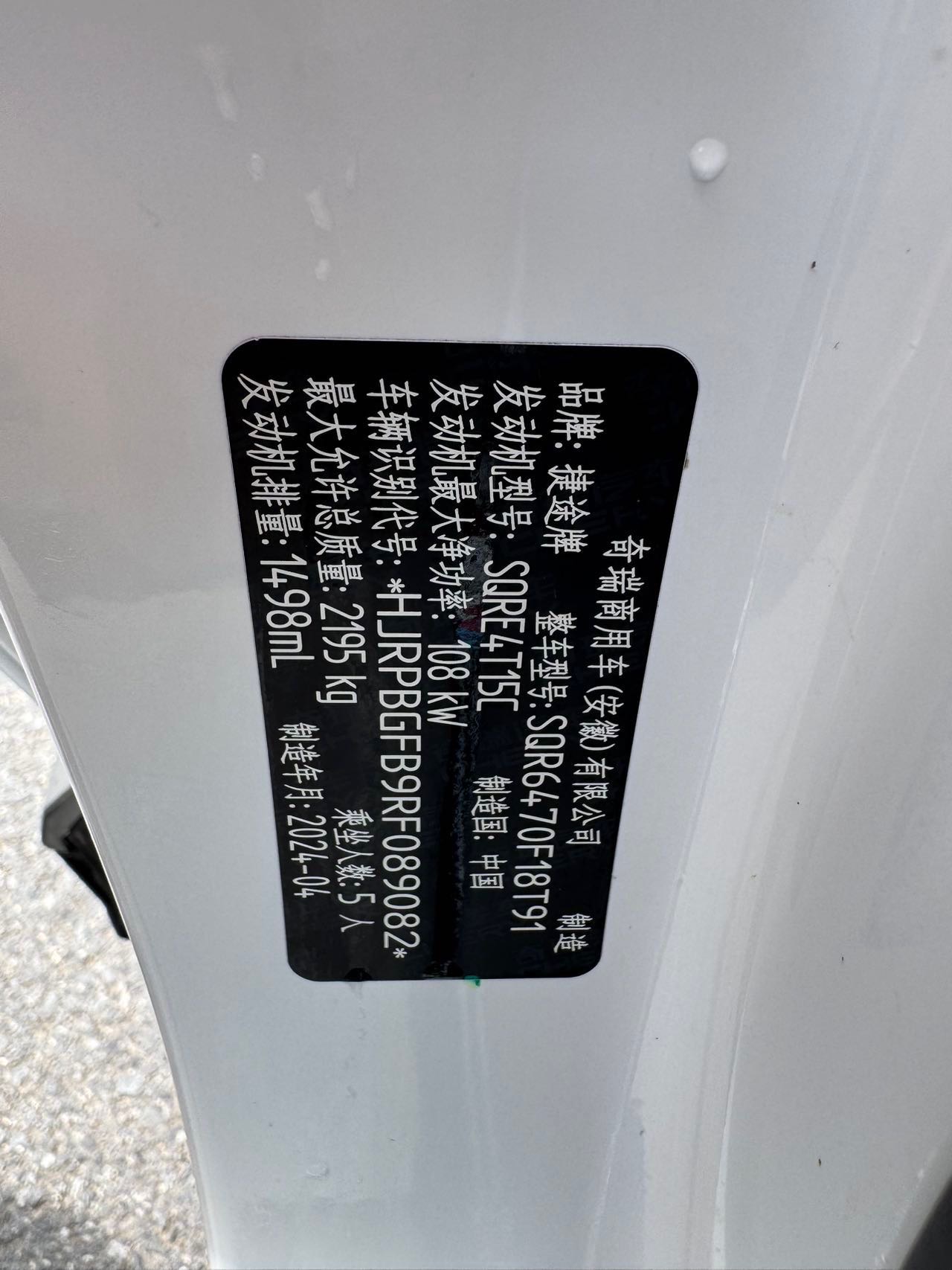
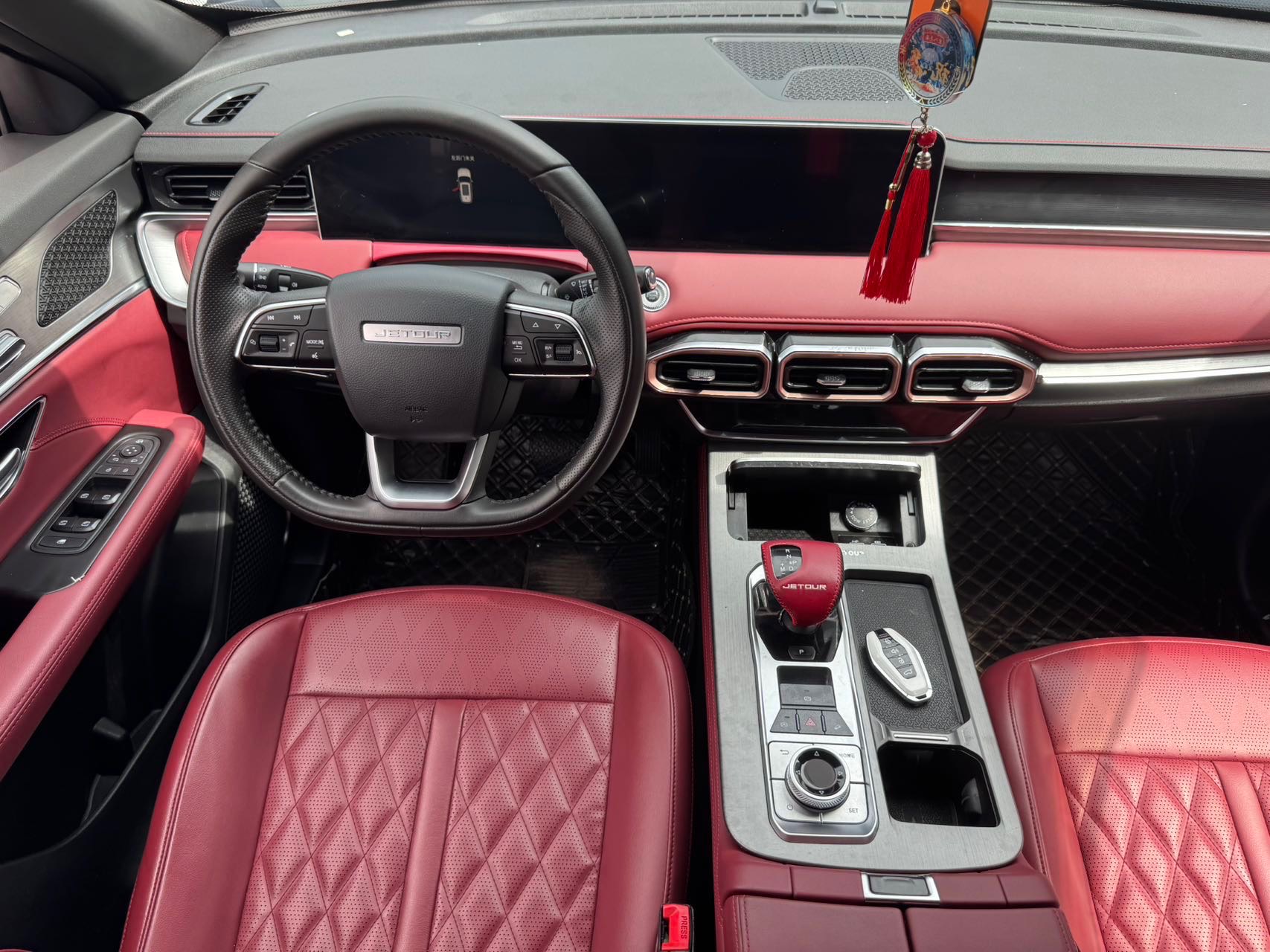
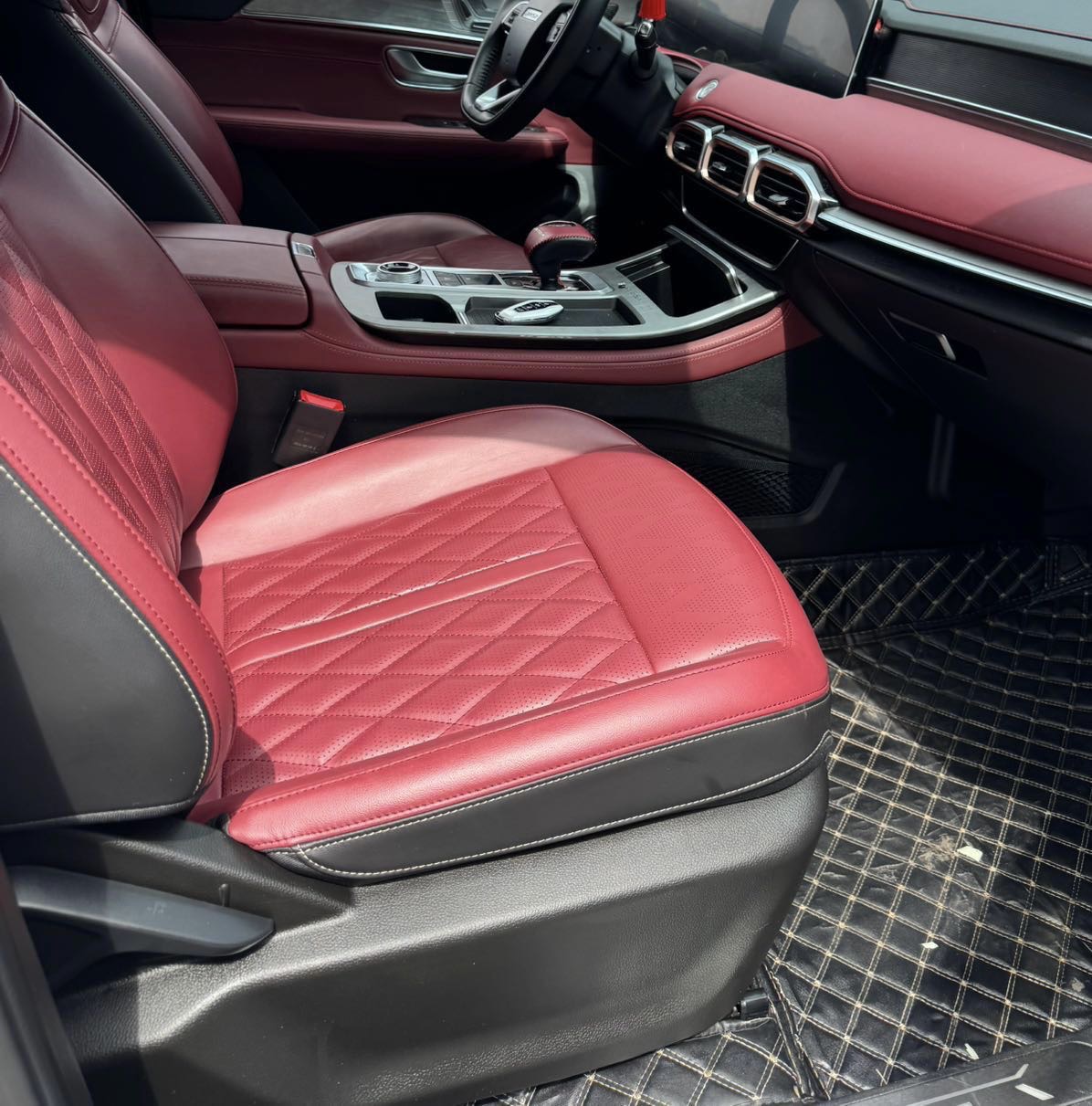
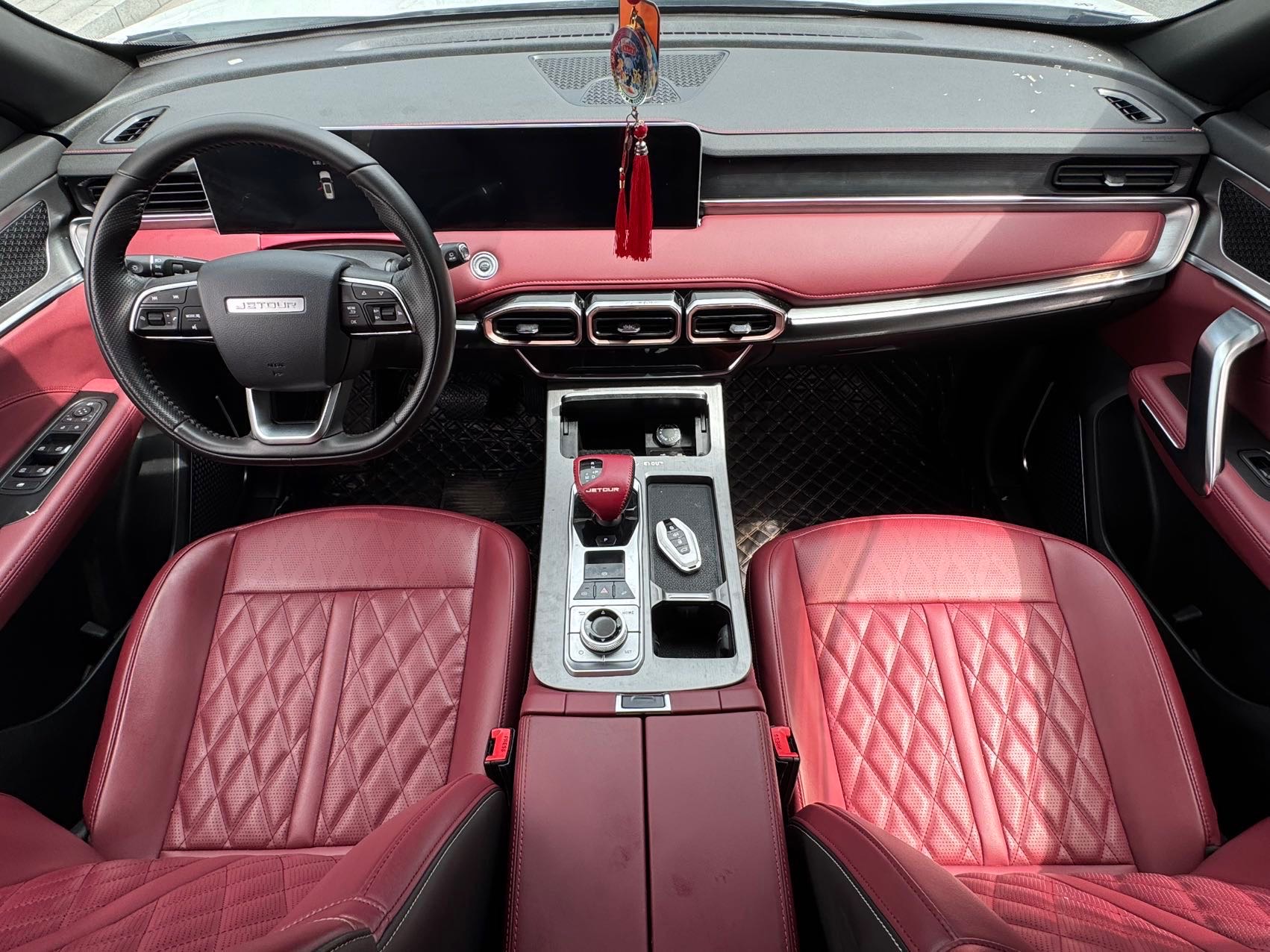
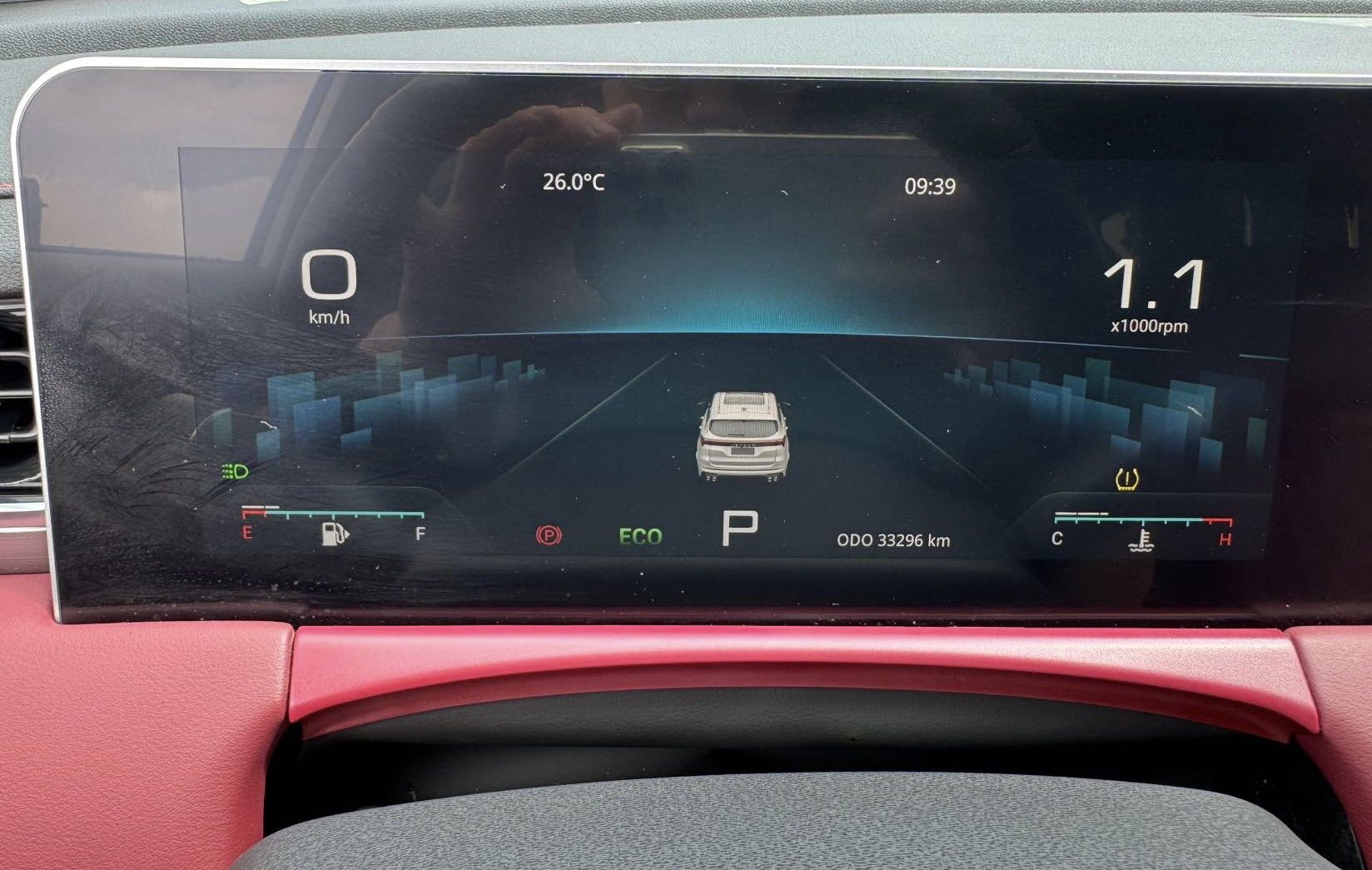
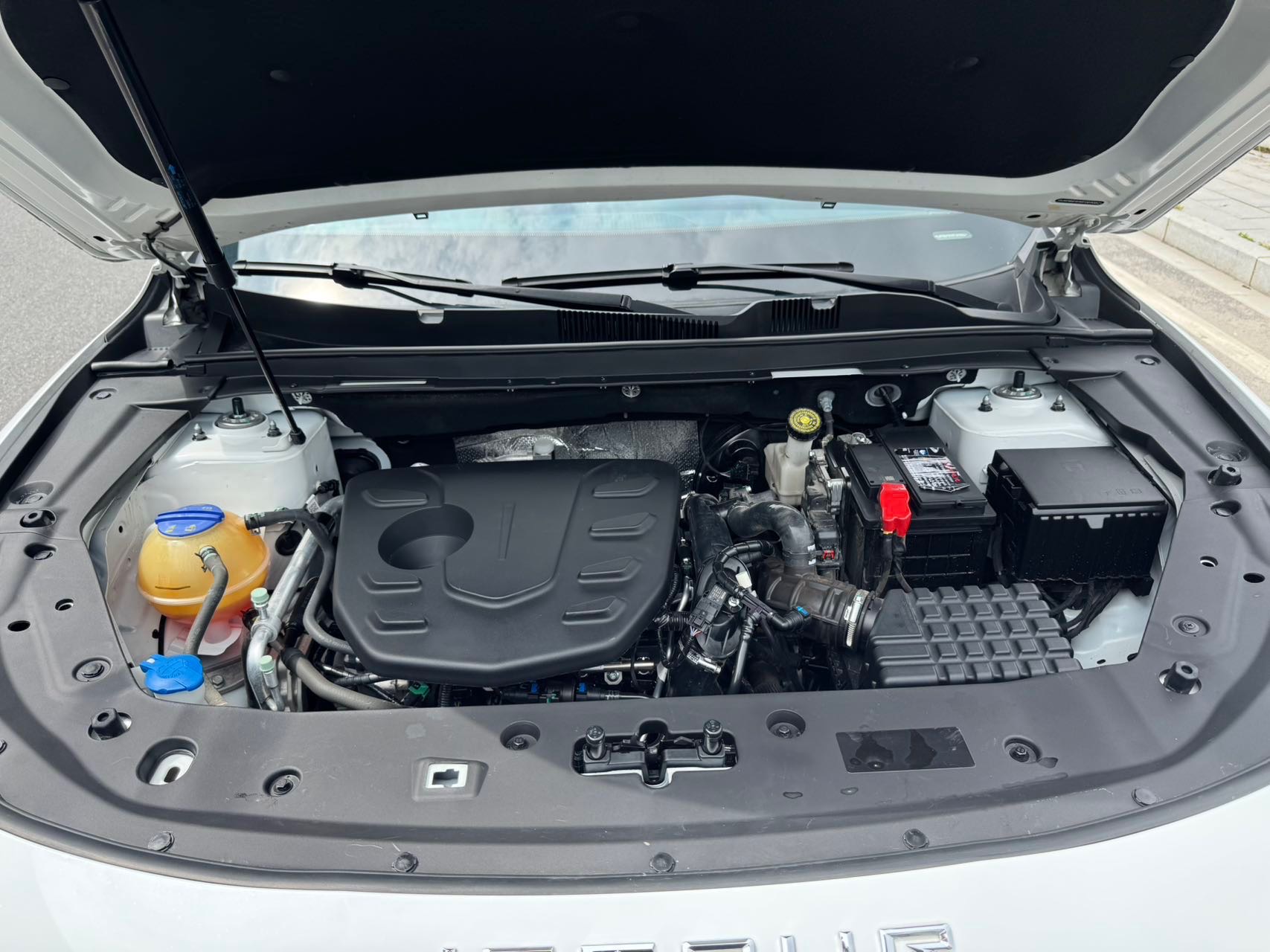

Basic Information

BrandJetour
SeriesX70 PLUS
Year2024
First Registration2024/05
Mileage33,000km
Transfer Count0times
FuelGasoline
TransmissionDCT
Engine1.5T 156 L4
ColorWhite
Seats5seats

Condition Description

General vehicle condition.

可议价
已上架
新到车源

Configuration Highlights

✓品牌: 捷途
✓车系: 捷途X70 PLUS
✓车型: 捷途X70 PLUS 2024款 冠军版 1.5T DCT冠军MAX 5座
✓能源类型: 燃油车
✓发动机: 1.5T
✓变速箱: 6挡湿式双离合
✓驱动方式: 前置前驱
✓排放标准: 国VI
✓指导价: 11.89万
✓车源编号: 12752574
✓VIN: HJRPBGFB9RF089082

Document Information

Inspection Expiry Date2028/05
Warranty Expiry Date-
Insurance Expiry Date2026/05

Q&A

More

For countries with strict anti-dumping laws, do the low-priced used new energy vehicles you export face the risk of being confiscated by customs on the grounds of dumping?

This is a macro policy minefield. Although used cars are rarely classified as dumping, if your single import quantity is too large and the declared price is significantly lower than local similar products, it can easily trigger an investigation by the tax bureau. We strongly recommend B2B buyers to break down shipments into smaller batches and use multiple invoices for customs clearance.


What is the difference between maintenance records from 4S dealerships and those from third-party repair shops? Which is more reliable?

4S dealership records are directly connected to the manufacturer's database, making the data hard to tamper with and the most reliable, with original parts guaranteed; third-party repair shops usually are not connected, making their data unverifiable. Therefore, we only consider the connected records from 4S dealerships as valid historical documentation.

If I choose to abandon cargo at the destination port due to a cash flow issue, can I get a refund of the deposit and freight I previously paid?

No, it is absolutely impossible to get a refund. Not only will there be no refund, but if the proceeds from the port auction of the abandoned cargo are insufficient to cover the exorbitant demurrage and disposal fees, the shipping company and customs will still pursue you (the bill of lading recipient) for the remaining debt through international legal proceedings.