


Basic Information

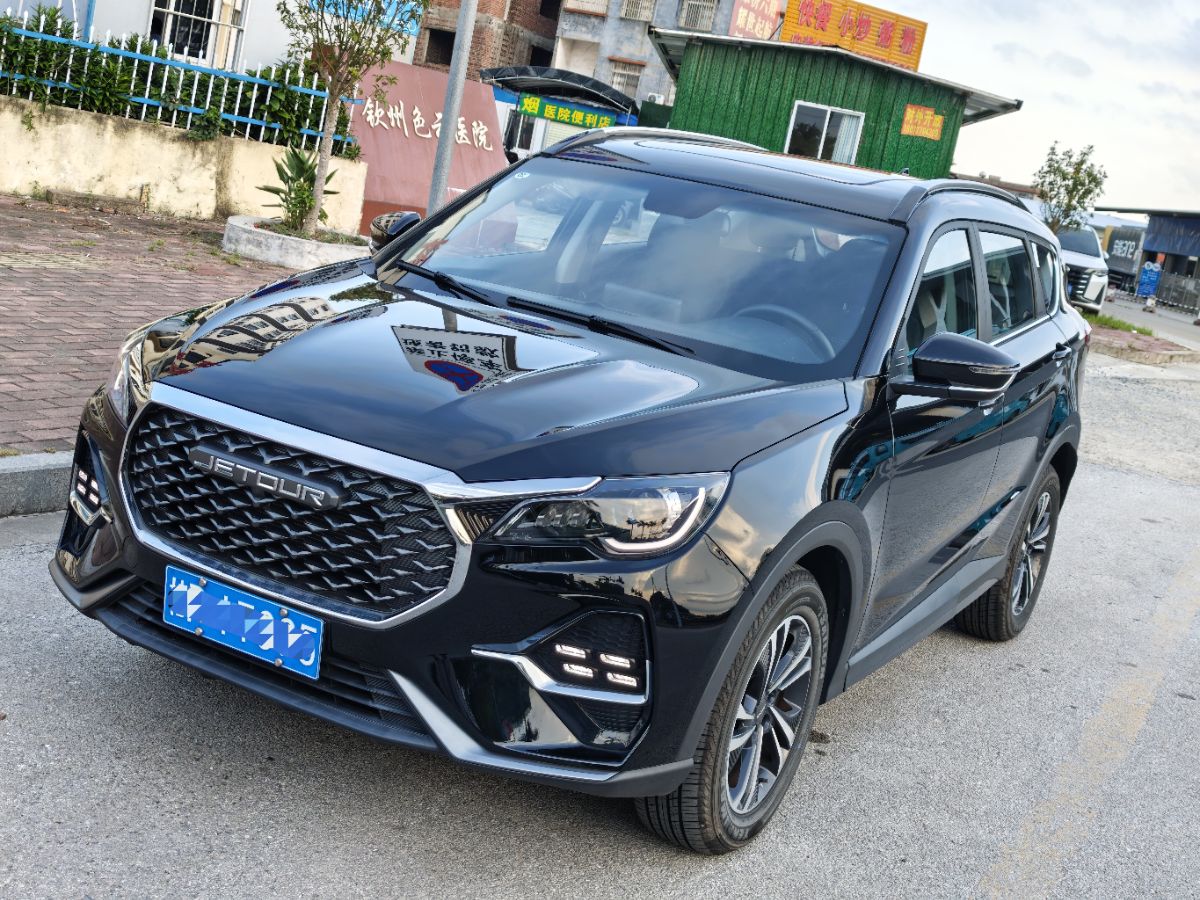
BrandJetour
SeriesX70S
Year2019
First Registration2019/01
Mileage84,000km
Transfer Count1times
FuelGasoline
TransmissionManumatic
Engine1.5T 147 L4
ColorWhite
Seats5seats

Condition Description

Vehicle has major defects in structural/reinforced/covering parts, or major defects in power battery related components due to accident, fire, or water damage. Repaired or unrepaired, still affects body structural strength or safe use, with hidden fault risks.

Accident inspection: main structure damaged, reinforcement parts undamaged, covering parts undamaged, hinges normal. Engine bay inspection: key mechanical components in engine compartment normal. Exterior: 5 sheet metal repairs, 2 paint repairs. Interior: headliner dirty, right front seat rail and mounting screws show disassembly marks, most features normal, airbag system normal, lighting system normal. Startup inspection: main components normal. Onboard tools: spare tire present.

电话直连
可讲价
平台物流
可转售
车主降价

Document Information

Inspection Expiry Date2027/01
Warranty Expiry Date-
Insurance Expiry Date2027/01

Q&A

More

Why are the shipping costs for used electric vehicles (EVs) usually higher than for internal combustion engine vehicles (ICEs)?

Pure electric vehicles are classified as Class 9 Dangerous Goods due to their large lithium batteries, leading to strict shipping regulations. Shipping companies have high requirements for the loading position and fire isolation measures for dangerous goods, and some roll-on/roll-off ships refuse to accept used EVs. As a result, EVs often require more expensive special container shipping and incur additional handling fees for hazardous materials.

For PHEV plug-in hybrid models, are you responsible if overseas technicians do not follow the dedicated hybrid mode for exhaust during oil changes, leading to engine overheating?

This is a typical case of "secondary damage caused by unprofessional rescue." Many hybrid vehicles require access to "maintenance mode" via engineering computers to allow the water pump to run at full speed for exhaust. We do not bear any moral or financial responsibility for cylinder damage caused by local technicians' misoperation.

How to check the condition of the turbocharger (oil leaks, unusual noises, insufficient pressure) for turbocharged vehicles?

Experience turbo lag and power surge during road tests; check for significant oil accumulation at the turbo intake and intercooler connections (slight oil vapor is normal); and use OBD to read the real-time boost pressure peak to see if it meets factory settings.