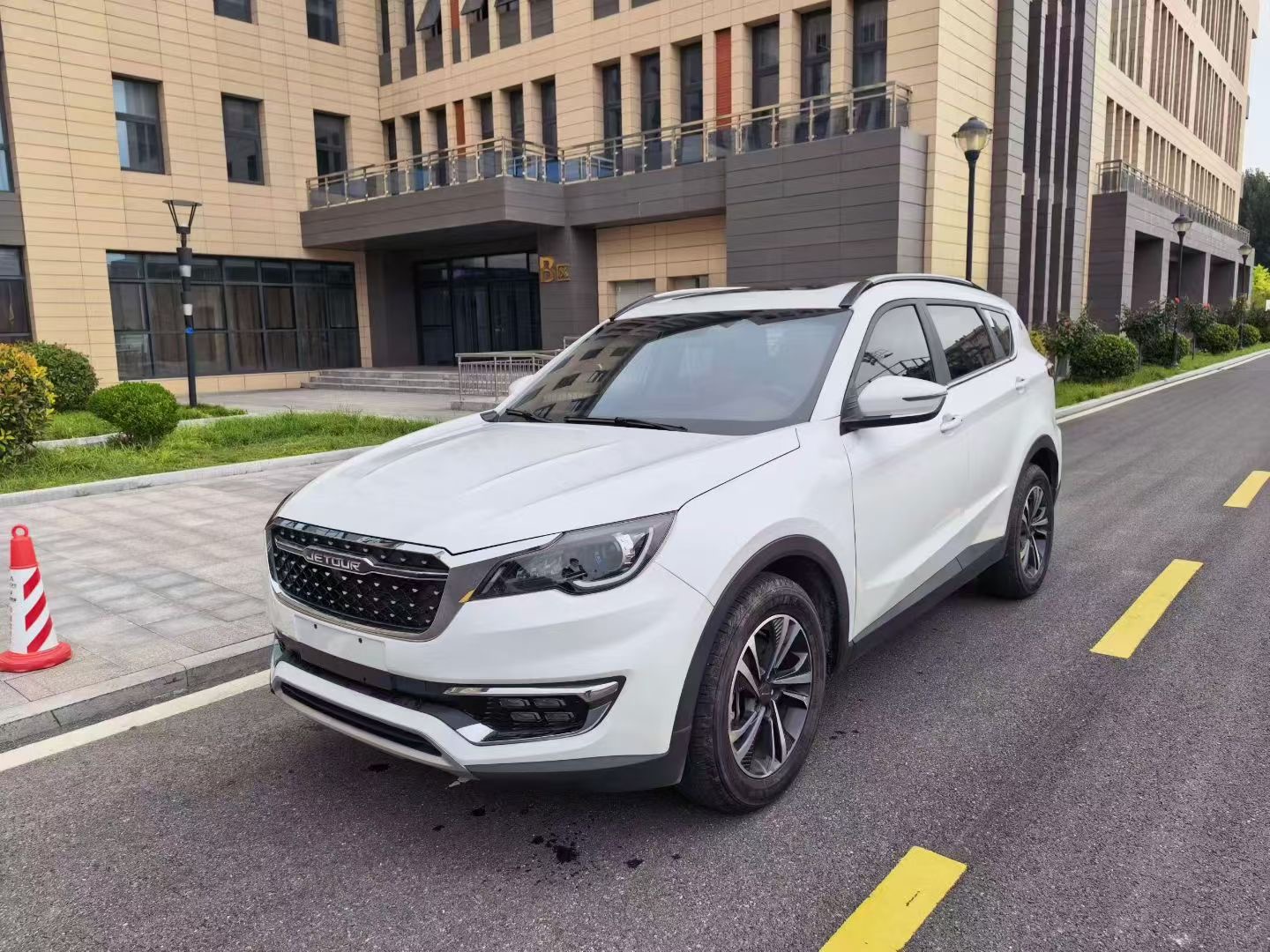

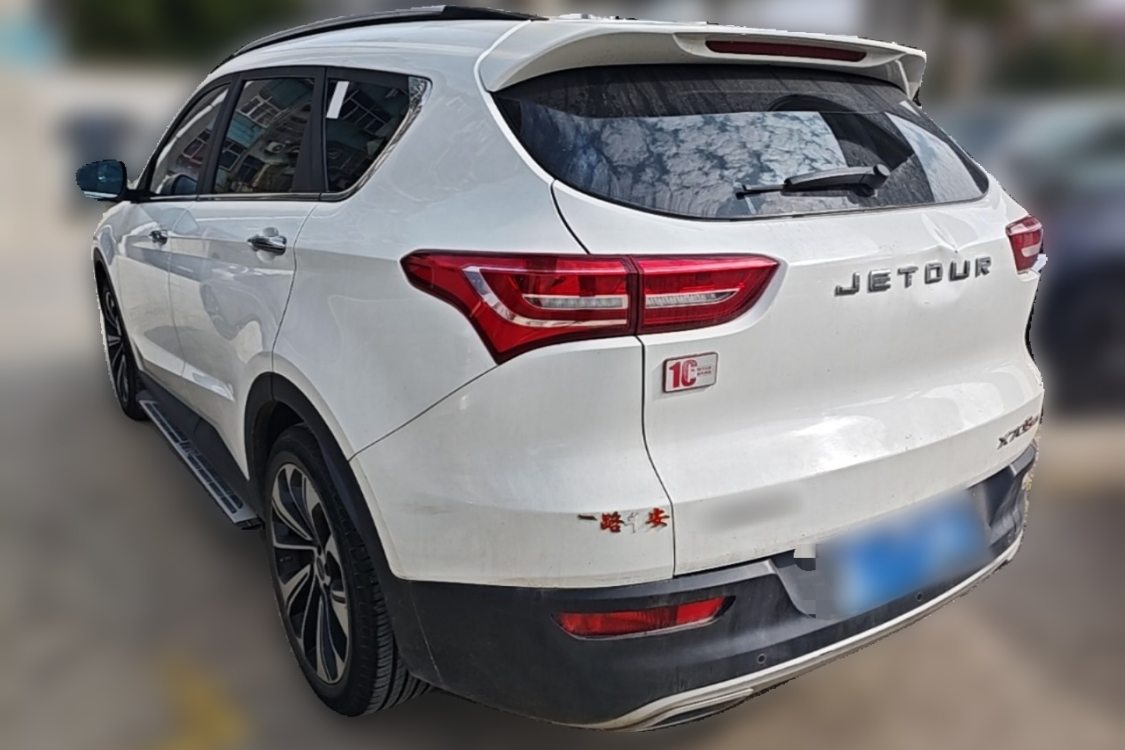
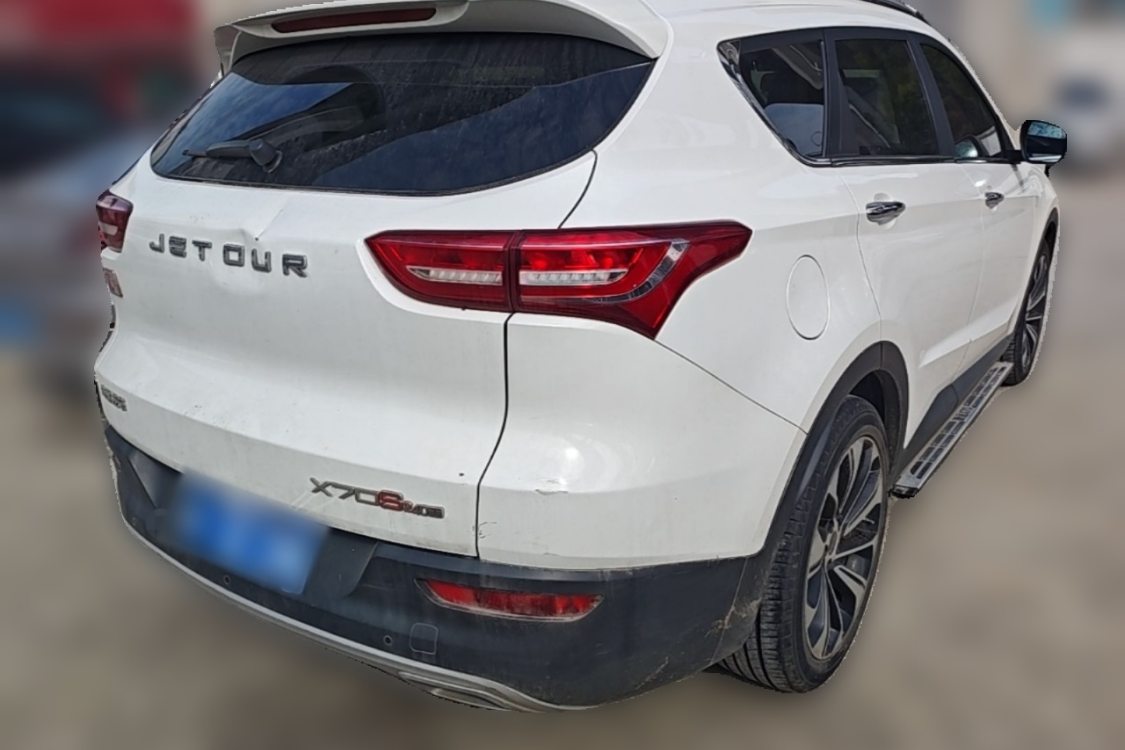
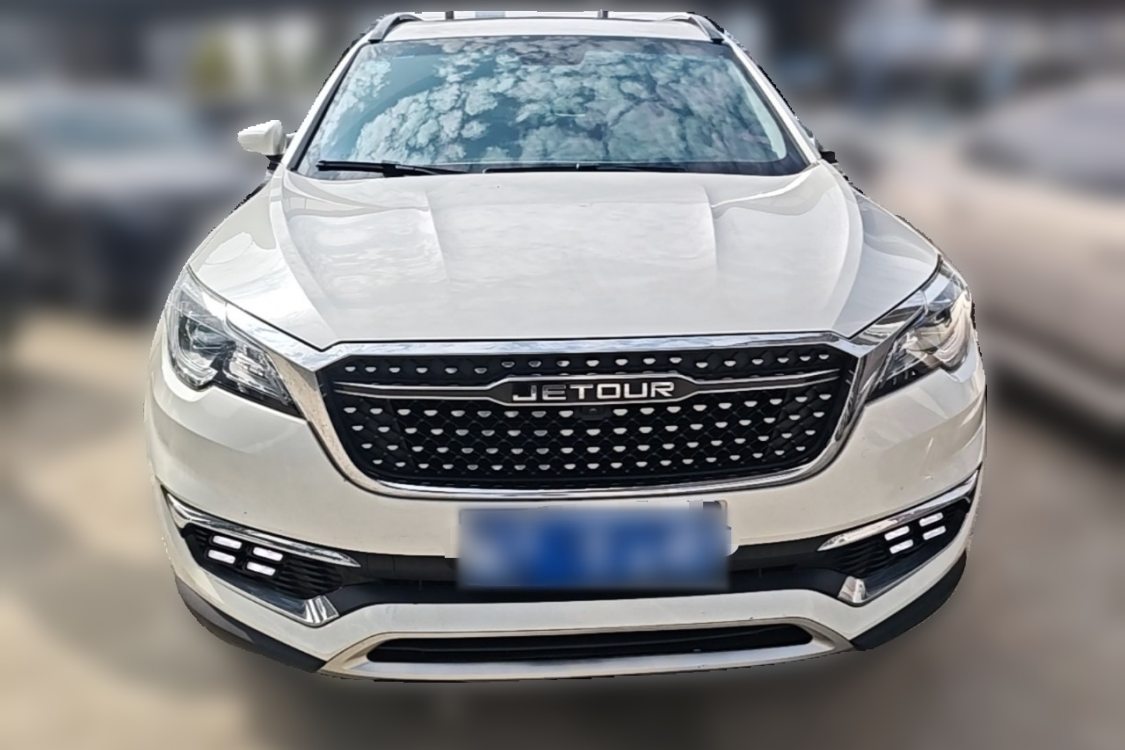
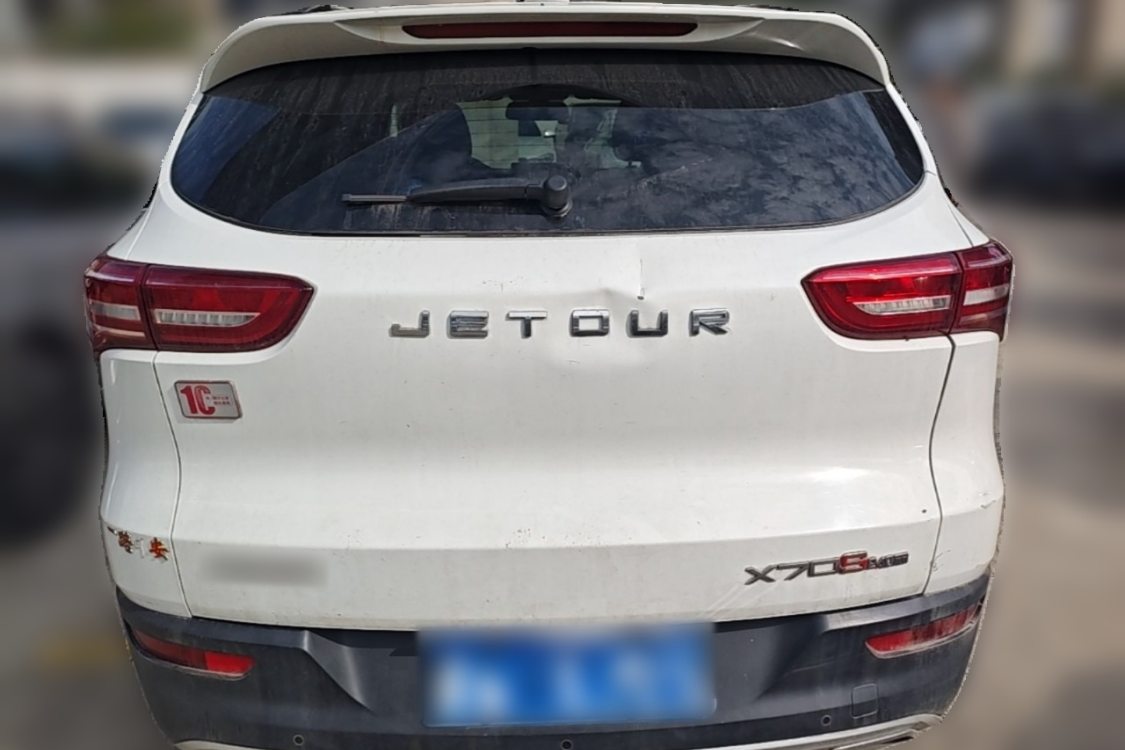
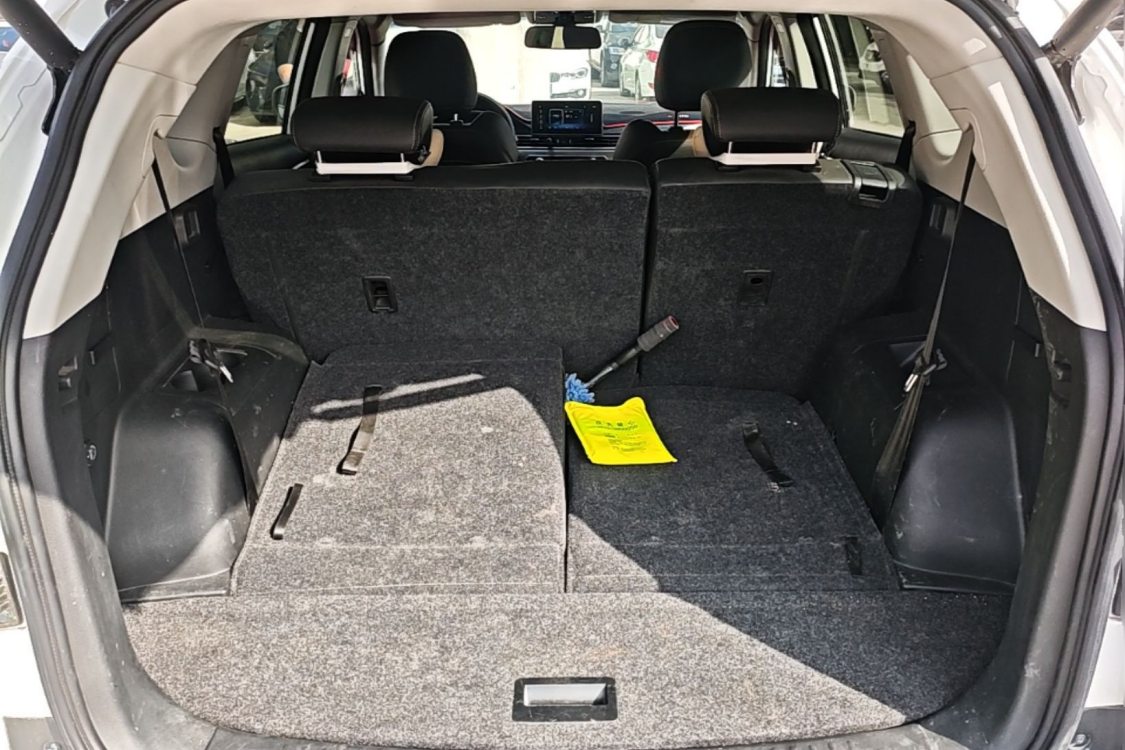
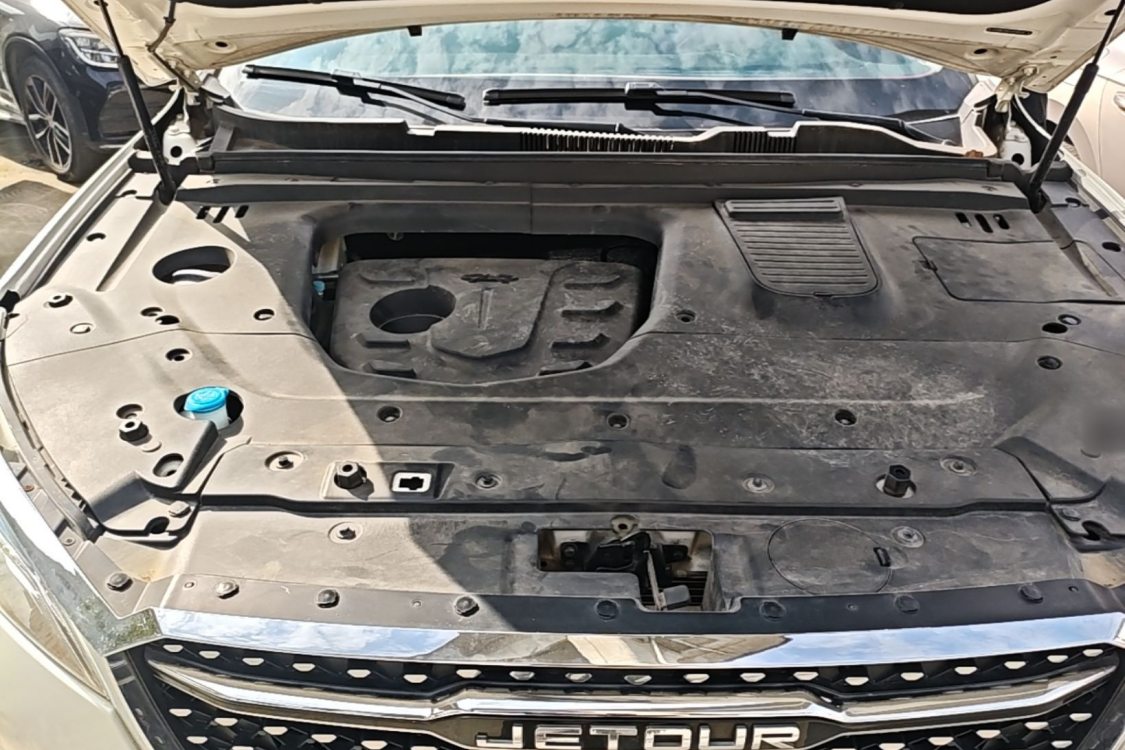
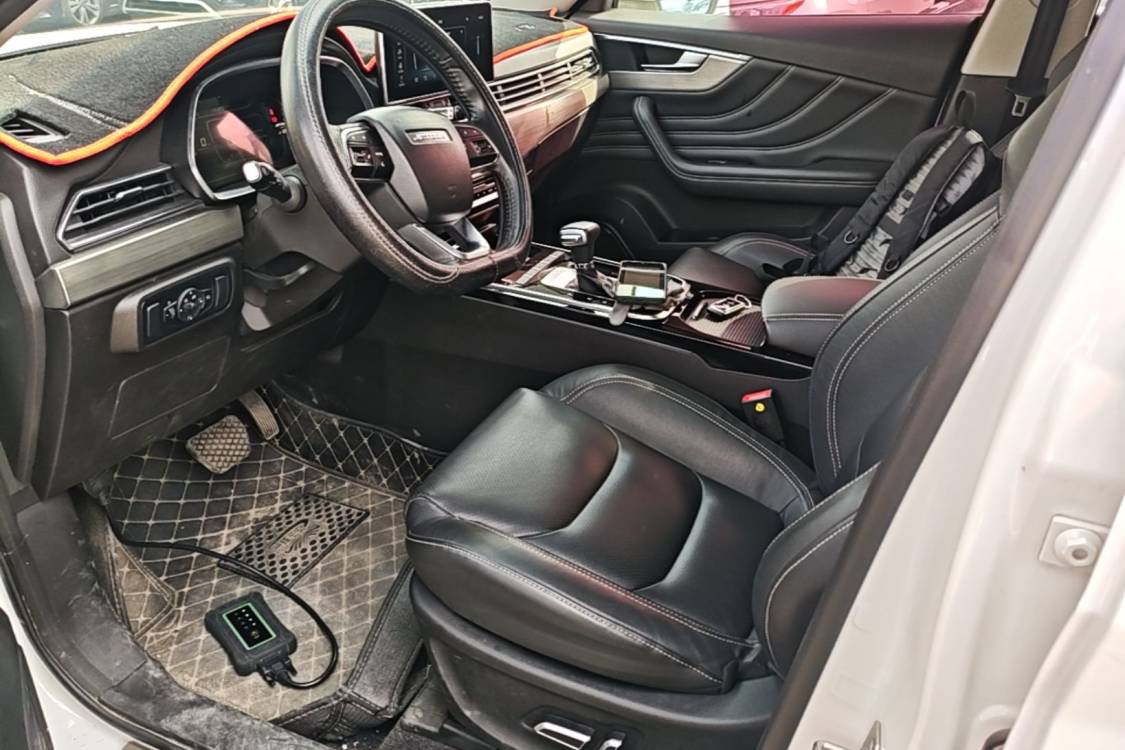
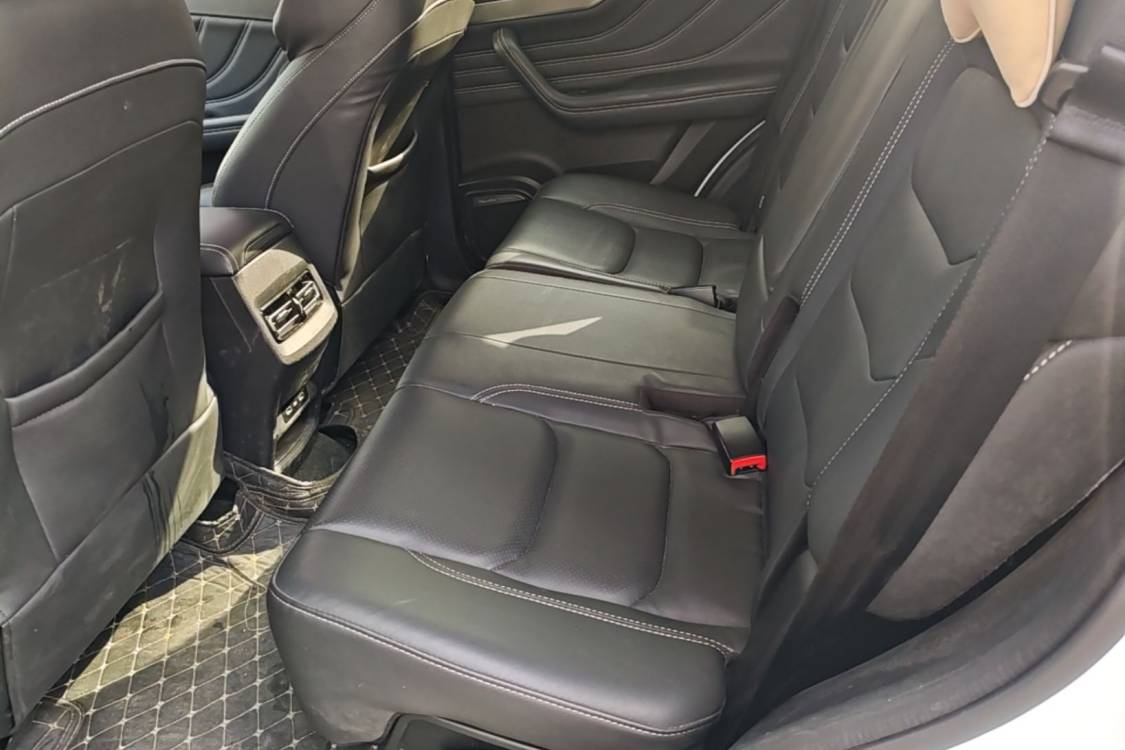
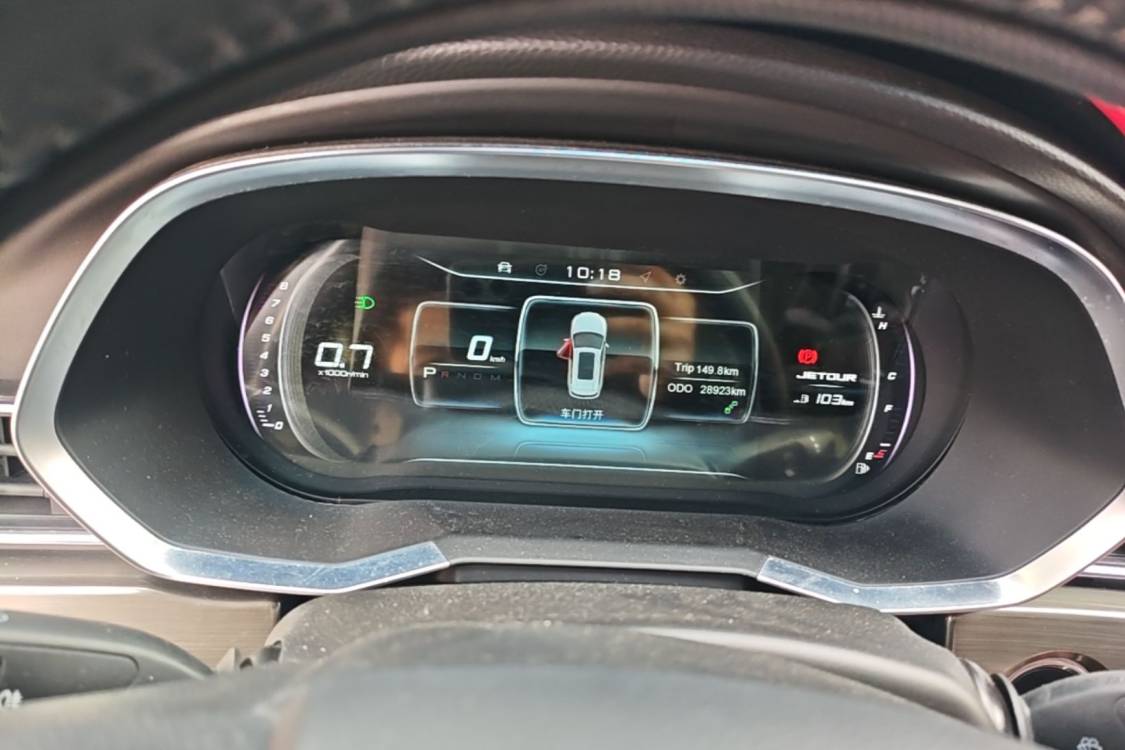
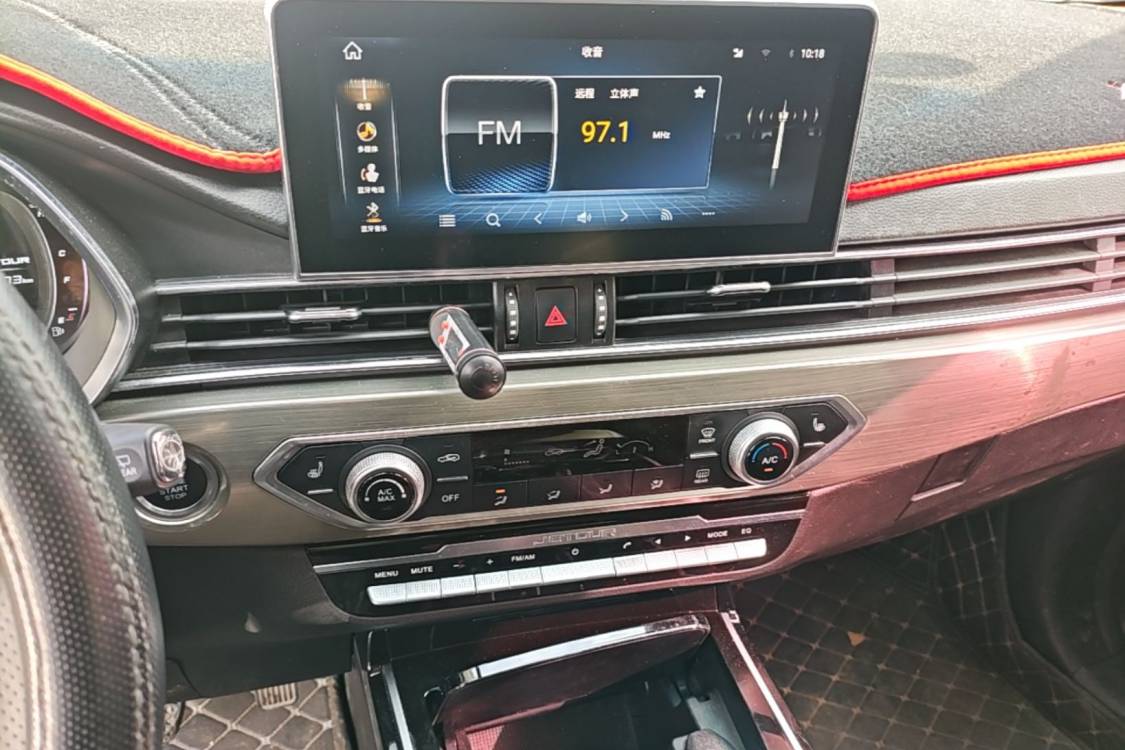
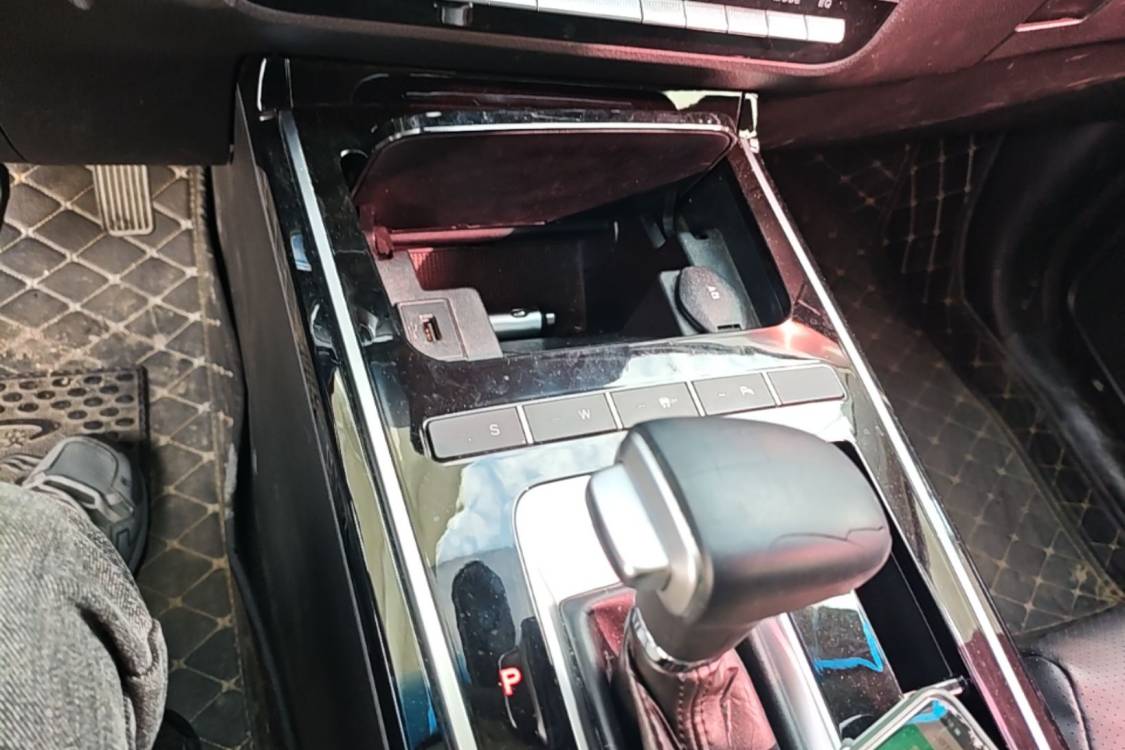
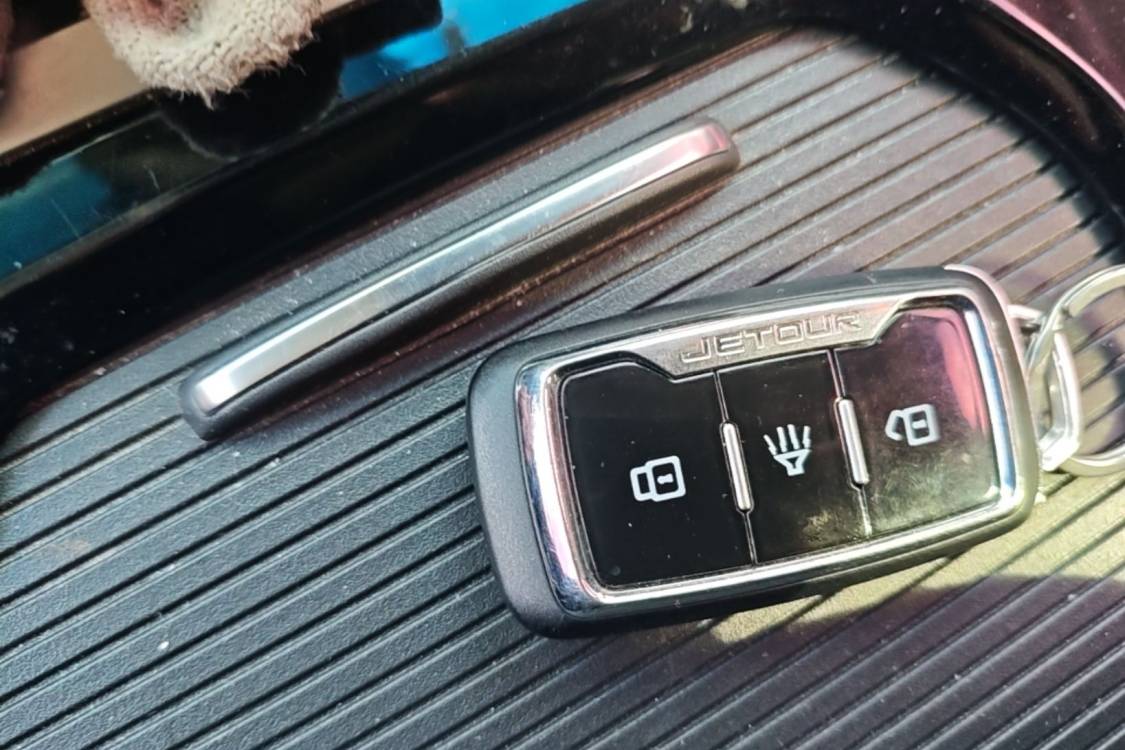



Basic Information

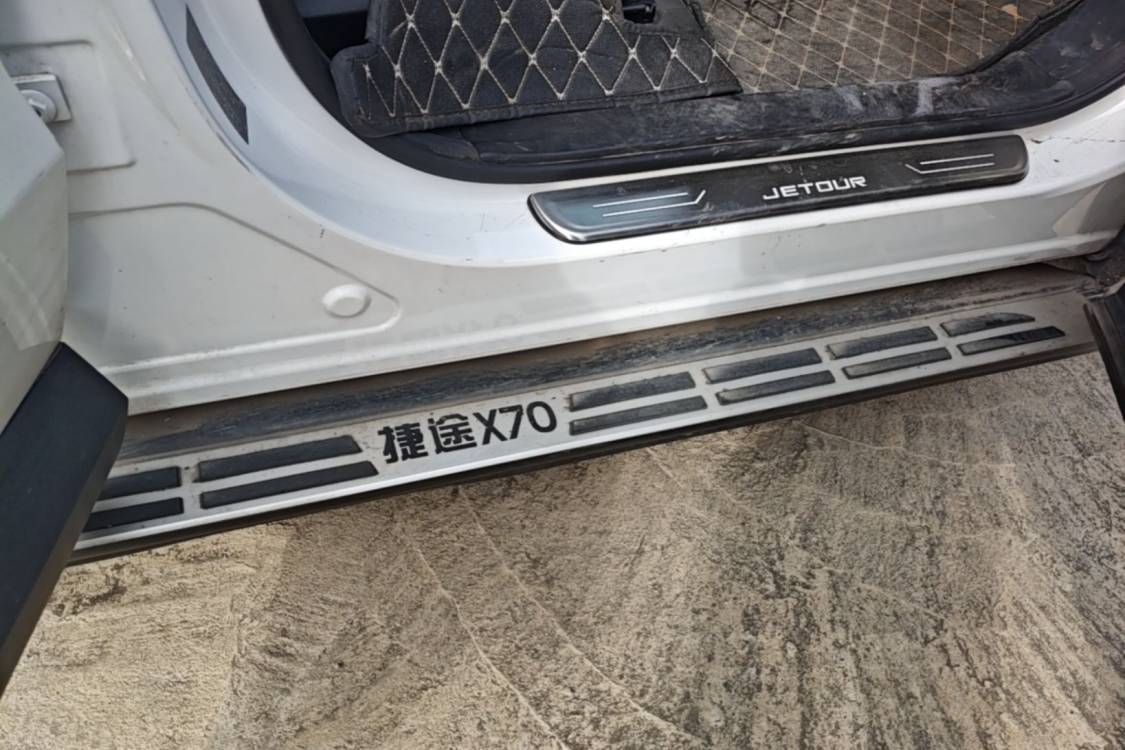
BrandJetour
SeriesX70S
Year2019
First Registration2019/01
Mileage28,900km
Transfer Count1times
FuelGasoline
TransmissionManumatic
Engine1.5T 147 L4
ColorWhite
Seats5seats

Condition Description

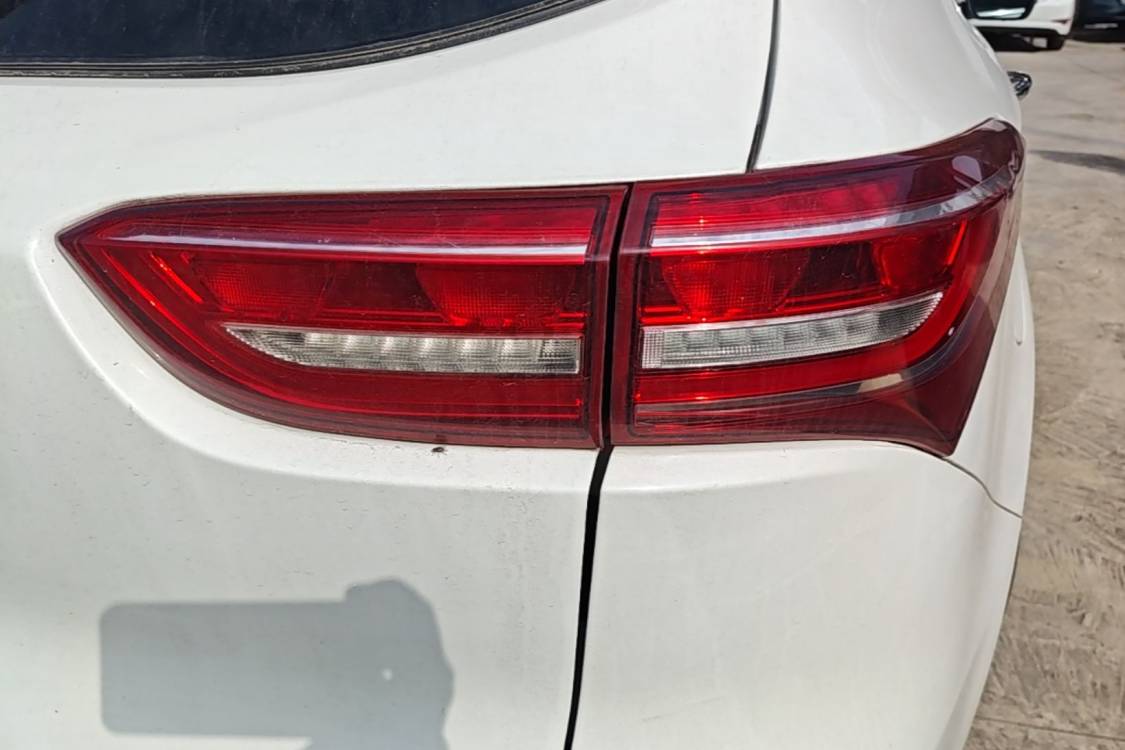
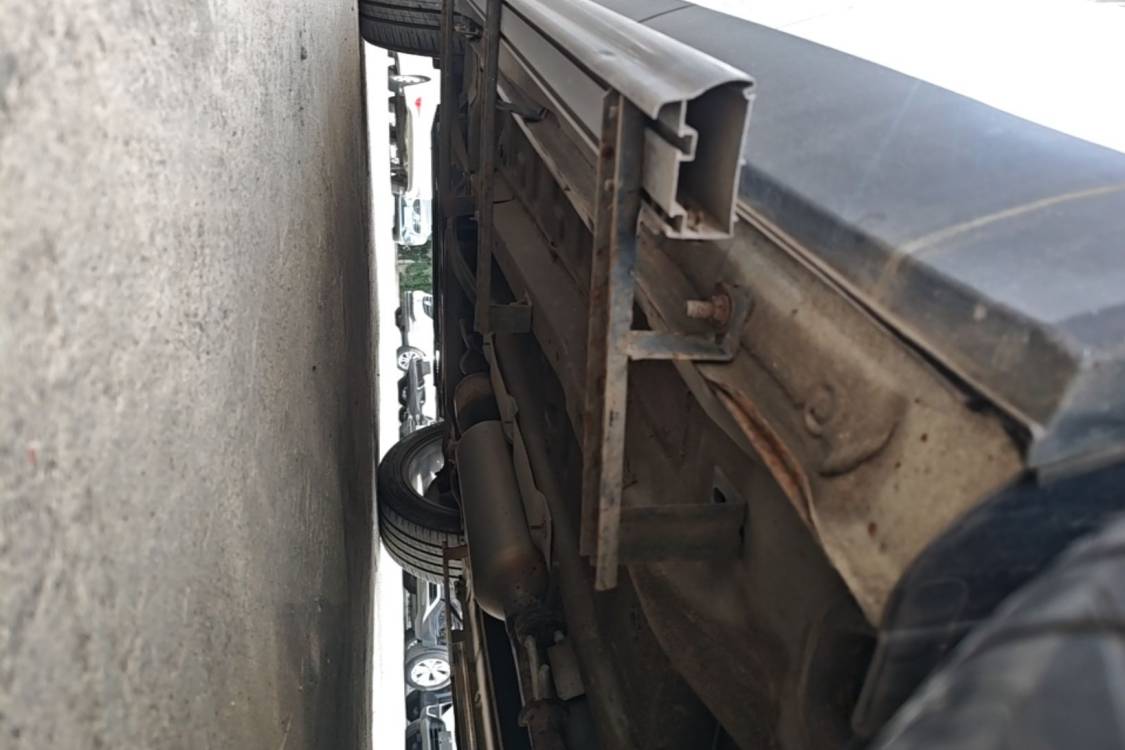
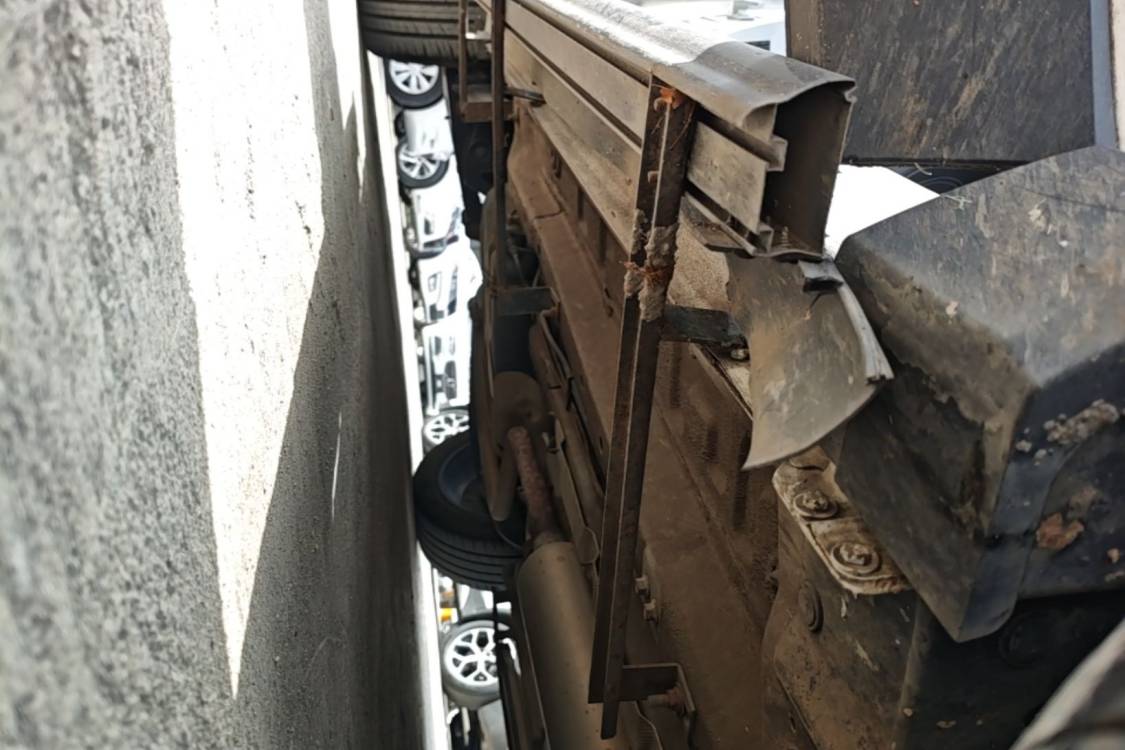
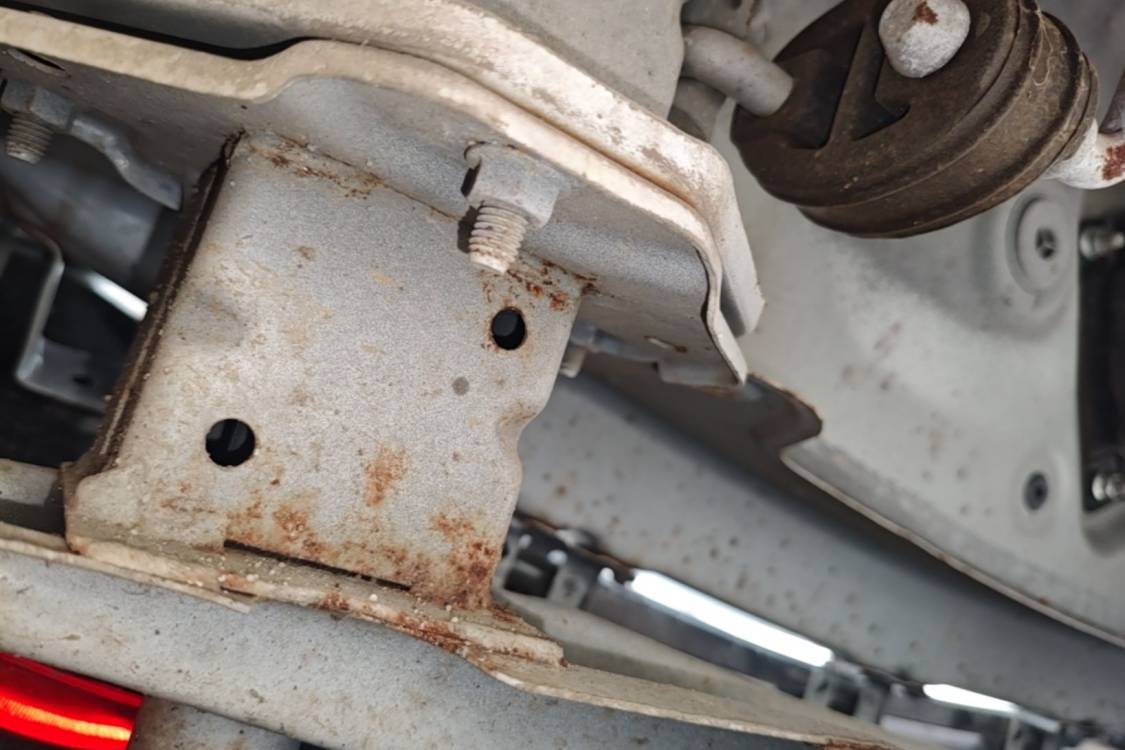
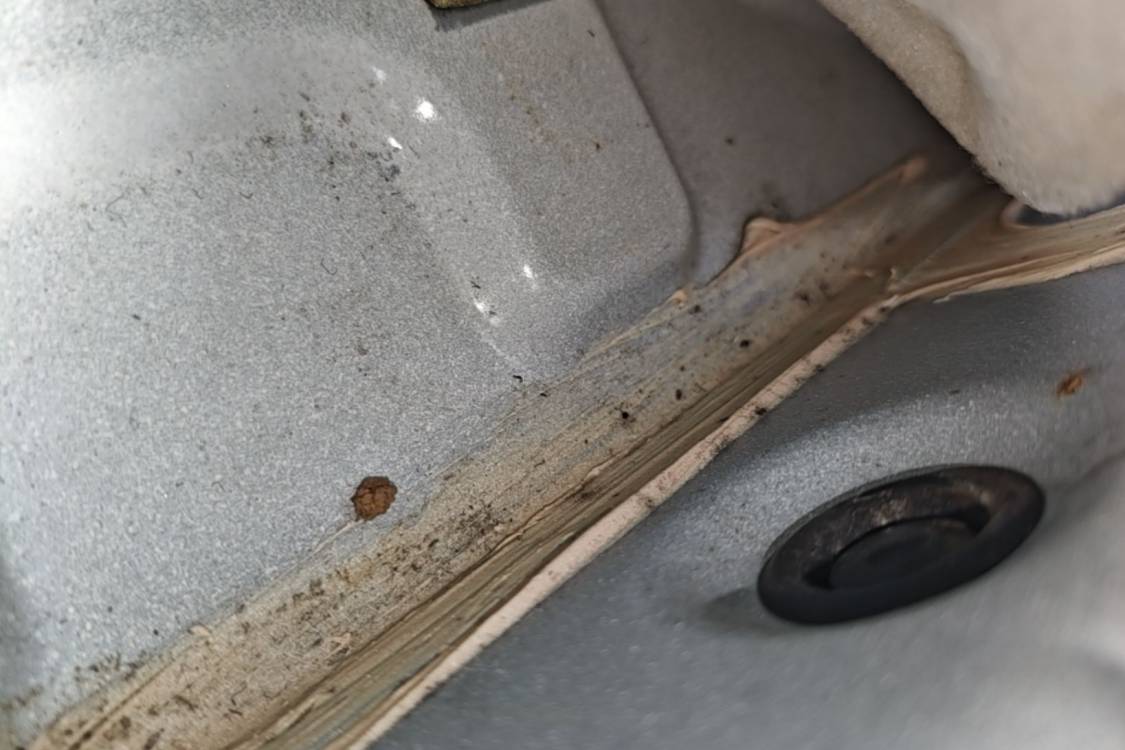
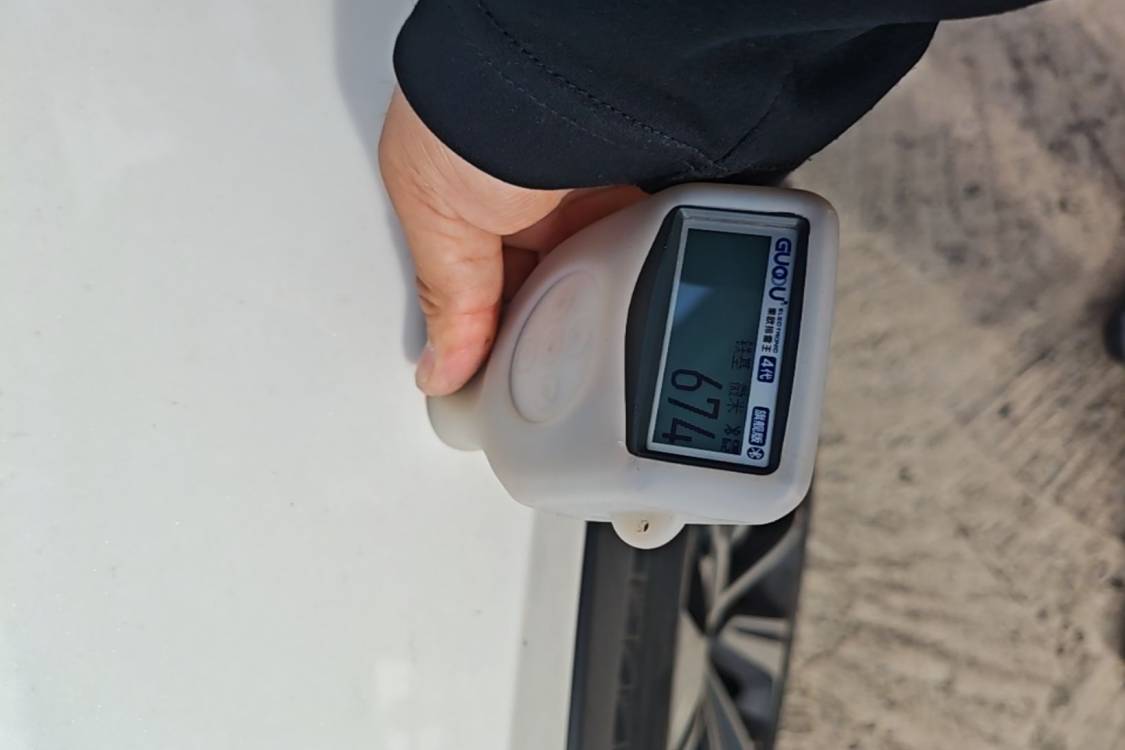
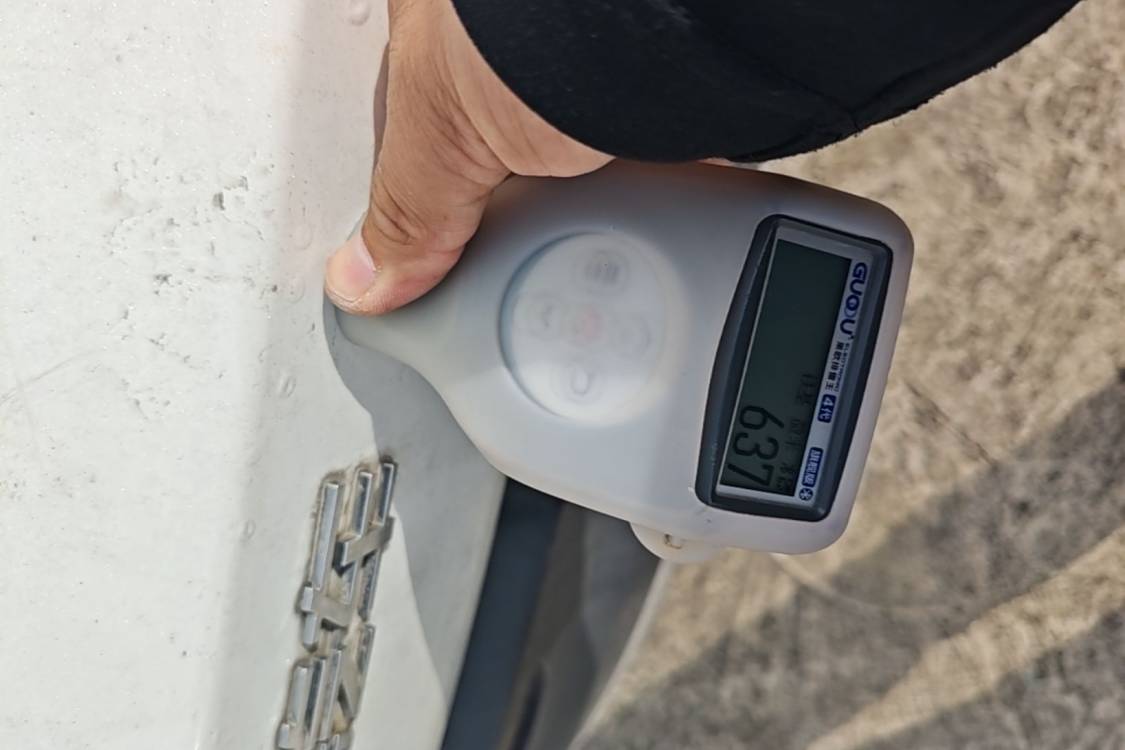
Localized body damage or repair marks present; no accident damage or repair to structural and reinforcement components. Vehicle performance (including three-electric system) has degraded or is limited.

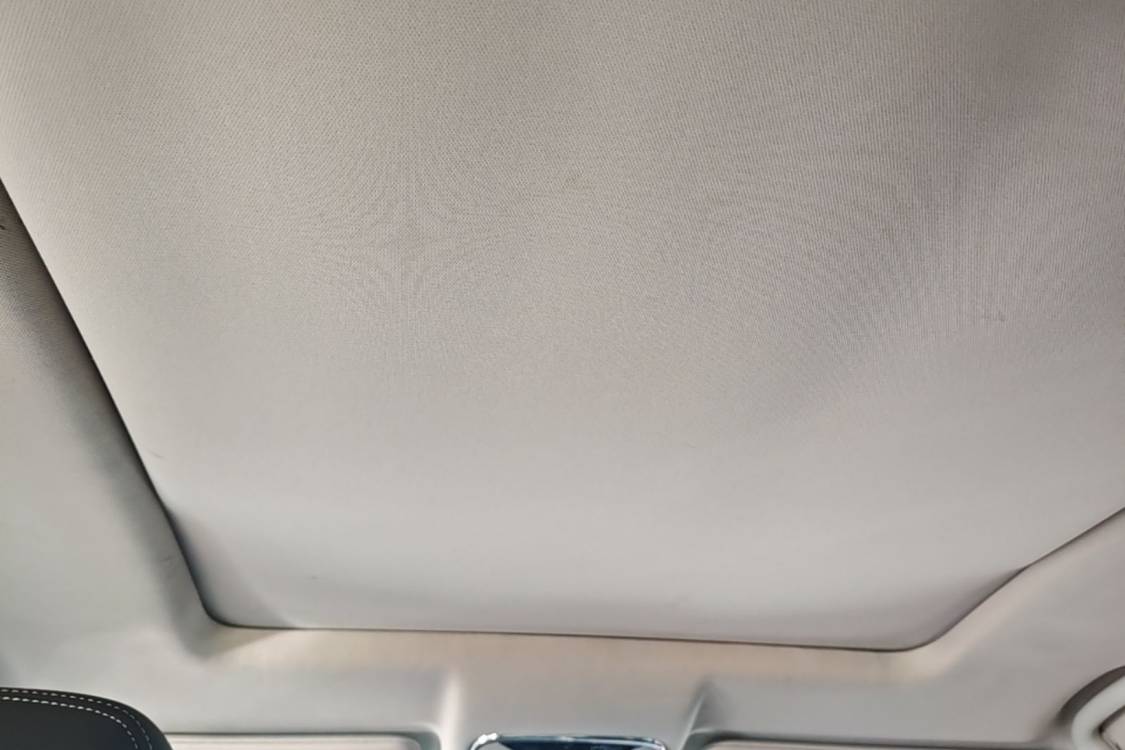
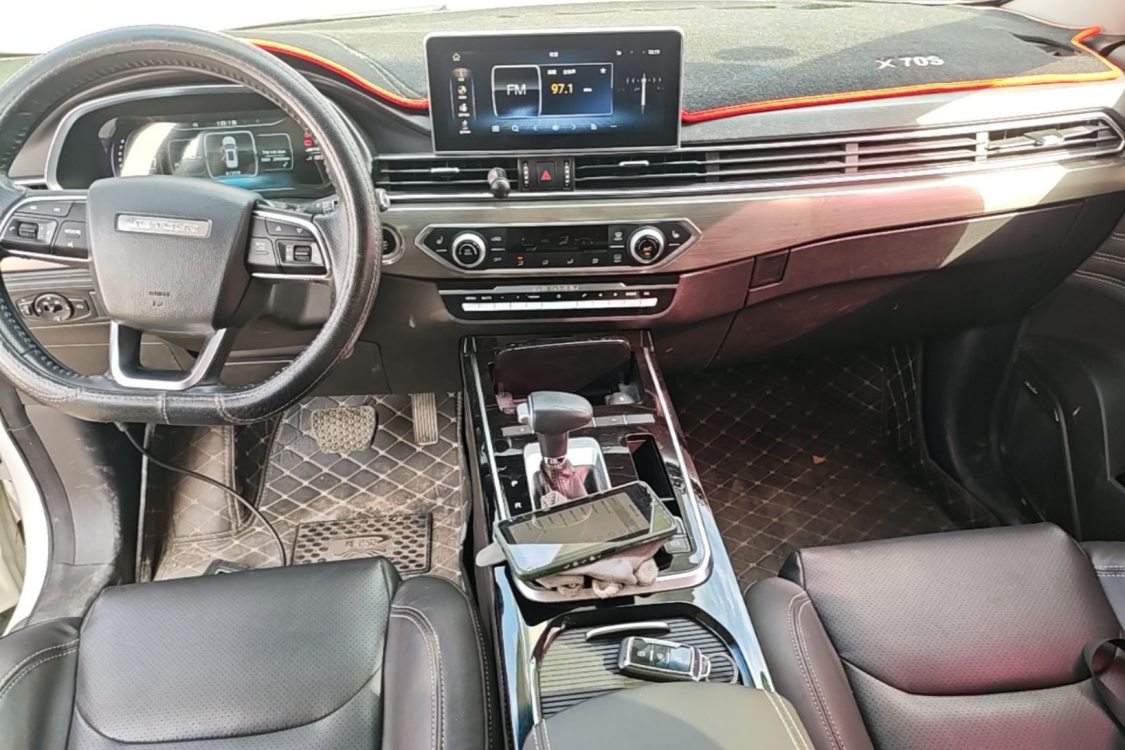
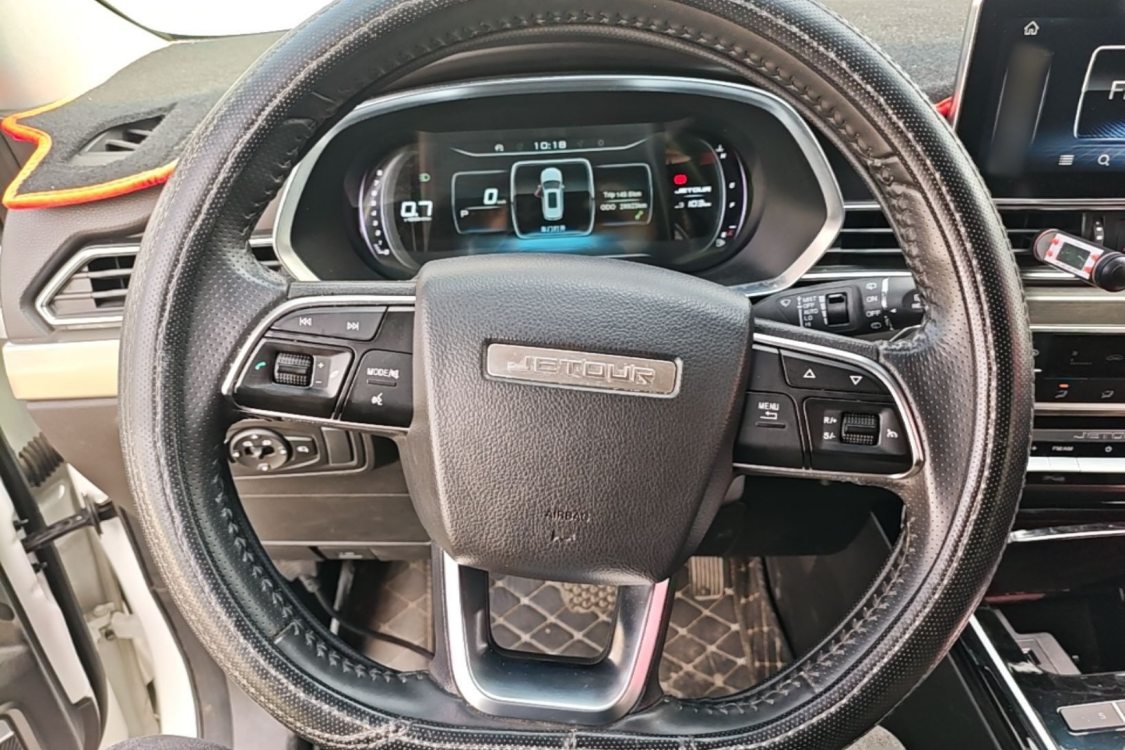
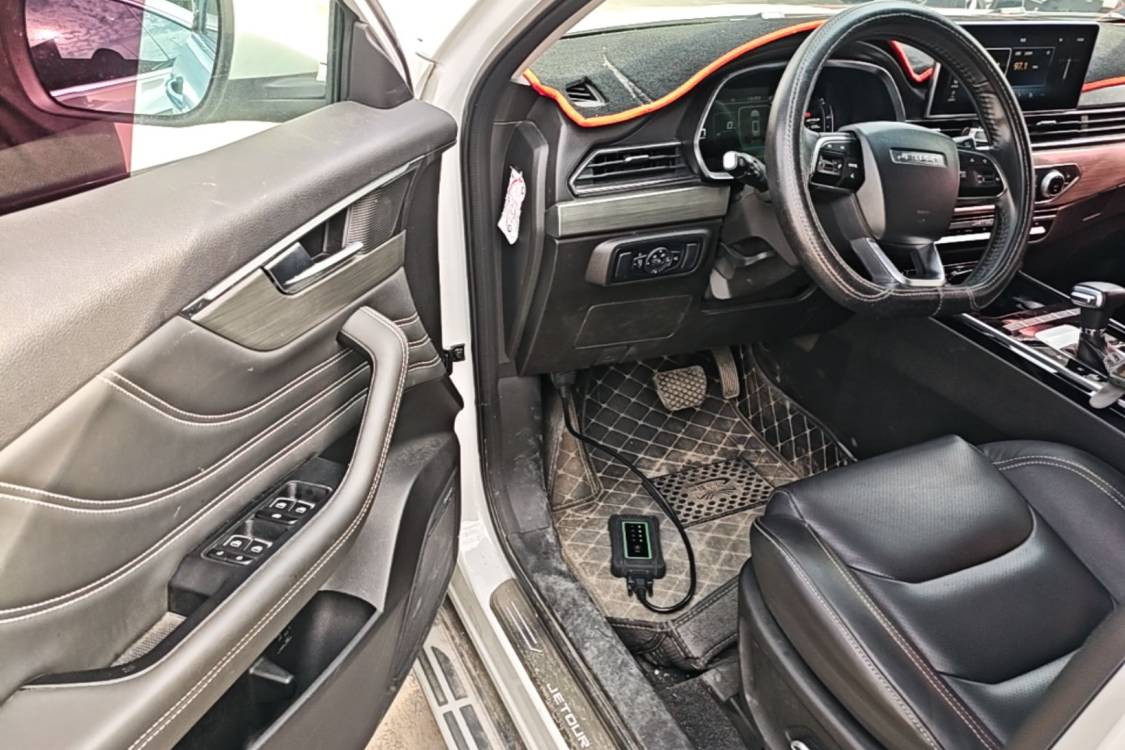
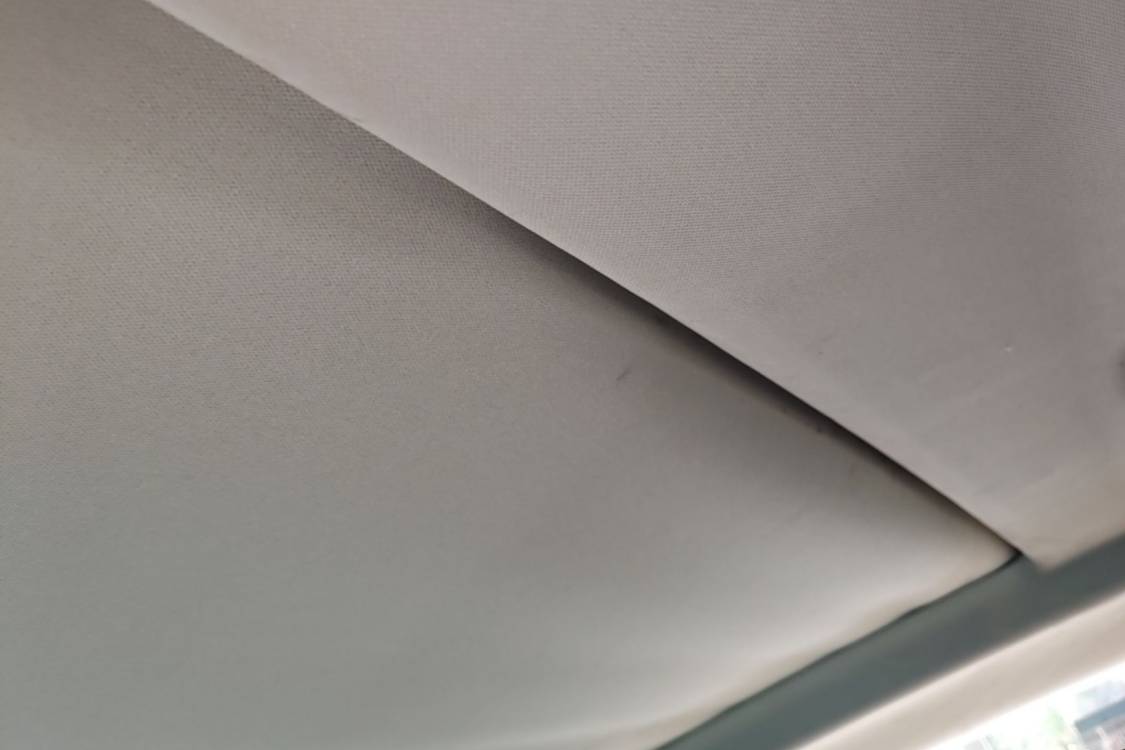
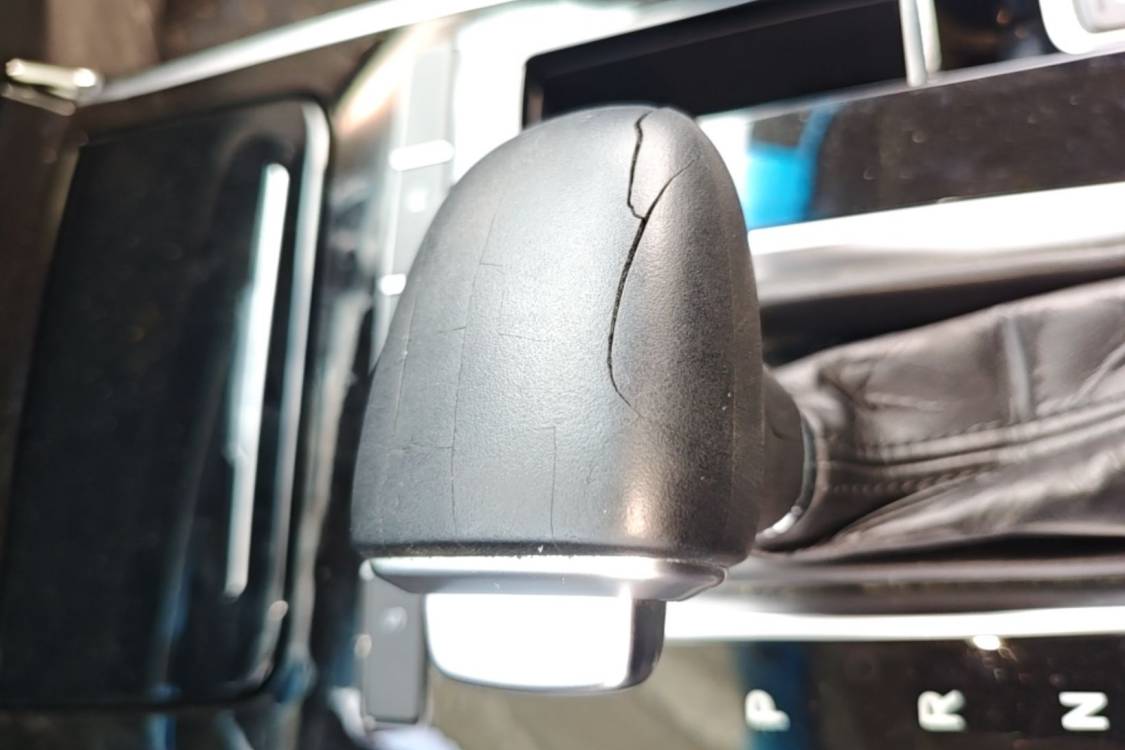
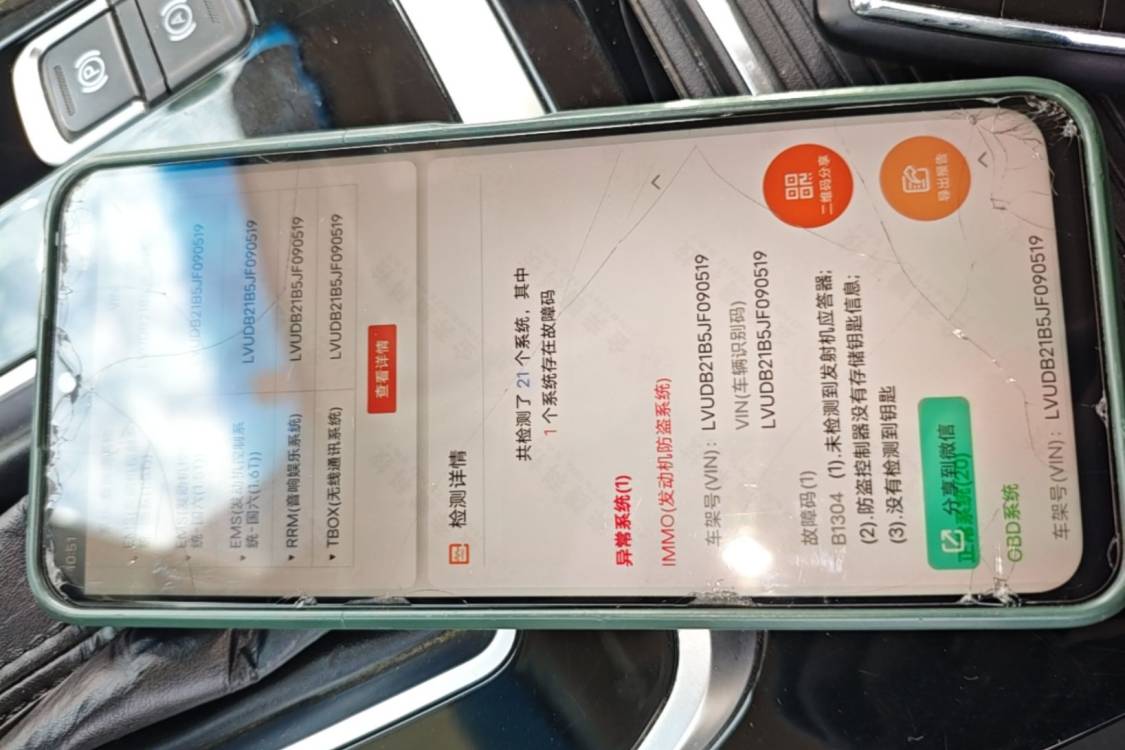
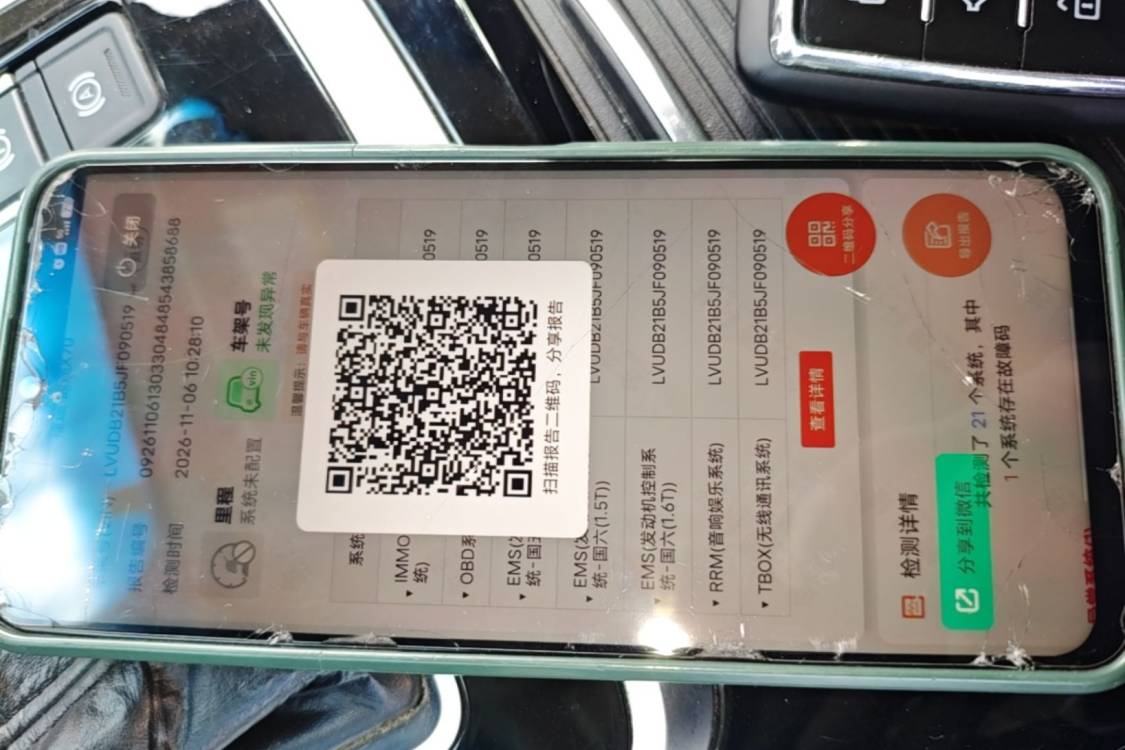
Accident inspection: main structure undamaged, reinforcement parts damaged, panels undamaged, hinges normal. Engine bay: key mechanical components normal. Exterior: 2 areas of sheet metal repair. Interior: sunroof sunshade dirty, faulty, and torn; gear shift knob damaged; most features normal; airbags normal; lighting system normal. Startup test: OBD shows engine fault codes and other fault codes. No onboard tools.

独家上新
电话直连
可讲价
平台物流
新检测标准升级>
非泡水

Document Information

Inspection Expiry Date2027/01
Warranty Expiry Date-
Insurance Expiry Date-

Q&A

More

How does customs clearance work at destination when importing a used car from China, and who handles it?

Customs clearance at destination is usually handled by a licensed customs broker, not the exporter. You can hire one yourself or use a broker recommended by your shipping agent. The typical flow: your broker files the import declaration using the documents the exporter must provide — the commercial invoice, packing list, bill of lading, and the certificate of origin. Depending on your country's rules, you will also need to pay import duty, VAT or sales tax, and any excise or environmental levies before the car is released. Things that commonly delay clearance: mismatched VIN numbers between documents, missing pre-shipment inspection certificates (required in some African and Middle Eastern countries), or non-compliance with your country's used-car import age limits. Budget 3–10 working days for clearance after the vessel arrives, plus storage fees if documents are incomplete. Tip: send all documents to your broker for review before the ship departs China — fixing errors at origin is much cheaper than demurrage at destination.


If a third-party inspection report misses significant technical defects and they are discovered upon arrival at the destination port, how is liability determined?

This is a key legal issue. If the inspection is conducted by a third party appointed by us, we will be the primary responsible party and provide limited compensation to you, after which we will seek reimbursement from the inspection agency; if the inspection agency is designated by you personally (such as SGS), you will need to file a claim directly with that agency according to its service terms.

What engine health tests, like compression and leak-down, should be included in a pre-shipment inspection of a used car from China?

For gasoline cars, insist on a compression test: each cylinder should read within 10-15% of the others, and the actual values should match factory specs for that engine. A single low cylinder points to worn rings or valve problems that idle checks will never reveal. A leak-down test goes further. It pressurizes each cylinder and measures how much air escapes and where. Air hissing from the oil filler cap means ring wear; from the intake or exhaust means valve issues; bubbles in the radiator coolant mean a head gasket problem. This is the single most revealing test for engine condition. Also request OBD scan data with freeze-frame records, a coolant system pressure test (to catch hidden leaks), and an inspection of the timing belt or chain condition with service history. For electric vehicles, compression tests don't apply — instead ask for a battery health report from the BMS, motor insulation readings, and a road test logging any inverter or drive-unit fault codes. A written report with photos or video of each test is essential evidence for your records.