
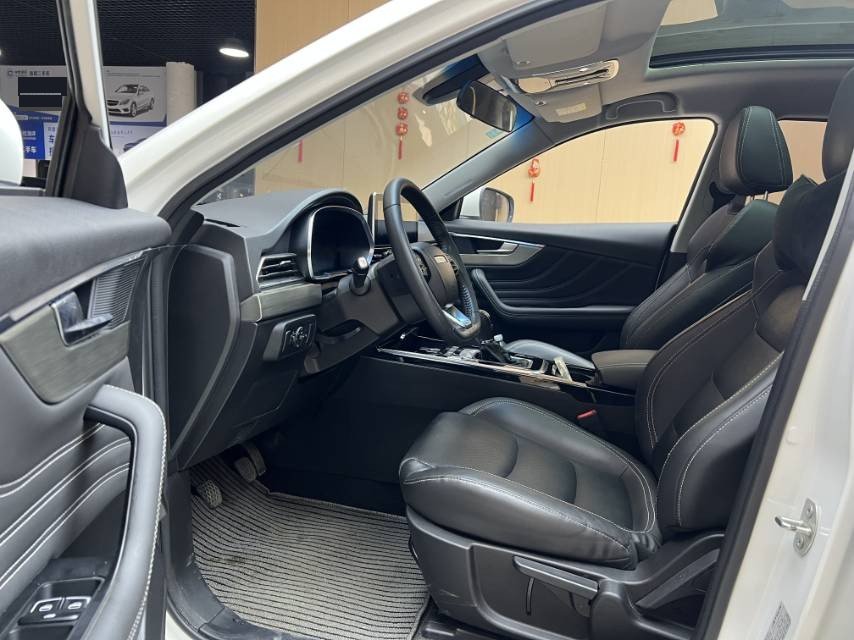

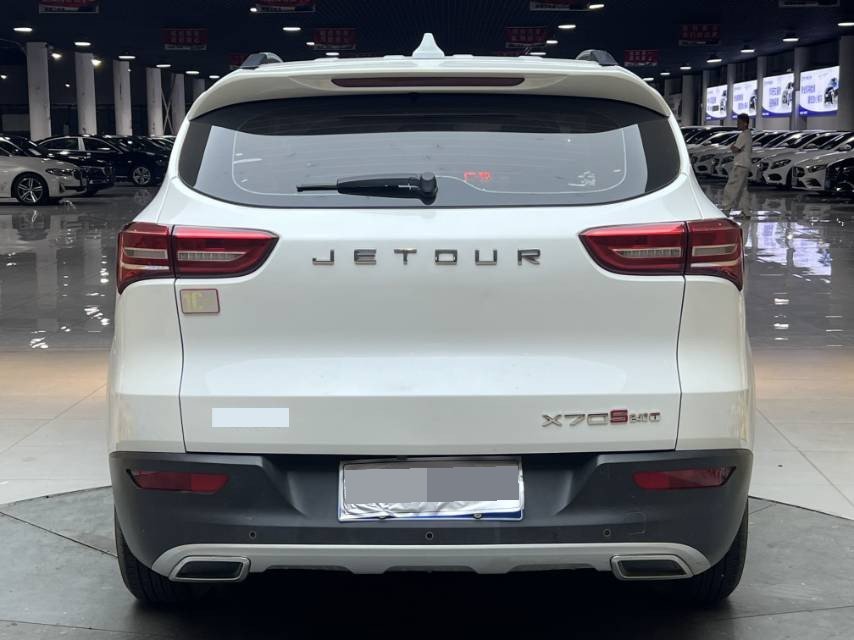
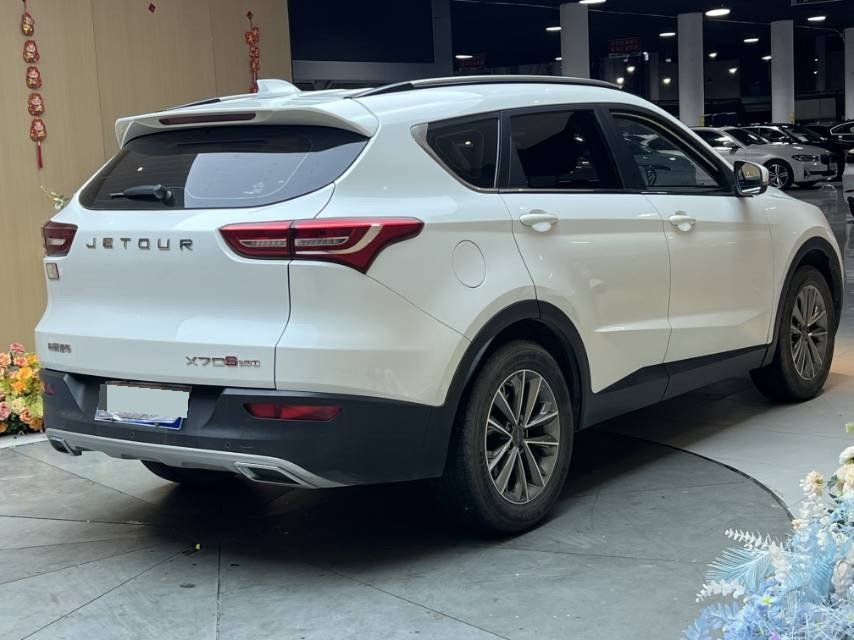
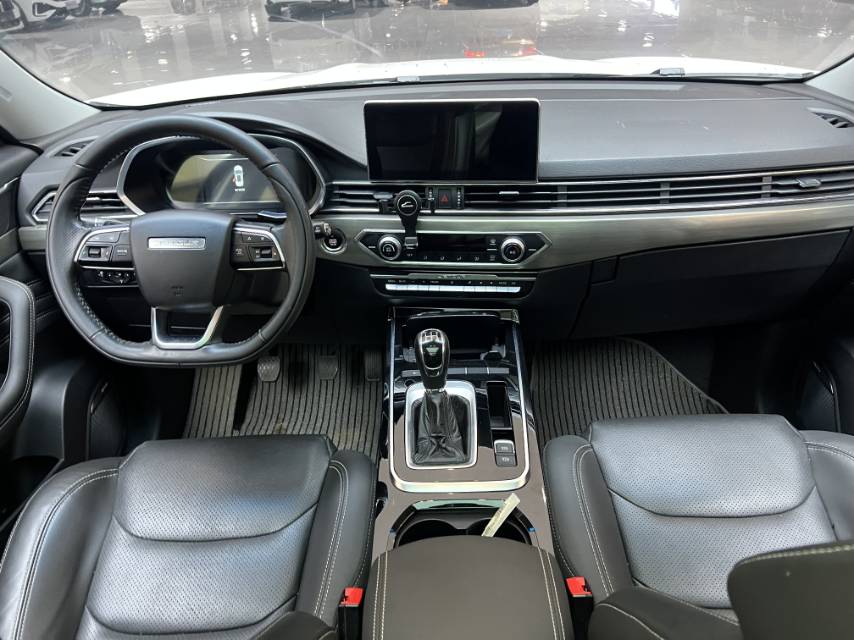
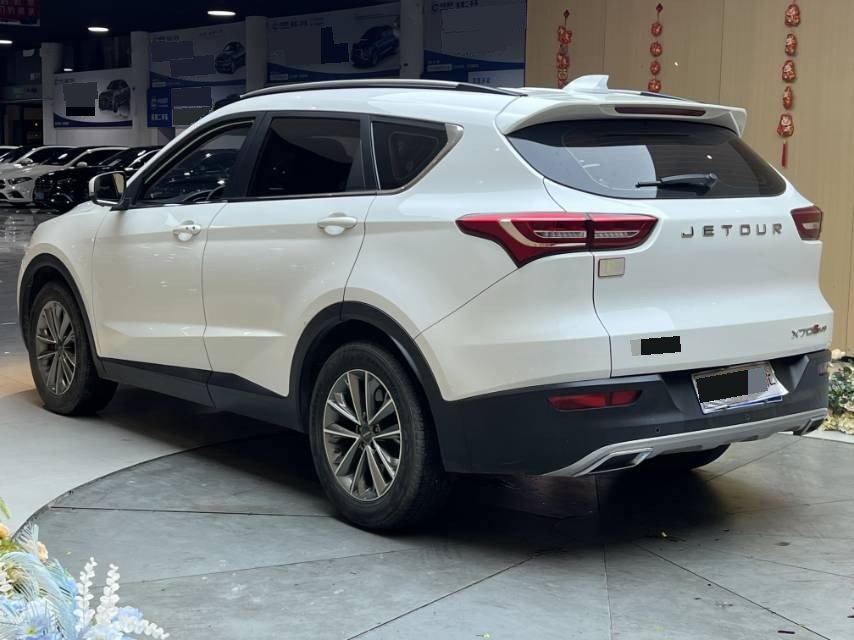



Basic Information

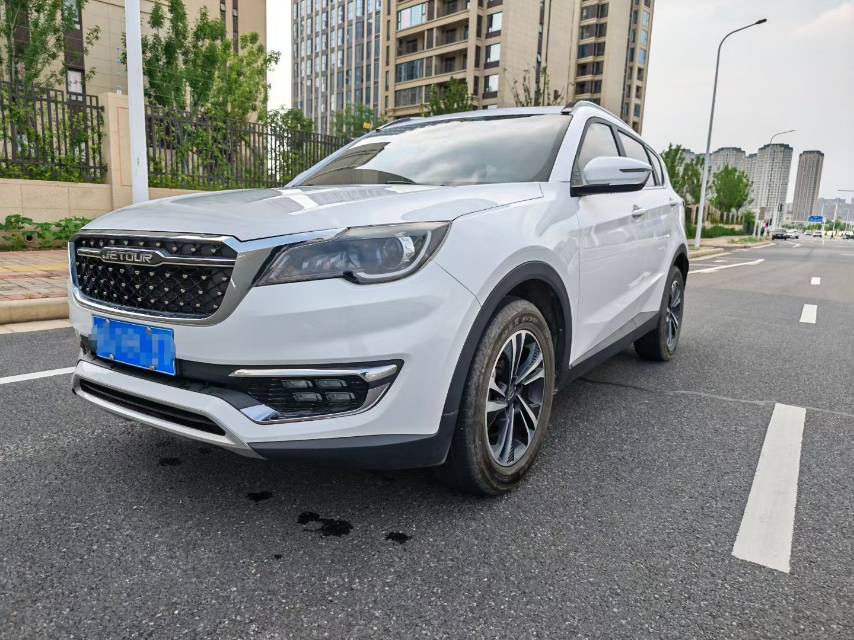
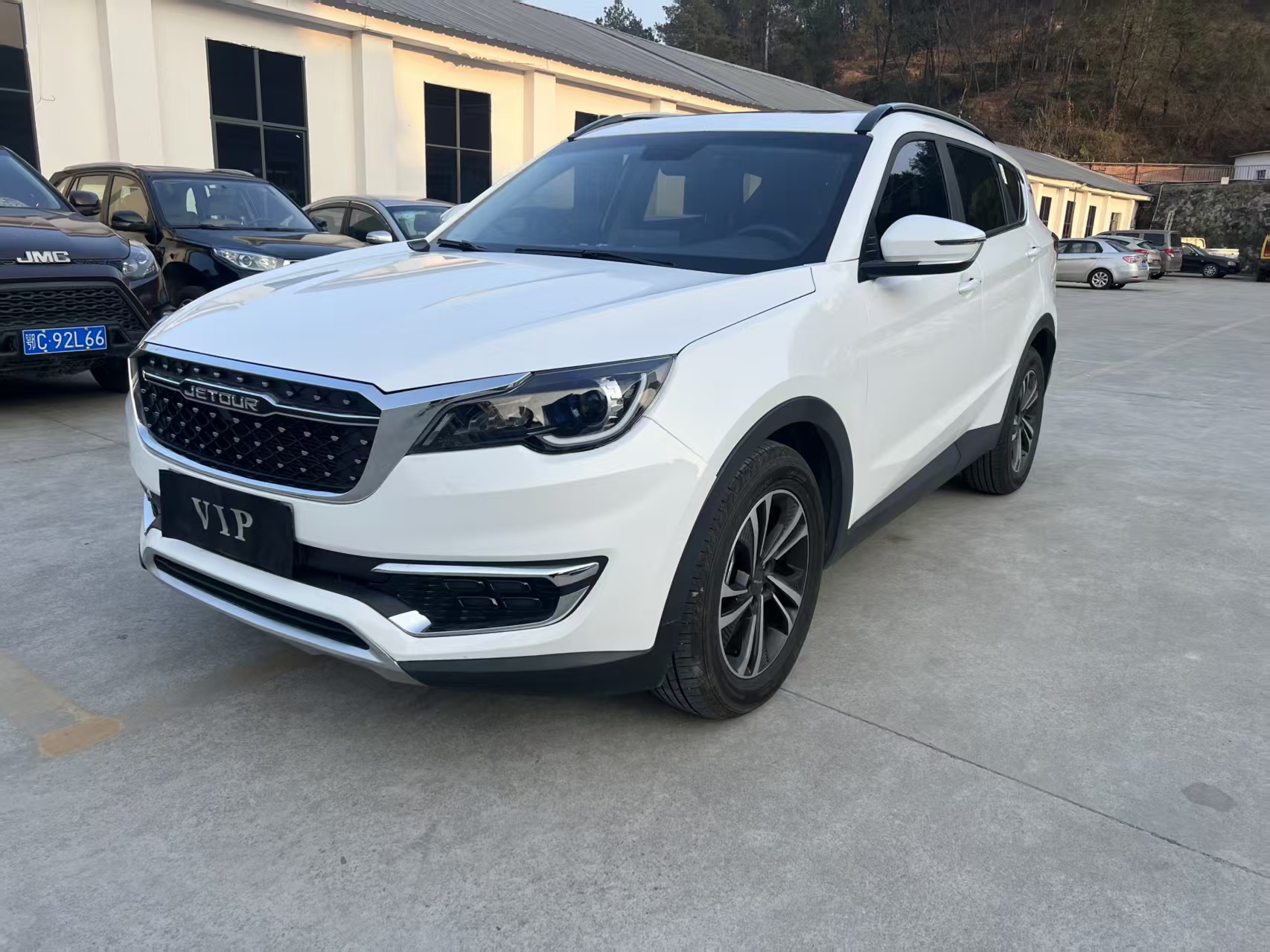
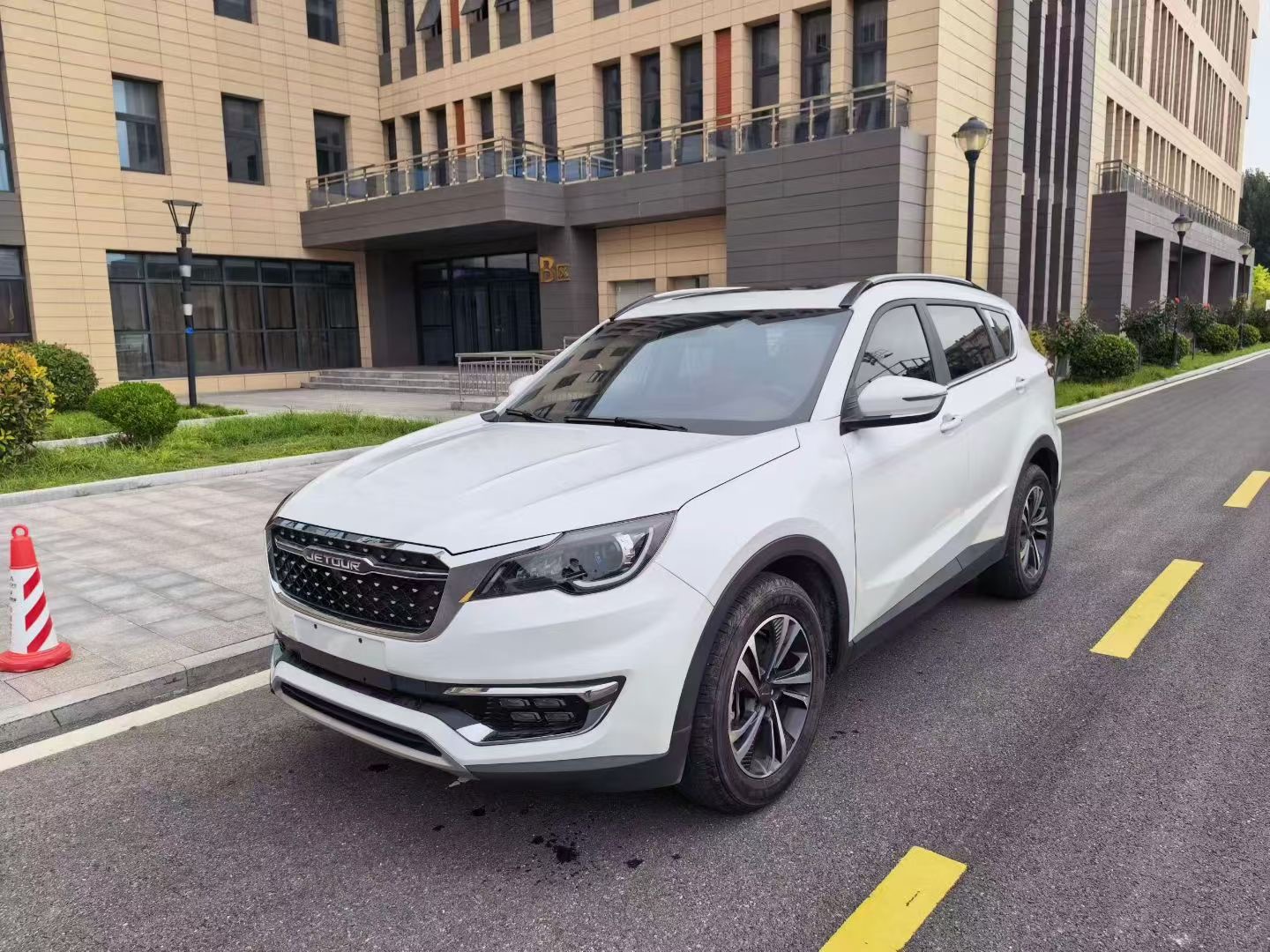
BrandJetour
SeriesX70S
Year2019
First Registration2019/02
Mileage58,000km
Transfer Count0times
FuelGasoline
TransmissionDCT
Engine1.5T 156 L4
ColorWhite
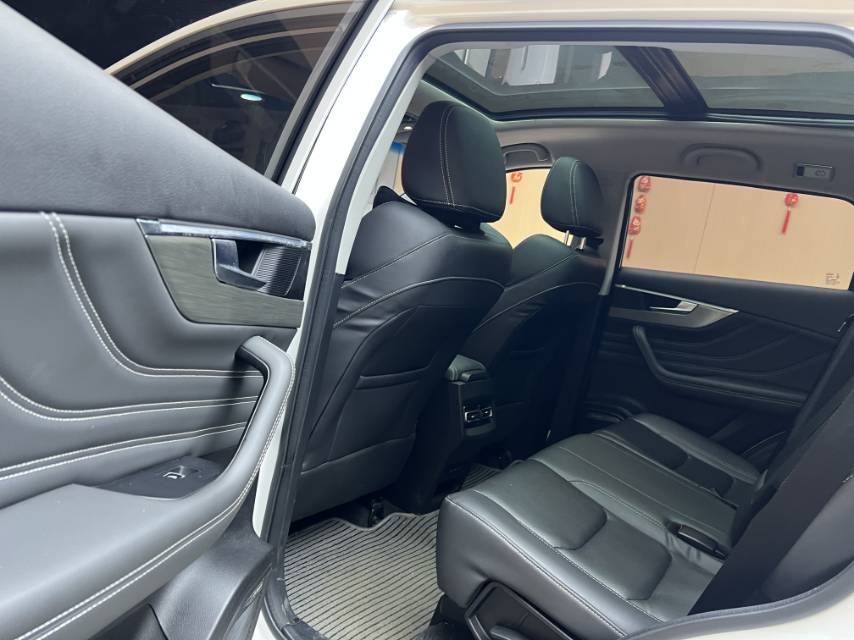
Seats6seats

Condition Description

First-hand car, actual odometer over 80,000 km, all original paint including metal parts, can pass third-party inspection, manual transmission.

Document Information

Inspection Expiry Date-
Warranty Expiry Date-
Insurance Expiry Date2027/02

Q&A

More

How do I verify the ownership and registration history of a used car in China before buying it for export?

Verifying ownership protects you from buying a car that can't legally be exported. Start with the registration certificate (机动车登记证书), China's title document. It lists every owner change with dates. Ask the seller for clear photos of all pages — check that the current seller's name matches the latest entry. Next, ask for the seller's ID (or business license for a dealer) and confirm it matches the registration certificate. A mismatch is a red flag unless there's a documented agency arrangement. Also verify the vehicle isn't mortgaged or seized: the registration certificate has a section for mortgage records, and your inspection agent can check the official vehicle management system by VIN. Finally, confirm the car is deregistered (or can be) before export — Chinese law requires deregistration and an export certificate for used cars leaving the country. Summary: title photos, seller ID match, no mortgage flags, export-ready status. Any gap in this chain should stop the deal.


What maintenance schedule should I follow for a used Chinese car during its first year after import?

Treat the first year as a baseline period. Do a full fluid service immediately after registration: engine oil and filter, coolant, brake fluid, and transmission fluid, since you don't know when they were last changed in China. First 1,000 km: check for loose trim, retorque wheel nuts, and listen for new noises as the car adapts to local fuel and roads. At 5,000-10,000 km: inspect brake pads and rotors, rotate tires, and scan the ECU for stored fault codes even if no warning light shows. Annually or every 15,000 km: replace the cabin and engine air filters, check the battery health (especially for hybrids and EVs), and verify that software updates from the Chinese brand's international channel apply to your car. Keep a simple log with dates and receipts. It protects any warranty claim and makes the car far easier to sell later.

What should I check about the 12V auxiliary battery in a used Chinese EV before shipping?

The 12V battery is small but critical: when it dies, the car cannot start, unlock, or charge. Used EVs often have weak 12V batteries because they sit on lots for months. Before shipping, ask the exporter to: 1. Measure the battery voltage after the car has rested overnight. It should read around 12.4-12.8V; anything under 12.2V means the battery is degraded. 2. Start the car and check that the charging system holds 13.8-14.4V, confirming the DC-DC converter works. 3. Scan for stored fault codes related to low voltage, which indicate the battery has been deeply discharged repeatedly. During ocean freight, the battery slowly self-discharges. Ask that it be disconnected or kept on a maintainer before loading, and budget for a replacement after arrival if the battery is over 3 years old. A new 12V battery costs little compared to being stranded at the port.