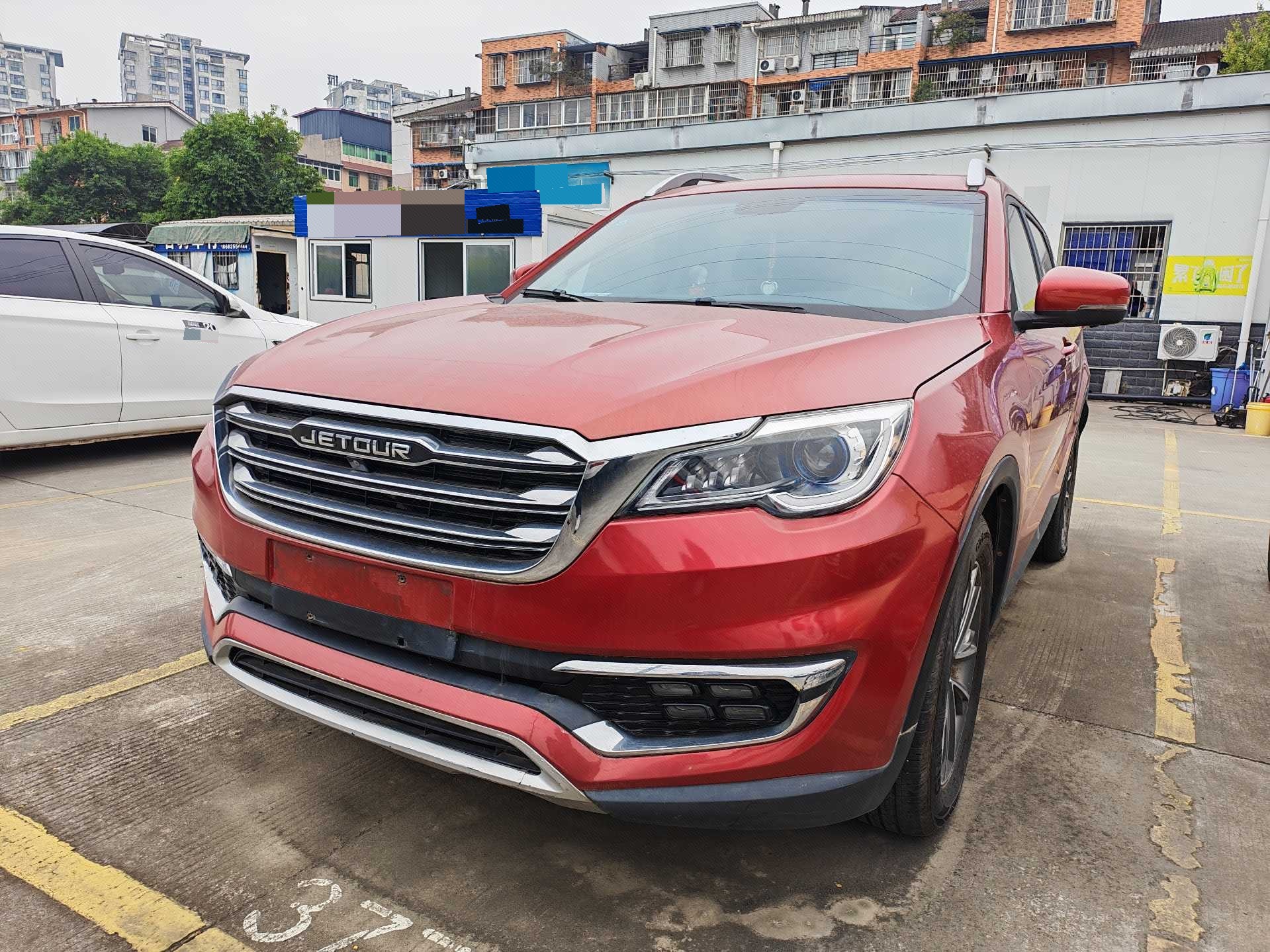



Sold

Basic Information

BrandJetour
SeriesX70S
Year2020
First Registration2020/06
Mileage80,000km
Transfer Count0times
FuelGasoline
TransmissionDCT
Engine1.5T 156 L4
ColorRed
Seats5seats

Condition Description

Minor repaint. Sunroof leaks causing carpet yellowing. Transferred once.

Document Information

Inspection Expiry Date-
Warranty Expiry Date-
Insurance Expiry Date2026/06

Q&A

More

What is a Certificate of Origin and do I need one to import a used car from China?

A Certificate of Origin (CO) is an official document stating where the vehicle was manufactured. For imports from China, it matters more than many buyers expect. First, customs value: many countries apply duty rates based on the country of manufacture, not where you bought the car. A CO proves the vehicle is Chinese-built, which determines the correct tariff line—skipping it can mean reassessment, fines, or seizure at destination. Second, trade agreements: some countries have preferential tariffs for Chinese goods that only apply with a valid CO. Request a CO issued by the China Council for the Promotion of International Trade (CCPIT) or China Customs, not a self-printed form. Check that the VIN, engine number, and buyer details match your purchase documents exactly. Make receiving the CO a condition before your final payment, and keep the original—customs at destination will ask for it.


Will you investigate if the previous owner had any records of illegal street racing or dangerous driving during their ownership?

This involves personal privacy, and we have no right or ability to retrieve personal driving violation records from the traffic police system. We can only infer if there was aggressive driving by checking if the engine has been reprogrammed with a higher-level ECU (stage 1/2) or if the transmission has a history of severe overheating.

How can I verify a used car's accident and repair history in China from overseas?

China has centralized vehicle records you can check remotely before paying anything. Ask the exporter for the 17-digit VIN, then request two reports. First, the maintenance history: third-party platforms pull 4S dealership records showing service dates, mileage and repair items. A mileage line that goes down over time is a red flag for odometer tampering. Second, the insurance claim history: it lists accident dates, claim amounts and repaired parts. Heavy claims involving frame rails or airbags should end the deal. Practical tips: run the reports yourself instead of accepting screenshots from the seller, make sure the report date is close to the delivery date, and cross-check with physical wear such as the steering wheel, pedals and seat bolsters, which cannot lie about high mileage. Keep in mind that small private repairs never enter these databases, so combine history checks with a physical inspection before shipping.