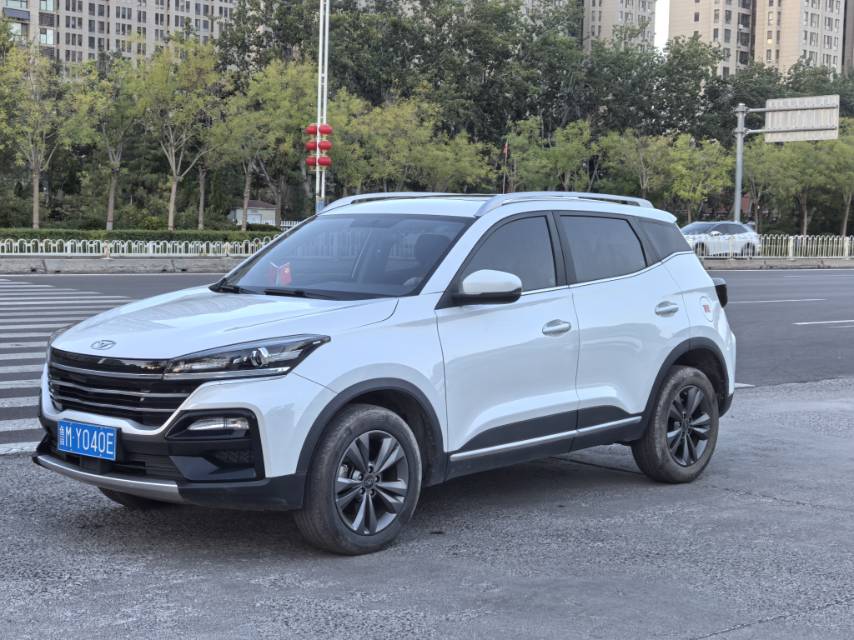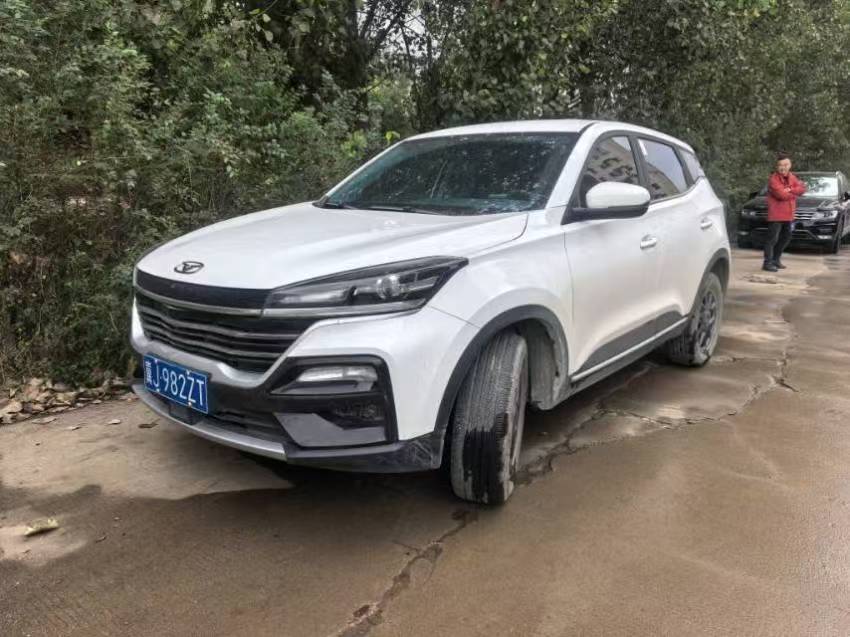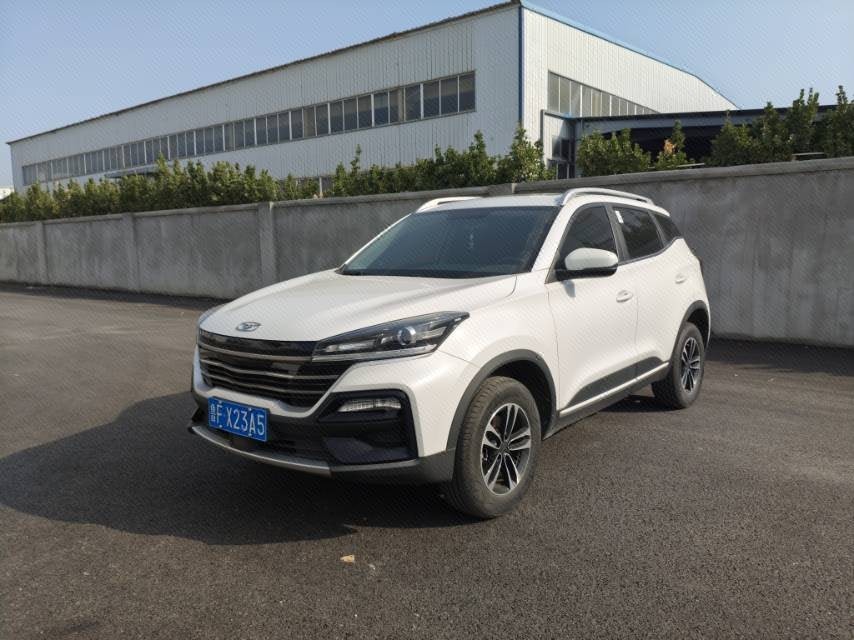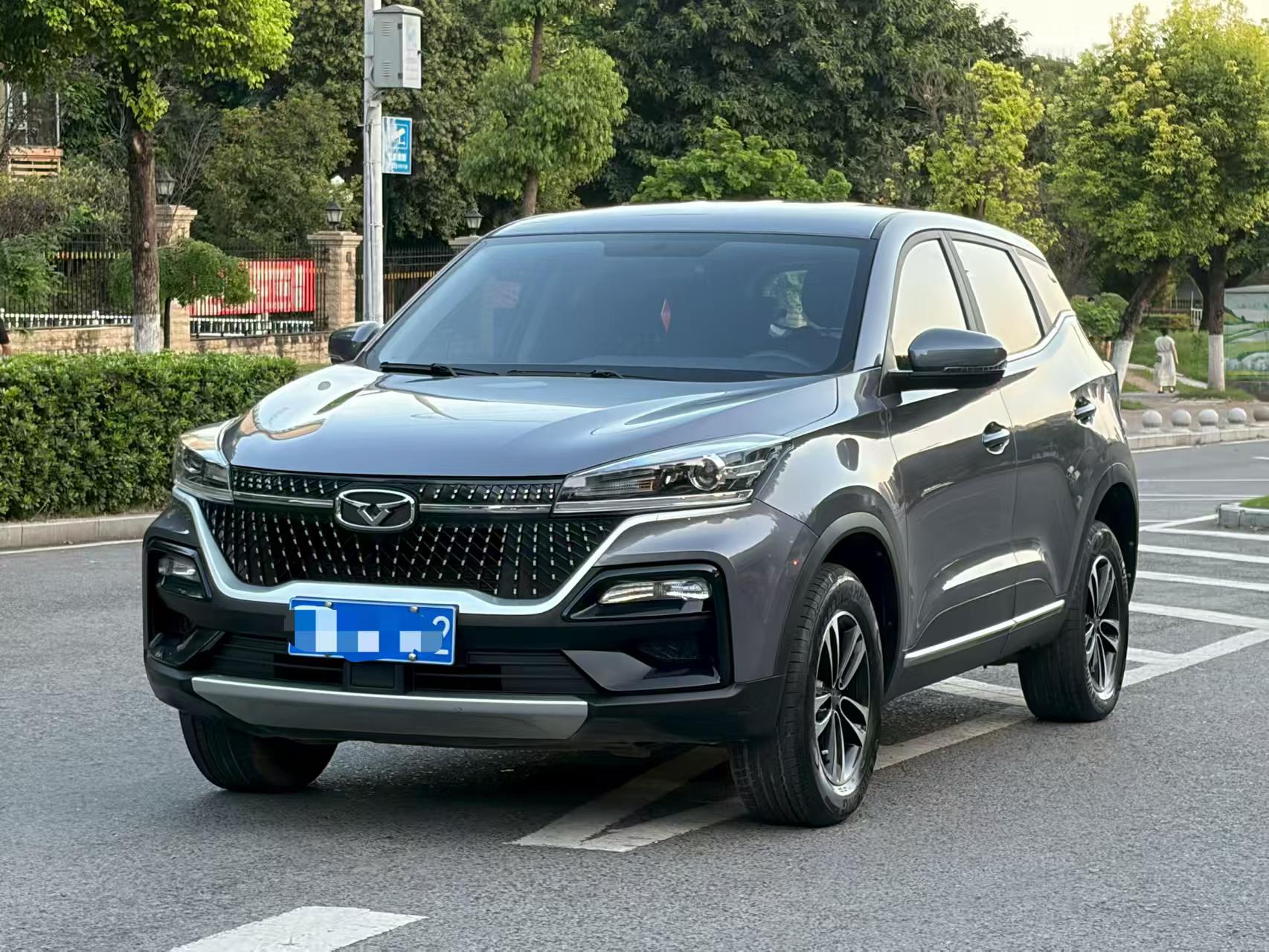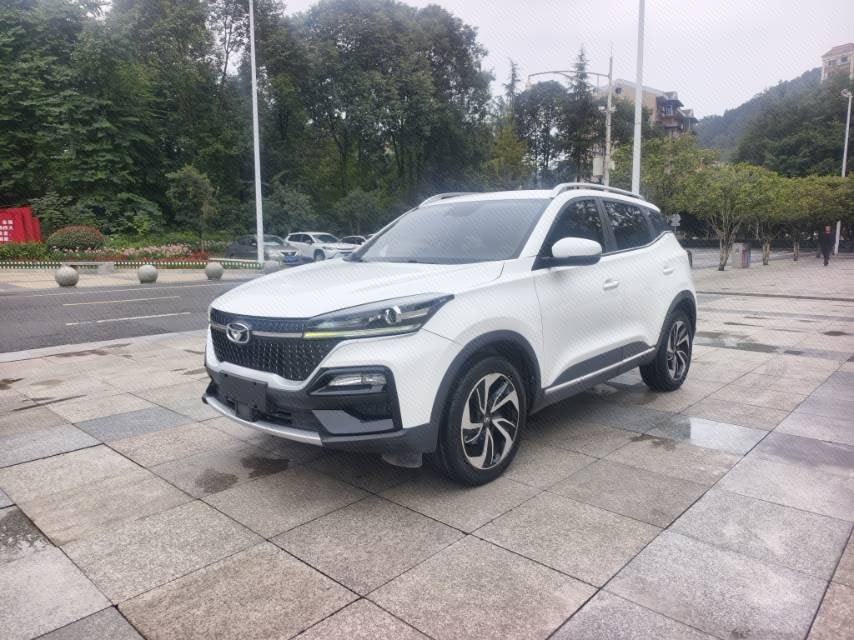
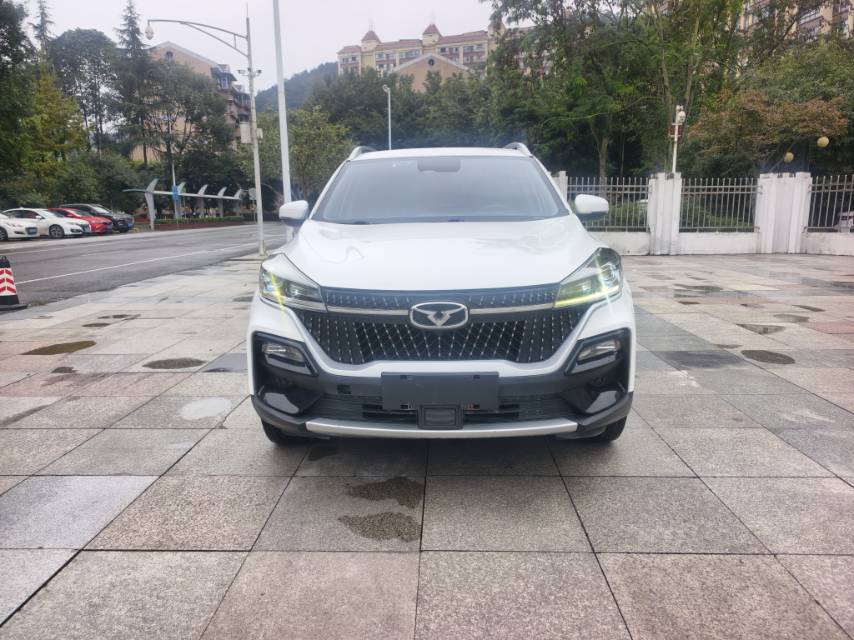
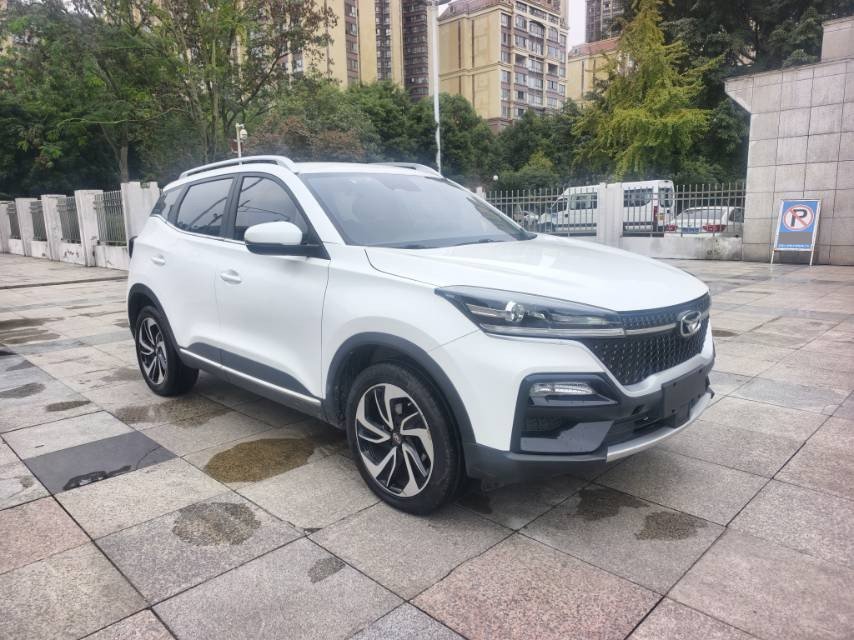
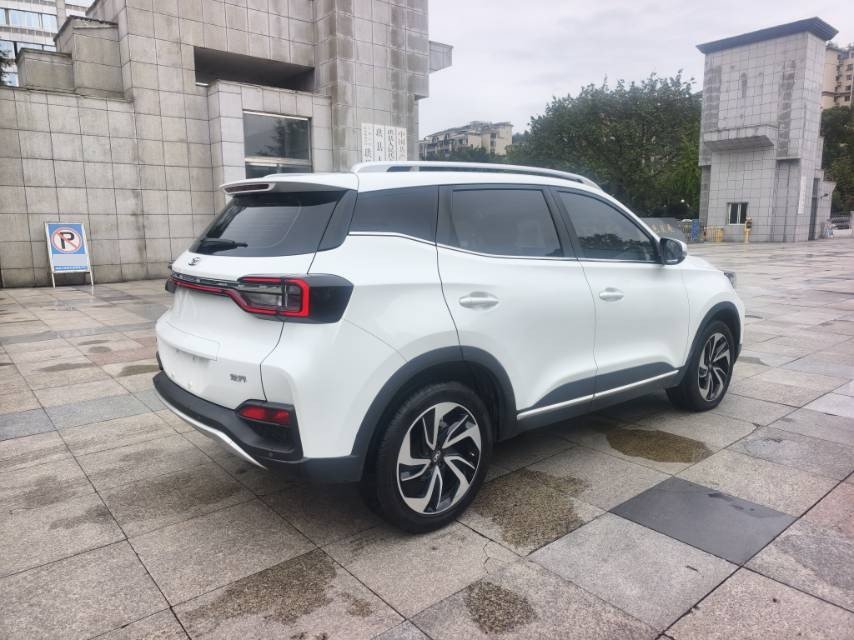
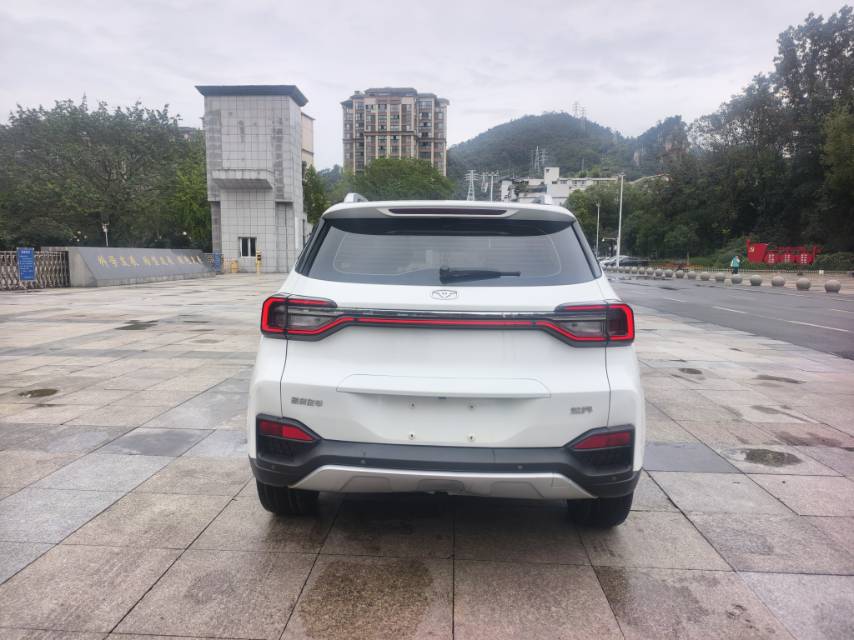
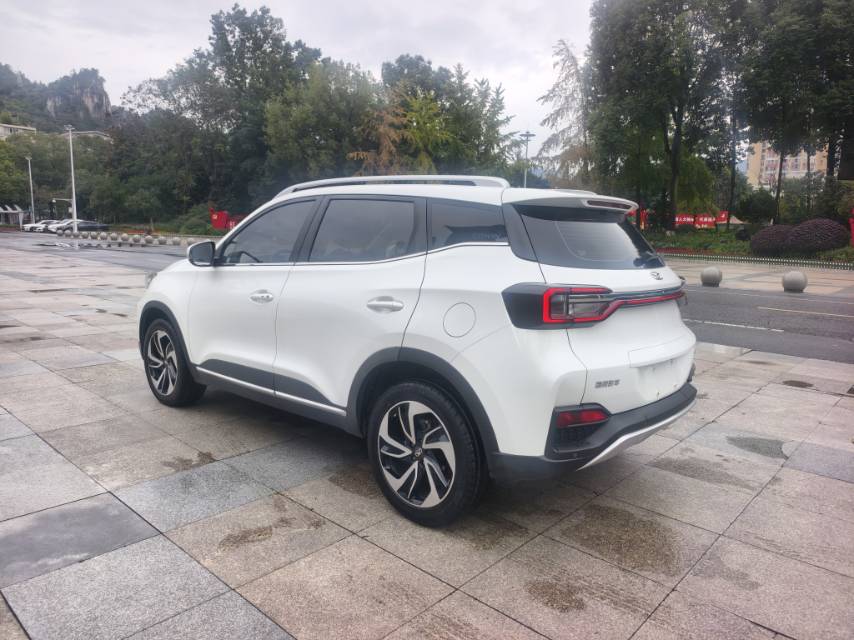
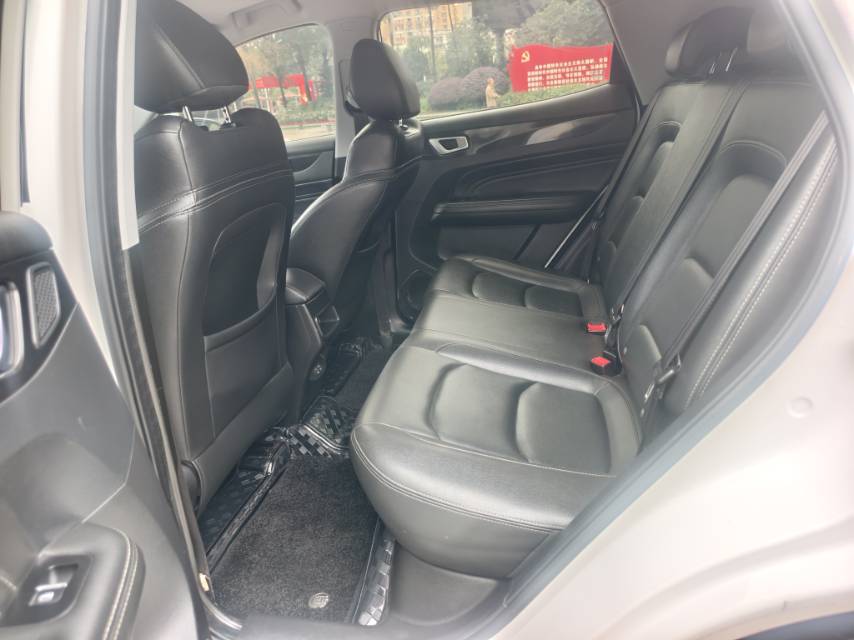
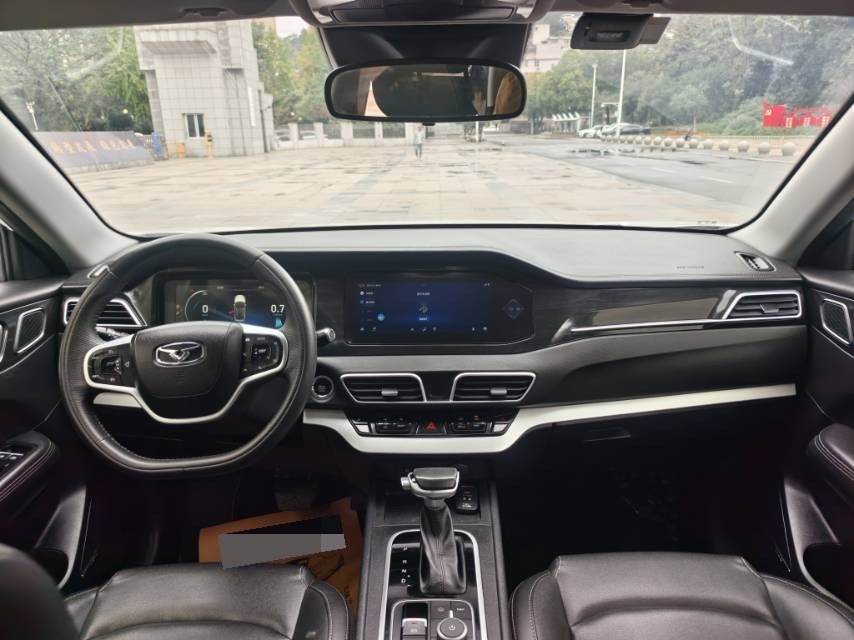
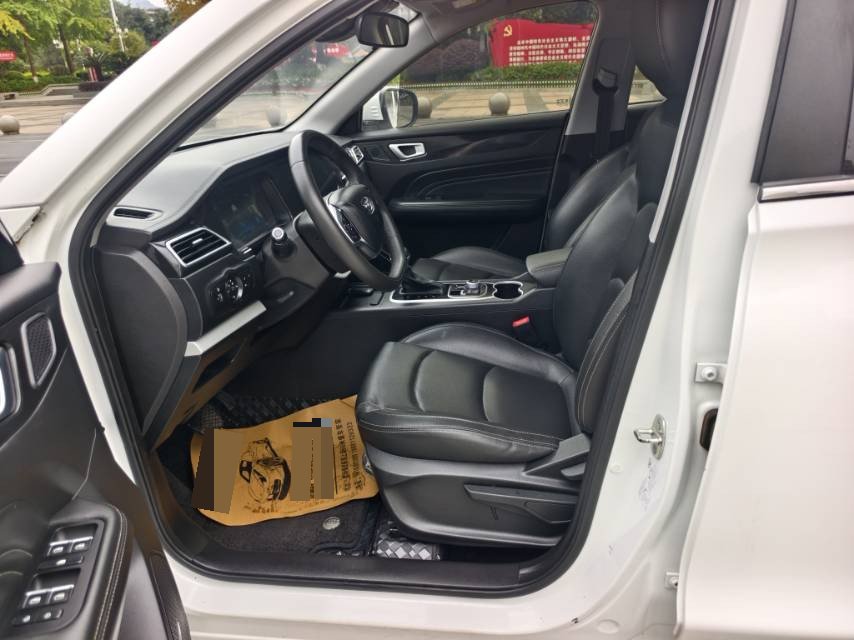



Basic Information

BrandKaiyi
SeriesShowjet
Year2020
First Registration2020/12
Mileage90,000km
Transfer Count0times
FuelGasoline
TransmissionCVT
Engine1.5L 116 L4
ColorWhite
Seats-

Condition Description

Original body panels throughout, several panels repainted, no immediate investment needed.

Document Information

Inspection Expiry Date-
Warranty Expiry Date-
Insurance Expiry Date2026/12

Q&A

More

How do I decode a Chinese VIN and what can it tell me about a used car before I buy?

A Chinese VIN is 17 characters, and decoding it takes minutes but reveals a lot. Positions 1-3 are the World Manufacturer Identifier. Cars sold domestically in China usually start with L (for example LFV for FAW-VW, LGB for Dongfeng Nissan), which tells you it was built in China rather than imported. Position 10 is the model year letter or number. Positions 4-8 describe the model, body type, and drivetrain, so you can verify the seller's description matches the actual car. Cross-check the VIN in three places: the plate at the base of the windshield, the sticker on the door jamb or B-pillar, and the registration certificate. Mismatched VINs or signs the plates were re-riveted are a serious red flag for a cloned or rebuilt vehicle. Use the VIN to pull a history report from a Chinese data provider and to verify recall status with the manufacturer. Any seller who hesitates to share the full VIN is telling you something important.


How does the step-by-step process work when buying a used car from China for export?

The standard process looks like this: 1. Selection: pick the car, request the VIN, registration certificate, and recent photos/videos. For higher-value cars, order an independent third-party inspection. 2. Negotiation and contract: agree on price and terms. Sign a written contract stating the car's condition, price, payment schedule, and delivery terms (FOB or CIF). 3. Deposit: typically 20-30% to reserve the car. Pay to the company's corporate account, never a personal one. 4. Verification: your agent or inspector confirms the car matches the contract before the balance is due. 5. Balance and export: pay the remaining amount; the seller arranges inland transport, export customs clearance, and port loading. 6. Shipping documents: you receive the commercial invoice, packing list, and bill of lading - usually by courier or email. 7. Arrival: your customs broker clears the car, you pay duties and taxes, then register it locally. Total timeline is usually 4-8 weeks depending on the shipping route.

Will a used Chinese EV still receive OTA updates and can I use the companion app after the car is exported?

This is one of the most common post-export surprises, so verify before buying. OTA updates: most Chinese brands push updates to cars registered on domestic servers. Many exported cars continue receiving updates normally, but some brands restrict updates by VIN region once the car leaves China. Ask the seller to confirm the update history and whether the brand officially supports your destination region. Some grey-import cars are stuck on the firmware version they left with. Companion apps: the factory app usually requires a Chinese phone number and a domestic account. After export, remote functions (preconditioning, charging status, location) often stop working or require workarounds. Some owners re-register via third-party services, but this is unofficial and can break at any time. Practical advice: before purchase, get the seller to show a screenshot of the car's current software version and connected services status. Factor in that you may lose remote features permanently, and check whether local dealers or independent shops can perform diagnostics and updates without the official app.